
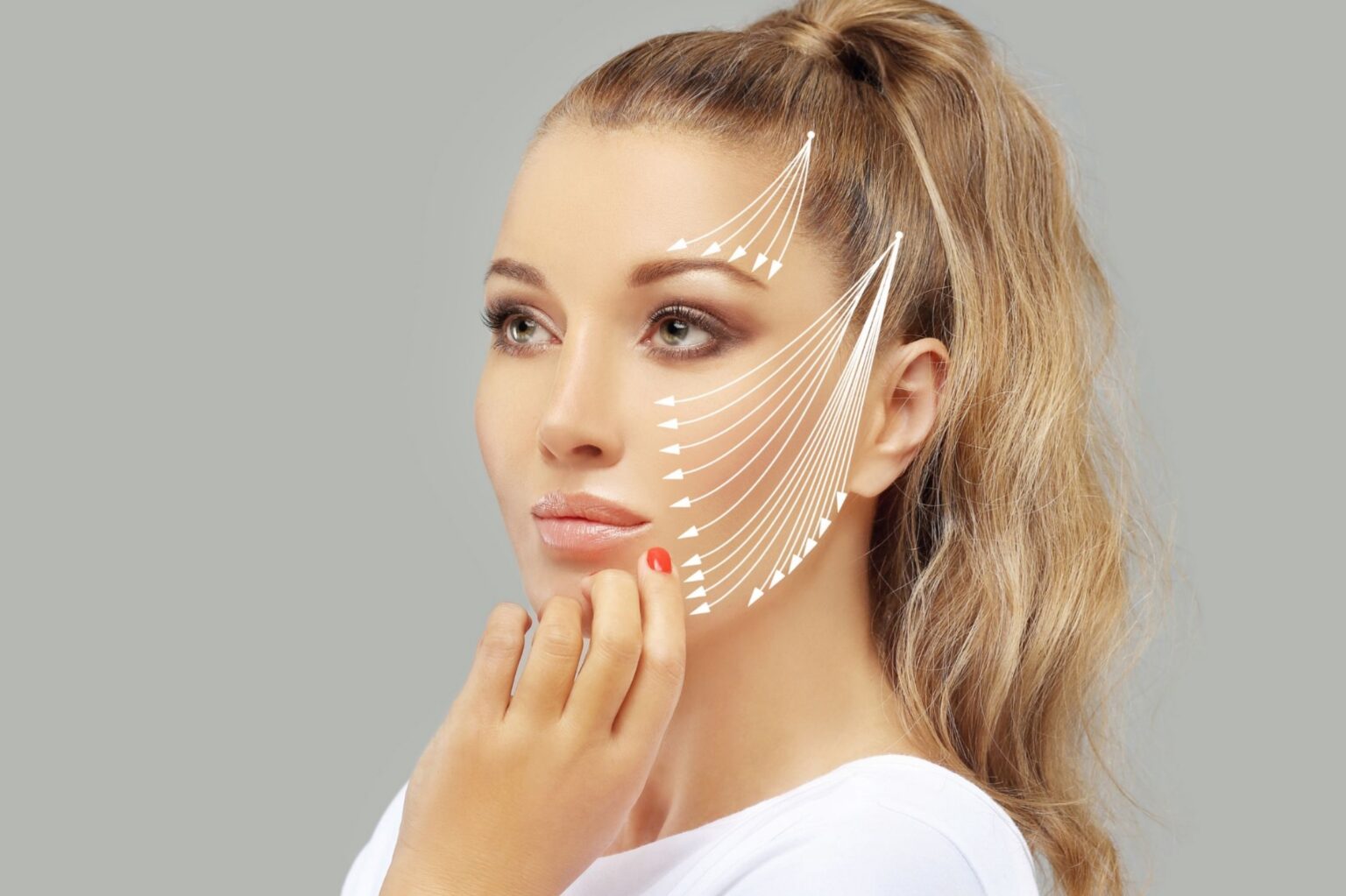
For generations, the concept of a facelift was bound to a specific chronological milestone. The prevailing wisdom dictated that a patient should wait until their late fifties or sixties—when facial aging had advanced significantly—before considering surgical intervention. Until that threshold was crossed, patients were encouraged to rely exclusively on non-surgical treatments to maintain a youthful appearance. Today, our understanding of facial aging kinetics has shifted dramatically. Chronological age is a remarkably poor indicator of structural health. Individuals age at vastly different rates due to genetics, lifestyle factors, and underlying skeletal support. Modern aesthetic medicine focuses on a more sophisticated paradigm: anatomy-based surgery. Instead of waiting for widespread tissue degradation, we look at the physical integrity of the retaining ligaments and deep muscle layers. Initiating a structural restoration when the tissue is still resilient yields outcomes that are vastly more natural, stable, and long-lasting.
At our practice, we reject arbitrary age limits in favor of precise anatomical diagnostics. Waiting until severe laxity takes hold makes the surgical correction more complex and increases the risk of an unnatural outcome. This comprehensive guide explores the biological limitations of chronological tracking, the signs of early structural failure, and the clinical advantages of choosing a deep plane facelift earlier in life.
The Failure of Chronological Guidelines
To understand why the age-based model is obsolete, we must look at the variables that govern facial aging. Chronological age merely tracks the passage of time; it does not account for biological variance. One patient in their early forties may experience a rapid elongation of their retaining ligaments due to genetic laxity, resulting in prominent jowling and midface descent. Another individual in their late fifties may retain highly resilient connective tissues and excellent skeletal projection, requiring minimal intervention.
When a patient with genuine structural descent is told they are too young for a surgery, they are forced into a holding pattern. They often attempt to correct deep structural migration with excessive quantities of dermal fillers or superficial energy devices. While these non-surgical tools are highly effective for early skin quality management, they cannot physically reposition descended muscle or fat. Forcing non-surgical solutions onto a structurally compromised face leads to an over-inflated, distorted appearance. The decision to intervene should always be dictated by the condition of the anatomy, never by the date on a birth certificate.
Recognizing the Signs of Early Structural Laxity
Determining whether you are a candidate for anatomy-based surgery requires an evaluation of the deep facial planes. There are specific, early indicators that show the retaining ligaments have begun to stretch, signaling that volume solutions are no longer sufficient:
- The Malar Slide: The midface fat pad drops vertically off the cheekbone, creating a hollow appearance under the eyes and a heavy, pronounced nasolabial fold that returns quickly even after filler injection.
- The Early Jowl: The mandibular retaining ligament relaxes, allowing a small pocket of soft tissue to drop past the clean border of the jawline, disrupting the continuous, sharp linear profile from the chin to the ear.
- The Lateral Neck Laxity: The skin and muscle sheets directly beneath the angle of the jaw show early horizontal gathering or separation, particularly noticeable when the head is turned or tilted downward.
The Deep Plane Advantage in Younger Anatomy
When a deep plane facelift is performed on a patient in their late thirties or forties, the surgical biomechanics work in perfect harmony with the healthy tissue quality. Younger patients possess excellent skin elasticity and robust micro-circulation. Because the deep plane technique targets the sub-SMAS layer to release and lift the heavy muscle and fat pads directly, the healthy skin envelope simply follows the new foundation without any horizontal tension.
Traditional facelifts pulled the skin to achieve a lift, which often looked windswept on a younger face. The deep plane approach leaves the skin completely relaxed. Because the underlying tissues have not experienced decades of severe sun damage and thinning, the newly repositioned layers heal with exceptional strength. The final result is not a dramatic transformation that changes your look, but a subtle, seamless preservation that locks your appearance into a refreshed baseline before the severe signs of aging can manifest.
The Longevity Benefits of Early Intervention
Choosing to address structural sagging earlier in life offers a profound biological advantage regarding long-term result stability. As we undergo surgery, the tissue layers form a firm matrix of internal fibrous adhesions during the remodeling phase of wound healing. This internal scar matrix binds the lifted muscle layer directly to the deep bone structure, forming a permanent support system.
When this reset is established while the cellular machinery is young and highly active, the quality of the collagen matrix is significantly superior. The face continues to age naturally after the procedure, but it ages from a much higher, structurally reinforced baseline. A patient who undergoes an anatomy-based deep plane lift in their forties will maintain a crisp, youthful jawline and cheek contour long into their fifties and sixties, consistently looking a decade younger than their chronological peers and eliminating the need for aggressive, high-risk corrective surgeries later in life.
Clinical Integrity and the Rejuvenation Continuum
Embracing the anatomy-based paradigm requires a sophisticated partnership between the patient and a highly trained specialist. It means shifting the conversation away from standard quick fixes and focusing on long-term structural health. Proactive surgery does not mean over-operating; it means performing the precise, low-tension intervention required to preserve your natural beauty exactly when your biology demands it.
Our practice is dedicated to delivering medical care rooted in precision, clinical clarity, and absolute authenticity. During your private consultation, we will perform a thorough three-dimensional analysis of your dynamic facial vectors to evaluate the health of your retaining ligaments, helping you make an informed decision based on science rather than an arbitrary age standard.
MEDICAL DISCLAIMER: The information provided in this article is for educational purposes only and is not a substitute for professional medical advice, diagnosis, or treatment from a qualified healthcare practitioner. Always seek the advice of a physician or other qualified health provider with any questions you may have regarding a medical condition or procedure.To schedule a comprehensive anatomical facial analysis and determine the ideal timing for your restoration, book your consultation today.
Visualizing Results: Before and After Gallery
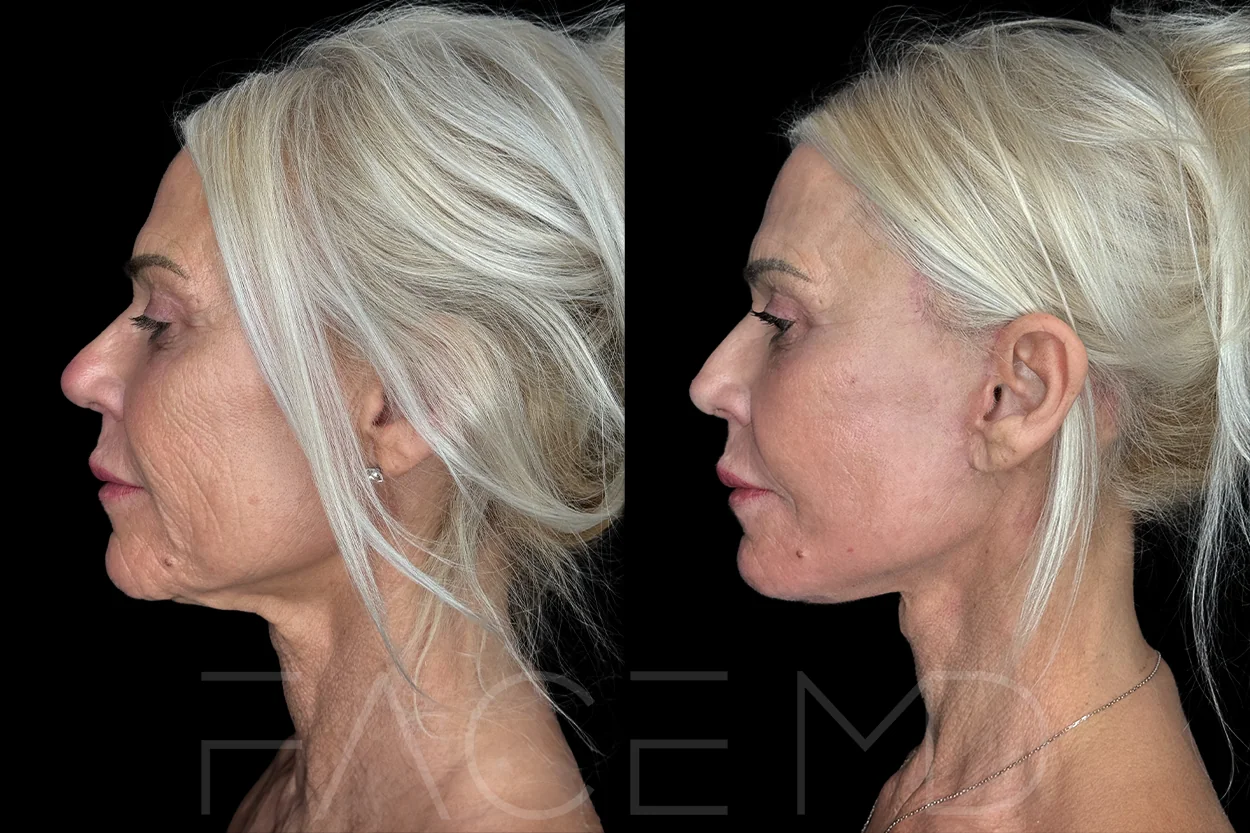
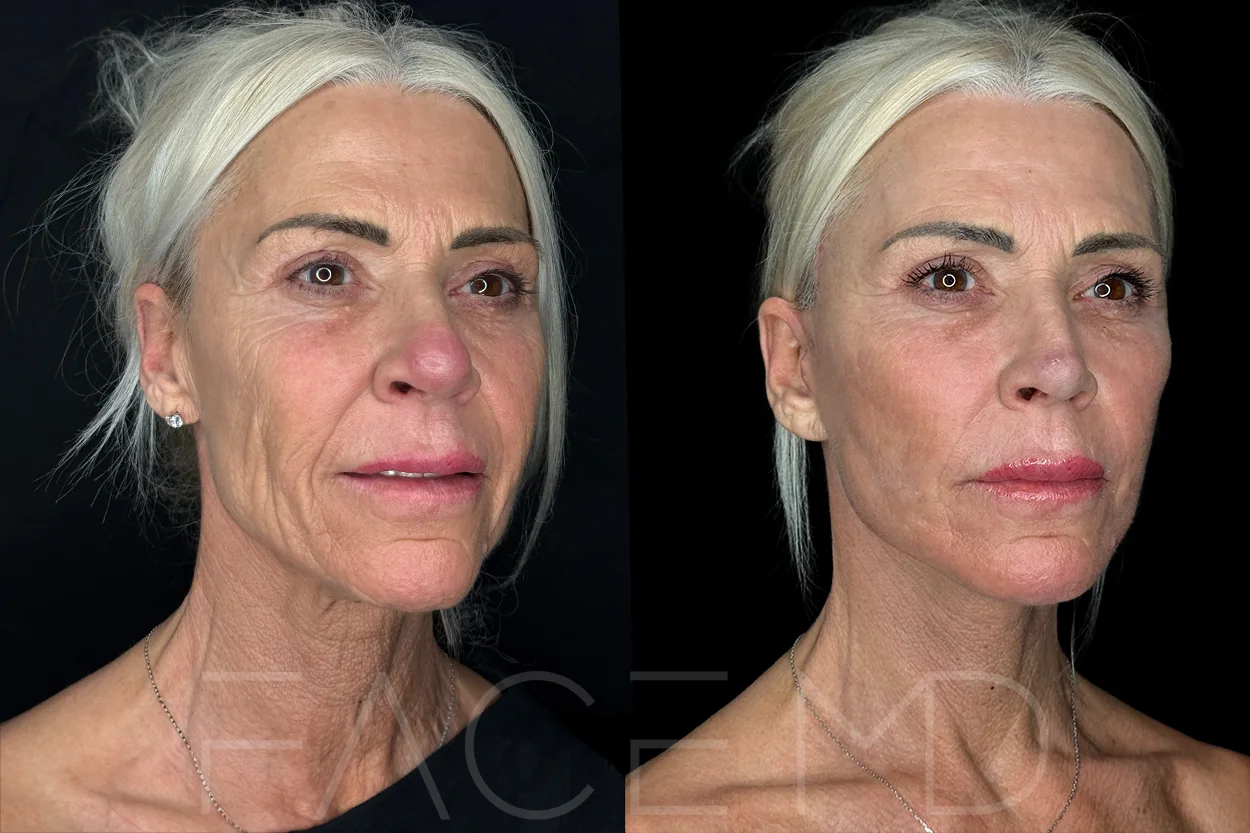
To demonstrate the transformative potential of deep-plane techniques, please refer to the gallery below showcasing patient outcomes:
←- 12 Months post-op Deep Plane Face & Neck Lift with Fat Transfer and Full Face CO2 Laser
- 22 Months post-op Deep Plane Face & Neck Lift with Fat Transfer and Full Face CO2 Laser
- 52 Months post-op Deep Plane Face & Neck Lift with Fat Transfer and Full Face CO2 Laser
- 72 Months post-op Deep Plane Face & Neck Lift with Fat Transfer and Full Face CO2 Laser
- 32 Months post-op Deep Plane Face & Neck Lift with Fat Transfer and Full Face CO2 Laser
- 42 Months post-op Deep Plane Face & Neck Lift with Fat Transfer and Full Face CO2 Laser
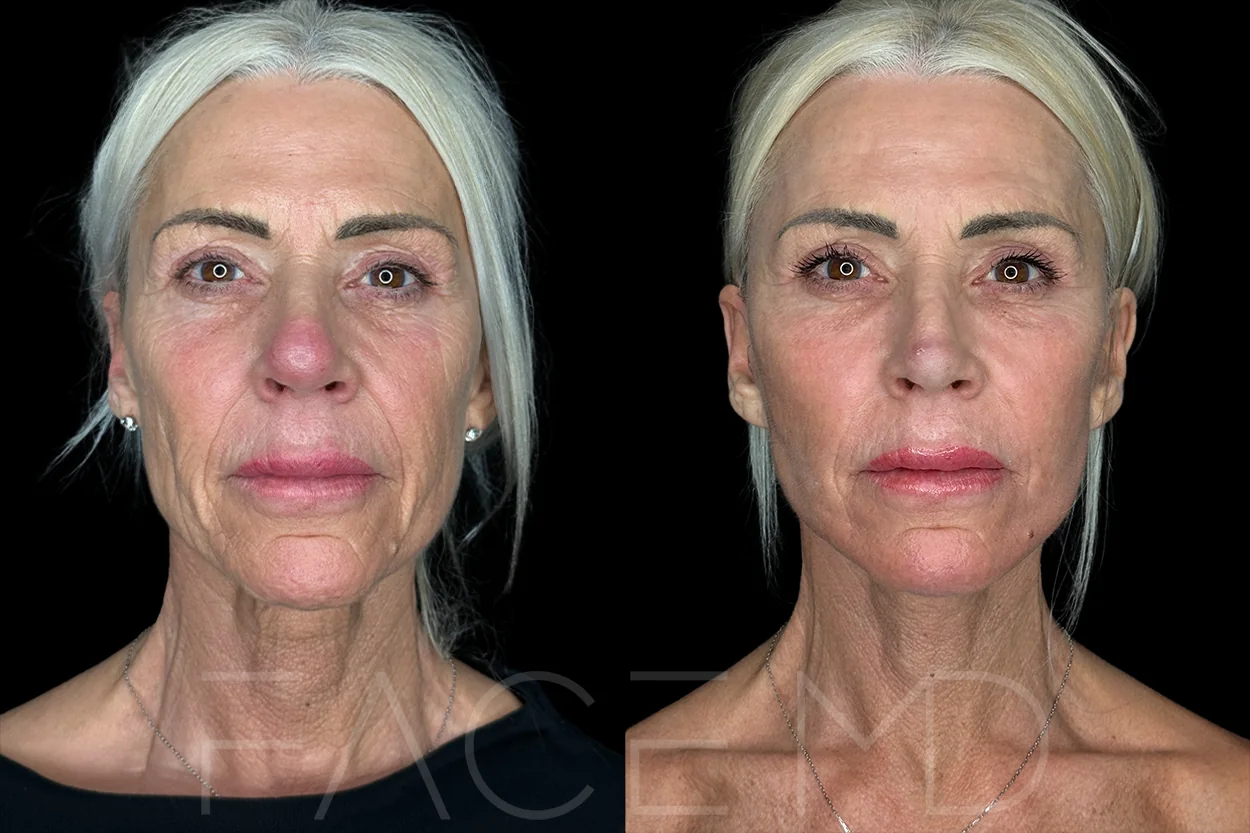
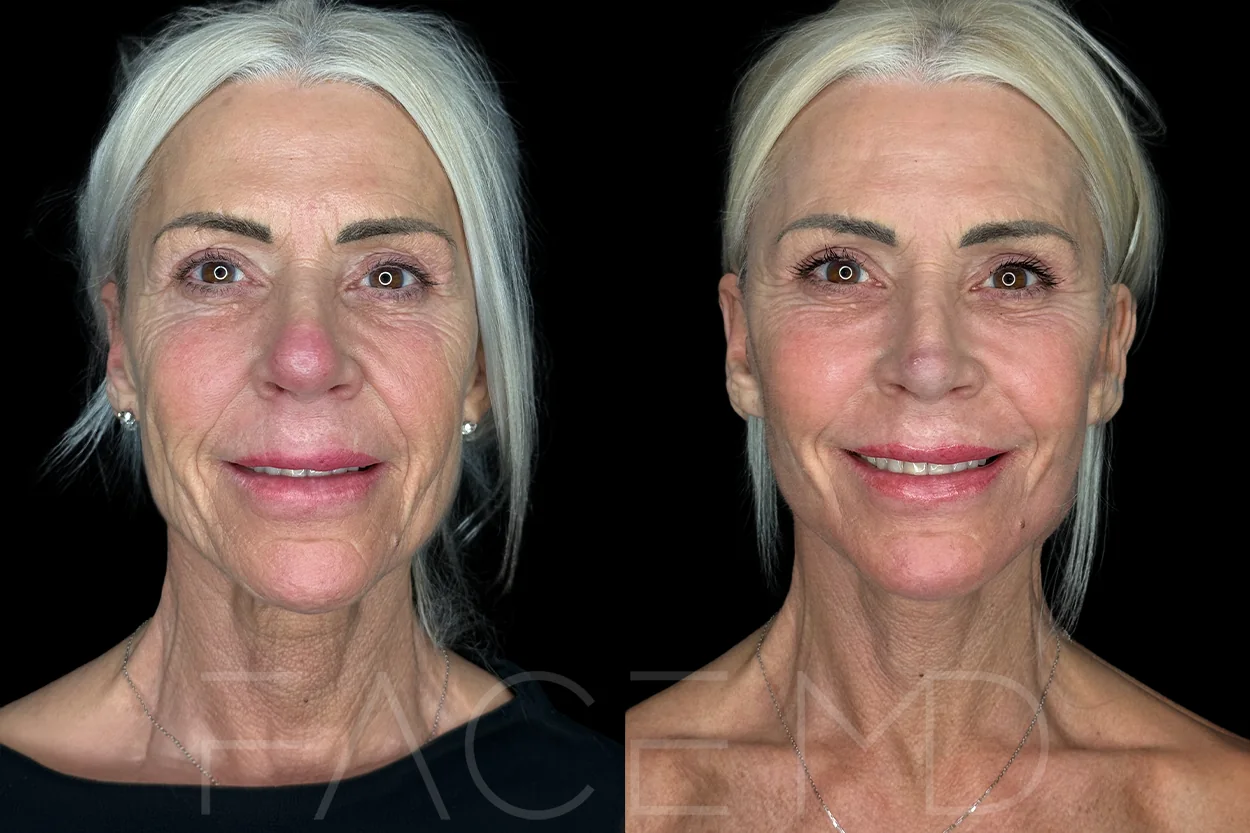
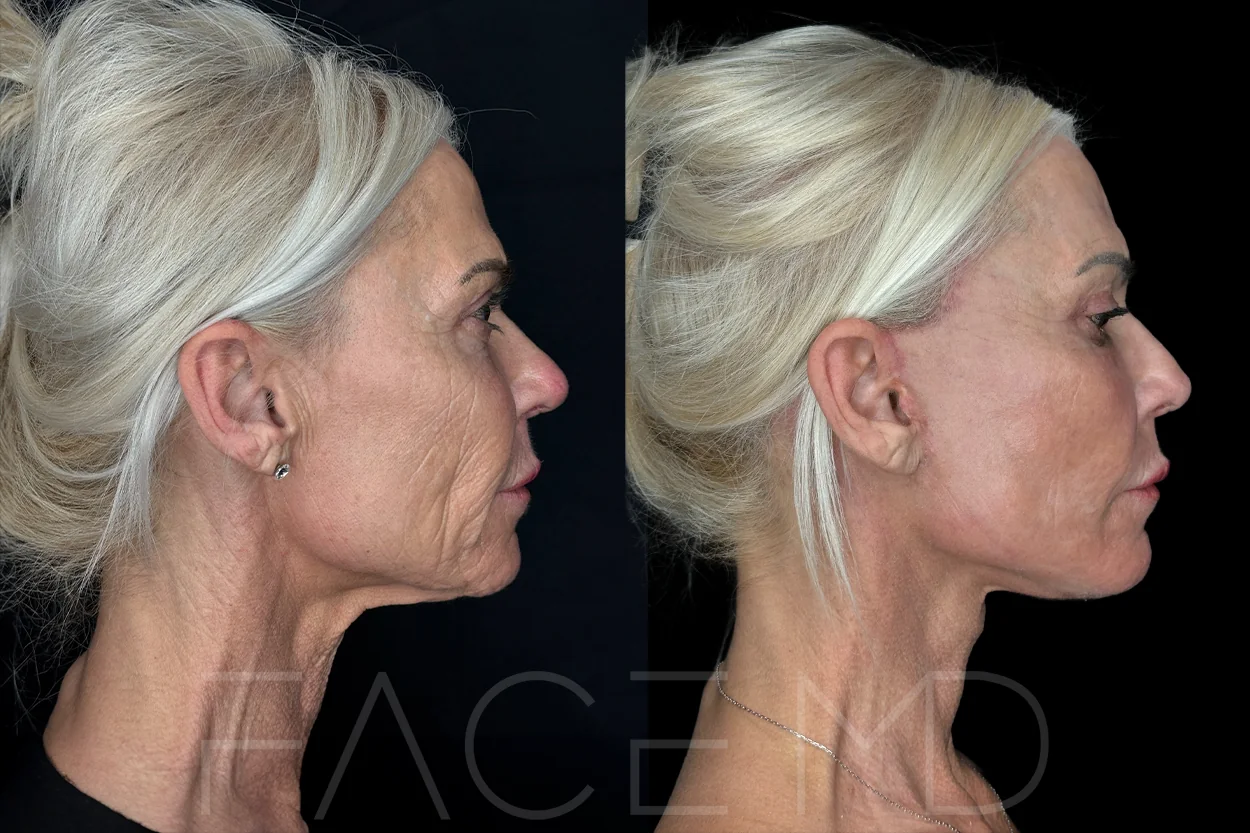
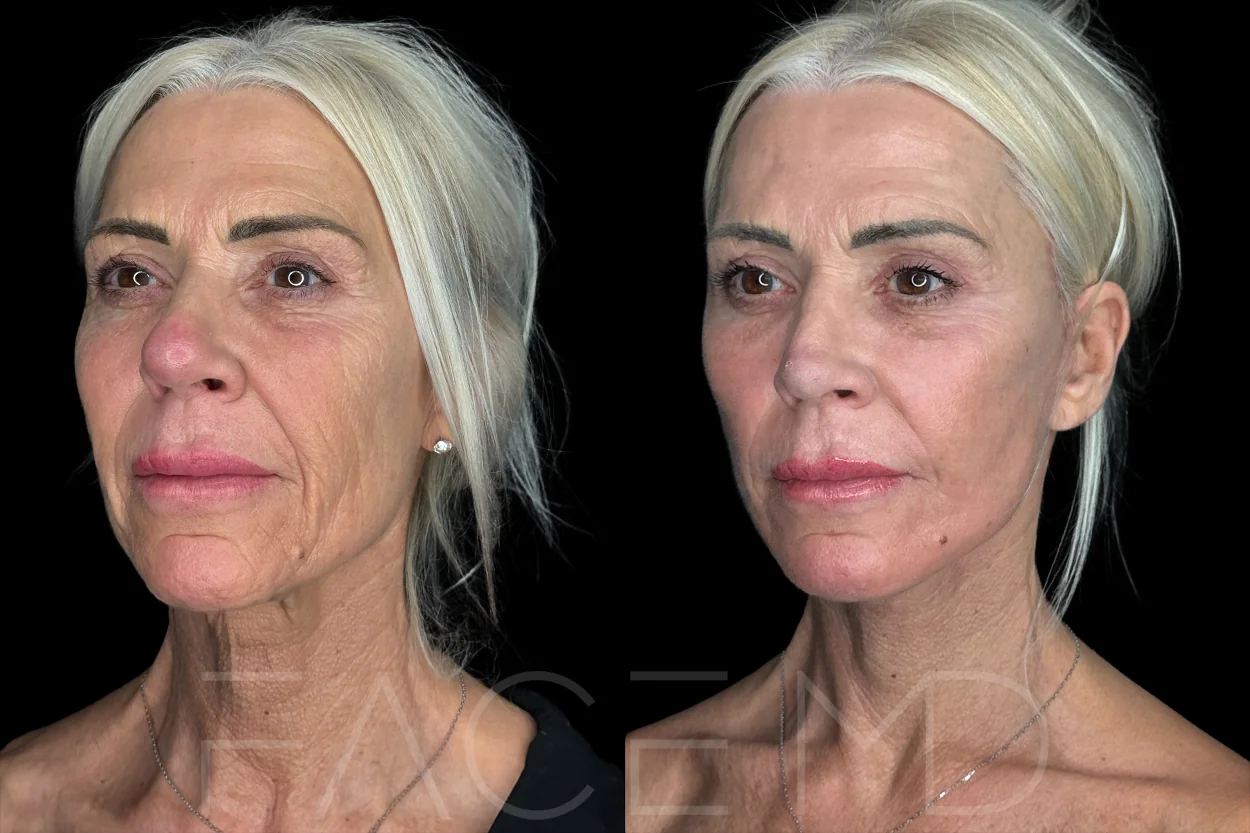
- 12 Months post-op Deep Plane Face & Neck Lift with Endoscopic Brow Lift
- 82 Months post-op Deep Plane Face & Neck Lift with Endoscopic Brow Lift
- 22 Months post-op Deep Plane Face & Neck Lift with Brow Lift
- 32 Months post-op Deep Plane Face & Neck Lift with Endoscopic Brow Lift
- 42 Months post-op Deep Plane Face & Neck Lift with Endoscopic Brow Lift
- 52 Months post-op Deep Plane Face & Neck Lift with Endoscopic Brow Lift
- 62 Months post-op Deep Plane Face & Neck Lift with Endoscopic Brow Lift
- 72 Months post-op Deep Plane Face & Neck Lift with Endoscopic Brow Lift
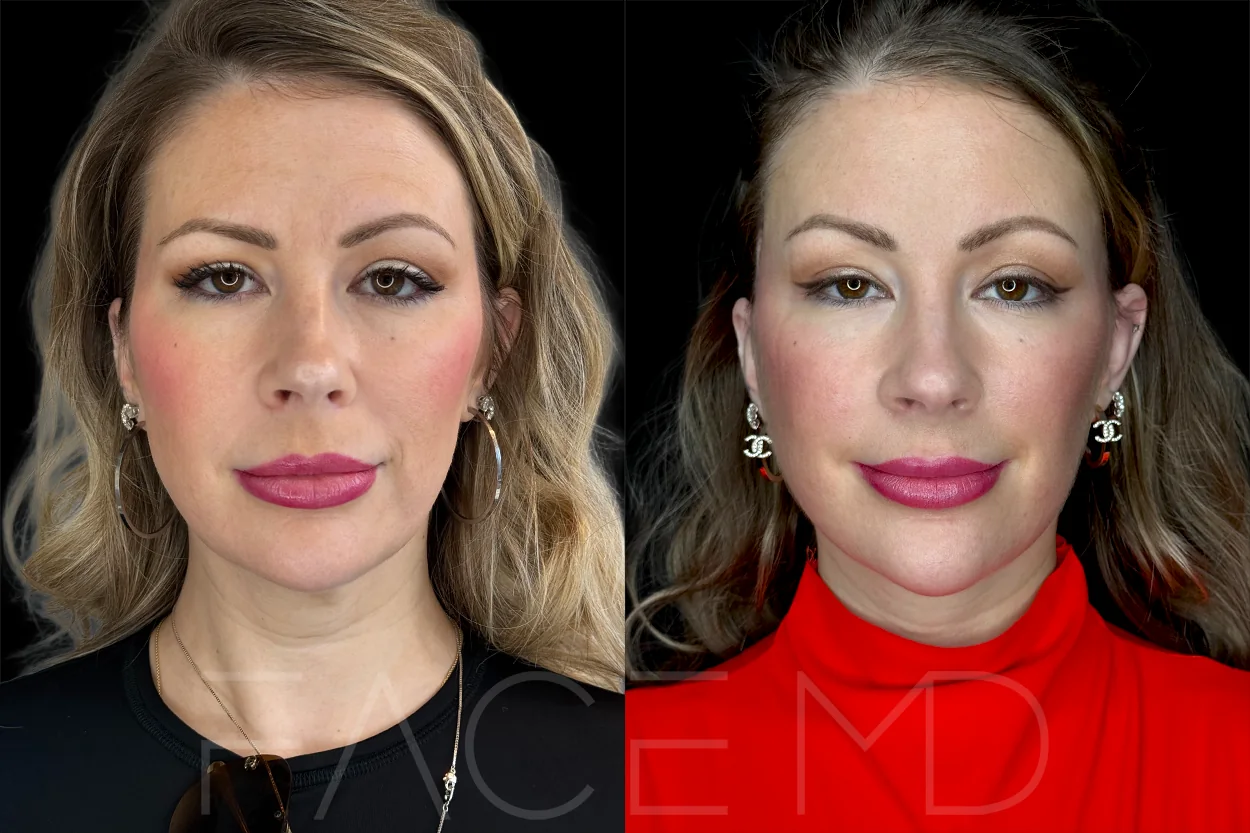
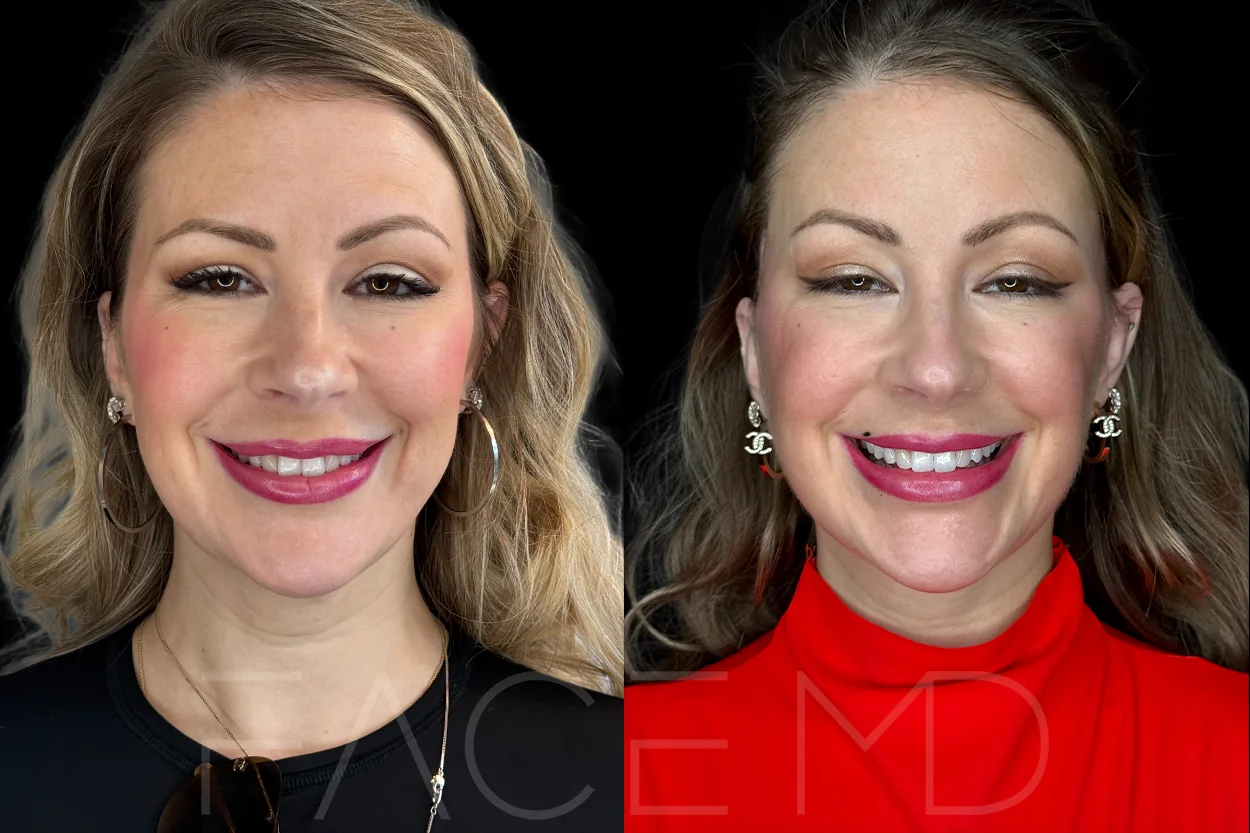
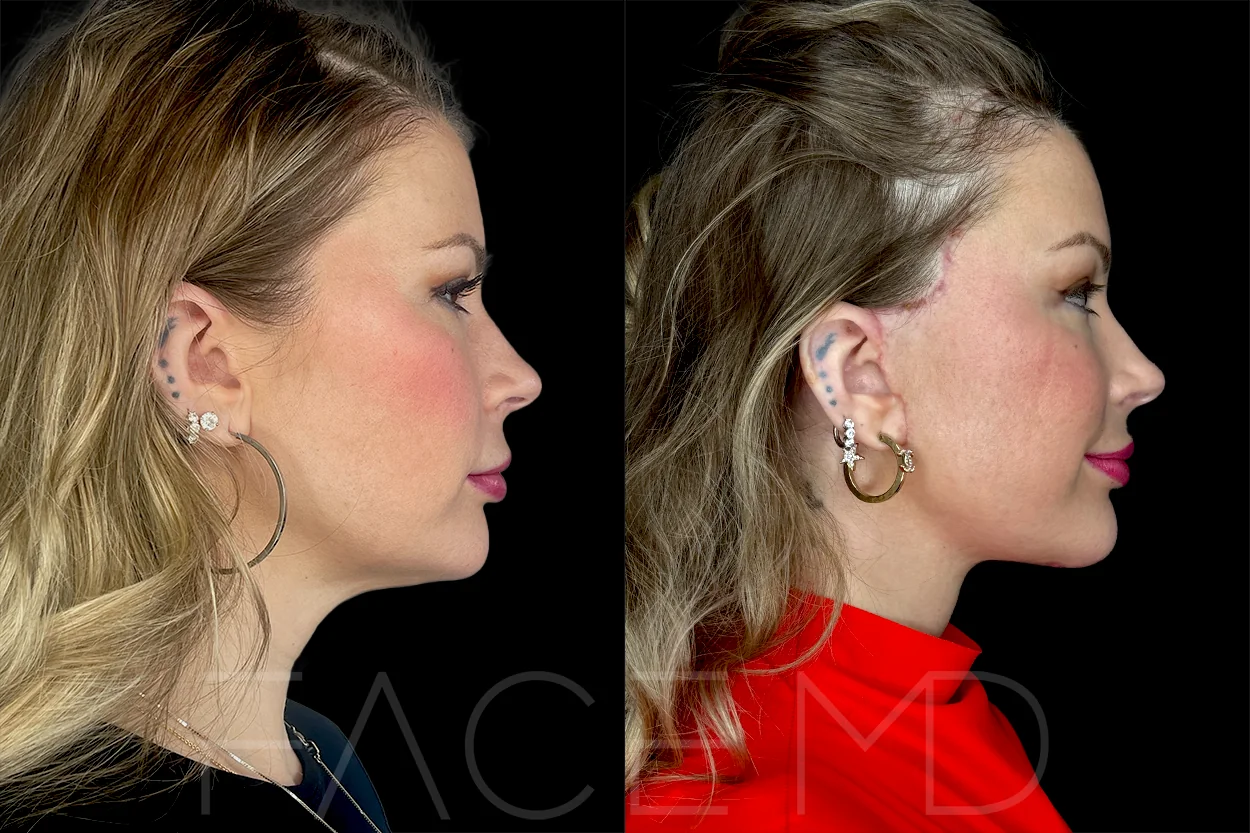
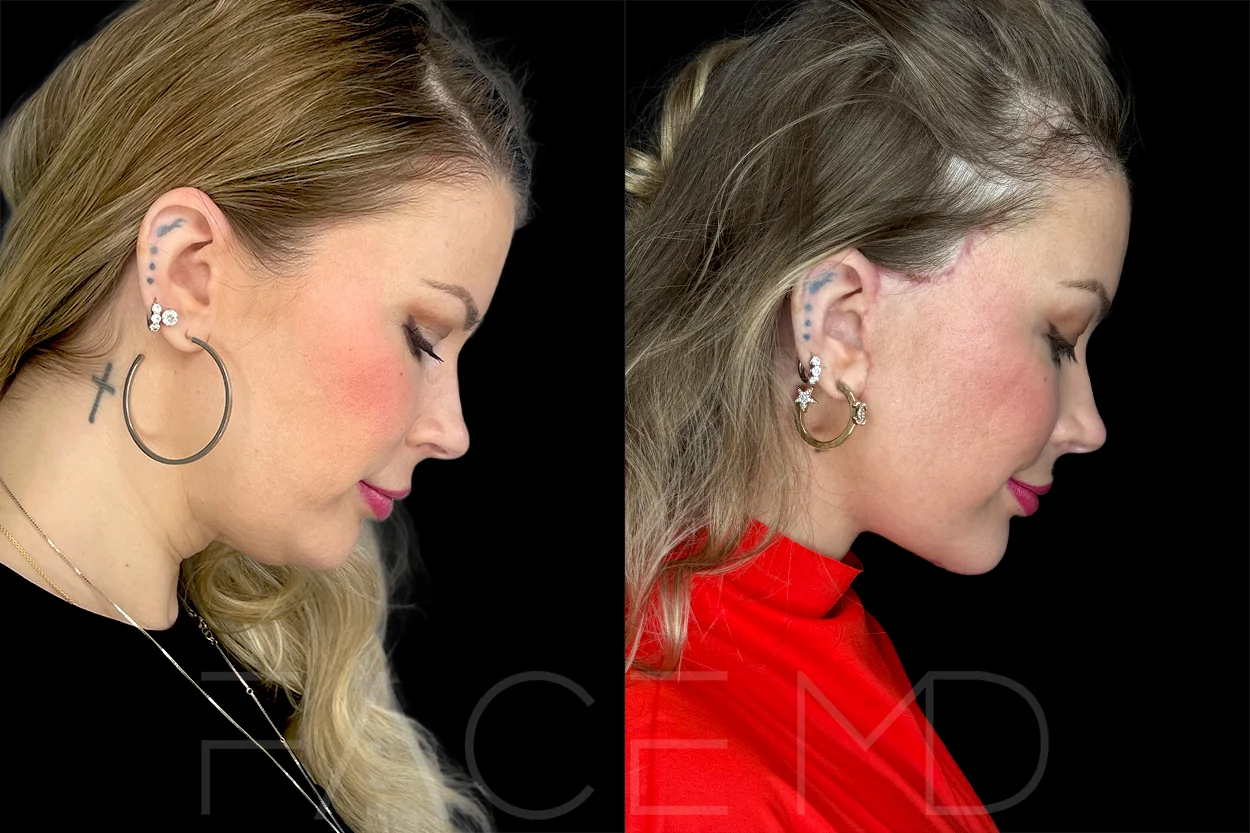
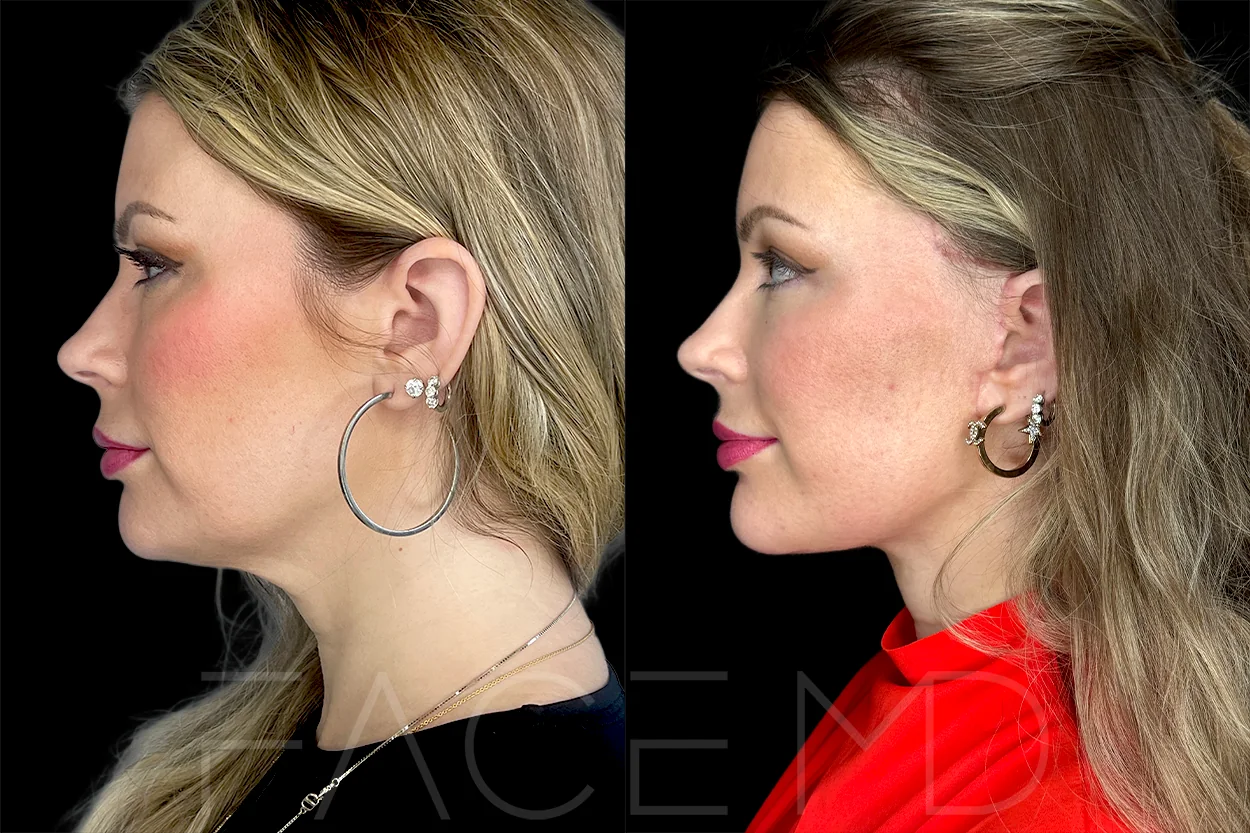
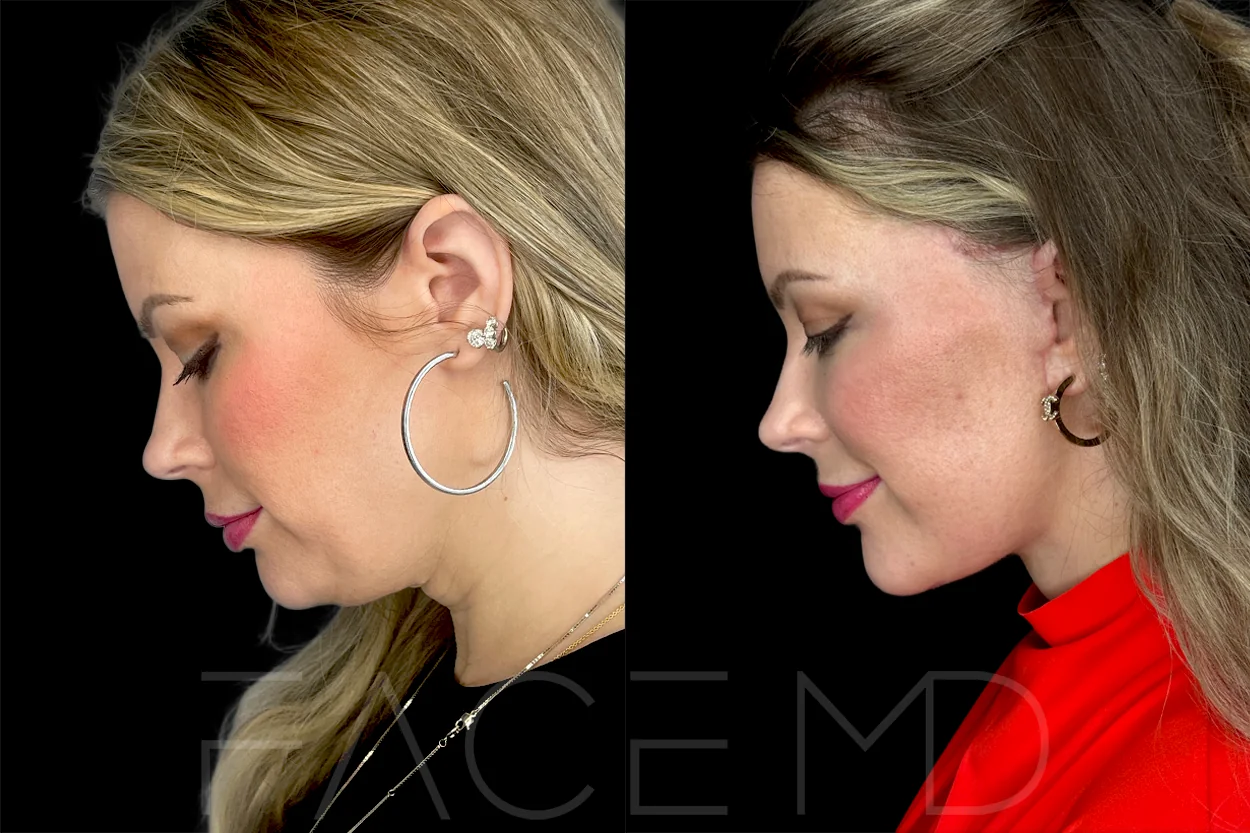
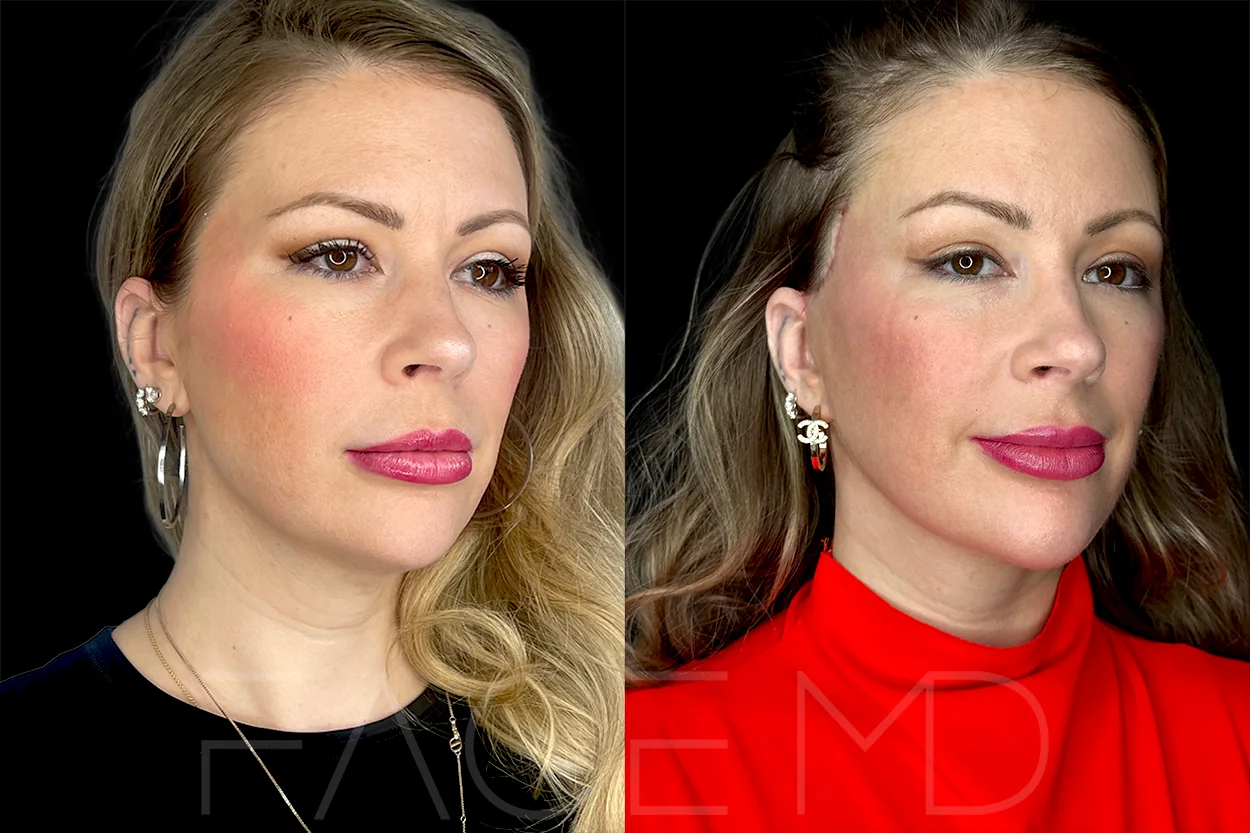
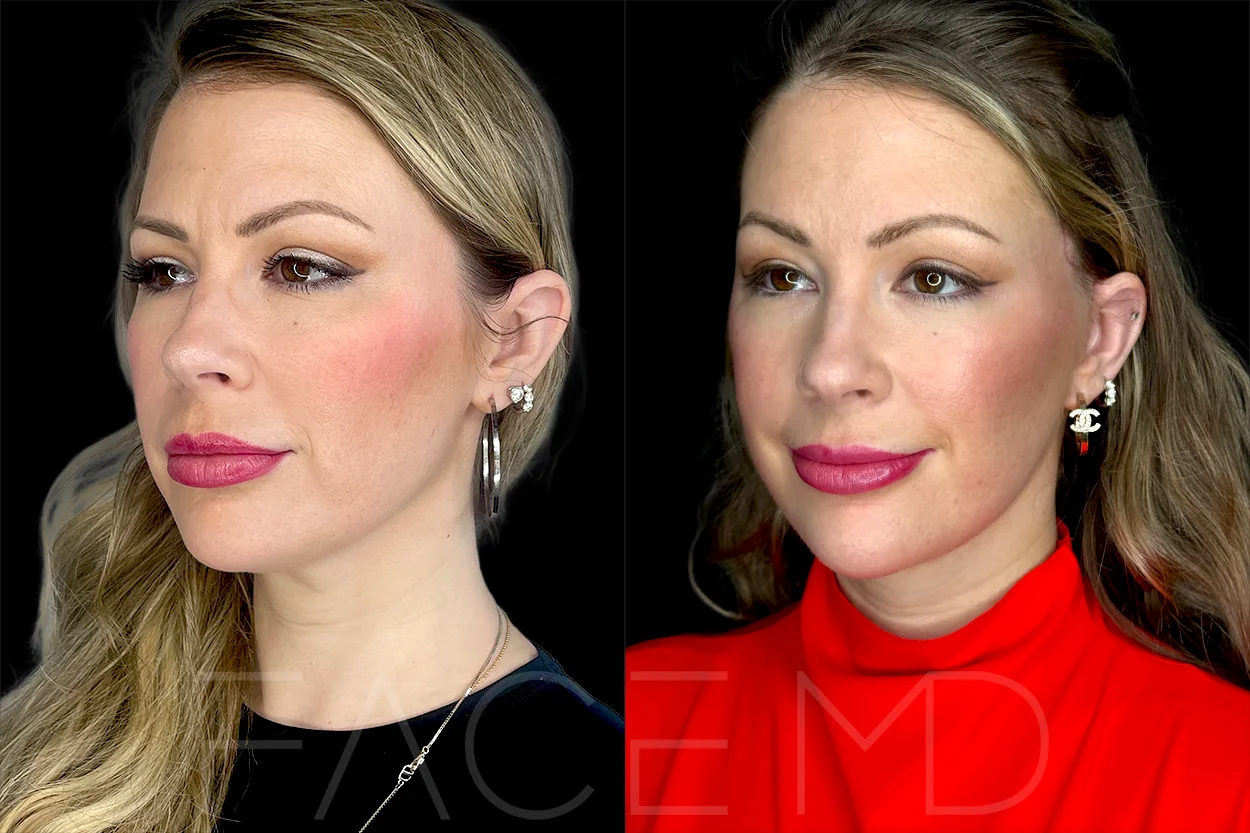
- 19.5 Months post-op Deep Plane Face & Neck Lift, Chin Implant and Forehead Reduction, and 6.5 Months post-op Upper Lip Lift and Upper Blepharoplasty
- 29.5 Months post-op Deep Plane Face & Neck Lift, Chin Implant and Forehead Reduction, and 6.5 Months post-op Upper Lip Lift and Upper Blepharoplasty
- 39.5 Months post-op Deep Plane Face & Neck Lift, Chin Implant and Forehead Reduction, and 6.5 Months post-op Upper Lip Lift and Upper Blepharoplasty
- 49.5 Months post-op Deep Plane Face & Neck Lift, Chin Implant and Forehead Reduction, and 6.5 Months post-op Upper Lip Lift and Upper Blepharoplasty
- 59.5 Months post-op Deep Plane Face & Neck Lift, Chin Implant and Forehead Reduction, and 6.5 Months post-op Upper Lip Lift and Upper Blepharoplasty
- 69.5 Months post-op Deep Plane Face & Neck Lift, Chin Implant and Forehead Reduction, and 6.5 Months post-op Upper Lip Lift and Upper Blepharoplasty
- 79.5 Months post-op Deep Plane Face & Neck Lift, Chin Implant and Forehead Reduction, and 6.5 Months post-op Upper Lip Lift and Upper Blepharoplasty
- 89.5 Months post-op Deep Plane Face & Neck Lift, Chin Implant and Forehead Reduction, and 6.5 Months post-op Upper Lip Lift and Upper Blepharoplasty
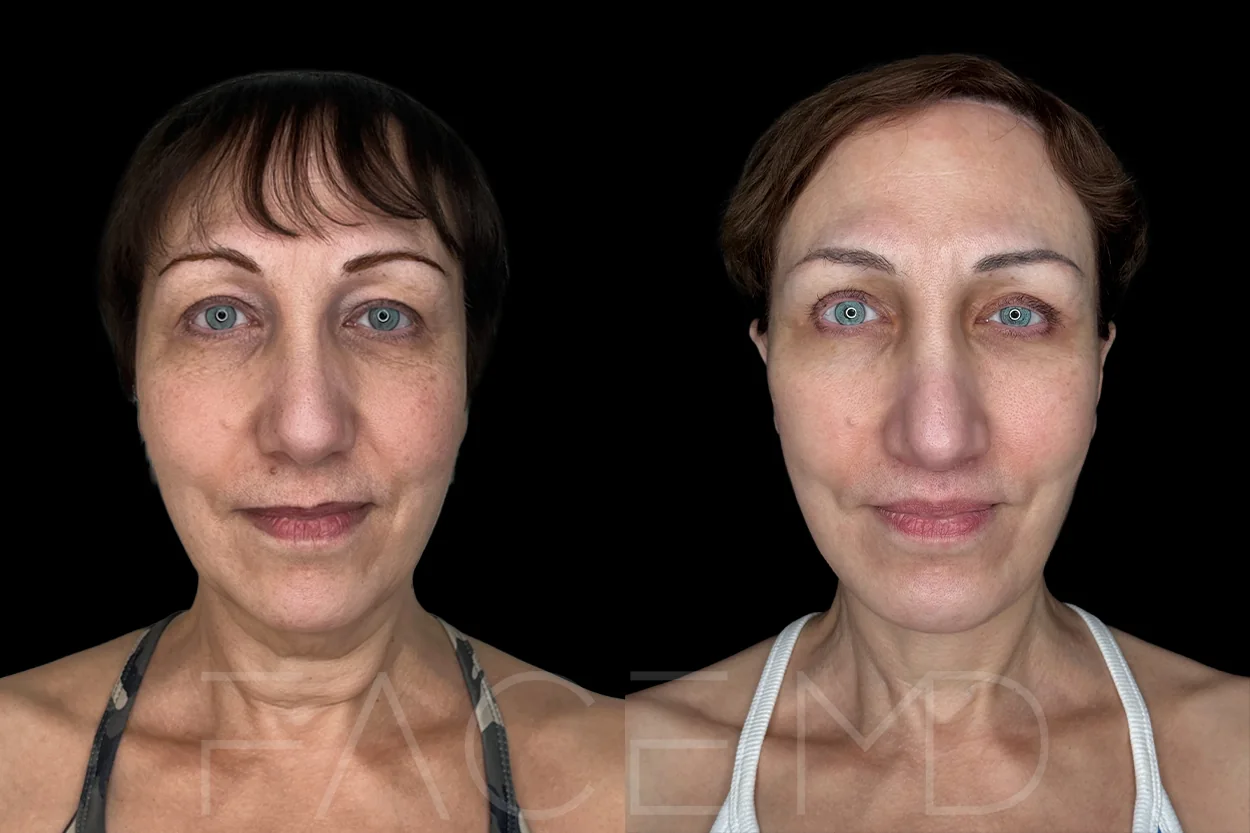
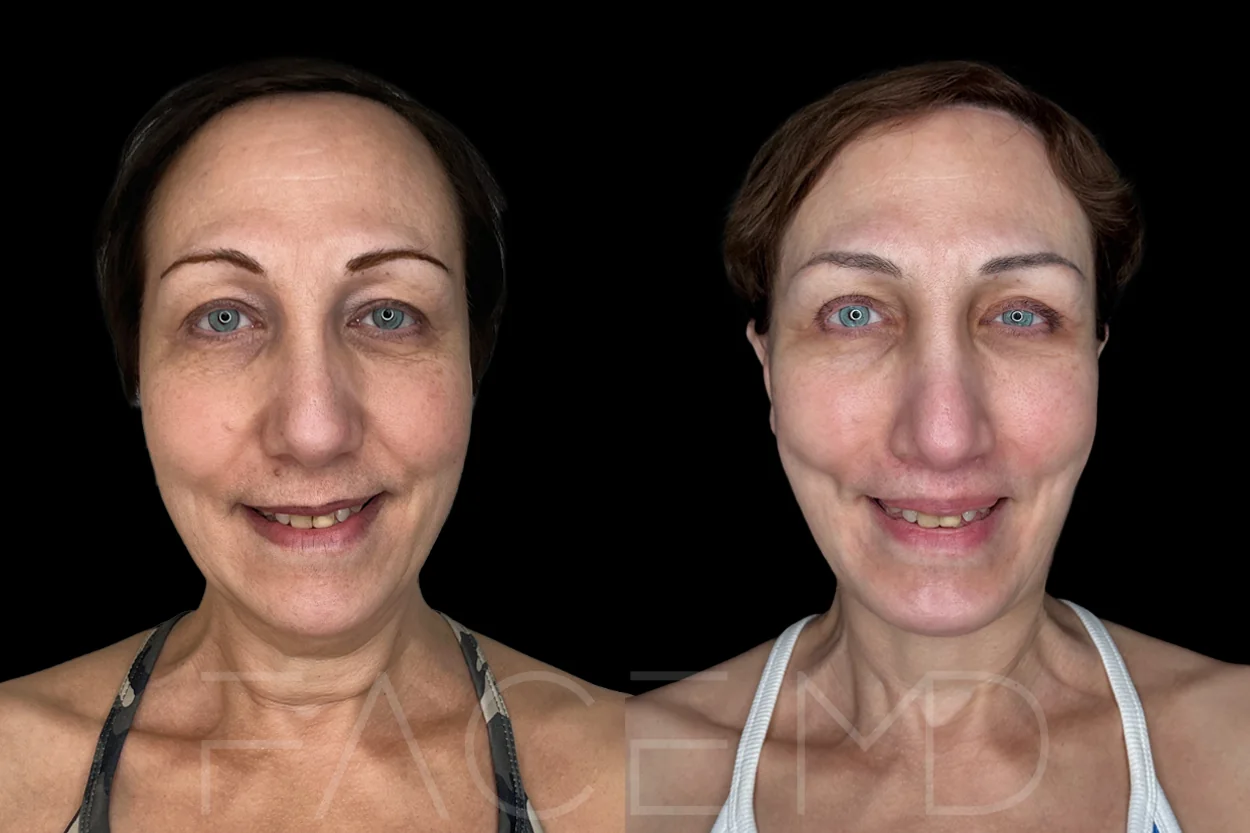
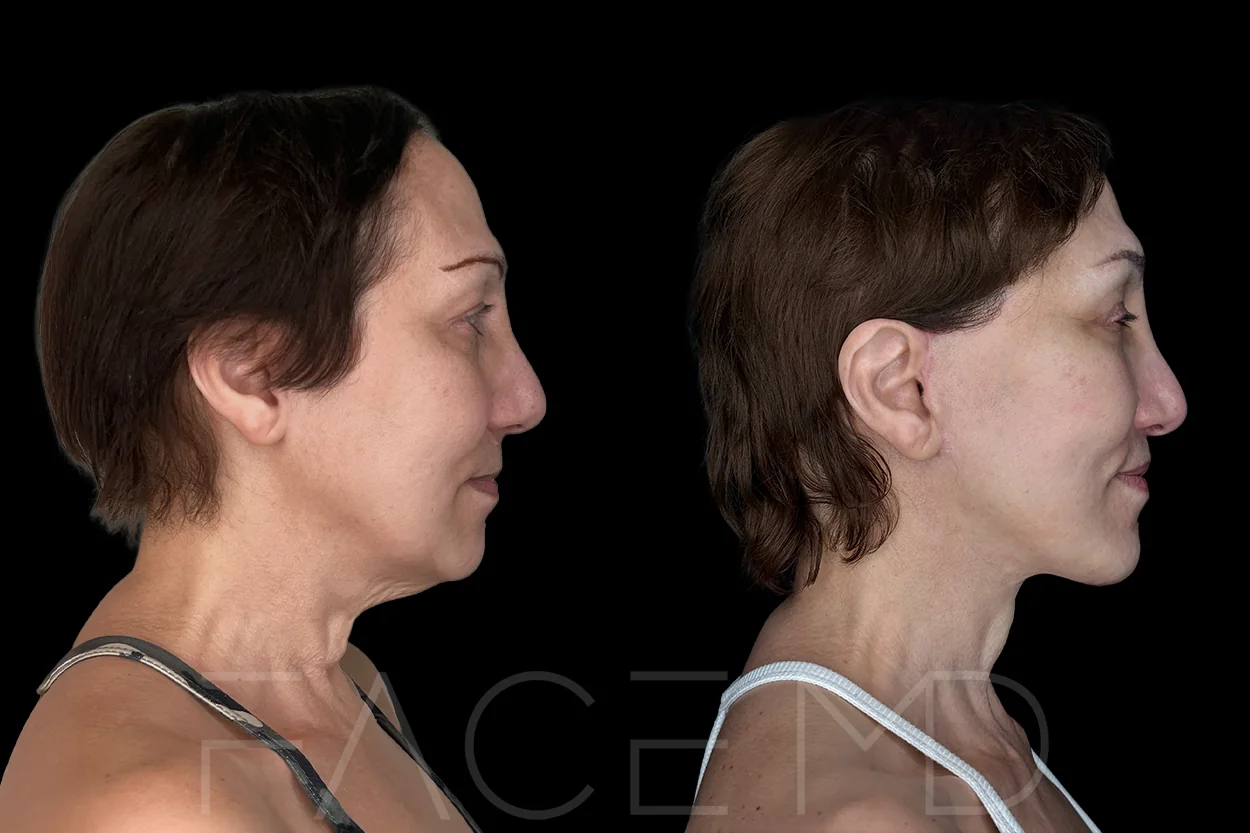
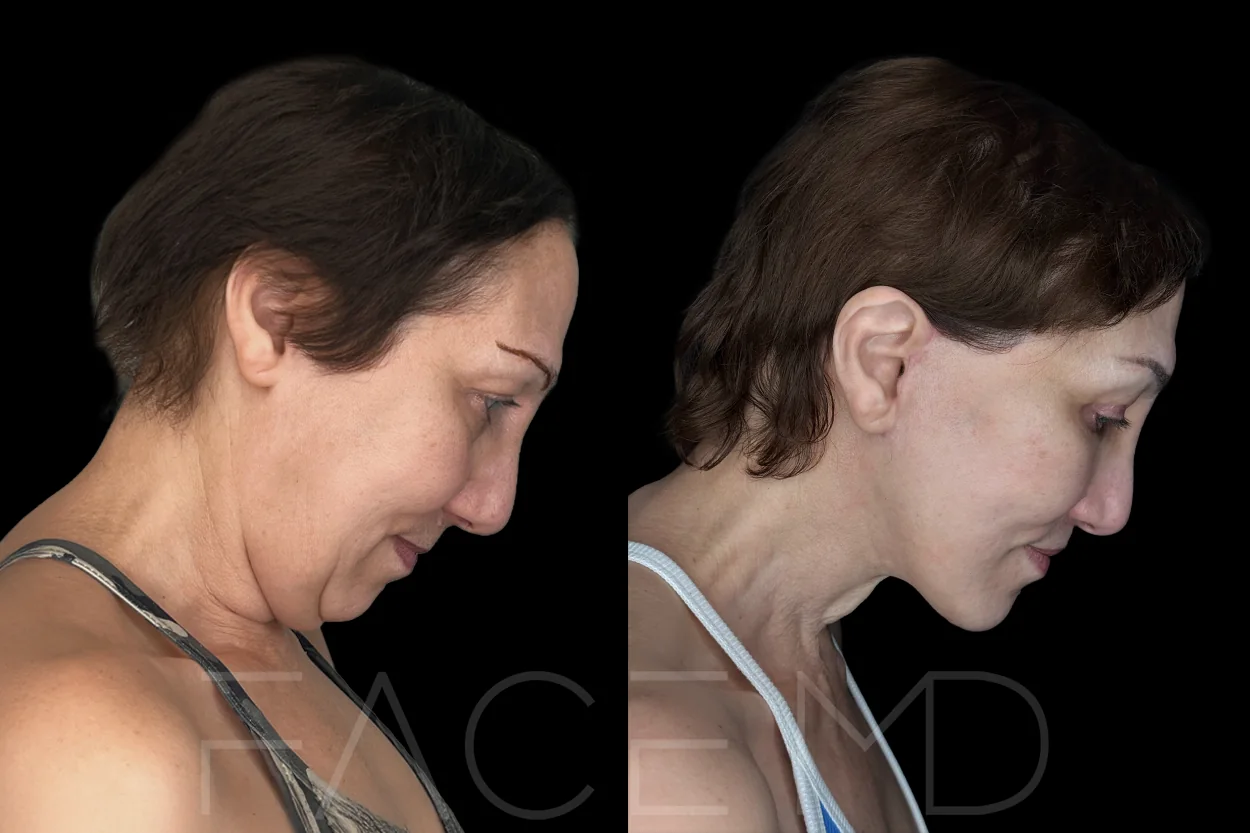
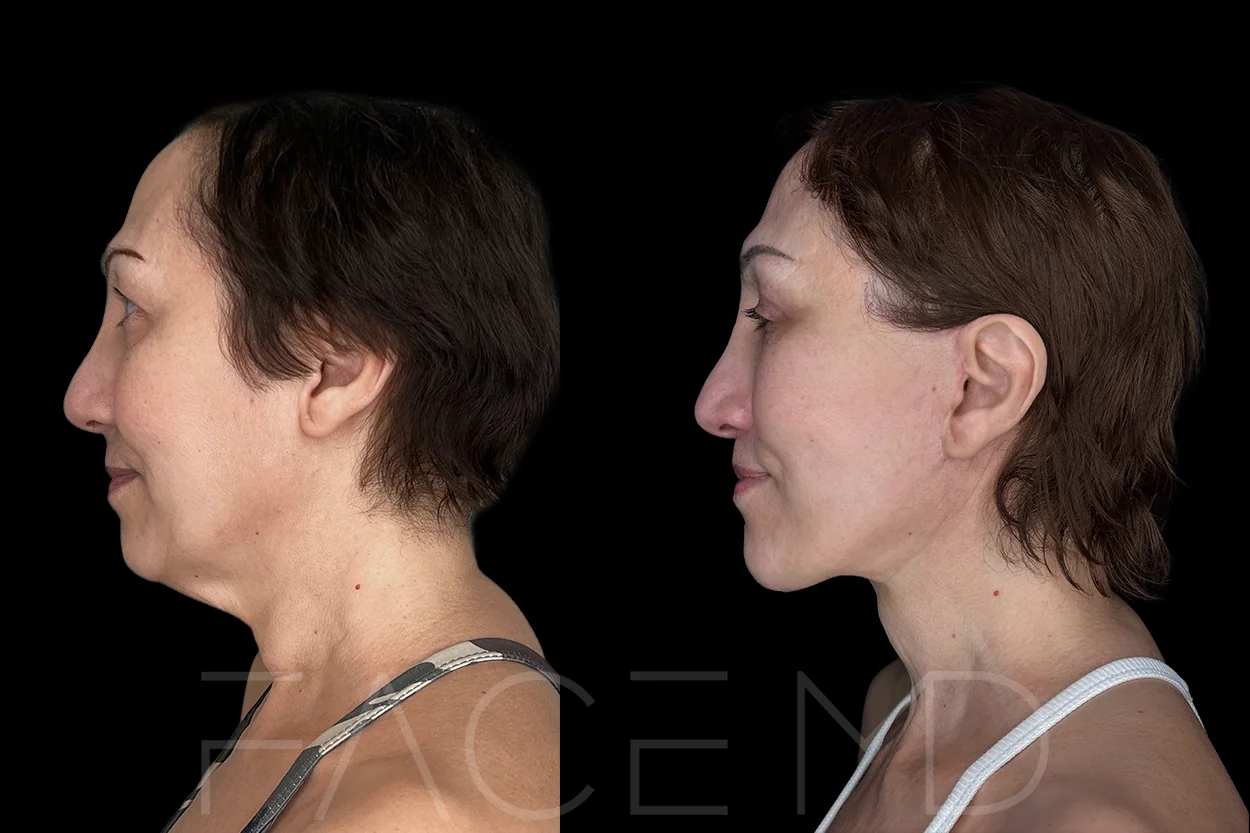
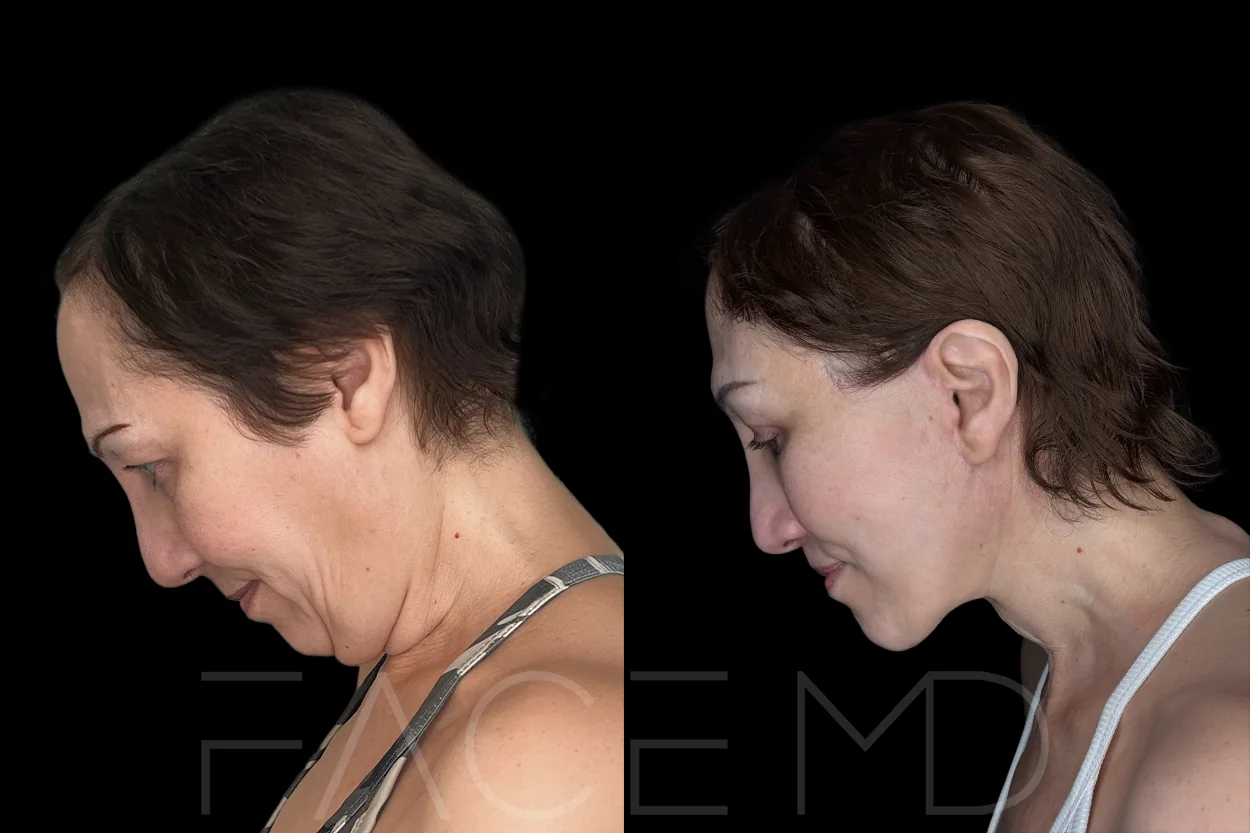
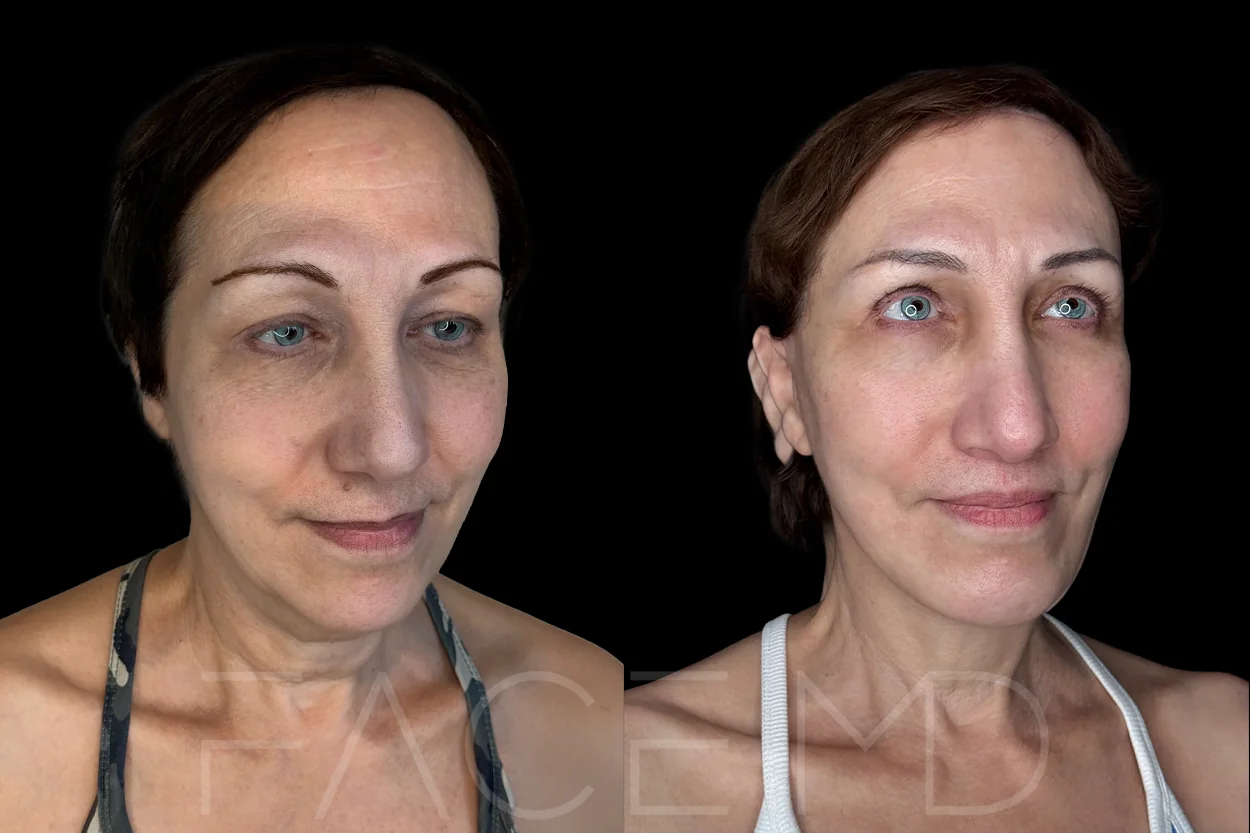
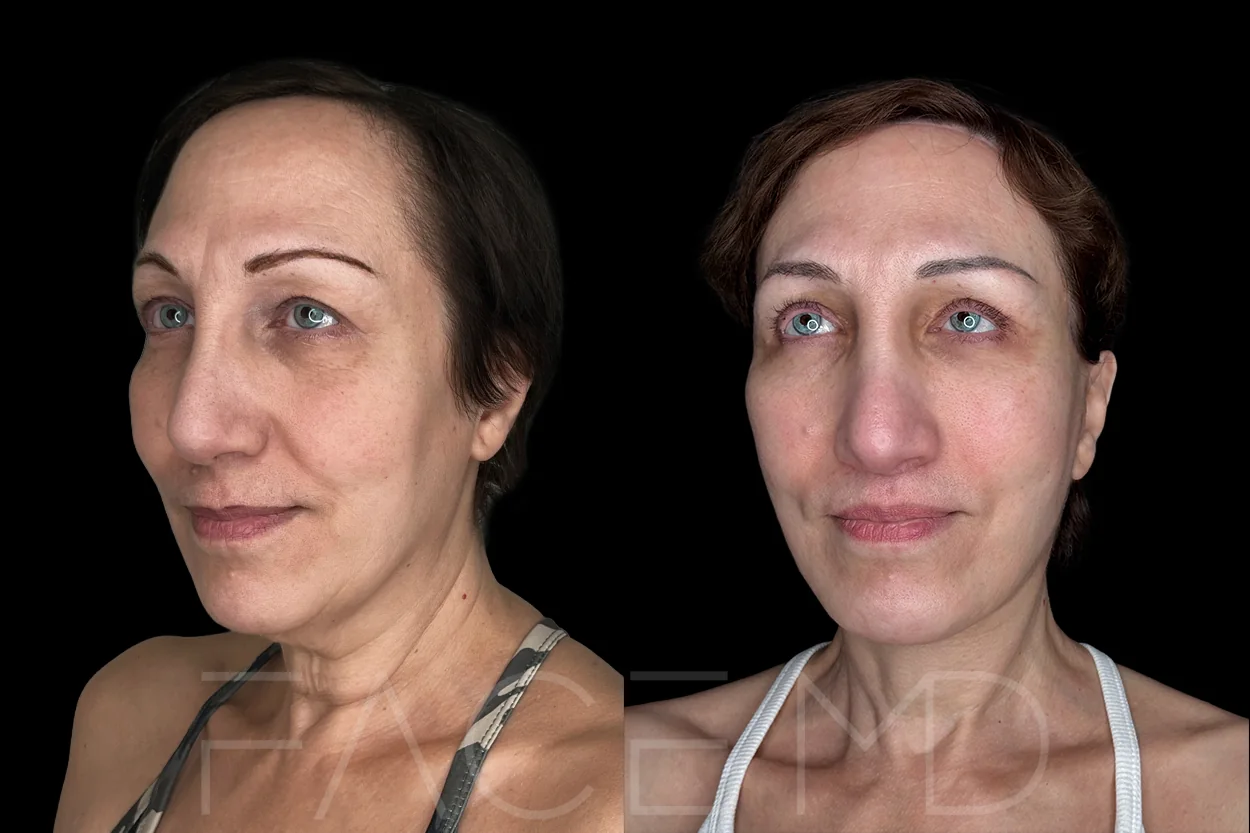
- 2 Months post-op Deep Plane Face & Neck Lift with Fat Transfer2 Months post-op Deep Plane Face & Neck Lift with Fat Transfer
- 2 Months post-op Deep Plane Face & Neck Lift with Fat Transfer
- 2 Months post-op Deep Plane Face & Neck Lift with Fat Transfer
- 2 Months post-op Deep Plane Face & Neck Lift with Fat Transfer
- 2 Months post-op Deep Plane Face & Neck Lift with Fat Transfer
- 2 Months post-op Deep Plane Face & Neck Lift with Fat Transfer
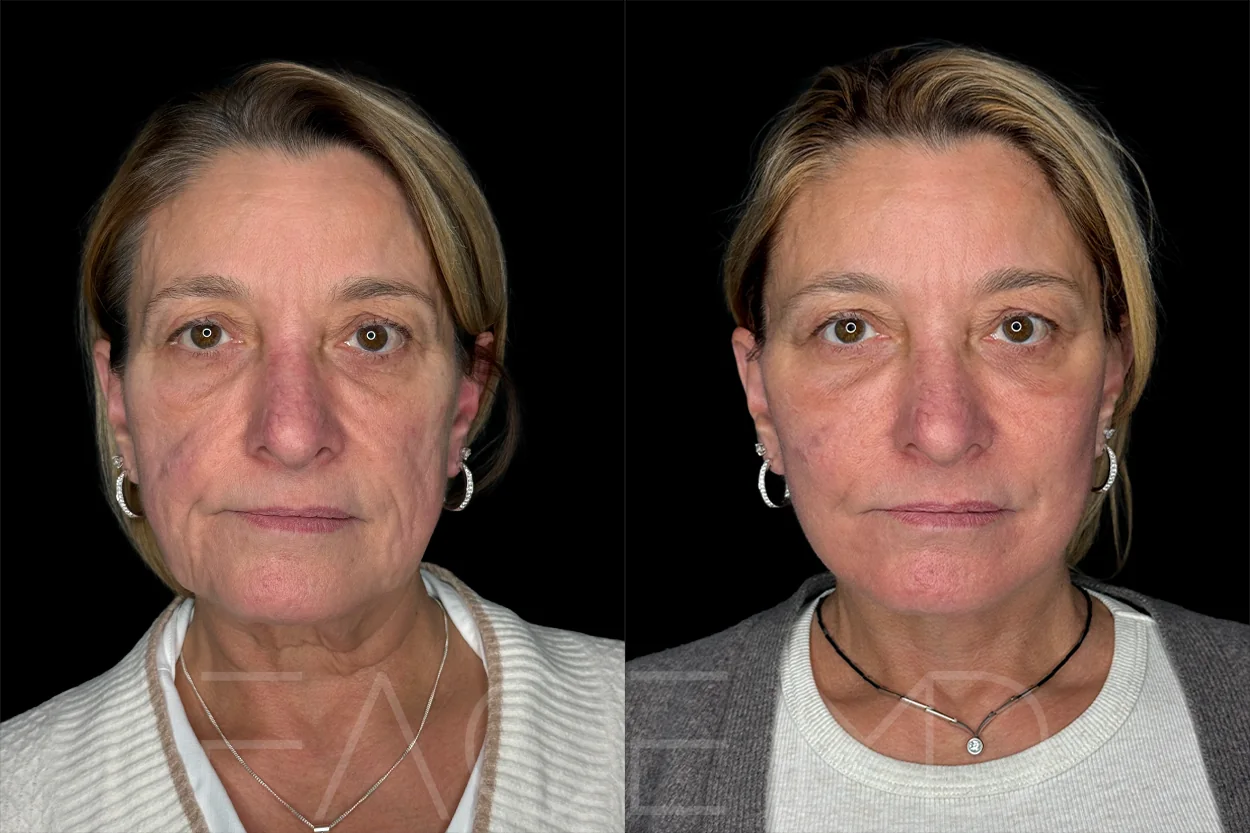
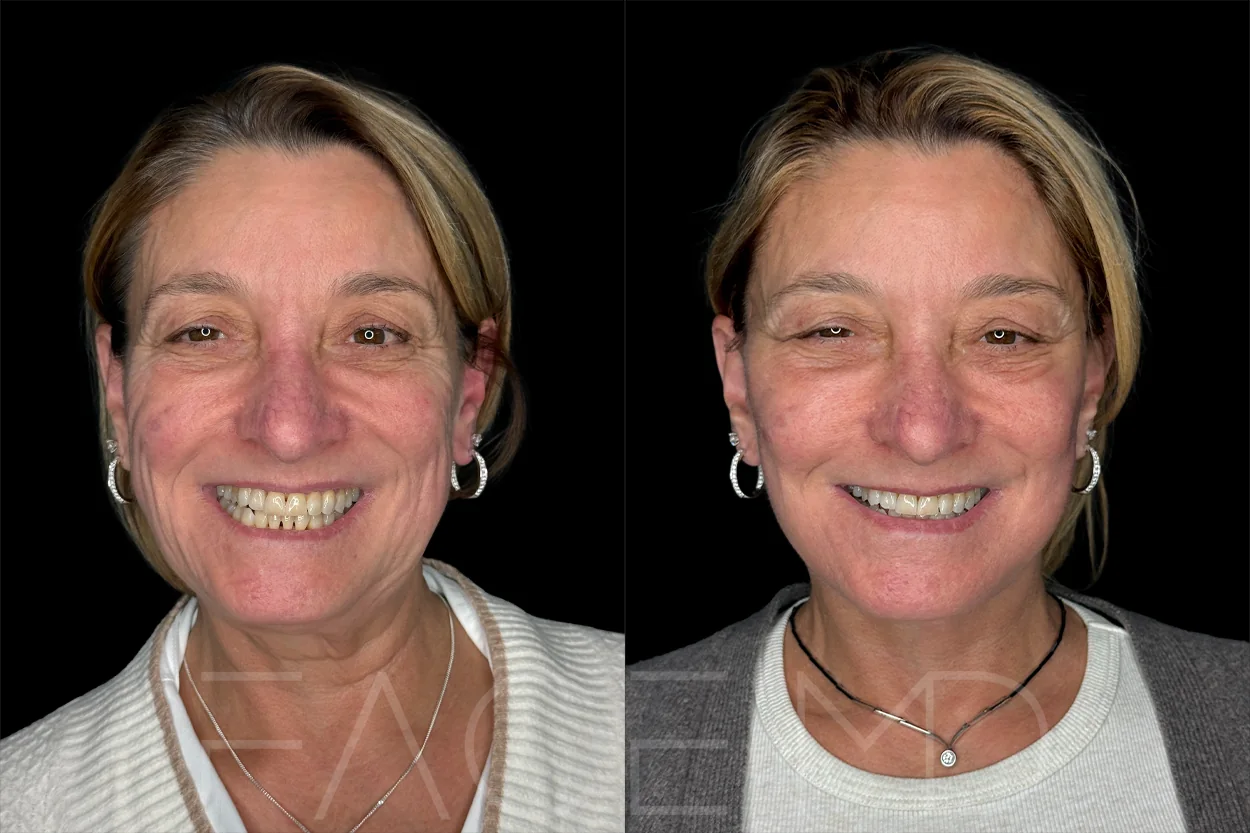
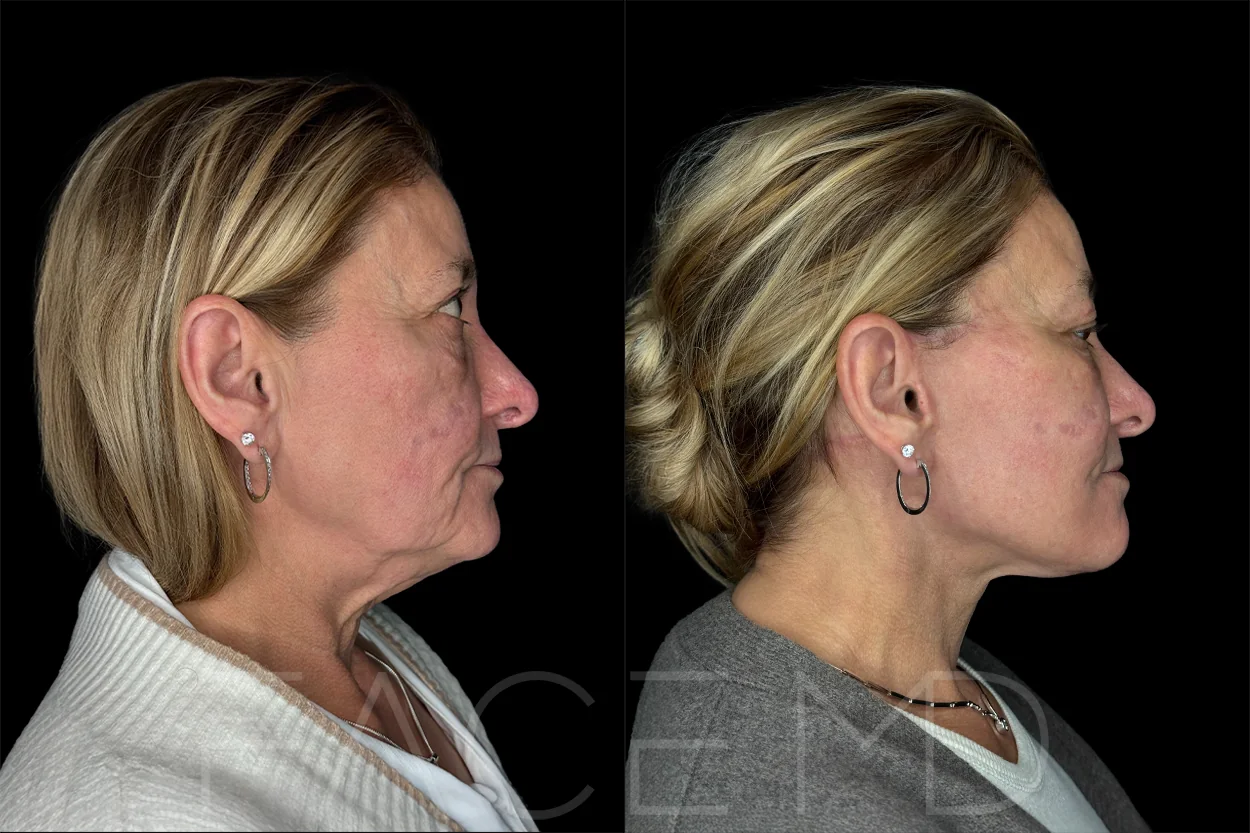
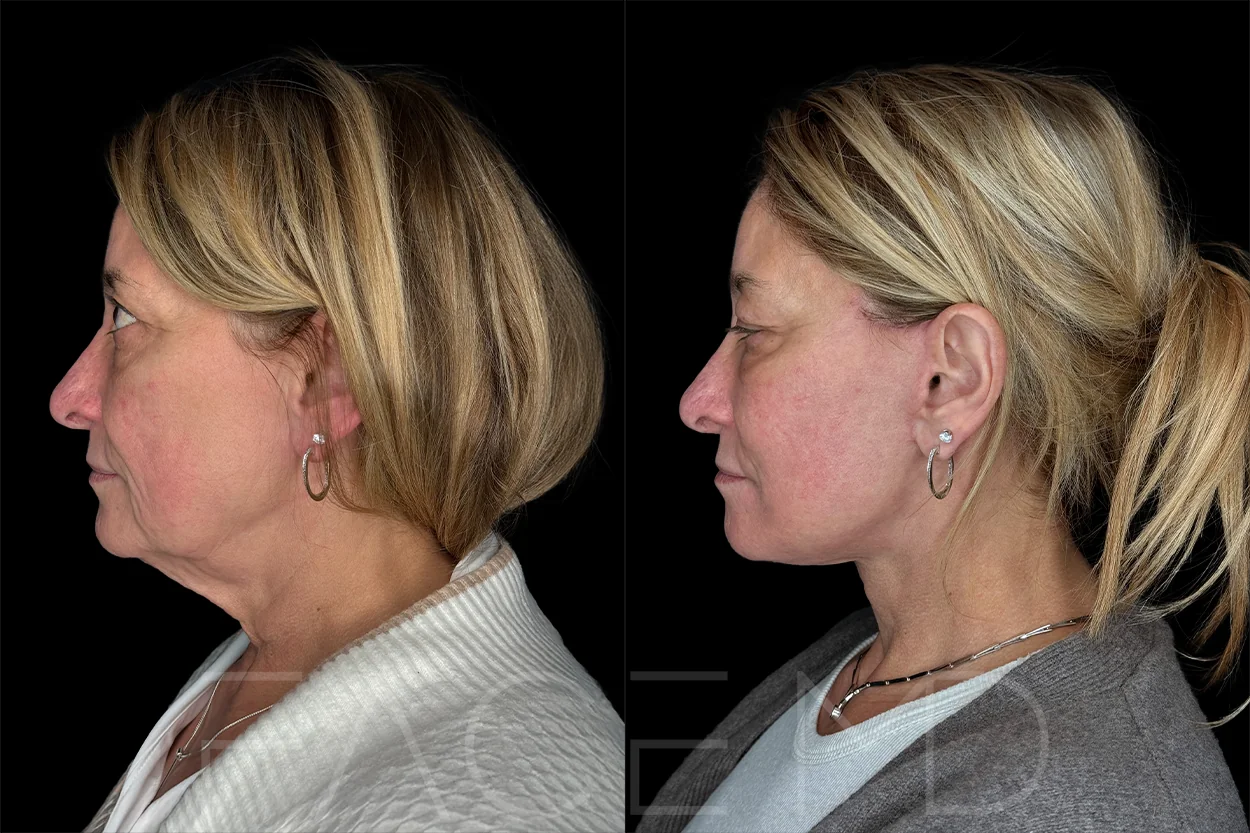
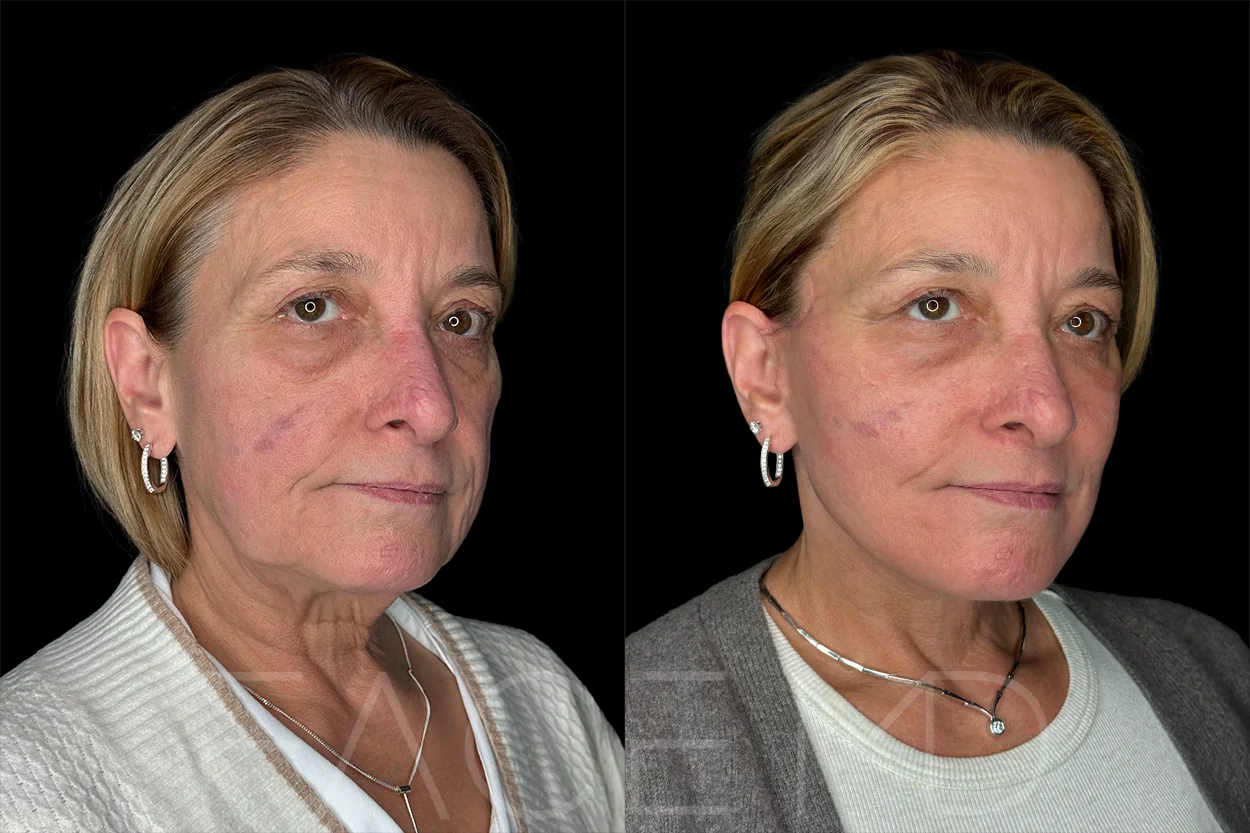
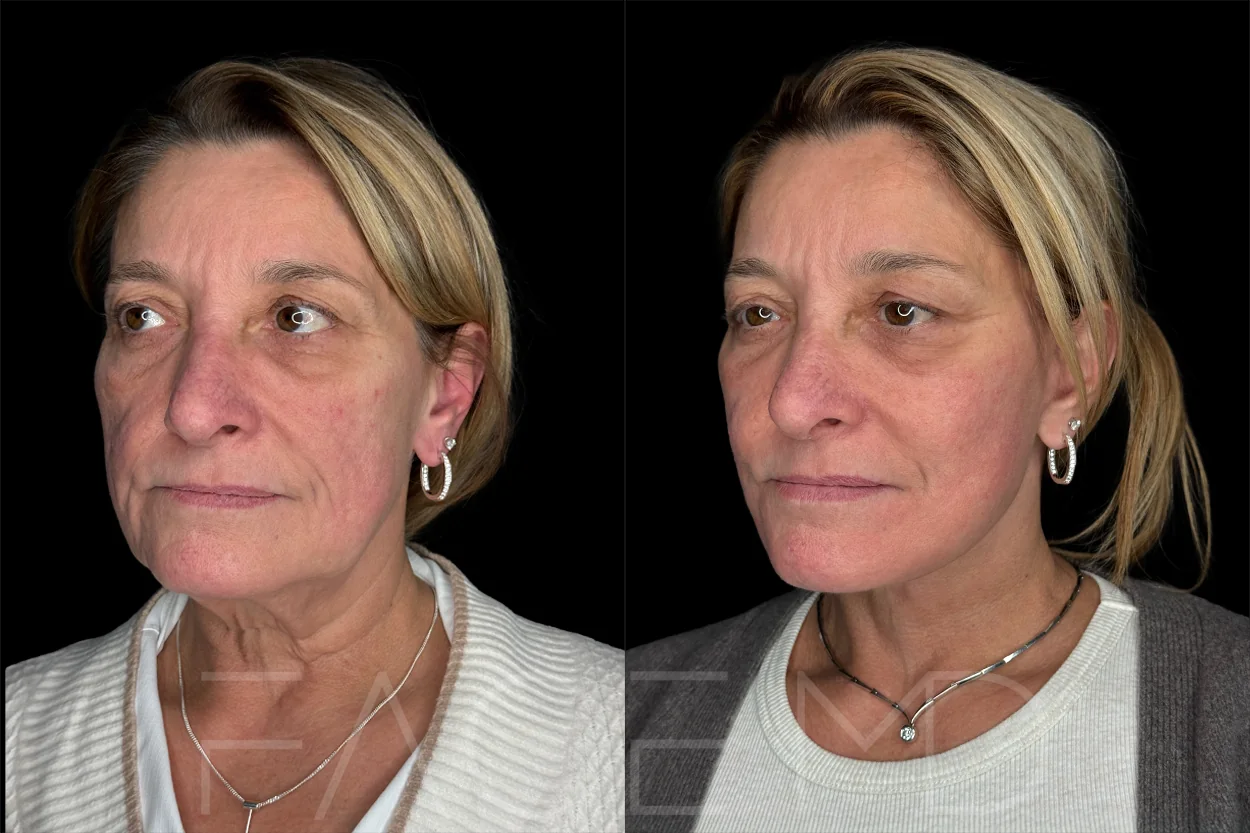
- 12 Months post-op Deep Plane Face & Neck Lift with Full Face CO2 Laser
- 22 Months post-op Deep Plane Face & Neck Lift with Full Face CO2 Laser
- 32 Months post-op Deep Plane Face & Neck Lift with Full Face CO2 Laser
- 52 Months post-op Deep Plane Face & Neck Lift with Full Face CO2 Laser
- 72 Months post-op Deep Plane Face & Neck Lift with Full Face CO2 Laser
- 82 Months post-op Deep Plane Face & Neck Lift with Full Face CO2 Laser
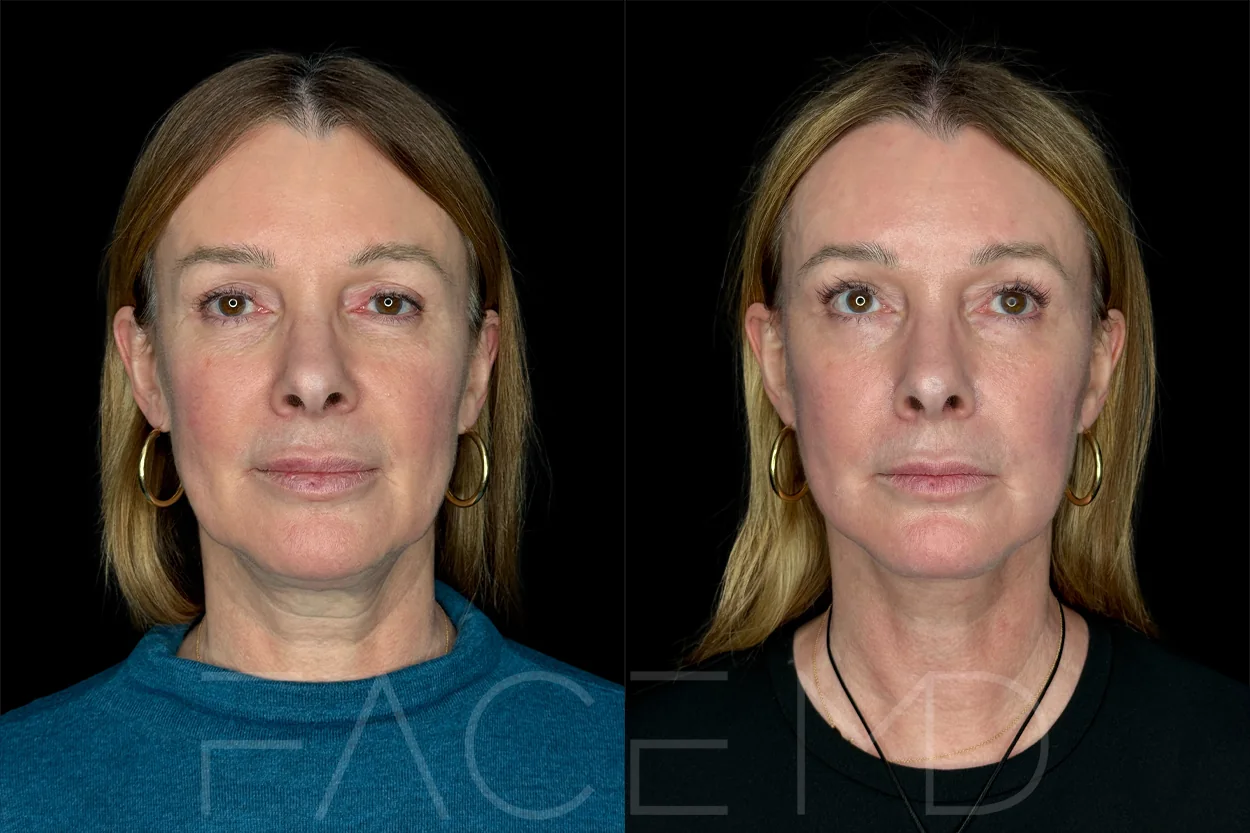
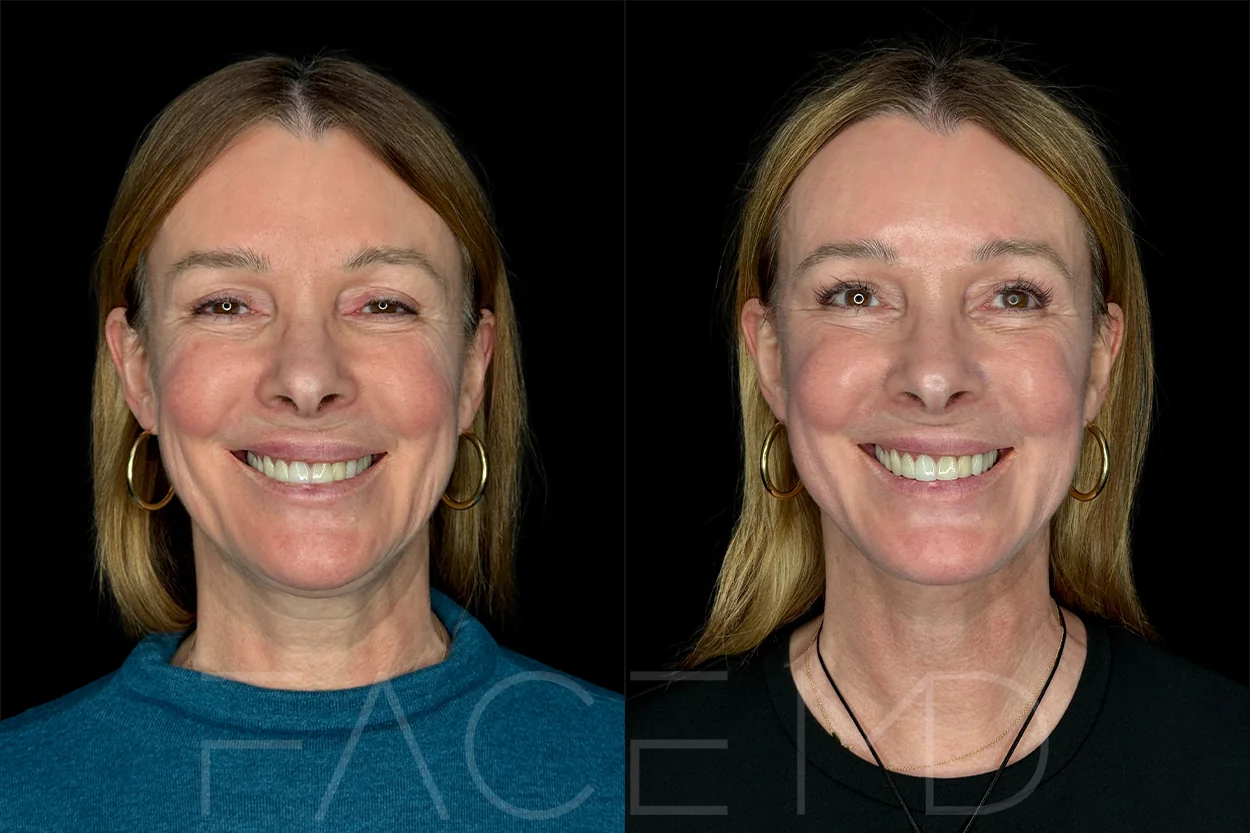
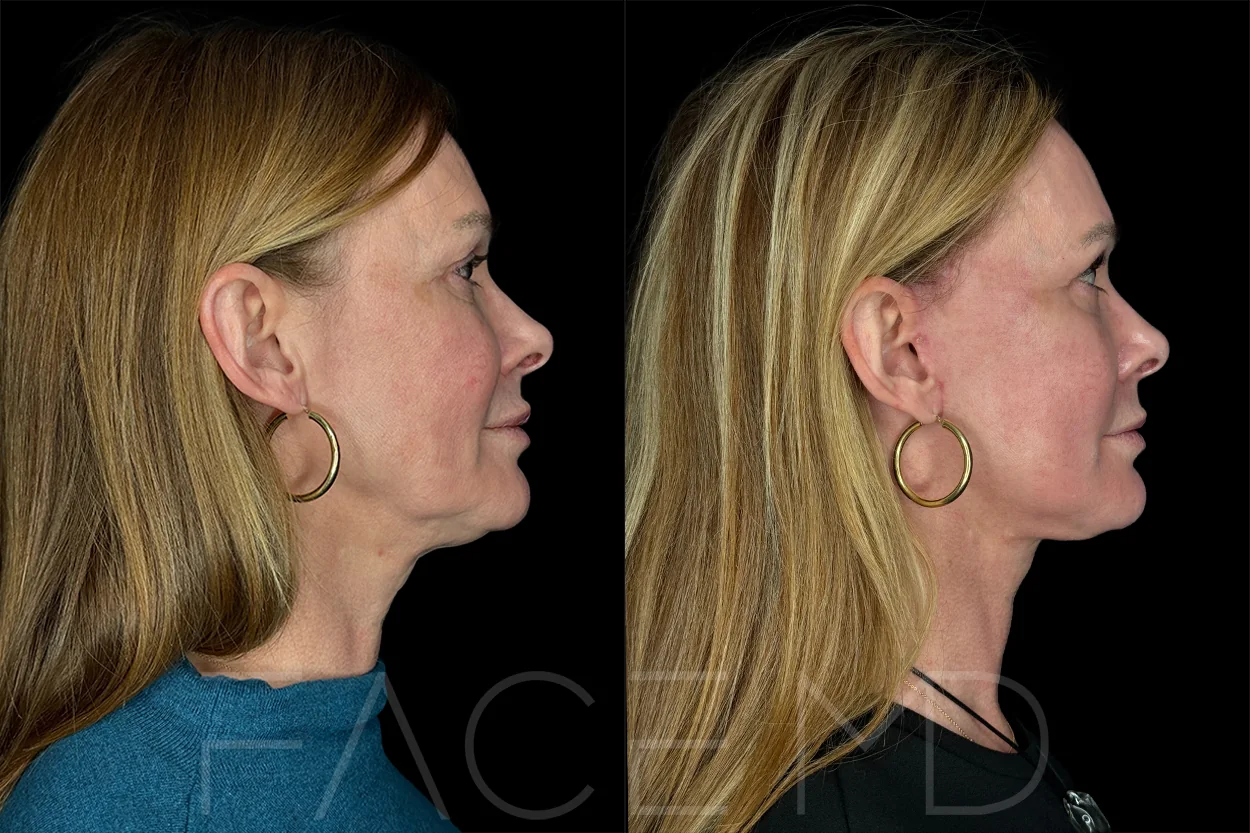
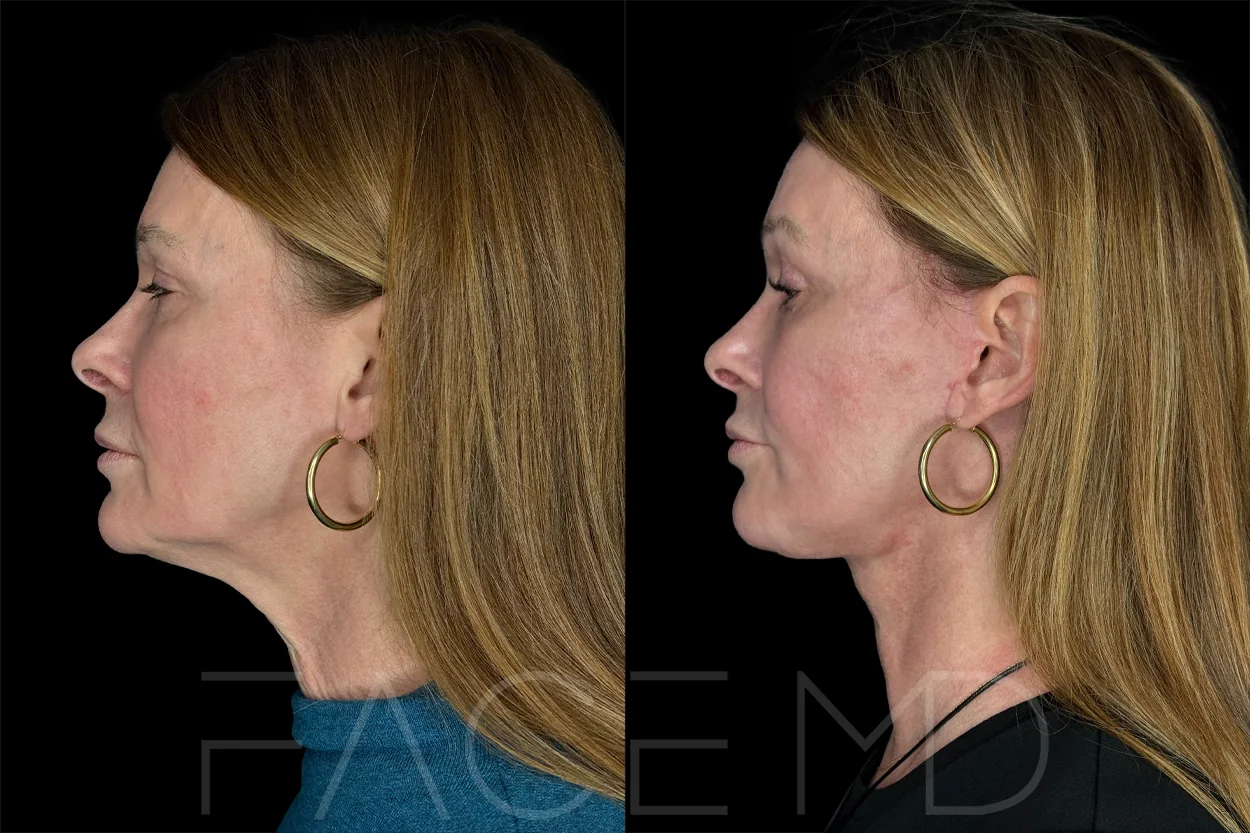
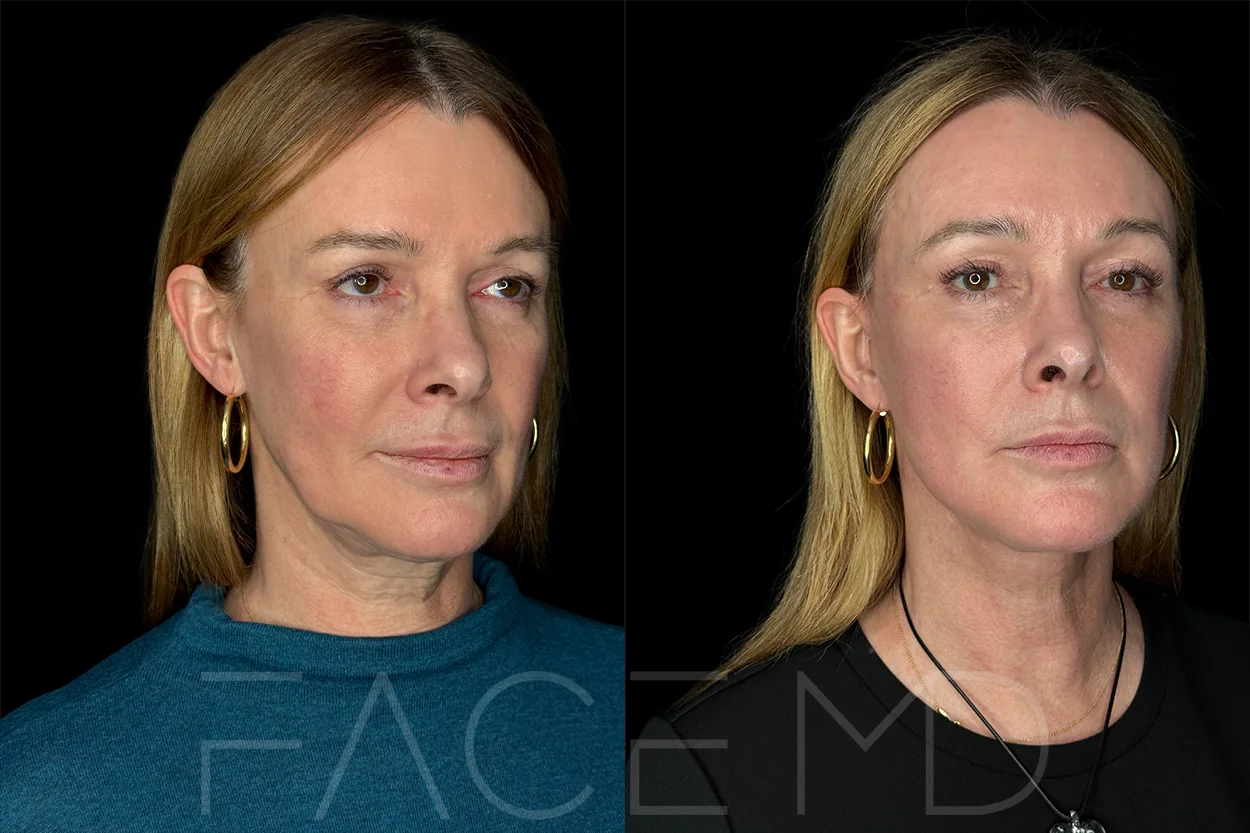
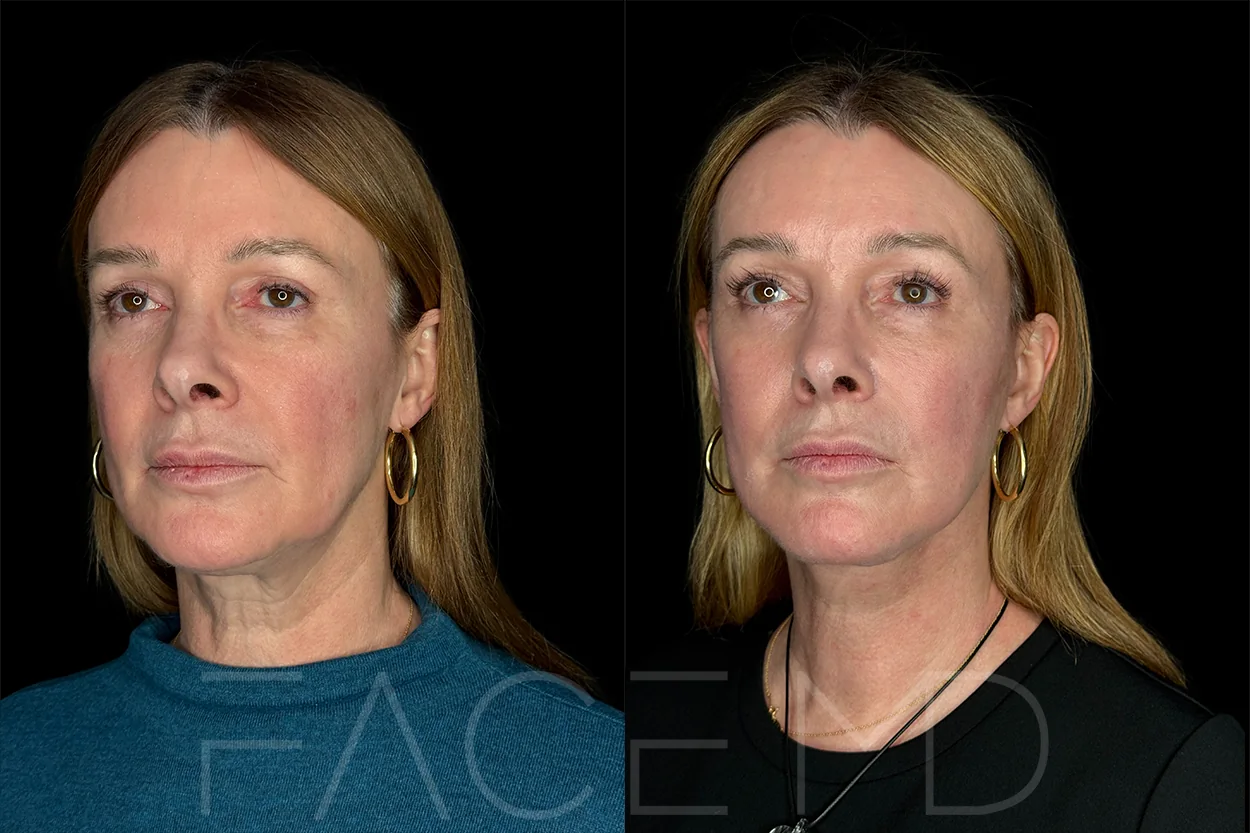
- 12 Months post-op Deep Plane Face & Neck Lift and Temporal Brow Lift
- 22 Months post-op Deep Plane Face & Neck Lift and Temporal Brow Lift
- 32 Months post-op Deep Plane Face & Neck Lift and Temporal Brow Lift
- 52 Months post-op Deep Plane Face & Neck Lift and Temporal Brow Lift
- 72 Months post-op Deep Plane Face & Neck Lift and Temporal Brow Lift
- 8
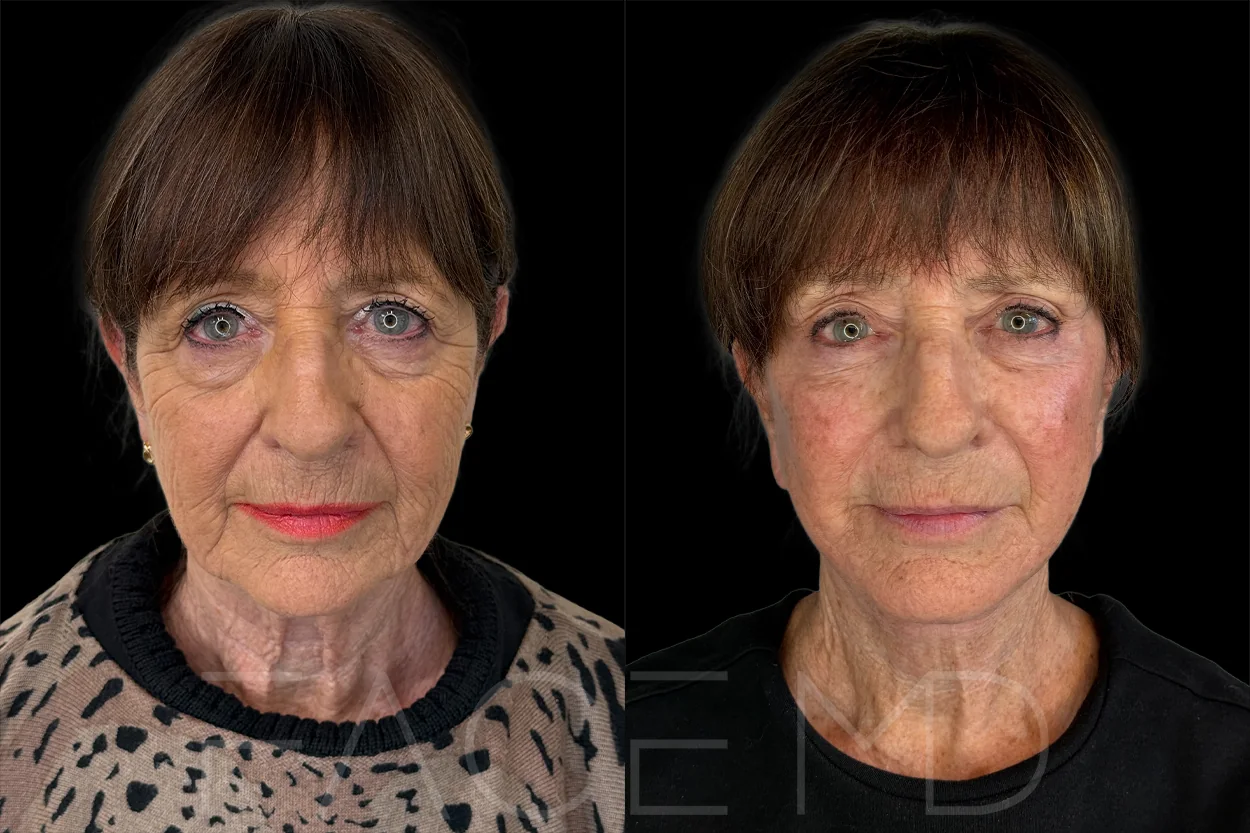
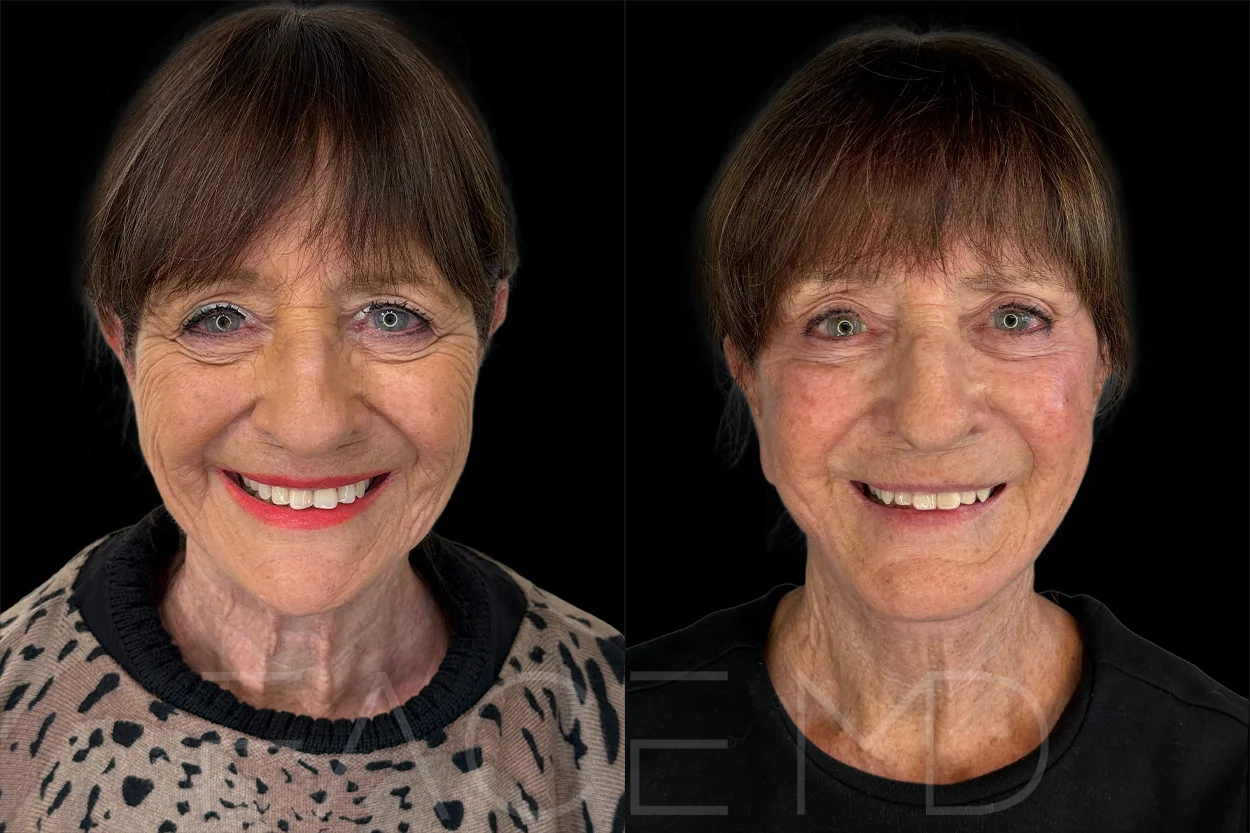
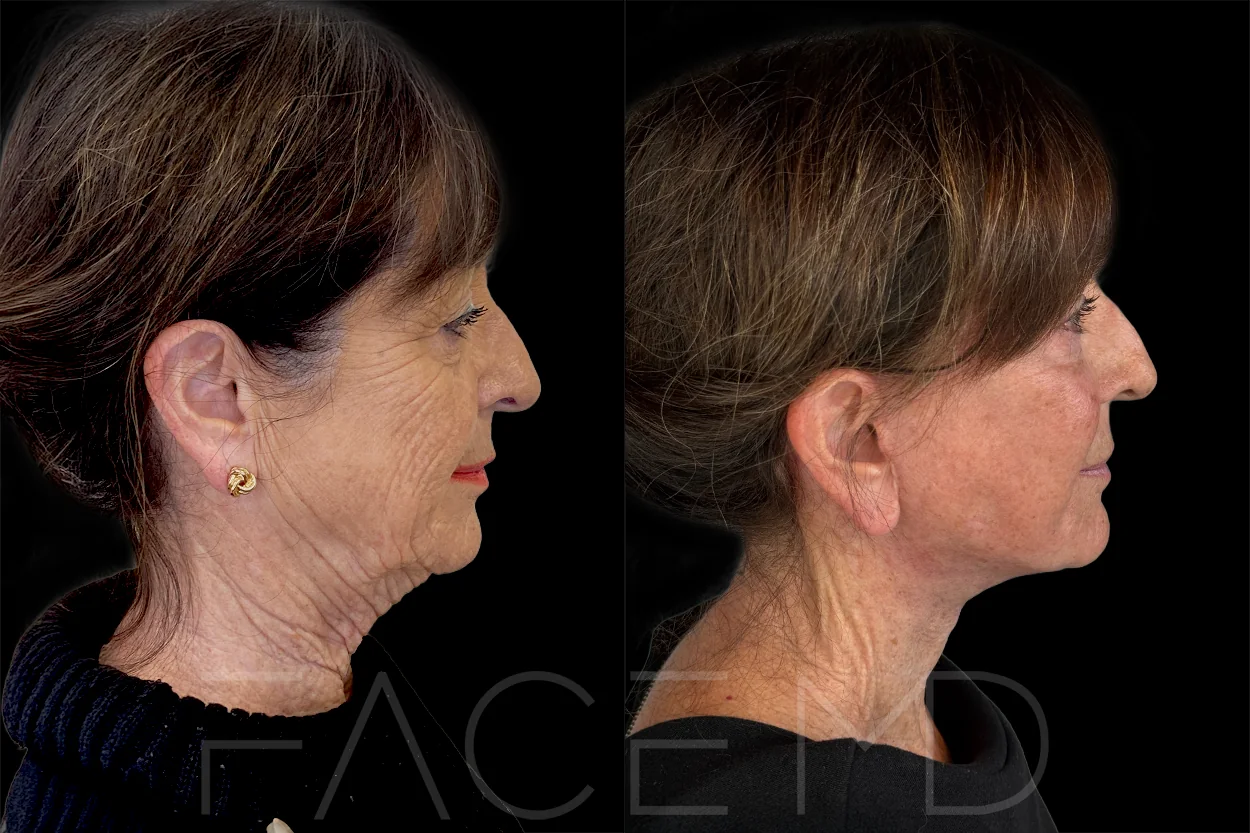
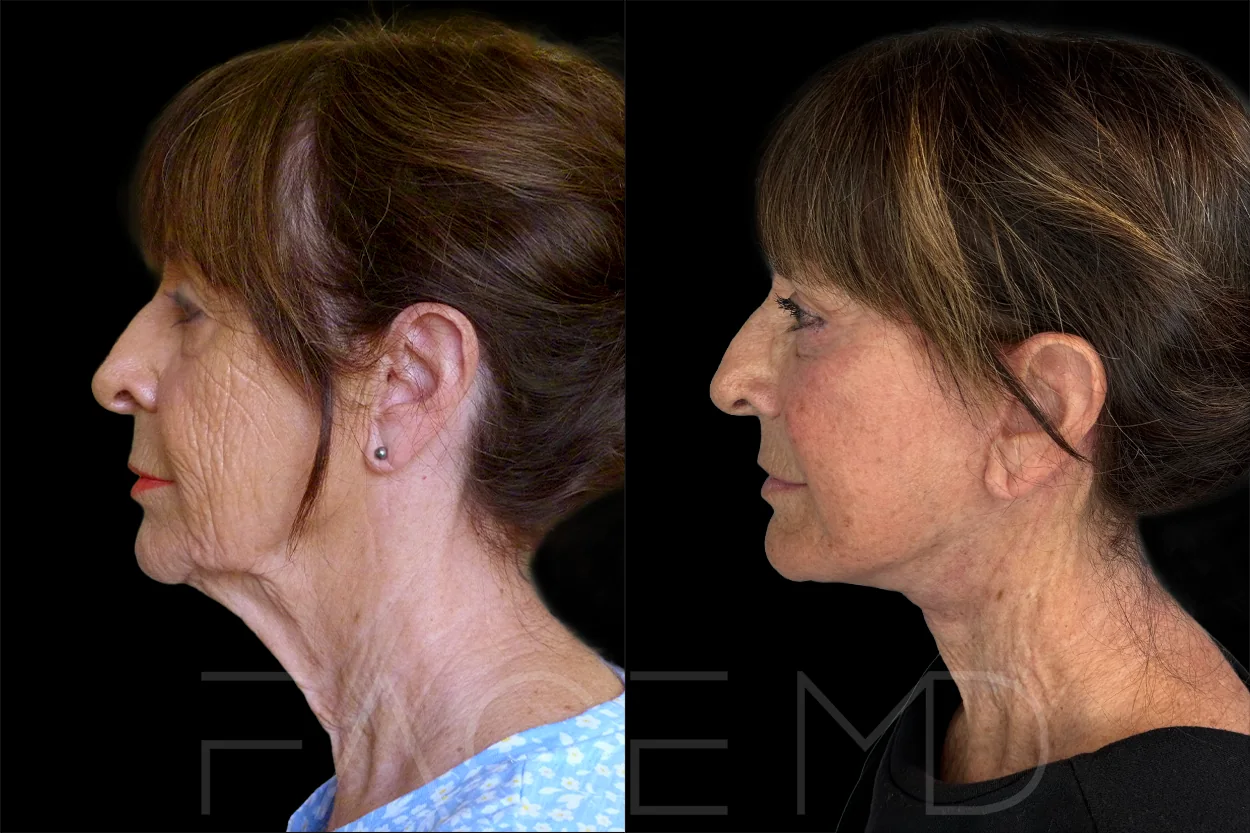
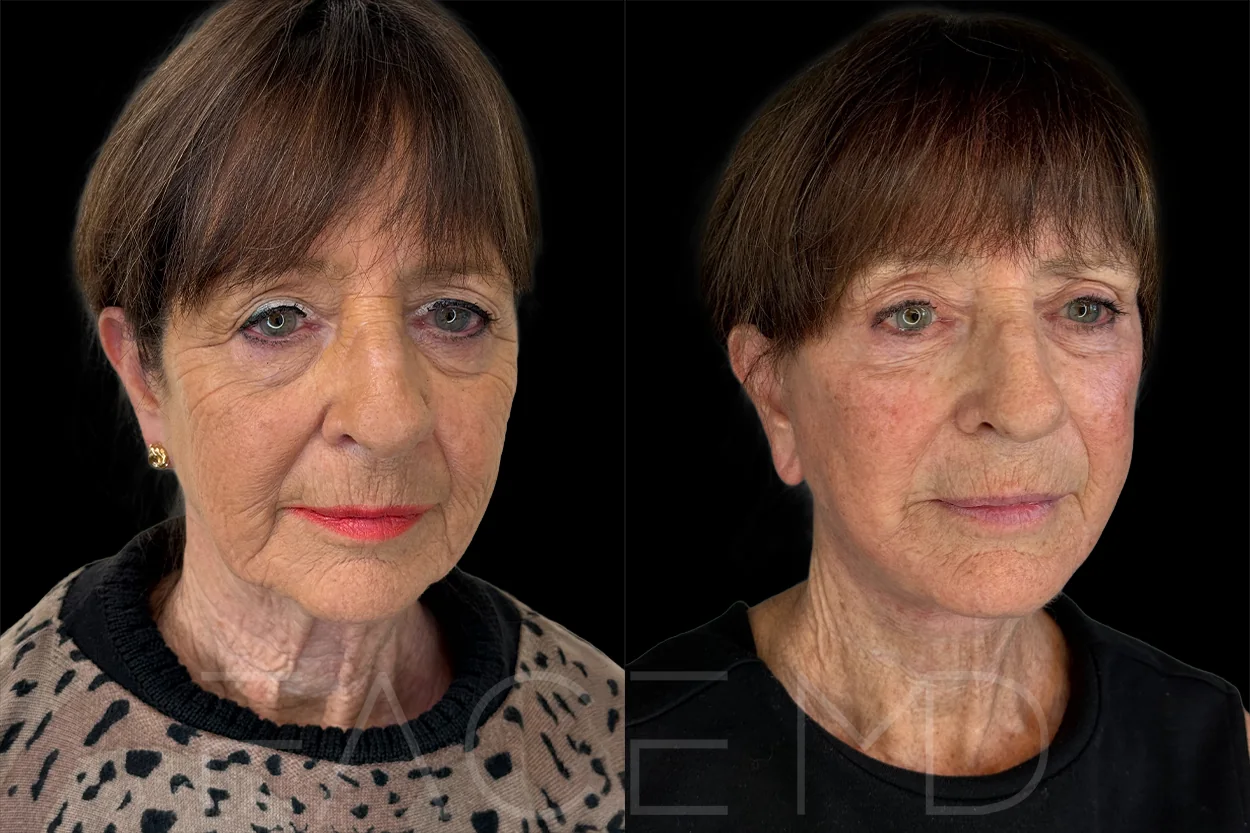
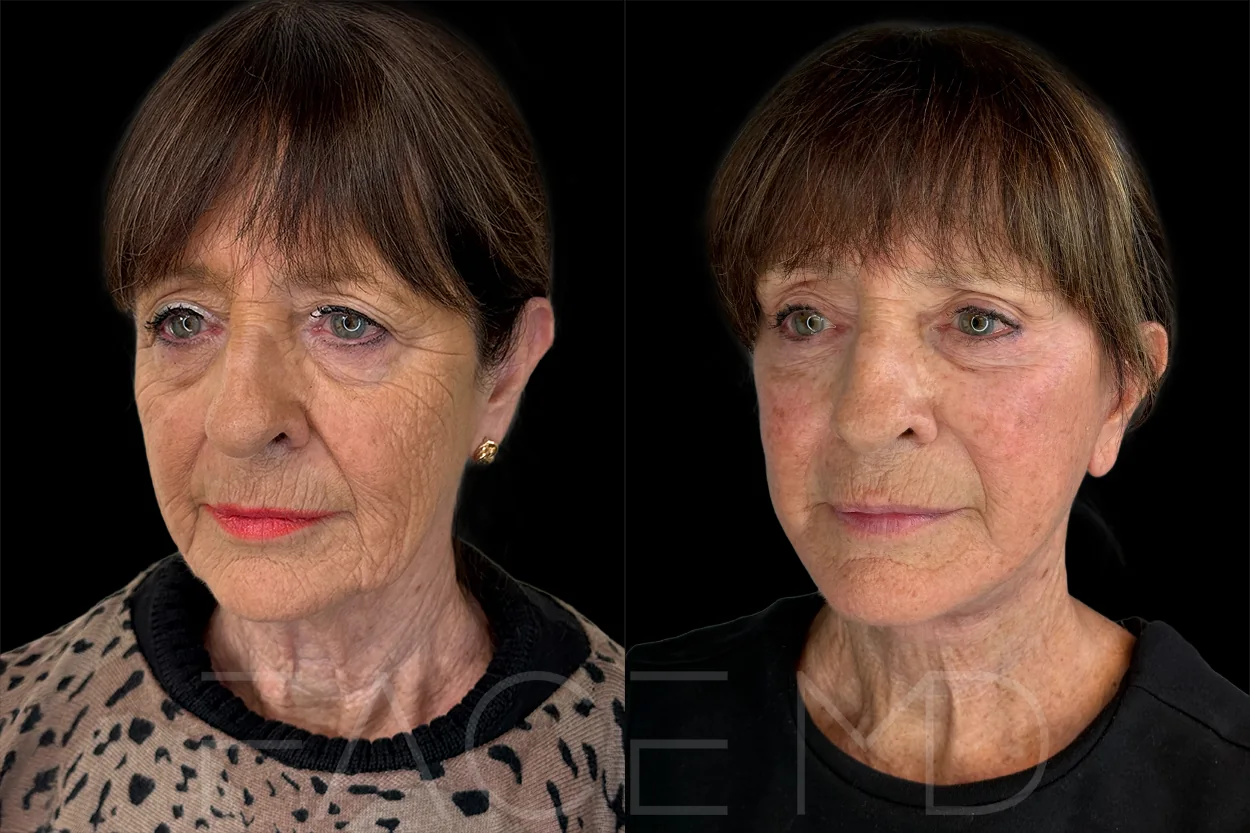
- 11 Month post-op Deep Plane Face & Neck Lift with Upper Lip Lift
- 21 Month post-op Deep Plane Face & Neck Lift with Upper Lip Lift
- 31 Month post-op Deep Plane Face & Neck Lift with Upper Lip Lift
- 41 Month post-op Deep Plane Face & Neck Lift with Upper Lip Lift
- 51 Month post-op Deep Plane Face & Neck Lift with Upper Lip Lift
- 61 Month post-op Deep Plane Face & Neck Lift with Upper Lip Lift
- 71 Month post-op Deep Plane Face & Neck Lift with Upper Lip Lift
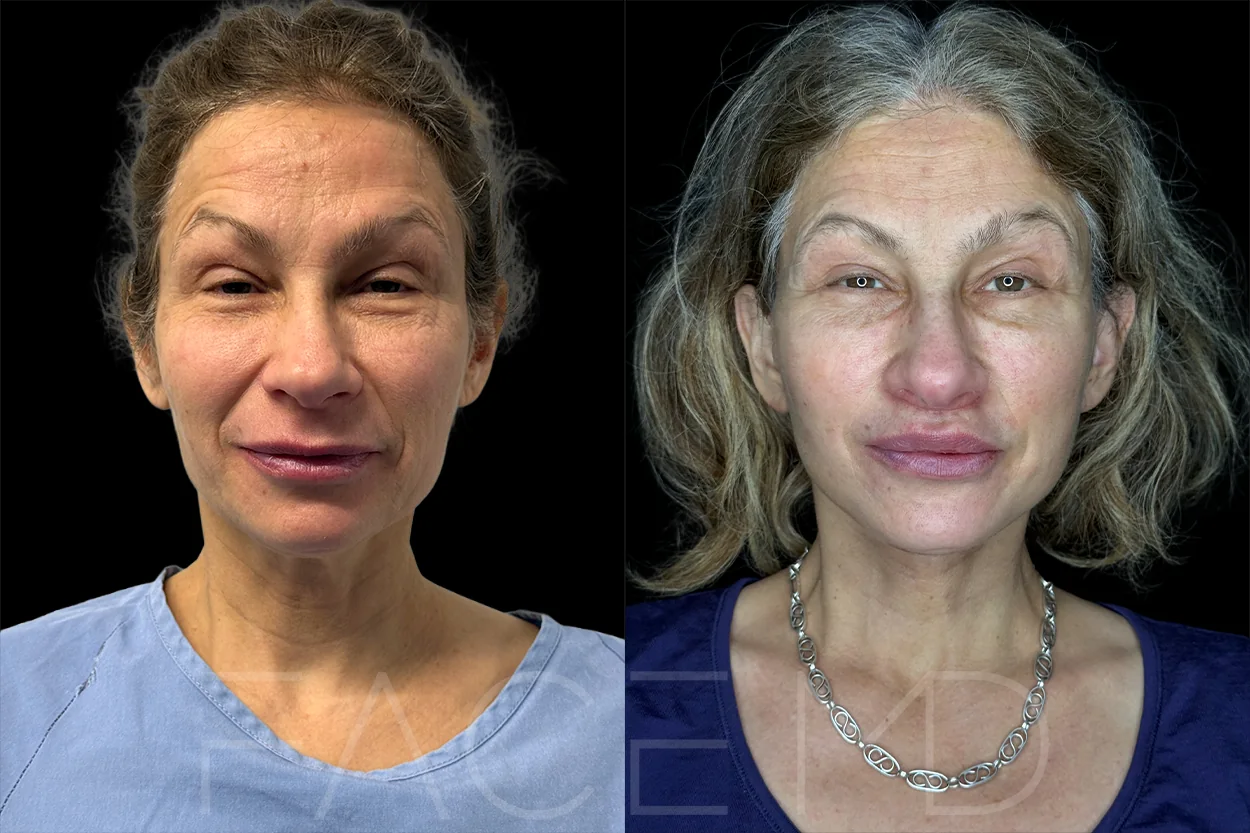
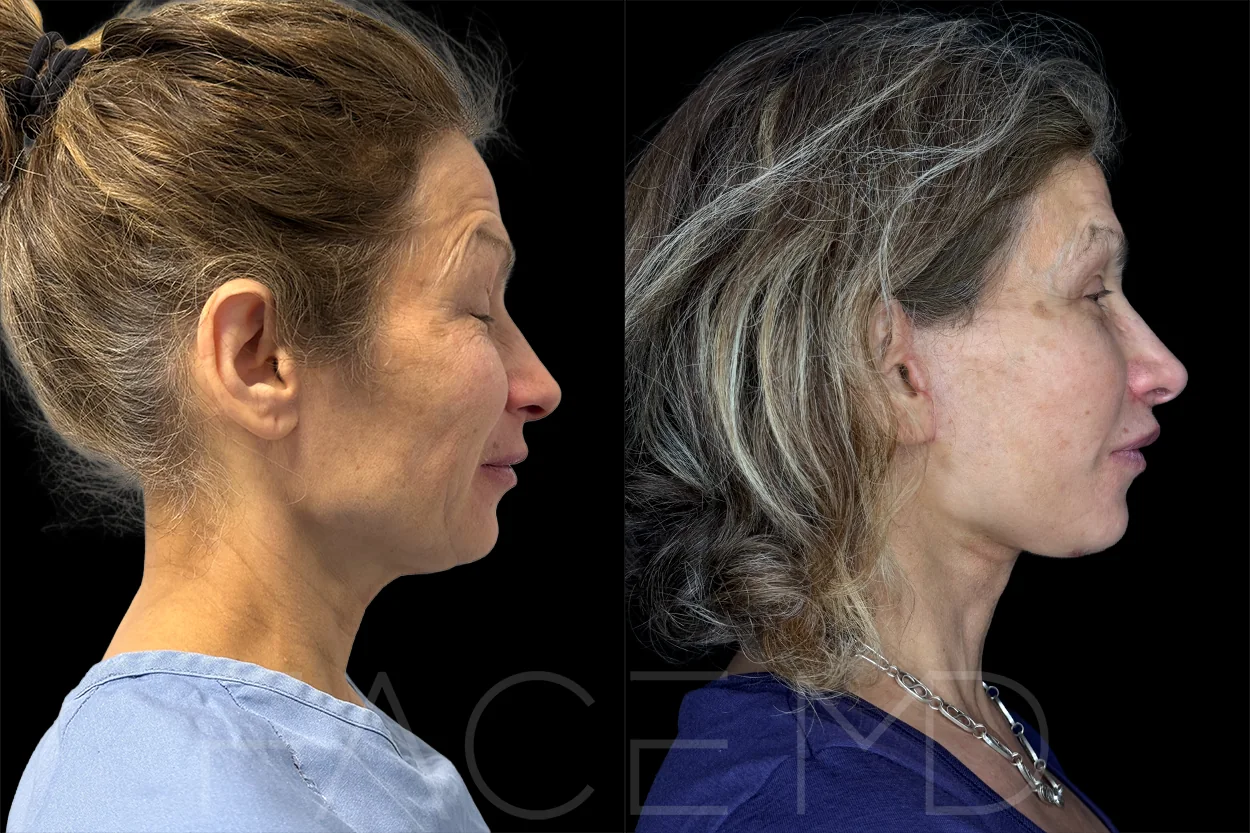
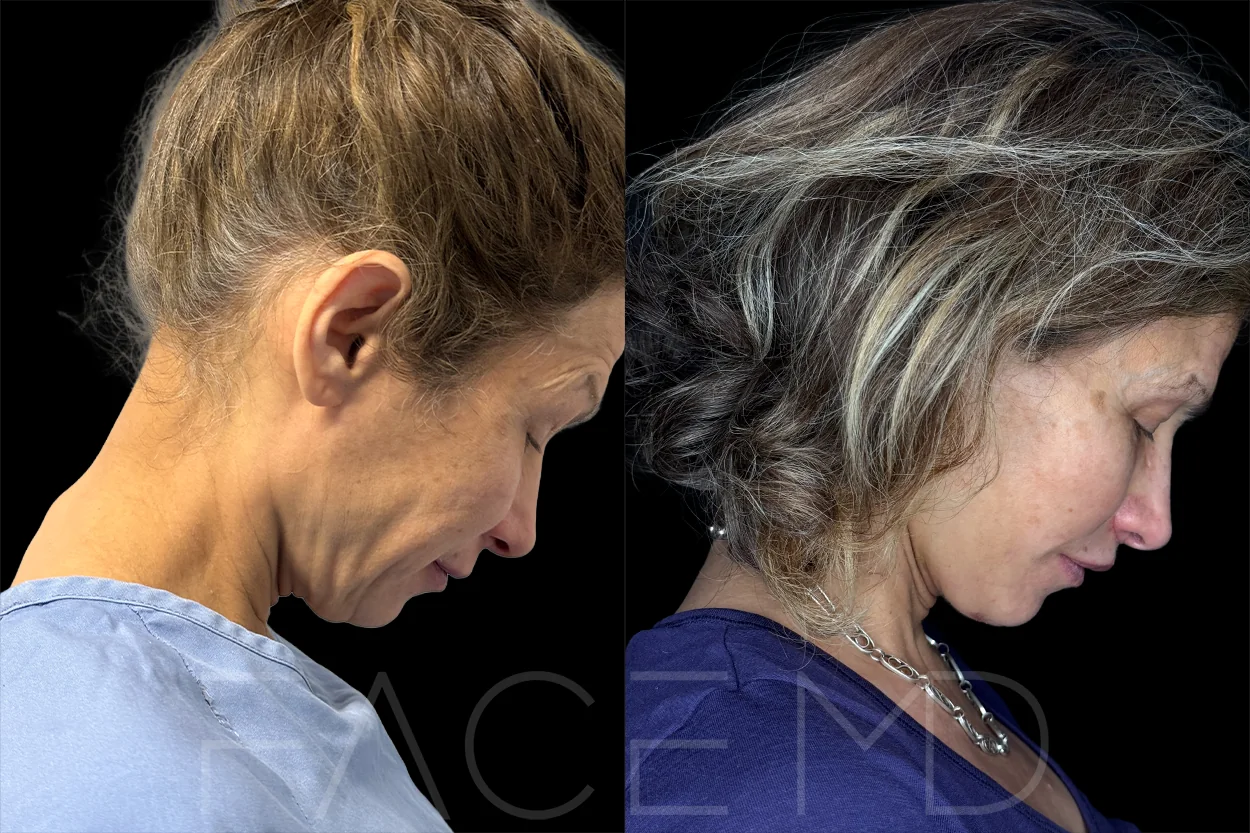
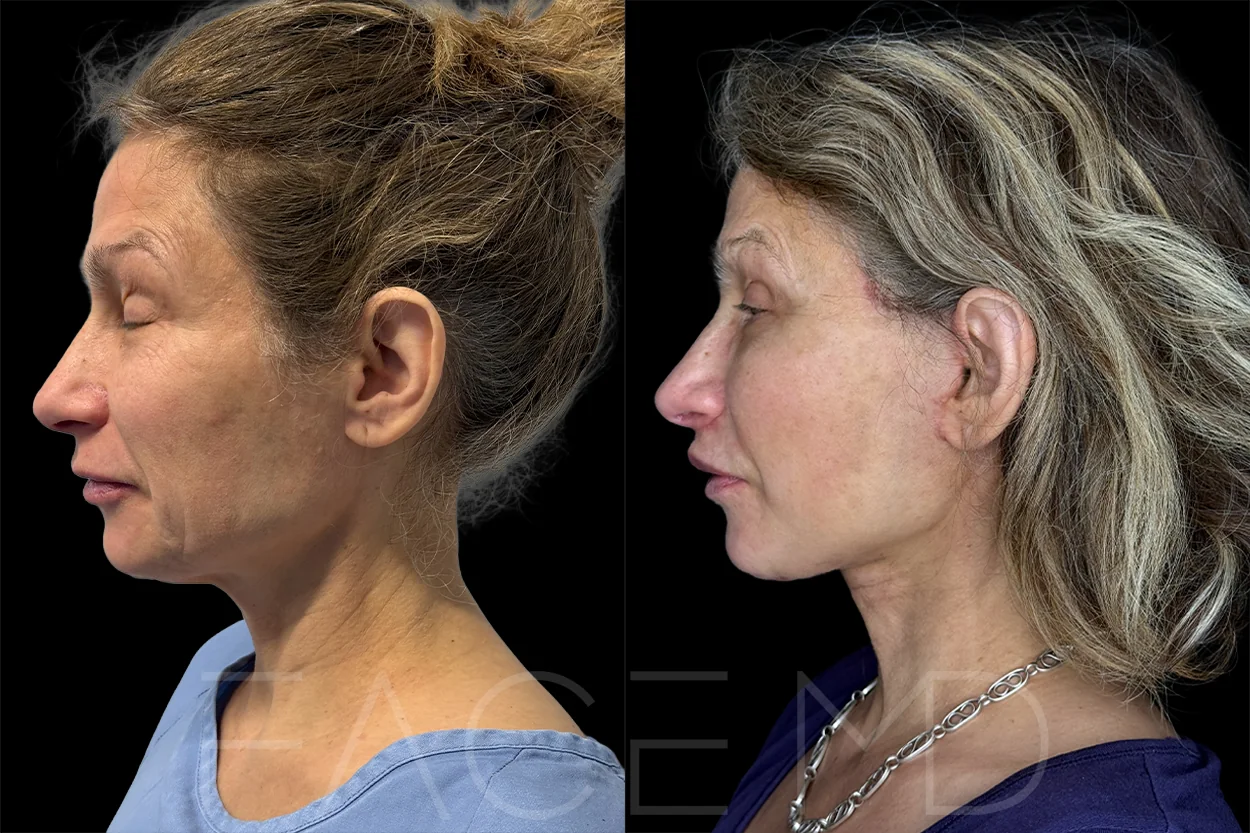
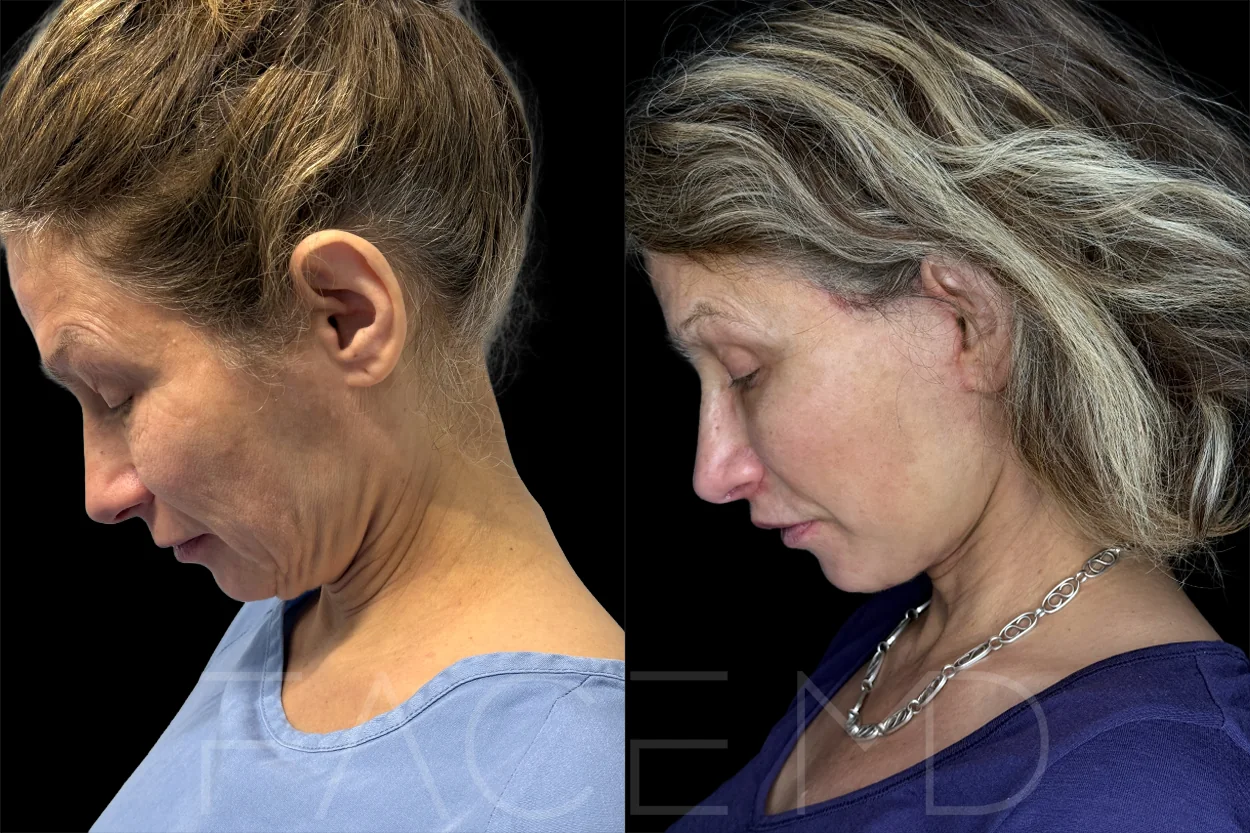
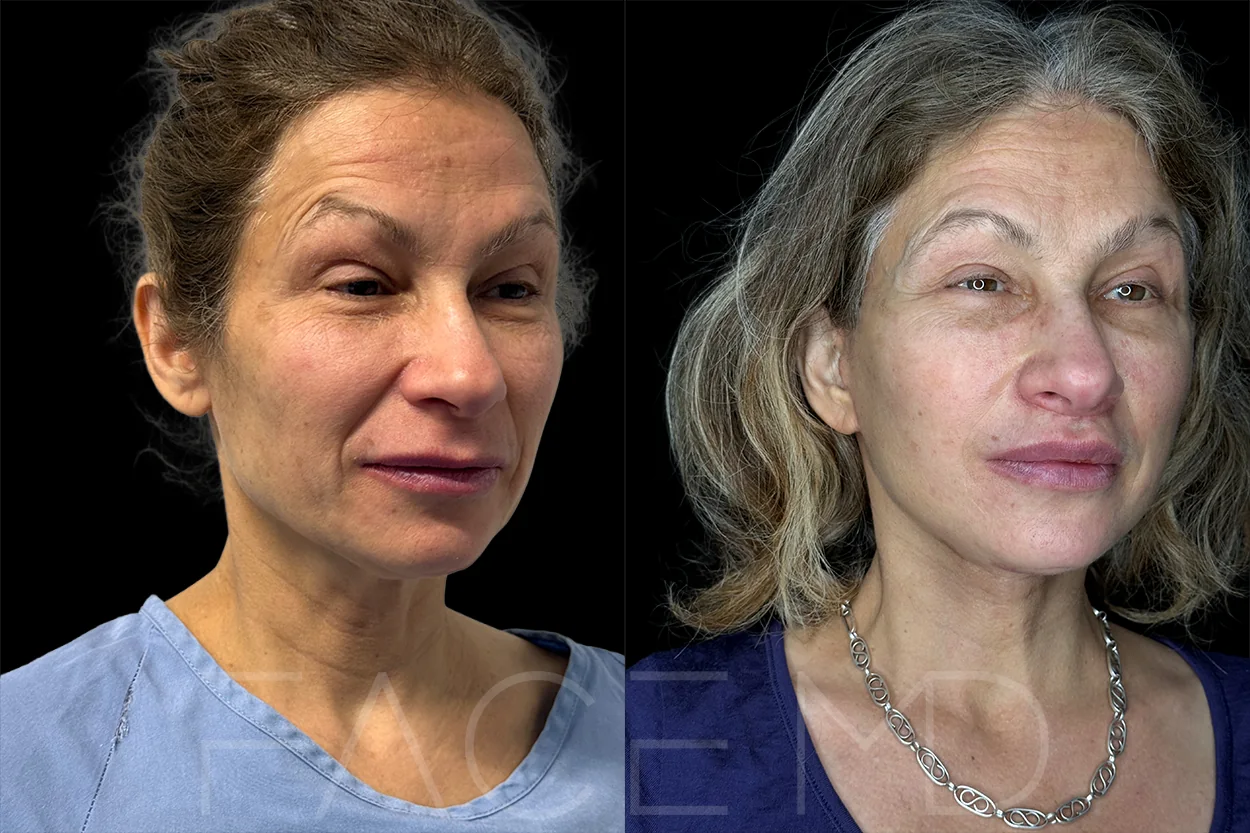
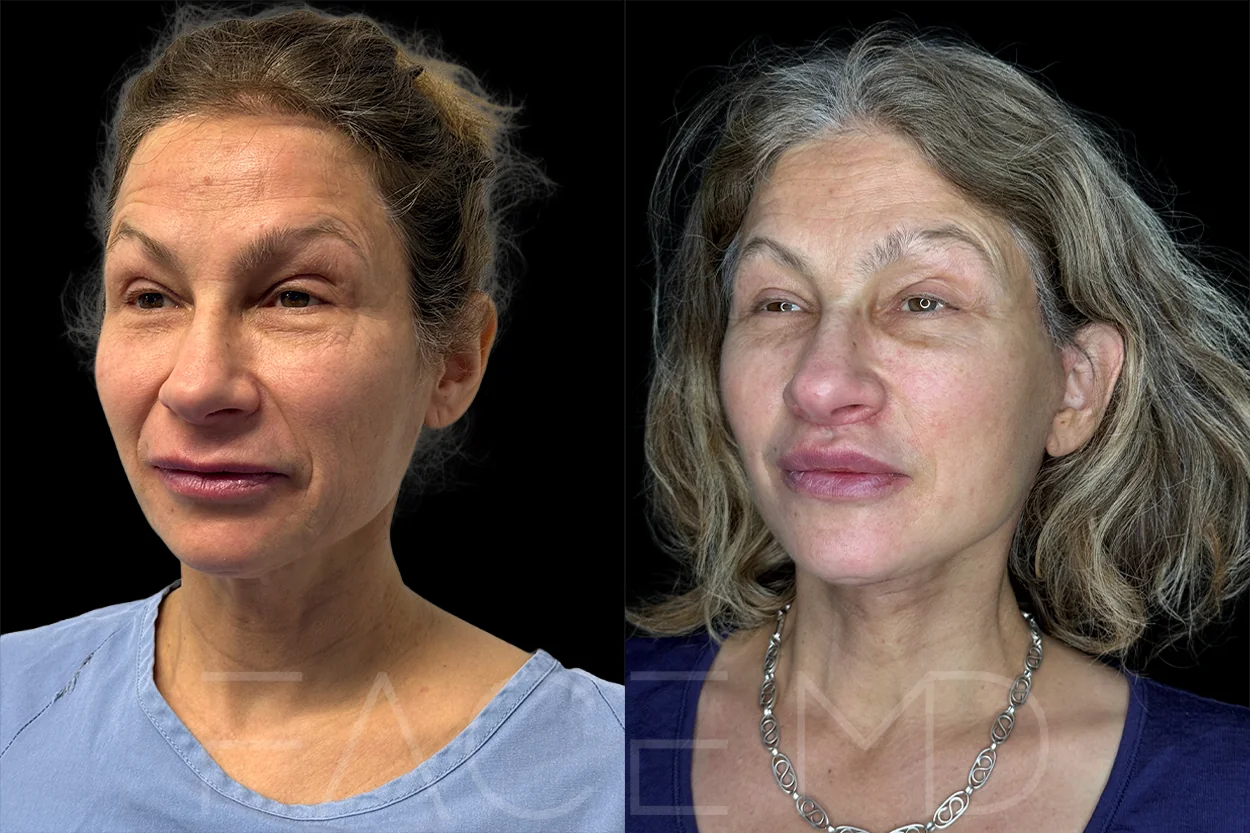
- 12 Months post-op Deep Plane Face & Neck Lift
- 22 Months post-op Deep Plane Face & Neck Lift
- 32 Months post-op Deep Plane Face & Neck Lift
- 42 Months post-op Deep Plane Face & Neck Lift
- 52 Months post-op Deep Plane Face & Neck Lift
- 62 Months post-op Deep Plane Face & Neck Lift
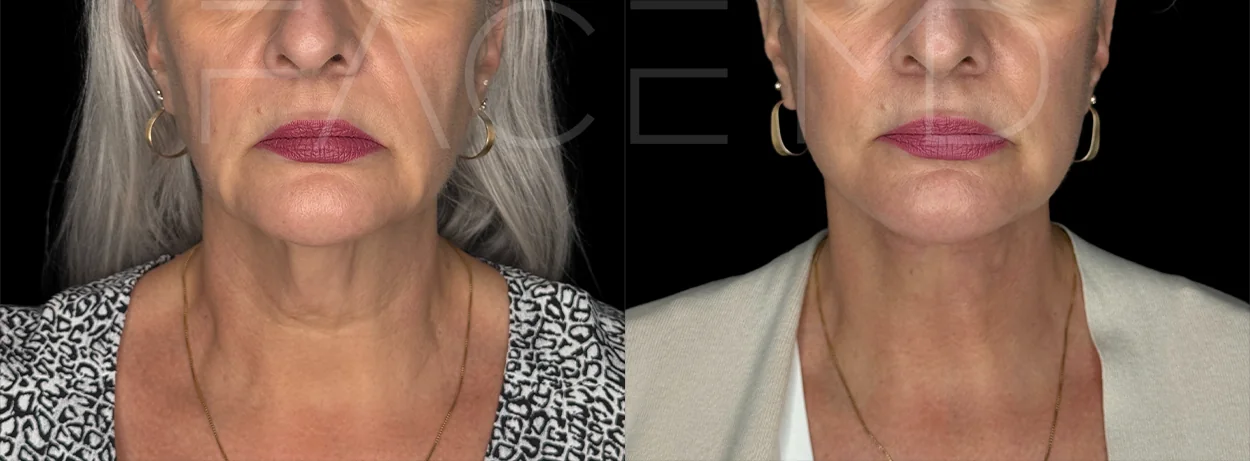
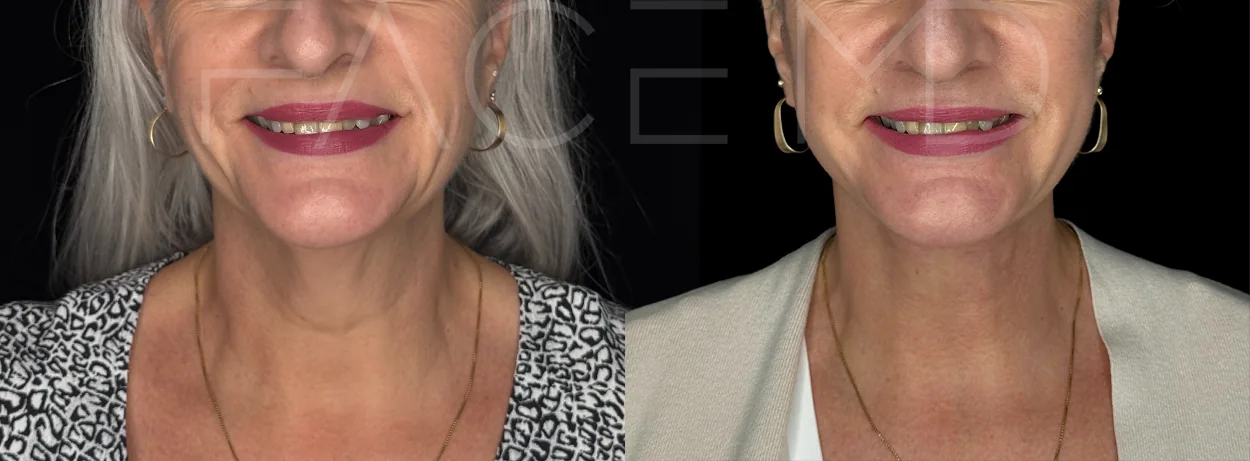
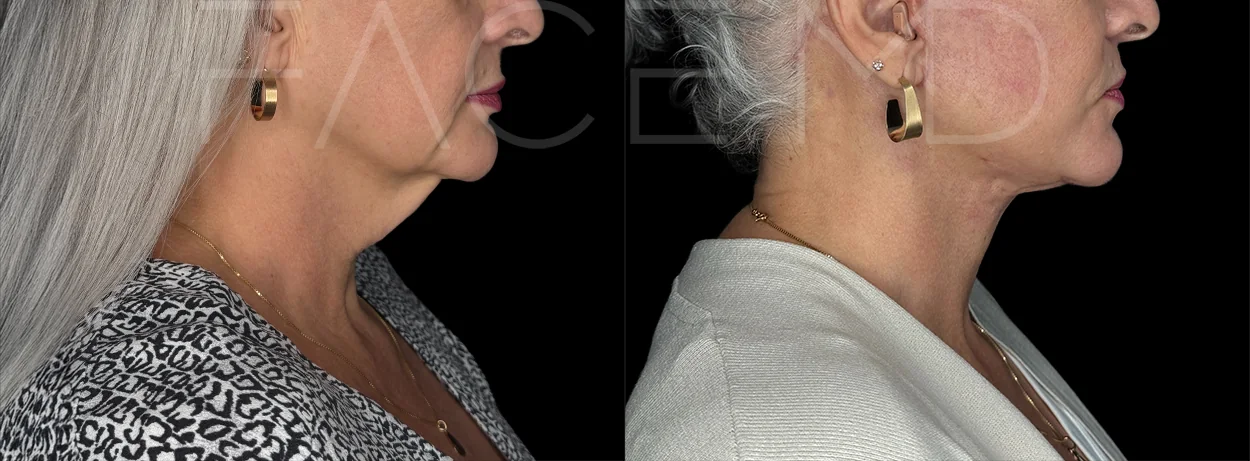
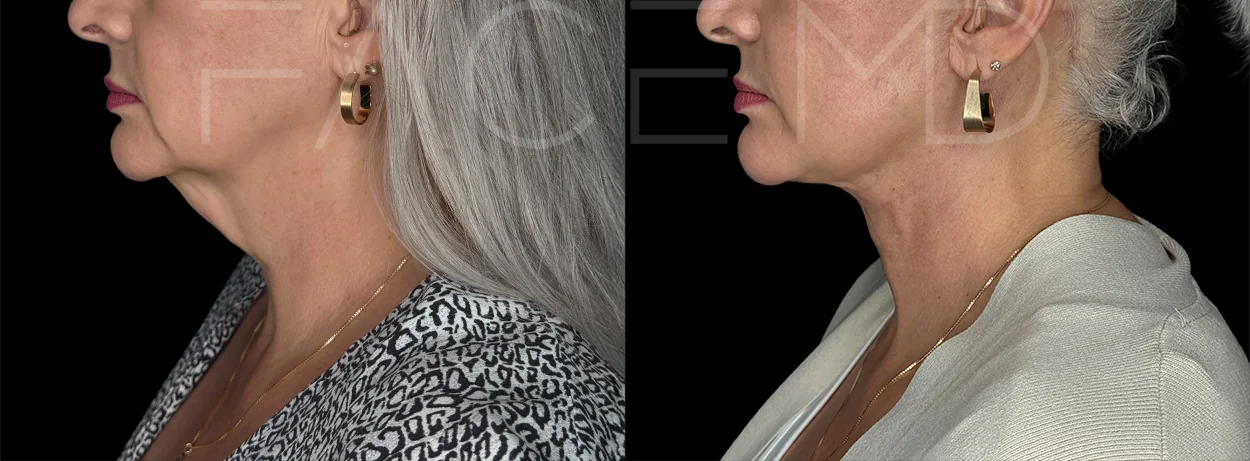
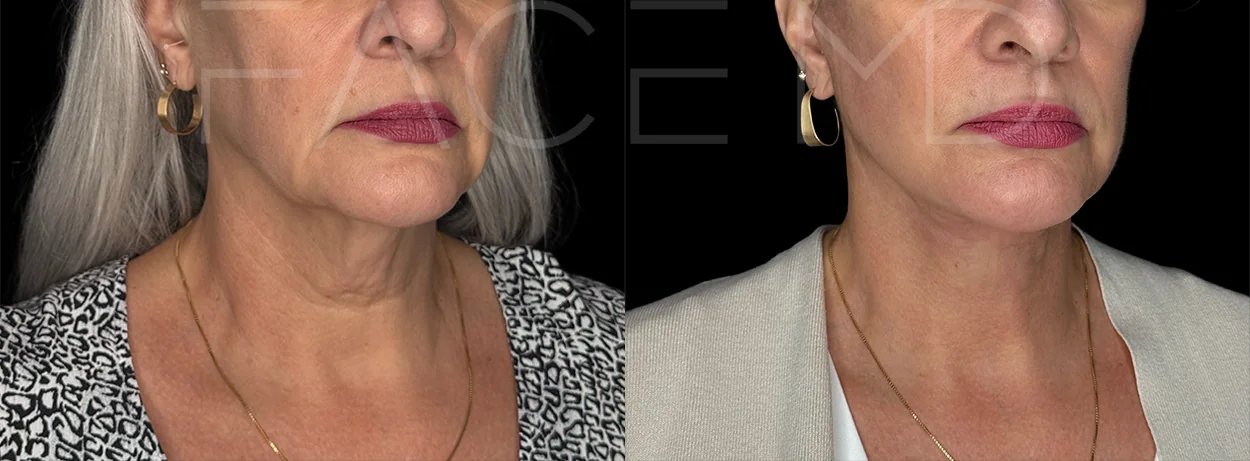
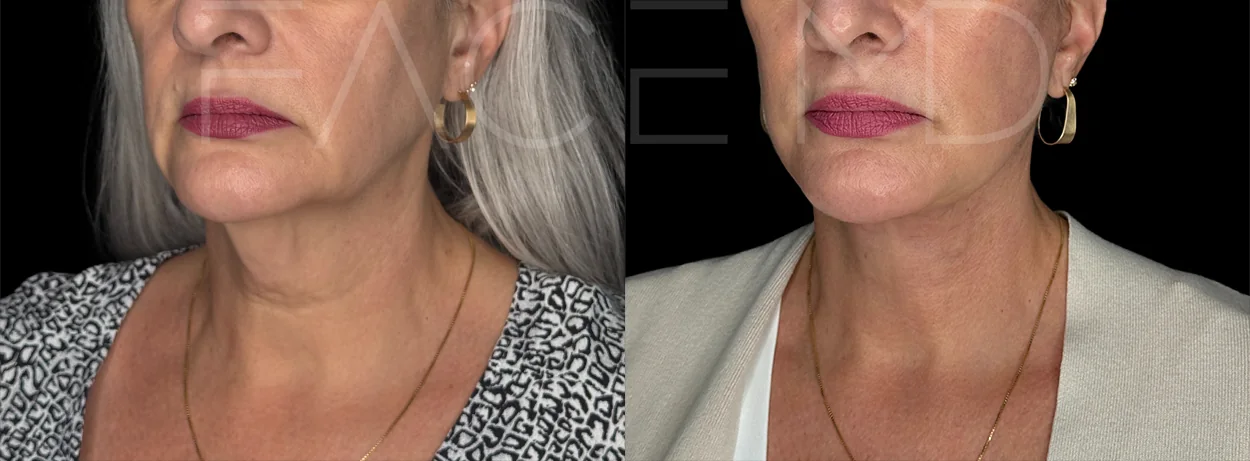
- 24 Months post-op Deep Plane Face & Neck Lift
- 14 Months post-op Deep Plane Face & Neck Lift
- 34 Months post-op Deep Plane Face & Neck Lift
- 44 Months post-op Deep Plane Face & Neck Lift
- 54 Months post-op Deep Plane Face & Neck Lift
- 74 Months post-op Deep Plane Face & Neck Lift
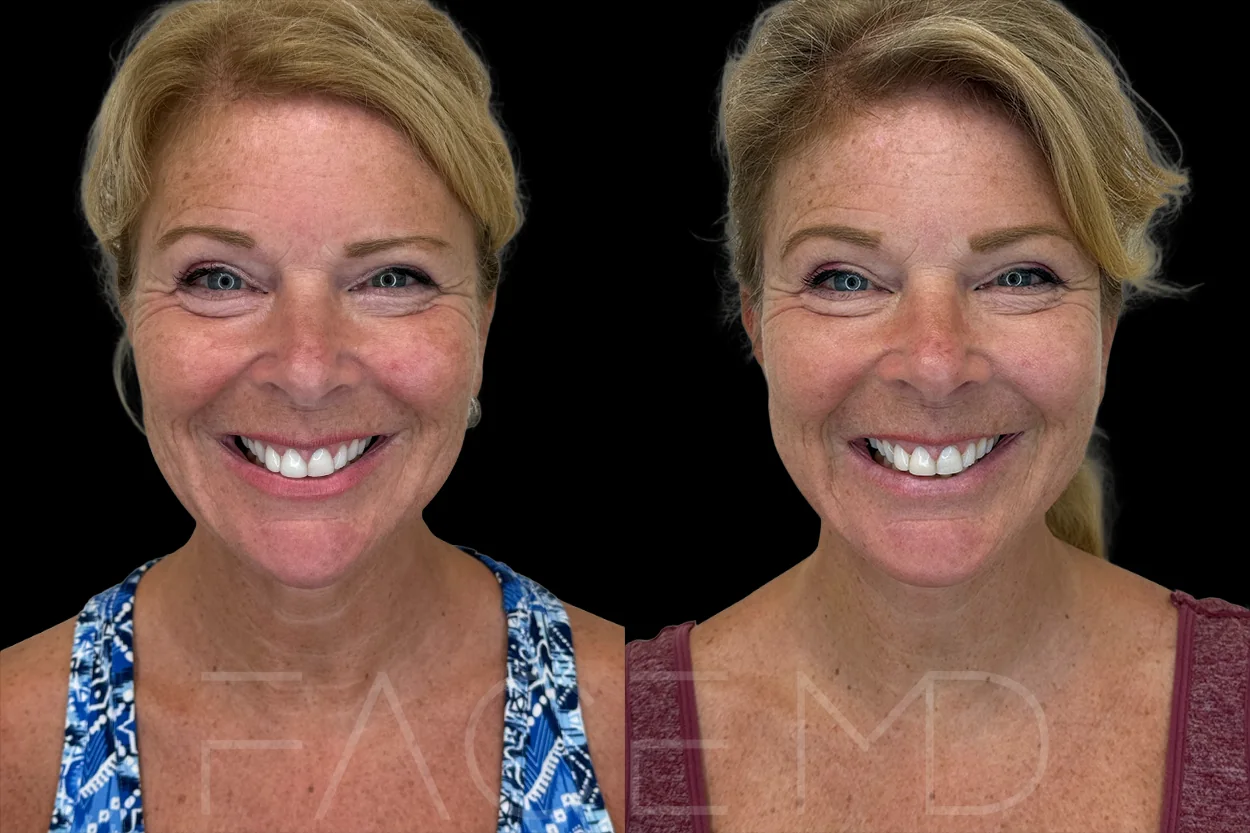
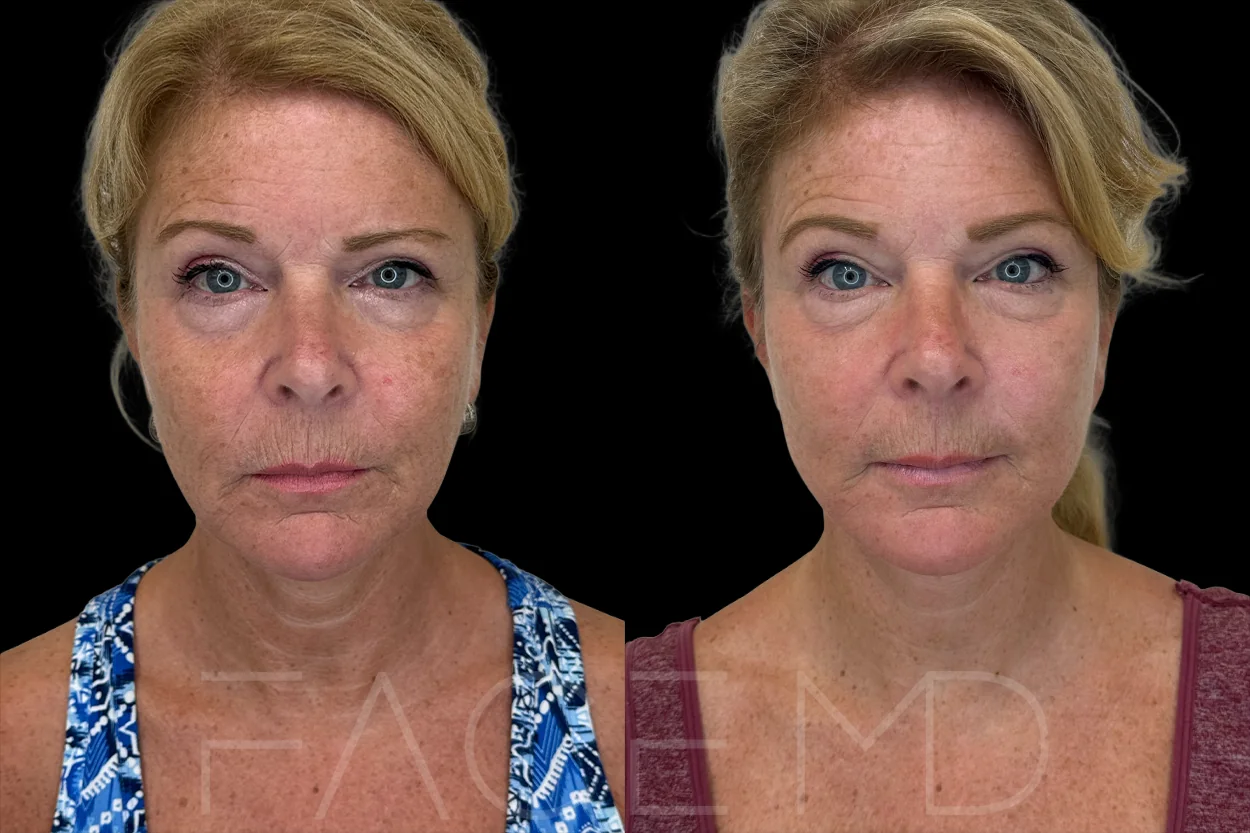
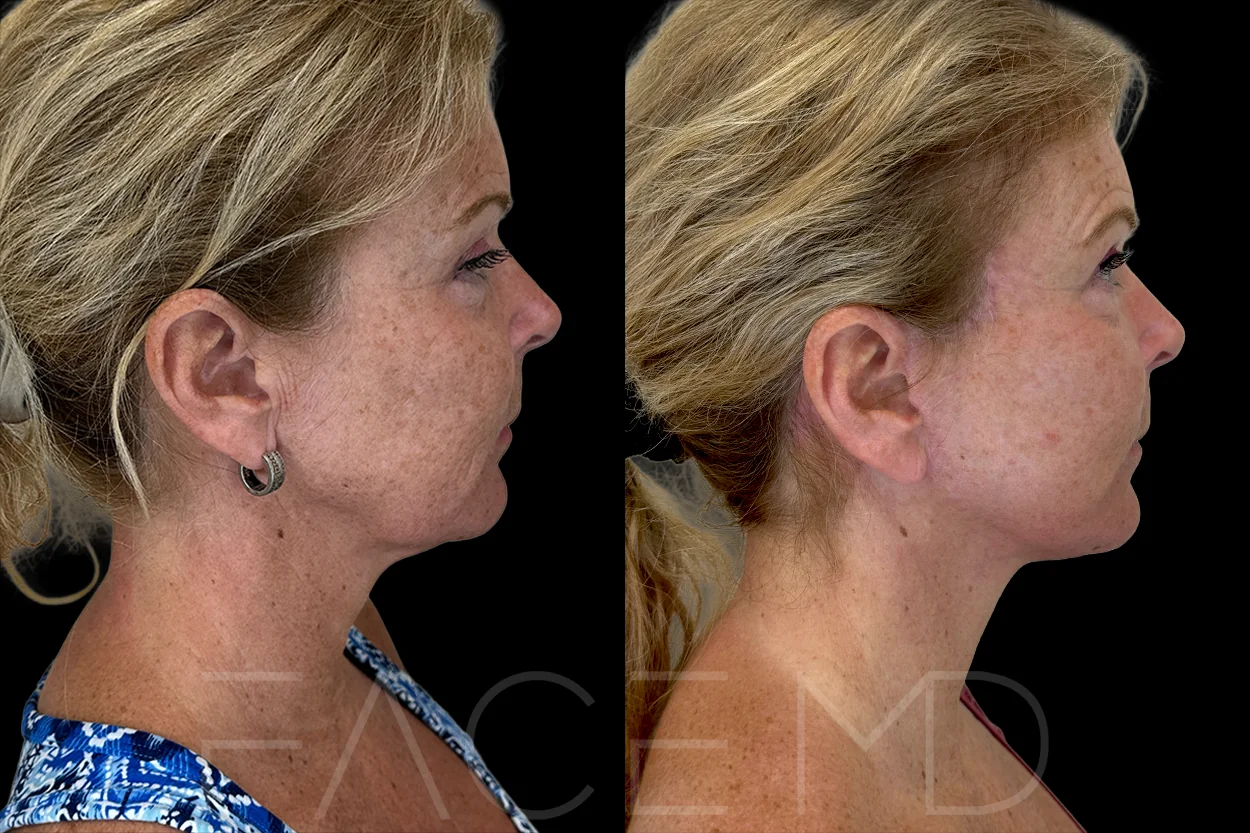
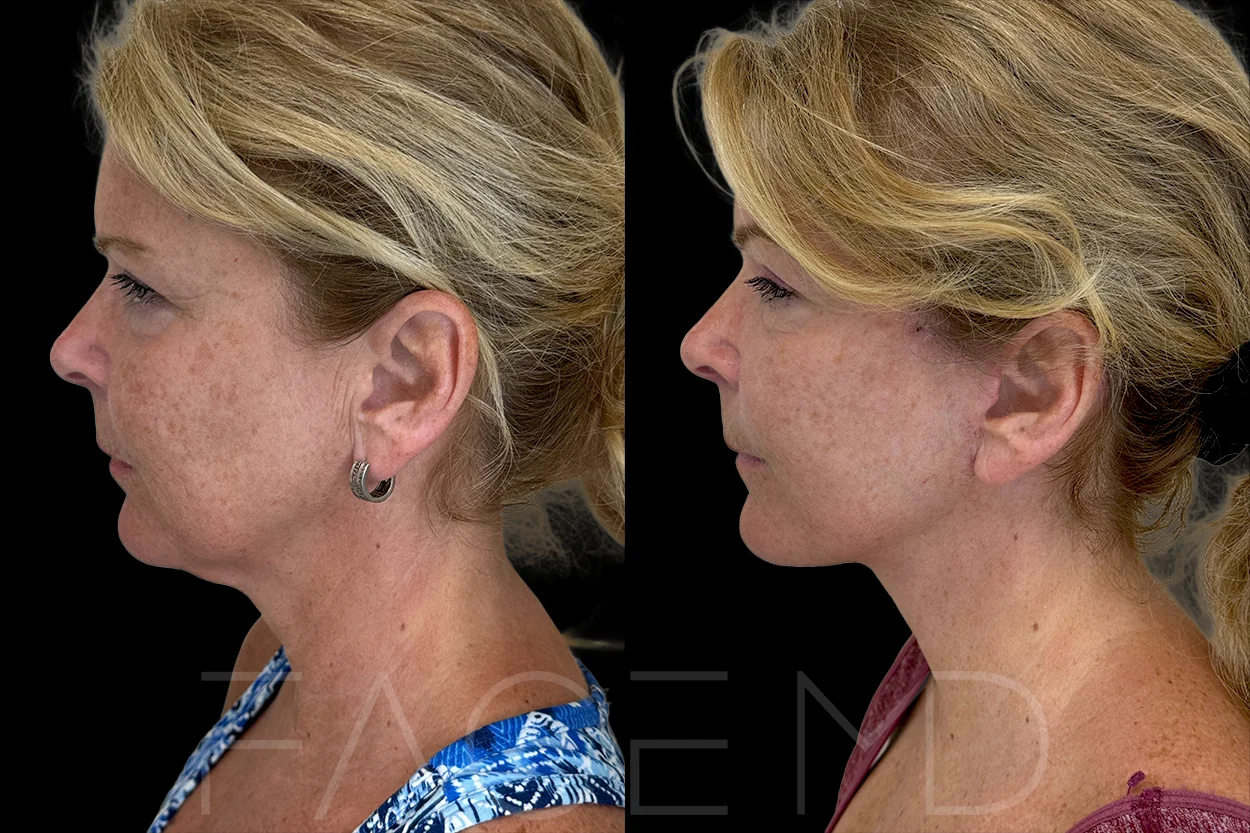
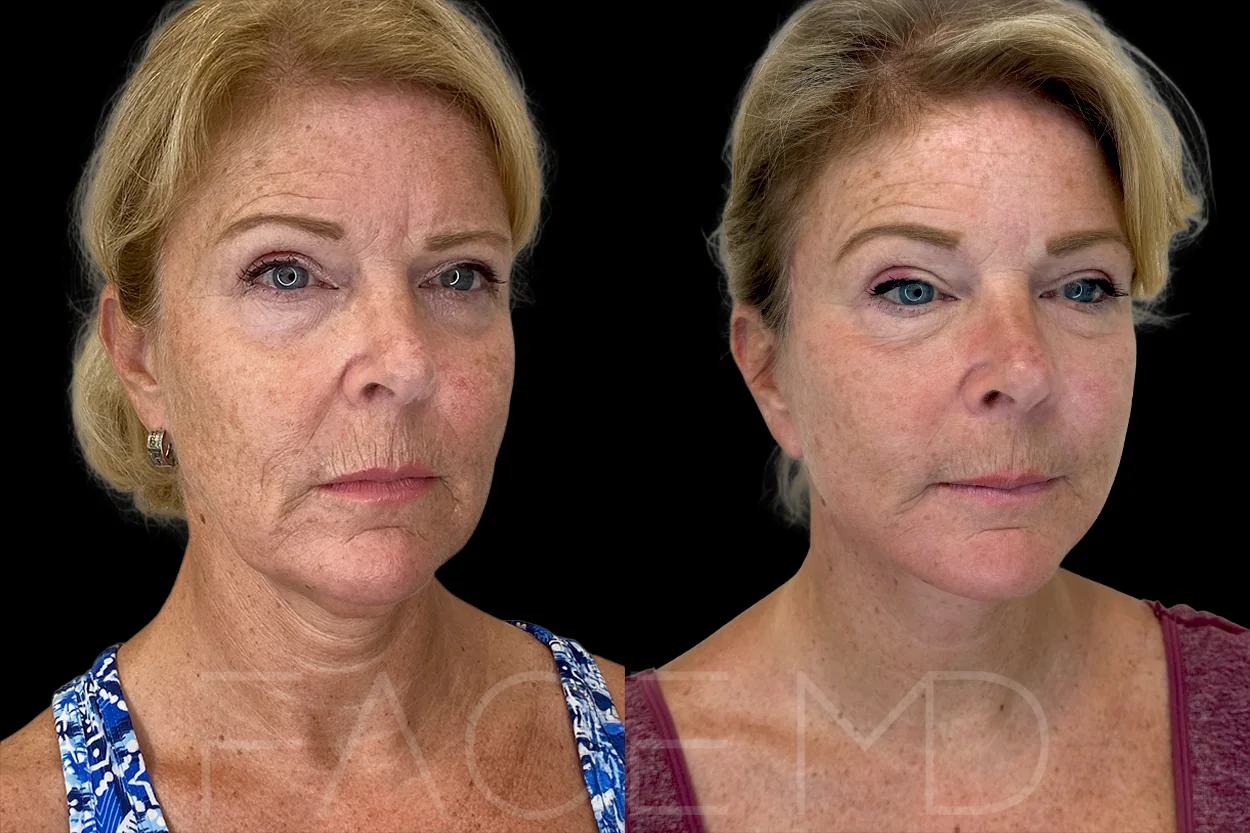
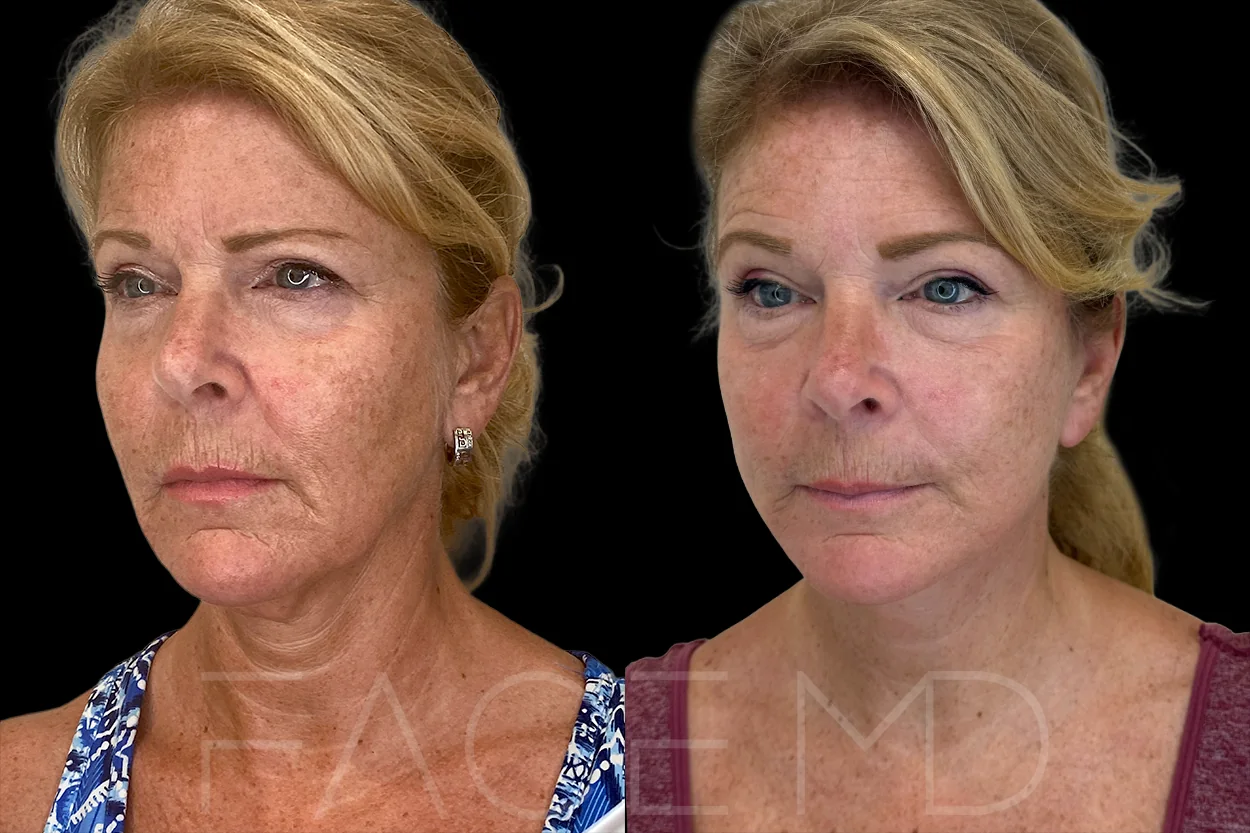
- 14.5 Months post-op Deep Plane Face & Neck Lift, Upper Blepharoplasty and Full Face CO2 Laser
- 24.5 Months post-op Deep Plane Face & Neck Lift, Upper Blepharoplasty and Full Face CO2 Laser
- 34.5 Months post-op Deep Plane Face & Neck Lift, Upper Blepharoplasty and Full Face CO2 Laser
- 54.5 Months post-op Deep Plane Face & Neck Lift, Upper Blepharoplasty and Full Face CO2 Laser
- 74.5 Months post-op Deep Plane Face & Neck Lift, Upper Blepharoplasty and Full Face CO2 Laser
- 84.5 Months post-op Deep Plane Face & Neck Lift, Upper Blepharoplasty and Full Face CO2 Laser
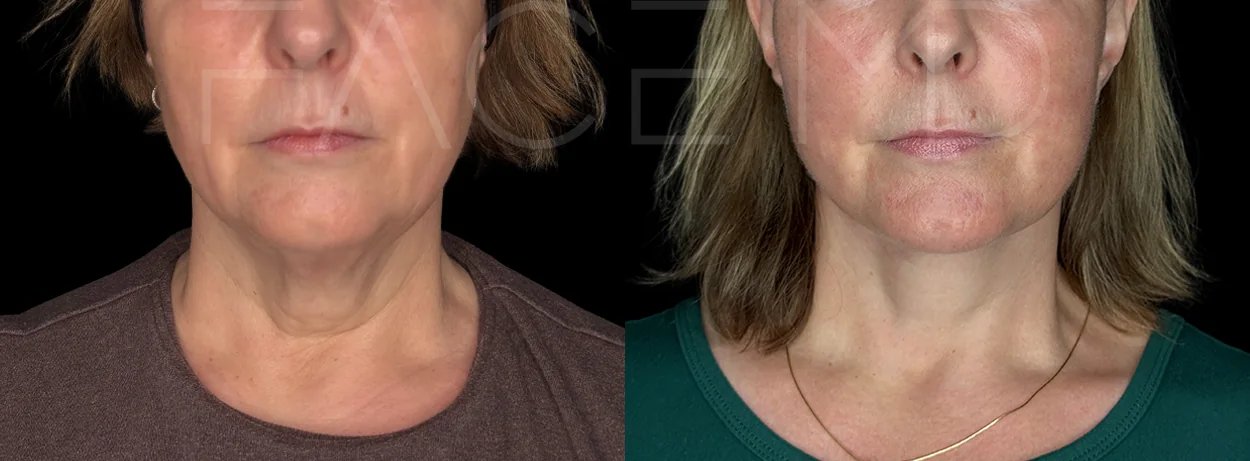
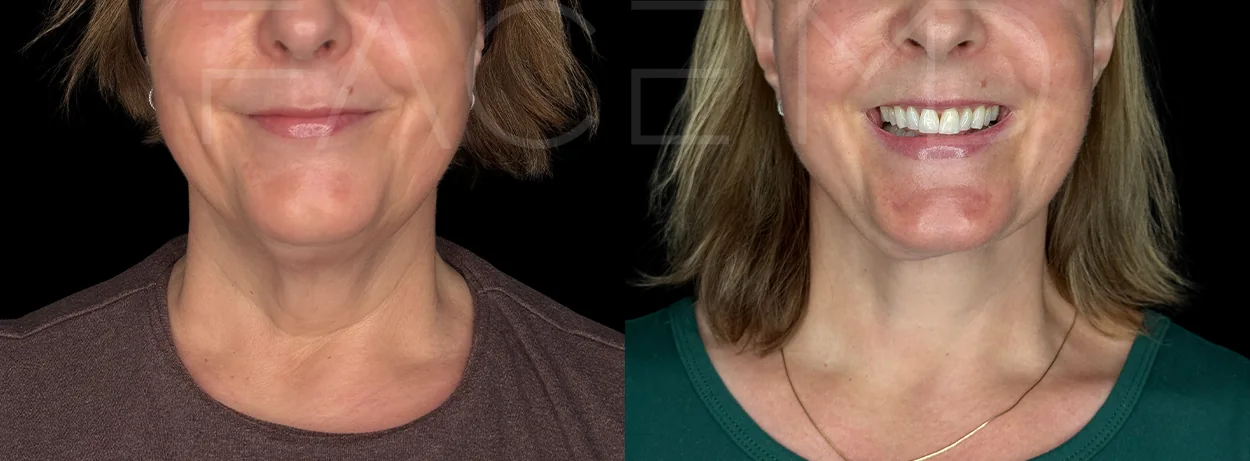
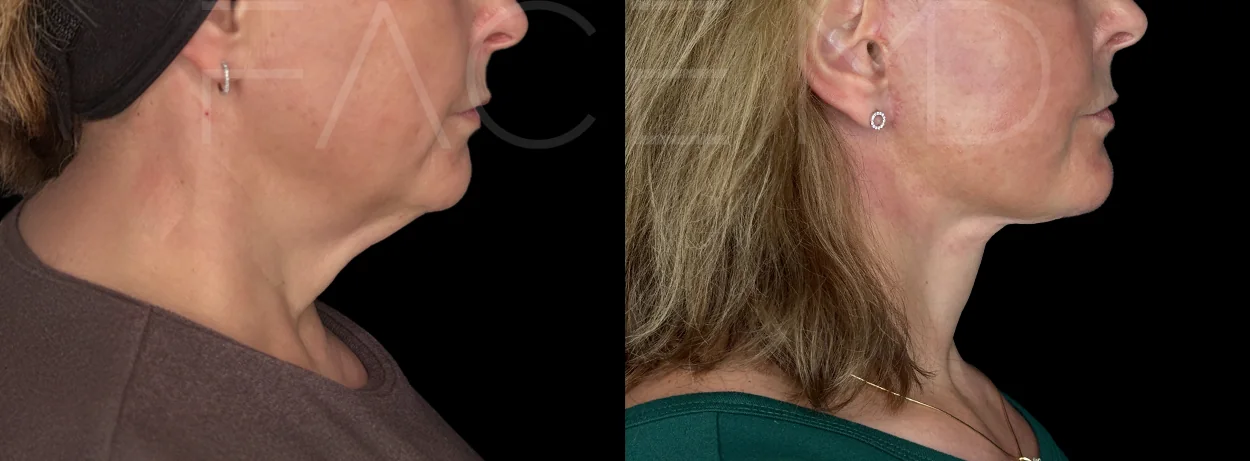
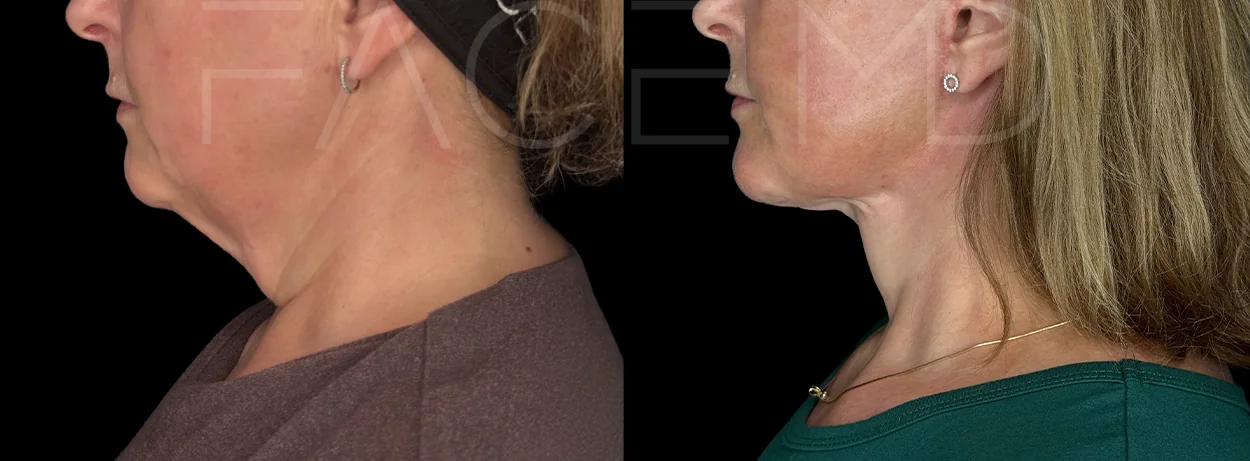
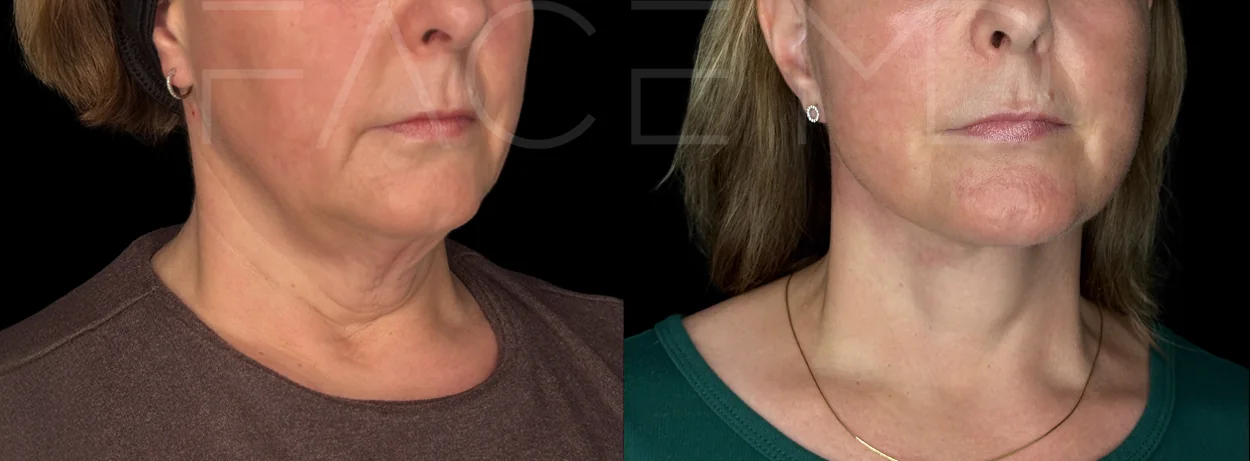
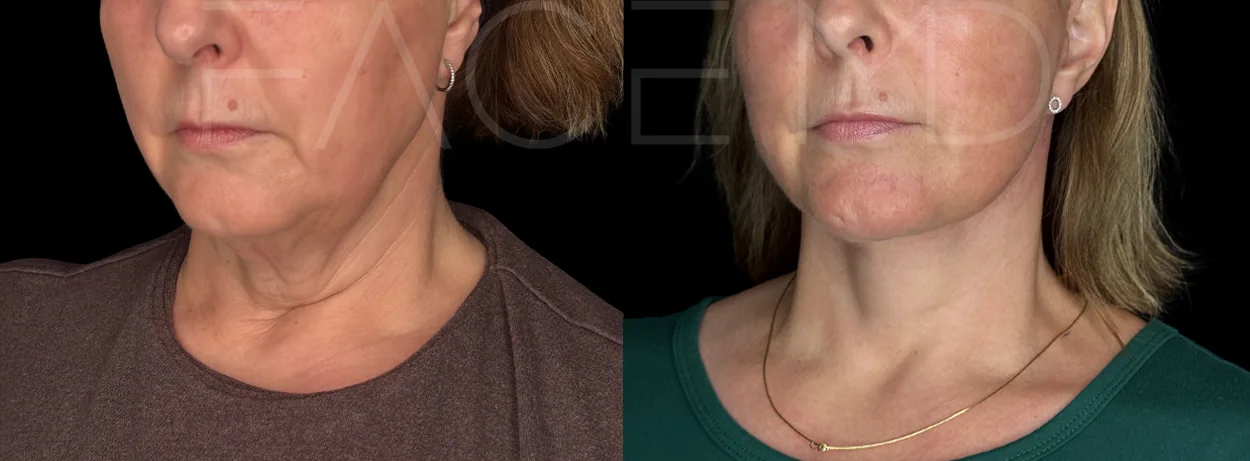
- 11.5 Months post-op Deep Plane Face & Neck Lift
- 21.5 Months post-op Deep Plane Face & Neck Lift
- 31.5 Months post-op Deep Plane Face & Neck Lift
- 41.5 Months post-op Deep Plane Face & Neck Lift
- 61.5 Months post-op Deep Plane Face & Neck Lift
- 51.5 Months post-op Deep Plane Face & Neck Lift
- 71.5 Months post-op Deep Plane Face & Neck Lift
- 8
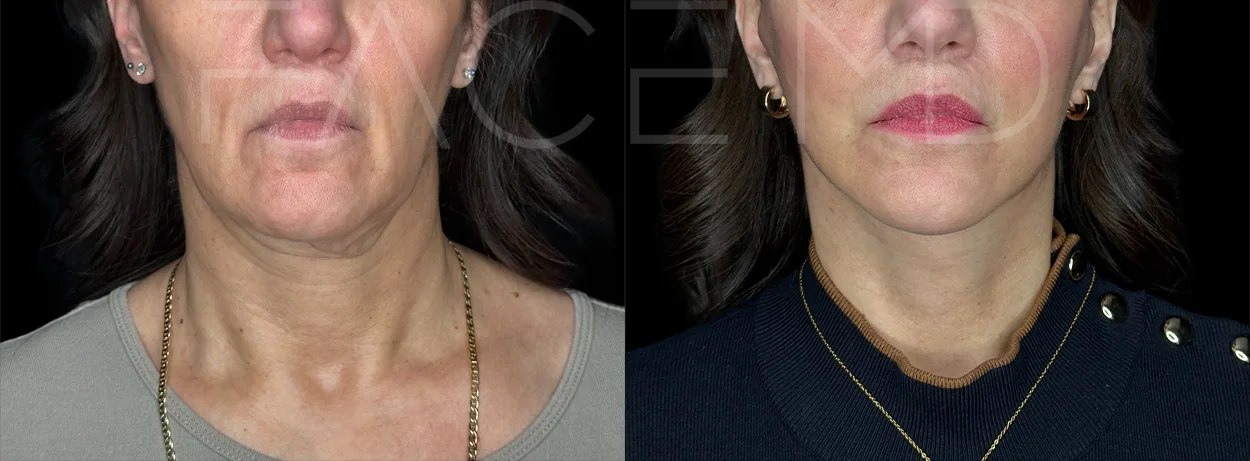
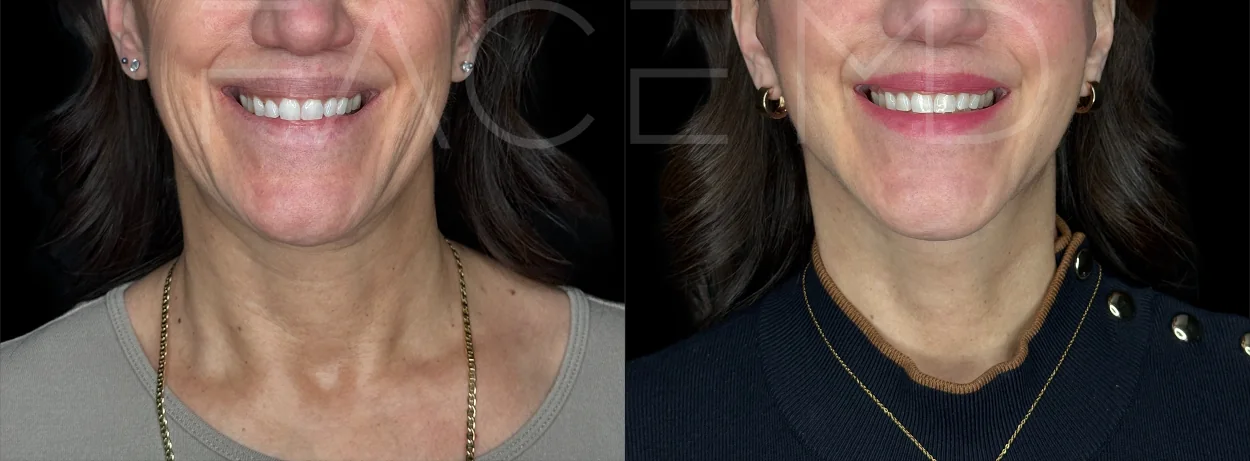
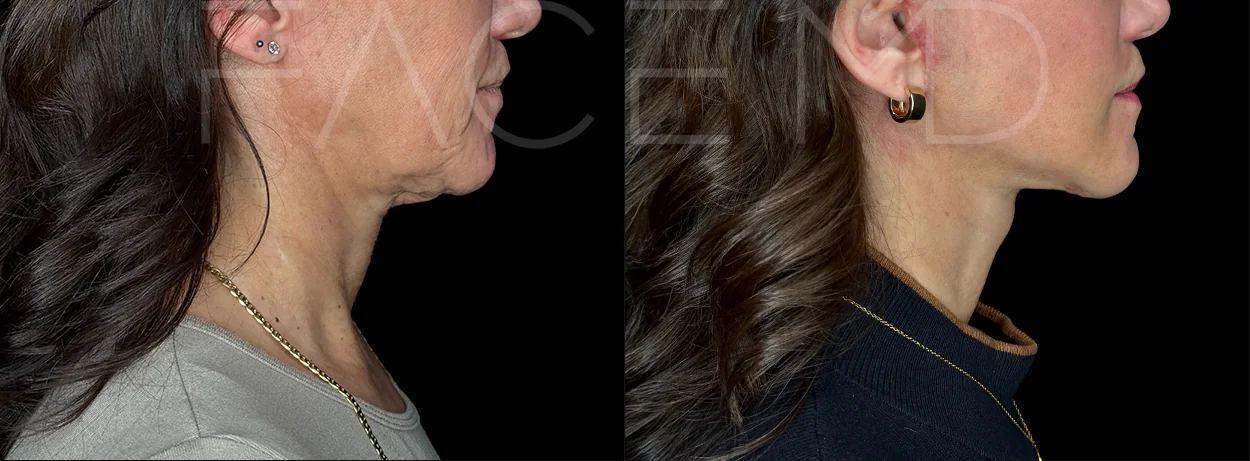
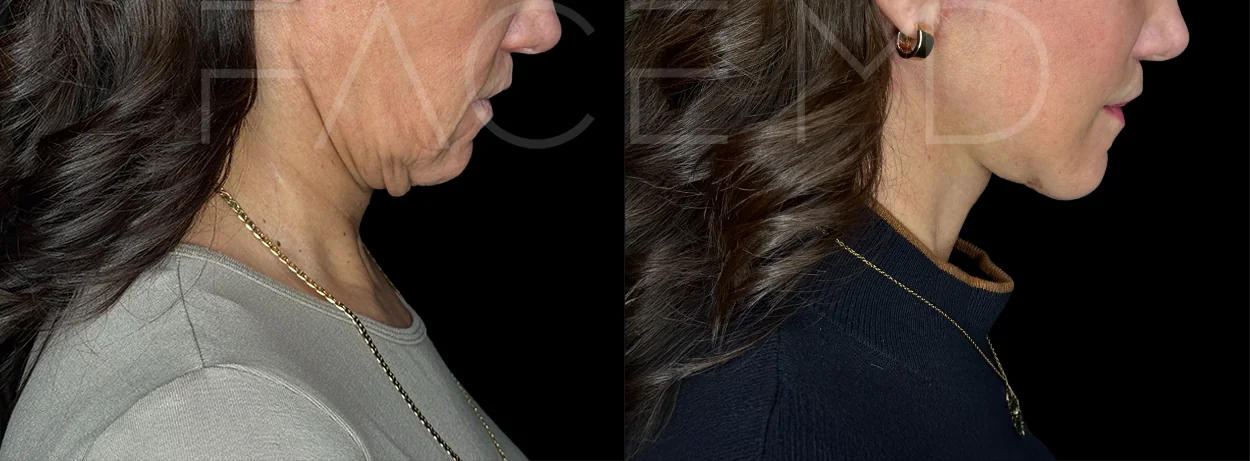
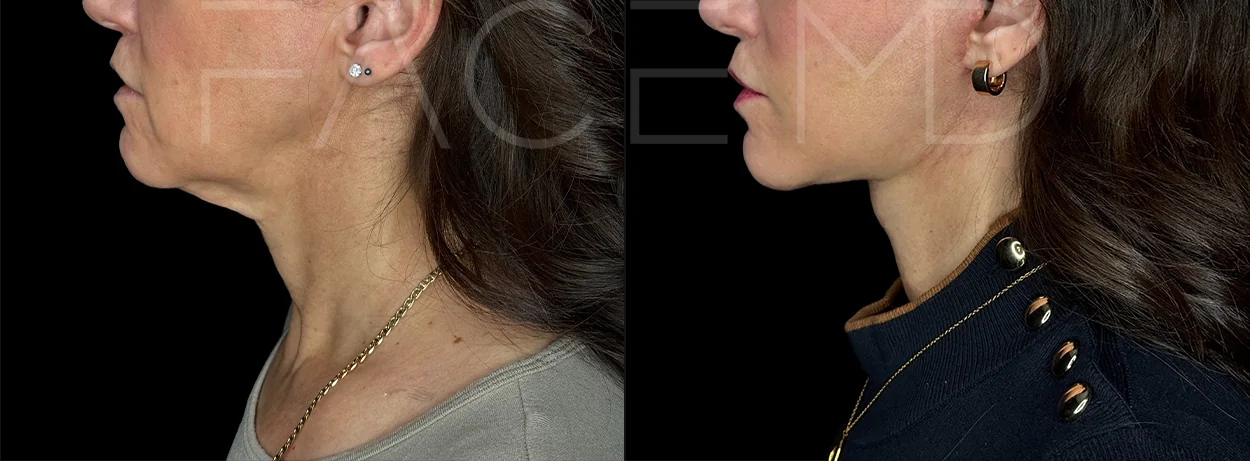
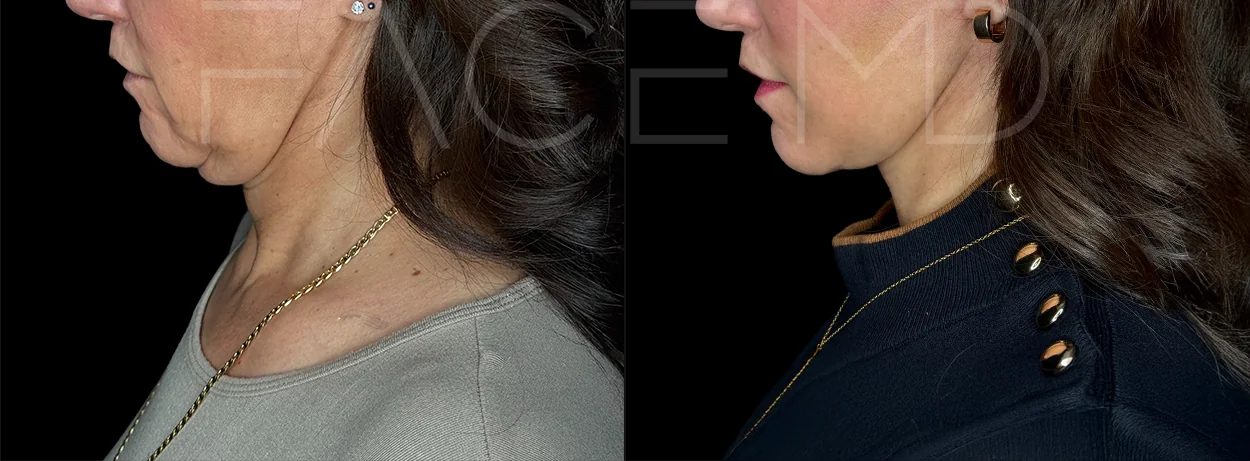
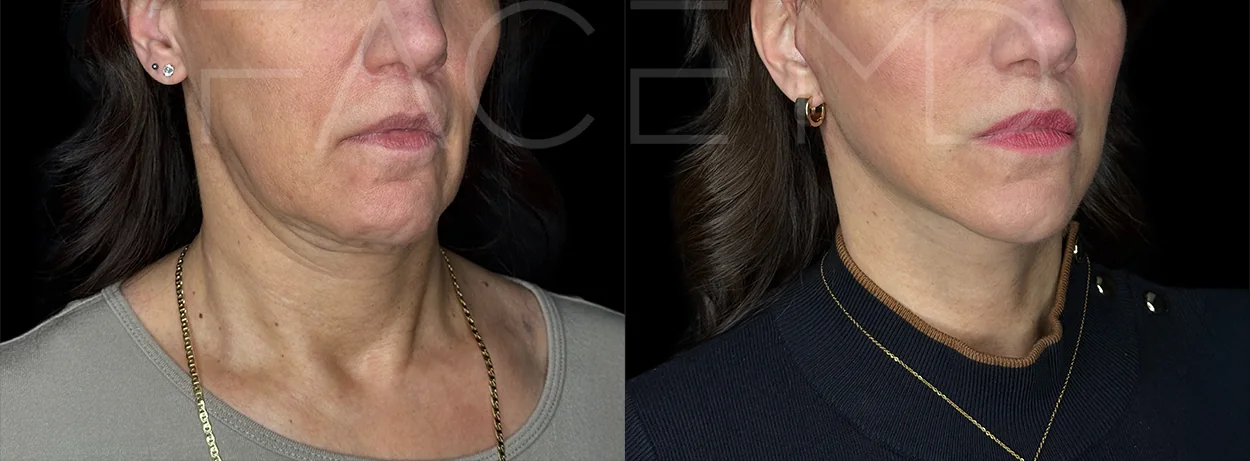
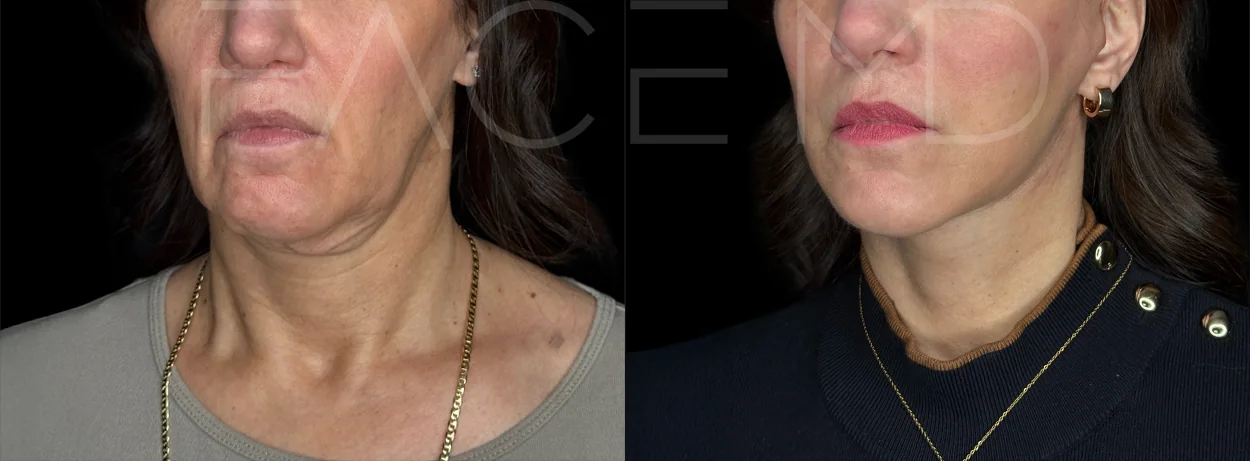
- 1B5 Months post-op Revision Deep Plane Face & Neck Lift and Perioral CO2 Laser
- 2B5 Months post-op Revision Deep Plane Face & Neck Lift and Perioral CO2 Laser
- 35 Months post-op Revision Deep Plane Face & Neck Lift and Perioral CO2 Laser
- 55 Months post-op Revision Deep Plane Face & Neck Lift and Perioral CO2 Laser
- 45 Months post-op Revision Deep Plane Face & Neck Lift and Perioral CO2 Laser
- 65 Months post-op Revision Deep Plane Face & Neck Lift and Perioral CO2 Laser
- 95 Months post-op Revision Deep Plane Face & Neck Lift and Perioral CO2 Laser
- 105 Months post-op Revision Deep Plane Face & Neck Lift and Perioral CO2 Laser
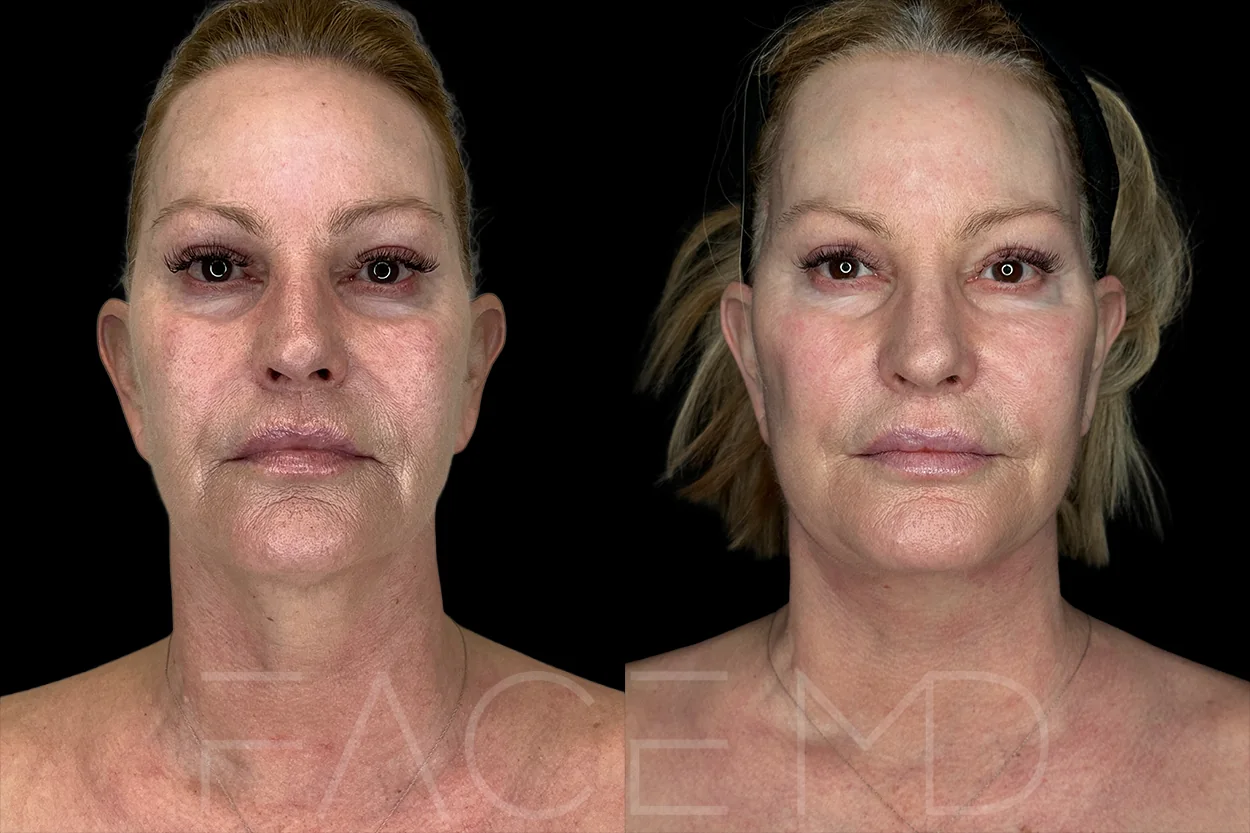
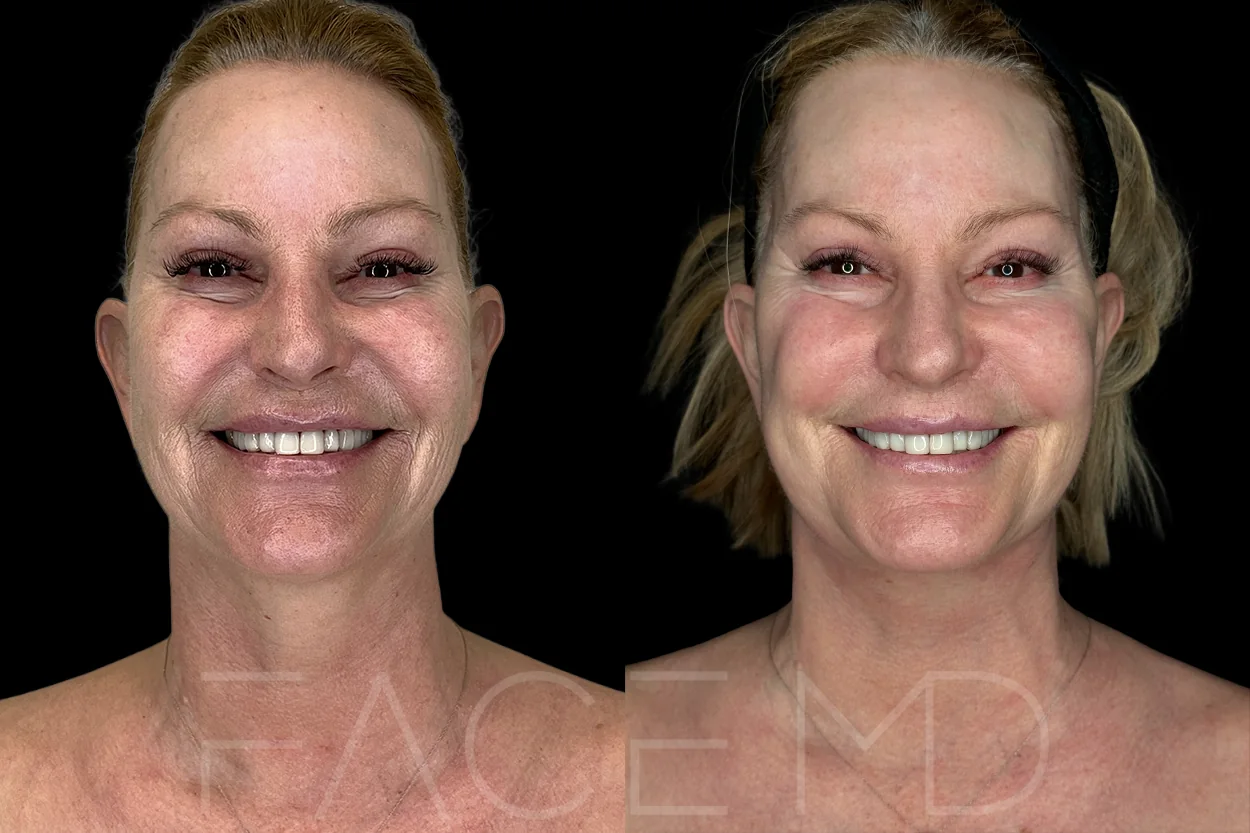
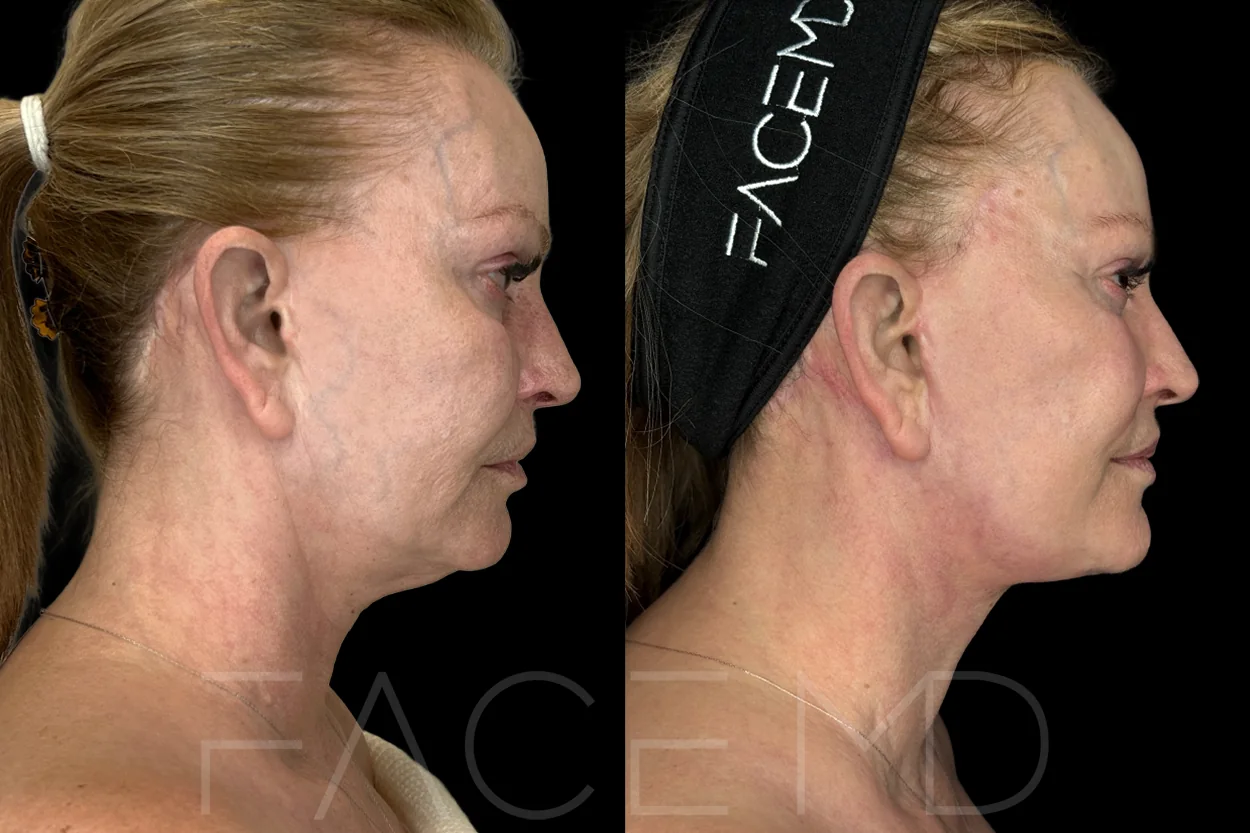
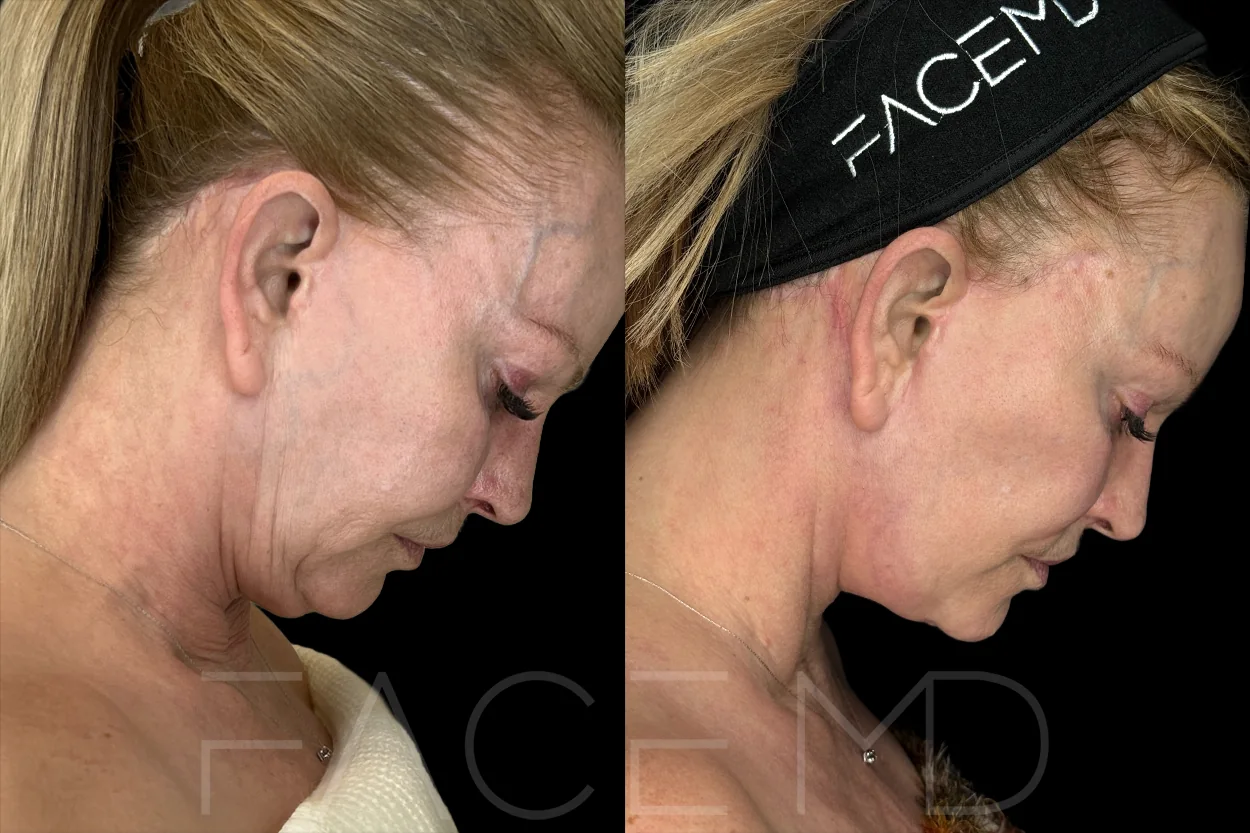
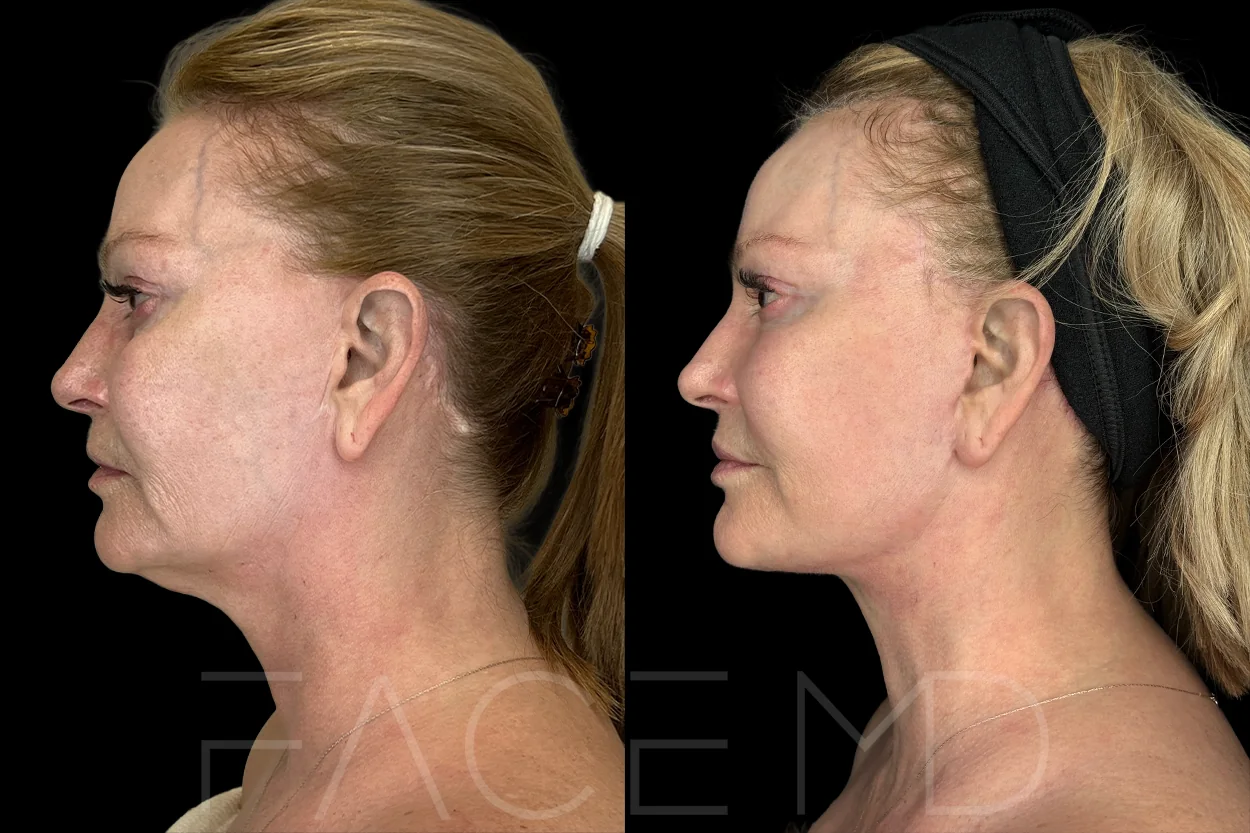
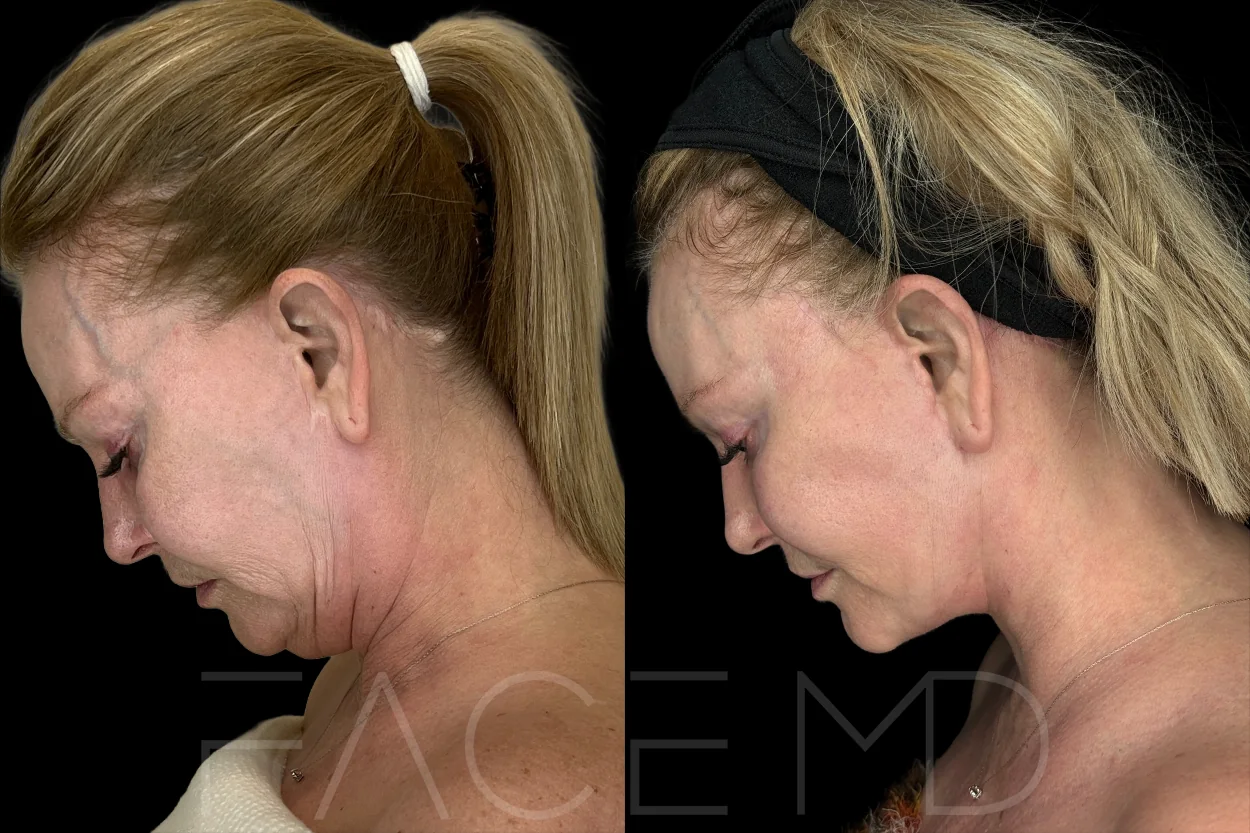
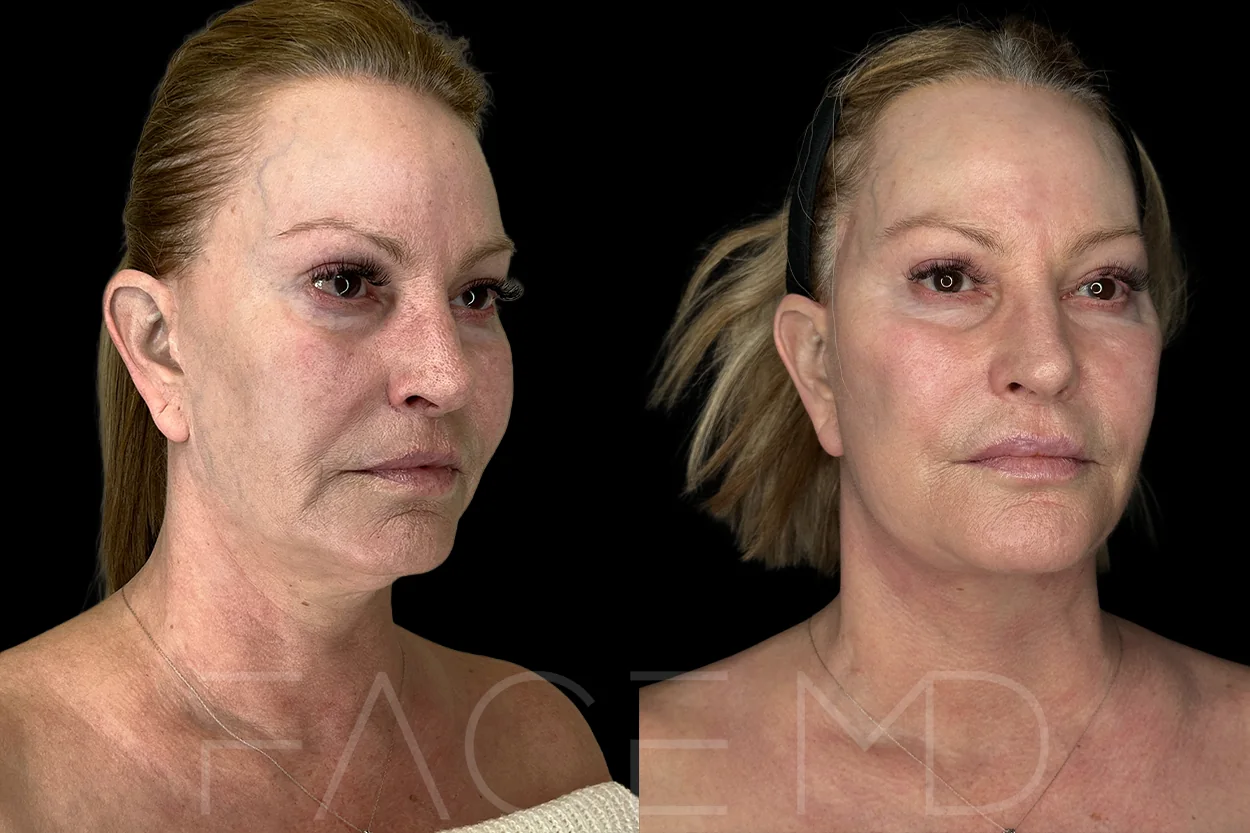
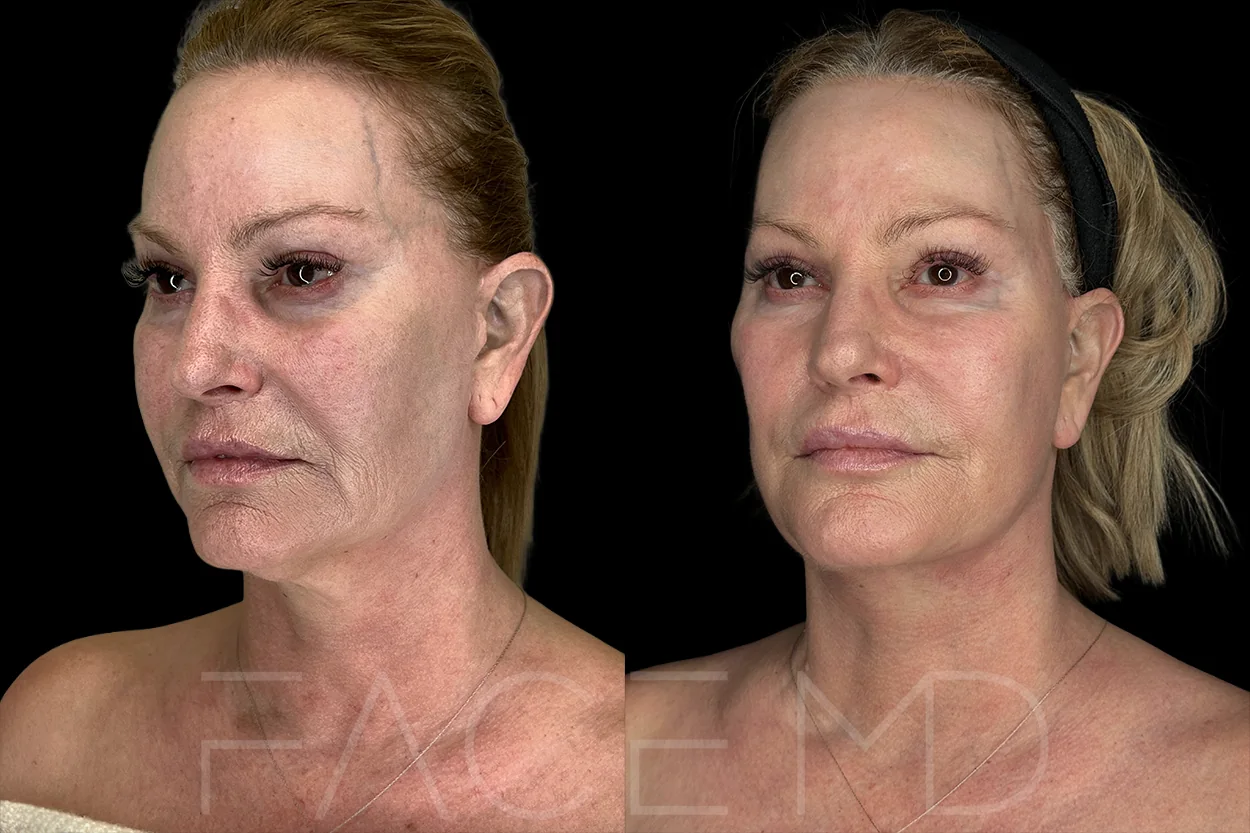
- 12 Months post-op Deep Plane Face & Neck Lift
- 22 Months post-op Deep Plane Face & Neck Lift
- 32 Months post-op Deep Plane Face & Neck Lift
- 42 Months post-op Deep Plane Face & Neck Lift
- 52 Months post-op Deep Plane Face & Neck Lift
- 62 Months post-op Deep Plane Face & Neck Lift
- 72 Months post-op Deep Plane Face & Neck Lift
- 82 Months post-op Deep Plane Face & Neck Lift
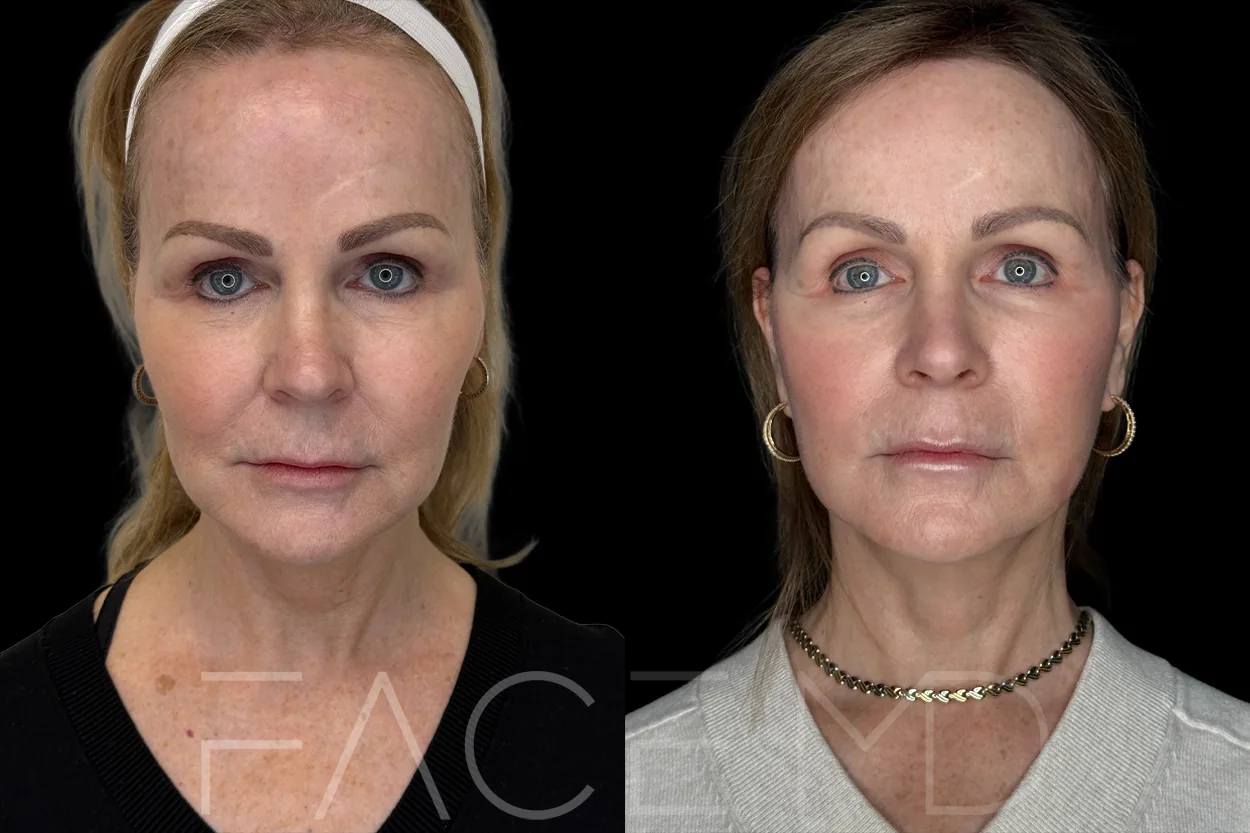
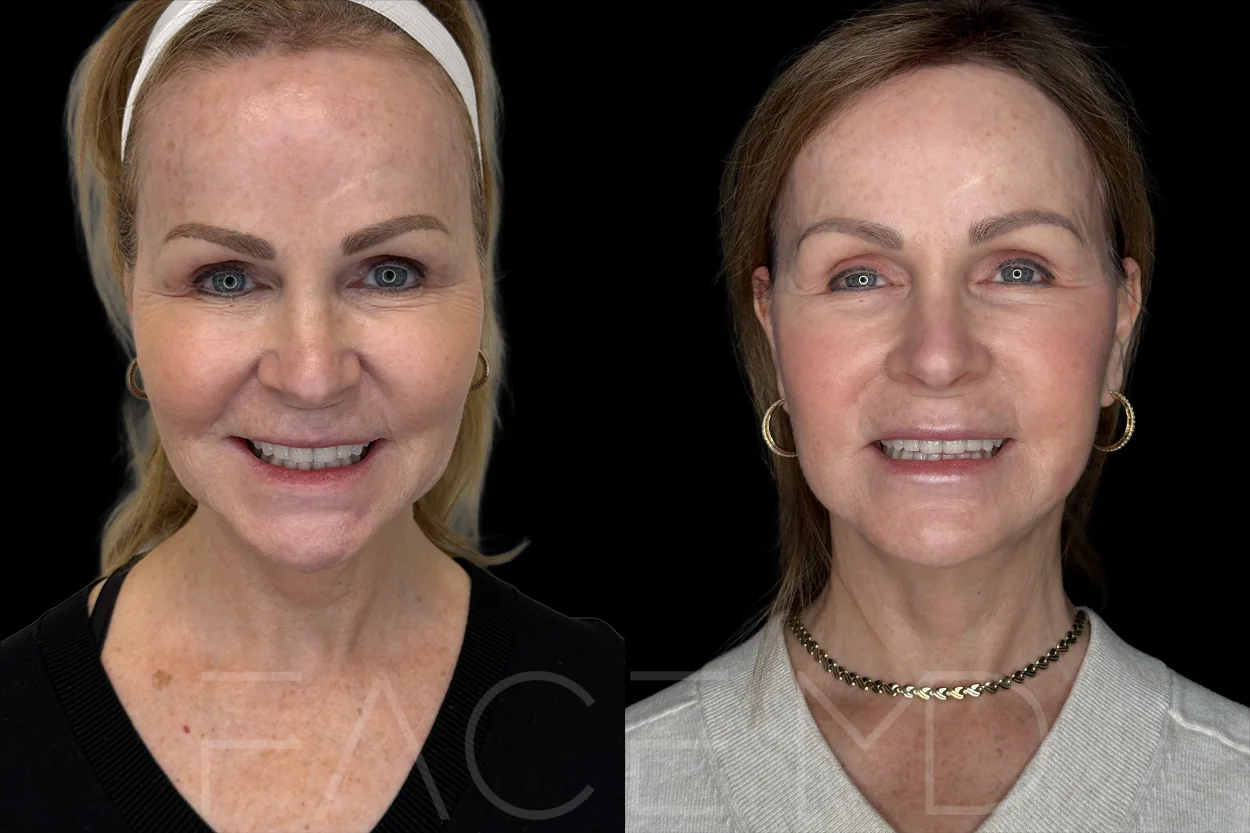
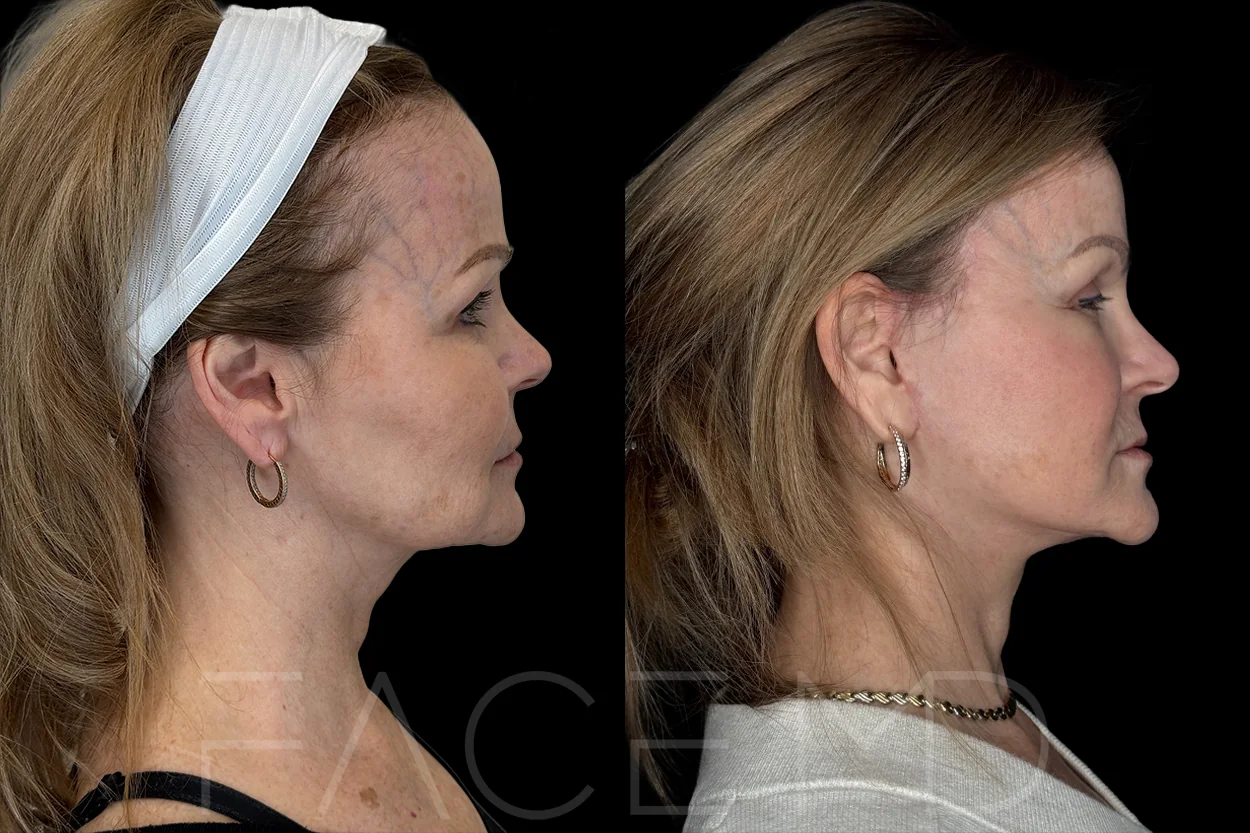
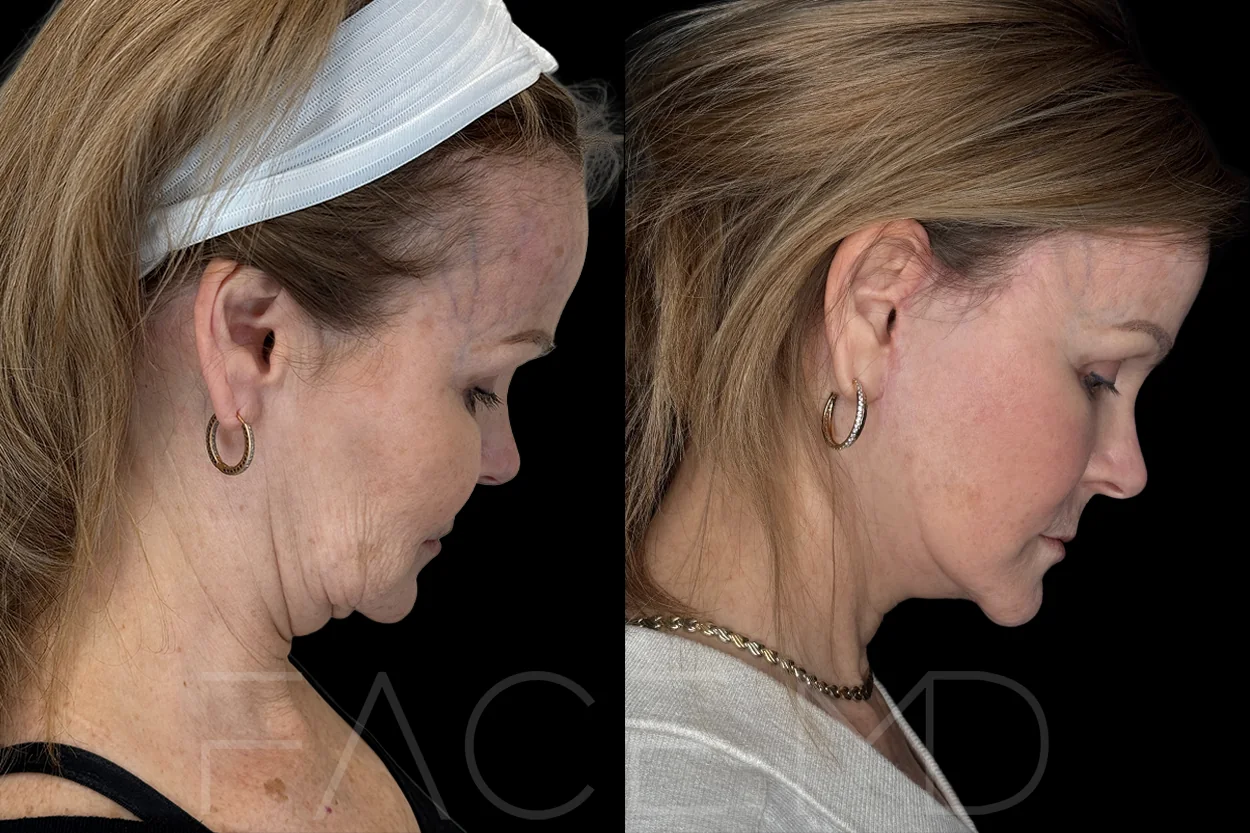
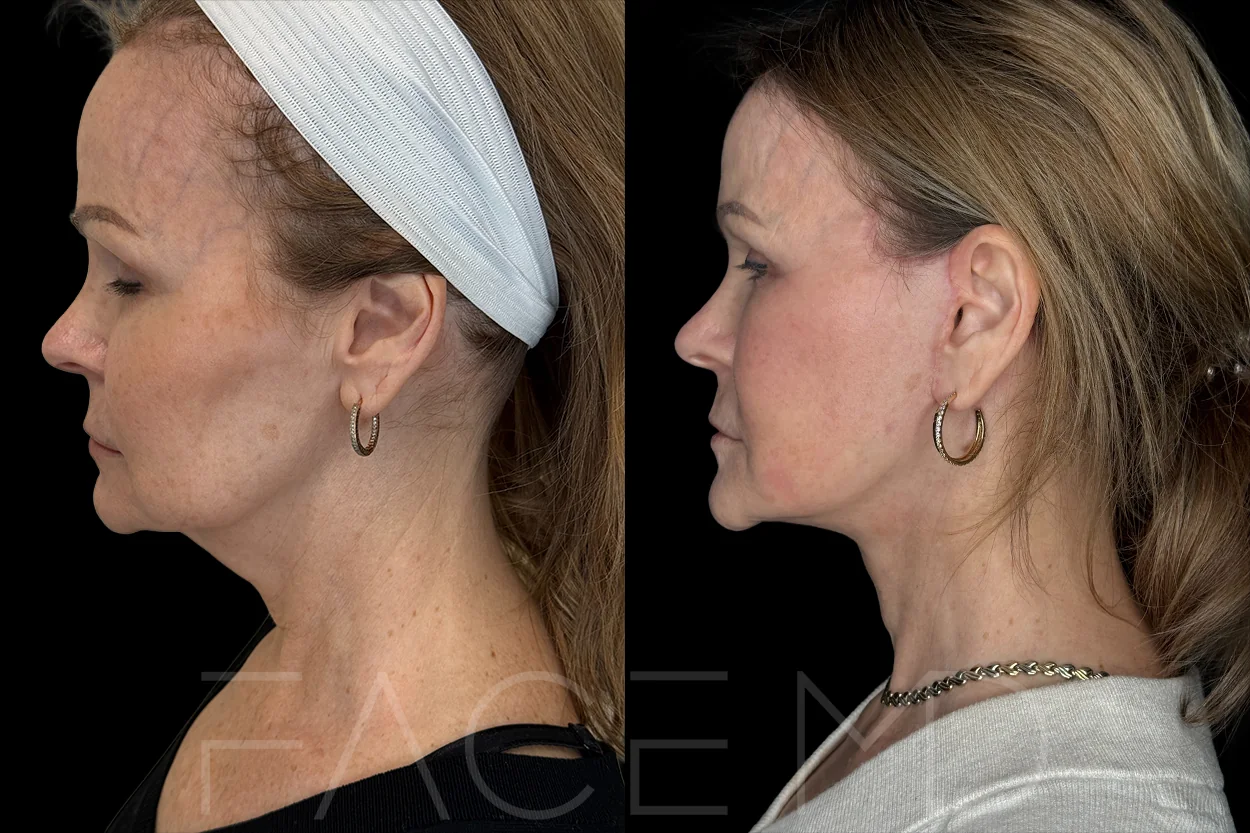
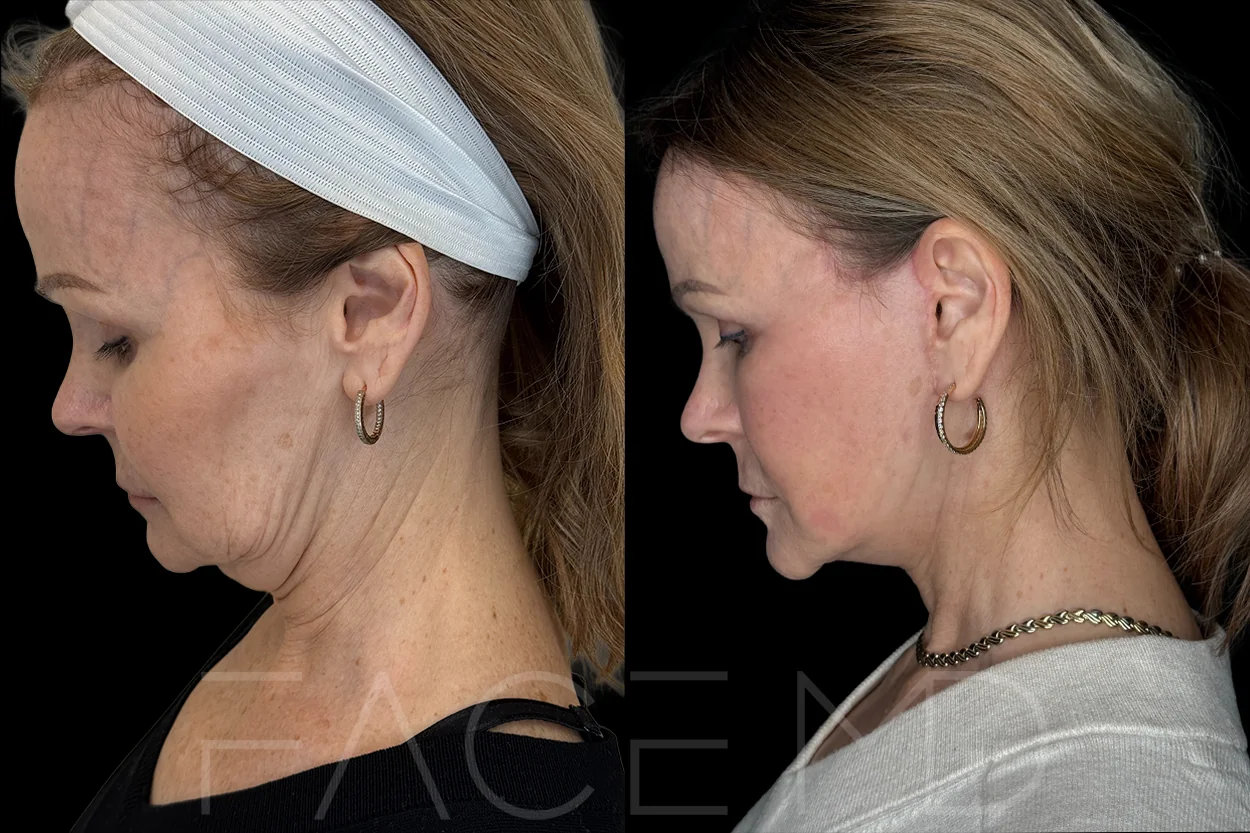
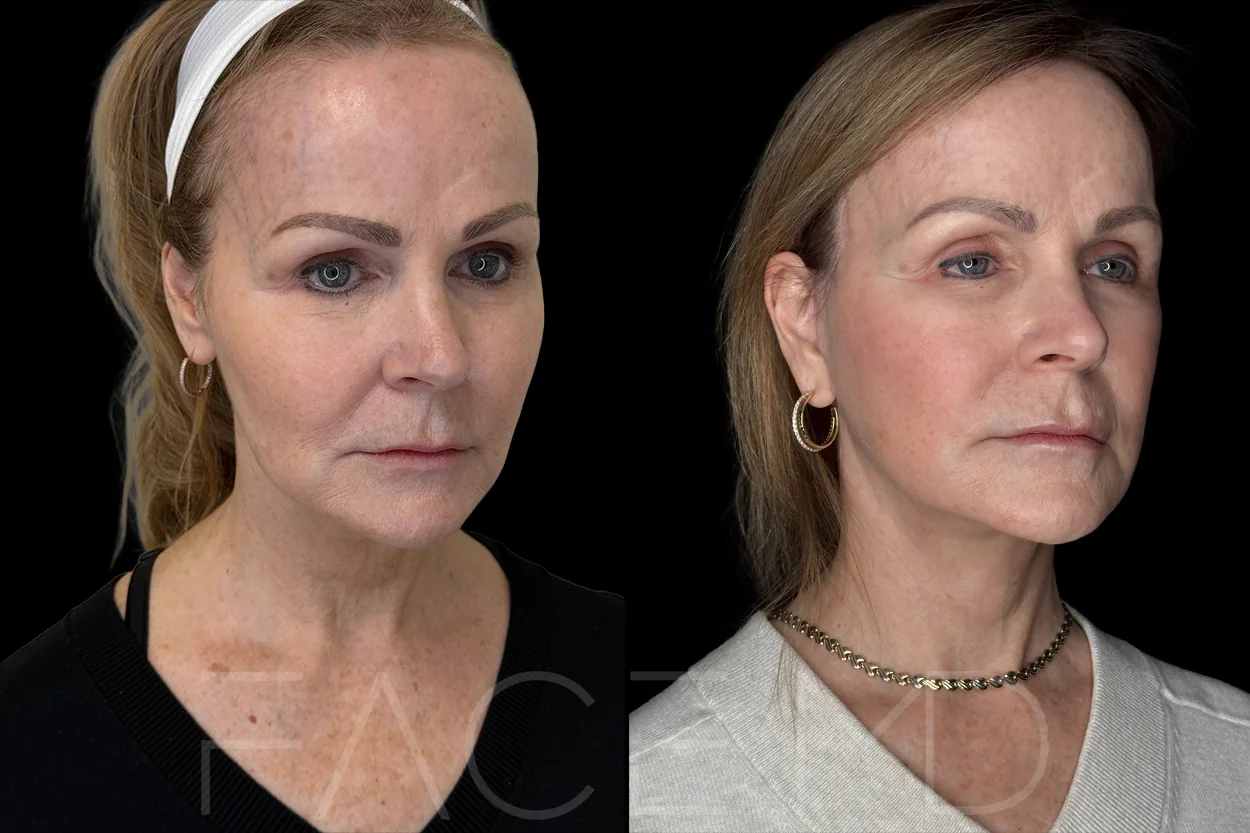
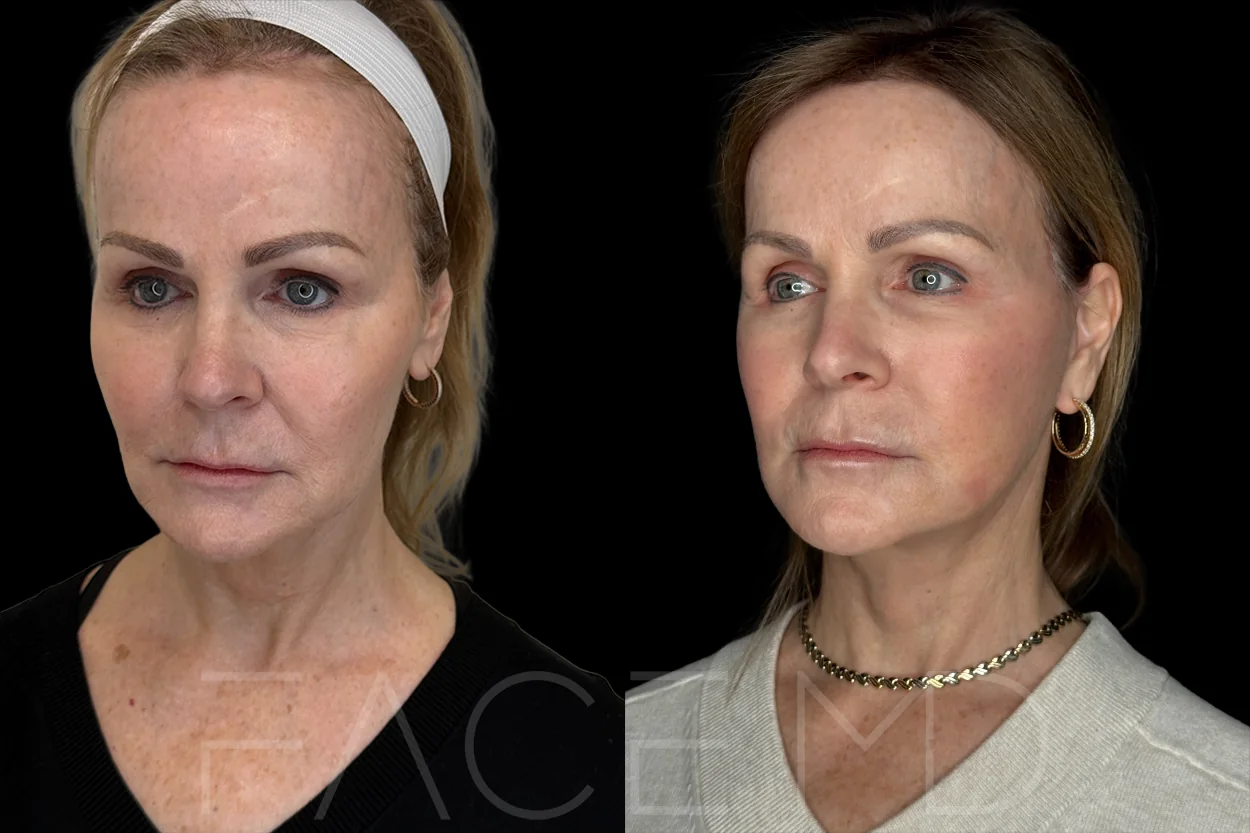
- 13 Months post-op Deep Plane Face & Neck Lift and Upper Blepharoplasty
- 23 Months post-op Deep Plane Face & Neck Lift and Upper Blepharoplasty
- 33 Months post-op Deep Plane Face & Neck Lift and Upper Blepharoplasty
- 43 Months post-op Deep Plane Face & Neck Lift and Upper Blepharoplasty
- 53 Months post-op Deep Plane Face & Neck Lift and Upper Blepharoplasty
- 63 Months post-op Deep Plane Face & Neck Lift and Upper Blepharoplasty
- 73 Months post-op Deep Plane Face & Neck Lift and Upper Blepharoplasty
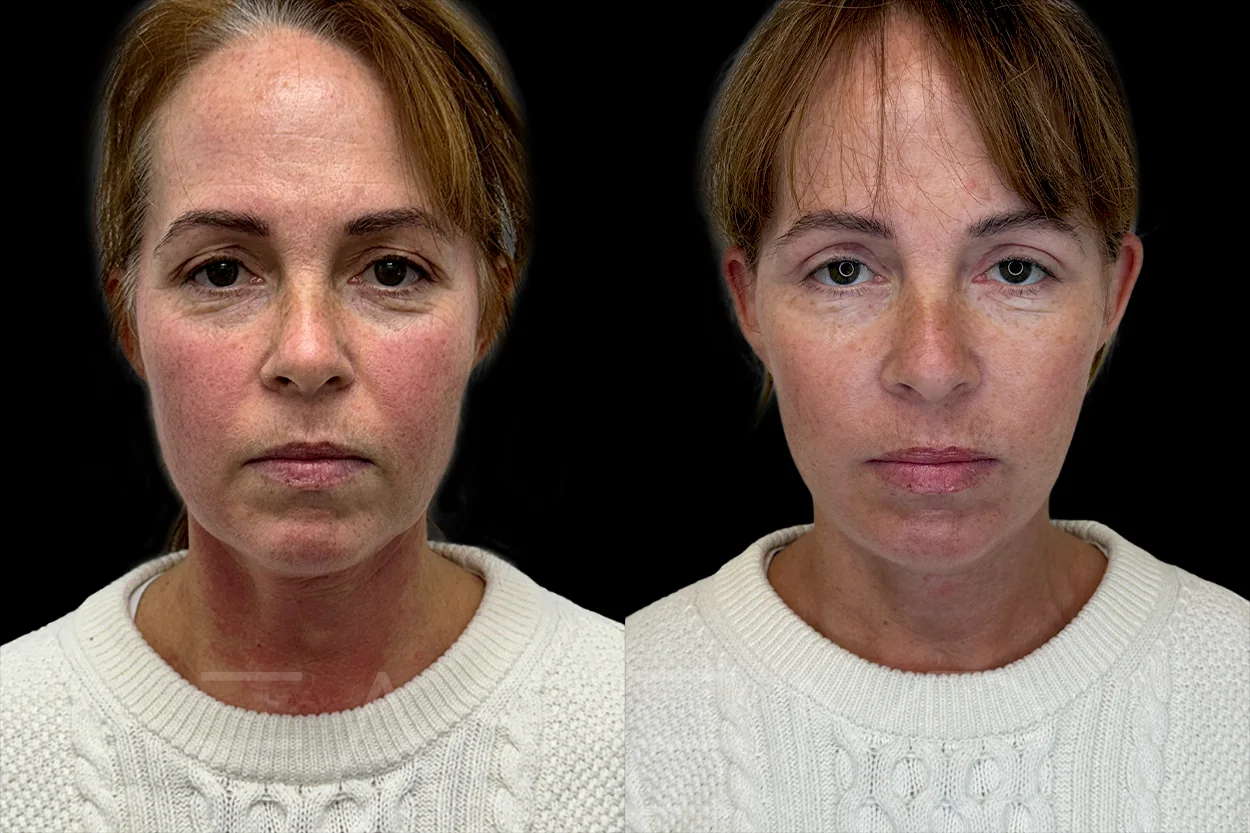
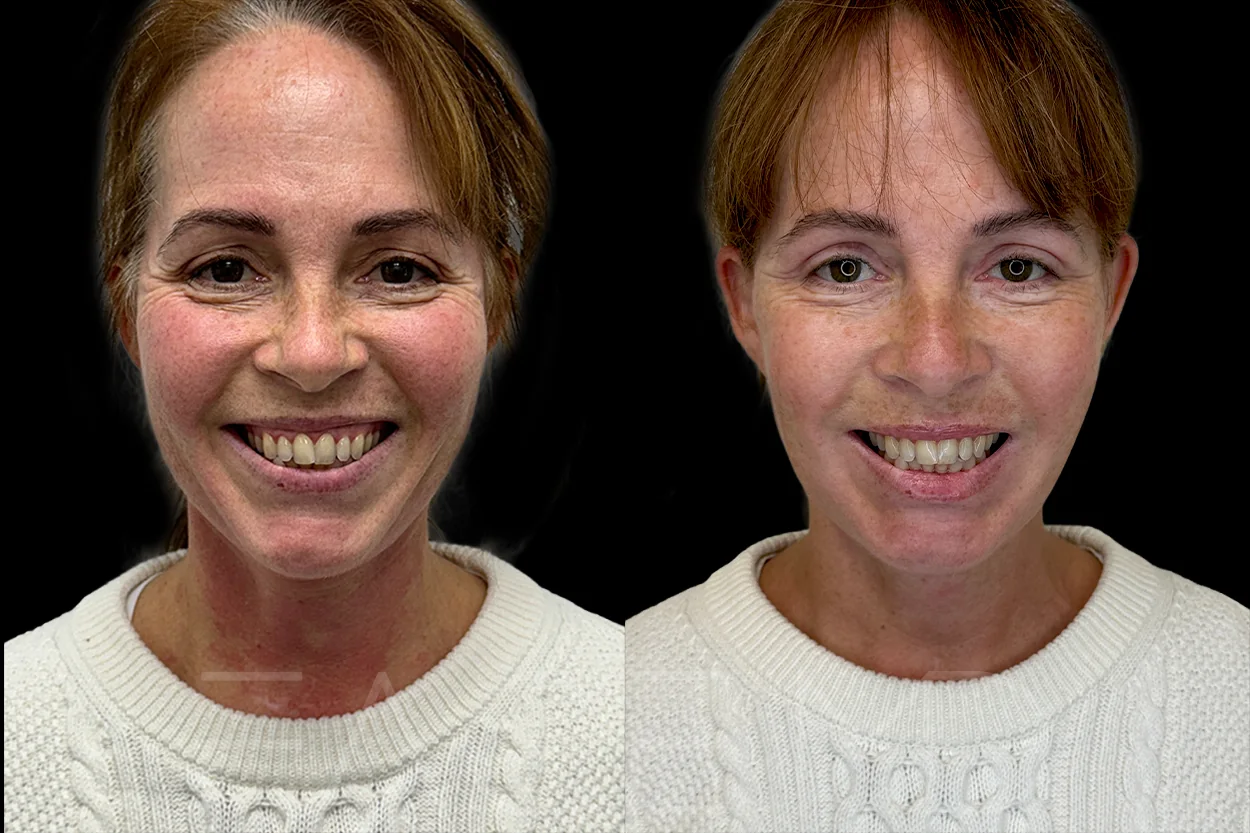
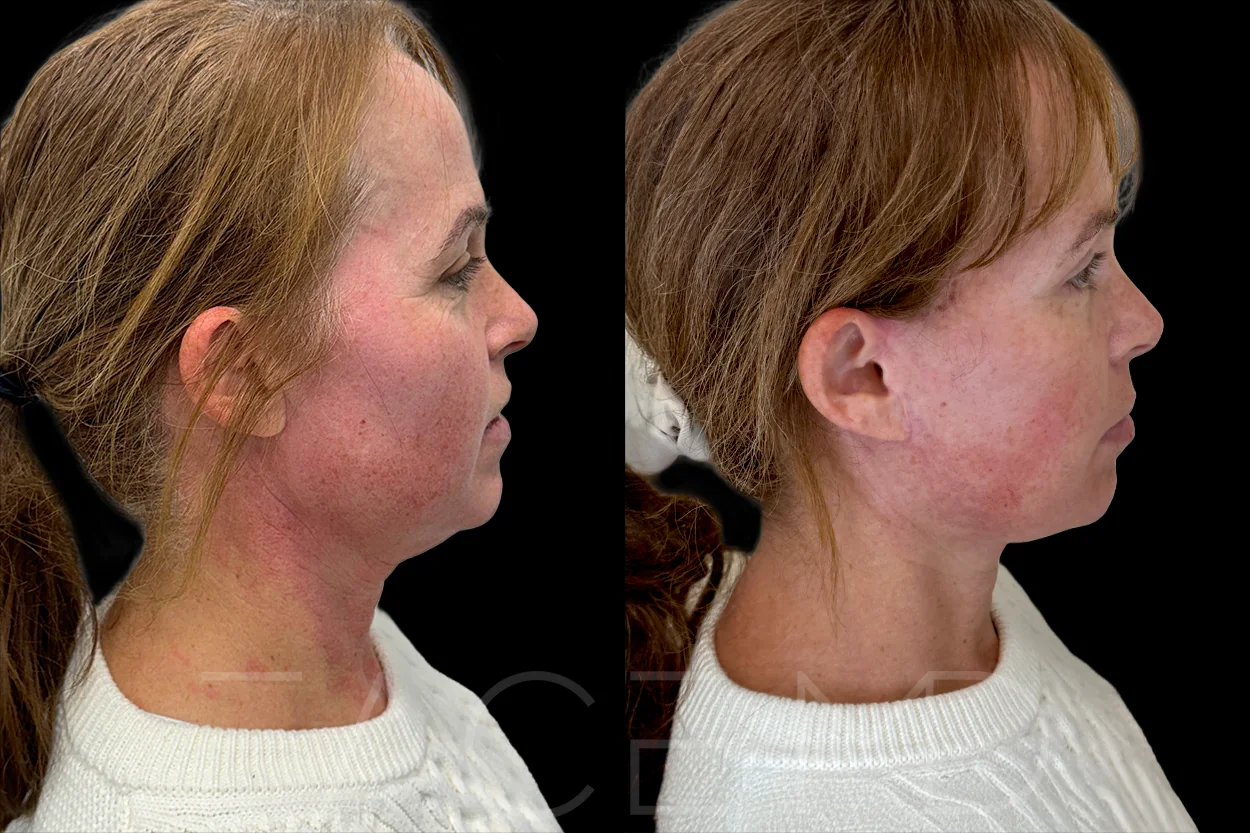
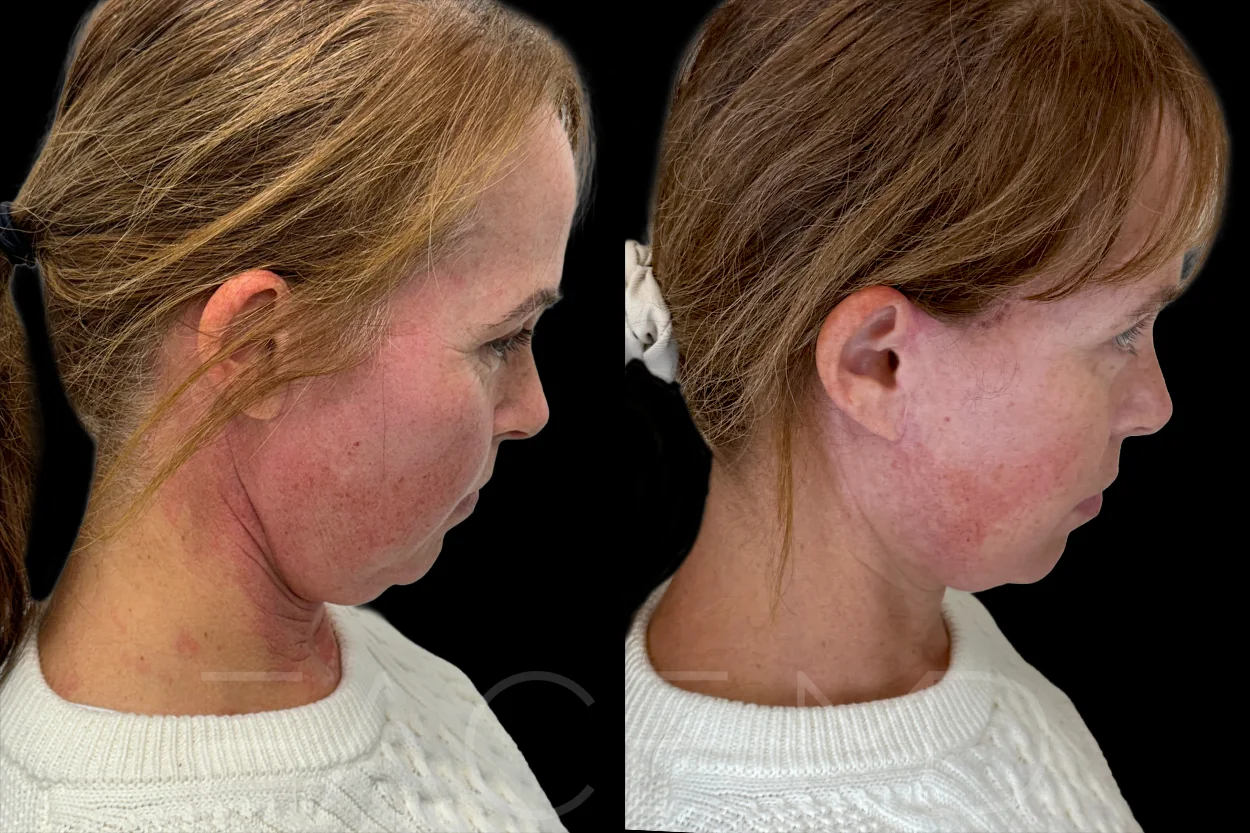
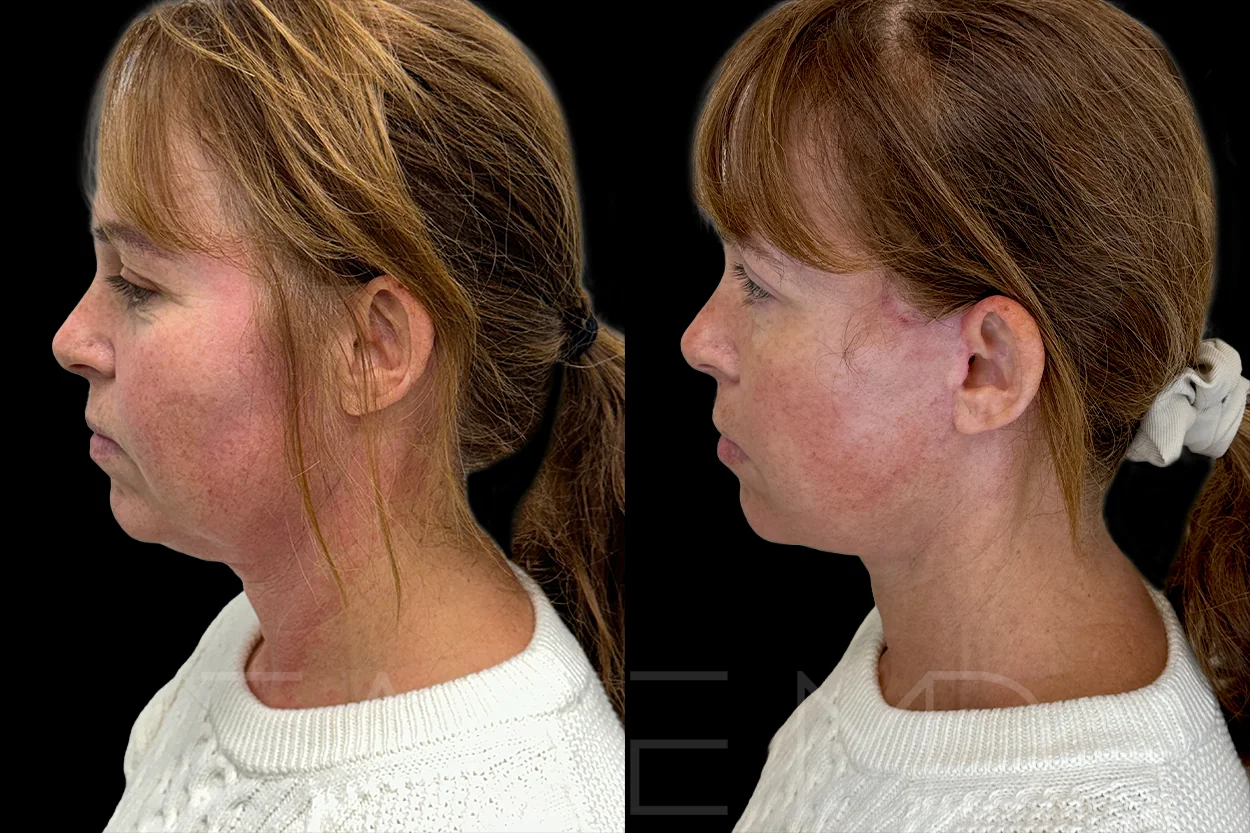
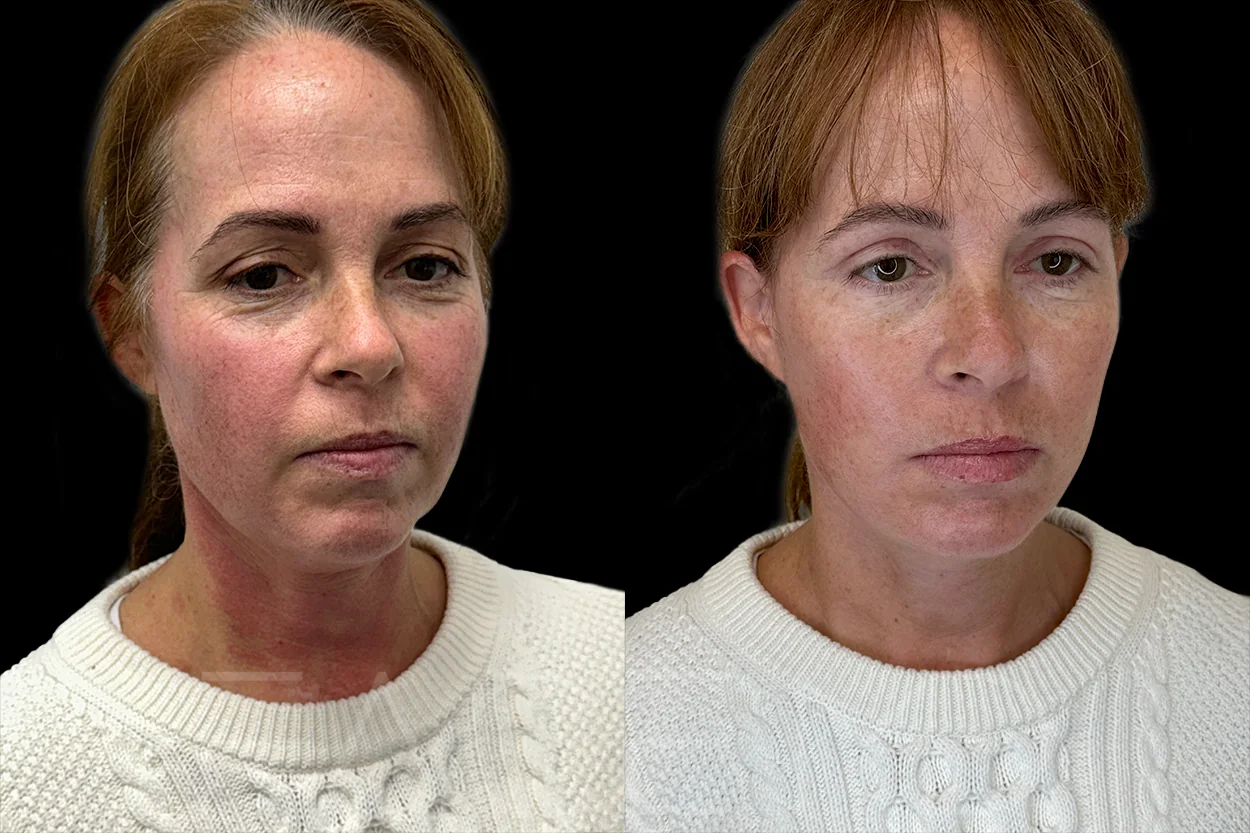
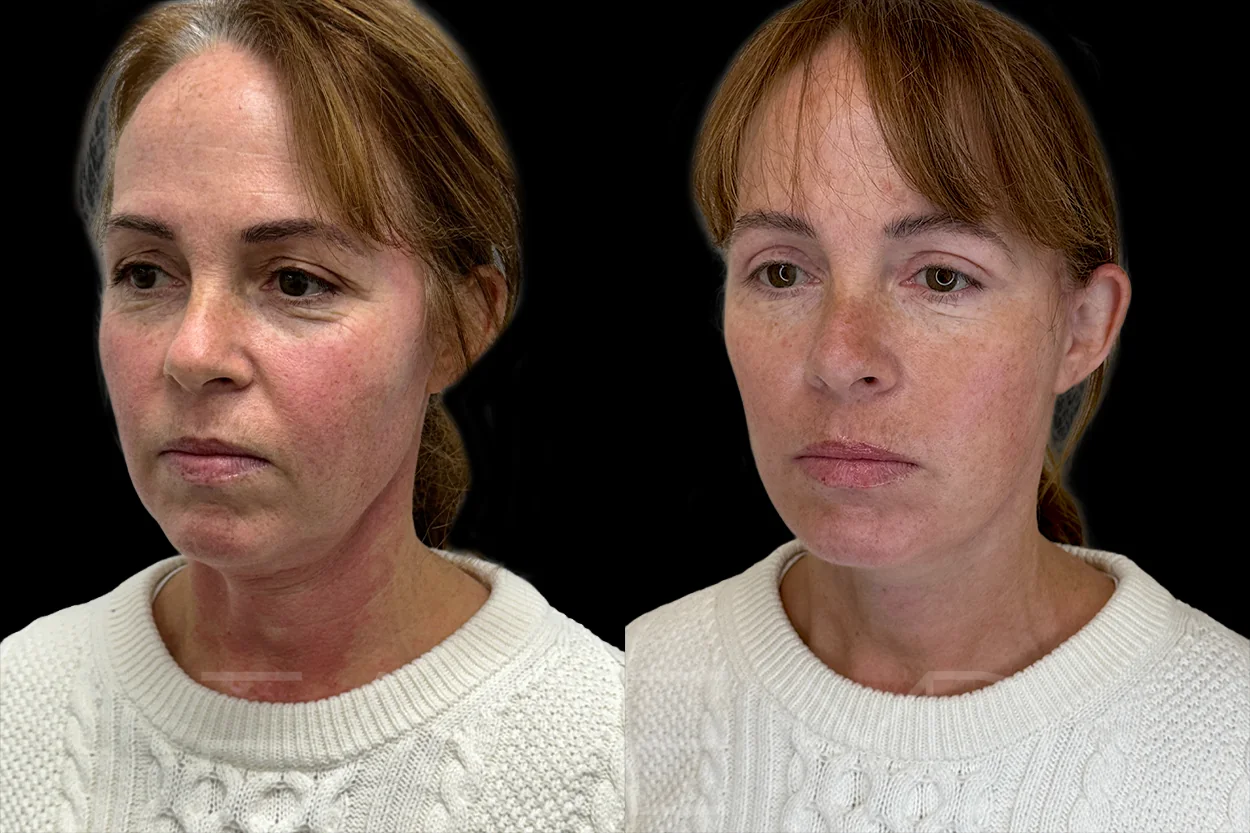
These examples are provided to help visualize the scope of possible results achievable through professional surgical treatment. Photos are published with the informed written consent of the patient. These are not a guarantee of results and are for educational purposes only.
The surgeons at Clinique Face MD
Surgical procedures are performed by head and neck surgeons (otolaryngology–head and neck surgery) practicing in facial plastic surgery at Clinique Face MD, members of the Collège des médecins du Québec and certified by the Royal College of Physicians and Surgeons of Canada.