
Deciding to undergo a facelift is one of the most significant aesthetic and emotional investments an individual can make. Facial surgery alters not just your profile, but the primary way you present yourself to the world every day. In an era dominated by polished social media marketing, aggressive digital advertising, and coined proprietary terminology, separating true surgical mastery from marketing hype can feel overwhelming. A superior facelift should never look pulled, windswept, or unnatural; it should deliver a refreshed, restored reflection that honors your native anatomical proportions. Achieving this high standard of excellence depends entirely on selecting a surgical specialist who combines verified medical credentials, documented artistic consistency across diverse patient demographics, and strong interpersonal rapport. Understanding how to evaluate these clinical pillars during your research phase will ensure patient safety, exceptional aesthetic results, and complete peace of mind throughout your recovery.
At our practice, we believe that candidate education and clinical transparency are the bedrock of patient safety. Selecting the right specialist is the single most important decision you will make in your facial rejuvenation journey. This comprehensive guide details the non-negotiable criteria every patient should evaluate when choosing a head and neck surgeon practicing in facial plastic surgery, along with the precise questions you should ask during your consultation.
1. Verify Specialist Surgical Credentials and Sub-Specialty Focus
The foundation of surgical safety and anatomical precision begins with verified medical credentials. The head and neck represent one of the most dense, highly complex anatomical regions in the human body. Navigating the face requires navigating delicate motor nerves, intricate arterial and venous networks, and multi-layered muscular frameworks. Operating safely within these deep anatomical planes demands extensive, dedicated training focused specifically on facial anatomy.
When researching potential surgeons, verify that they are board-certified specialists in plastic surgery or otolaryngology (head and neck surgery / facial plastic surgery). Board certification confirms that the surgeon has completed rigorous, standardized residency and fellowship training, passed exhaustive written and oral examinations, and maintains an unblemished record of safety and ethics. Beyond baseline board certification, inquire about sub-specialty focus. A surgeon who performs body procedures, breast surgery, and facial procedures equally may not possess the same daily familiarity with deep facial planes as a specialist dedicated exclusively to facial plastic surgery. Focused sub-specialization means your surgeon operates within facial structures daily, ensuring refined technical execution and a low risk profile.
Essential Questions Regarding Credentials:
- Are you board-certified in plastic surgery or otolaryngology – head and neck surgery by a recognized medical board?
- Did you complete a dedicated post-residency fellowship specifically in facial plastic and reconstructive surgery?
- What percentage of your overall surgical practice is dedicated exclusively to facelift and neck lift procedures?
- Do you have hospital operating privileges to perform facelifts at an accredited medical center, even if the procedure is conducted in an accredited private suite?
2. Evaluate Surgical Technique: Deep Plane vs. Superficial SMAS Lifts
Not all facelifts are engineered equally. Understanding the specific surgical technique your prospective surgeon employs is vital for anticipating your final result, scar quality, and procedural longevity. Traditional skin-only facelifts or superficial tight-pulling procedures achieve a temporary lift by placing tension on the skin envelope. This outdated approach often leads to widened scars, earlobe distortion, and a pulled, unnatural appearance that wears off prematurely as the elastic skin stretches.
Modern facial plastic surgery prioritizes structural repositioning beneath the muscle framework. Techniques such as the deep plane facelift access the space beneath the Superficial Muscular Aponeurotic System, releasing the rigid retaining ligaments that anchor sagging tissue in place. By fully freeing these deep structures, the surgeon can elevate the descended muscle sheets and fat pads vertically back to their youthful positions without pulling on the skin. The overlying skin is then simply draped gently over the newly sculpted foundation, with zero tension along the incision lines. When interviewing surgeons, ensure they utilize advanced sub-muscular or deep plane techniques rather than simple surface pulling.
Essential Questions Regarding Surgical Technique:
- Which facelift technique do you primarily perform (e.g., deep plane, SMASectomy, SMAS plication), and why is it ideal for my specific tissue laxity?
- How do you release the facial retaining ligaments to ensure a vertical, tension-free lift?
- How do you manage deep neck structures, such as subplatysmal fat or submandibular gland prominence, to achieve a sharp jawline?
- Where will your incisions be placed, and how do you customize incision architecture to preserve my natural hairline and ear anatomy?
3. Audit Aesthetic Consistency in Before-and-After Portfolios
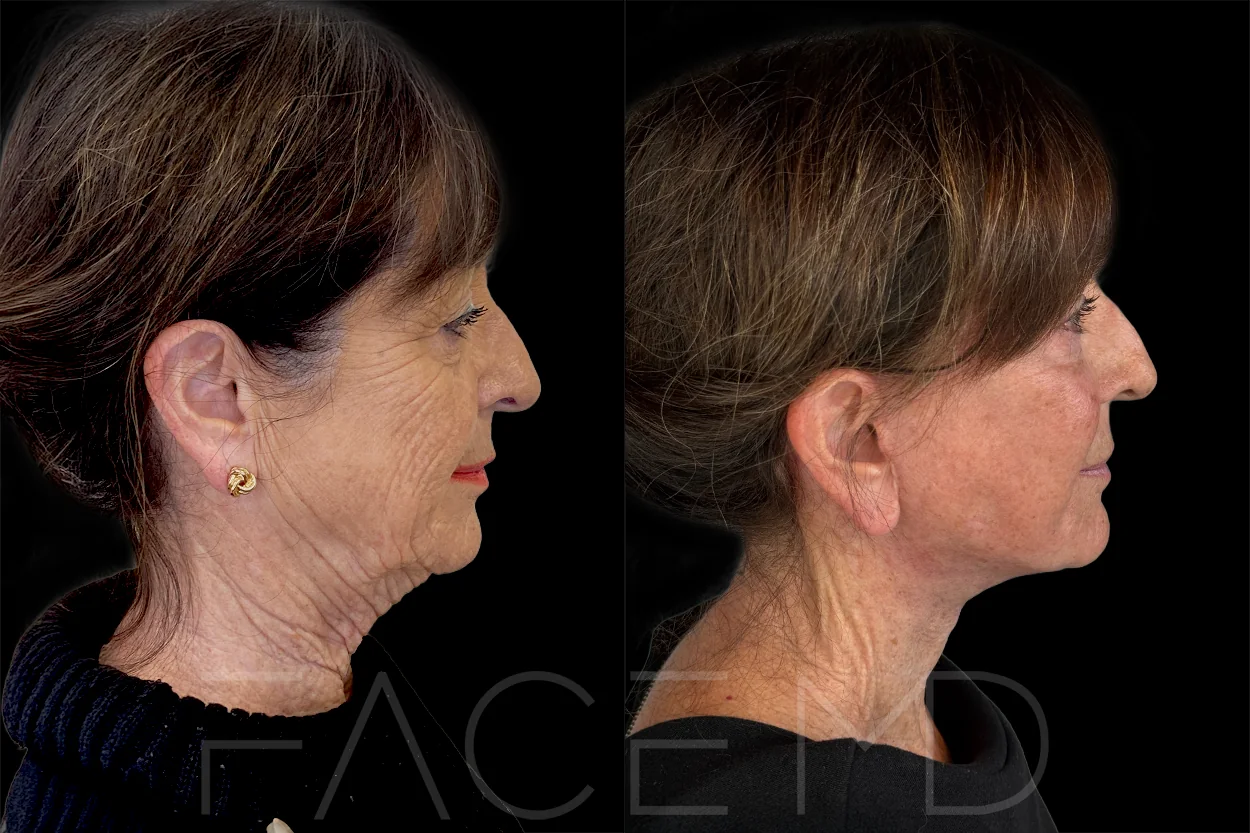
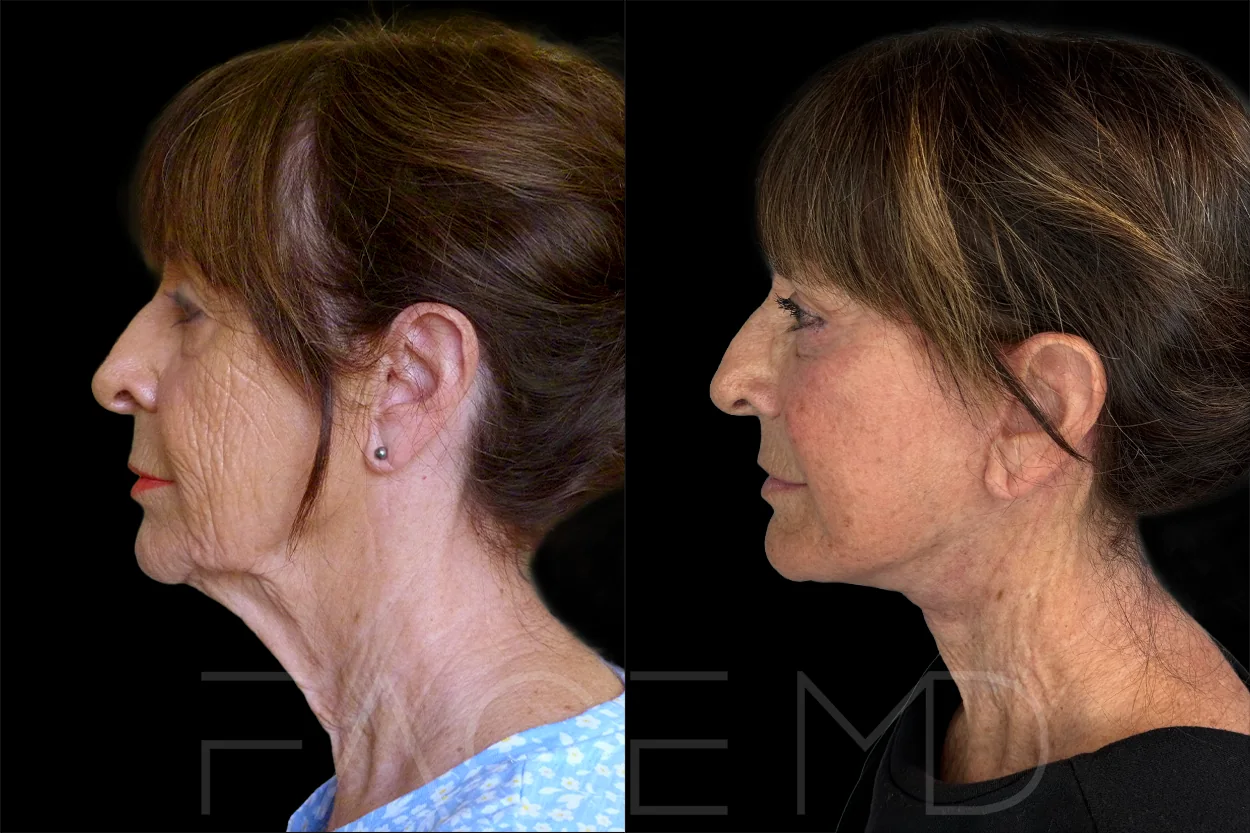
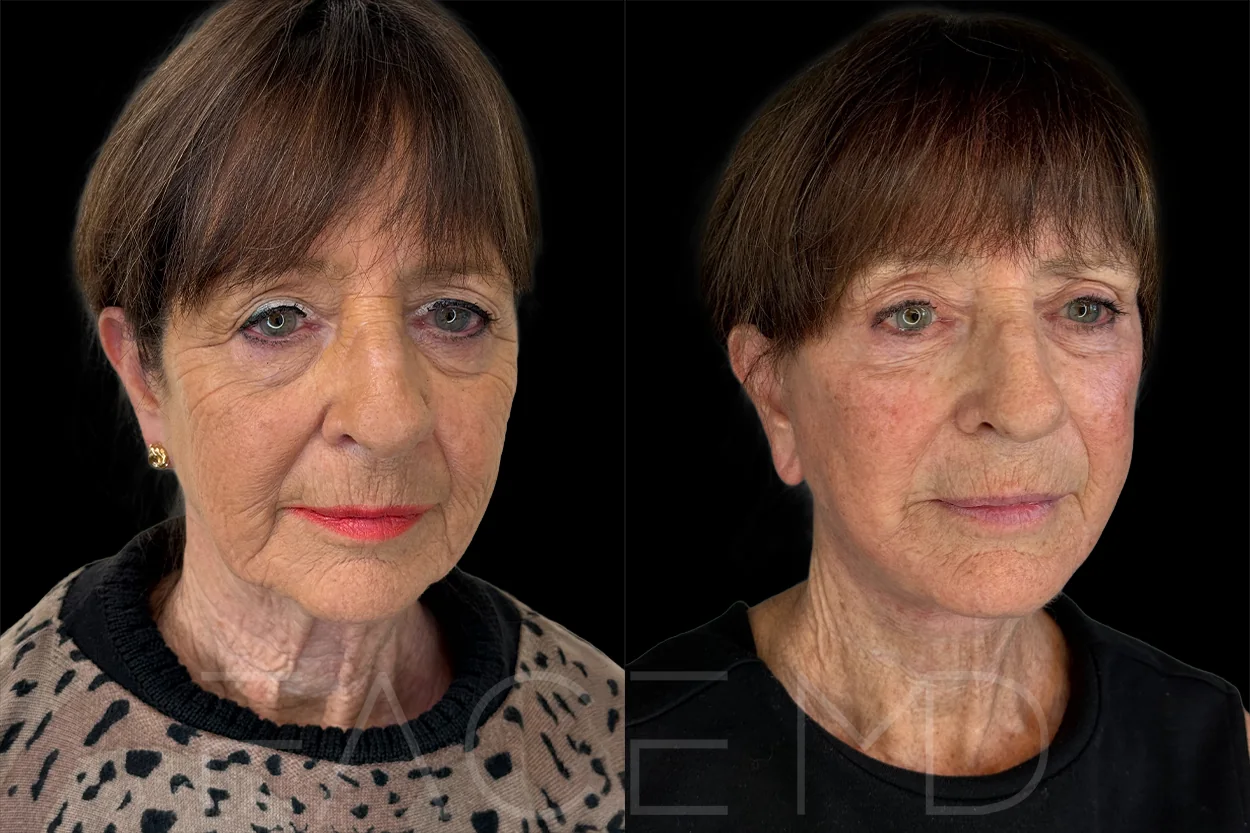
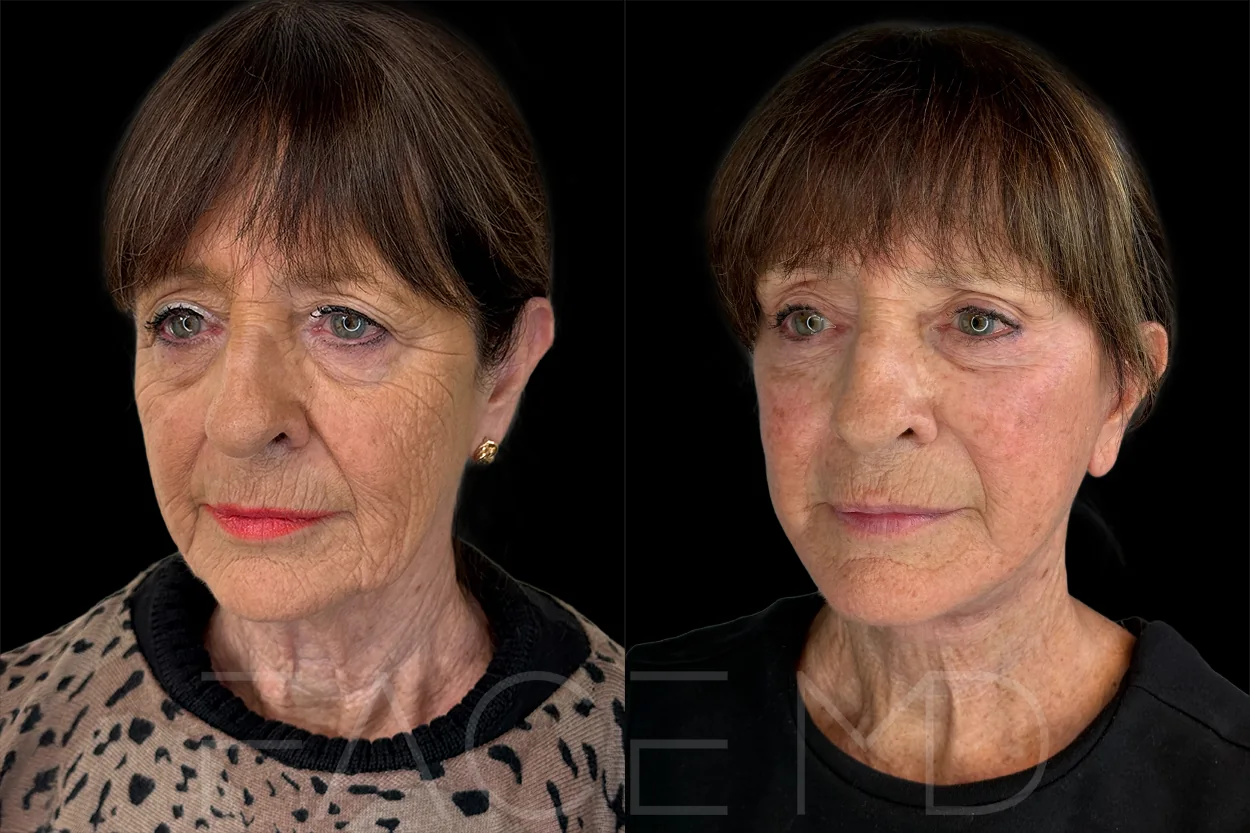
Beyond credentials and technical theory, facial surgery is a deeply artistic discipline. Every surgeon possesses a distinct aesthetic signature—a personal philosophy reflected in how they vector tissue, restore midface volume, and design incisions. Reviewing a surgeon’s clinical before-and-after gallery allows you to verify whether their aesthetic vision matches your personal preferences.
When auditing a clinical gallery, look for consistent, repeatable excellence across patients with diverse facial shapes, ages, and ethnic backgrounds. Rather than focusing solely on overall improvement, inspect specific anatomical details that signal masterful execution:
- Natural Jawline Contours: The jawline should appear sharp, smooth, and continuous from chin to ear, free from horizontal skin tightness or unnatural distortion.
- Preserved Earlobe Architecture: The earlobes should maintain their original, free-hanging appearance without vertical elongation or downward pulling (preventing the pixie ear deformity).
- Vertical Midface Volumization: Cheeks should reflect a youthful, vertical apex over the malar bone rather than artificial horizontal tightness or over-filled width.
- Incision Camouflage: Incisions around the tragus, temple hairline, and behind the ear should be fine, faint, and virtually invisible under normal lighting.
4. Assess Patient Rapport, Trust, and Post-Operative Support
The relationship between a patient and a facial surgeon extends far beyond the day of surgery. Facelift recovery is a dynamic, multi-week process involving physical healing stages, temporary swelling, tissue remodeling, and psychological adaptation. During this vulnerable post-operative period, having absolute trust in your surgeon’s clinical guidance, responsiveness, and bedside manner is essential for a stress-free recovery.
Pay close attention to how the surgeon and their clinical team interact with you during your initial consultation. A masterful surgeon takes the time to perform a thorough physical evaluation, listens attentively to your personal goals, explains the anatomical rationale behind their recommendation, and sets honest, realistic expectations. If a surgeon dismisses your questions, rushes through the consultation, or pushes unnecessary add-on procedures, consider it a red flag. You should feel valued, respected, and completely confident in their ability to support you through every stage of the healing process.
Essential Questions Regarding Patient Care and Recovery:
- What is your protocol for managing post-operative care, and how often will I see you personally during the recovery weeks?
- Who is available after hours or on weekends if I have urgent clinical questions or concerns during healing?
- What is your policy and approach if a complication occurs or if a minor surgical refinement is needed down the road?
- Can I speak with former patients or read detailed testimonials about their recovery experience with your practice?
5. Evaluate Facility Standards and Safety Protocols
Surgical excellence requires a safe, fully accredited environment. In addition to evaluating your surgeon, you must evaluate the facility where your procedure will be performed. Whether your facelift is scheduled at a major medical center or a private surgical suite, the facility must maintain rigorous accreditation standards to handle any medical situation safely.
Inquire about the anesthesia team as well. A facelift should be managed by a board-certified anesthesiologist or a certified registered nurse anesthetist under direct physician supervision. Having a dedicated anesthesia professional monitoring your vital signs continuously allows the surgeon to focus 100% of their attention on the surgical field, ensuring maximum safety and comfort.
Empowering Your Surgical Choice
Selecting a facelift surgeon is an empowering, highly personal decision that should never be rushed. By prioritizing verified board certification in plastic surgery or otolaryngology, demanding sub-muscular technical expertise, auditing before-and-after galleries for natural results, and selecting a doctor you trust implicitly, you establish the foundation for a safe, fulfilling transformation.
Our practice is built on a foundation of clinical integrity, anatomical precision, and patient-centered care. We encourage our patients to ask detailed questions and take their time when selecting a surgeon. During your private consultation, we welcome open dialogue regarding our training, surgical philosophy, and recovery protocols to ensure you feel completely confident in your care.
MEDICAL DISCLAIMER: The information provided in this article is for educational purposes only and is not a substitute for professional medical advice, diagnosis, or treatment from a qualified healthcare practitioner. Always seek the advice of a physician or other qualified health provider with any questions you may have regarding a medical condition or procedure.To schedule a private, comprehensive consultation and evaluate your facial rejuvenation options with our team, book your visit today.
Visualizing Results: Before and After Gallery
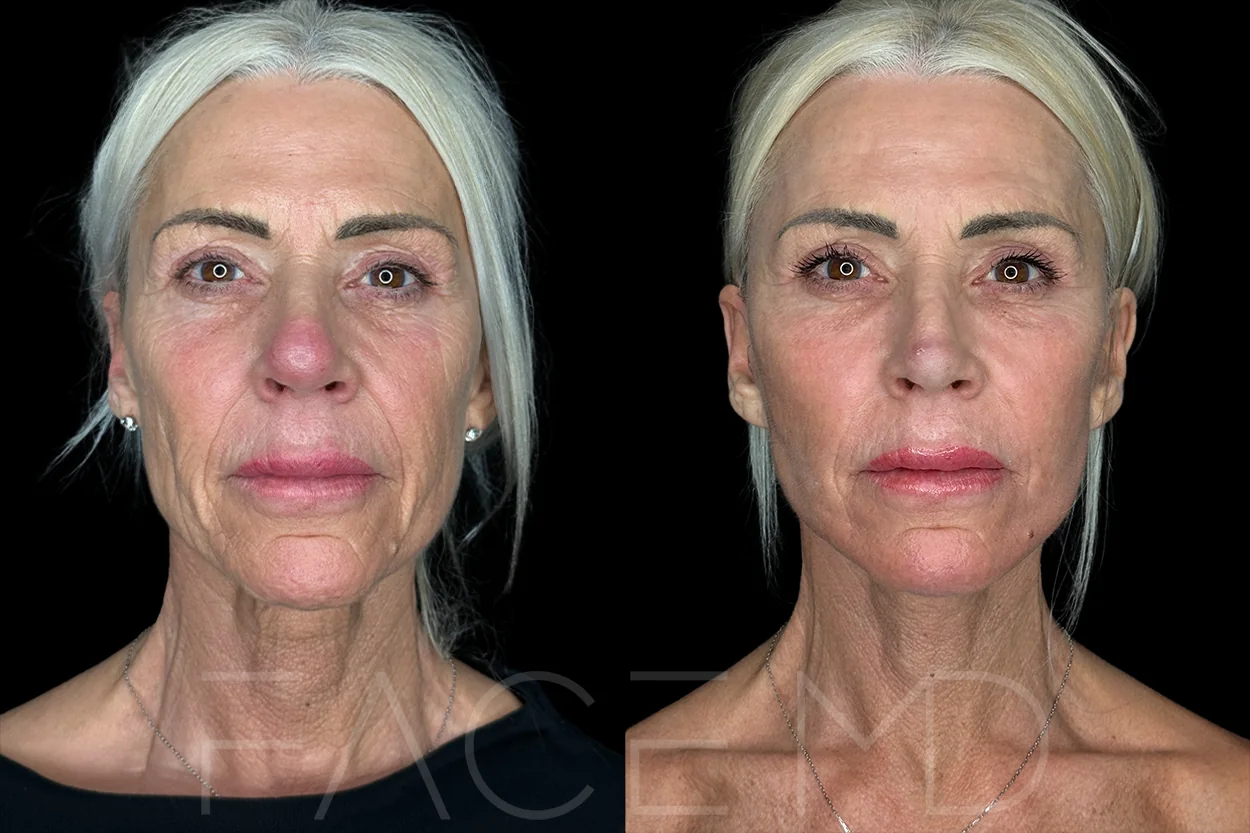
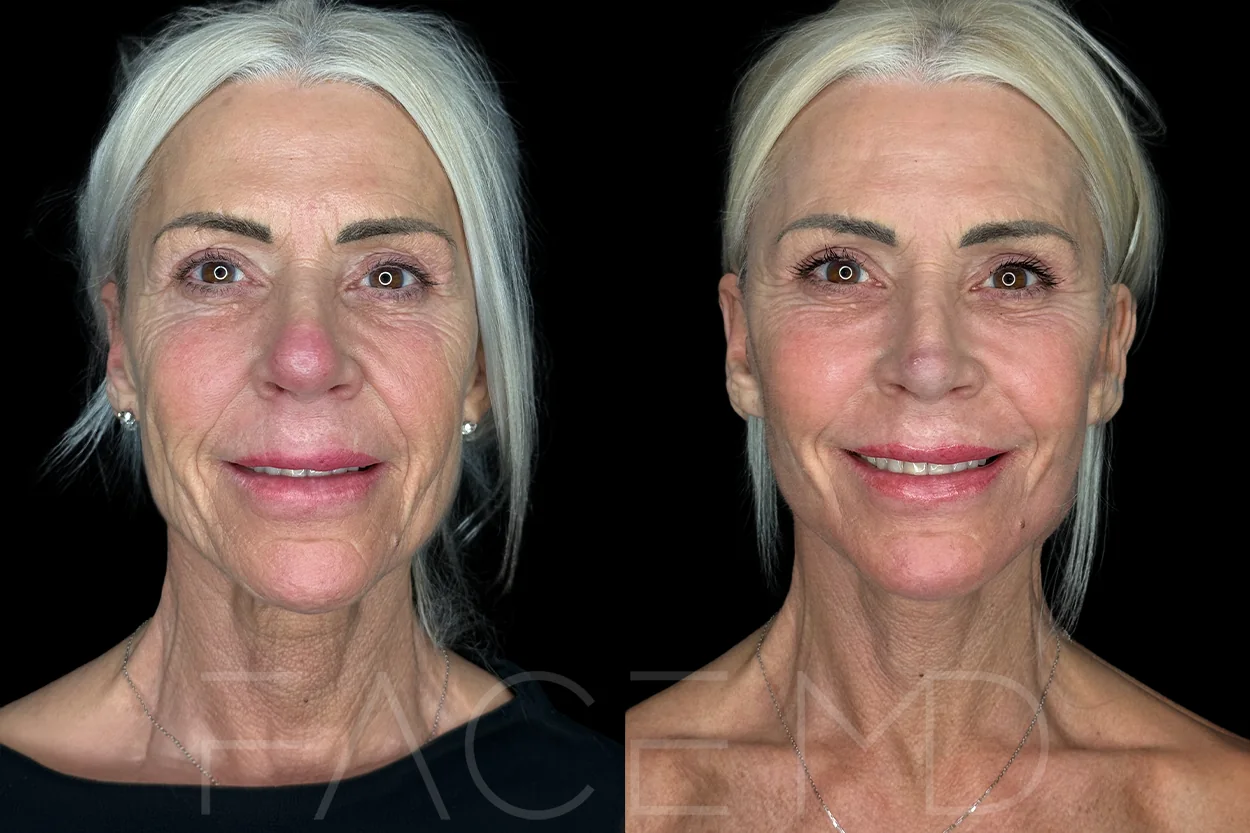
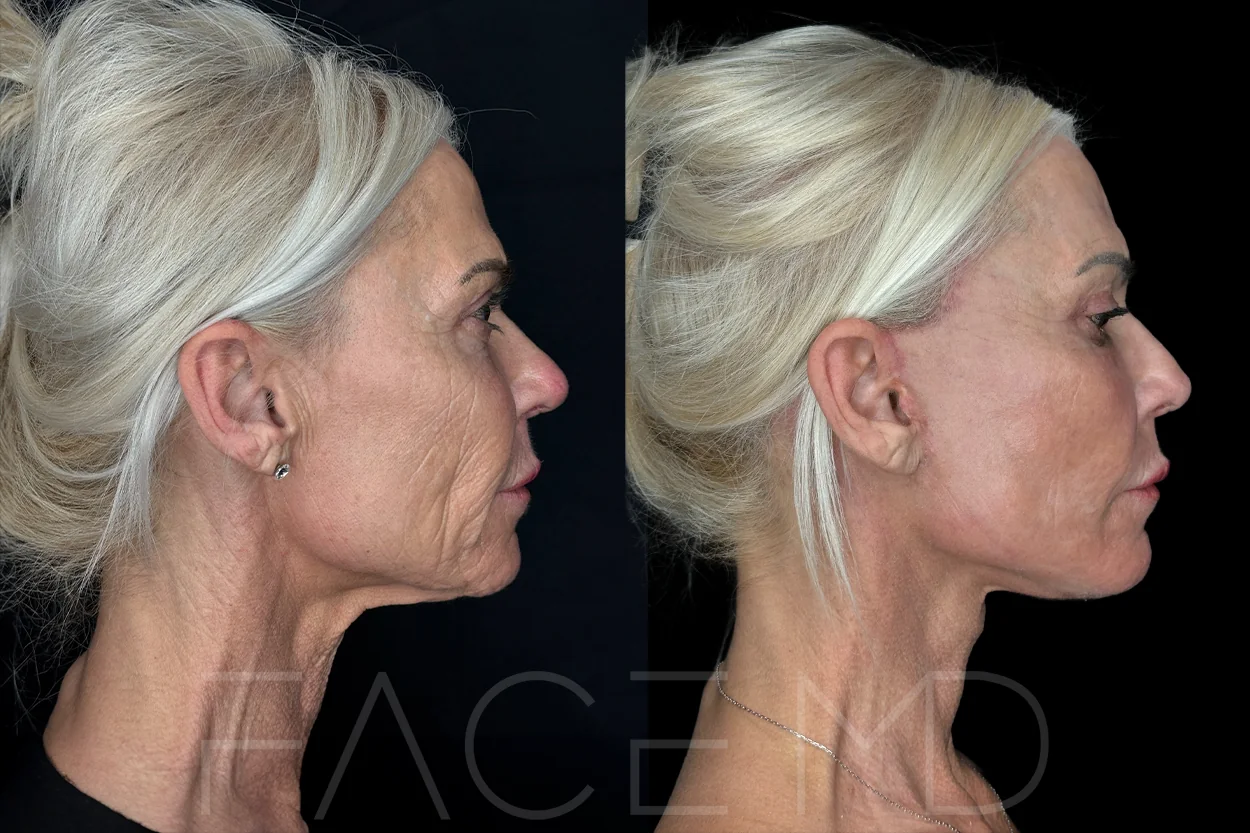
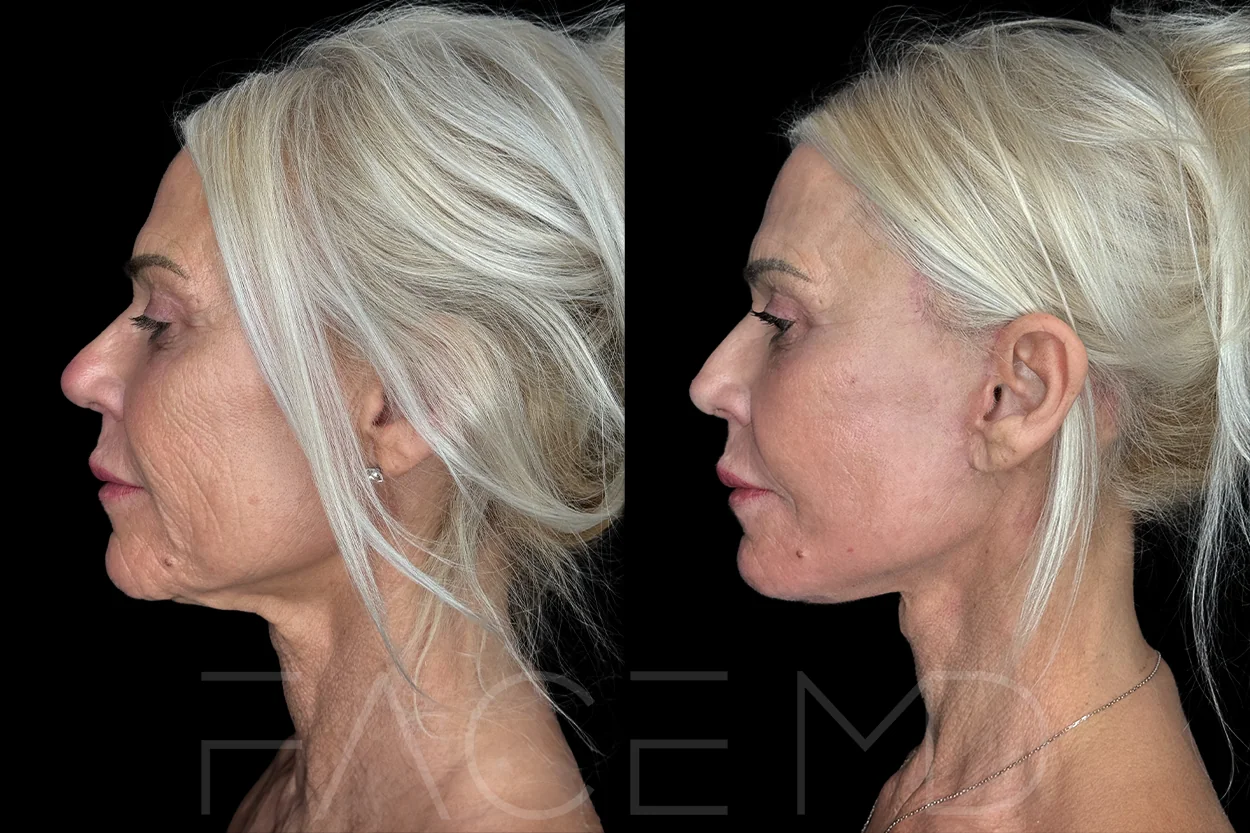
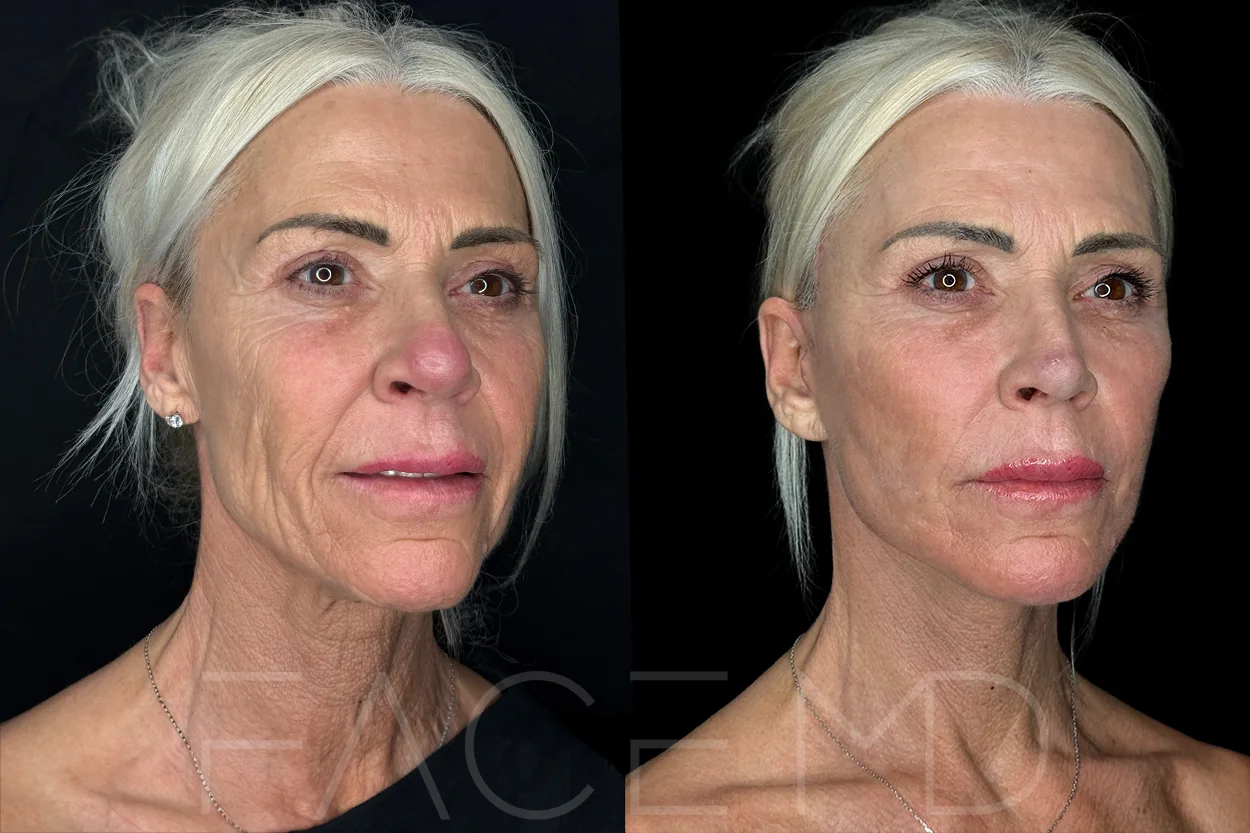
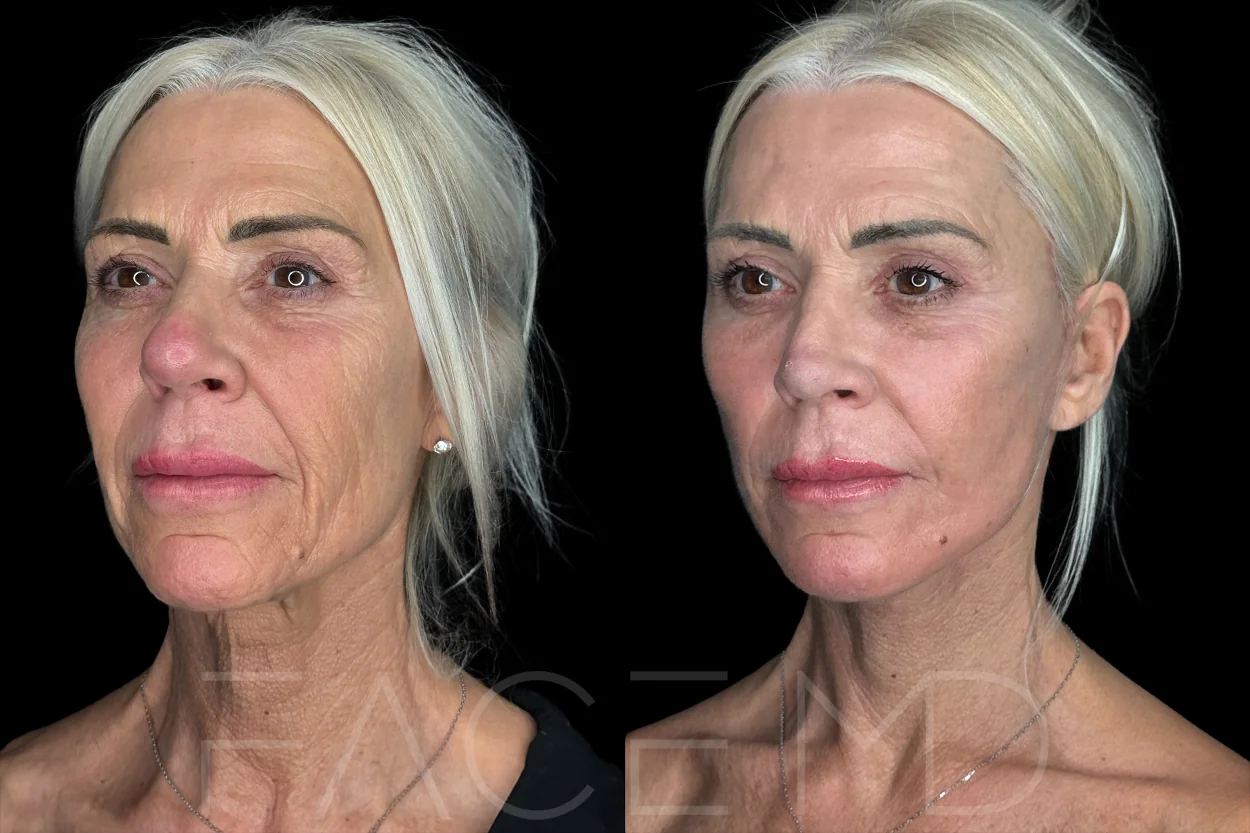
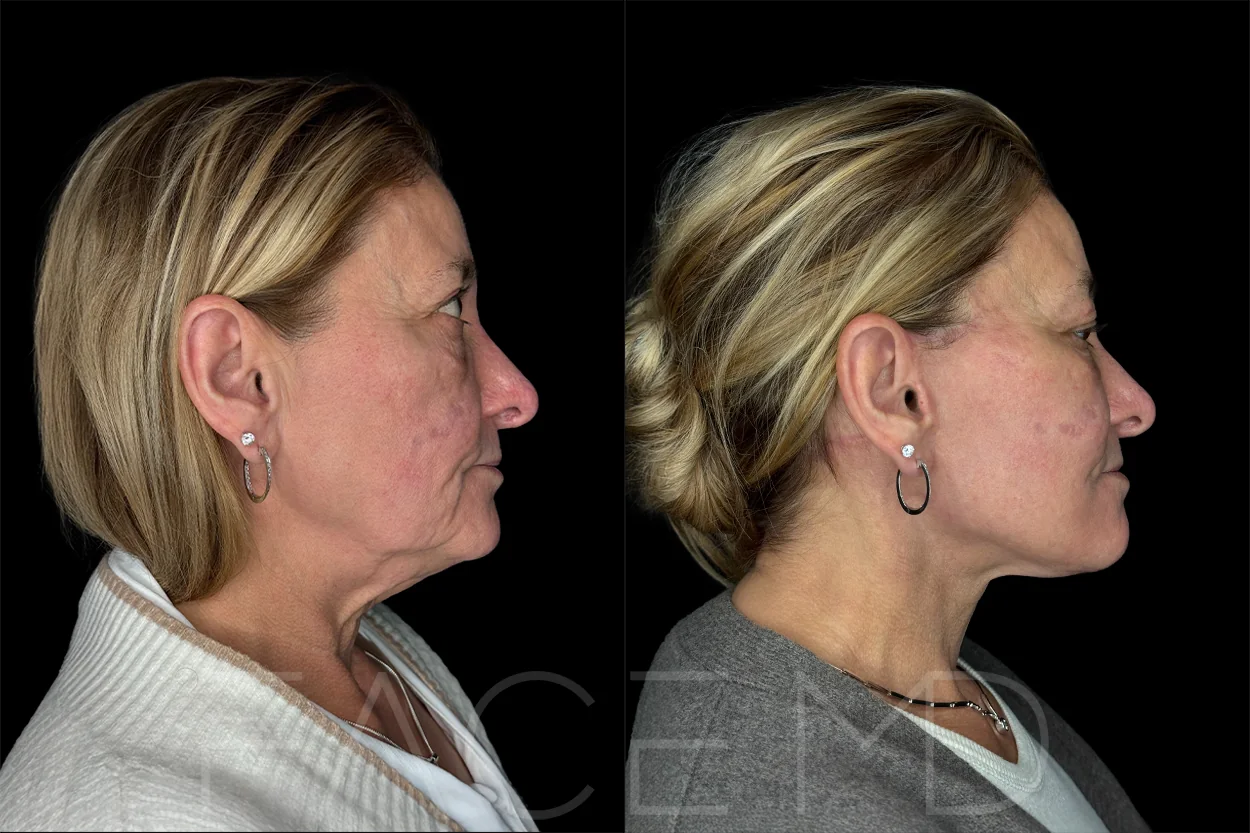
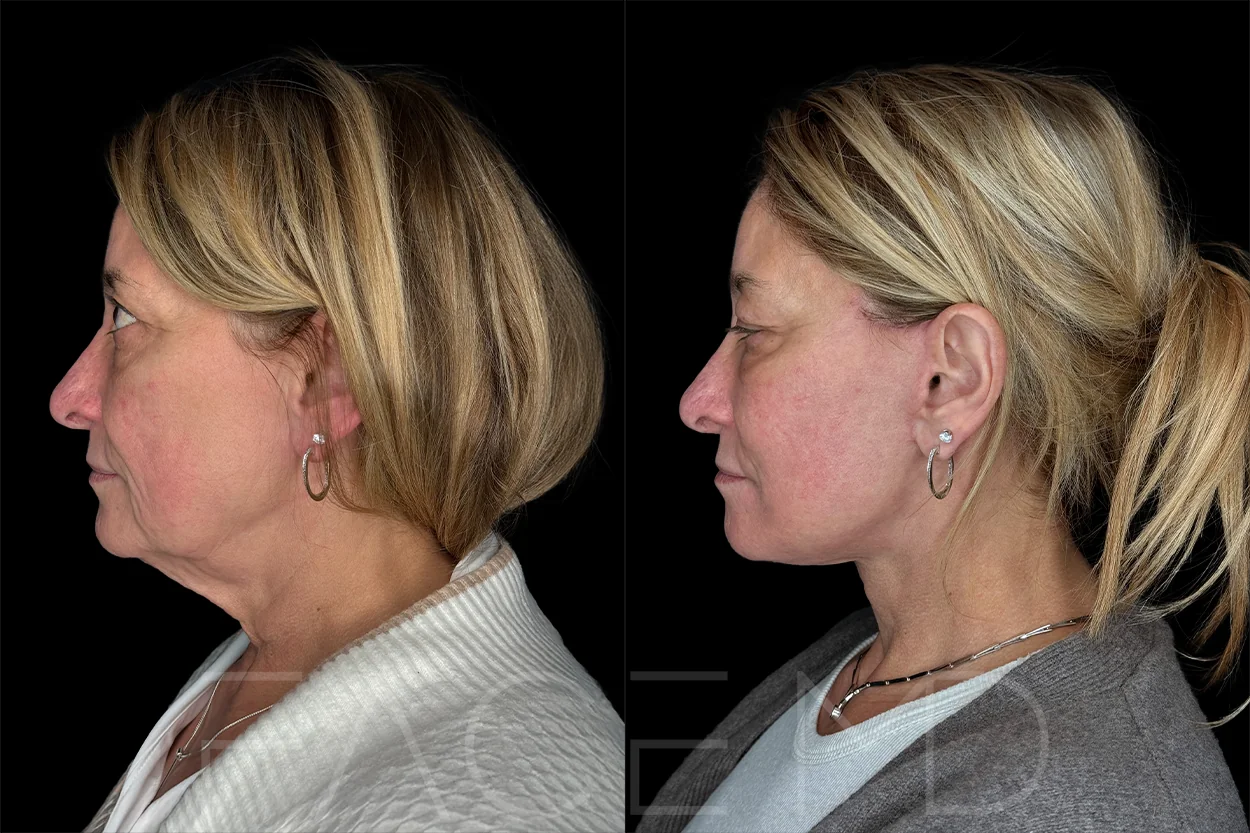
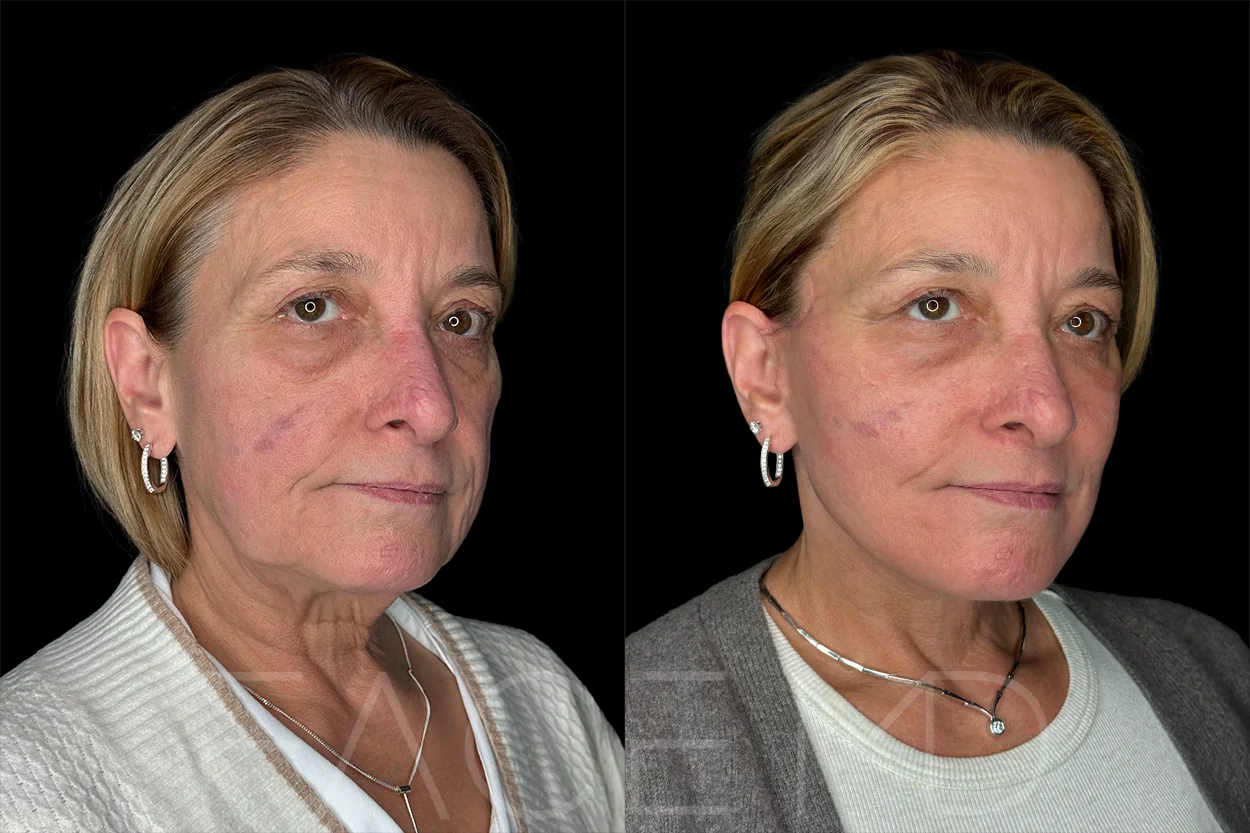
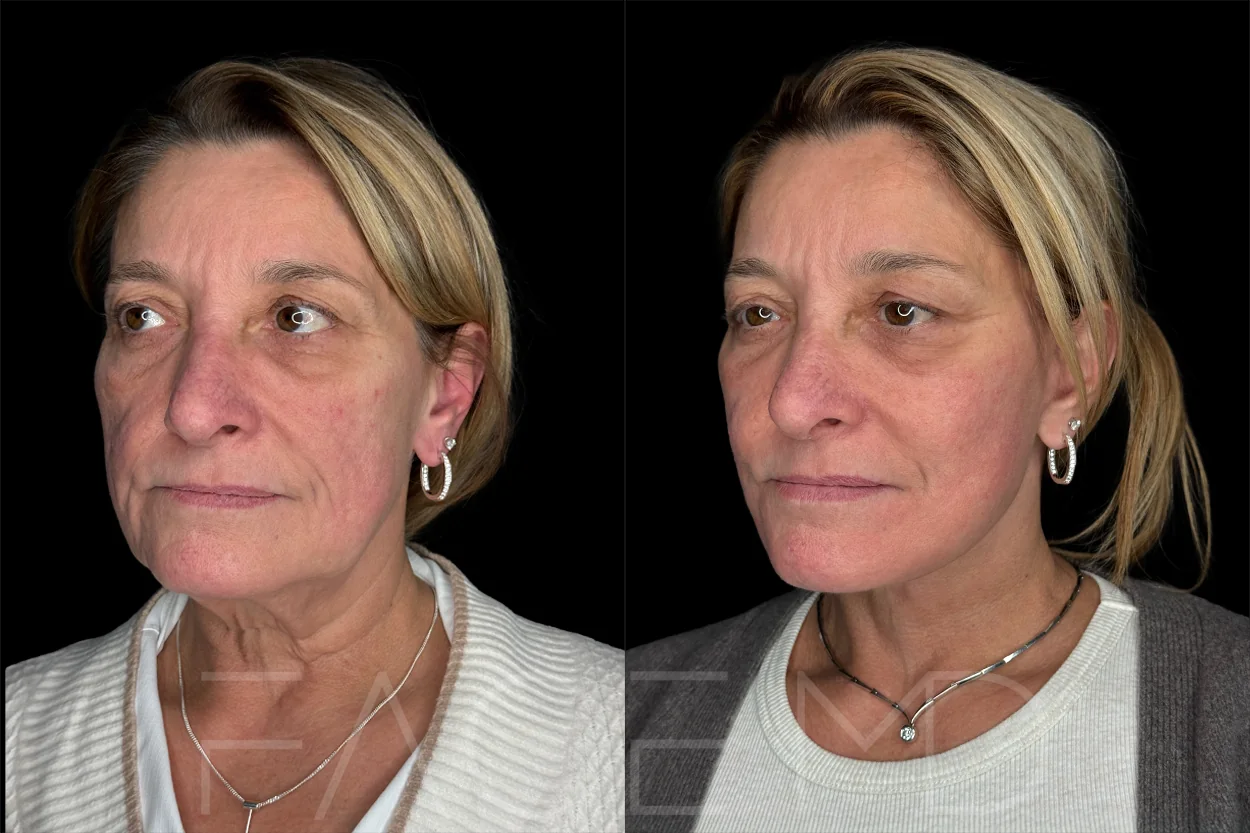
To demonstrate the transformative potential of deep-plane techniques, please refer to the gallery below showcasing patient outcomes:
←- 12 Months post-op Deep Plane Face & Neck Lift with Fat Transfer and Full Face CO2 Laser
- 22 Months post-op Deep Plane Face & Neck Lift with Fat Transfer and Full Face CO2 Laser
- 52 Months post-op Deep Plane Face & Neck Lift with Fat Transfer and Full Face CO2 Laser
- 72 Months post-op Deep Plane Face & Neck Lift with Fat Transfer and Full Face CO2 Laser
- 32 Months post-op Deep Plane Face & Neck Lift with Fat Transfer and Full Face CO2 Laser
- 42 Months post-op Deep Plane Face & Neck Lift with Fat Transfer and Full Face CO2 Laser
- 12 Months post-op Deep Plane Face & Neck Lift with Endoscopic Brow Lift
- 82 Months post-op Deep Plane Face & Neck Lift with Endoscopic Brow Lift
- 22 Months post-op Deep Plane Face & Neck Lift with Brow Lift
- 32 Months post-op Deep Plane Face & Neck Lift with Endoscopic Brow Lift
- 42 Months post-op Deep Plane Face & Neck Lift with Endoscopic Brow Lift
- 52 Months post-op Deep Plane Face & Neck Lift with Endoscopic Brow Lift
- 62 Months post-op Deep Plane Face & Neck Lift with Endoscopic Brow Lift
- 72 Months post-op Deep Plane Face & Neck Lift with Endoscopic Brow Lift
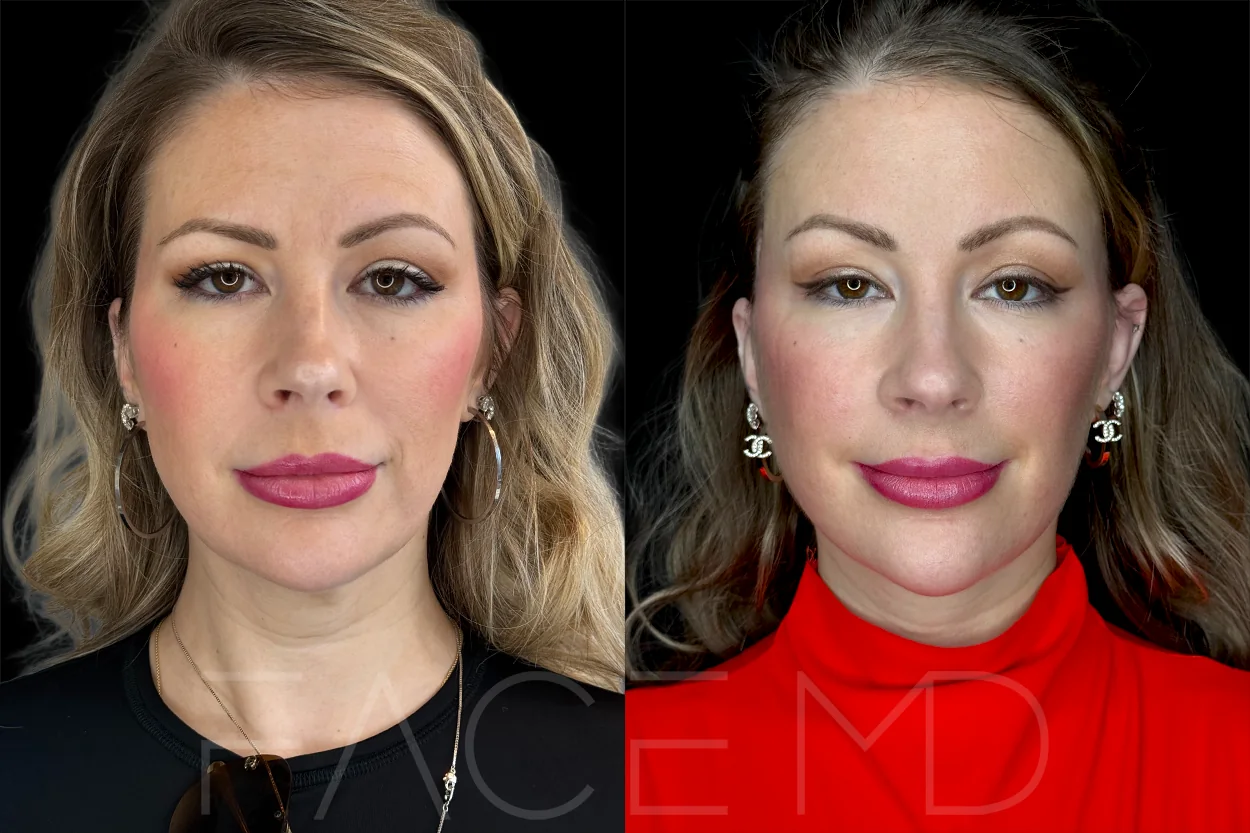
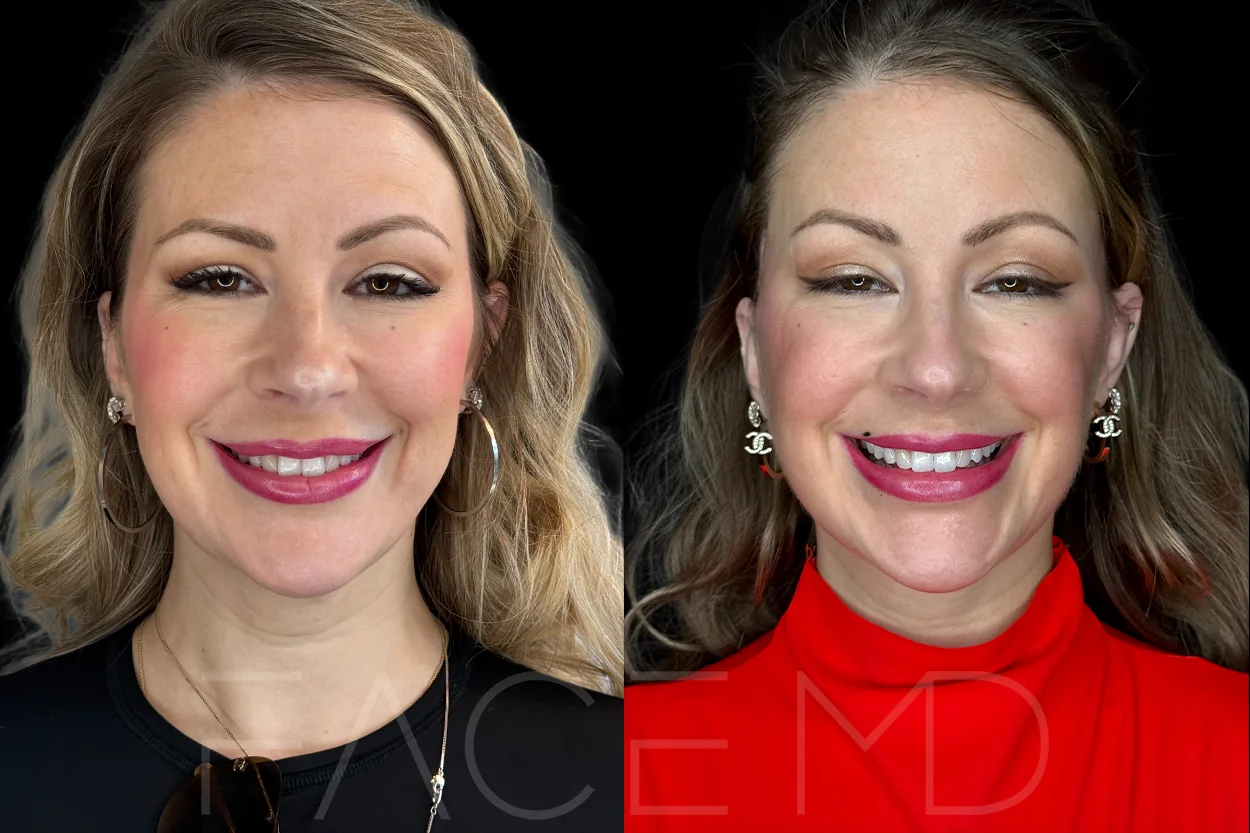
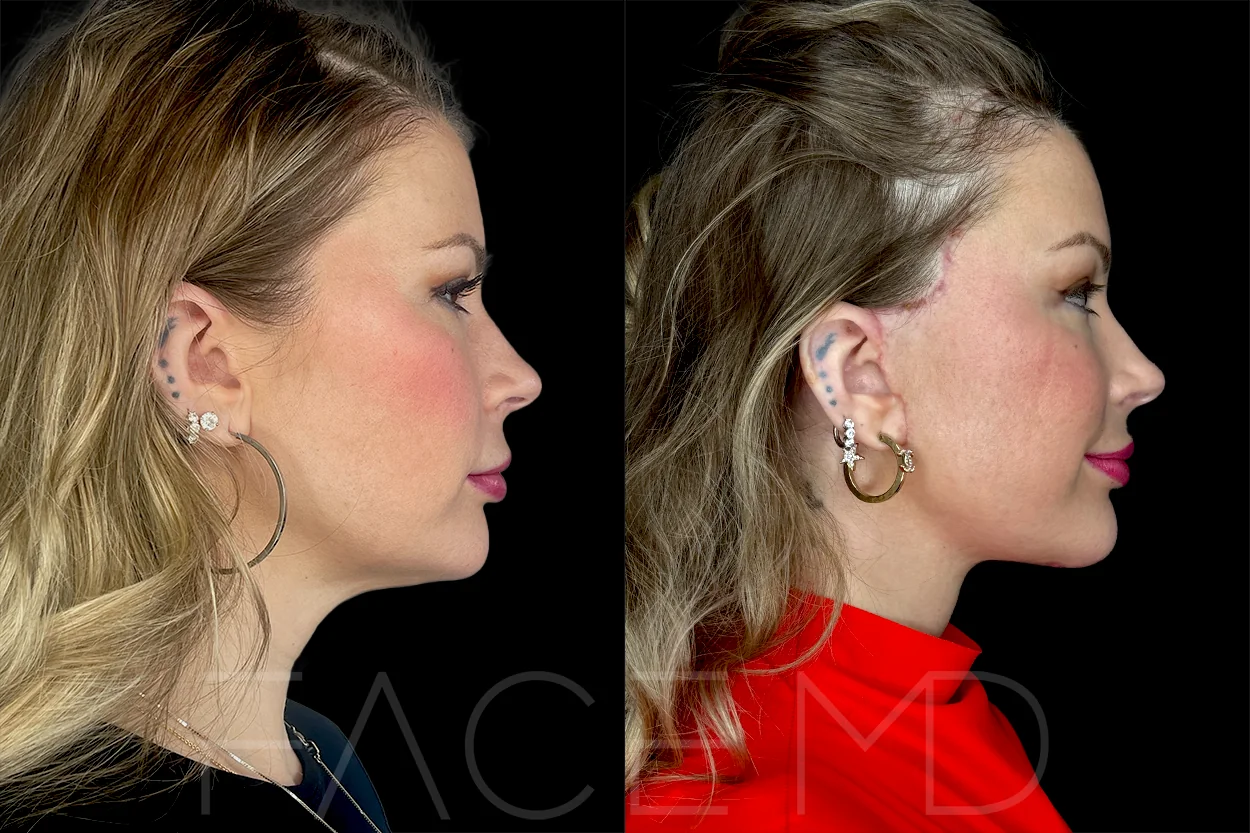
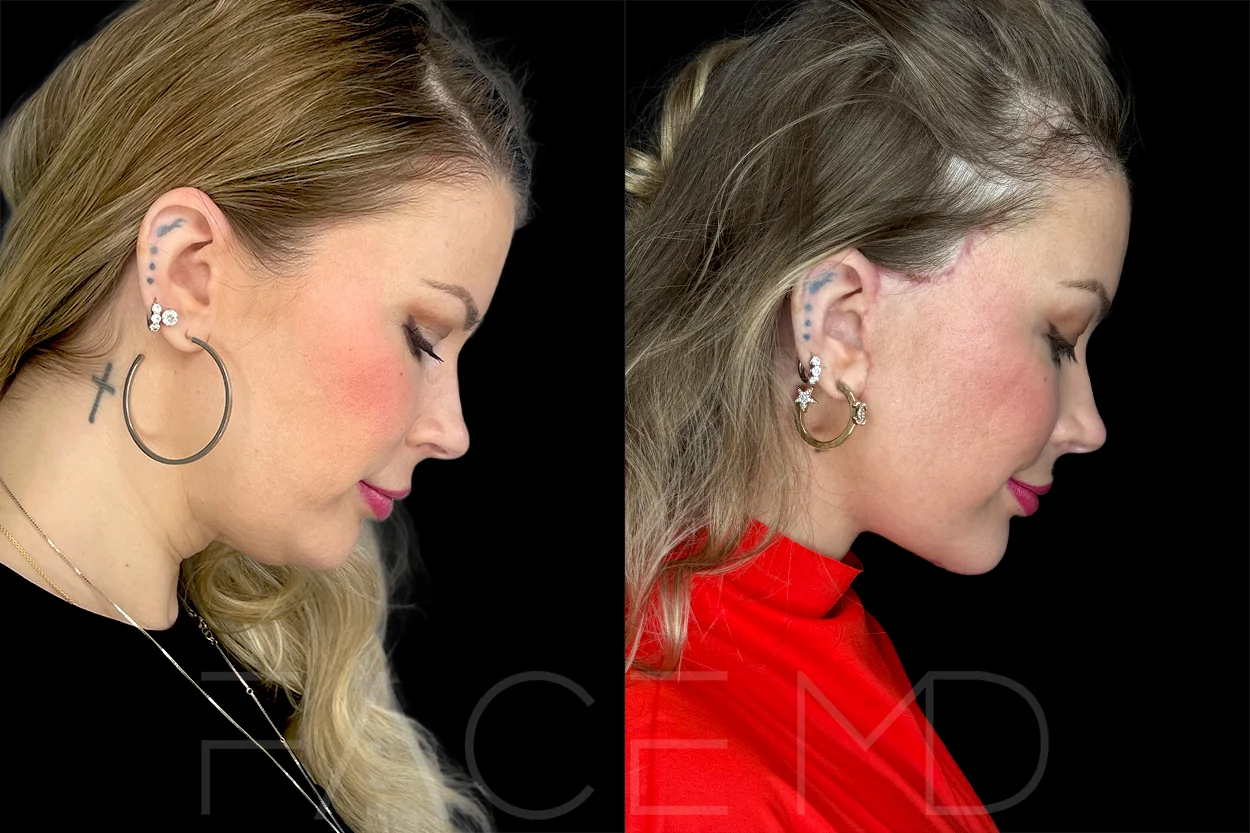
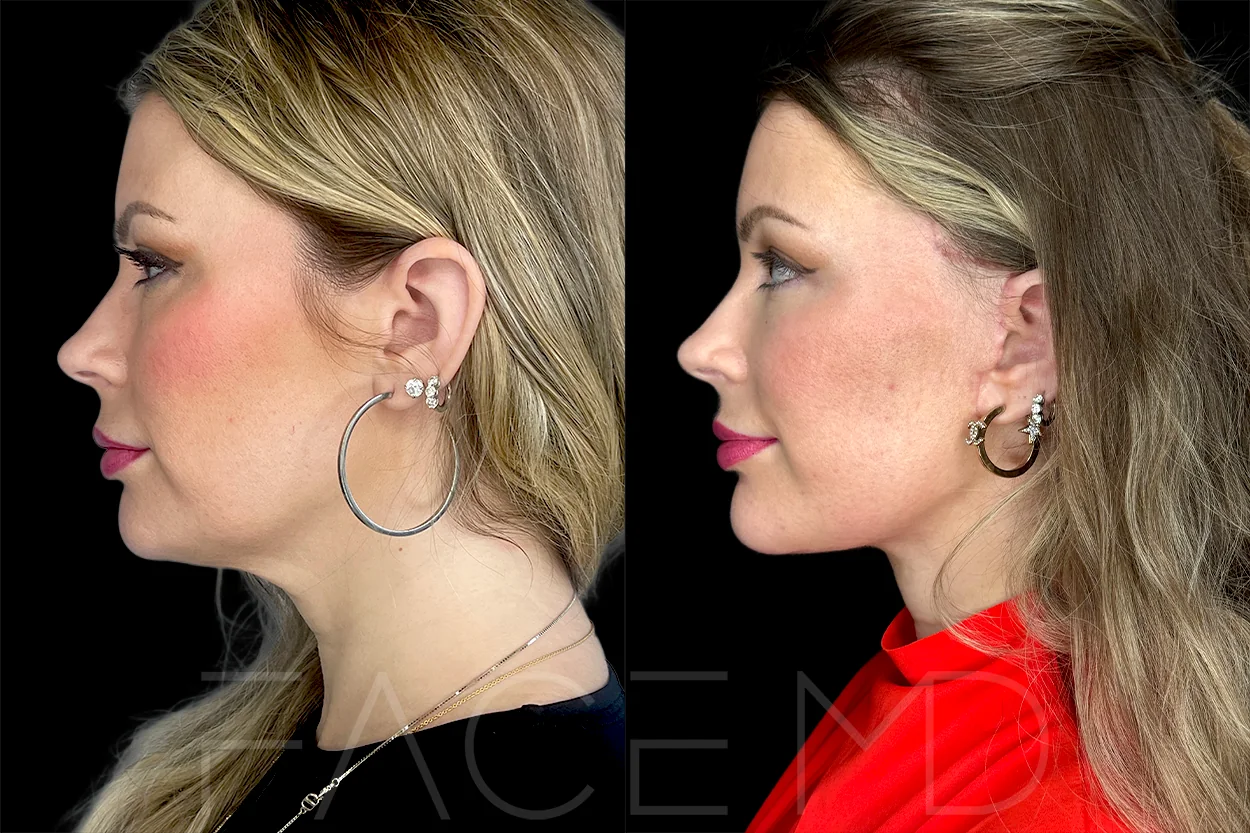
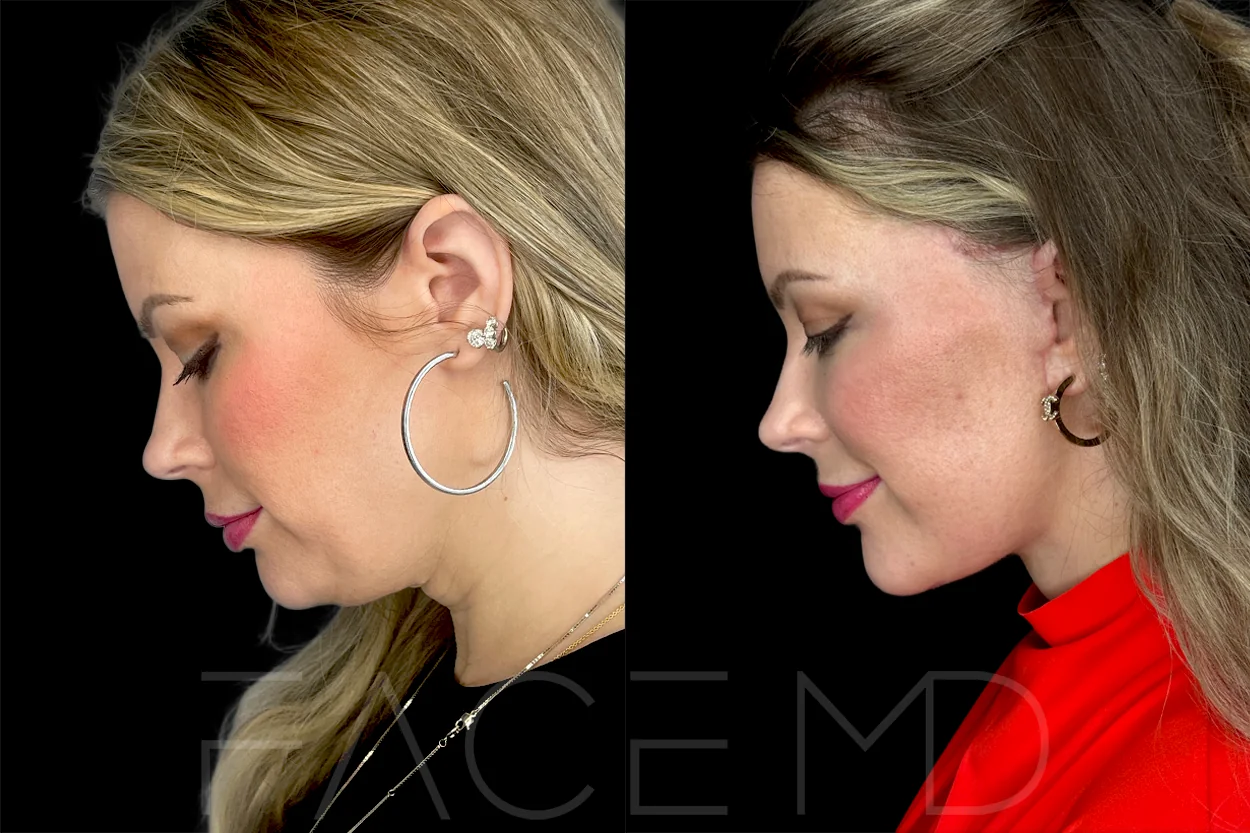
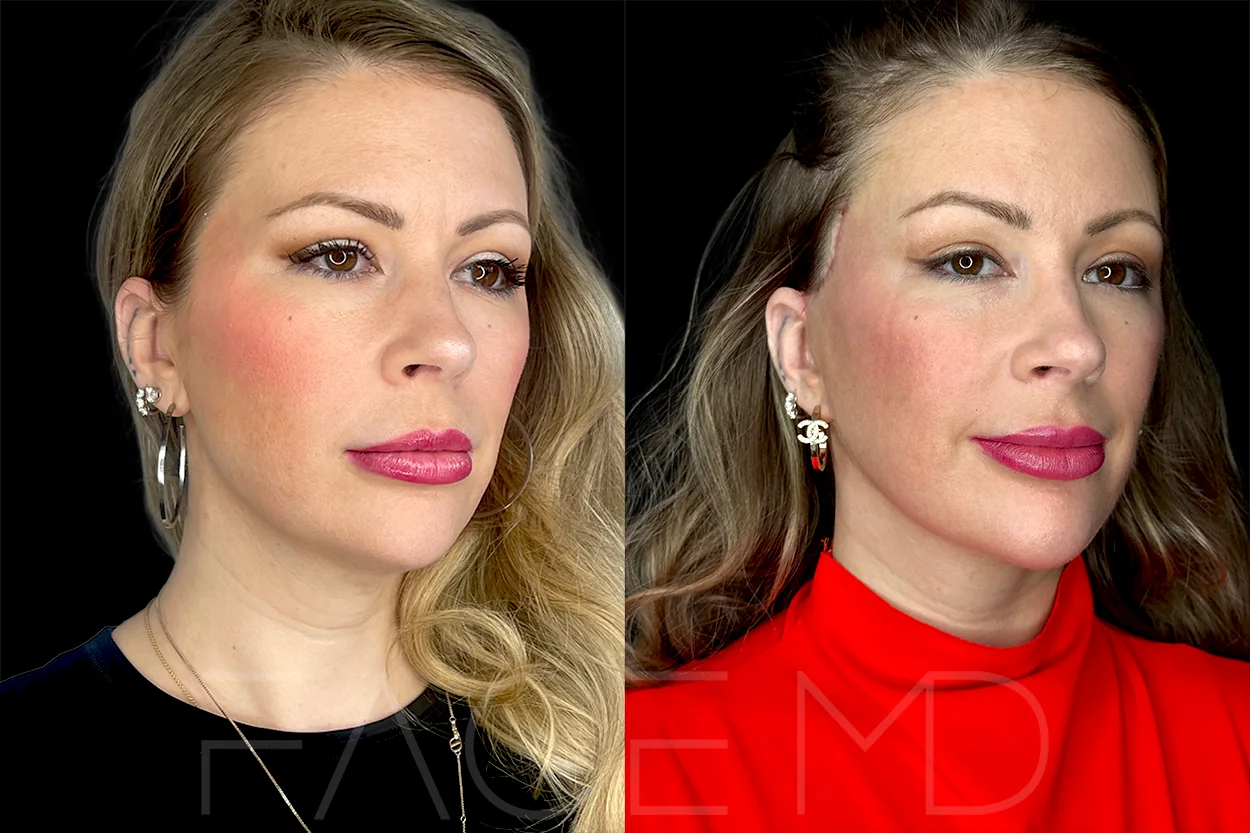
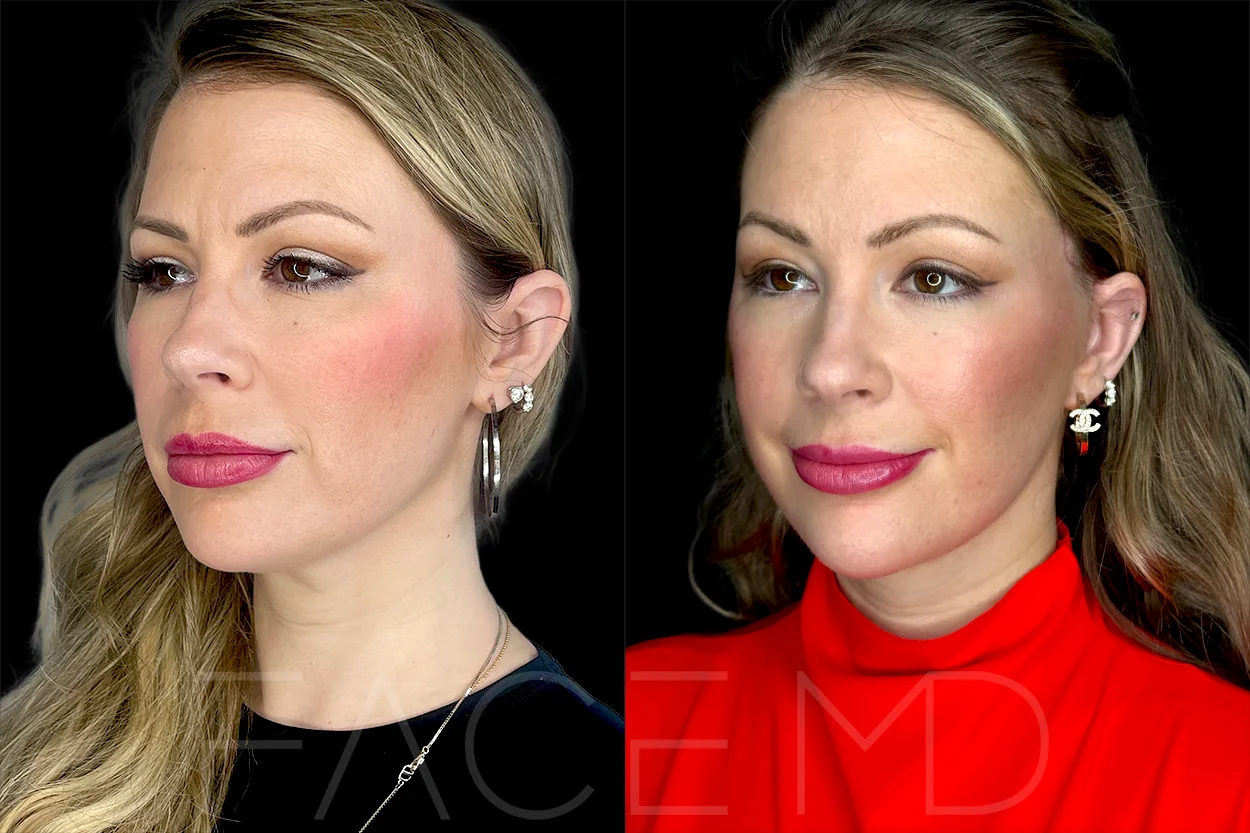
- 19.5 Months post-op Deep Plane Face & Neck Lift, Chin Implant and Forehead Reduction, and 6.5 Months post-op Upper Lip Lift and Upper Blepharoplasty
- 29.5 Months post-op Deep Plane Face & Neck Lift, Chin Implant and Forehead Reduction, and 6.5 Months post-op Upper Lip Lift and Upper Blepharoplasty
- 39.5 Months post-op Deep Plane Face & Neck Lift, Chin Implant and Forehead Reduction, and 6.5 Months post-op Upper Lip Lift and Upper Blepharoplasty
- 49.5 Months post-op Deep Plane Face & Neck Lift, Chin Implant and Forehead Reduction, and 6.5 Months post-op Upper Lip Lift and Upper Blepharoplasty
- 59.5 Months post-op Deep Plane Face & Neck Lift, Chin Implant and Forehead Reduction, and 6.5 Months post-op Upper Lip Lift and Upper Blepharoplasty
- 69.5 Months post-op Deep Plane Face & Neck Lift, Chin Implant and Forehead Reduction, and 6.5 Months post-op Upper Lip Lift and Upper Blepharoplasty
- 79.5 Months post-op Deep Plane Face & Neck Lift, Chin Implant and Forehead Reduction, and 6.5 Months post-op Upper Lip Lift and Upper Blepharoplasty
- 89.5 Months post-op Deep Plane Face & Neck Lift, Chin Implant and Forehead Reduction, and 6.5 Months post-op Upper Lip Lift and Upper Blepharoplasty
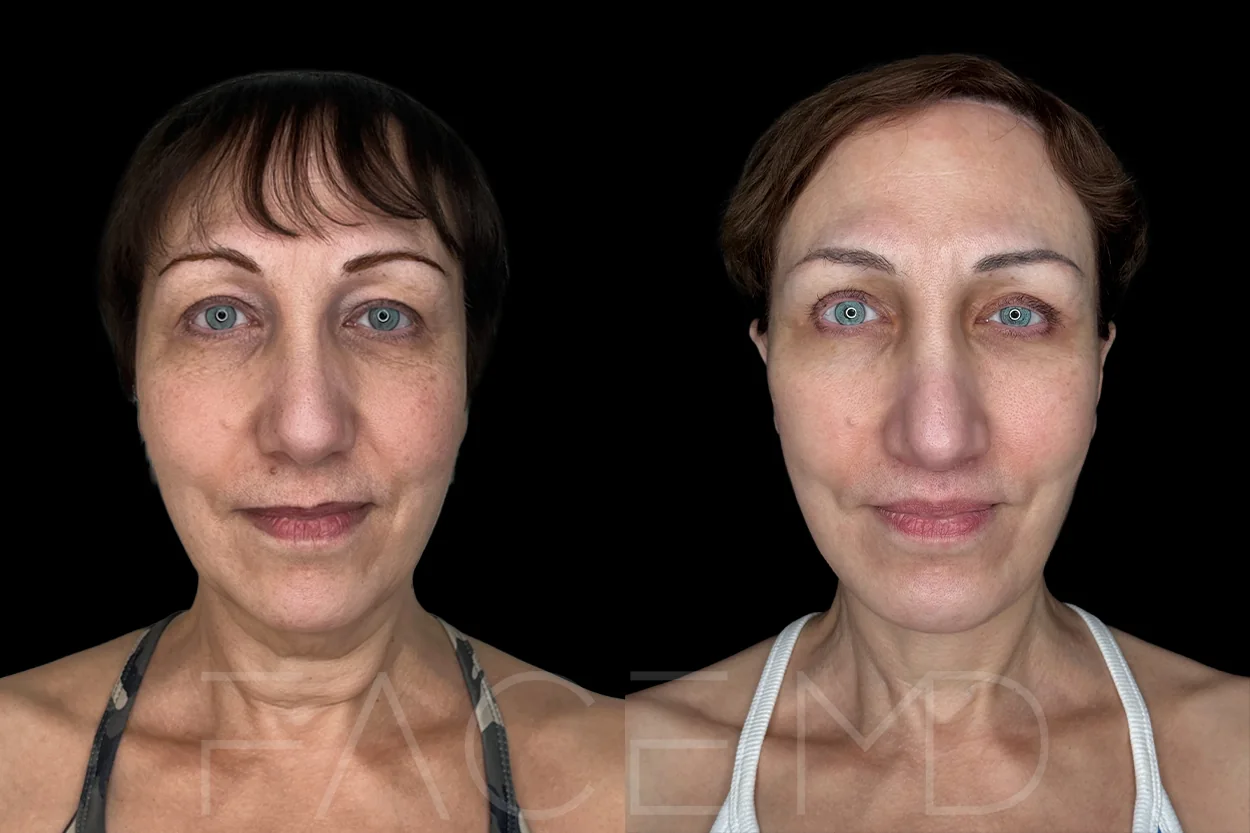
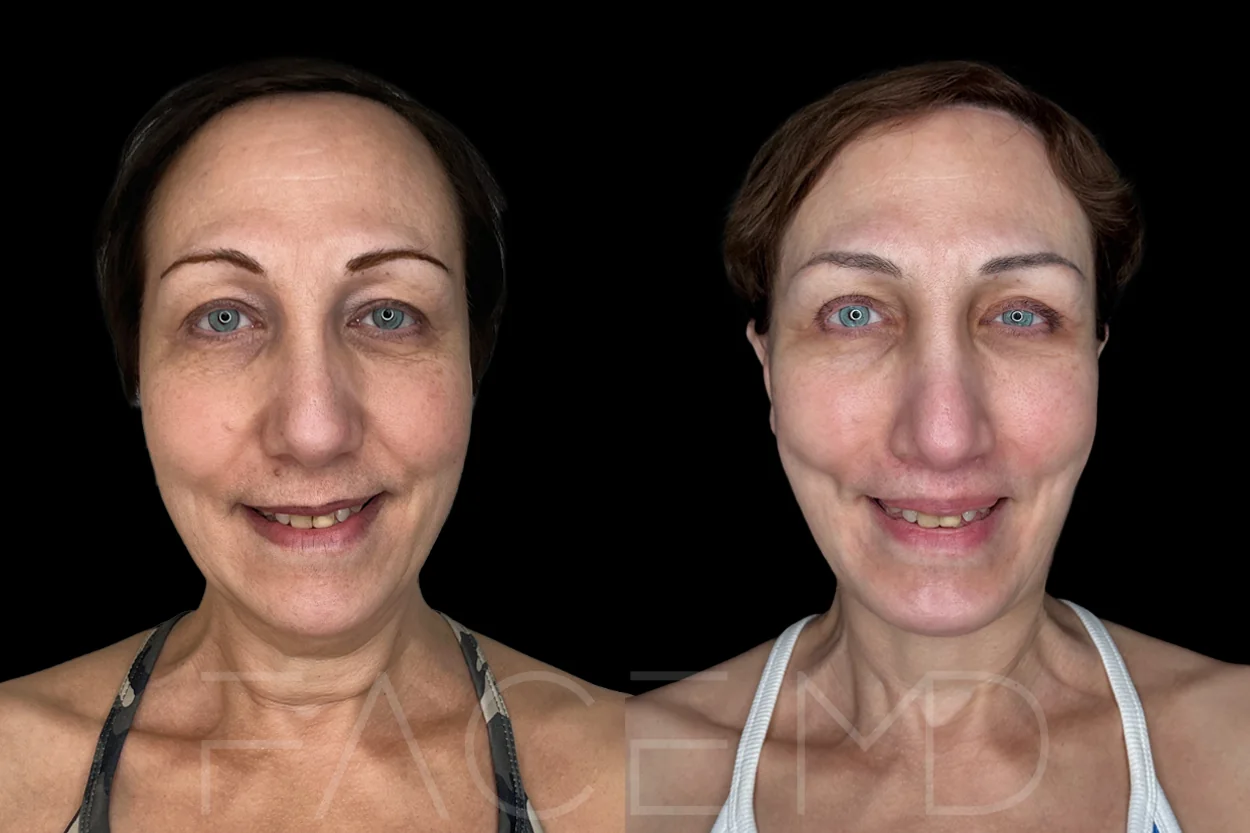
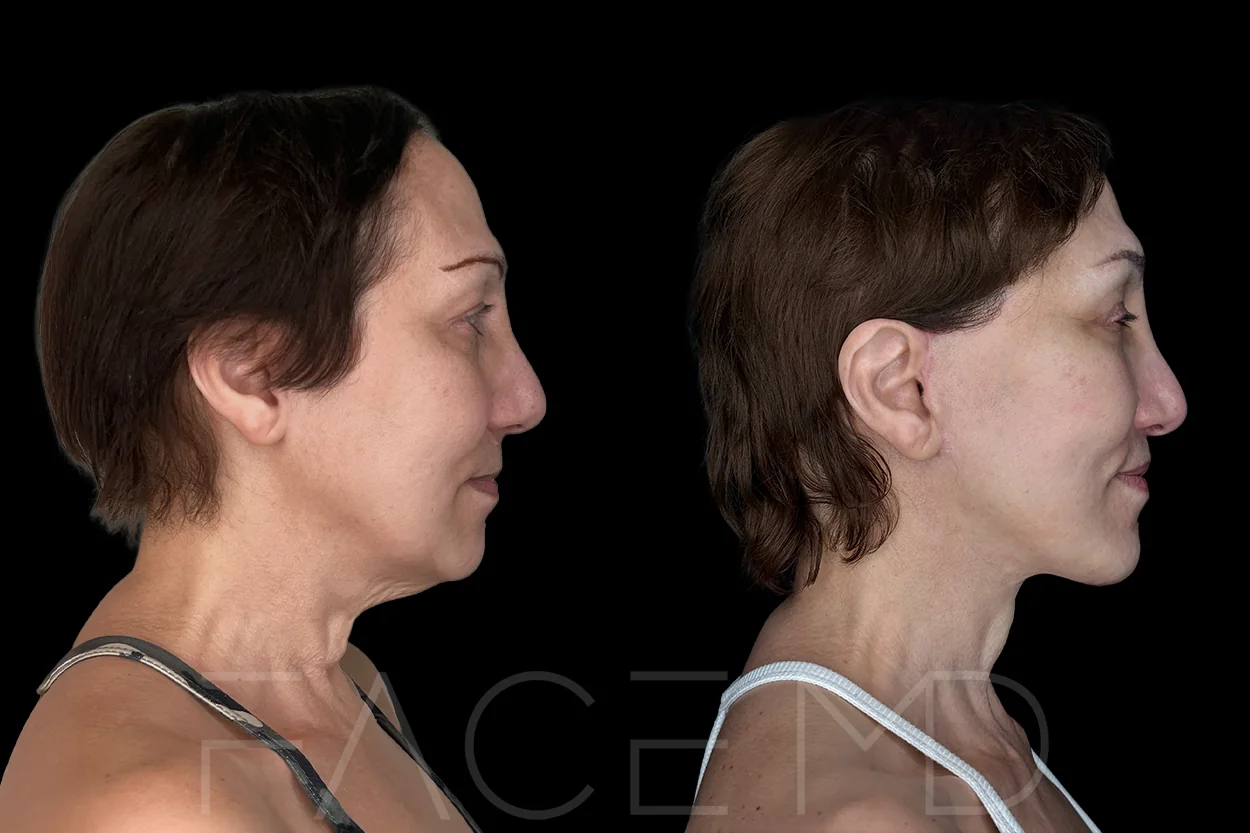
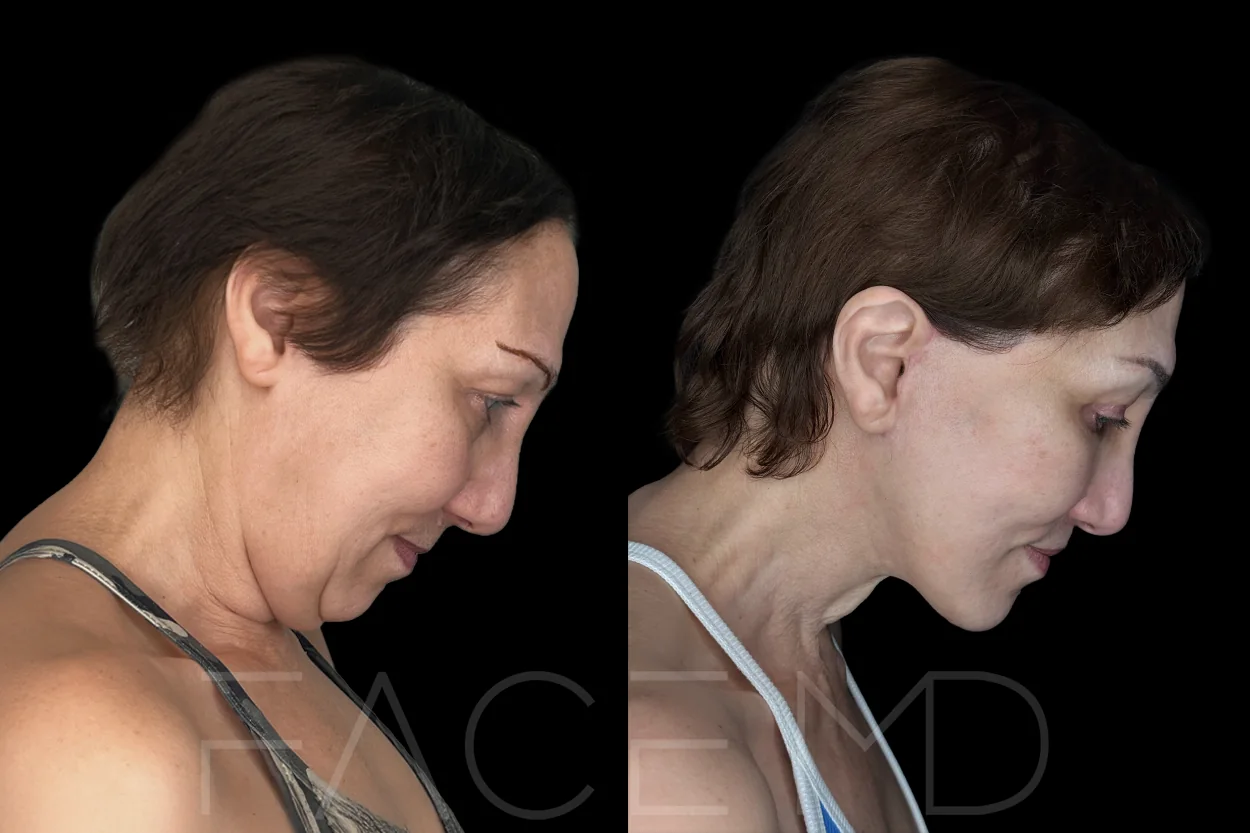
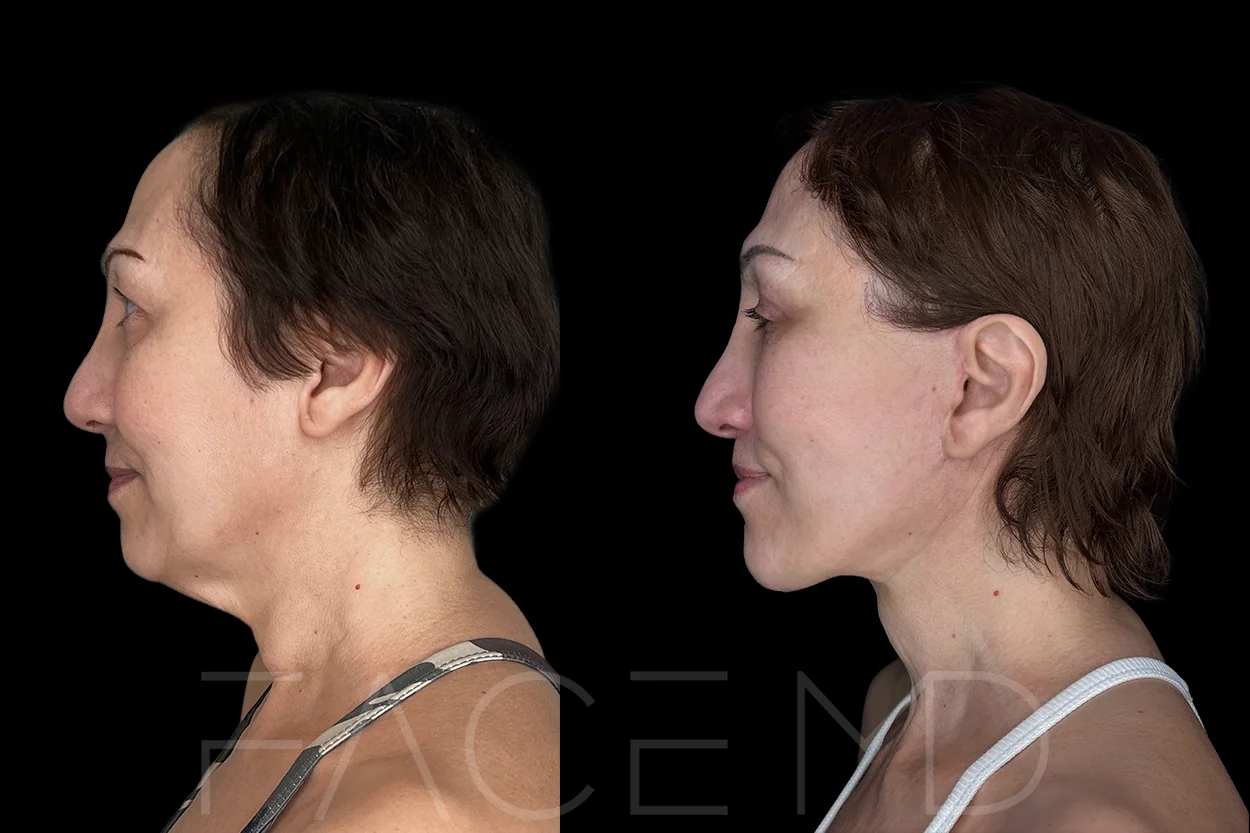
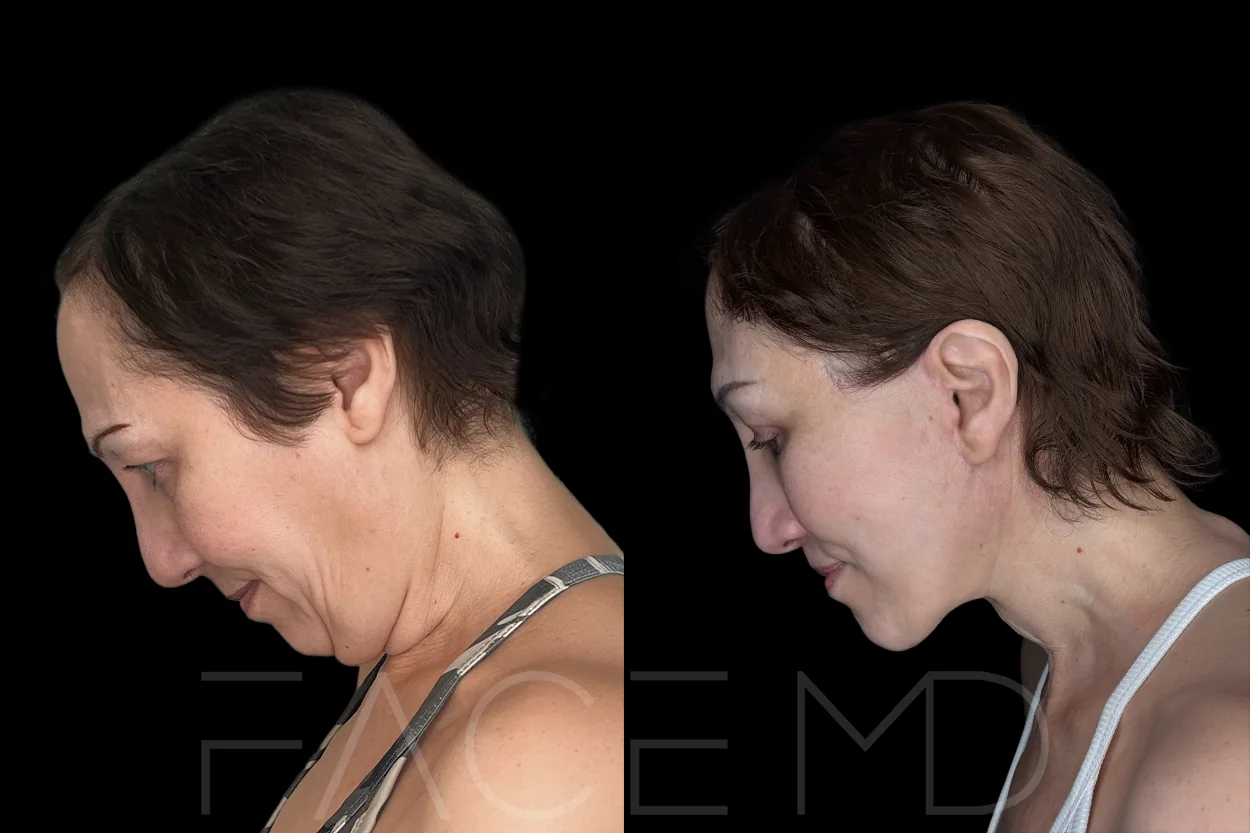
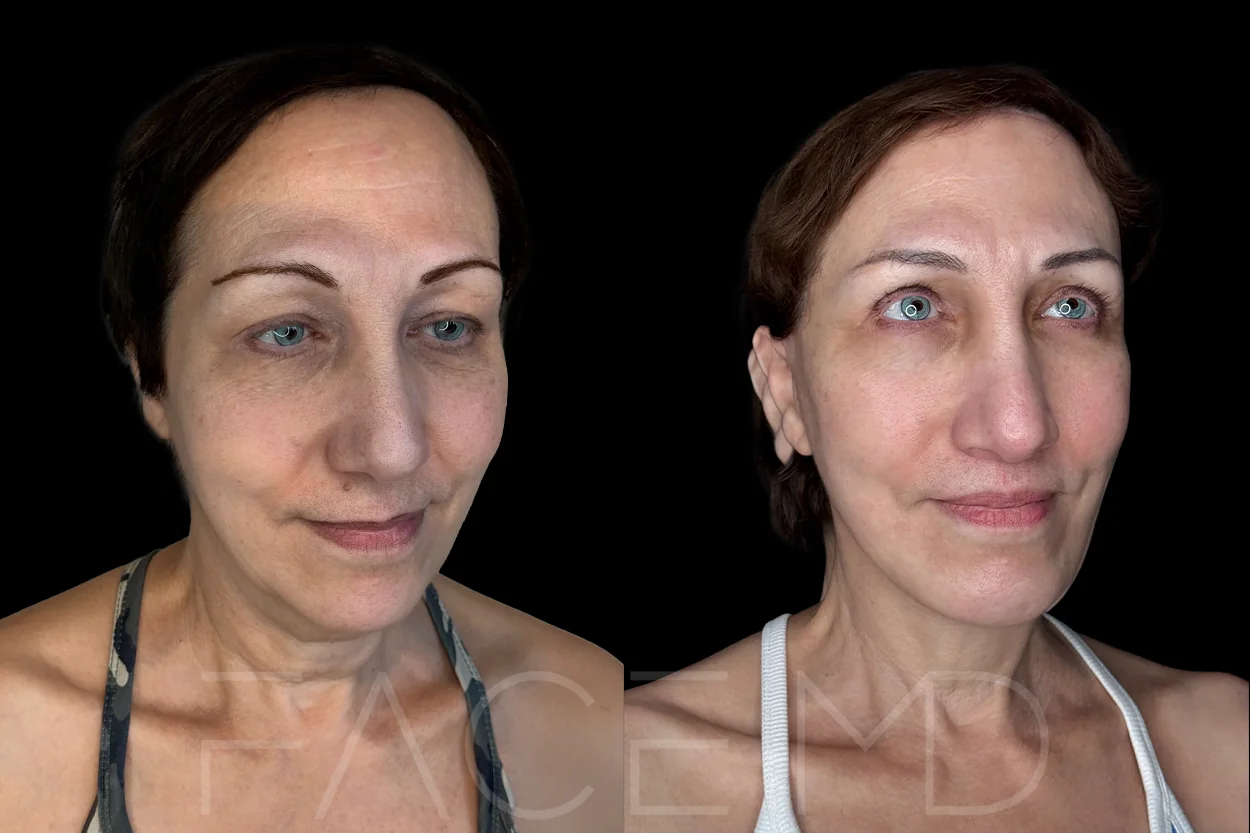
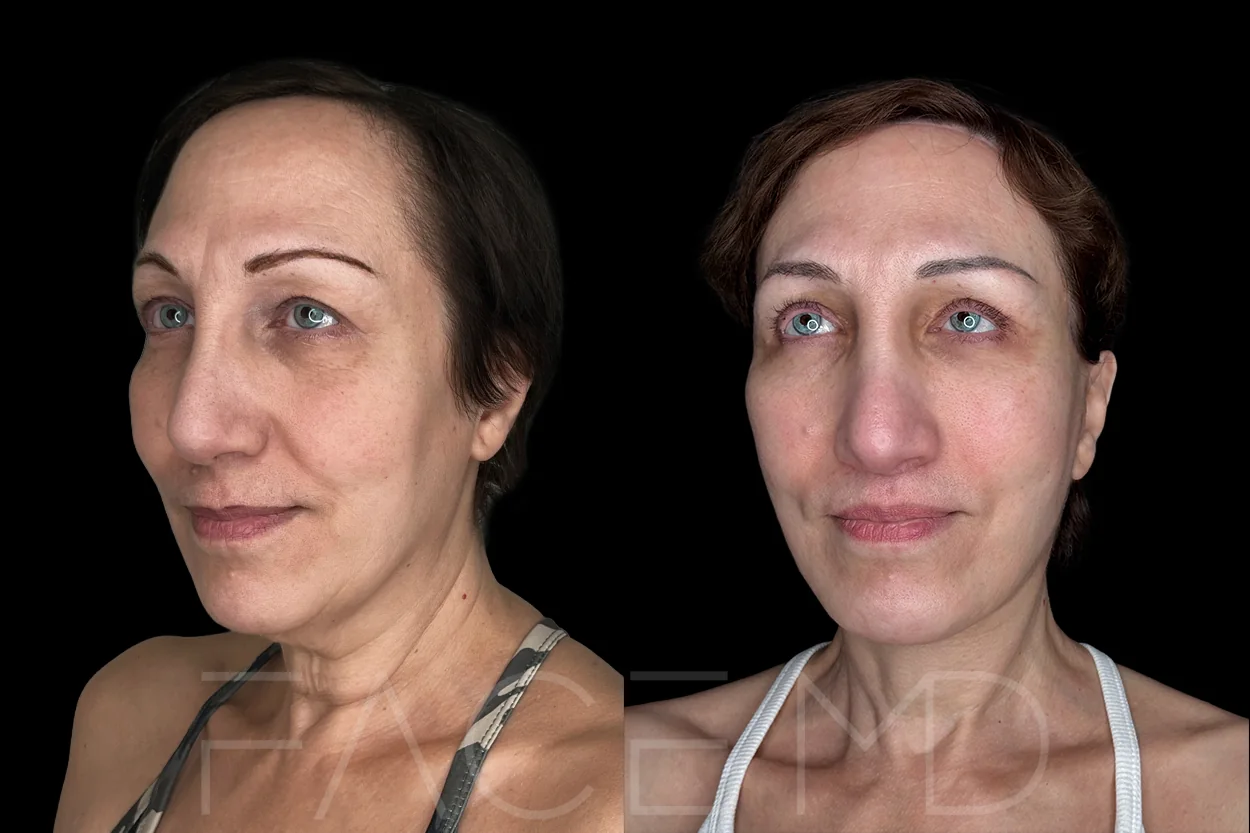
- 2 Months post-op Deep Plane Face & Neck Lift with Fat Transfer2 Months post-op Deep Plane Face & Neck Lift with Fat Transfer
- 2 Months post-op Deep Plane Face & Neck Lift with Fat Transfer
- 2 Months post-op Deep Plane Face & Neck Lift with Fat Transfer
- 2 Months post-op Deep Plane Face & Neck Lift with Fat Transfer
- 2 Months post-op Deep Plane Face & Neck Lift with Fat Transfer
- 2 Months post-op Deep Plane Face & Neck Lift with Fat Transfer
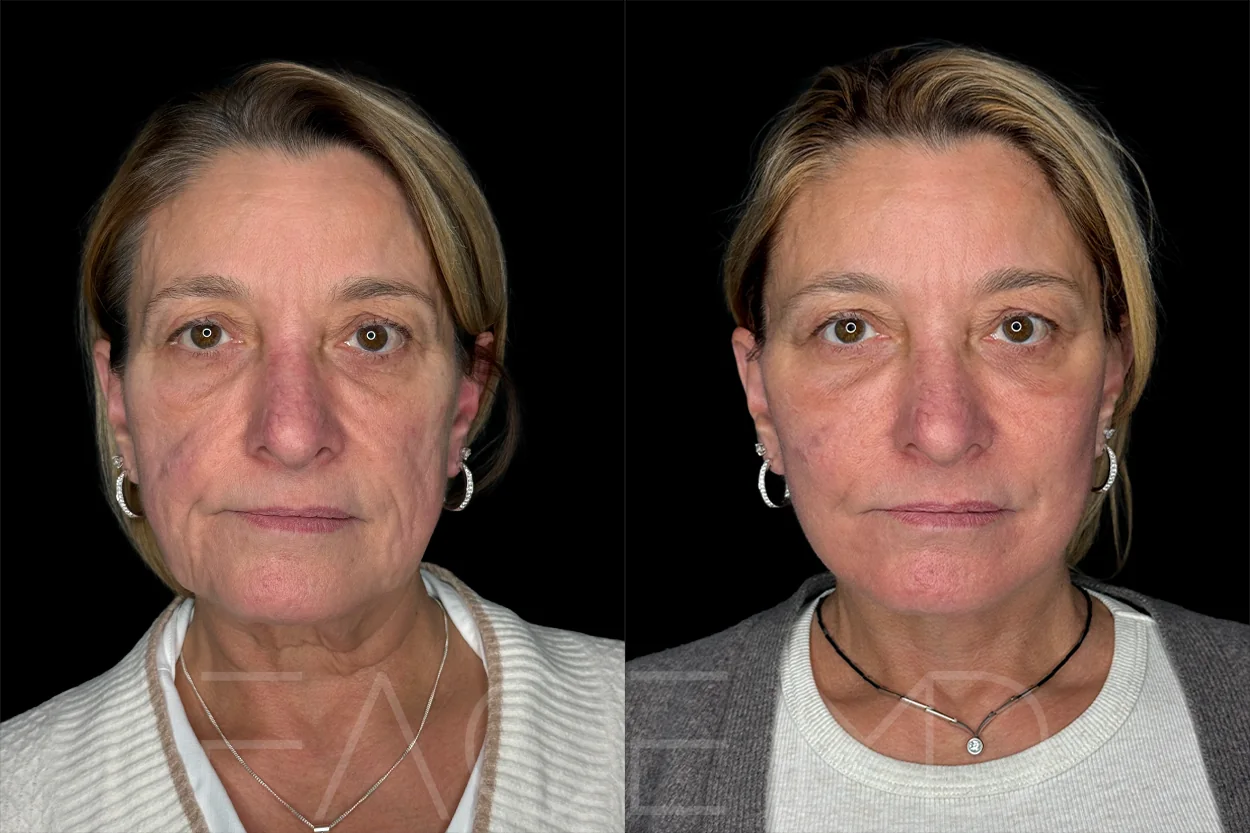
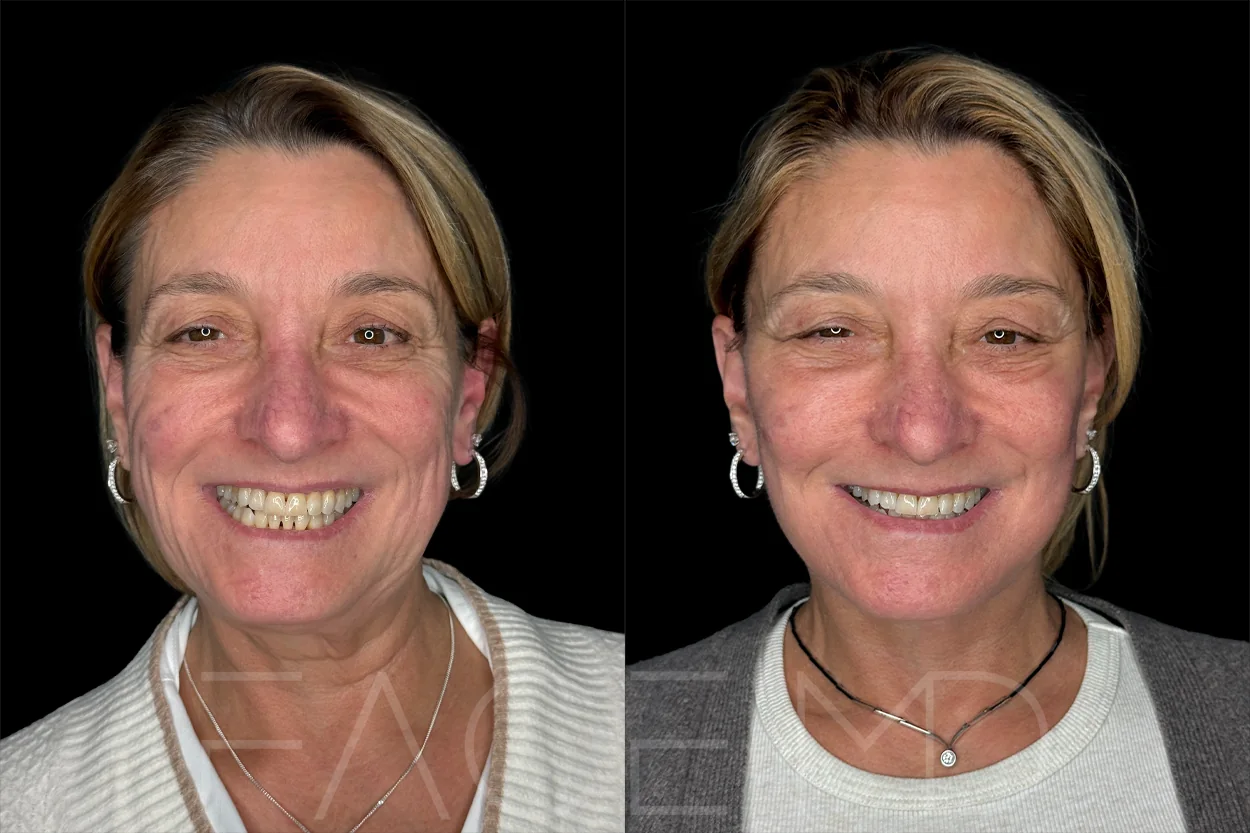
- 12 Months post-op Deep Plane Face & Neck Lift with Full Face CO2 Laser
- 22 Months post-op Deep Plane Face & Neck Lift with Full Face CO2 Laser
- 32 Months post-op Deep Plane Face & Neck Lift with Full Face CO2 Laser
- 52 Months post-op Deep Plane Face & Neck Lift with Full Face CO2 Laser
- 72 Months post-op Deep Plane Face & Neck Lift with Full Face CO2 Laser
- 82 Months post-op Deep Plane Face & Neck Lift with Full Face CO2 Laser
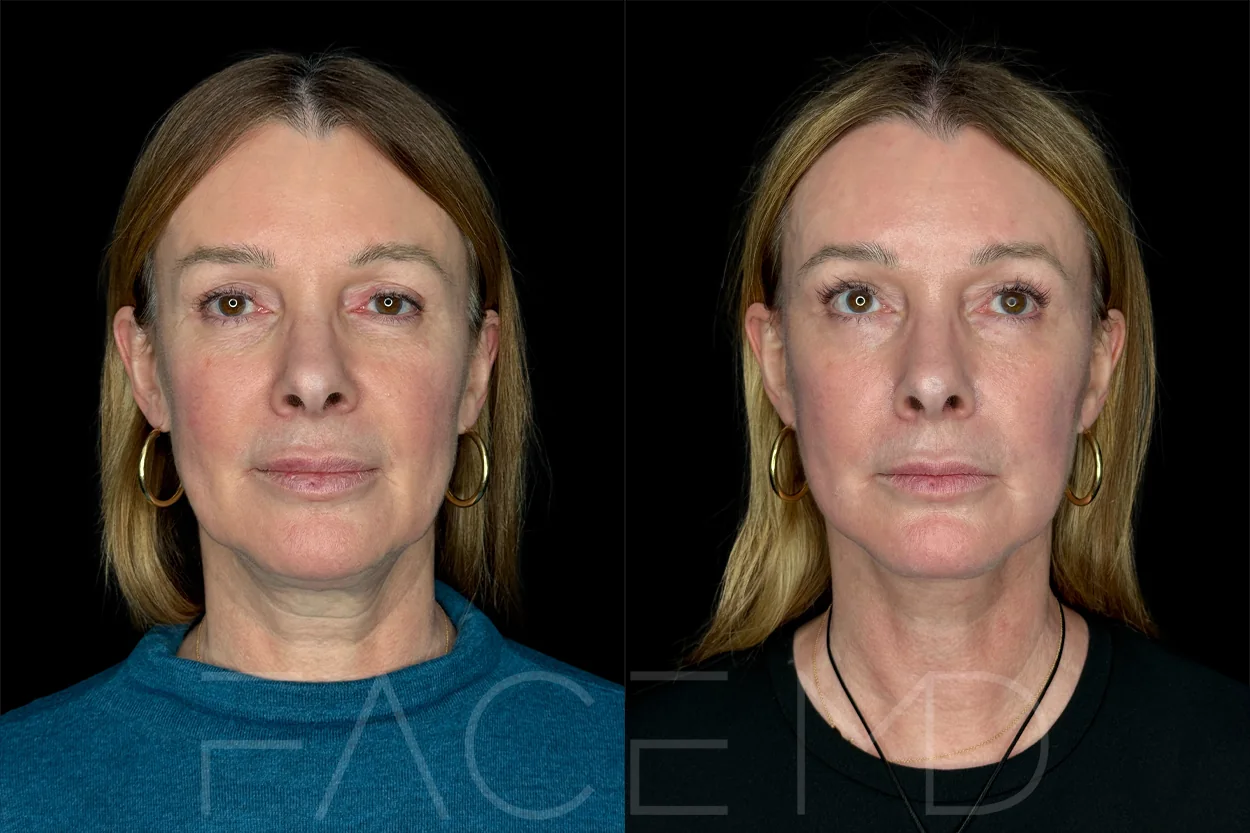
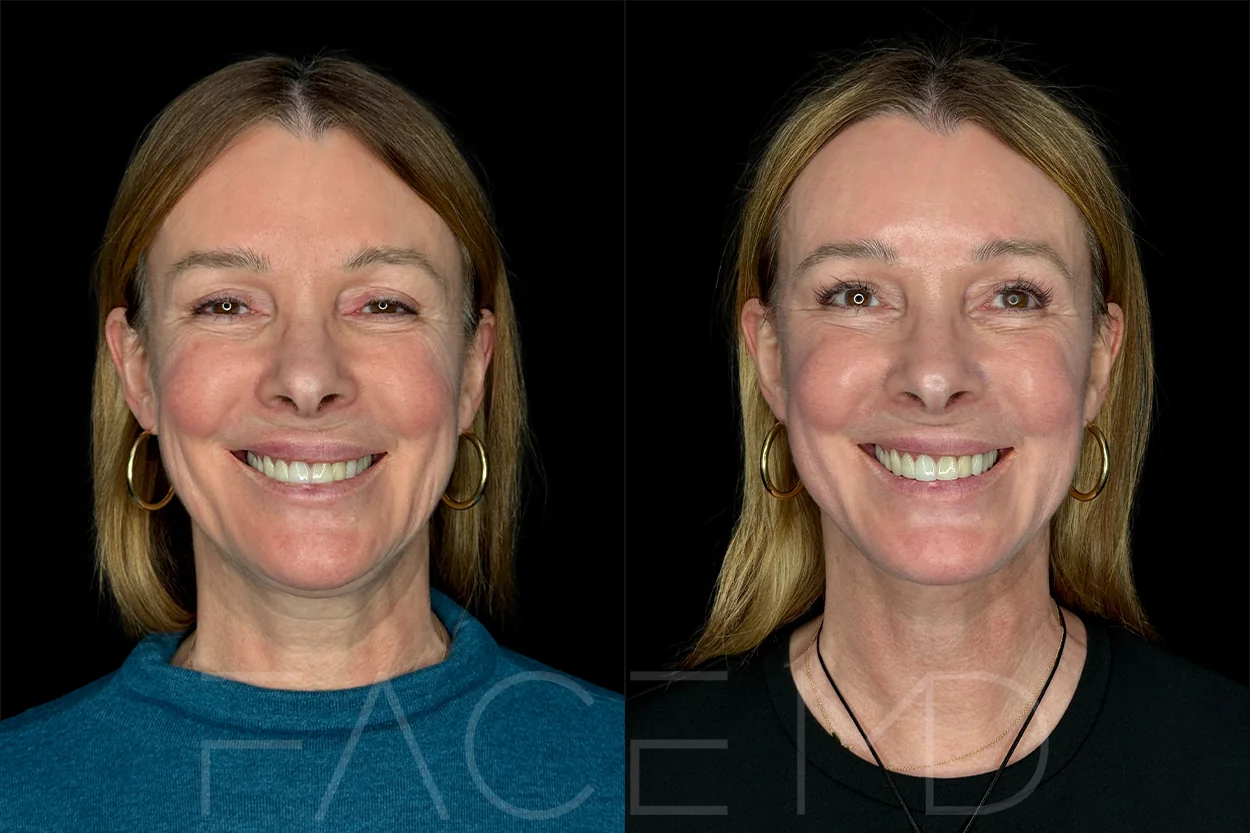
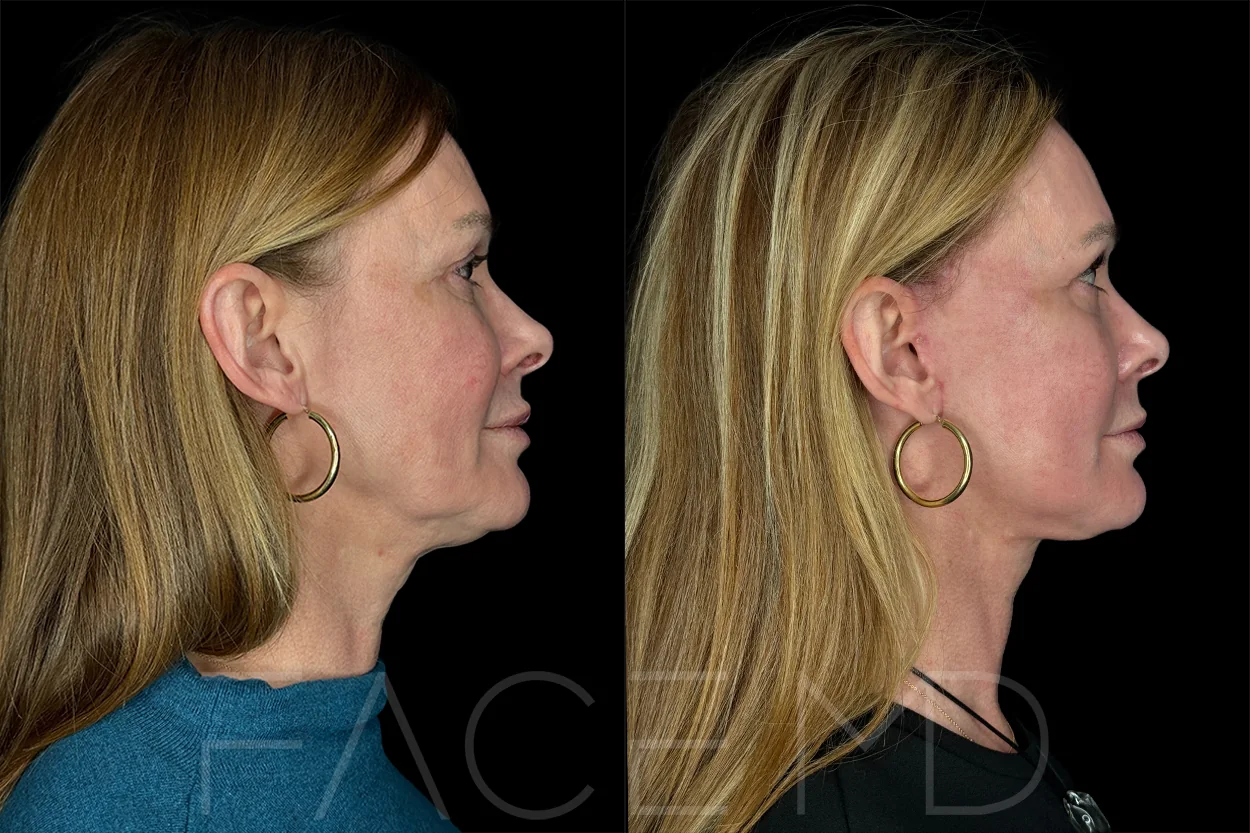
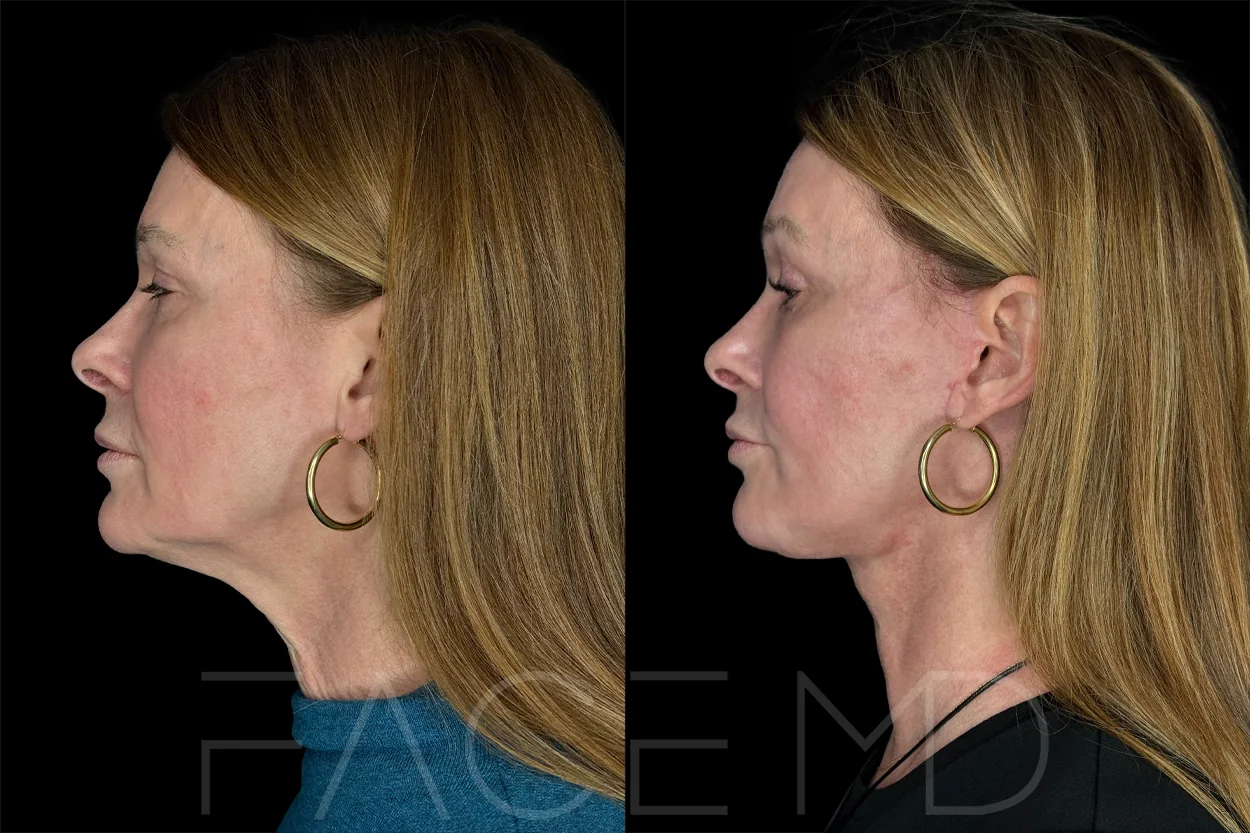
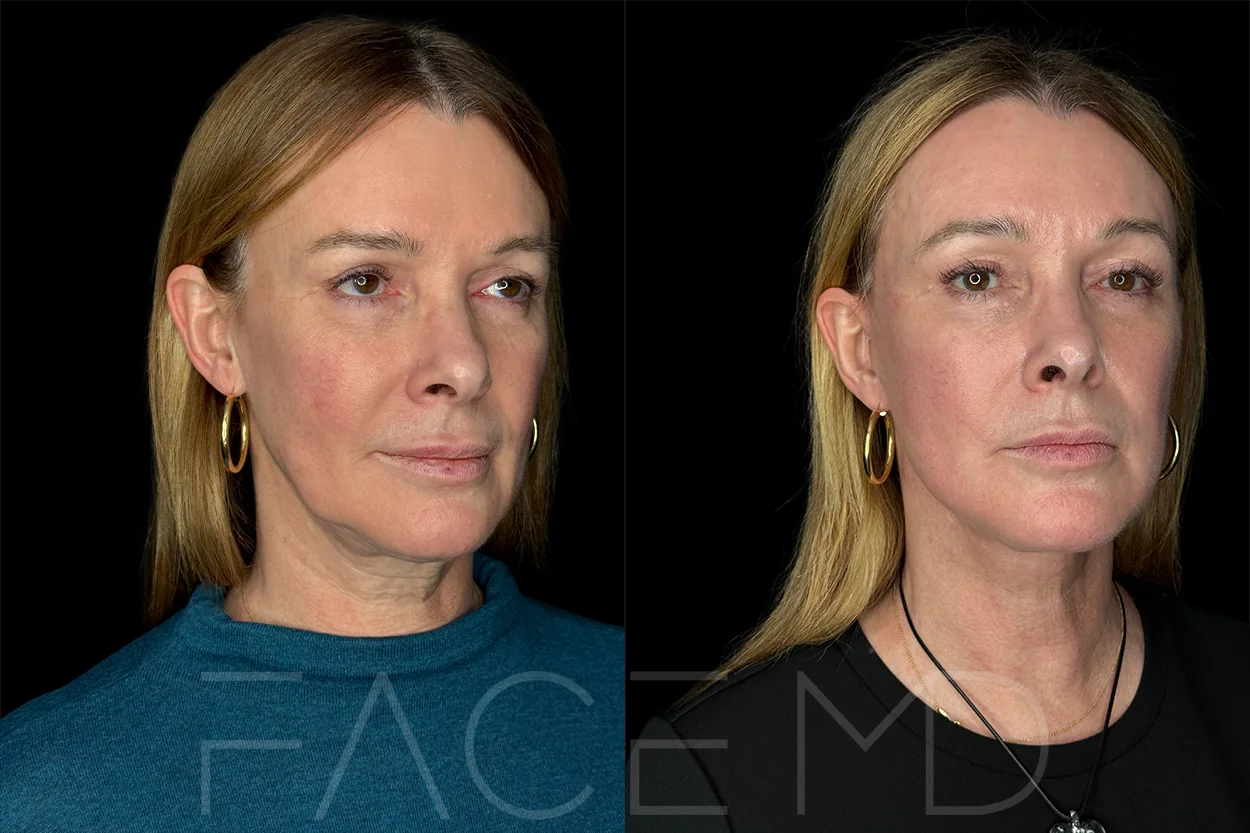
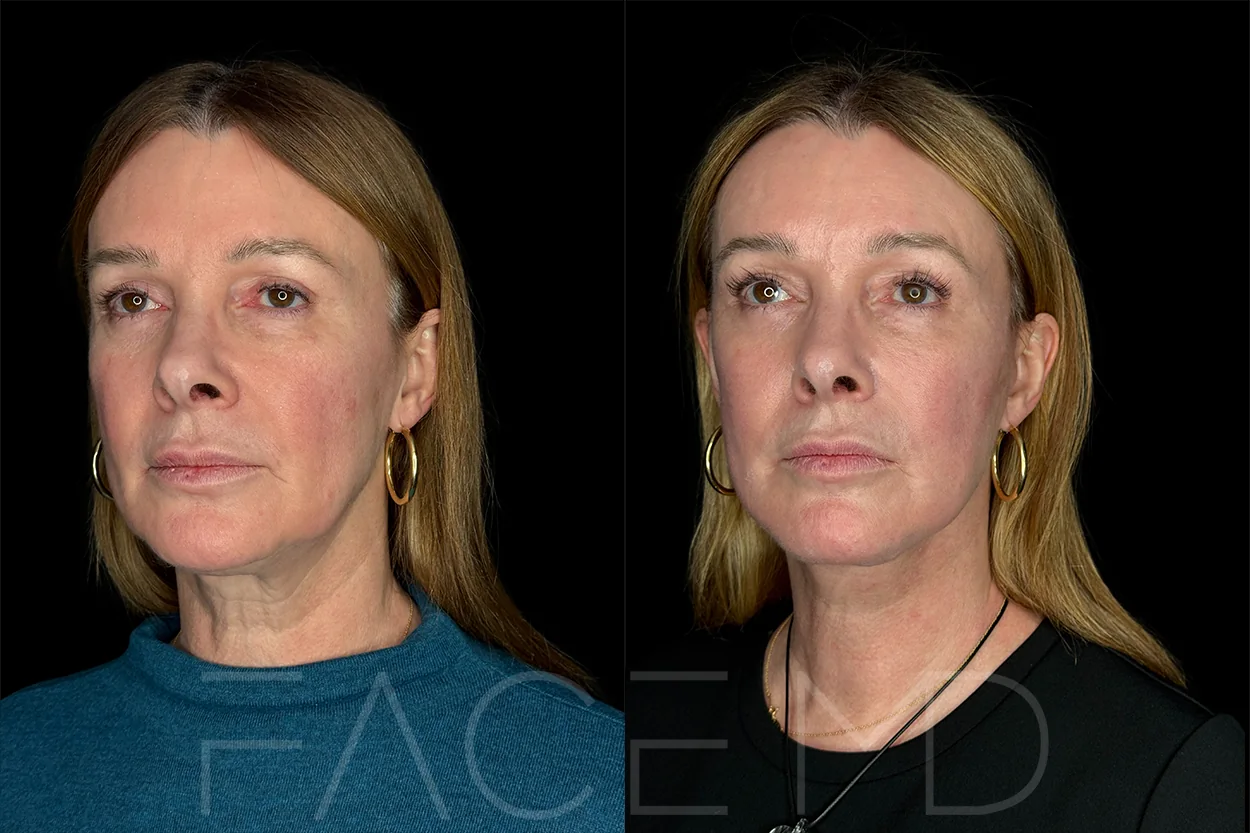
- 12 Months post-op Deep Plane Face & Neck Lift and Temporal Brow Lift
- 22 Months post-op Deep Plane Face & Neck Lift and Temporal Brow Lift
- 32 Months post-op Deep Plane Face & Neck Lift and Temporal Brow Lift
- 52 Months post-op Deep Plane Face & Neck Lift and Temporal Brow Lift
- 72 Months post-op Deep Plane Face & Neck Lift and Temporal Brow Lift
- 8
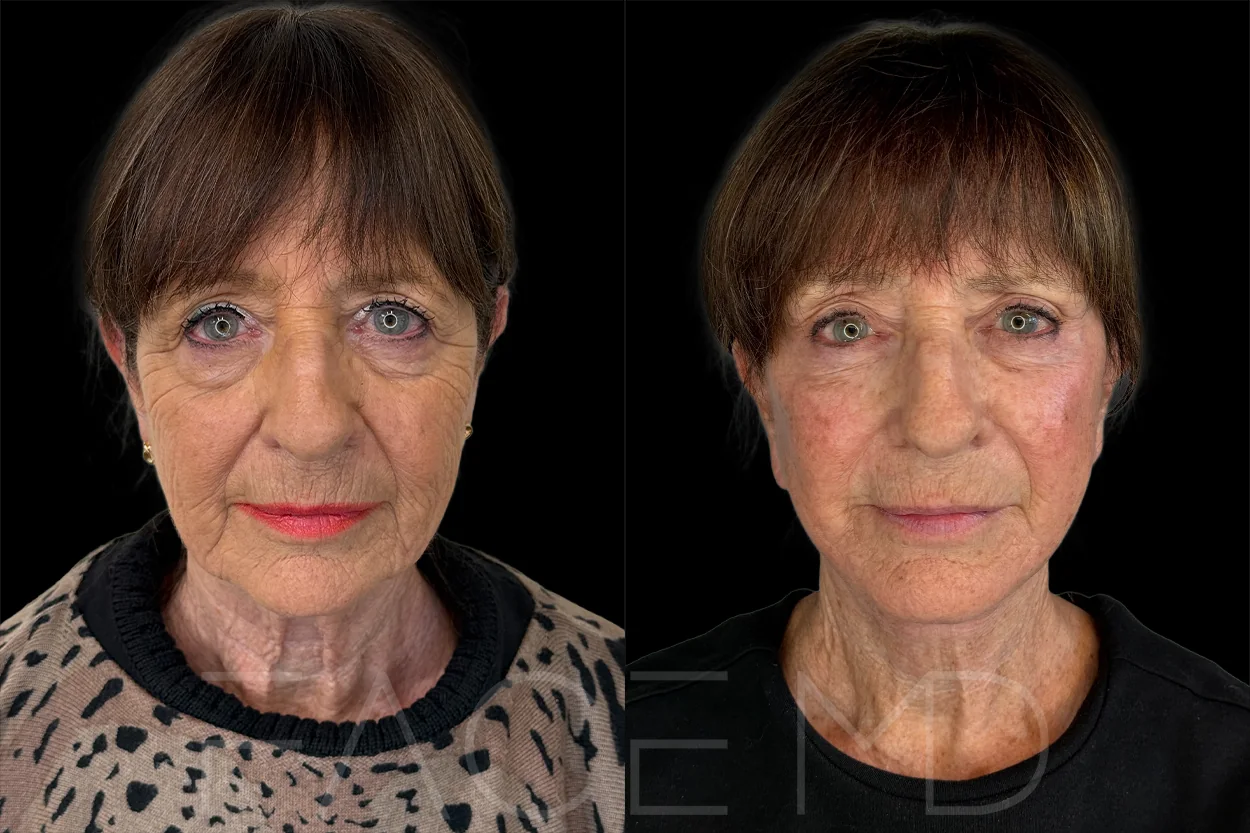
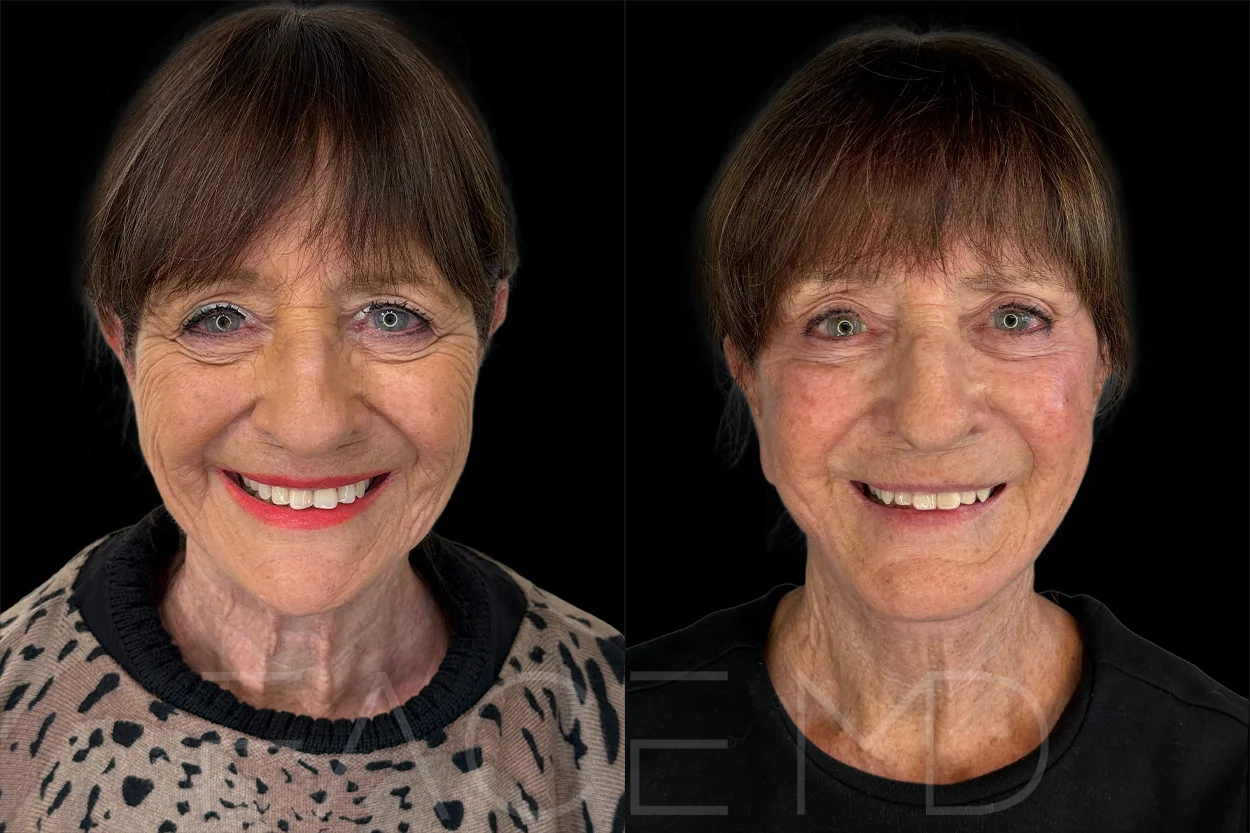
- 11 Month post-op Deep Plane Face & Neck Lift with Upper Lip Lift
- 21 Month post-op Deep Plane Face & Neck Lift with Upper Lip Lift
- 31 Month post-op Deep Plane Face & Neck Lift with Upper Lip Lift
- 41 Month post-op Deep Plane Face & Neck Lift with Upper Lip Lift
- 51 Month post-op Deep Plane Face & Neck Lift with Upper Lip Lift
- 61 Month post-op Deep Plane Face & Neck Lift with Upper Lip Lift
- 71 Month post-op Deep Plane Face & Neck Lift with Upper Lip Lift
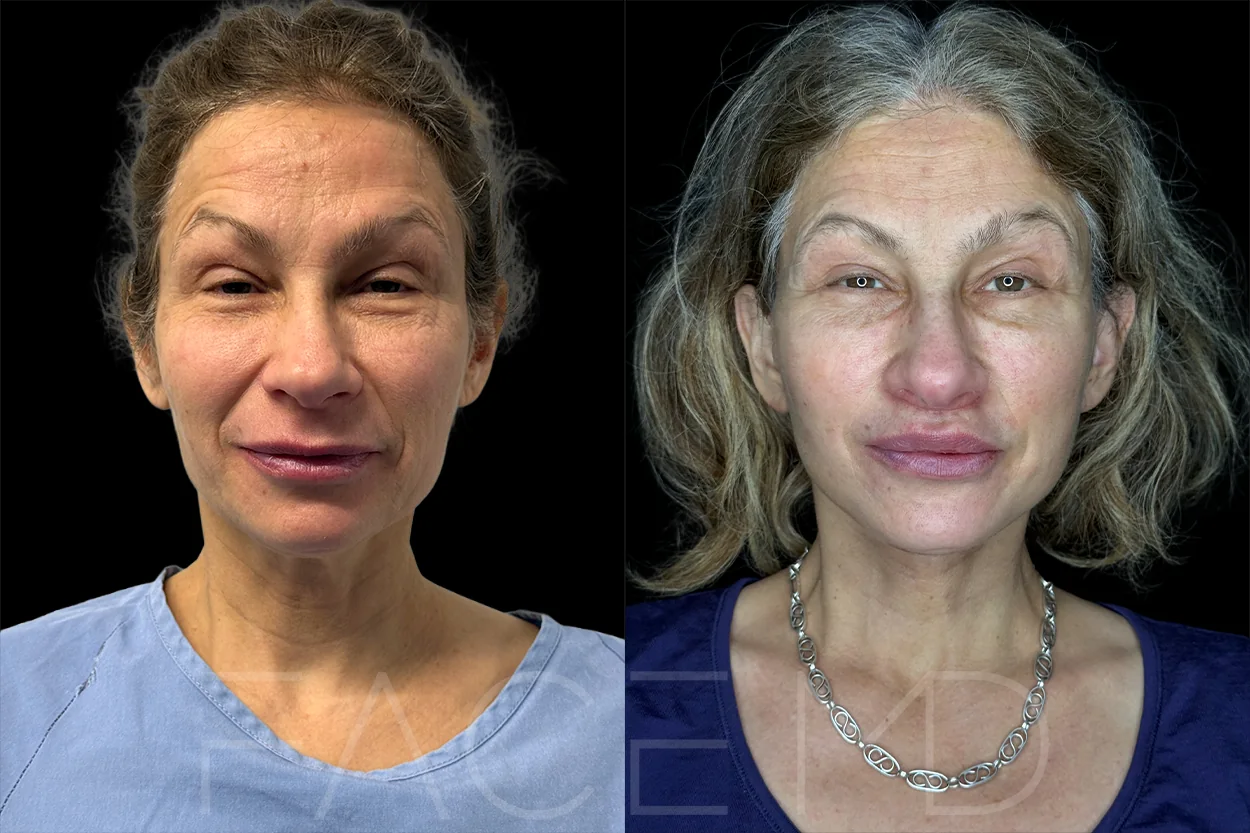
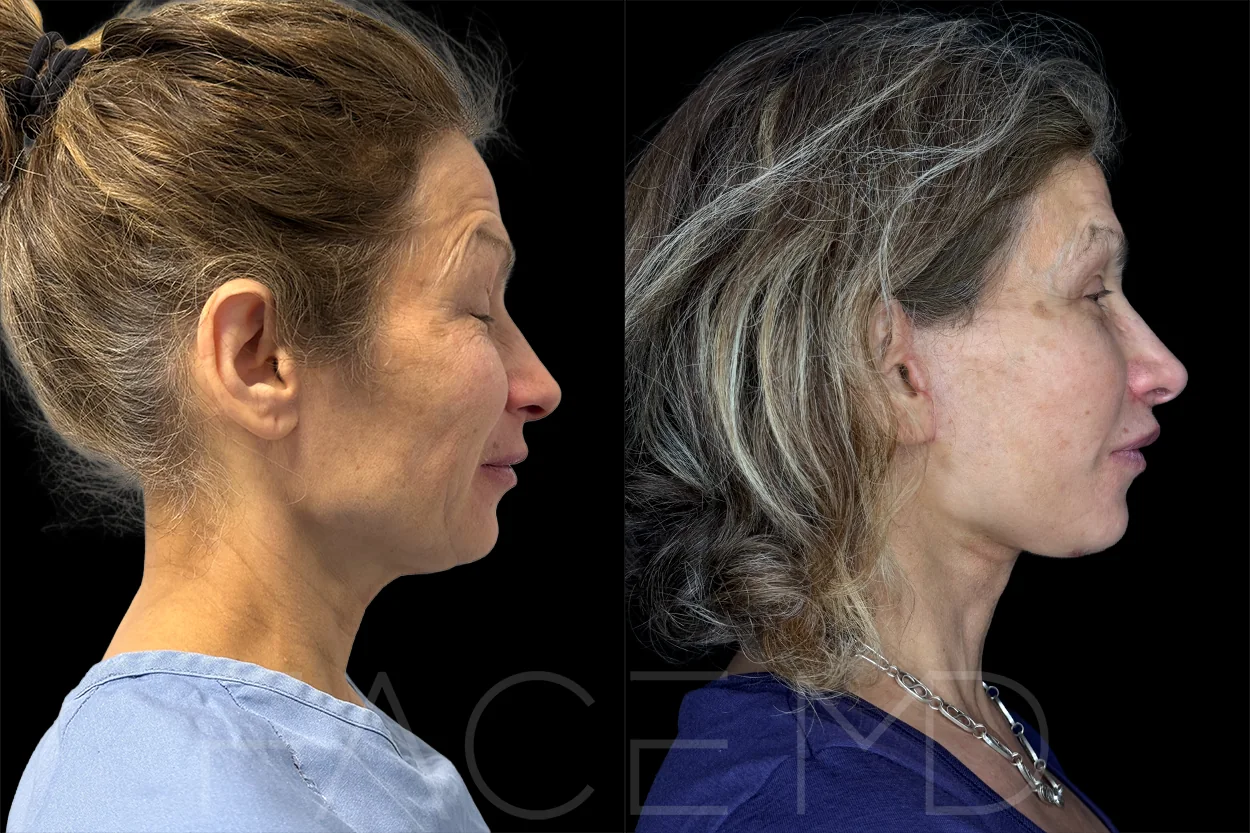
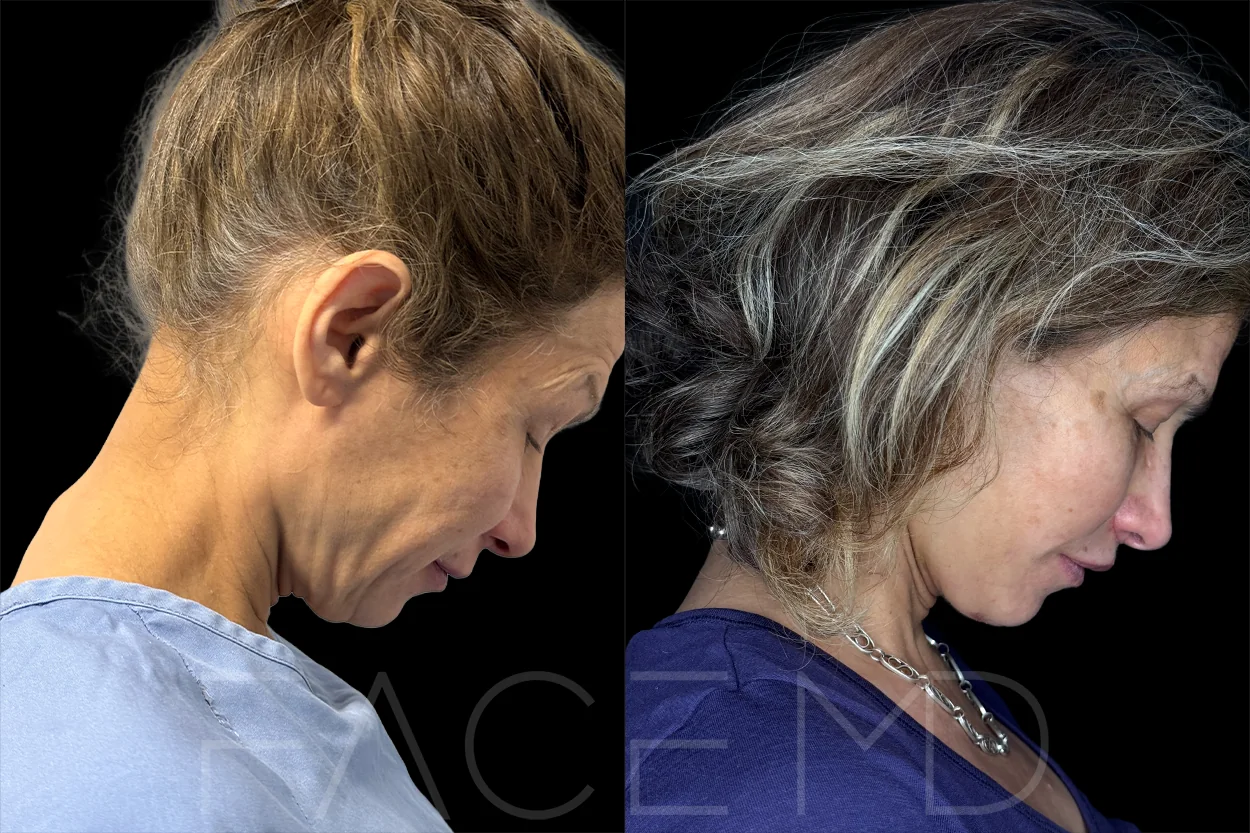
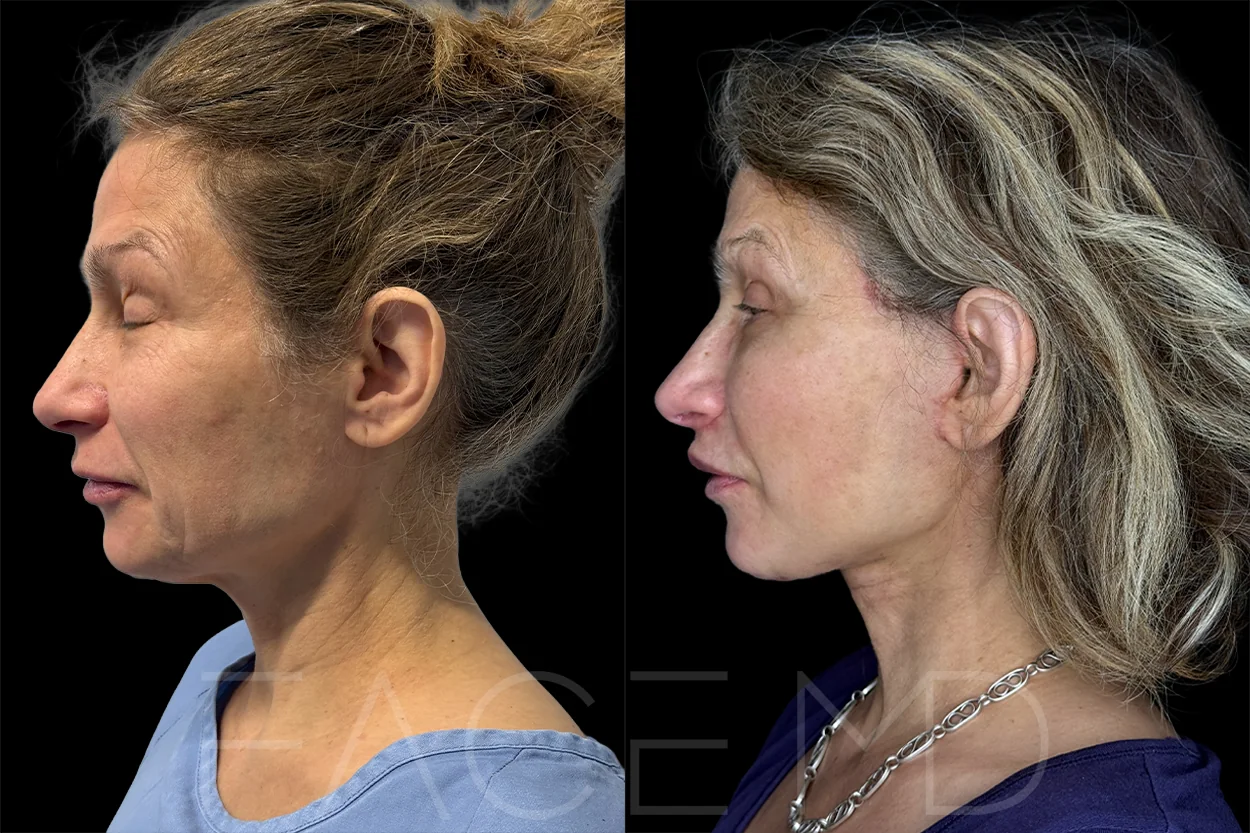
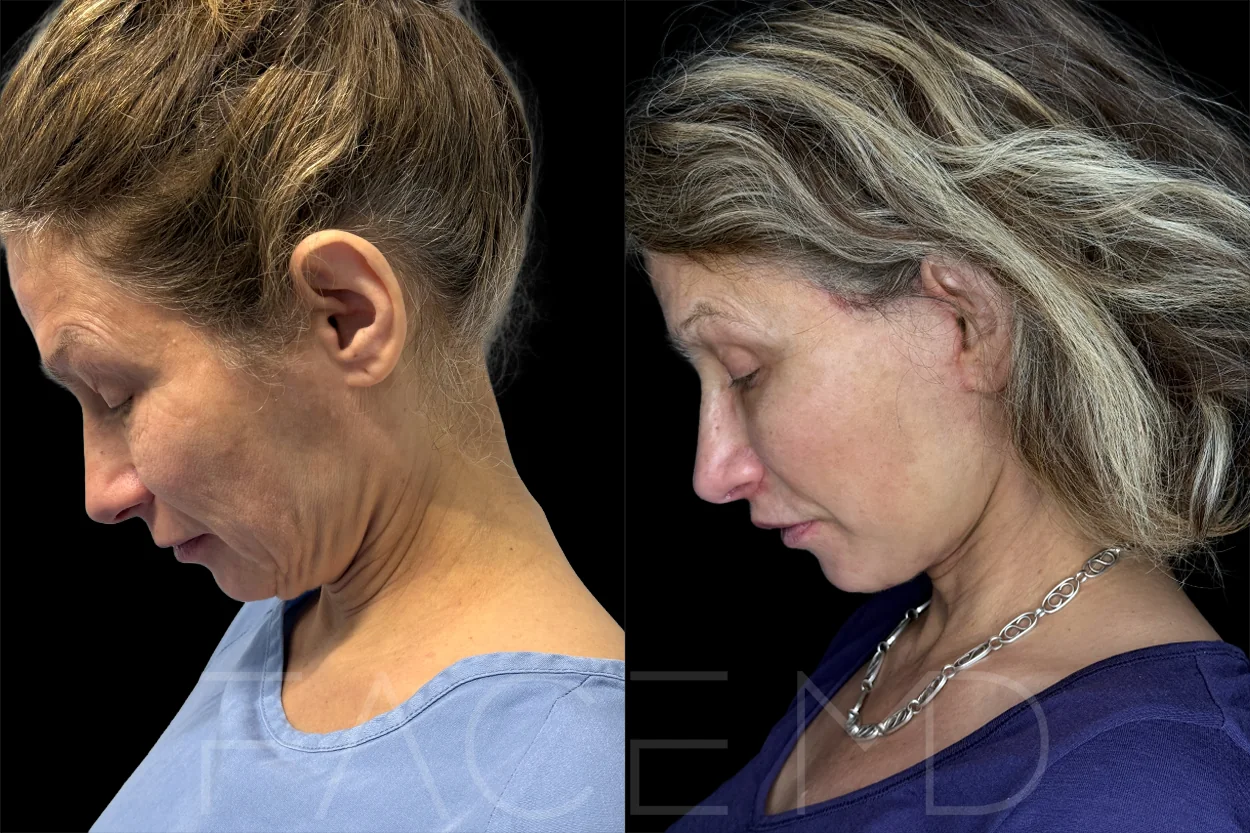
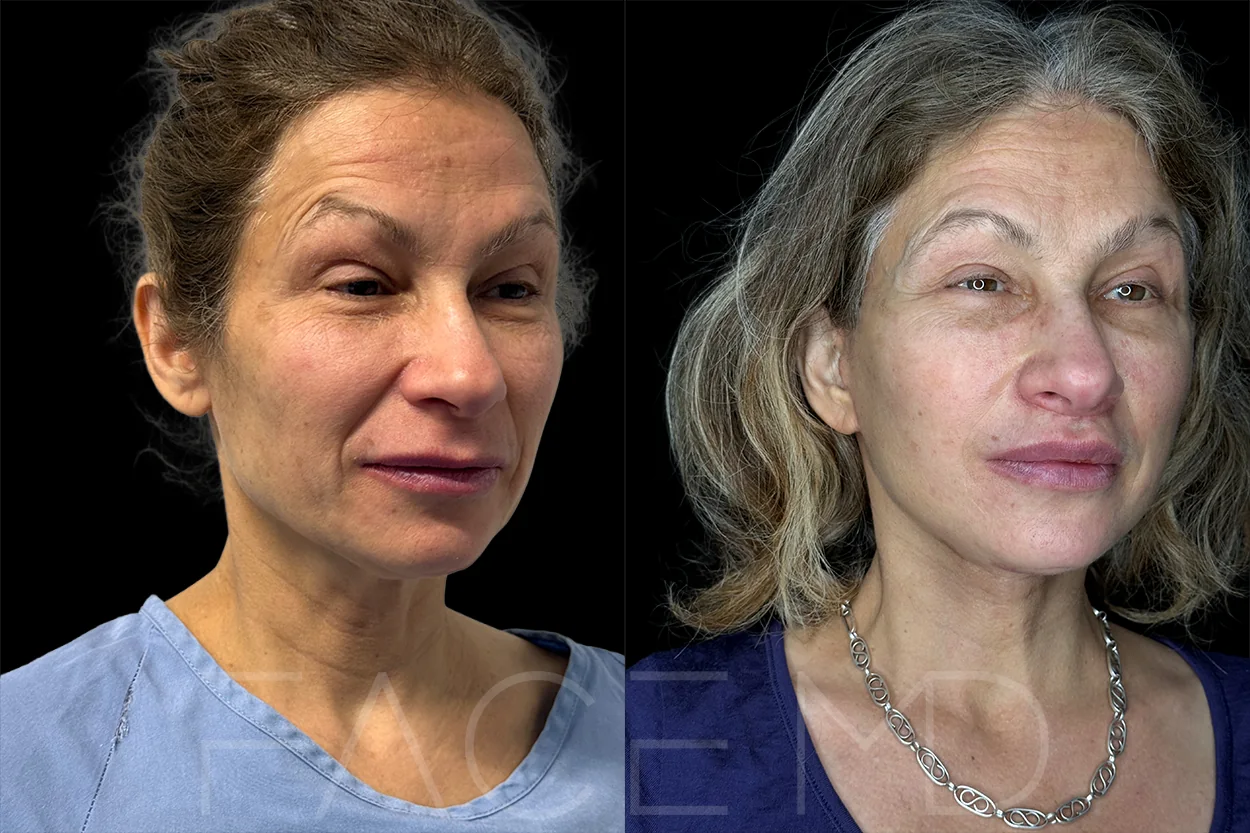
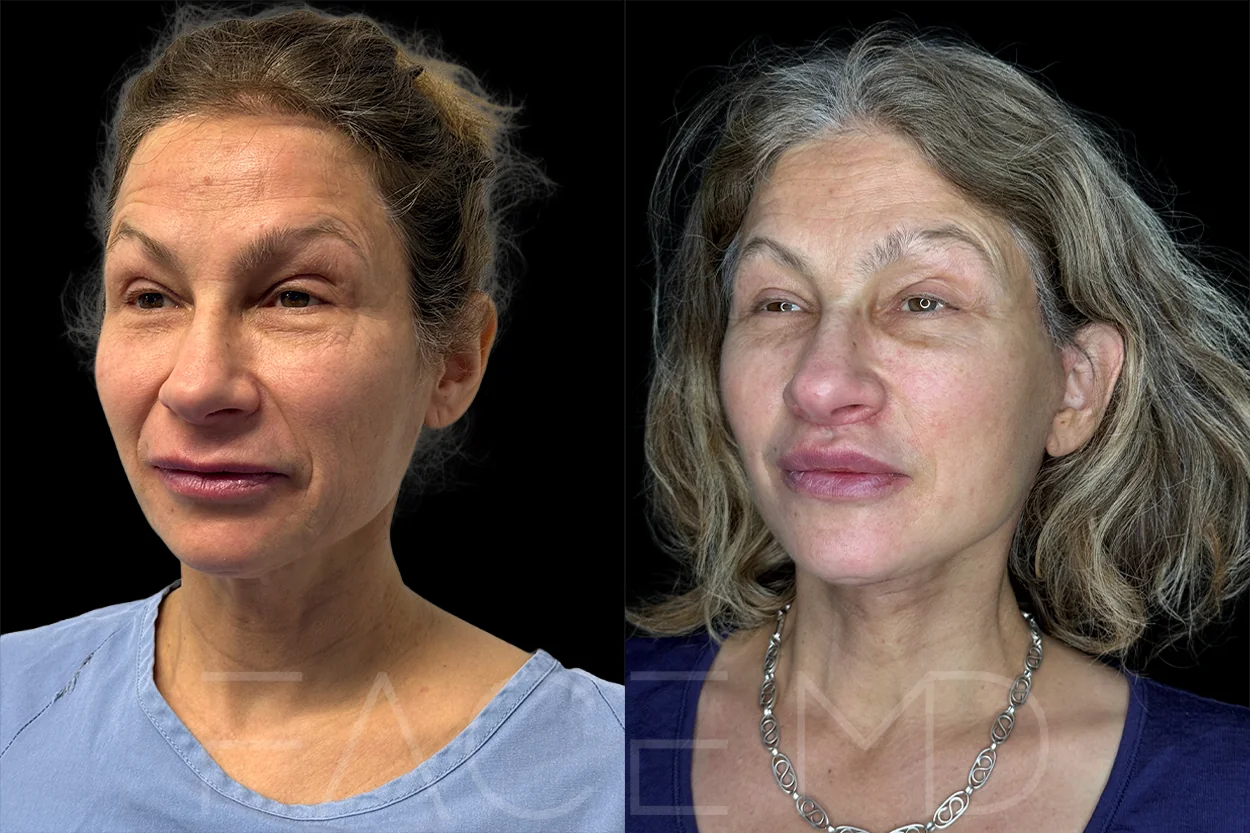
- 12 Months post-op Deep Plane Face & Neck Lift
- 22 Months post-op Deep Plane Face & Neck Lift
- 32 Months post-op Deep Plane Face & Neck Lift
- 42 Months post-op Deep Plane Face & Neck Lift
- 52 Months post-op Deep Plane Face & Neck Lift
- 62 Months post-op Deep Plane Face & Neck Lift
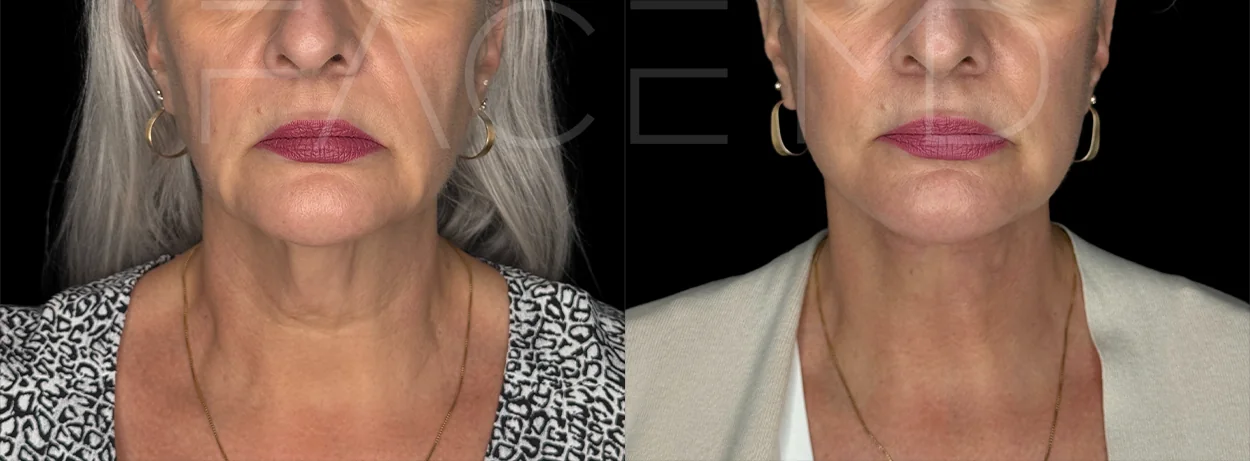
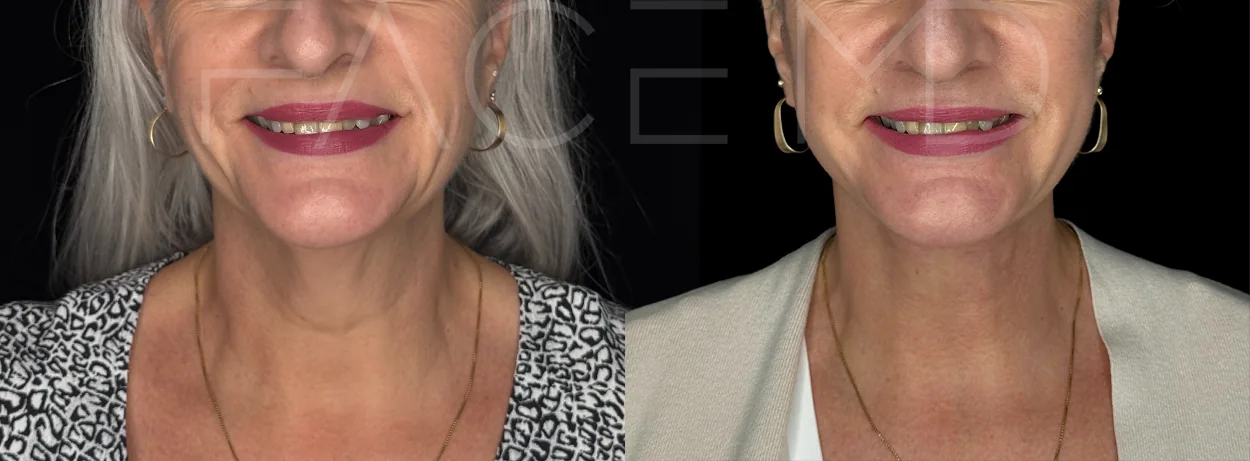
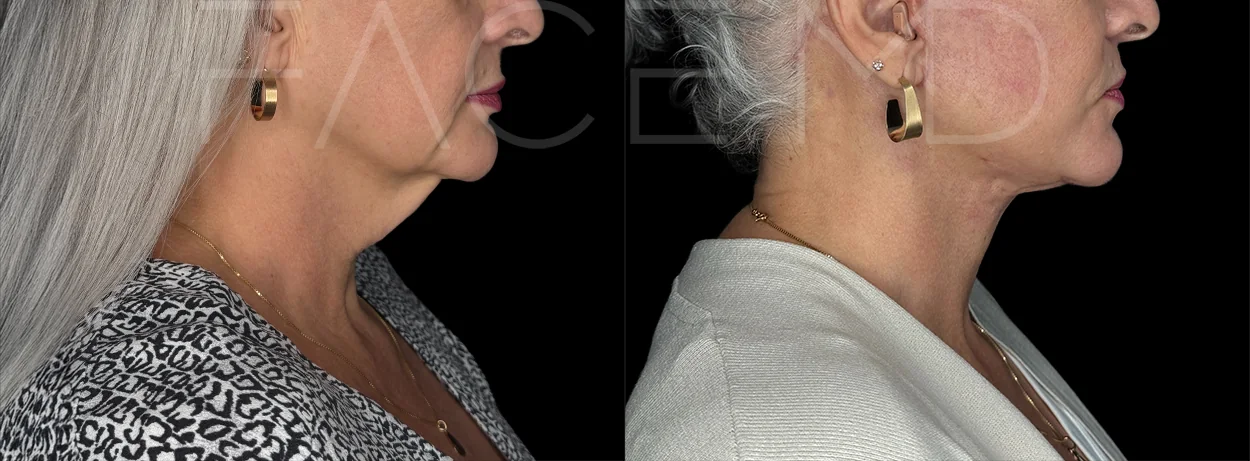
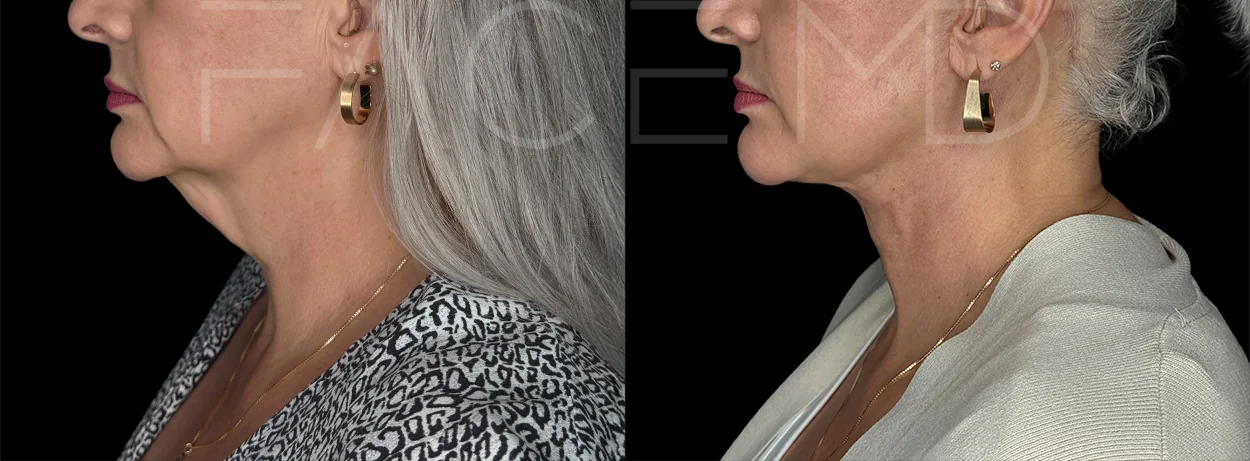
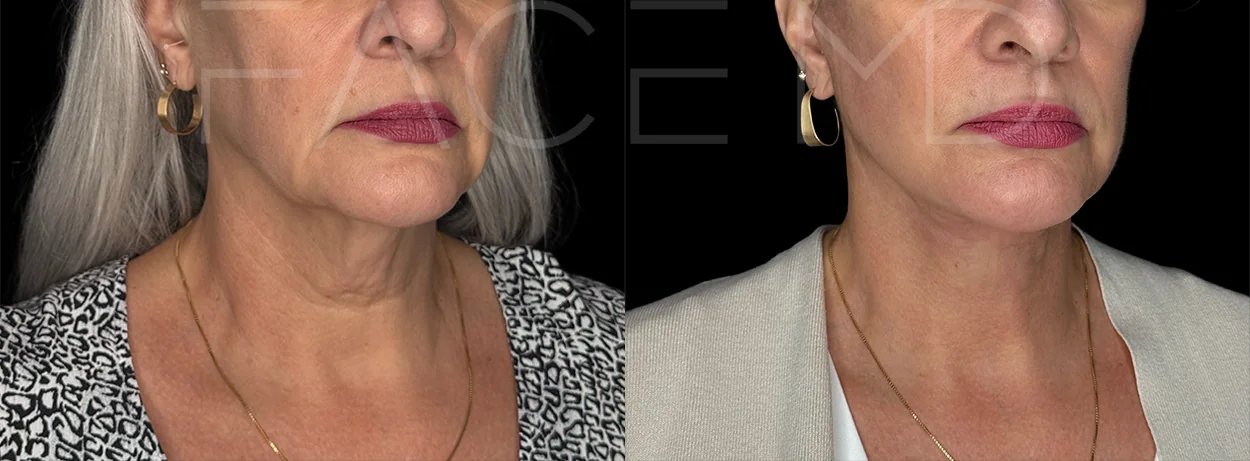
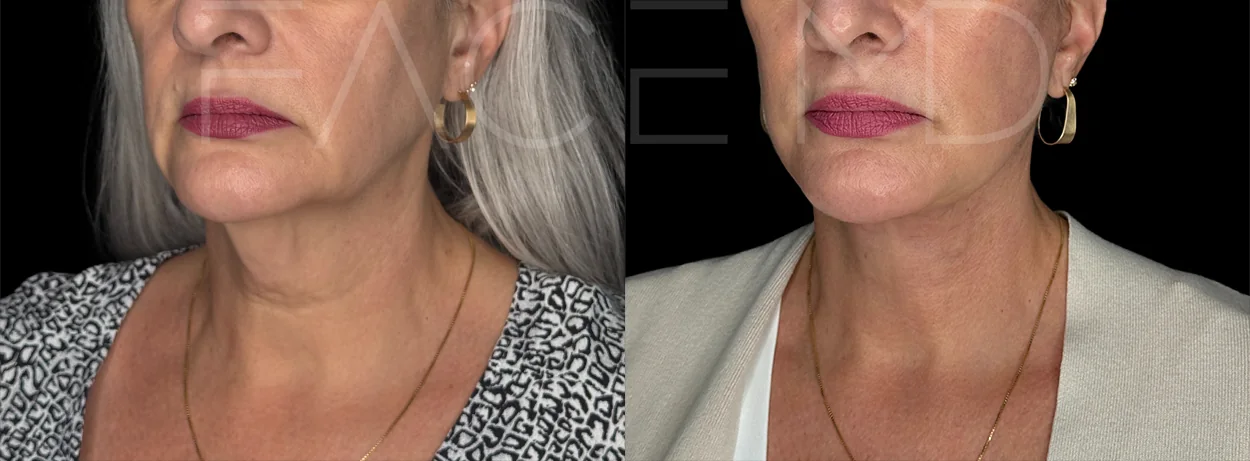
- 24 Months post-op Deep Plane Face & Neck Lift
- 14 Months post-op Deep Plane Face & Neck Lift
- 34 Months post-op Deep Plane Face & Neck Lift
- 44 Months post-op Deep Plane Face & Neck Lift
- 54 Months post-op Deep Plane Face & Neck Lift
- 74 Months post-op Deep Plane Face & Neck Lift
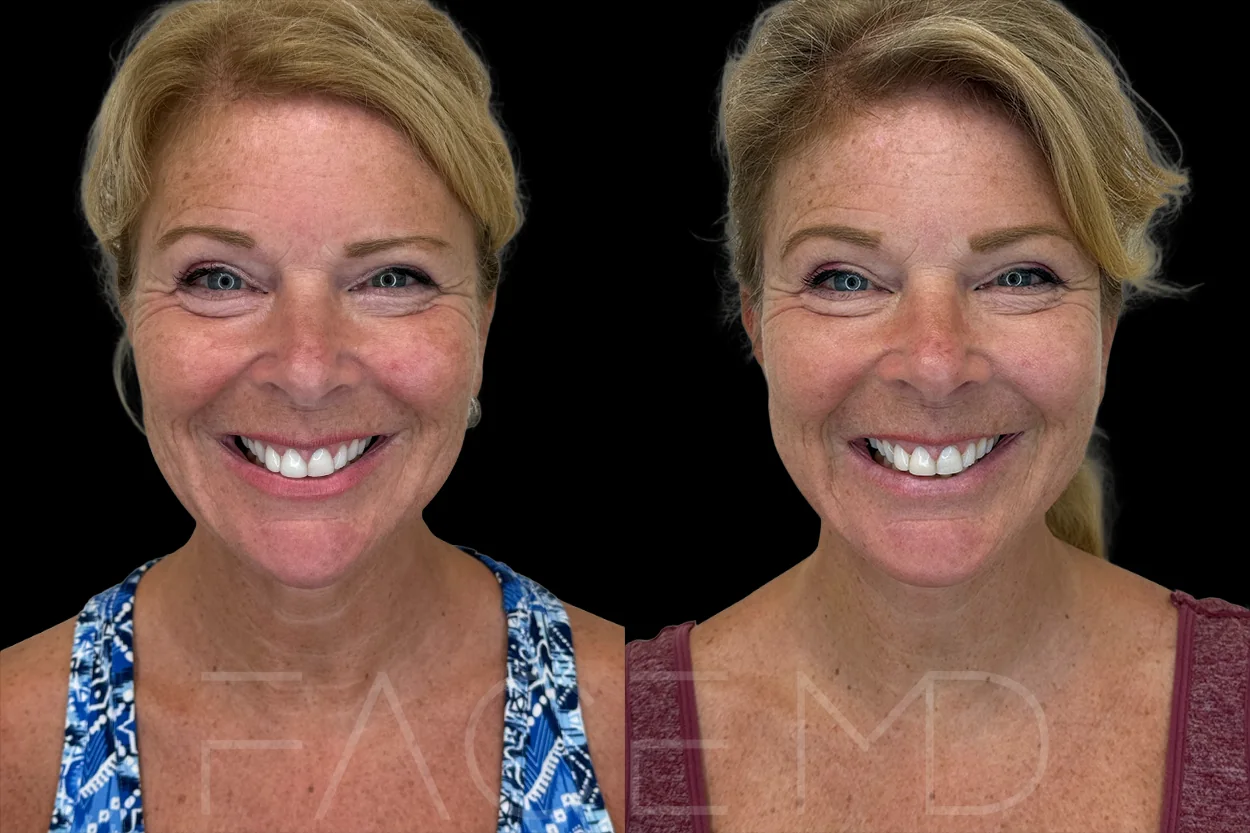
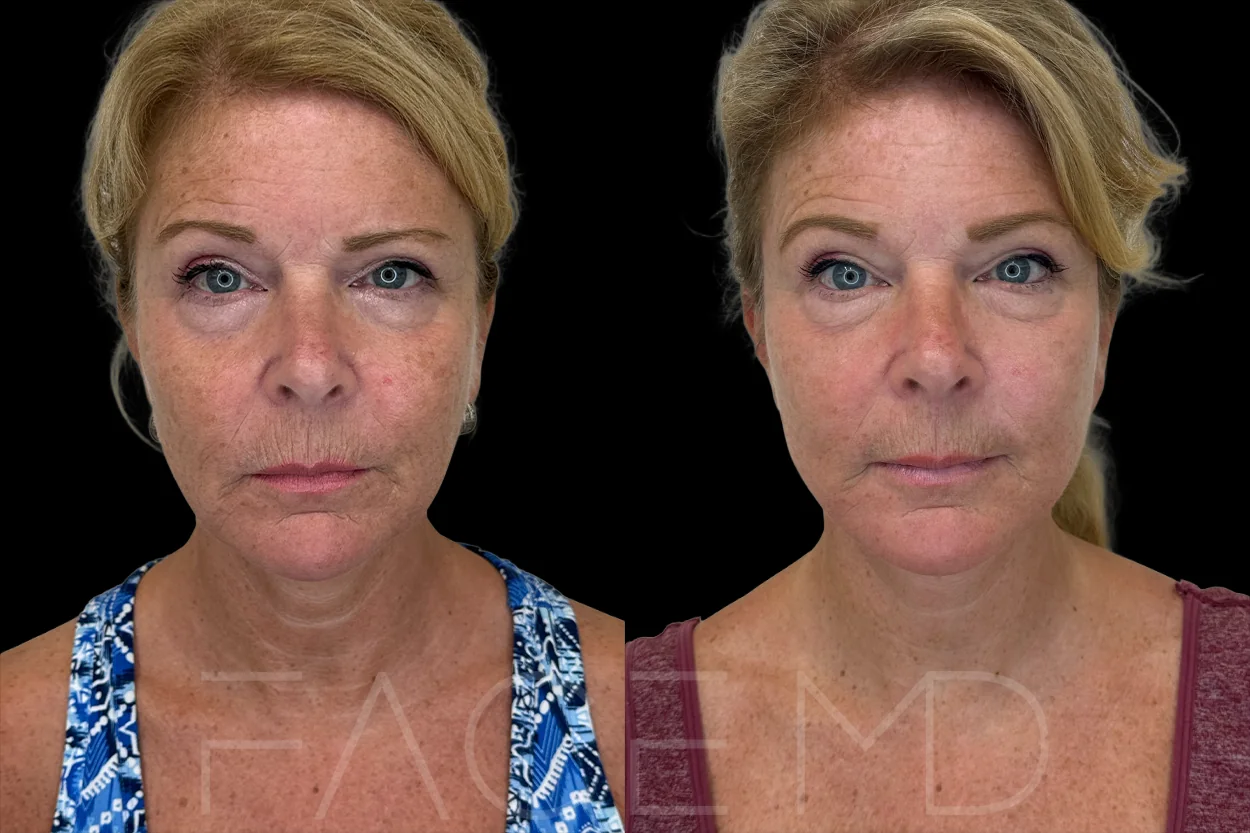
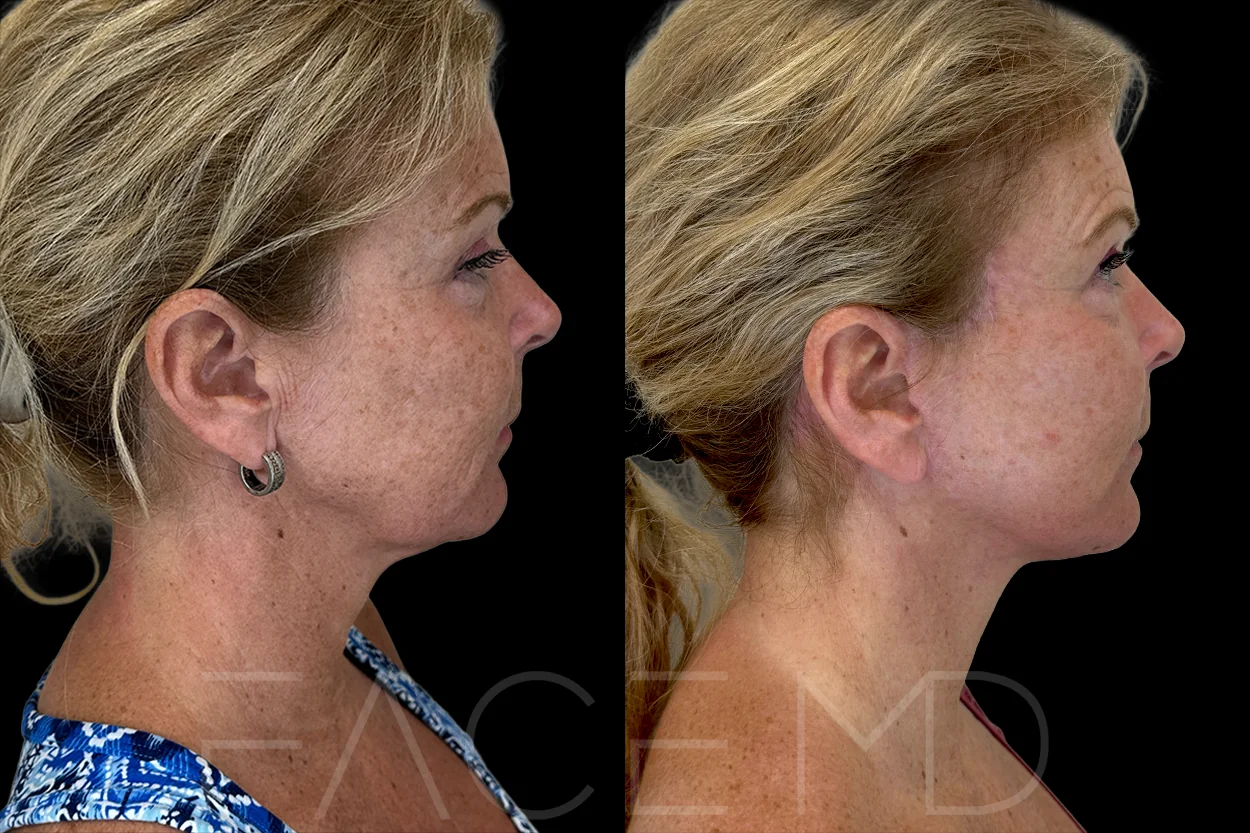
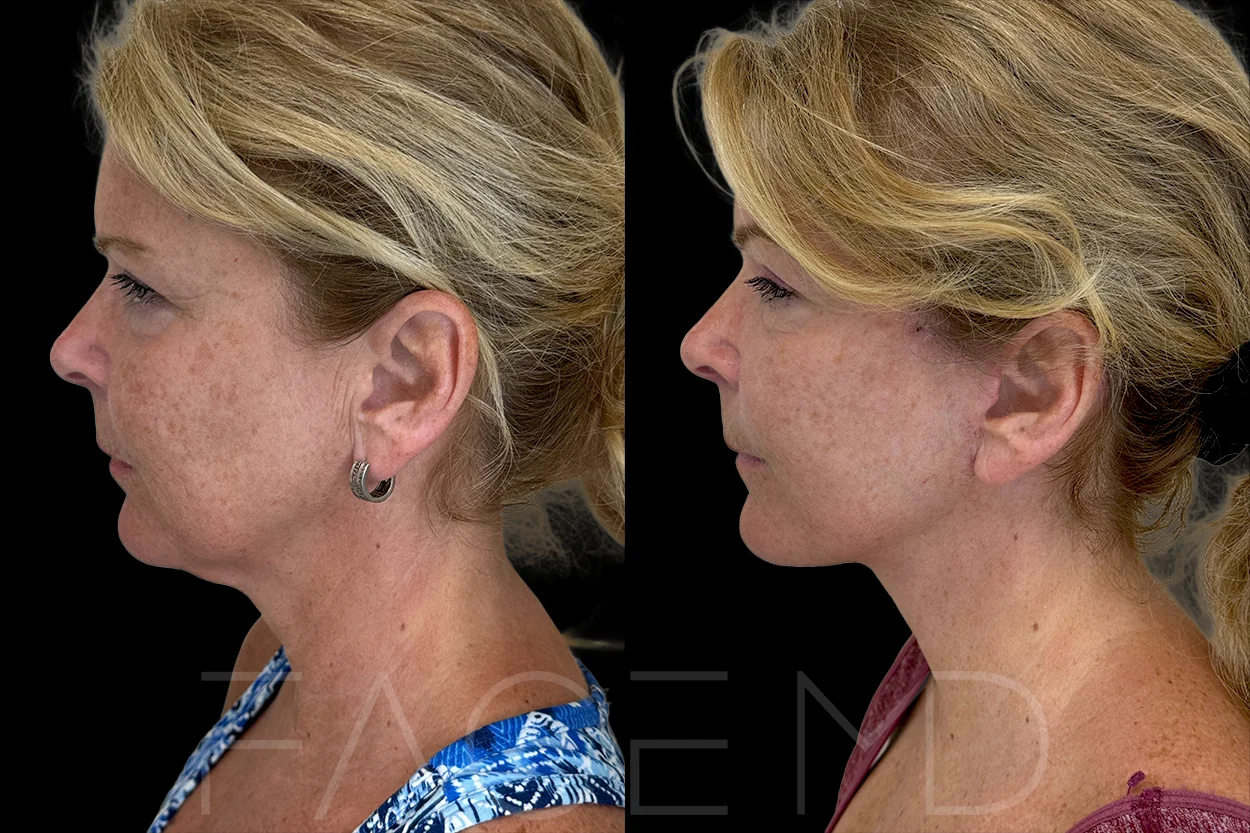
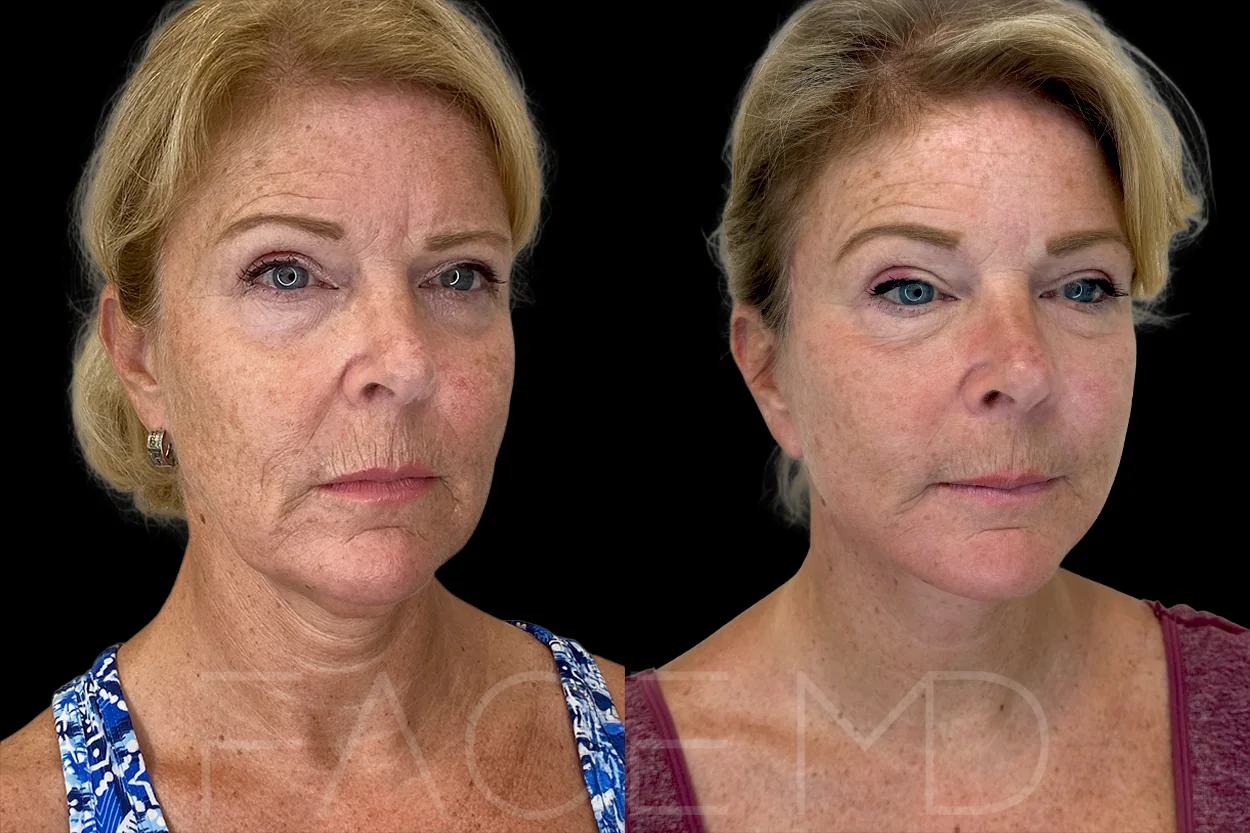
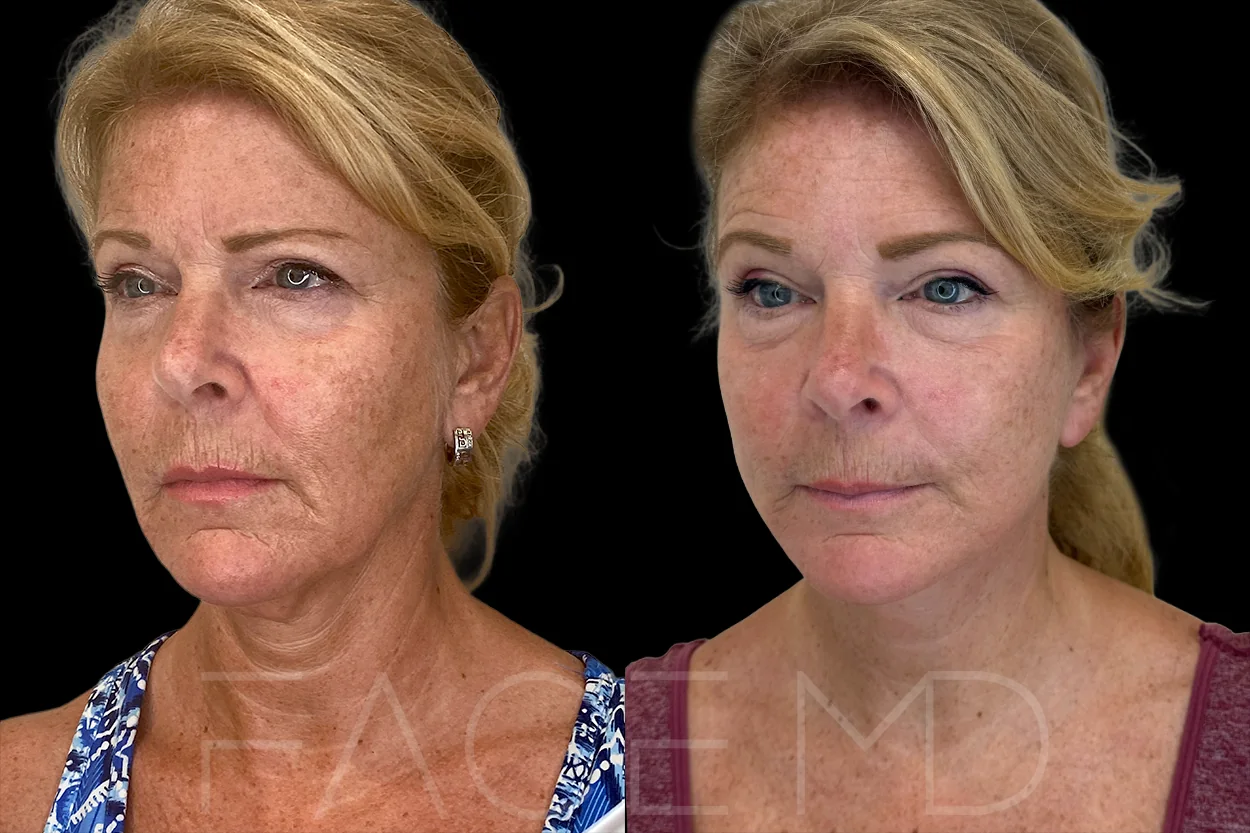
- 14.5 Months post-op Deep Plane Face & Neck Lift, Upper Blepharoplasty and Full Face CO2 Laser
- 24.5 Months post-op Deep Plane Face & Neck Lift, Upper Blepharoplasty and Full Face CO2 Laser
- 34.5 Months post-op Deep Plane Face & Neck Lift, Upper Blepharoplasty and Full Face CO2 Laser
- 54.5 Months post-op Deep Plane Face & Neck Lift, Upper Blepharoplasty and Full Face CO2 Laser
- 74.5 Months post-op Deep Plane Face & Neck Lift, Upper Blepharoplasty and Full Face CO2 Laser
- 84.5 Months post-op Deep Plane Face & Neck Lift, Upper Blepharoplasty and Full Face CO2 Laser
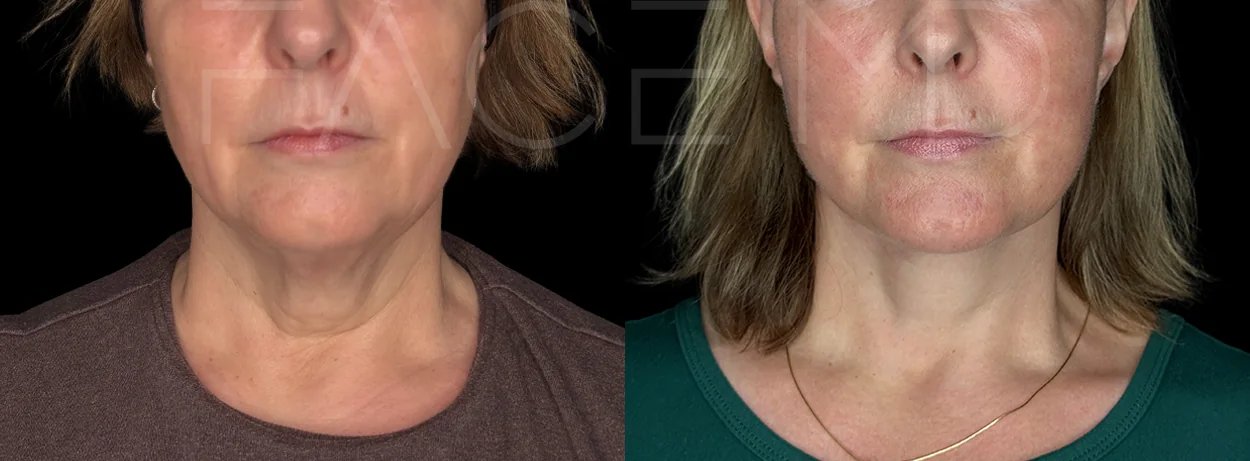
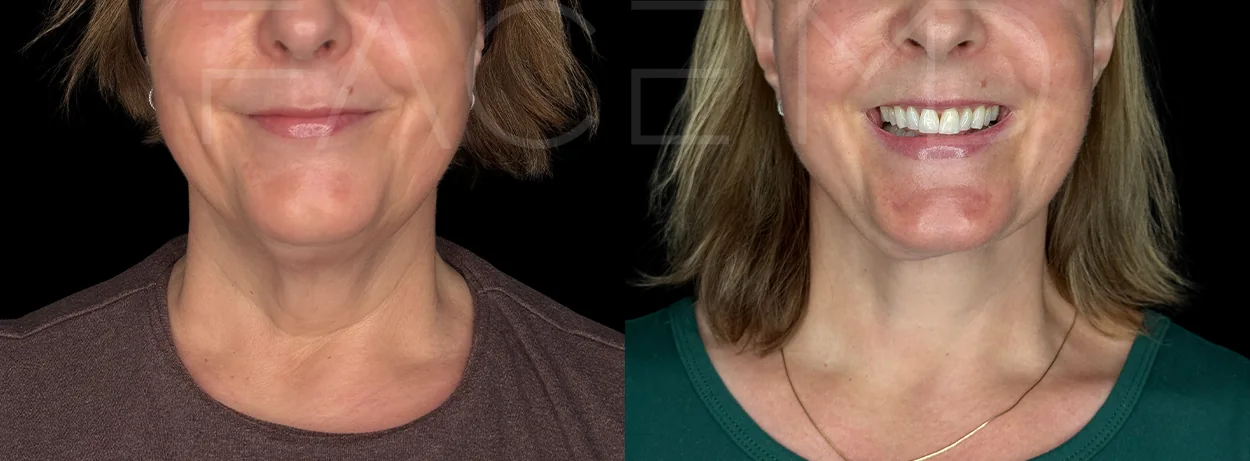
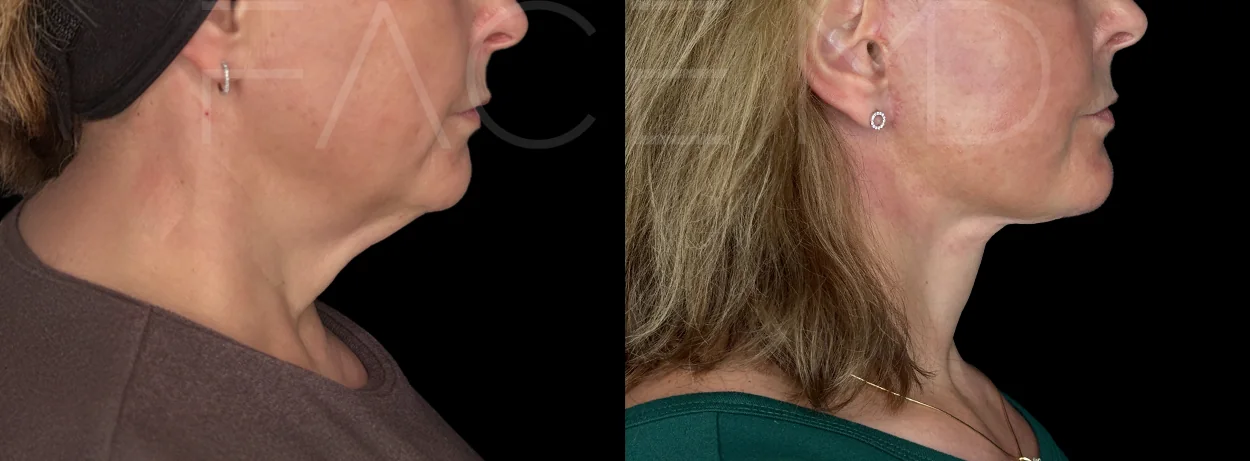
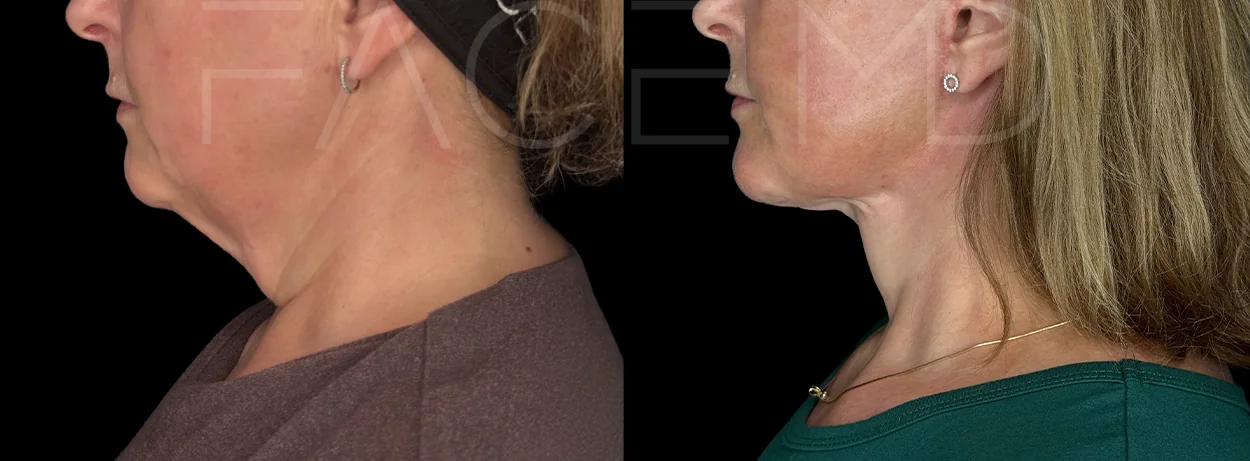
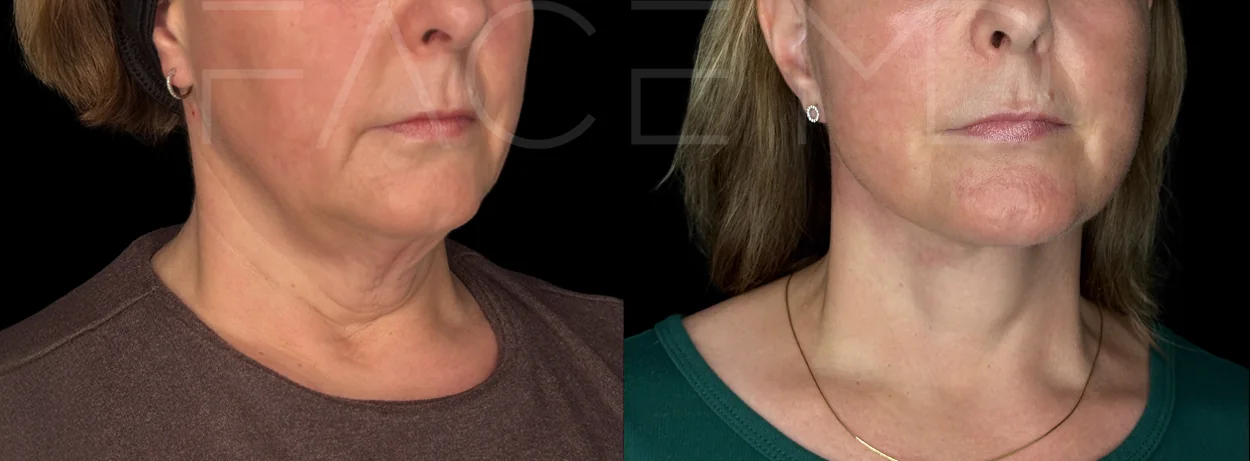
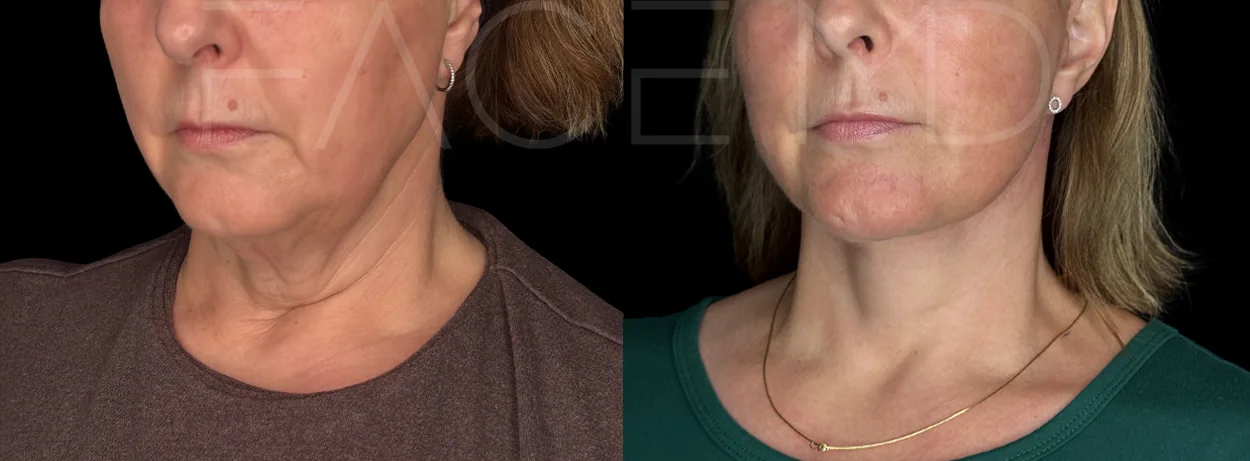
- 11.5 Months post-op Deep Plane Face & Neck Lift
- 21.5 Months post-op Deep Plane Face & Neck Lift
- 31.5 Months post-op Deep Plane Face & Neck Lift
- 41.5 Months post-op Deep Plane Face & Neck Lift
- 61.5 Months post-op Deep Plane Face & Neck Lift
- 51.5 Months post-op Deep Plane Face & Neck Lift
- 71.5 Months post-op Deep Plane Face & Neck Lift
- 8
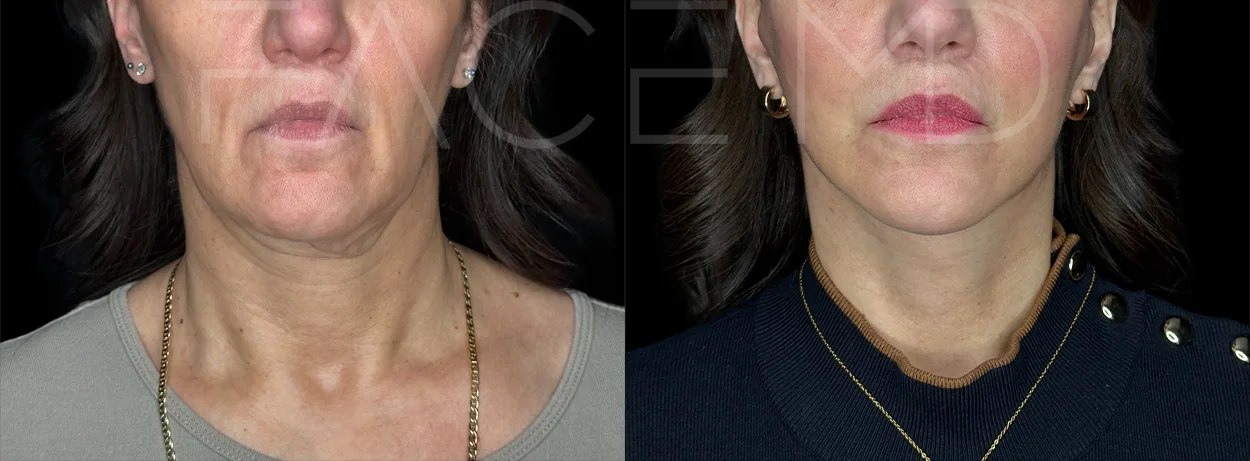
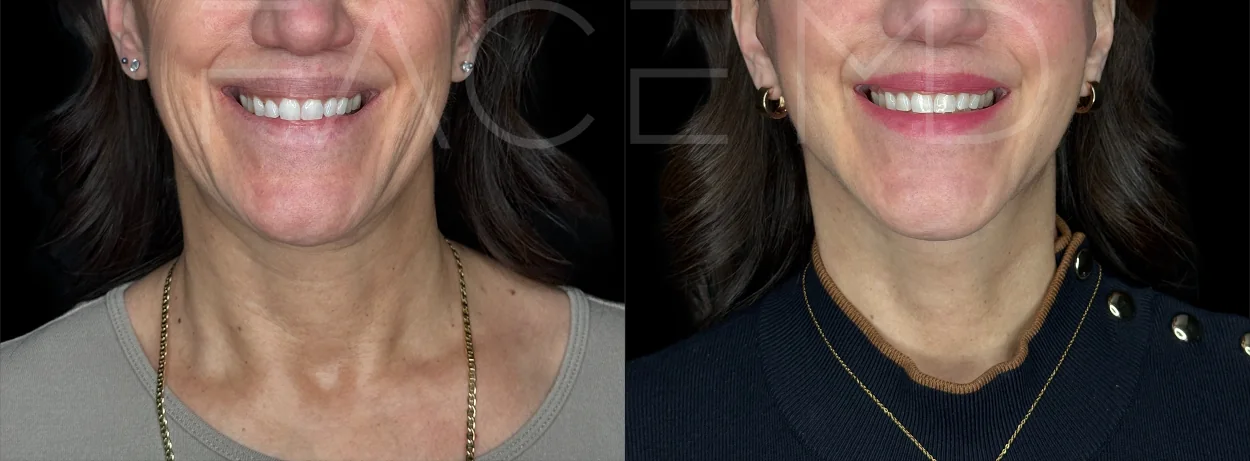
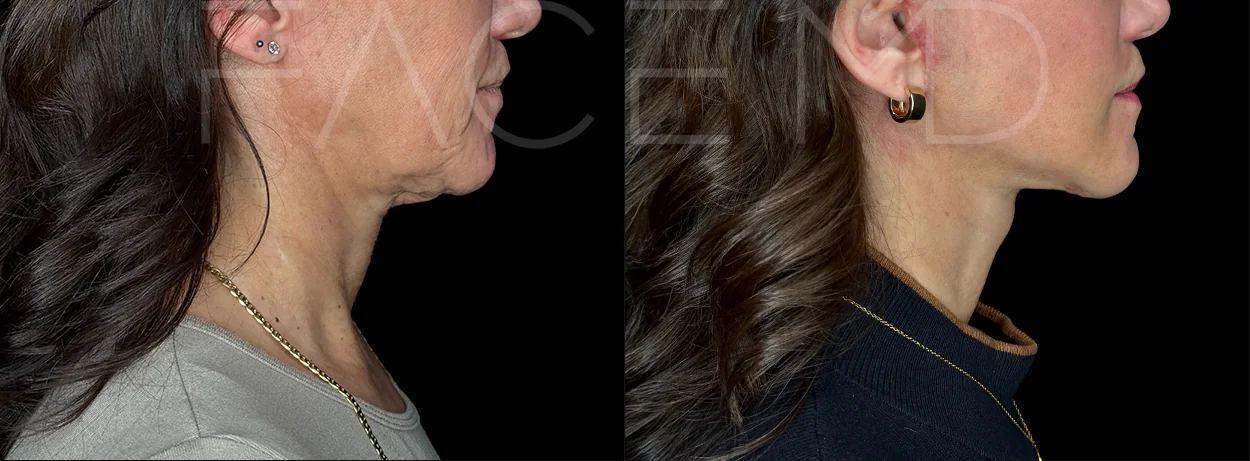
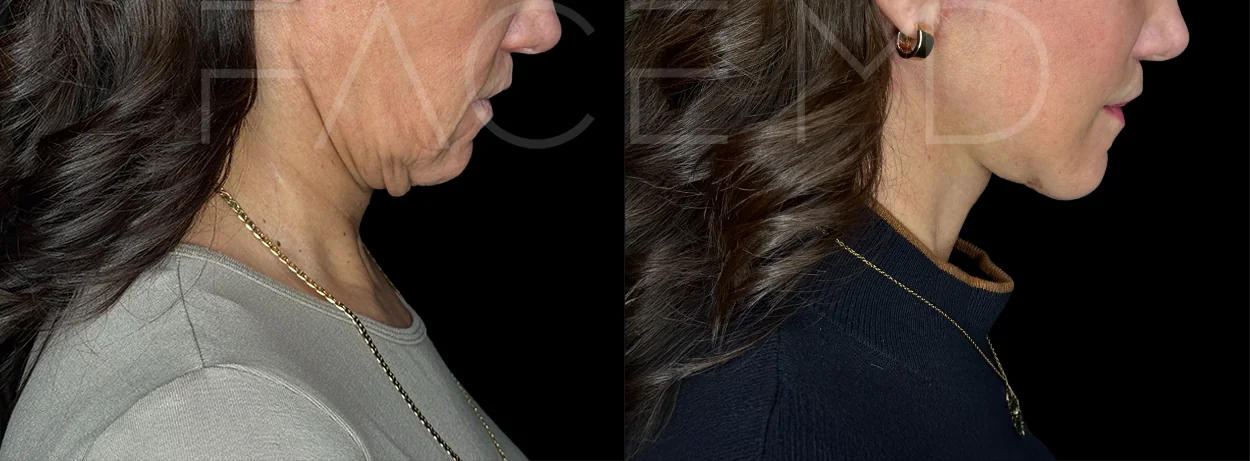
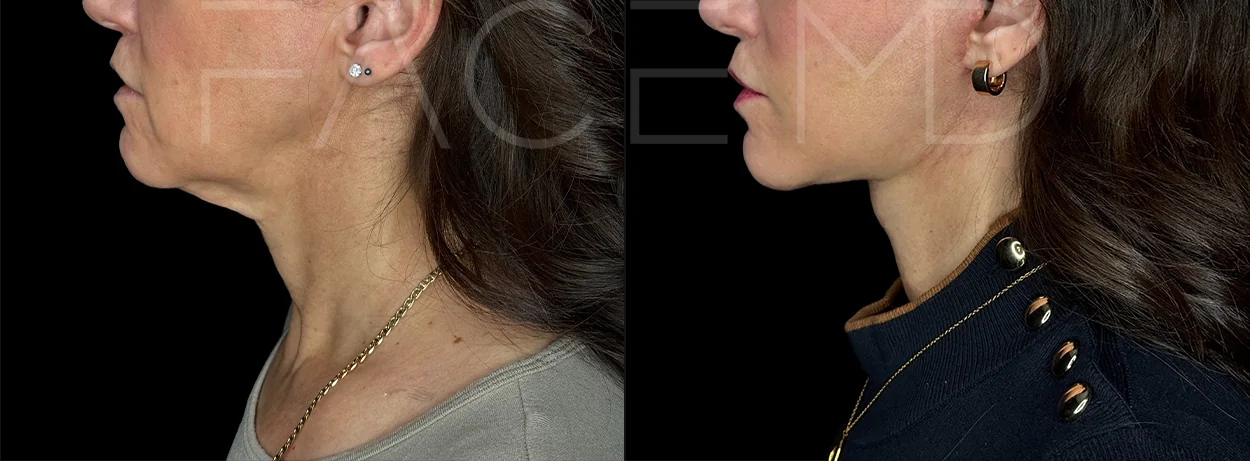
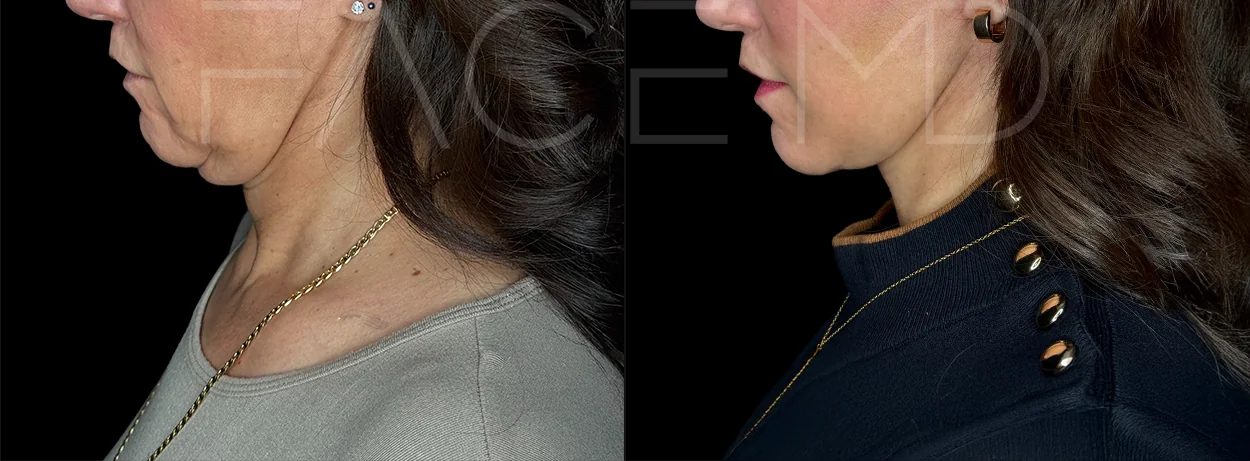
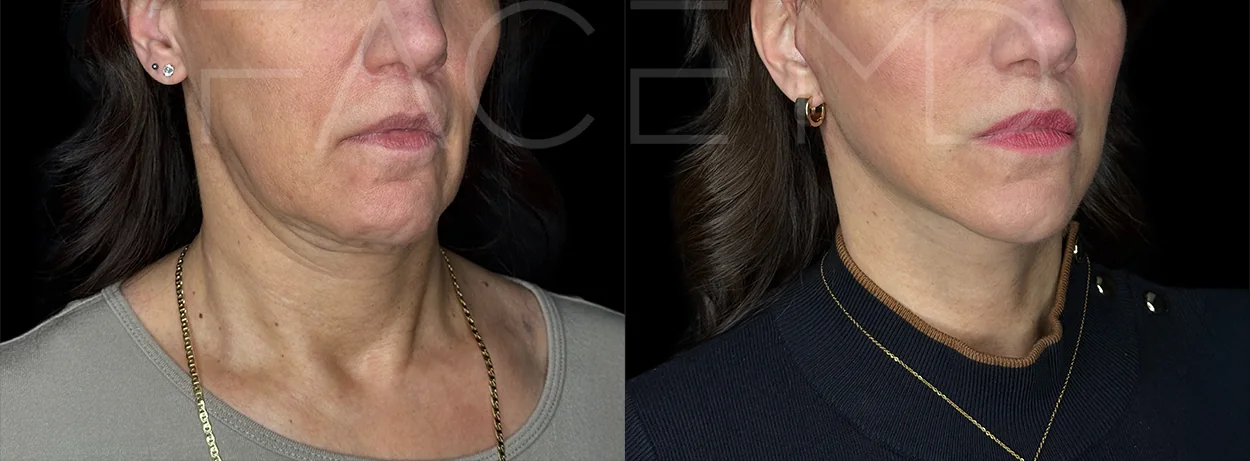
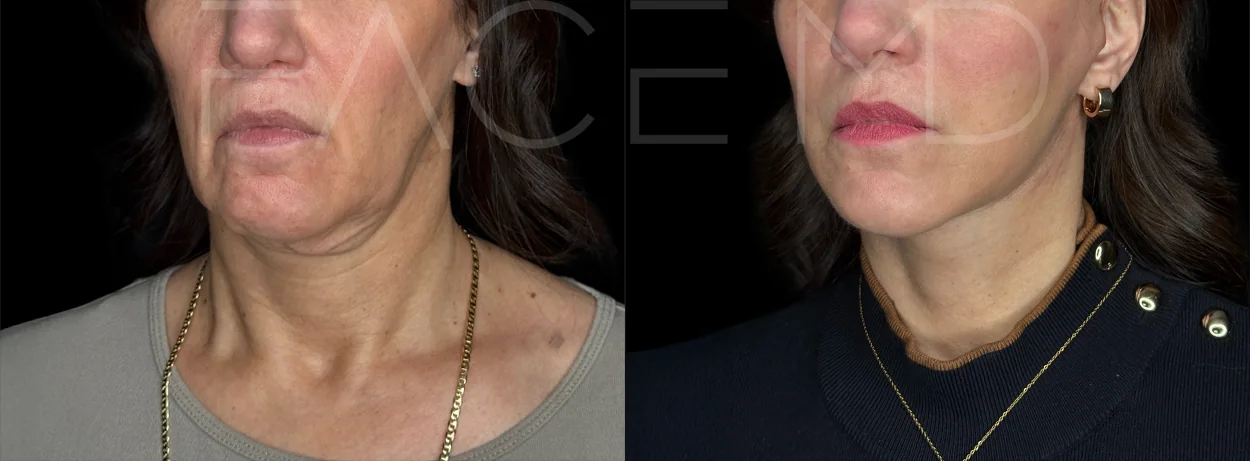
- 1B5 Months post-op Revision Deep Plane Face & Neck Lift and Perioral CO2 Laser
- 2B5 Months post-op Revision Deep Plane Face & Neck Lift and Perioral CO2 Laser
- 35 Months post-op Revision Deep Plane Face & Neck Lift and Perioral CO2 Laser
- 55 Months post-op Revision Deep Plane Face & Neck Lift and Perioral CO2 Laser
- 45 Months post-op Revision Deep Plane Face & Neck Lift and Perioral CO2 Laser
- 65 Months post-op Revision Deep Plane Face & Neck Lift and Perioral CO2 Laser
- 95 Months post-op Revision Deep Plane Face & Neck Lift and Perioral CO2 Laser
- 105 Months post-op Revision Deep Plane Face & Neck Lift and Perioral CO2 Laser
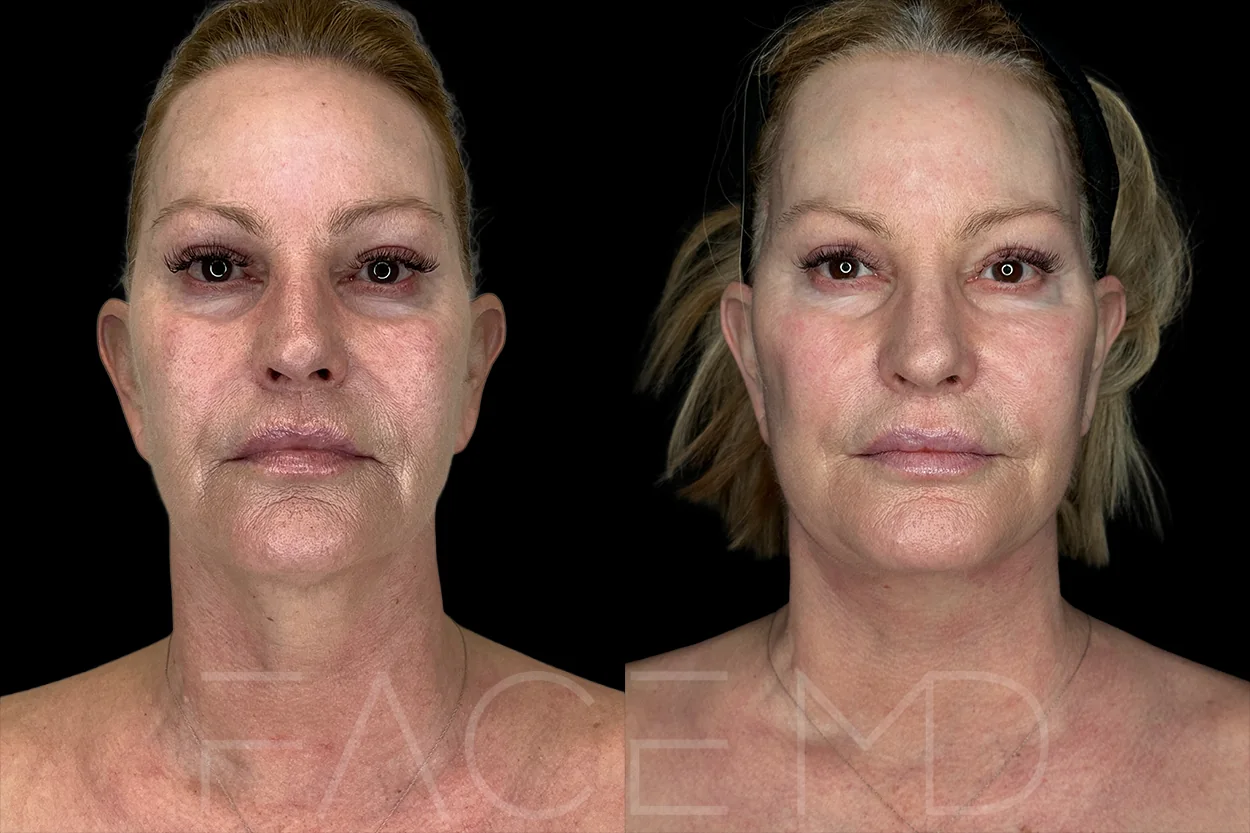
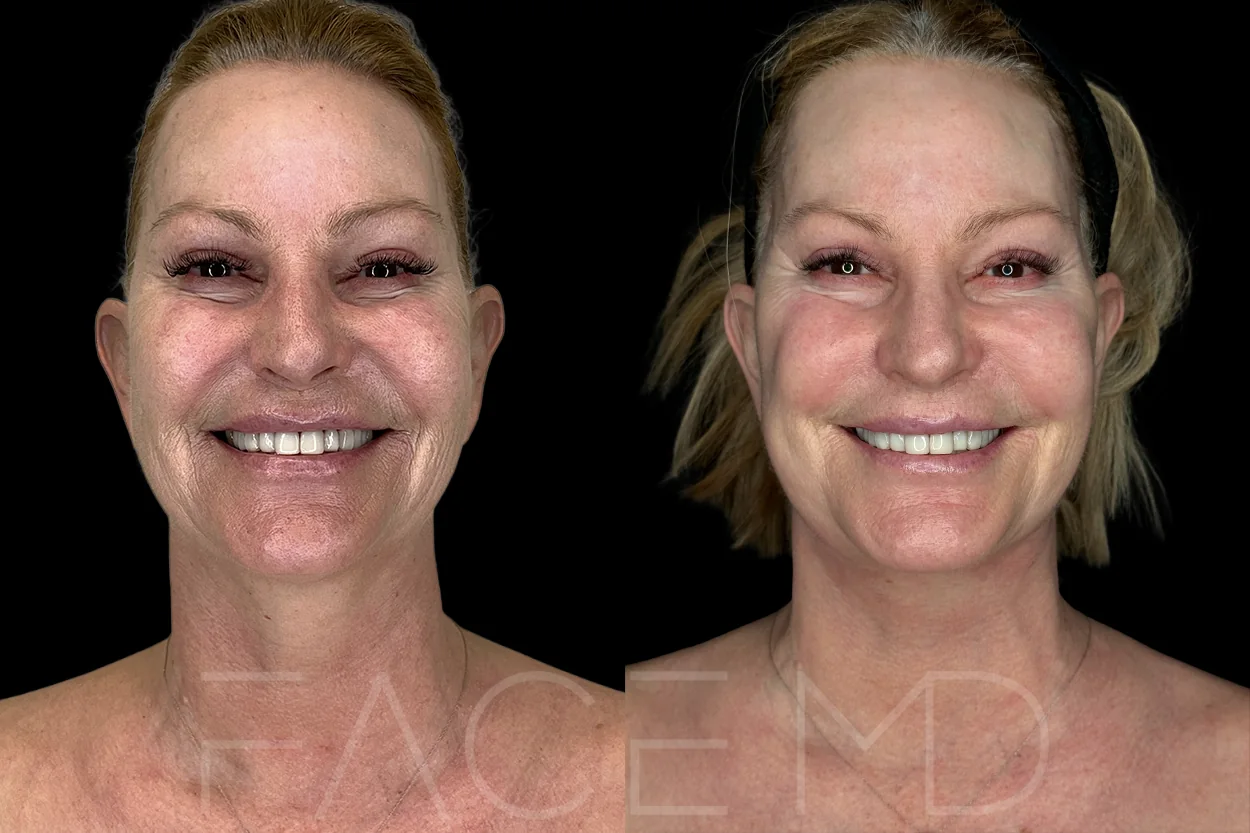
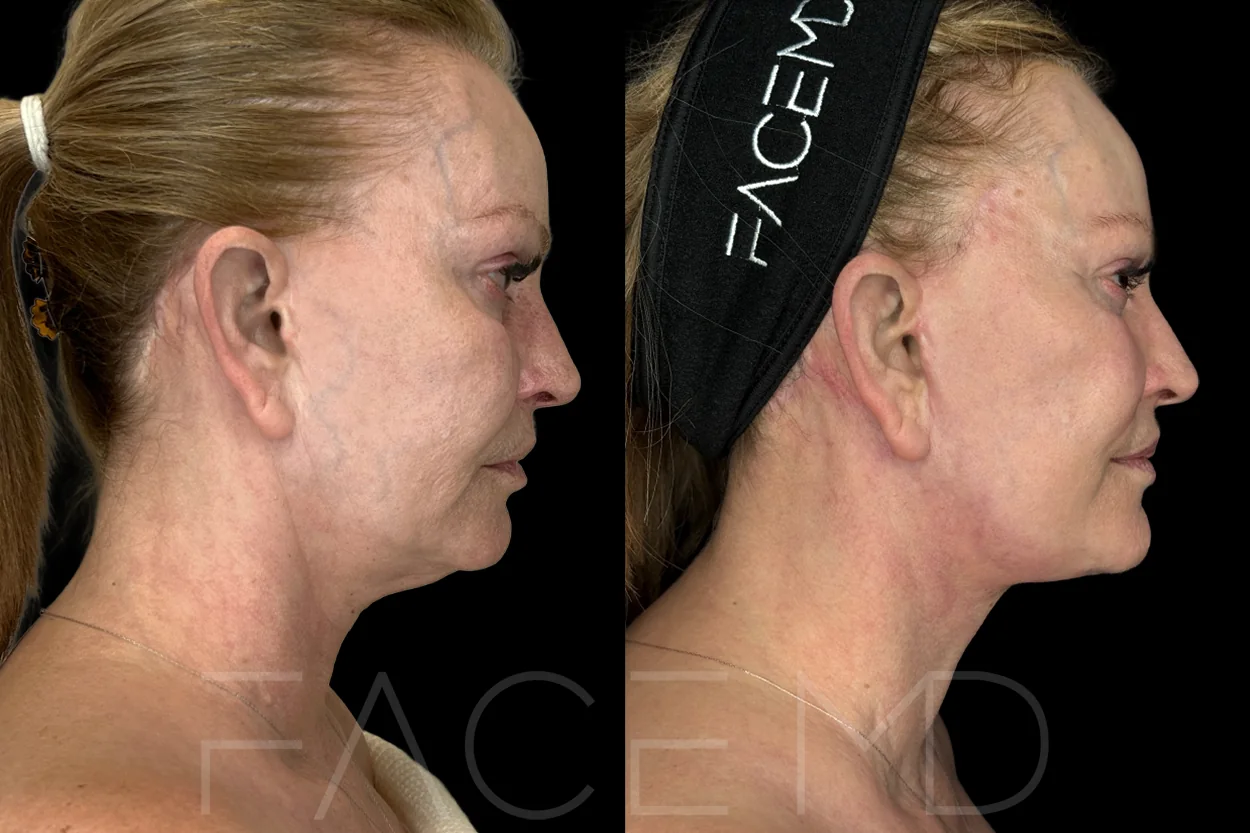
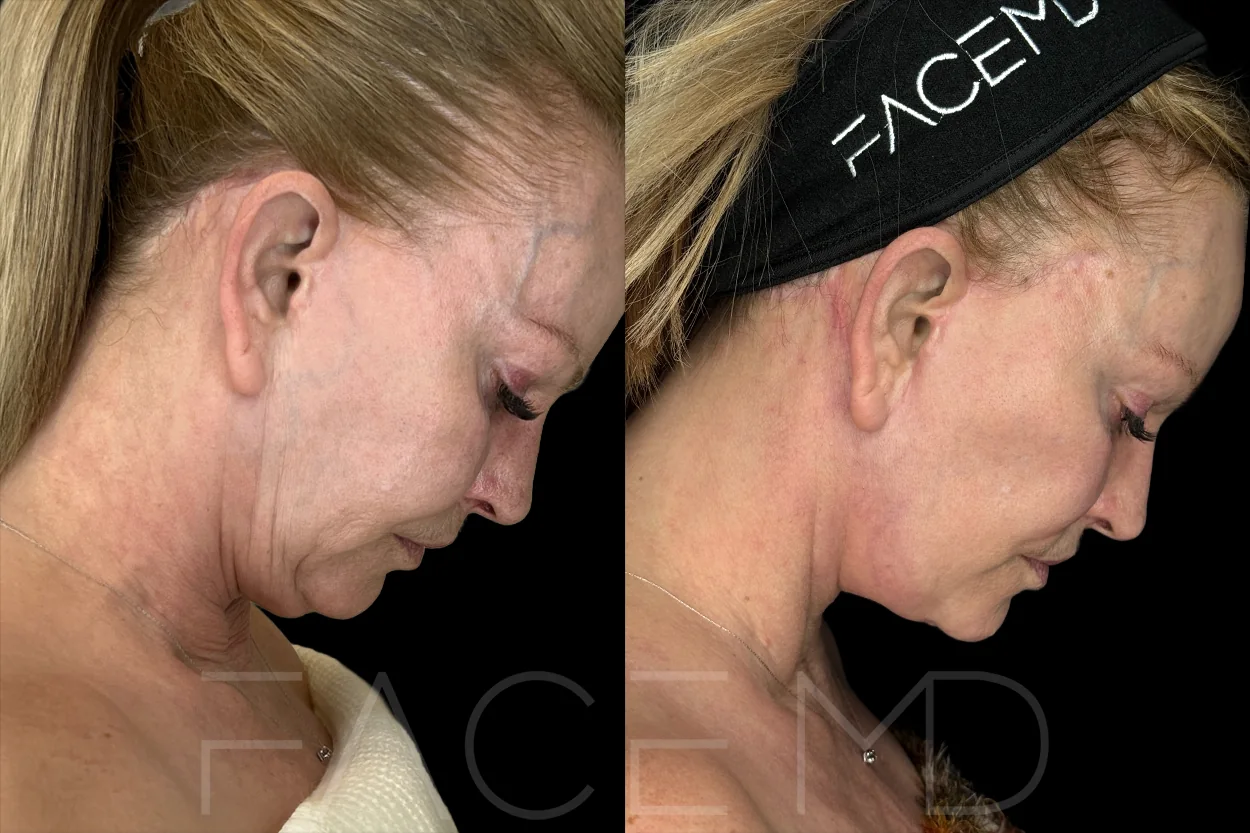
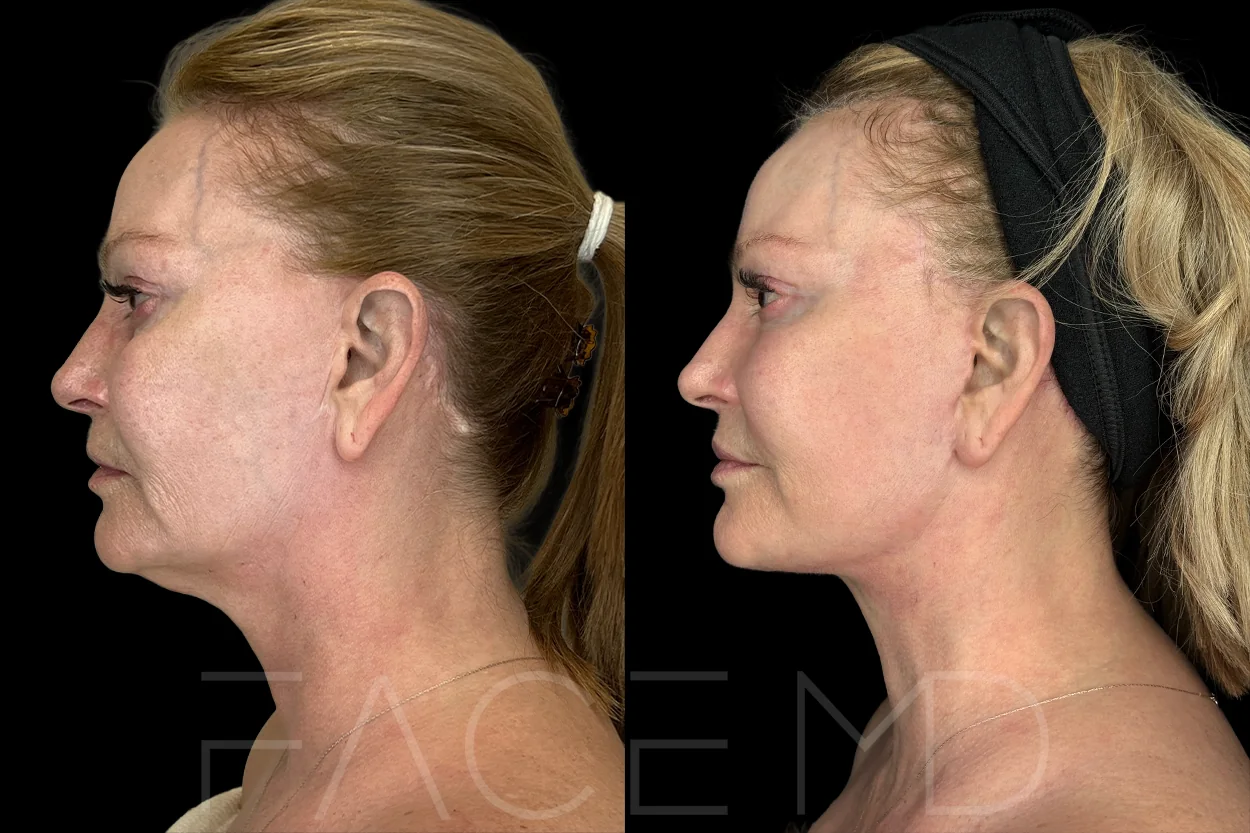
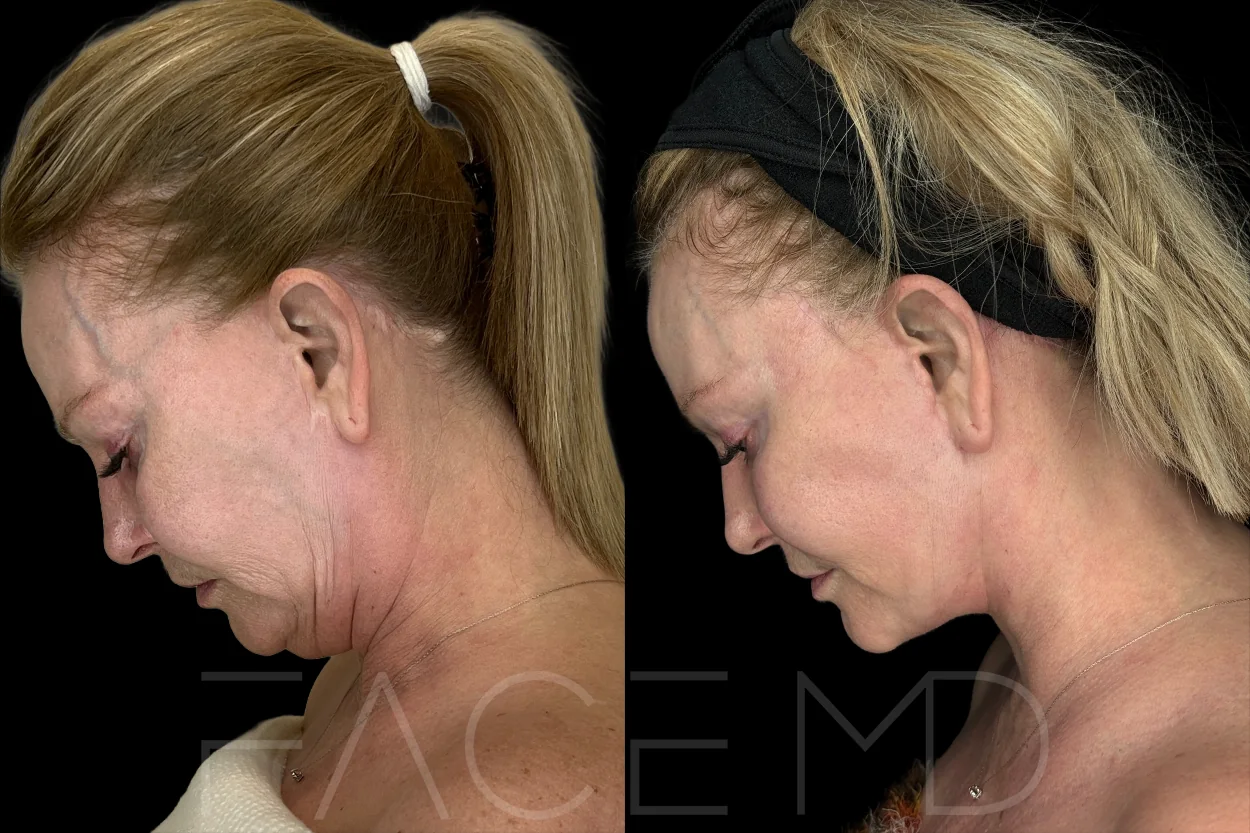
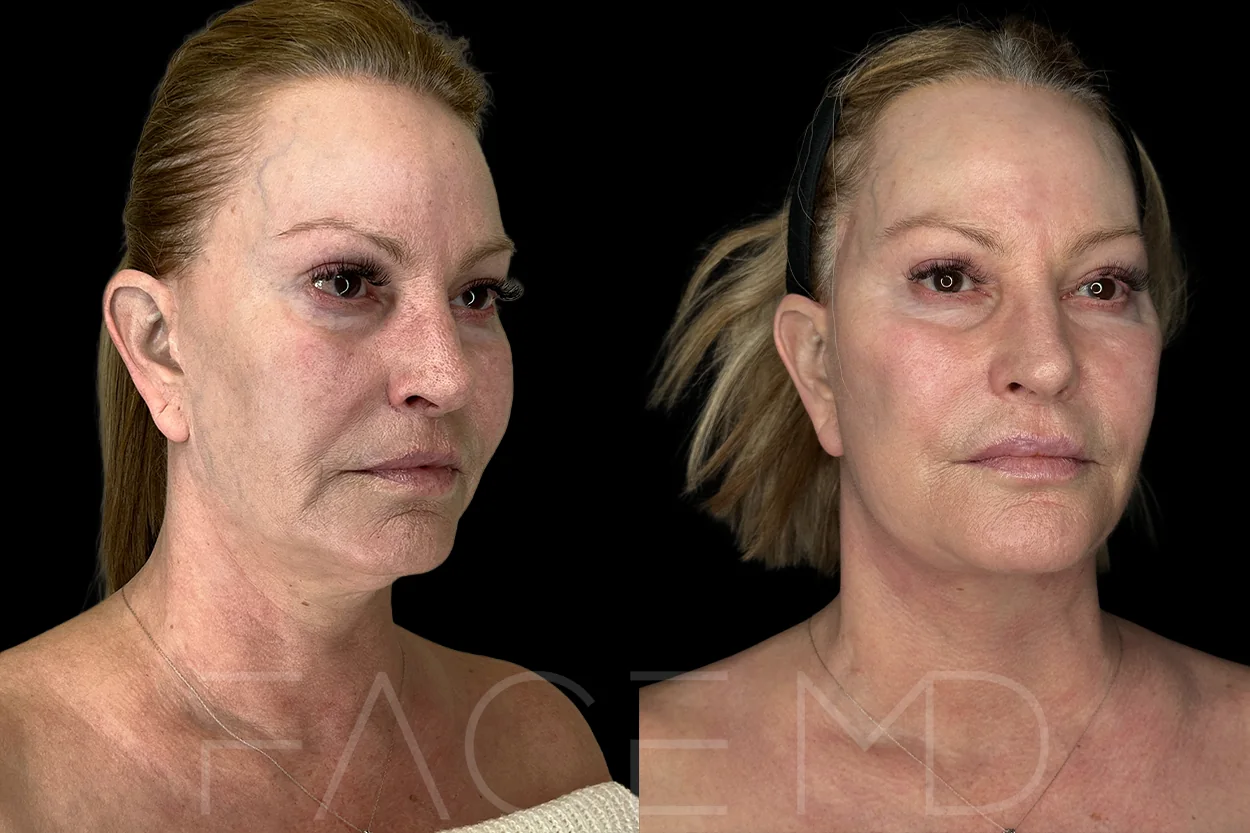
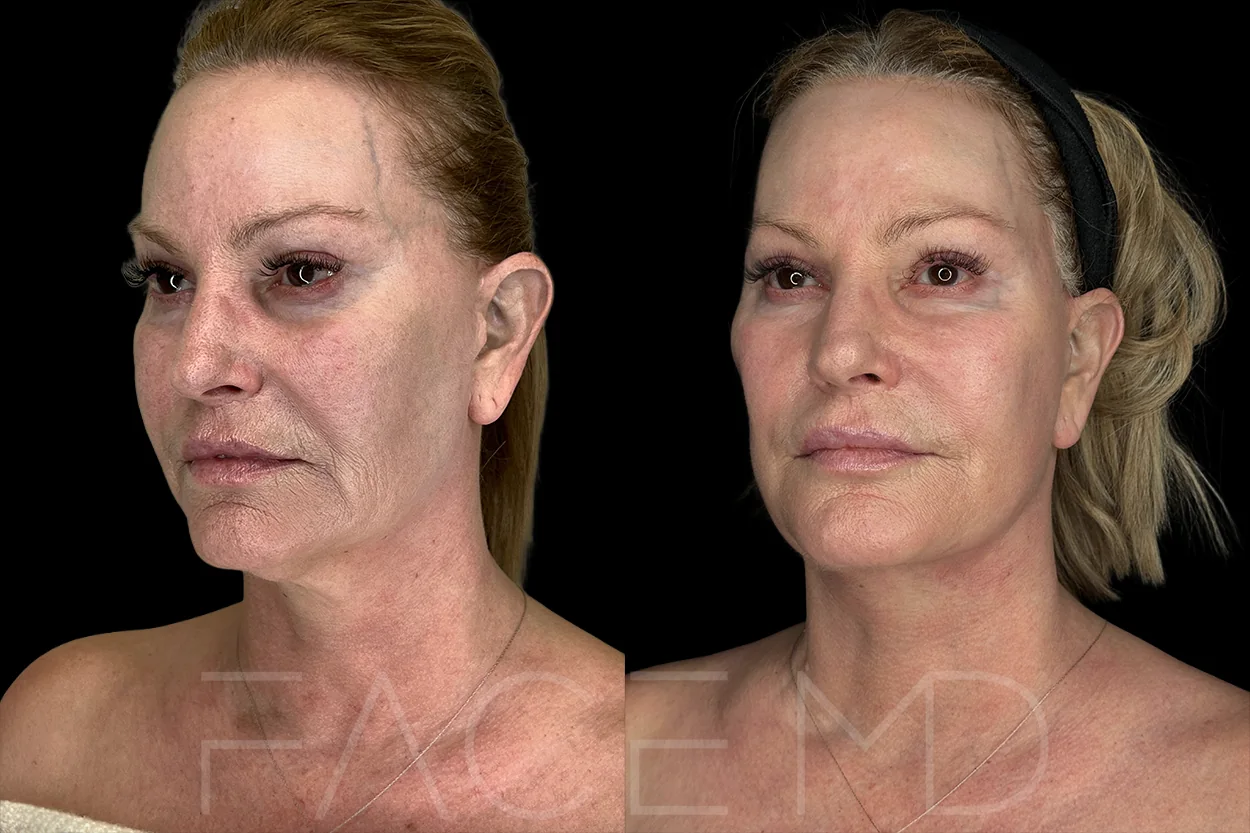
- 12 Months post-op Deep Plane Face & Neck Lift
- 22 Months post-op Deep Plane Face & Neck Lift
- 32 Months post-op Deep Plane Face & Neck Lift
- 42 Months post-op Deep Plane Face & Neck Lift
- 52 Months post-op Deep Plane Face & Neck Lift
- 62 Months post-op Deep Plane Face & Neck Lift
- 72 Months post-op Deep Plane Face & Neck Lift
- 82 Months post-op Deep Plane Face & Neck Lift
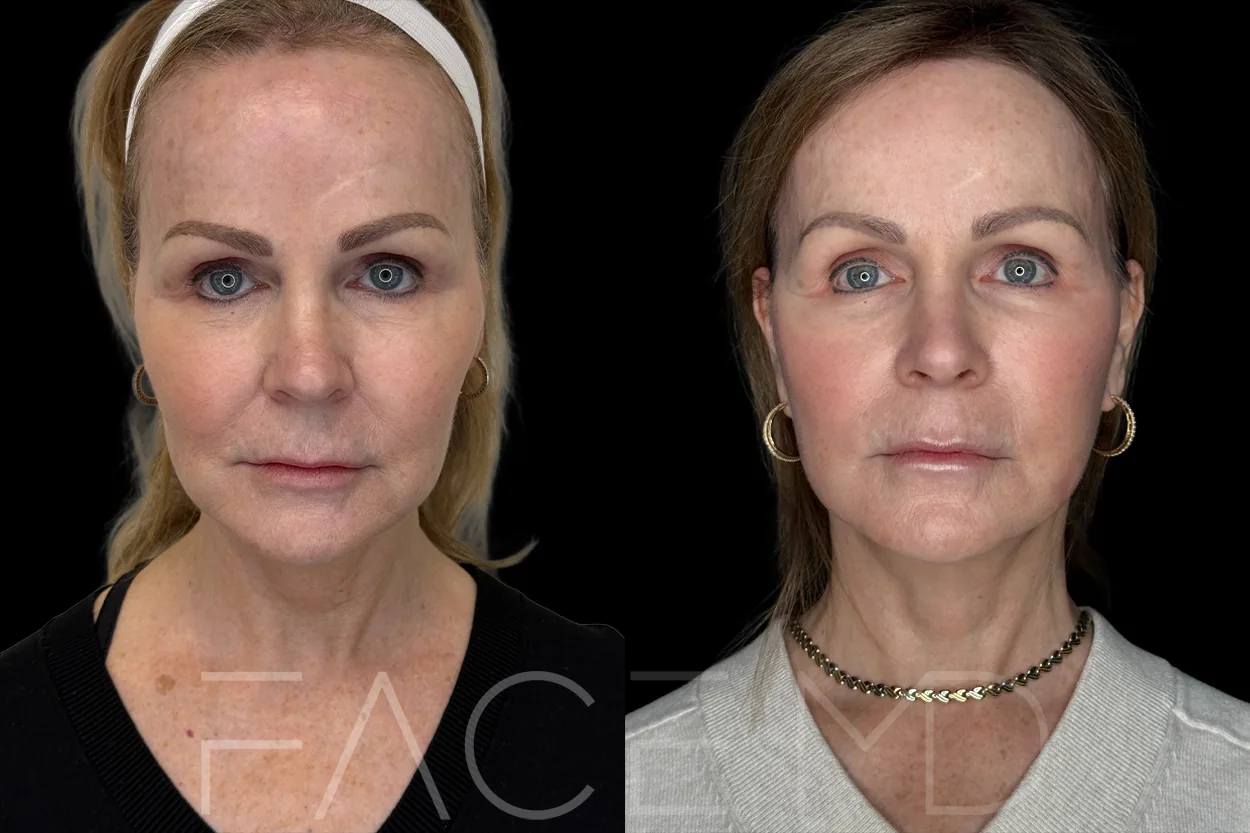
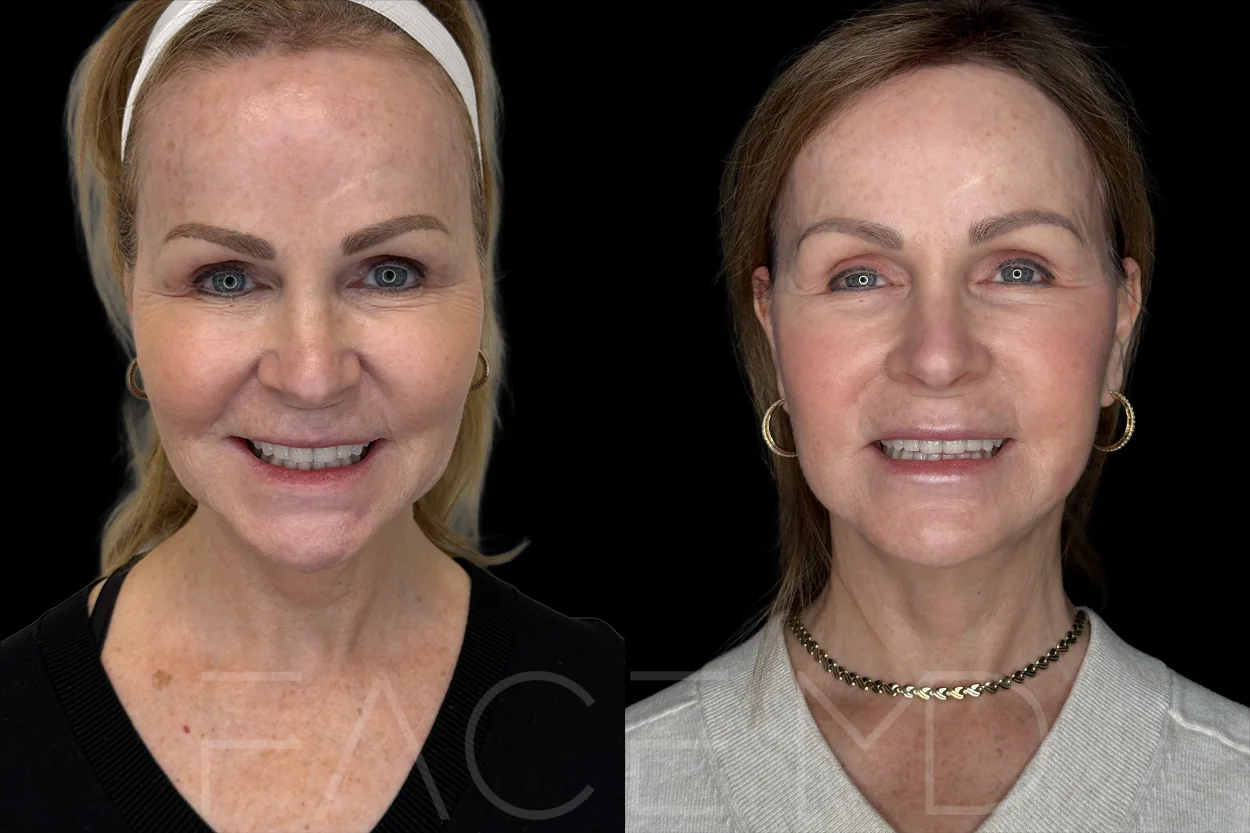
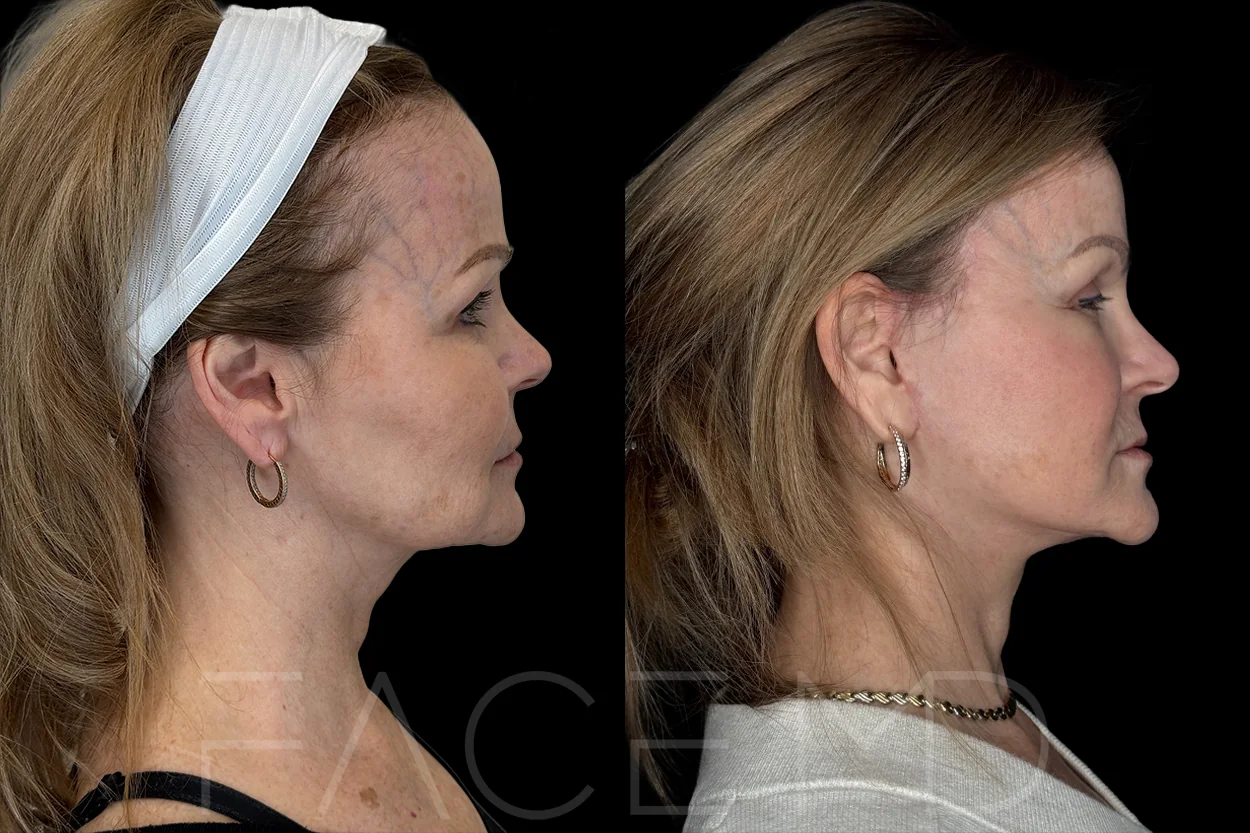
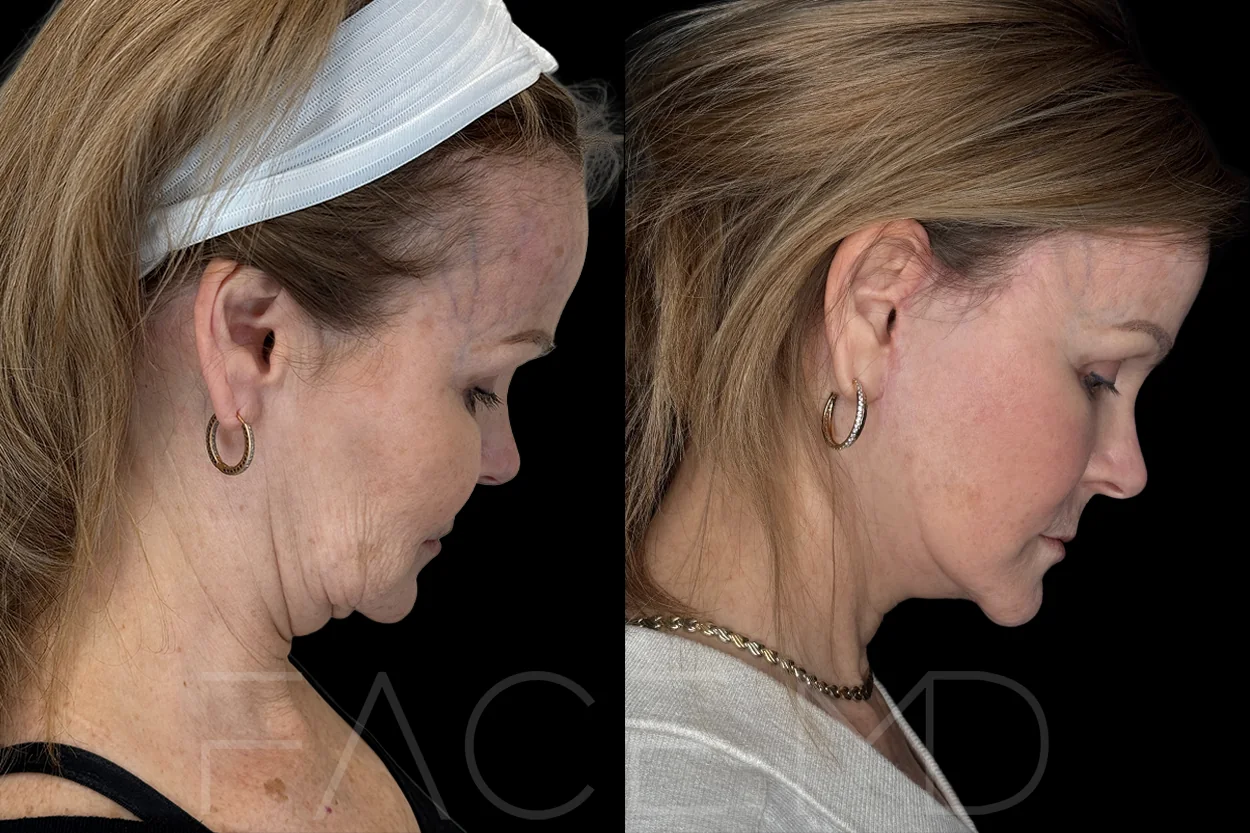
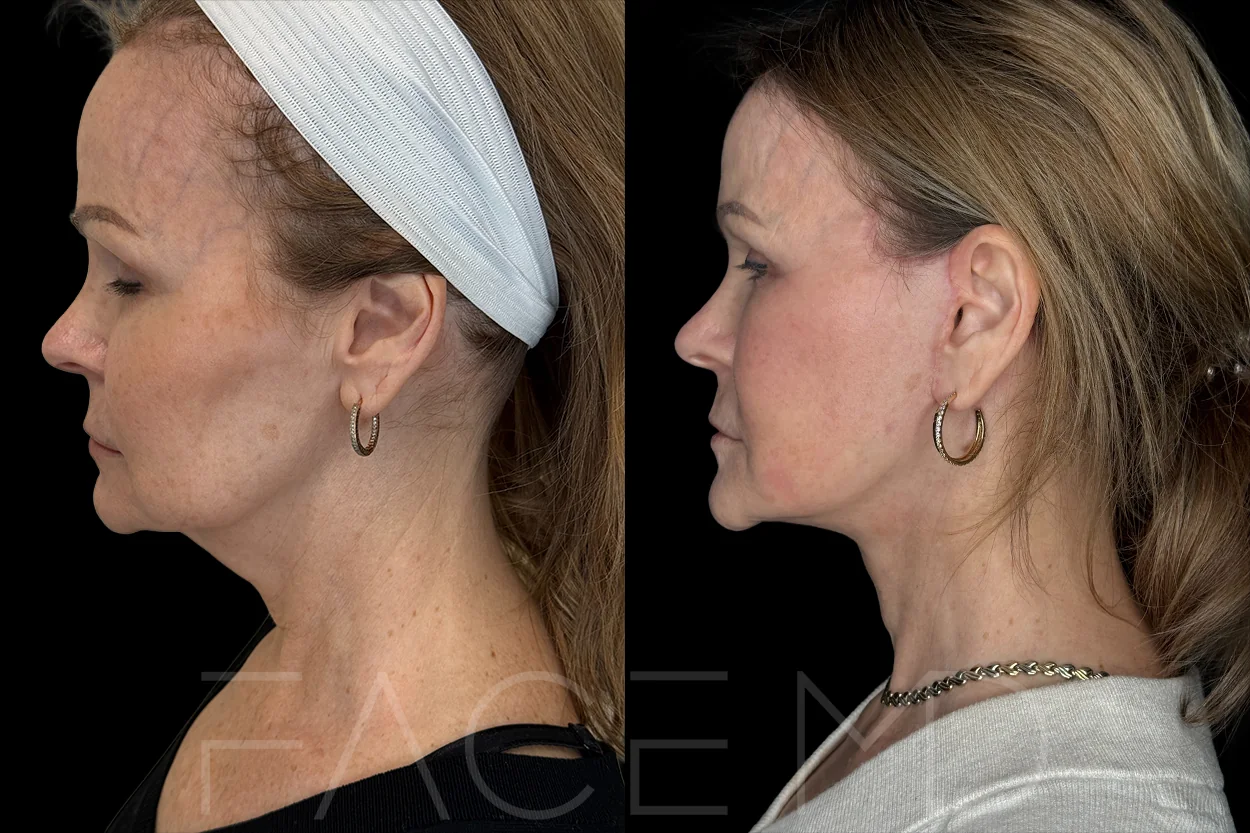
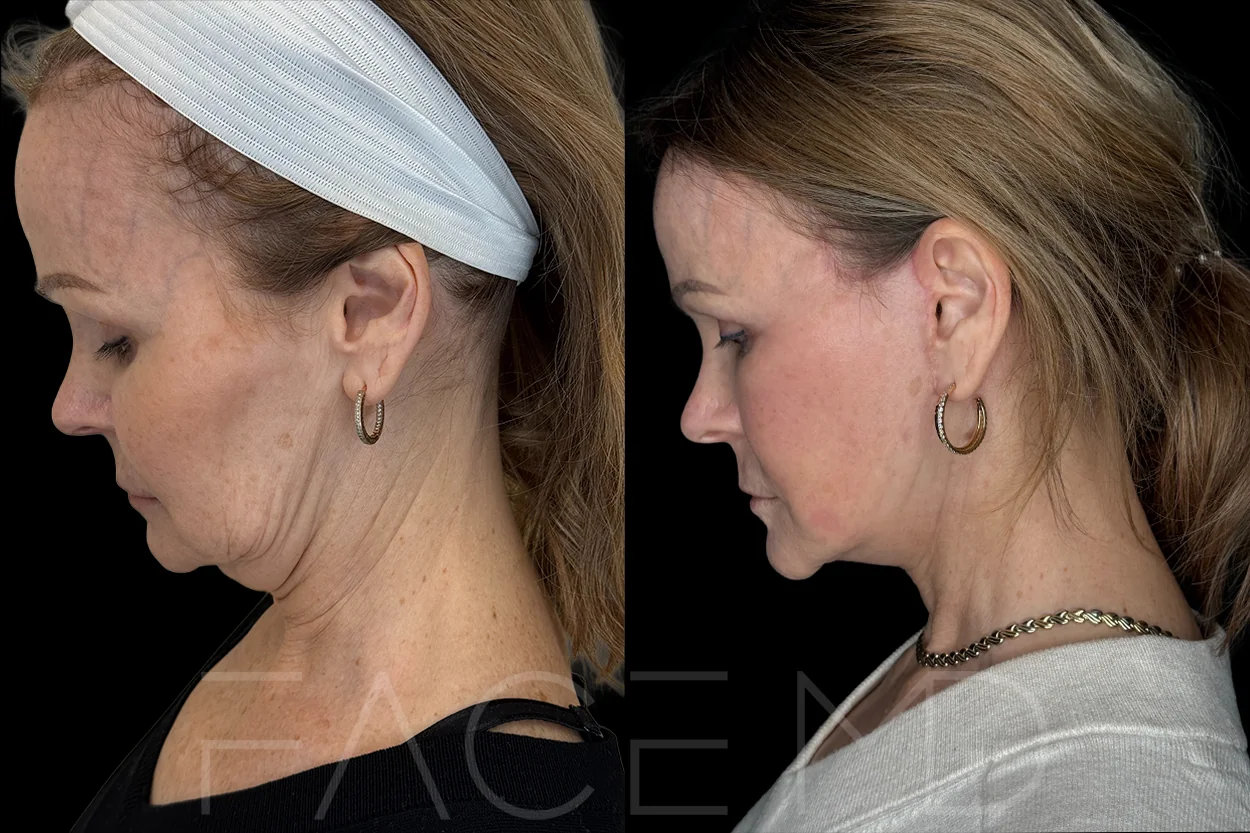
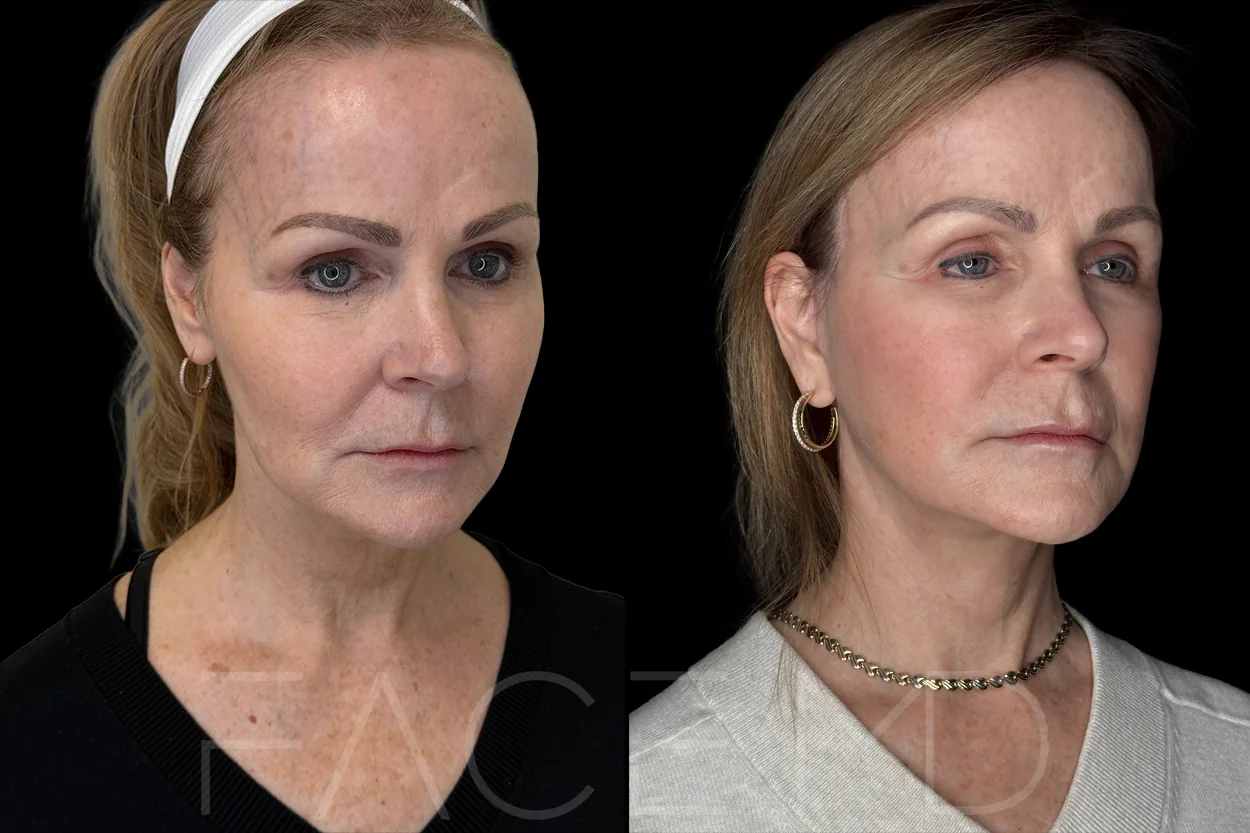
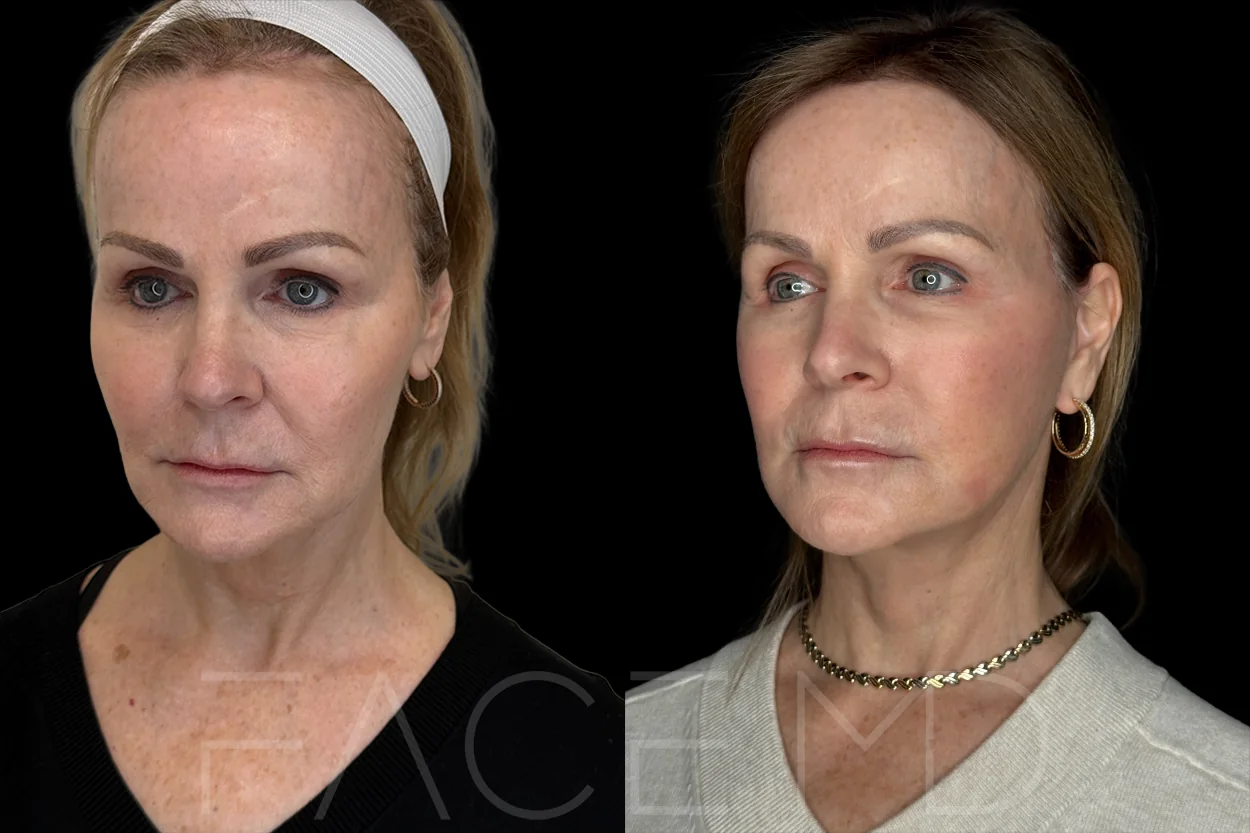
- 13 Months post-op Deep Plane Face & Neck Lift and Upper Blepharoplasty
- 23 Months post-op Deep Plane Face & Neck Lift and Upper Blepharoplasty
- 33 Months post-op Deep Plane Face & Neck Lift and Upper Blepharoplasty
- 43 Months post-op Deep Plane Face & Neck Lift and Upper Blepharoplasty
- 53 Months post-op Deep Plane Face & Neck Lift and Upper Blepharoplasty
- 63 Months post-op Deep Plane Face & Neck Lift and Upper Blepharoplasty
- 73 Months post-op Deep Plane Face & Neck Lift and Upper Blepharoplasty
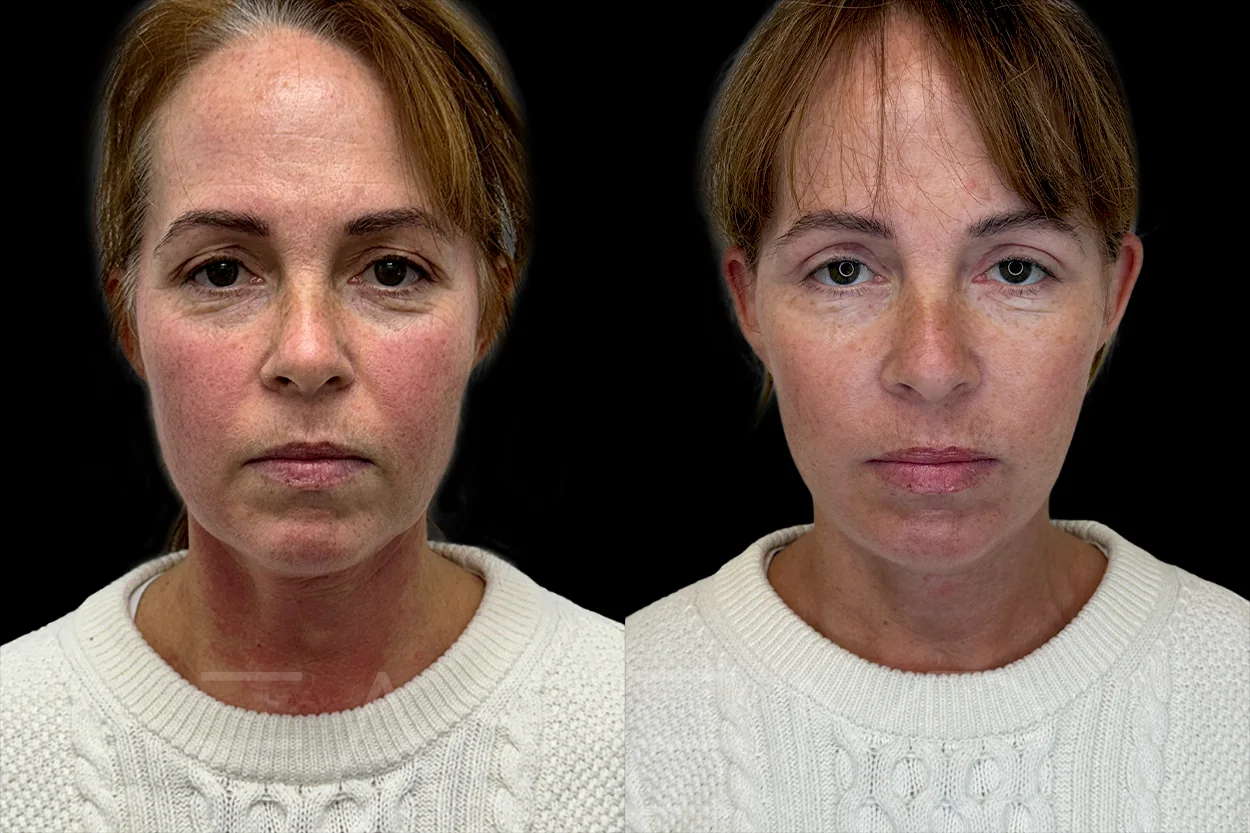
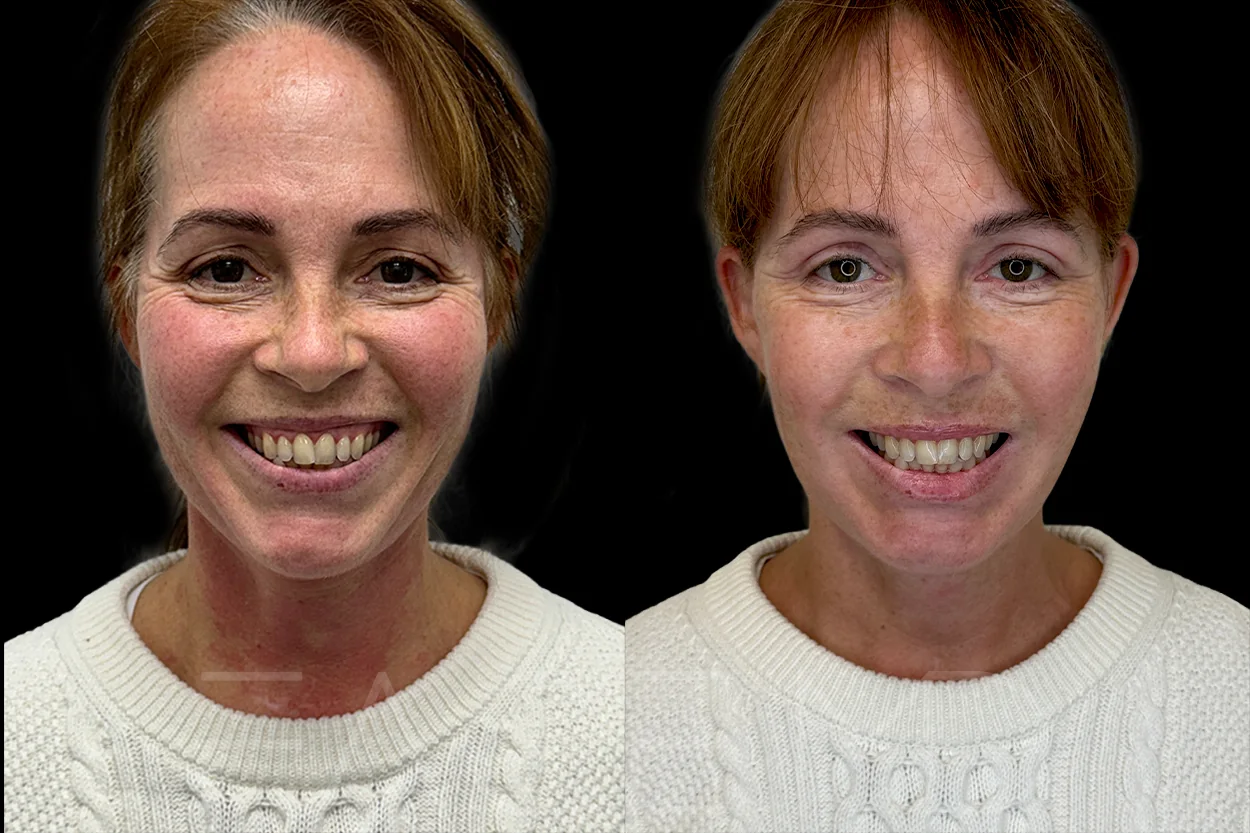
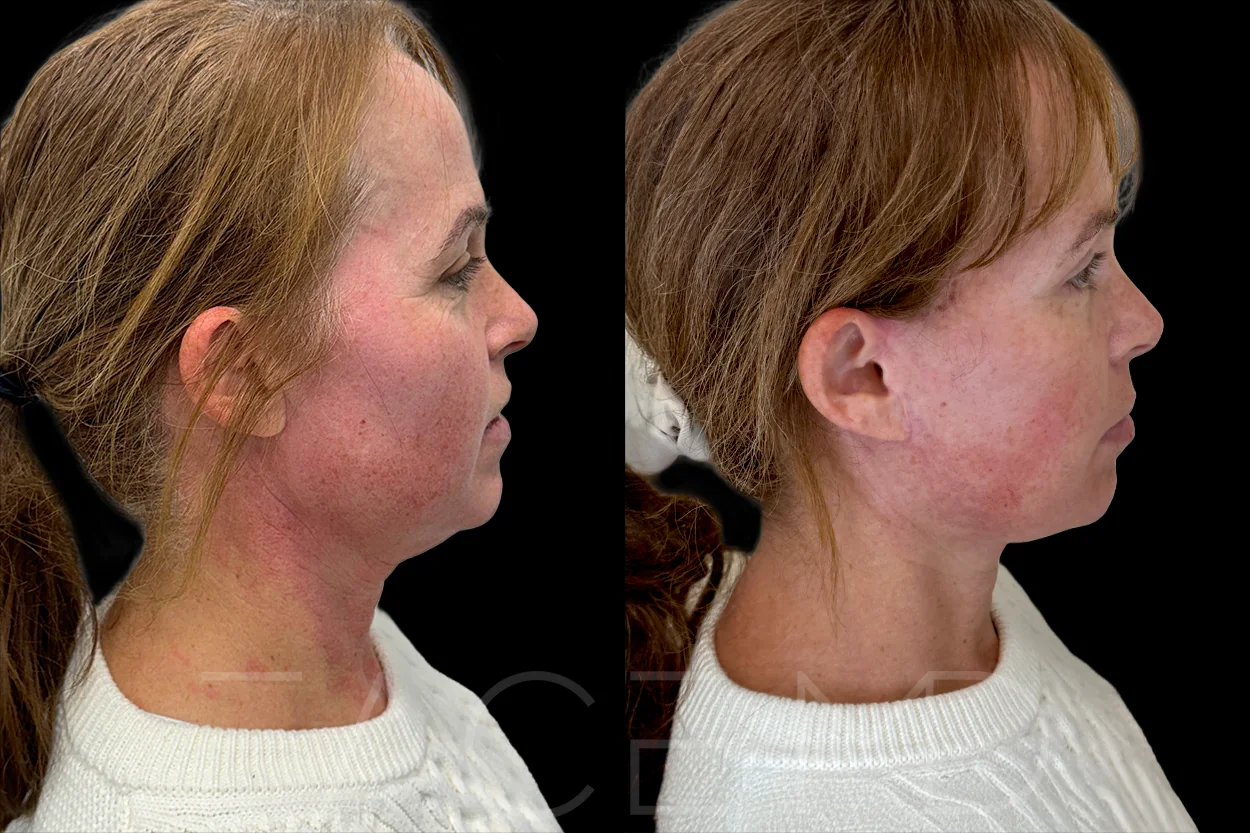
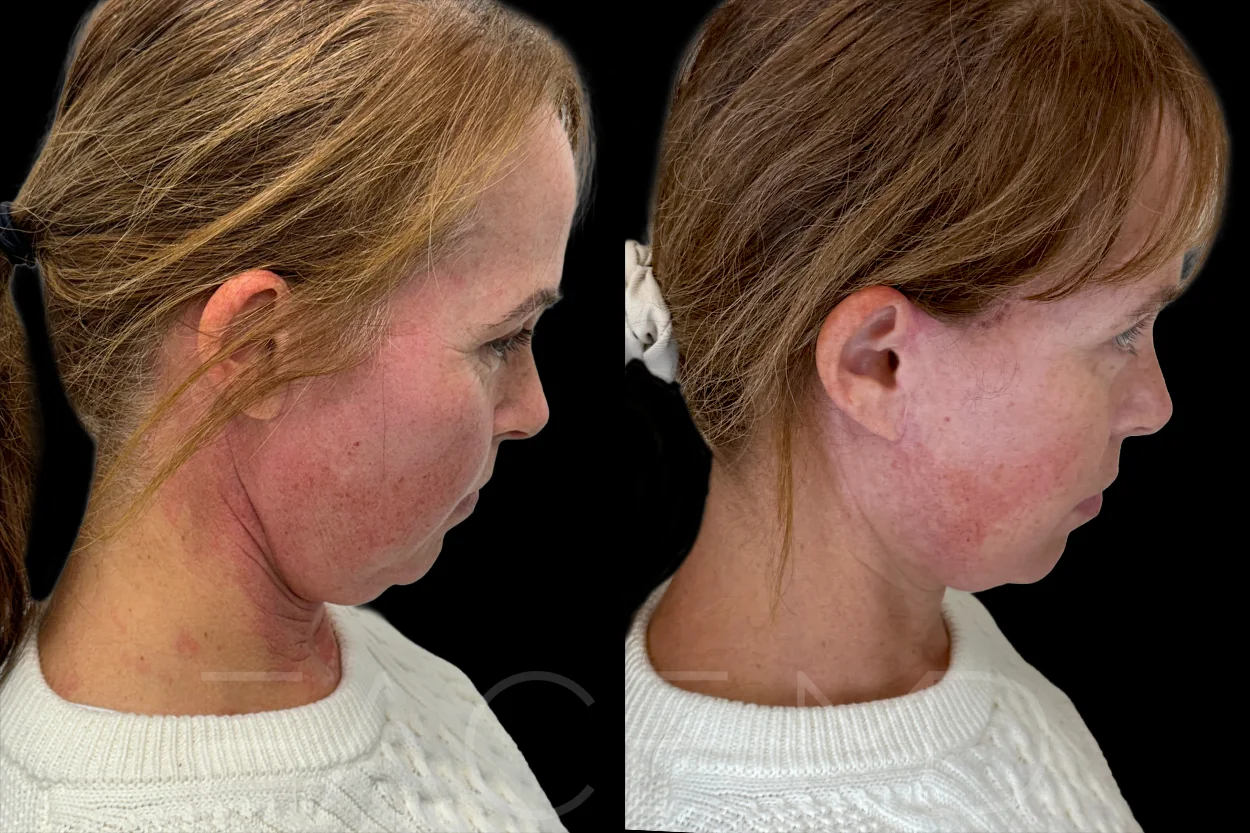
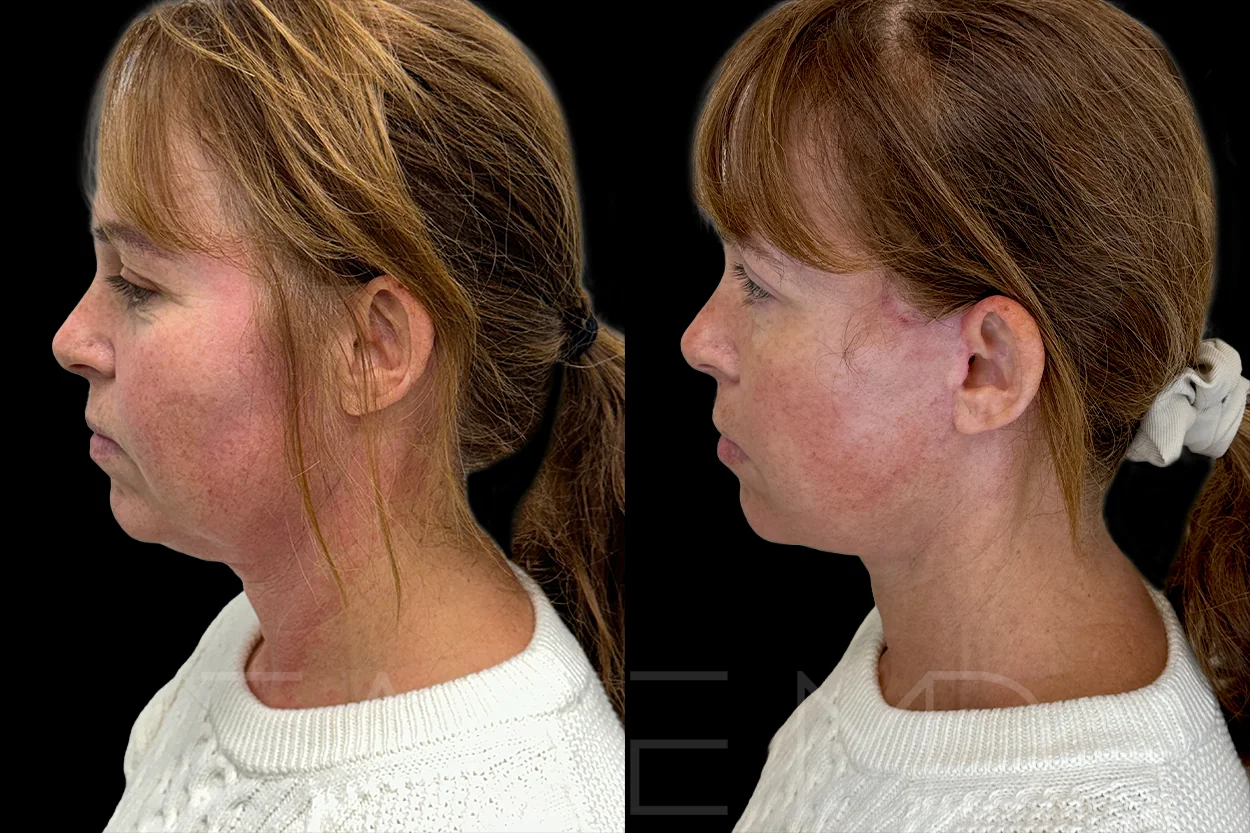
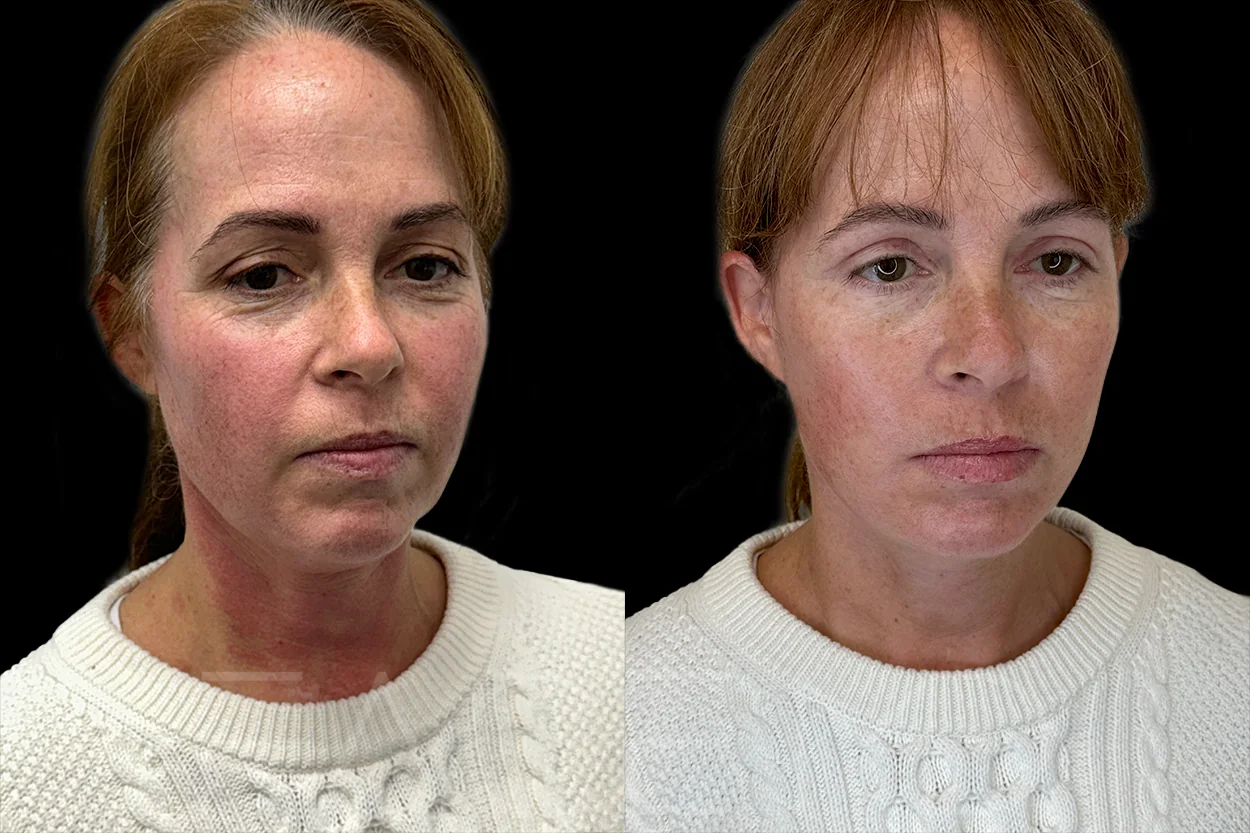
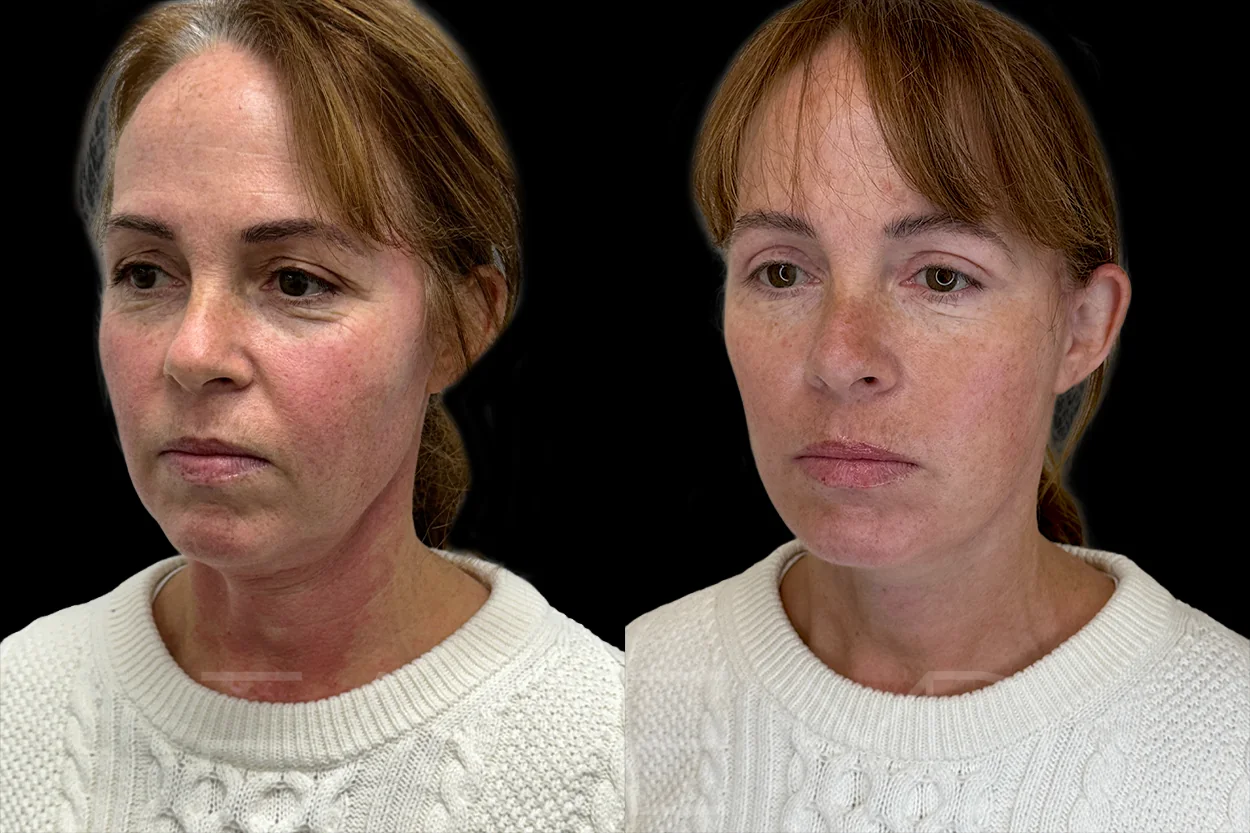
These examples are provided to help visualize the scope of possible results achievable through professional surgical treatment. Photos are published with the informed written consent of the patient. These are not a guarantee of results and are for educational purposes only.
The surgeons at Clinique Face MD
Surgical procedures are performed by head and neck surgeons (otolaryngology–head and neck surgery) practicing in facial plastic surgery at Clinique Face MD, members of the Collège des médecins du Québec and certified by the Royal College of Physicians and Surgeons of Canada.