
When patients envision the results of a successful facelift, they typically describe a sharp, clean jawline and a smooth, defined transition between the face and the neck. However, achieving this specific aesthetic goal often requires more than simply tightening the skin or repositioning the facial muscles. In many cases, a persistent fullness remains in the upper neck, just beneath the jawline, even after a standard lift. This fullness is frequently caused by the submandibular glands—major salivary glands that can become more prominent as we age. For patients with significant neck heaviness, the strategic management or partial removal of these glands has become a critical component of advanced facial rejuvenation. Understanding how these glands age and their impact on the overall facial profile is essential for any individual seeking a truly transformative and refined surgical outcome.
At our practice, we prioritize a comprehensive anatomical assessment of the neck before any surgical intervention. We recognize that a heavy neck is often a multi-layered issue involving skin, fat, muscle, and glandular tissue. This guide explores the biological changes that occur within the salivary glands over time, the mechanical reasons why they obscure the jawline, and how professional surgical techniques can address them to create a superior aesthetic result.
The Anatomy of the Submandibular Gland
The submandibular glands are a pair of major salivary glands located in the submandibular triangle, a space tucked just beneath the lower border of the mandible (jawbone). In a youthful face, these glands are typically firm and held high within the neck by strong connective tissues and the overlying platysma muscle. When positioned correctly, they remain hidden behind the bone, allowing the jawline to appear sharp and unobstructed. However, as the structural integrity of the face and neck shifts, these glands become a prominent feature of the external profile.
How Salivary Glands Age: The Process of Ptosis
The aging process of the submandibular gland is primarily characterized by a phenomenon called ptosis, or sagging. This occurs due to several factors that compromise the gland’s support system. As we age, the ligaments and fascia that anchor the gland to the jawbone begin to stretch and weaken. Simultaneously, the platysma muscle, which acts as a supportive sling for the neck, loses its tension and begins to separate or sag. Without this internal support, the submandibular glands descend from their hidden position and bulge forward and downward.
In addition to descending, the glands themselves can undergo changes in volume. In some individuals, the glands may hypertrophy (increase in size) due to chronic inflammation, certain medications, or simply as a result of the aging process itself. When a gland is both enlarged and sagged, it creates a visible lump or “fullness” in the neck that skin tightening alone cannot correct. If a surgeon performs a facelift and pulls the skin over these bulging glands, the result is often a neck that still looks heavy or “thick,” failing to achieve the desired sharp contour.
Why Gland Removal Improves Surgical Results
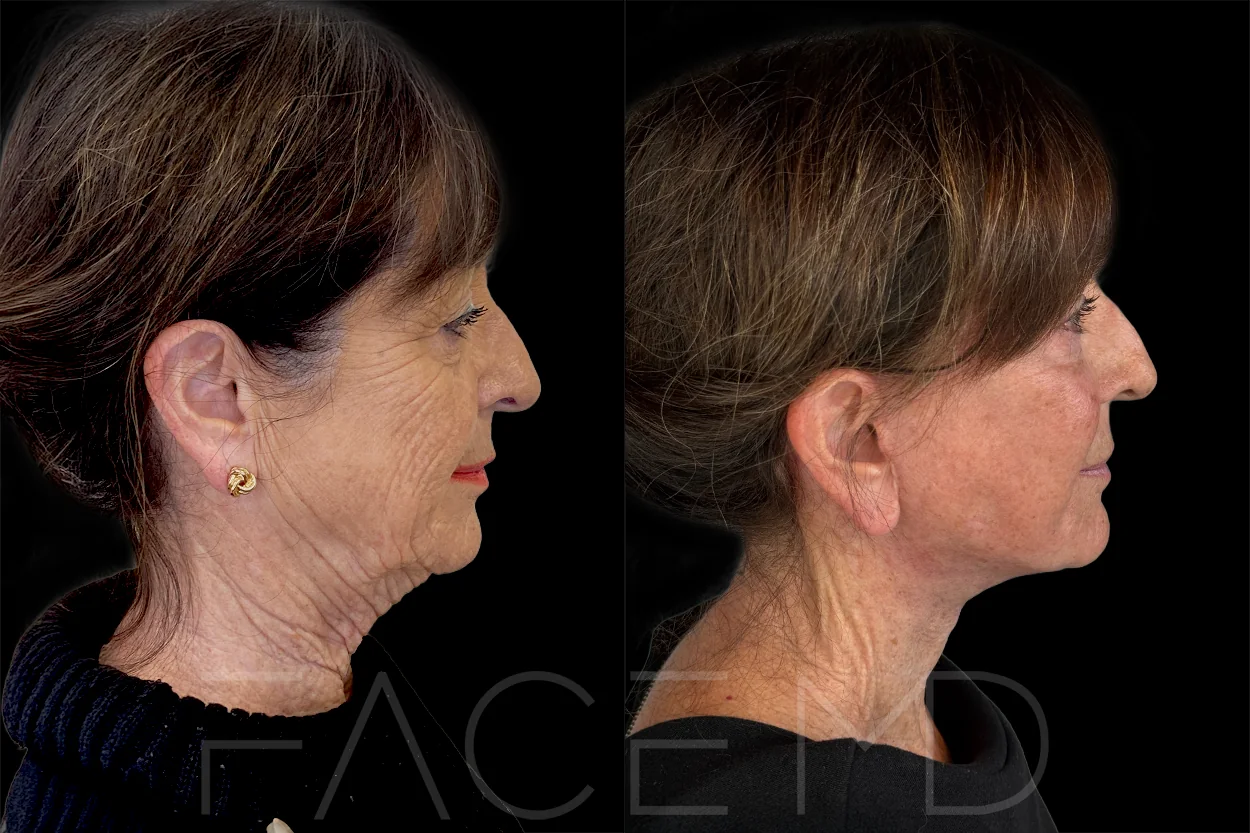
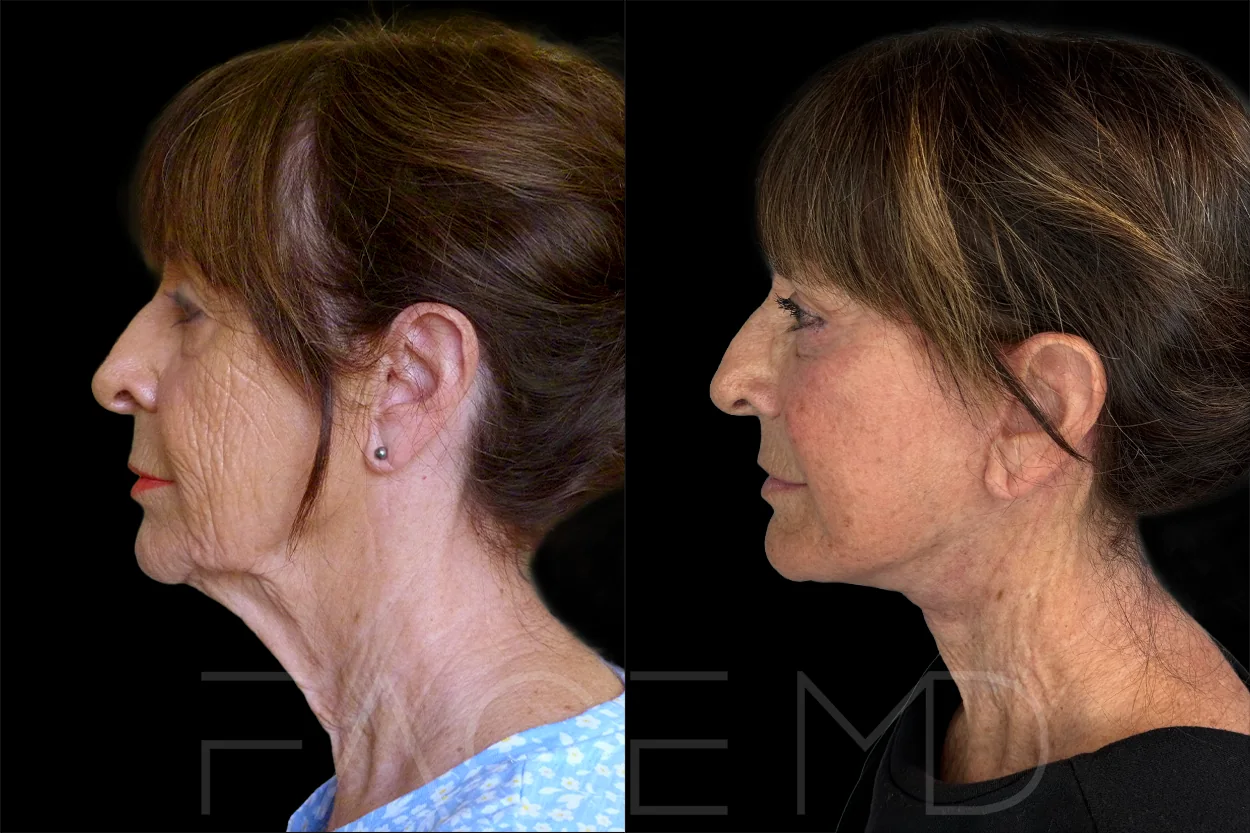
The primary reason for addressing the submandibular glands during a facelift is to achieve a cleaner, more chiseled mandibular border. By reducing the volume of the gland or repositioning it, the surgeon can create a deep, hollow space beneath the jawbone. This allows the skin and muscle to adhere more closely to the bone, resulting in a dramatic improvement in the definition of the profile.
For patients who have a “heavy” or “blunt” neck-to-chin angle, gland removal is often the missing piece of the puzzle. Without addressing the glands, the neck may appear somewhat improved after surgery, but the persistent bulge of the gland will continue to interrupt the straight line of the jaw. By thinning the deep structures of the neck, the surgeon can achieve a high-definition result that looks natural and lasts much longer than surface-level procedures.
The Surgical Technique: Precision and Safety
Gland removal, or partial submandibular gland resection, is a highly technical procedure that must be performed within a deep plane facelift or a dedicated neck lift. Because the glands are located in close proximity to vital structures—including the facial artery and the marginal mandibular nerve—this procedure requires a profound understanding of head and neck anatomy. The surgeon must carefully navigate these layers to safely access the gland without compromising facial movement or blood supply.
In a modern surgical setting, many surgeons are now utilizing advanced technology to enhance the safety and precision of gland removal. For example, ultrasonic technology allows for the delicate remodeling of glandular tissue using sound waves rather than heat. This significantly reduces the risk of thermal damage to the surrounding nerves and results in less bruising and swelling for the patient. By sealing blood vessels as it works, ultrasonic energy also maintains a clear surgical field, ensuring that the surgeon can work with maximum visibility and accuracy.
Maintaining Salivary Function
A common concern for patients is whether removing or reducing the submandibular glands will affect their ability to produce saliva or lead to a “dry mouth” (xerostomia). It is important to note that humans possess several major salivary glands—including the parotid glands and the sublingual glands—as well as hundreds of minor salivary glands throughout the mouth. In a professional aesthetic setting, only a portion of the submandibular gland is typically removed, or the glands are repositioned. Because the other salivary glands remain fully functional, the impact on overall saliva production is negligible, and patients do not typically experience a noticeable change in oral moisture.
The Impact on Recovery and Longevity
Incorporating gland management into a facelift does add a layer of complexity to the procedure, but for the appropriate candidate, the benefits far outweigh the additional surgical time. Because the deep structures of the neck are addressed, the results are fundamentally more stable. A neck that has been structurally thinned is less likely to “relax” or sag prematurely compared to a neck that was merely tightened on the surface. While the initial swelling may be slightly more pronounced than in a superficial lift, the use of ultrasonic tools and meticulous surgical technique ensures that the recovery remains manageable and the final result is exceptionally refined.
Determining if Gland Removal is Right for You
Not every facelift patient requires gland removal. Individuals with a naturally thin neck and a high, tight glandular position may achieve excellent results with a standard deep plane facelift. However, for those who have a “full” neck that persists regardless of their body weight, or for those who can feel a firm lump just beneath their jawbone when they tilt their head, gland management may be necessary to achieve their aesthetic goals.
A diagnostic consultation is the only way to determine the specific needs of your facial anatomy. During this assessment, we physically examine the neck to differentiate between superficial fat, deep fat, and glandular tissue. We also analyze the tension of the platysma muscle and the quality of the skin. This multi-layered evaluation allows us to design a surgical plan that addresses the root causes of neck heaviness, ensuring a result that is both beautiful and anatomically sound.
Professional Standards and Surgical Integrity
Performing advanced neck contouring through gland removal requires a commitment to surgical excellence and patient safety. At our practice, we adhere to the highest professional standards, ensuring that every procedure is grounded in factual anatomical science and conducted with the utmost precision. We believe that by addressing the deep structures of the face and neck—including the salivary glands—we can provide our patients with the most natural, long-lasting, and refined results possible in modern facial rejuvenation.
MEDICAL DISCLAIMER: The information provided in this article is for educational purposes only and is not a substitute for professional medical advice, diagnosis, or treatment from a qualified healthcare practitioner. Always seek the advice of a physician or other qualified health provider with any questions you may have regarding a medical condition or procedure.To schedule a comprehensive anatomical assessment and discover the best path to a refined jawline, book your consultation today.
Visualizing Results: Before and After Gallery
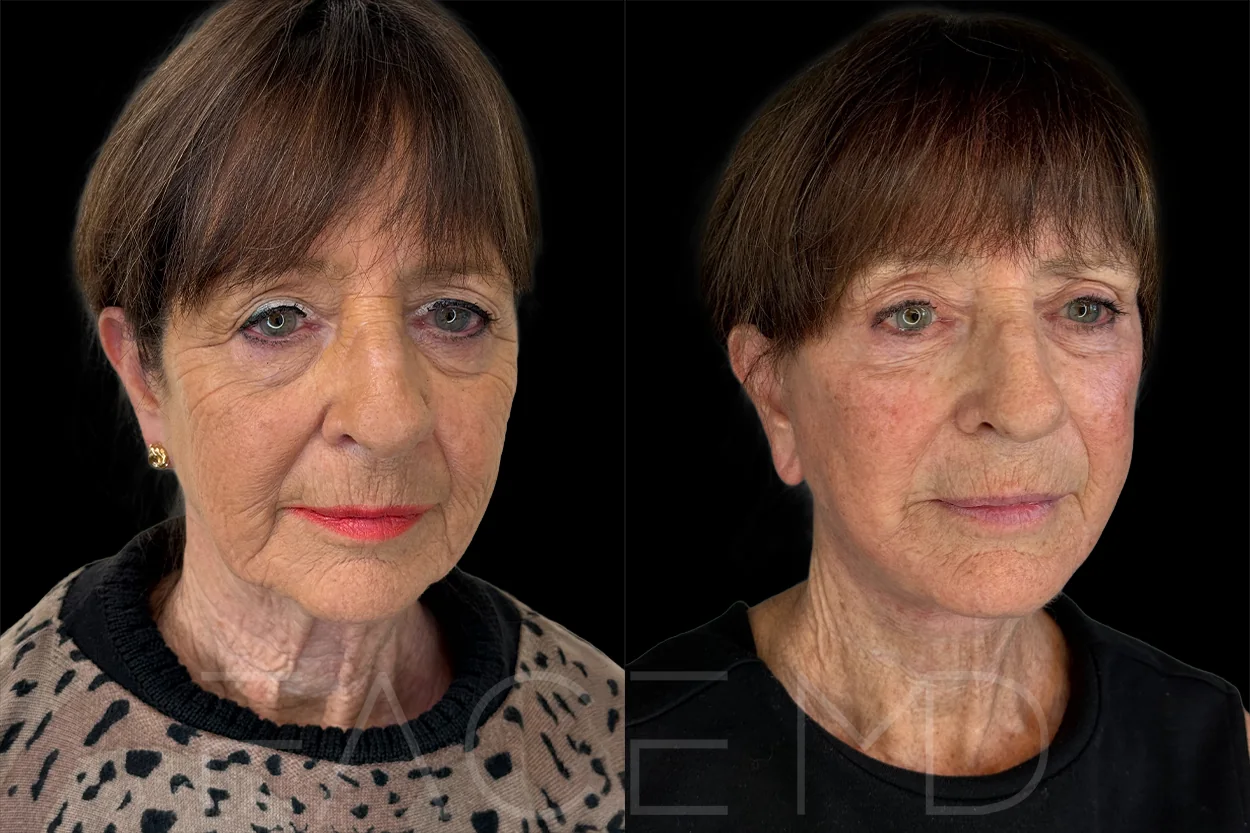
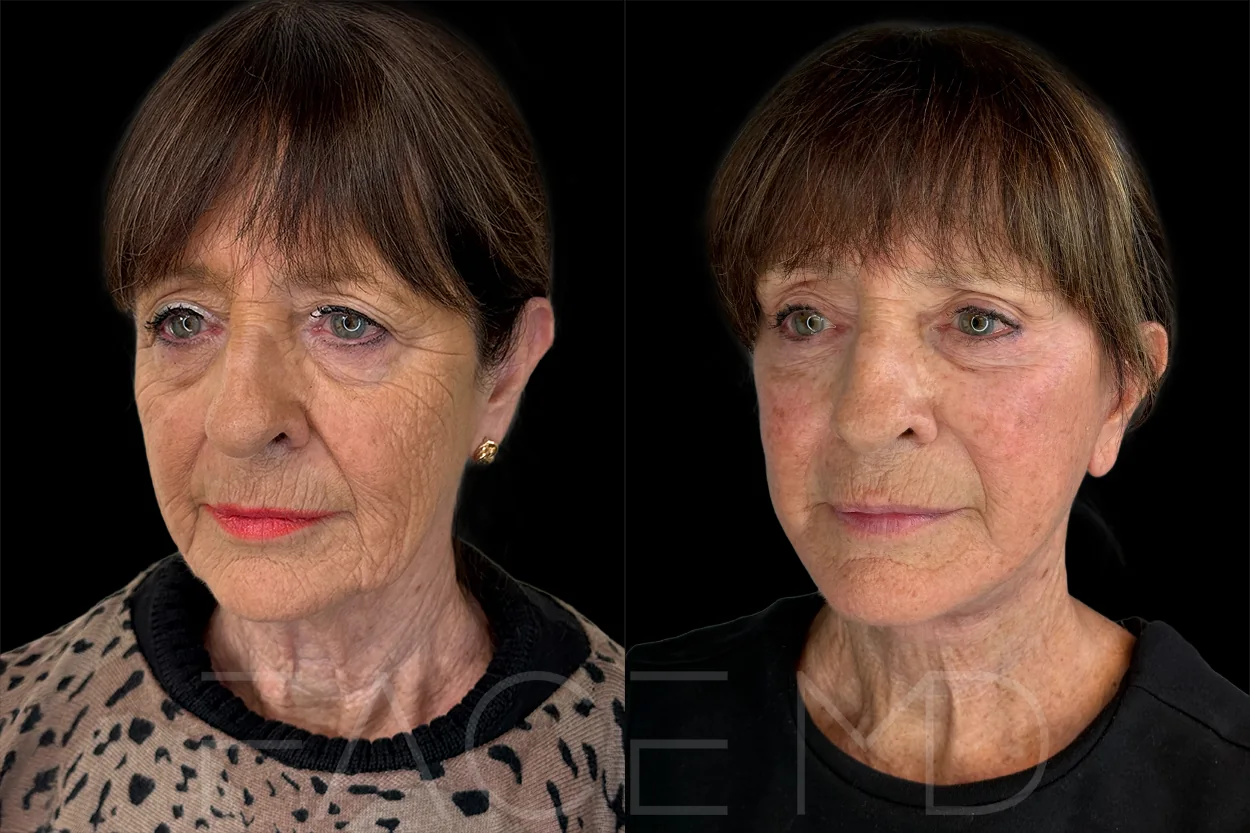
To demonstrate the transformative potential of deep-plane techniques, please refer to the gallery below showcasing patient outcomes:
←- 12 Months post-op Deep Plane Face & Neck Lift with Fat Transfer and Full Face CO2 Laser
- 22 Months post-op Deep Plane Face & Neck Lift with Fat Transfer and Full Face CO2 Laser
- 52 Months post-op Deep Plane Face & Neck Lift with Fat Transfer and Full Face CO2 Laser
- 72 Months post-op Deep Plane Face & Neck Lift with Fat Transfer and Full Face CO2 Laser
- 32 Months post-op Deep Plane Face & Neck Lift with Fat Transfer and Full Face CO2 Laser
- 42 Months post-op Deep Plane Face & Neck Lift with Fat Transfer and Full Face CO2 Laser
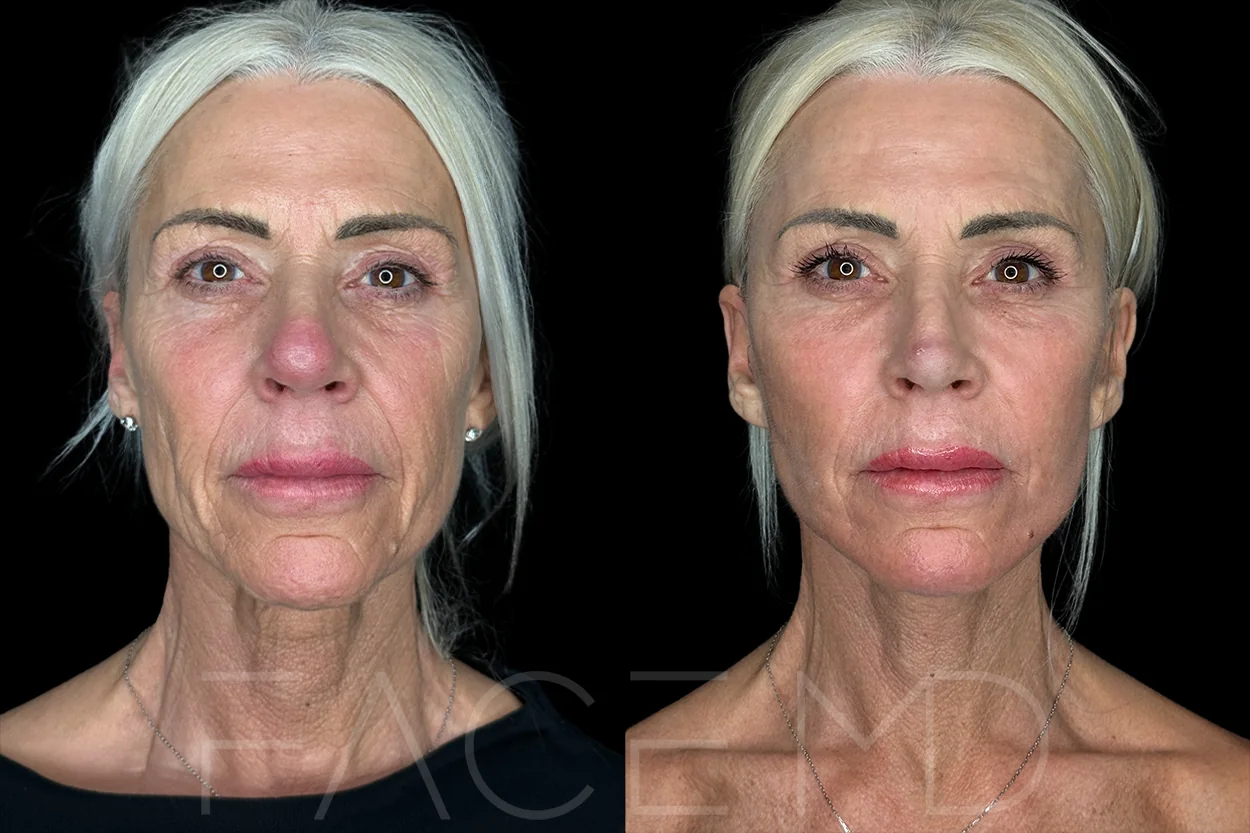
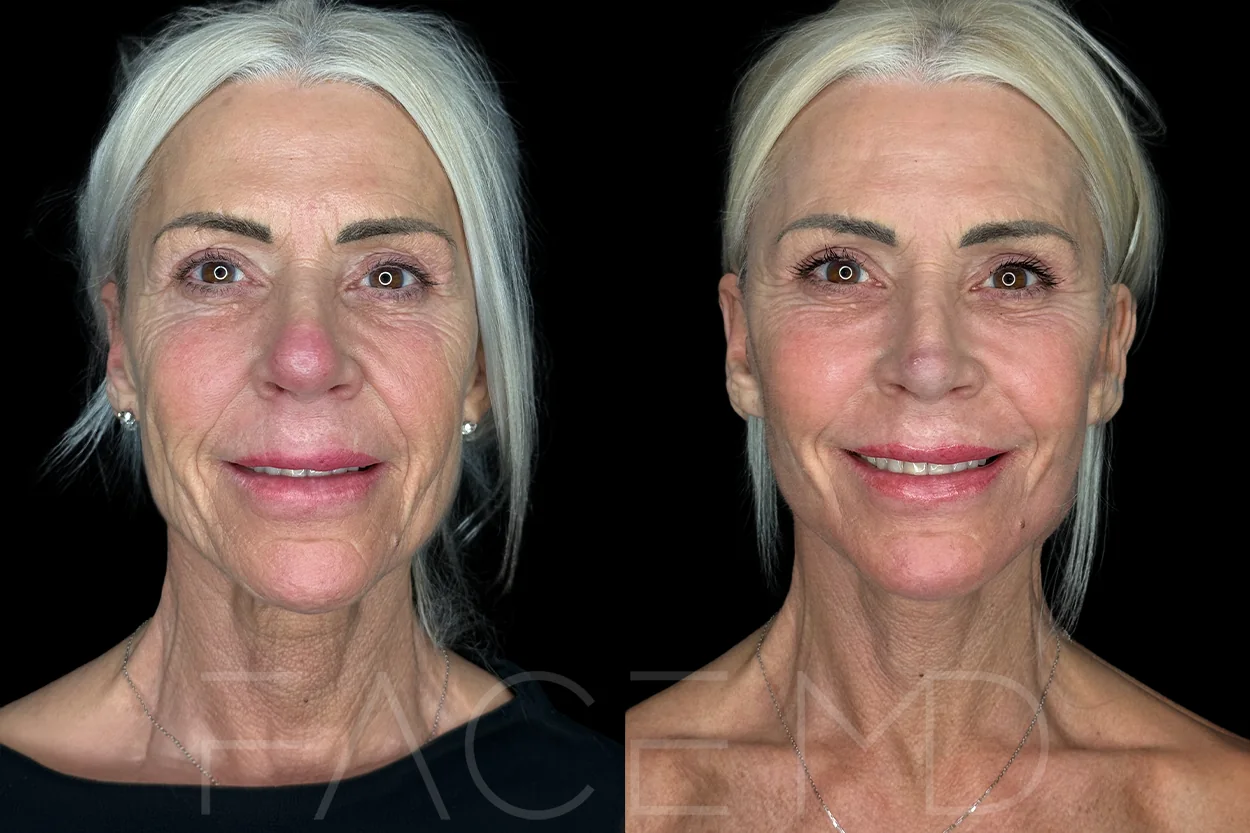
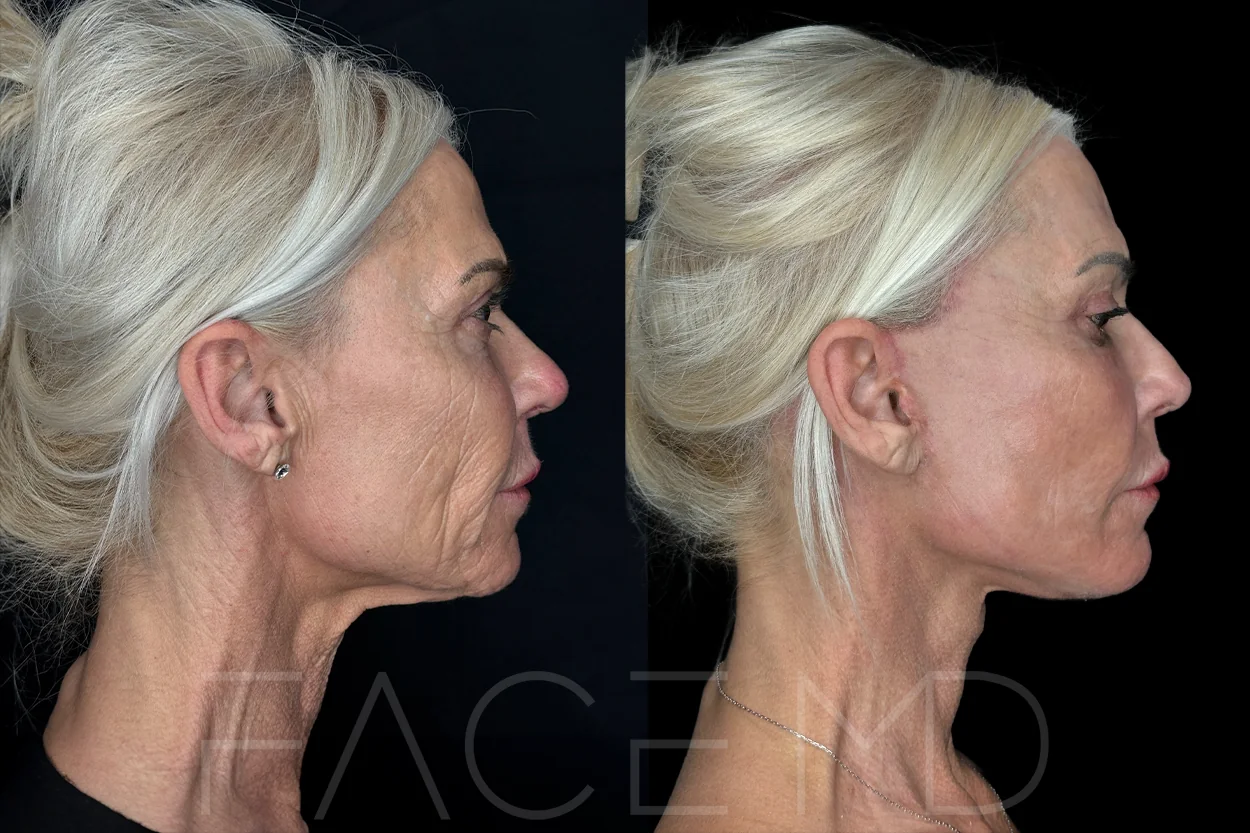
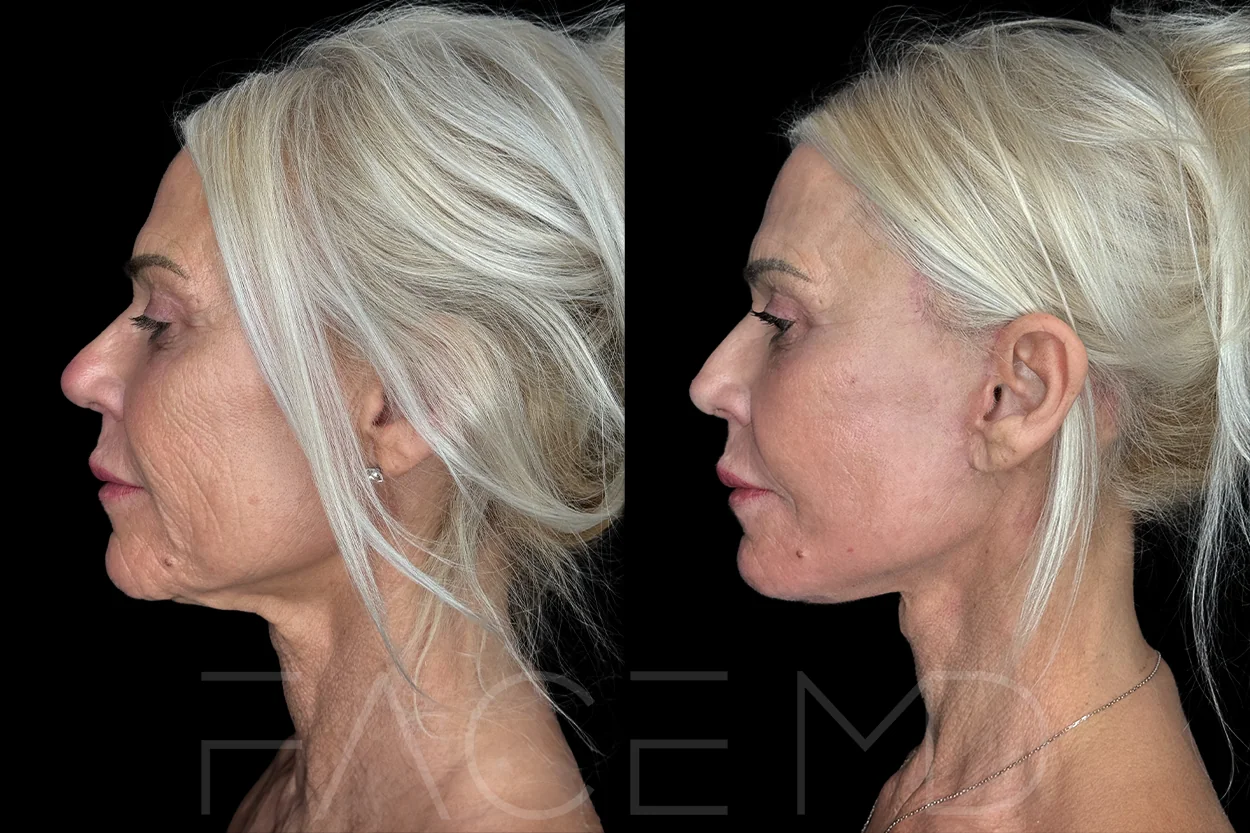
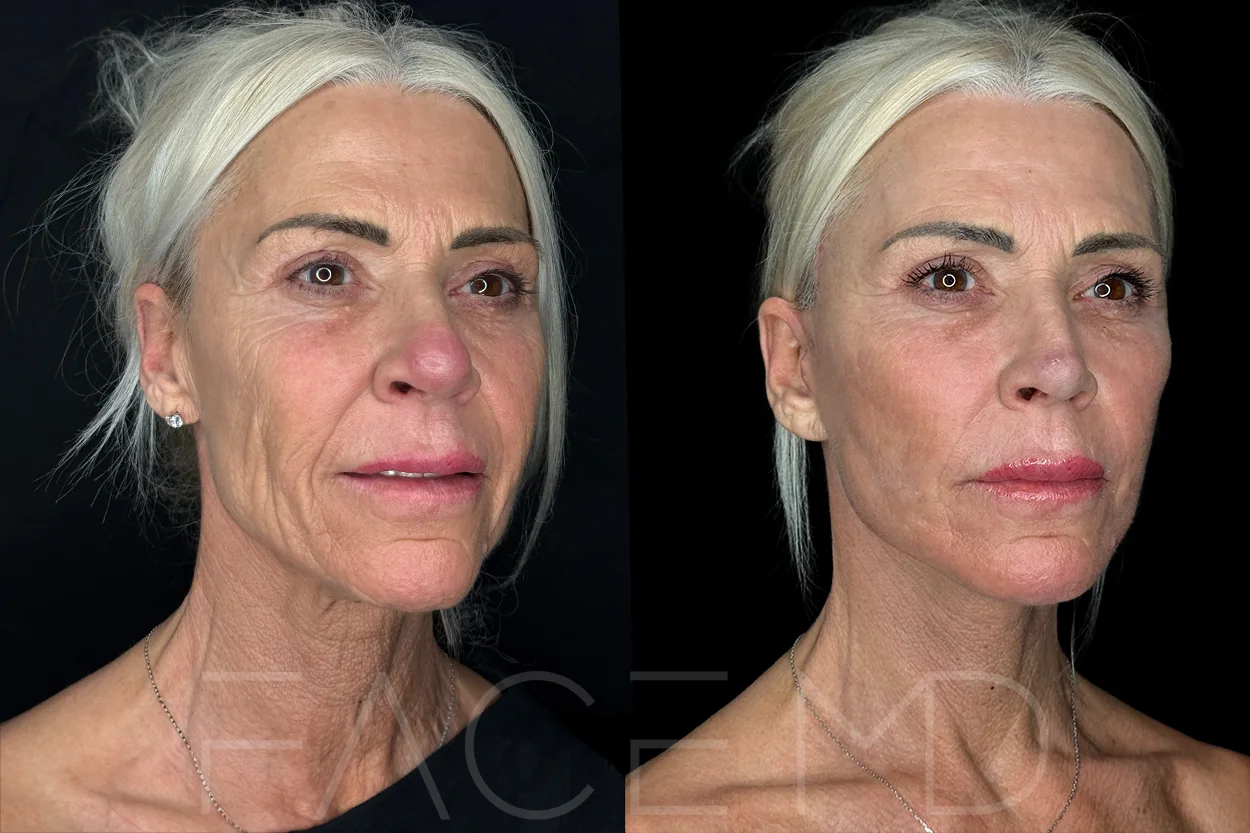
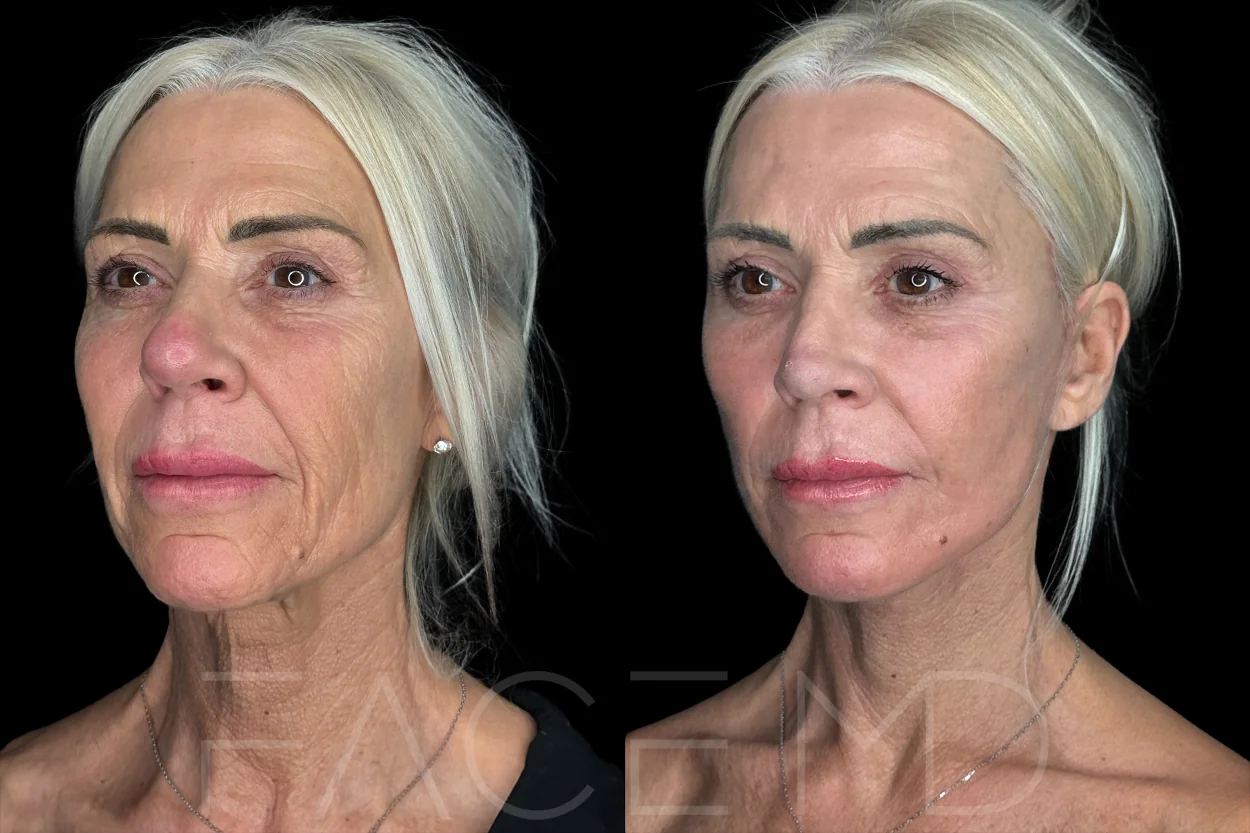
- 12 Months post-op Deep Plane Face & Neck Lift with Endoscopic Brow Lift
- 82 Months post-op Deep Plane Face & Neck Lift with Endoscopic Brow Lift
- 22 Months post-op Deep Plane Face & Neck Lift with Brow Lift
- 32 Months post-op Deep Plane Face & Neck Lift with Endoscopic Brow Lift
- 42 Months post-op Deep Plane Face & Neck Lift with Endoscopic Brow Lift
- 52 Months post-op Deep Plane Face & Neck Lift with Endoscopic Brow Lift
- 62 Months post-op Deep Plane Face & Neck Lift with Endoscopic Brow Lift
- 72 Months post-op Deep Plane Face & Neck Lift with Endoscopic Brow Lift
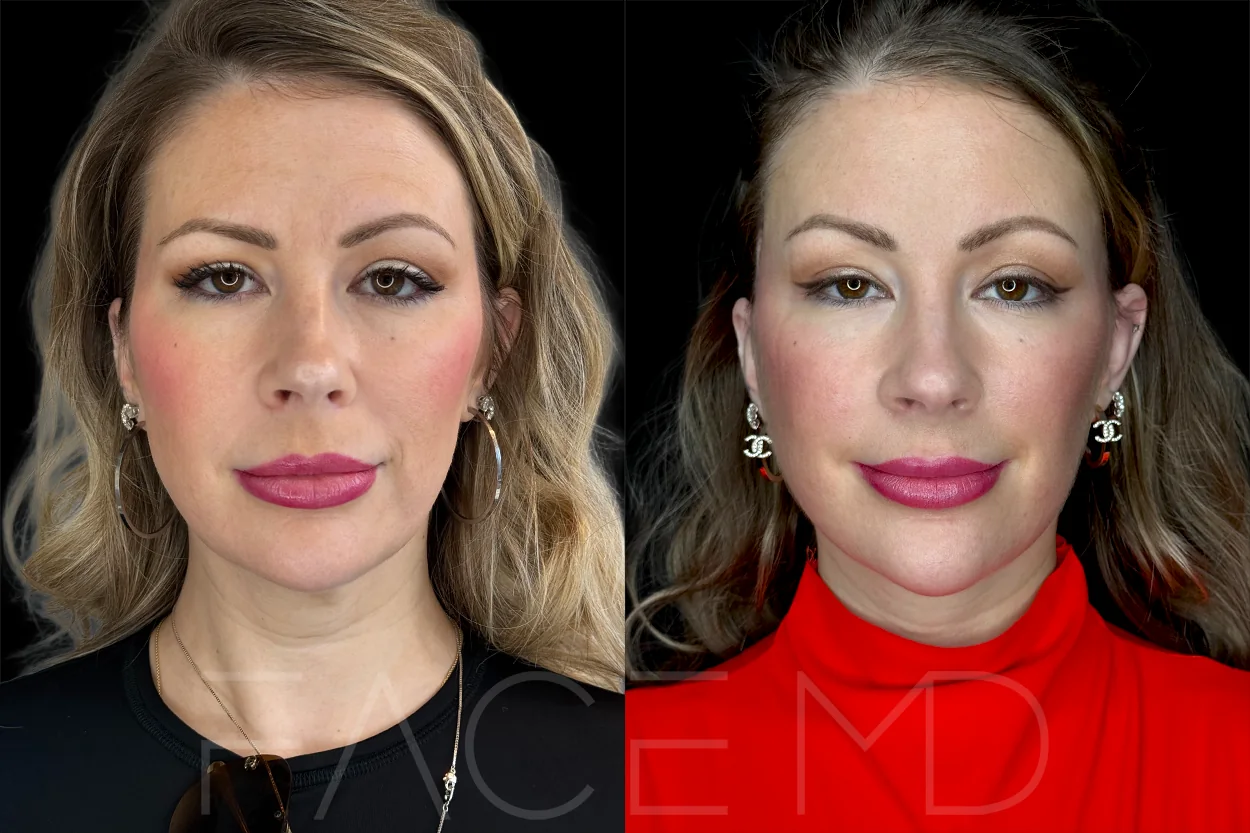
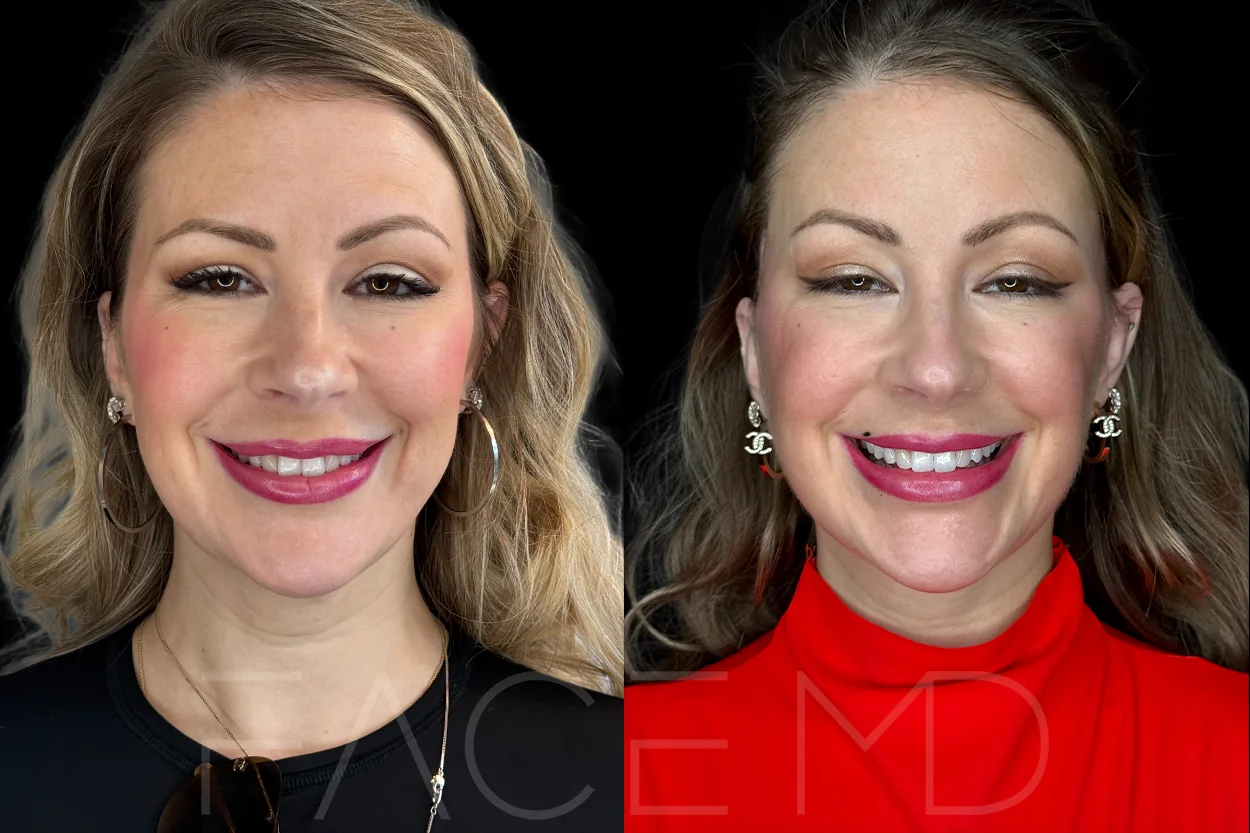
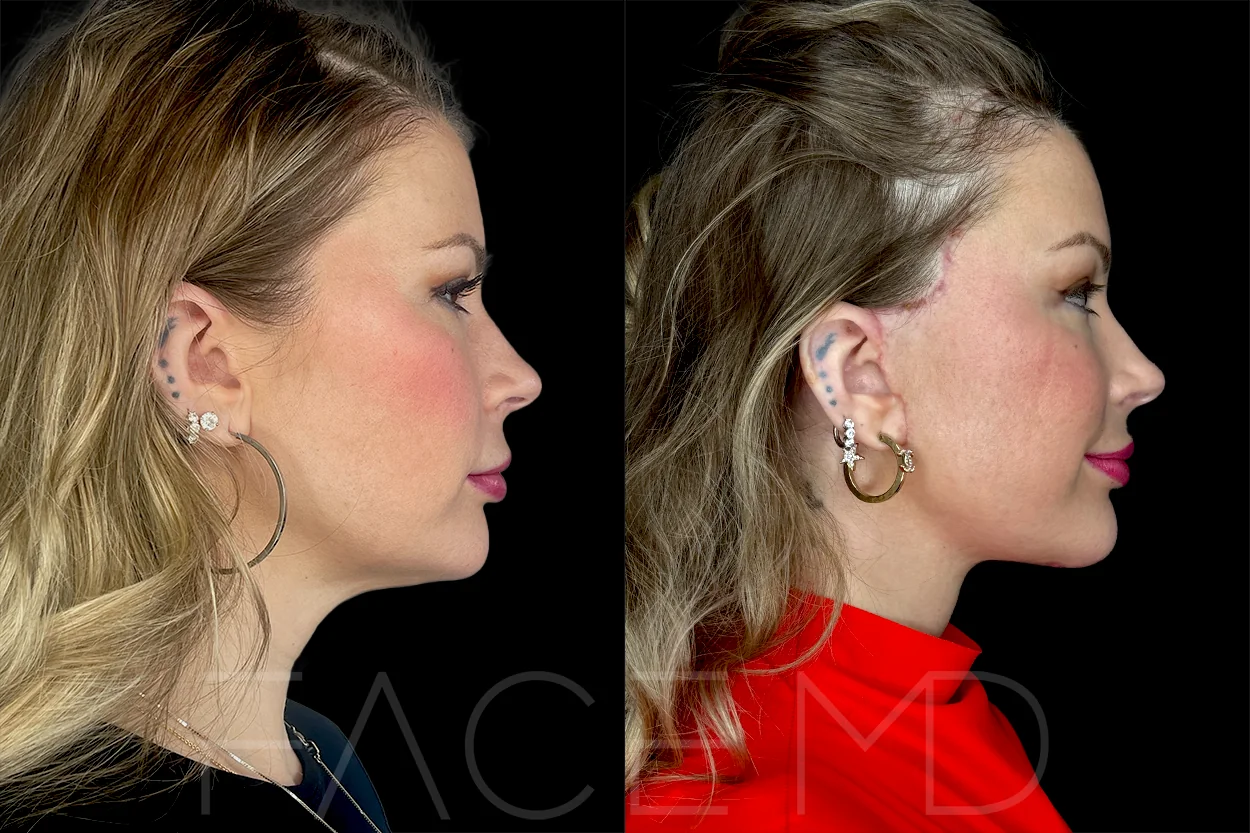
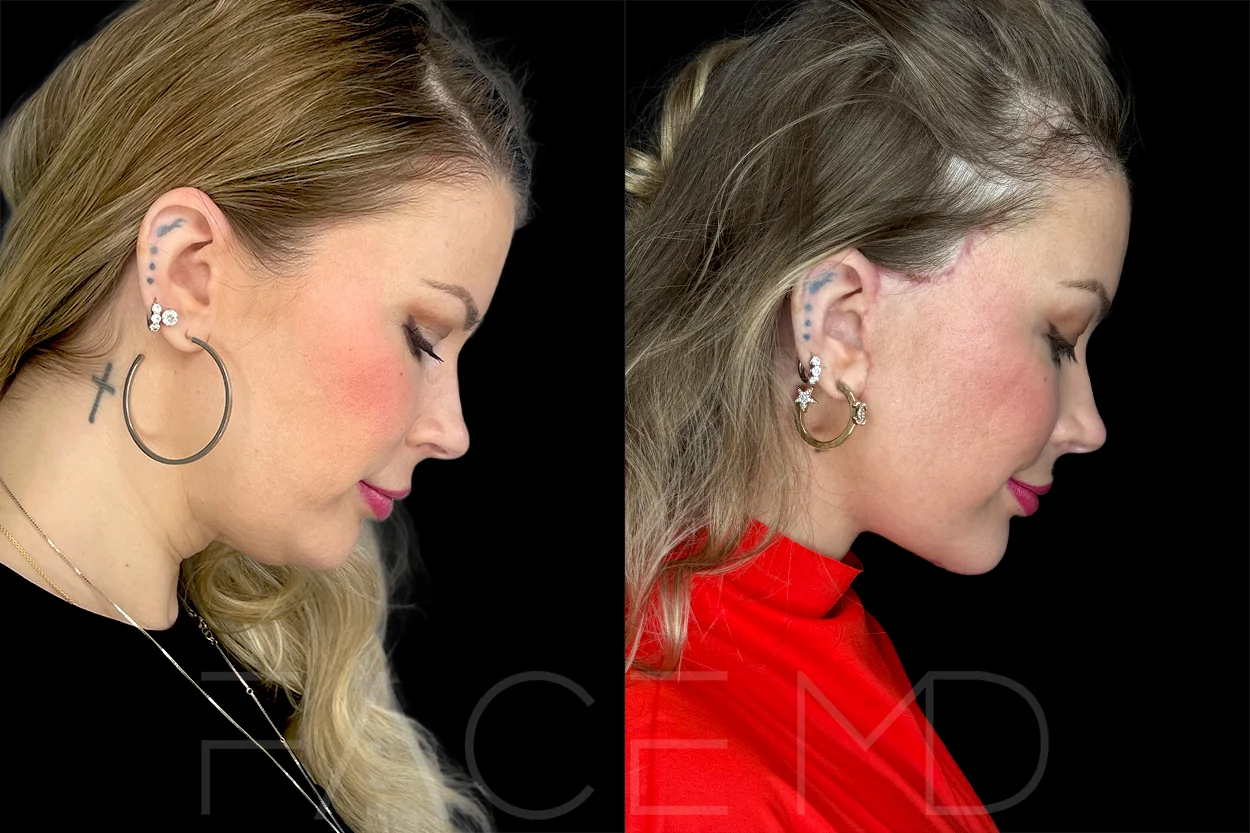
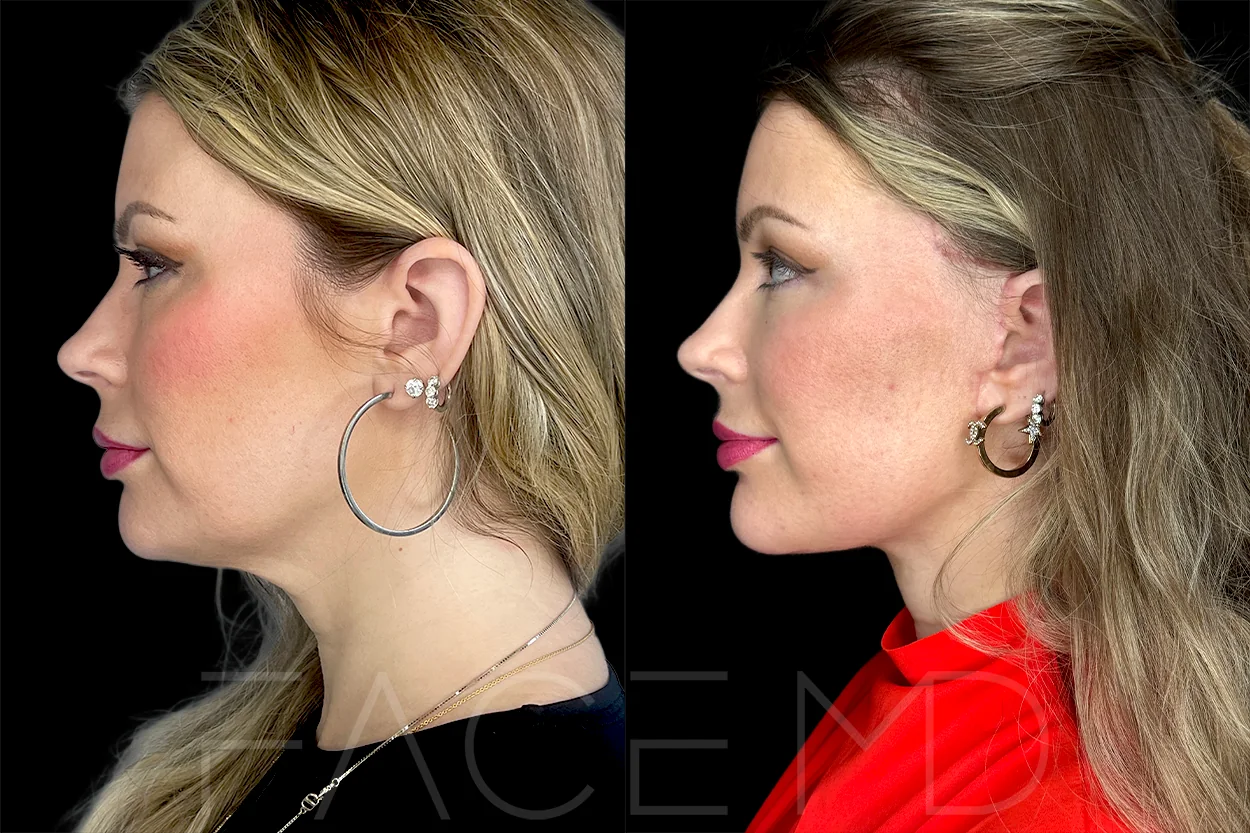
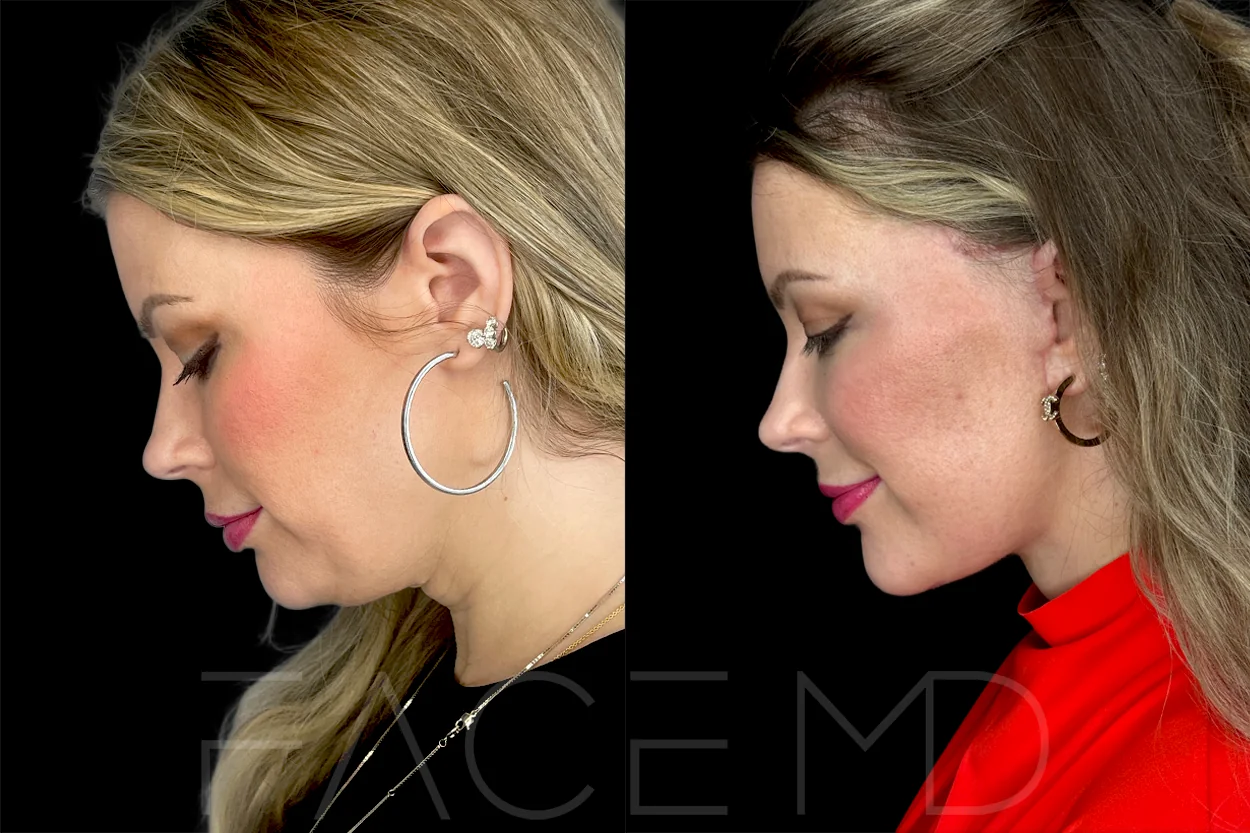
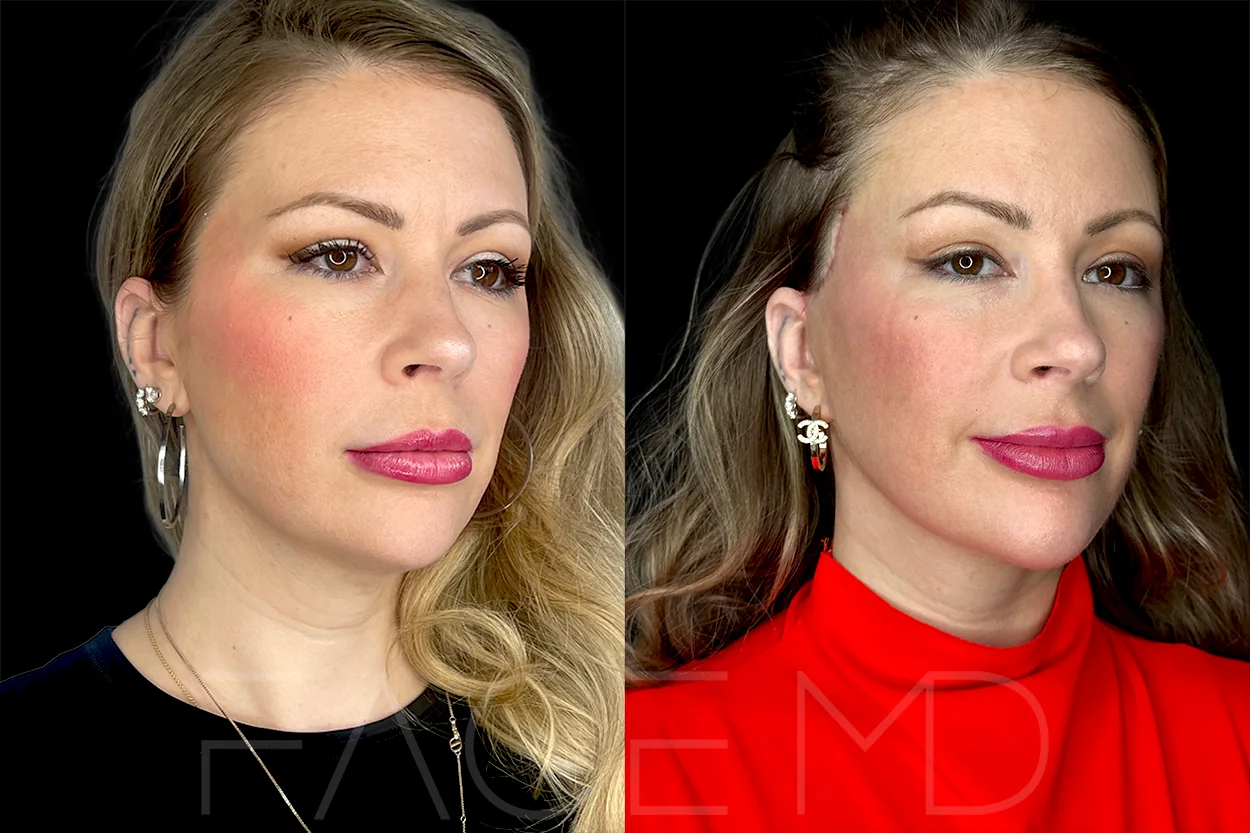
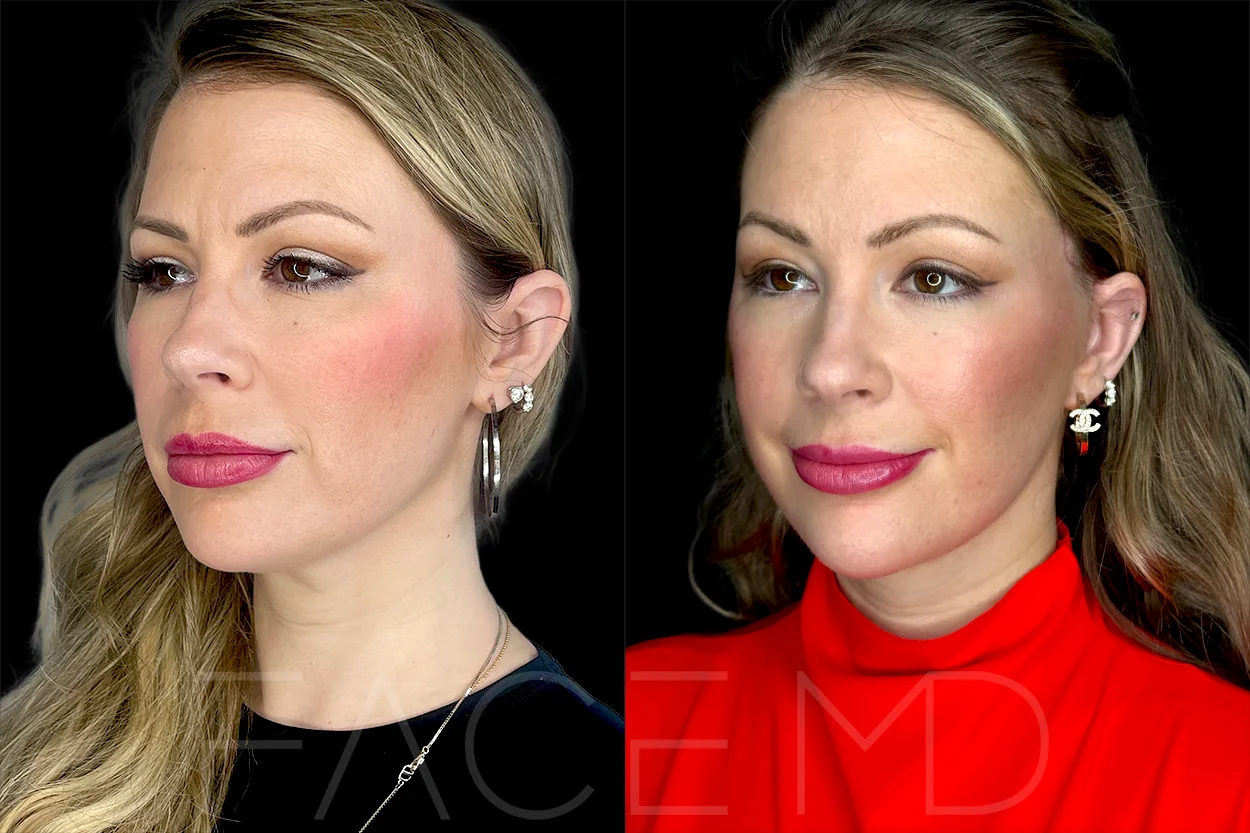
- 19.5 Months post-op Deep Plane Face & Neck Lift, Chin Implant and Forehead Reduction, and 6.5 Months post-op Upper Lip Lift and Upper Blepharoplasty
- 29.5 Months post-op Deep Plane Face & Neck Lift, Chin Implant and Forehead Reduction, and 6.5 Months post-op Upper Lip Lift and Upper Blepharoplasty
- 39.5 Months post-op Deep Plane Face & Neck Lift, Chin Implant and Forehead Reduction, and 6.5 Months post-op Upper Lip Lift and Upper Blepharoplasty
- 49.5 Months post-op Deep Plane Face & Neck Lift, Chin Implant and Forehead Reduction, and 6.5 Months post-op Upper Lip Lift and Upper Blepharoplasty
- 59.5 Months post-op Deep Plane Face & Neck Lift, Chin Implant and Forehead Reduction, and 6.5 Months post-op Upper Lip Lift and Upper Blepharoplasty
- 69.5 Months post-op Deep Plane Face & Neck Lift, Chin Implant and Forehead Reduction, and 6.5 Months post-op Upper Lip Lift and Upper Blepharoplasty
- 79.5 Months post-op Deep Plane Face & Neck Lift, Chin Implant and Forehead Reduction, and 6.5 Months post-op Upper Lip Lift and Upper Blepharoplasty
- 89.5 Months post-op Deep Plane Face & Neck Lift, Chin Implant and Forehead Reduction, and 6.5 Months post-op Upper Lip Lift and Upper Blepharoplasty
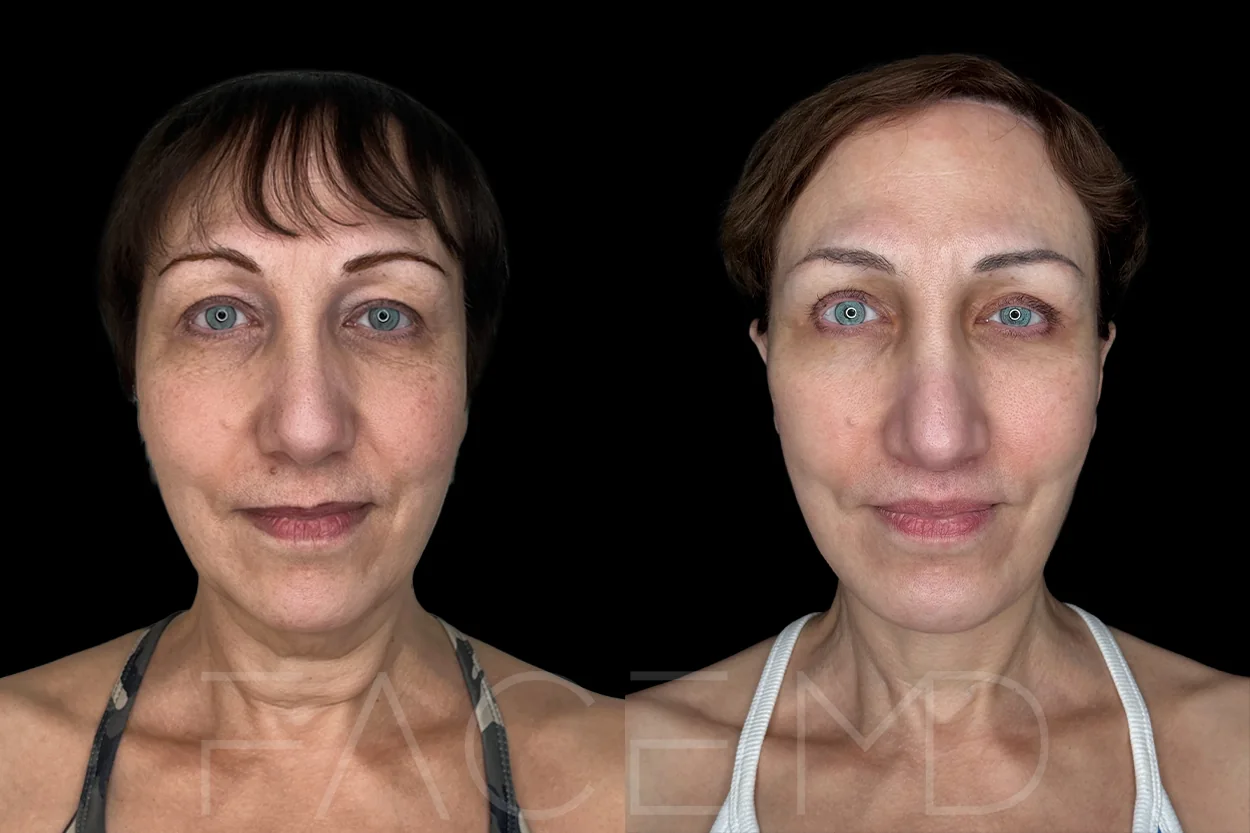
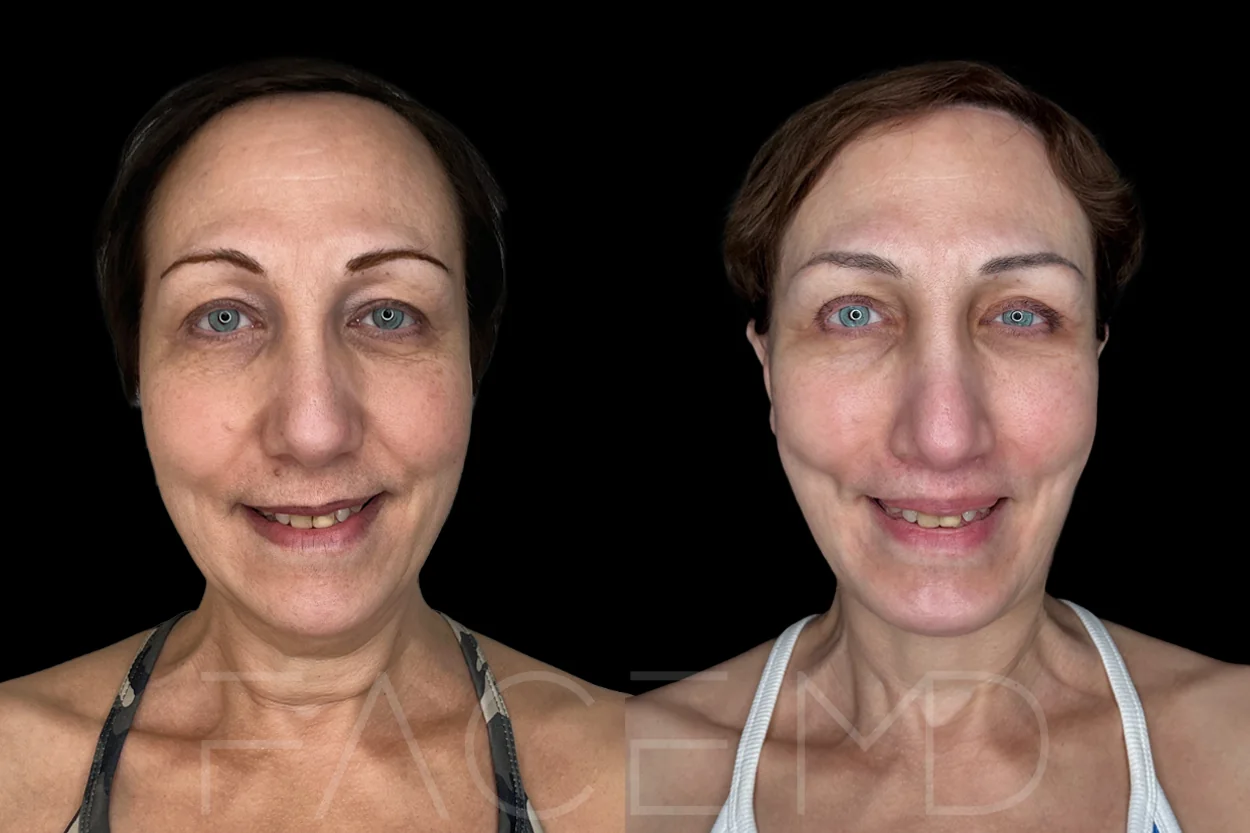
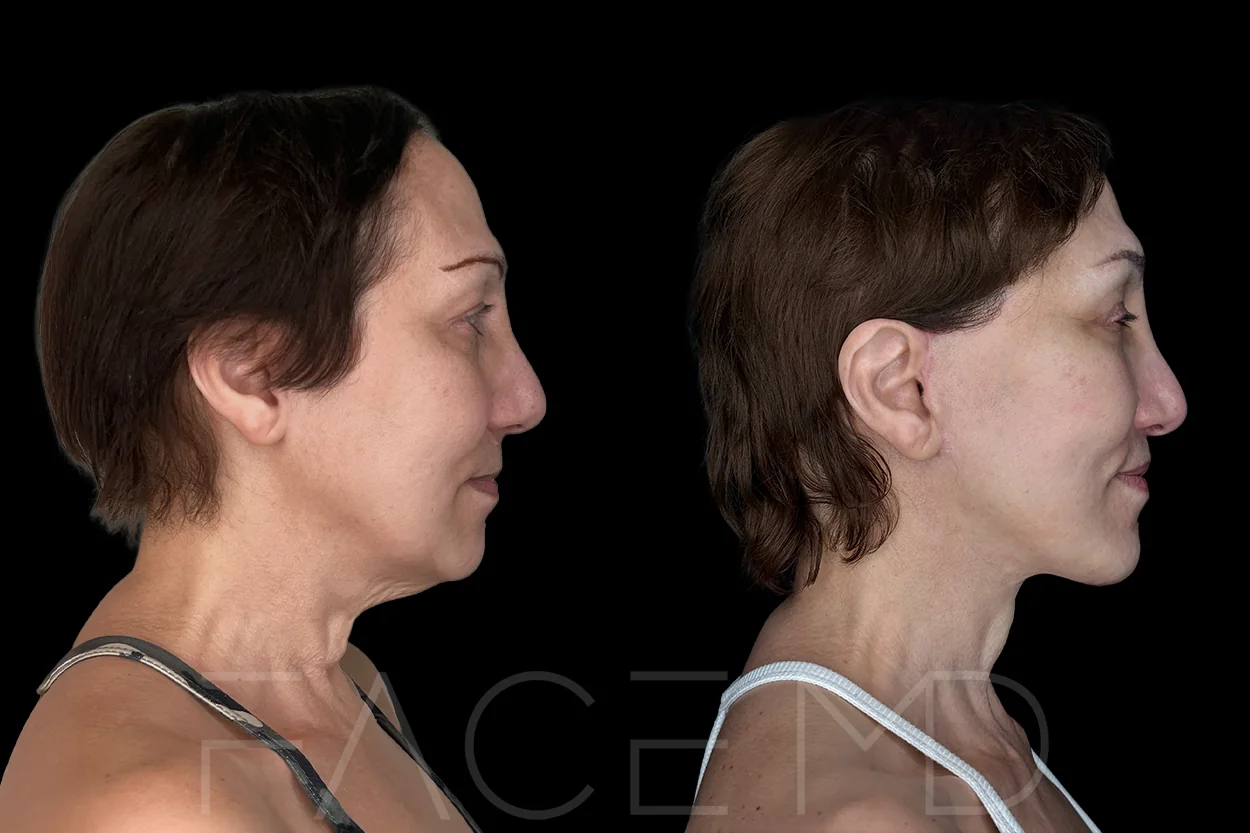
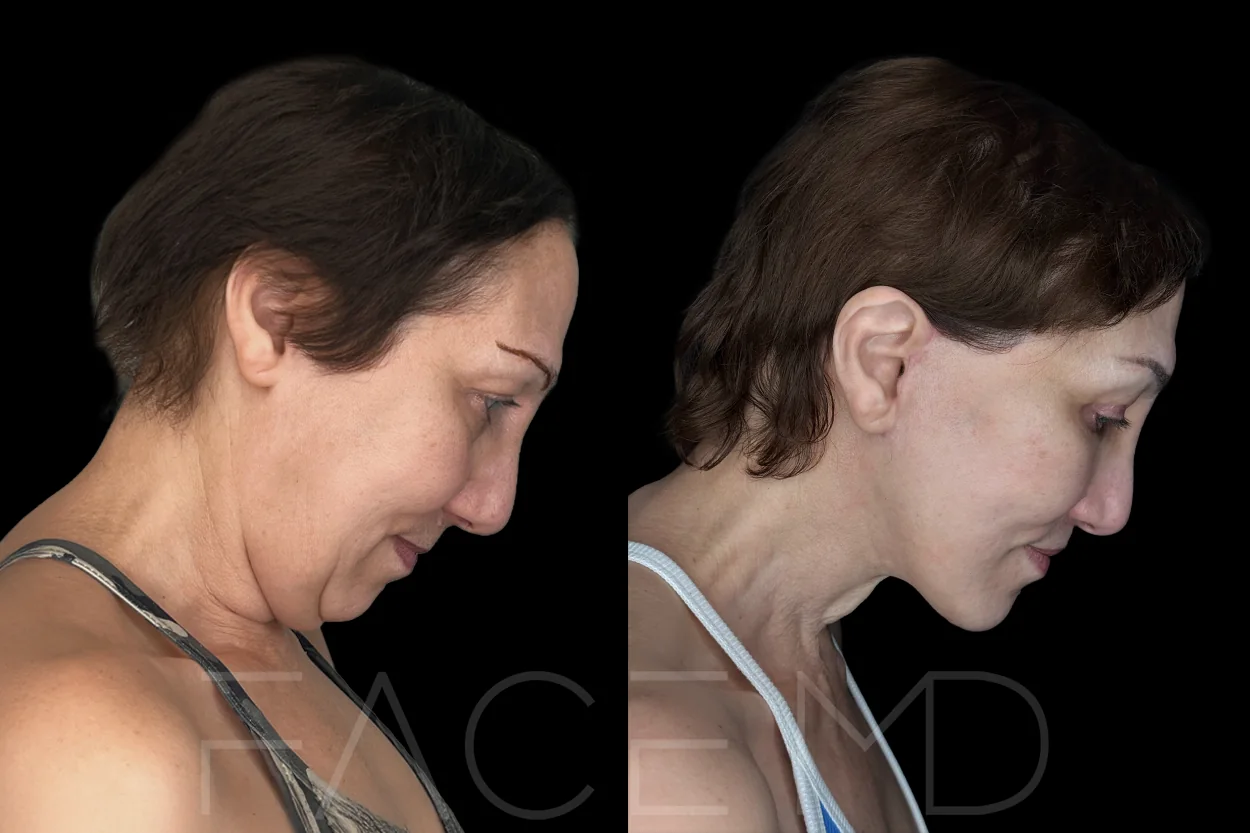
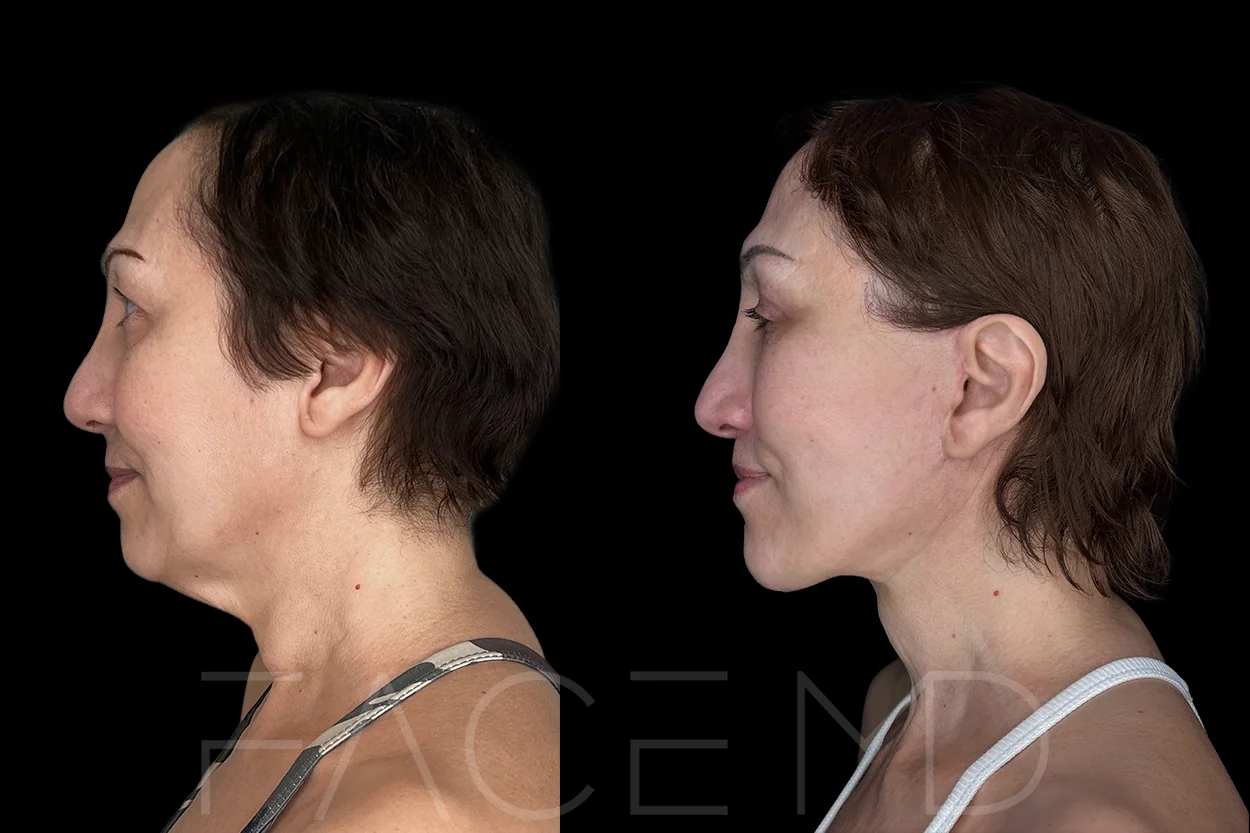
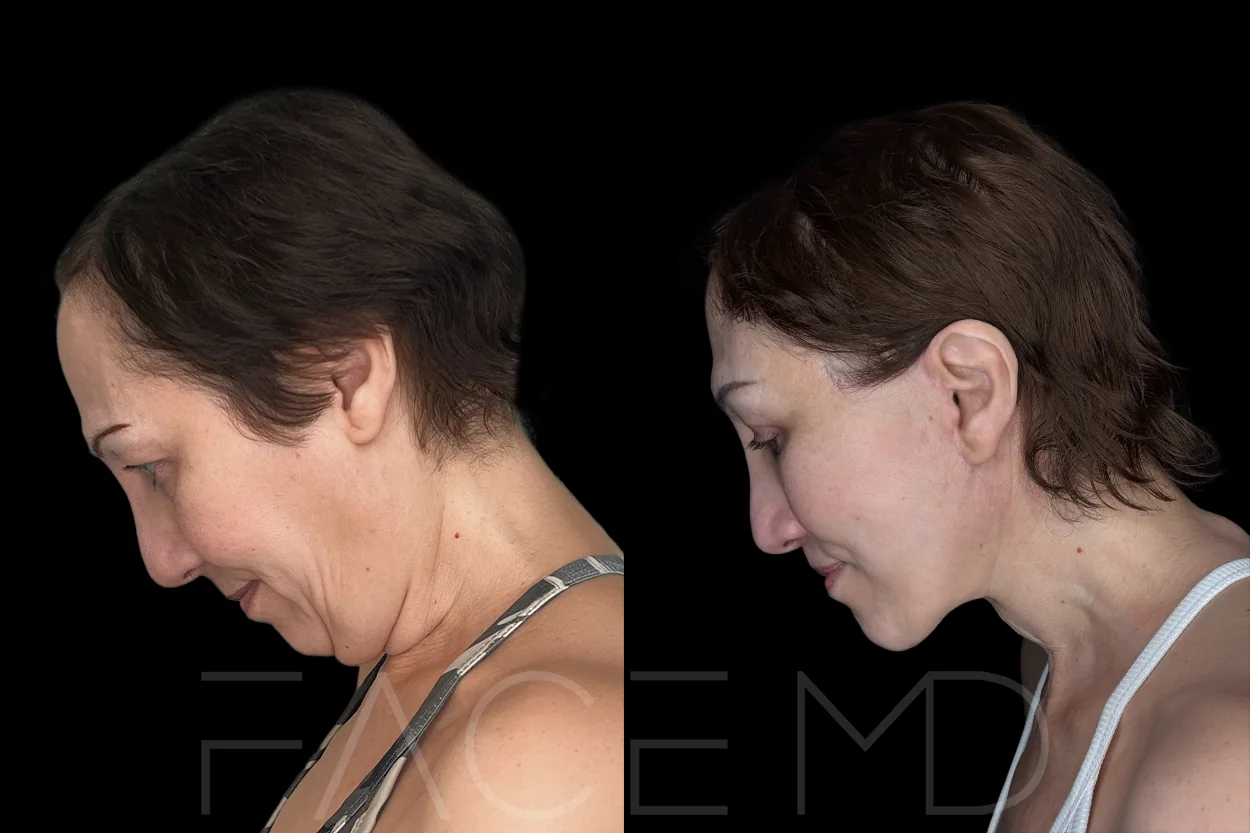
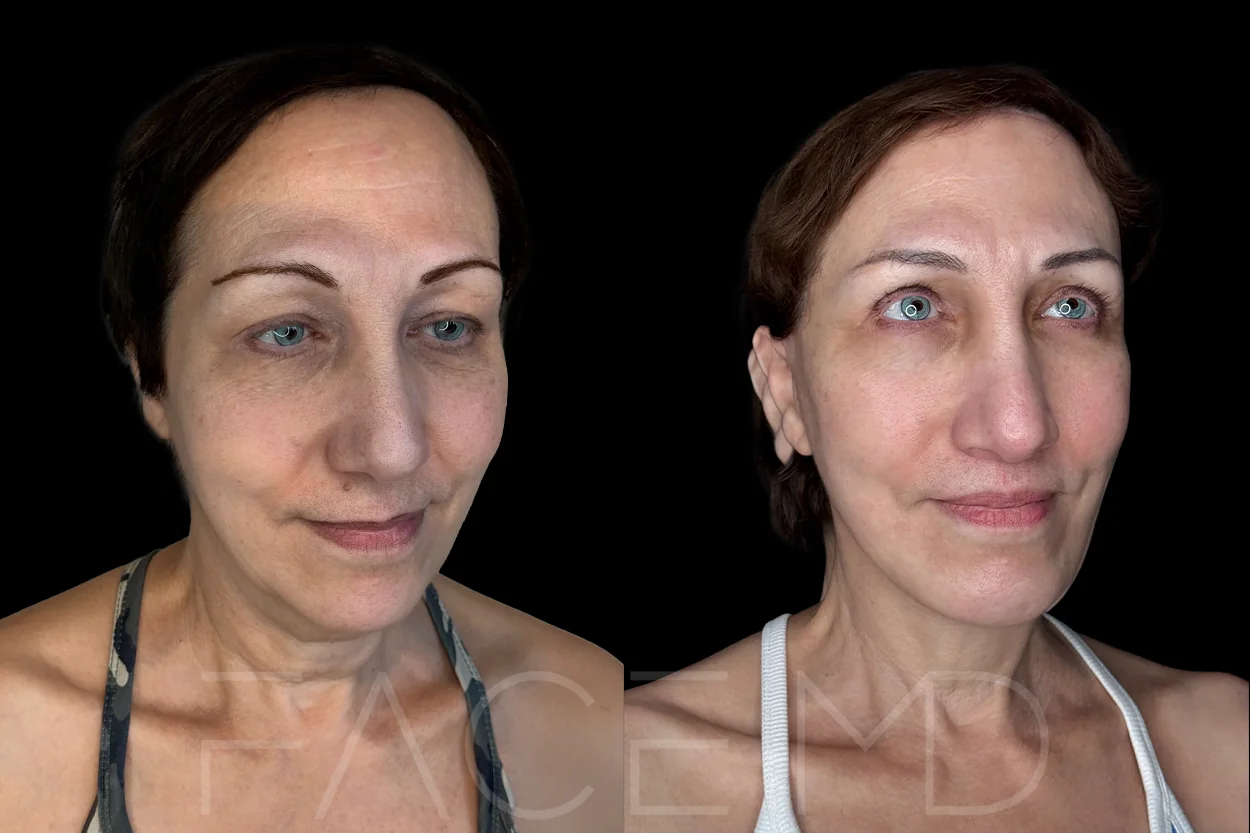
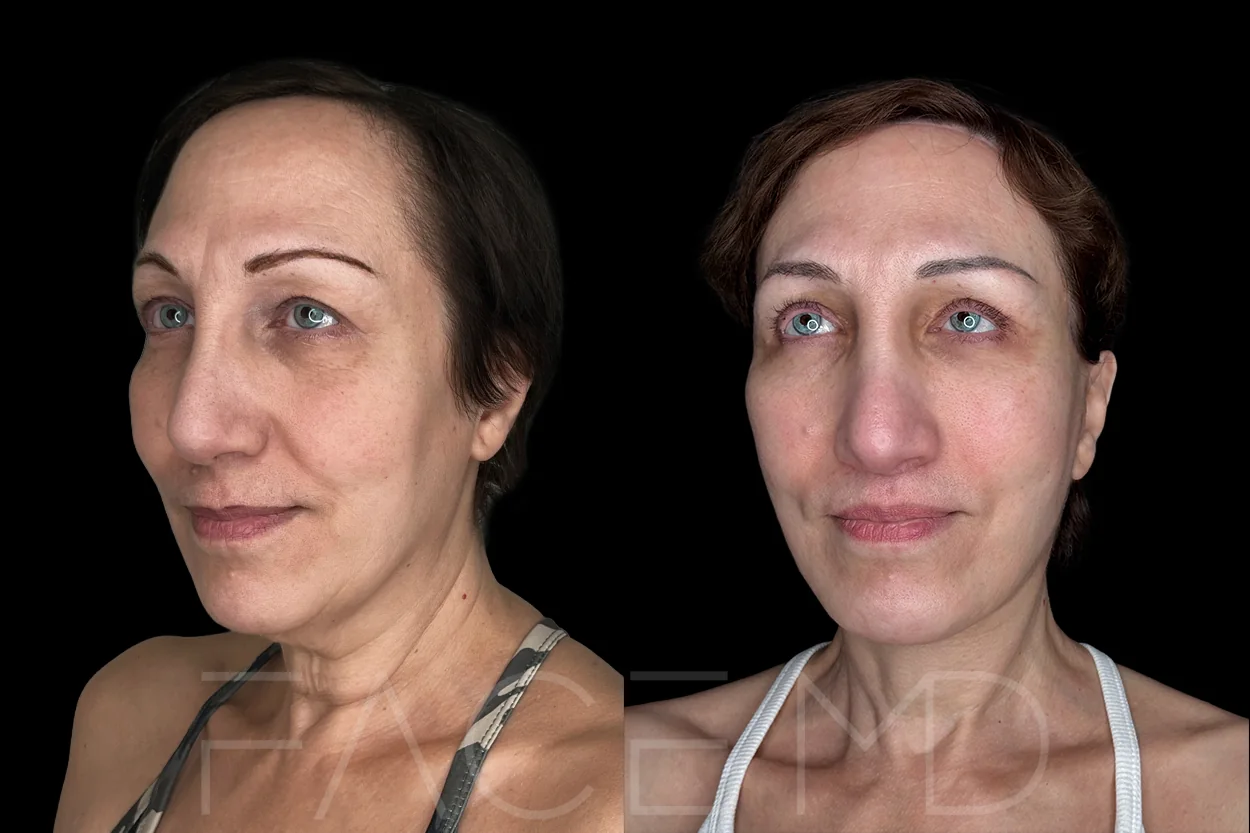
- 2 Months post-op Deep Plane Face & Neck Lift with Fat Transfer2 Months post-op Deep Plane Face & Neck Lift with Fat Transfer
- 2 Months post-op Deep Plane Face & Neck Lift with Fat Transfer
- 2 Months post-op Deep Plane Face & Neck Lift with Fat Transfer
- 2 Months post-op Deep Plane Face & Neck Lift with Fat Transfer
- 2 Months post-op Deep Plane Face & Neck Lift with Fat Transfer
- 2 Months post-op Deep Plane Face & Neck Lift with Fat Transfer
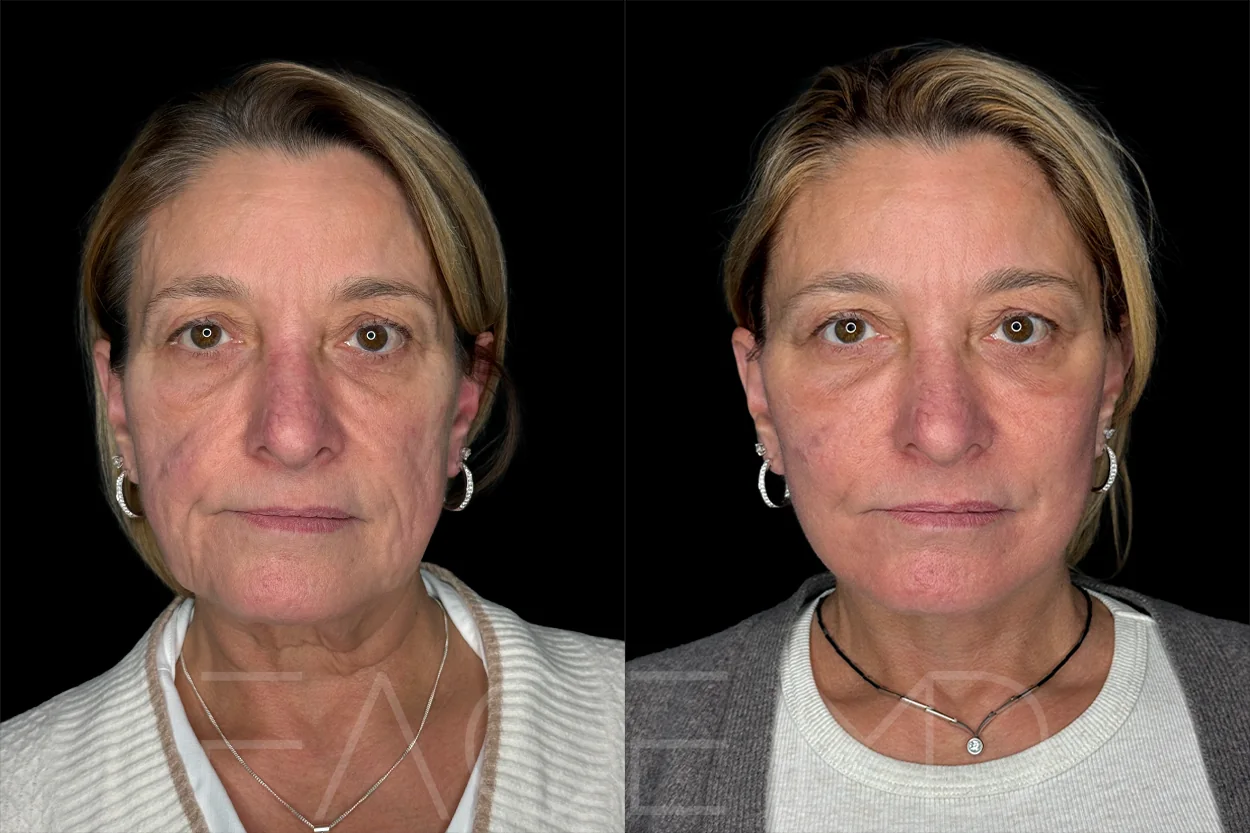
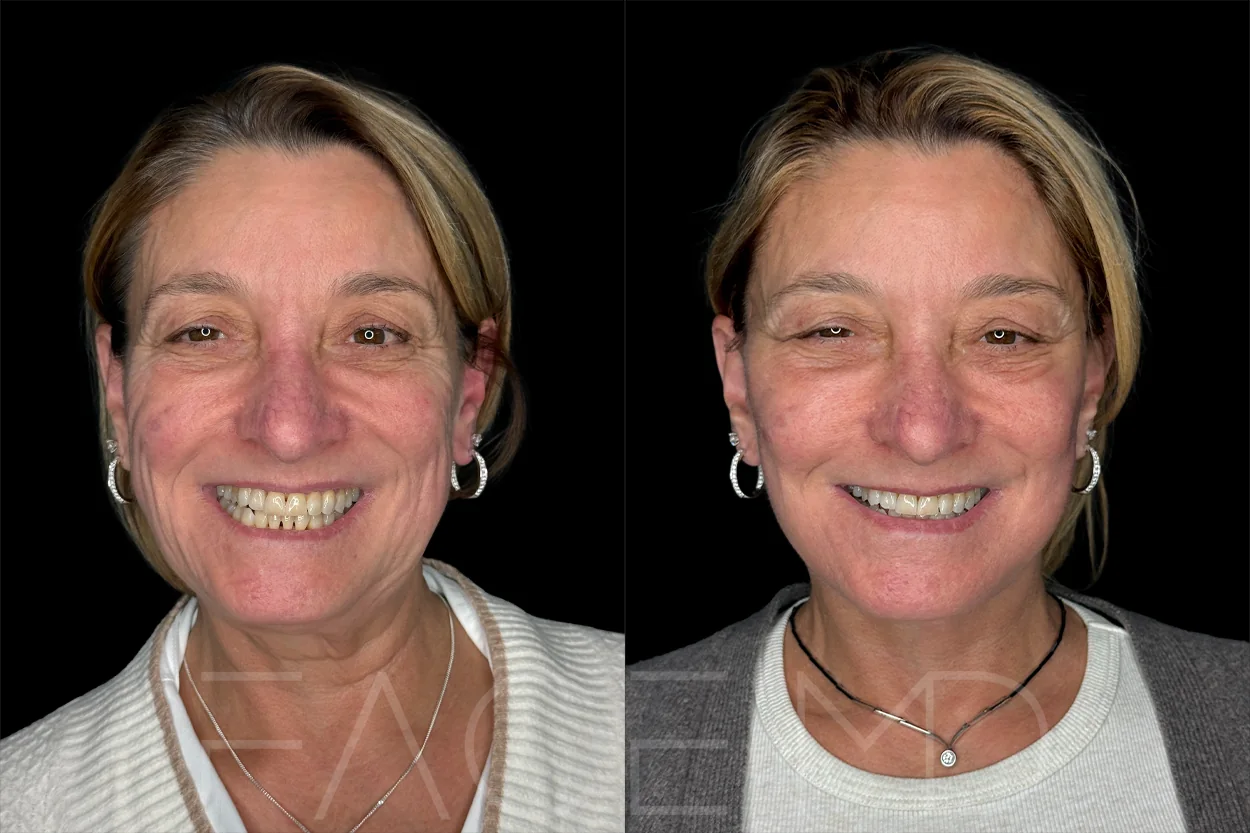
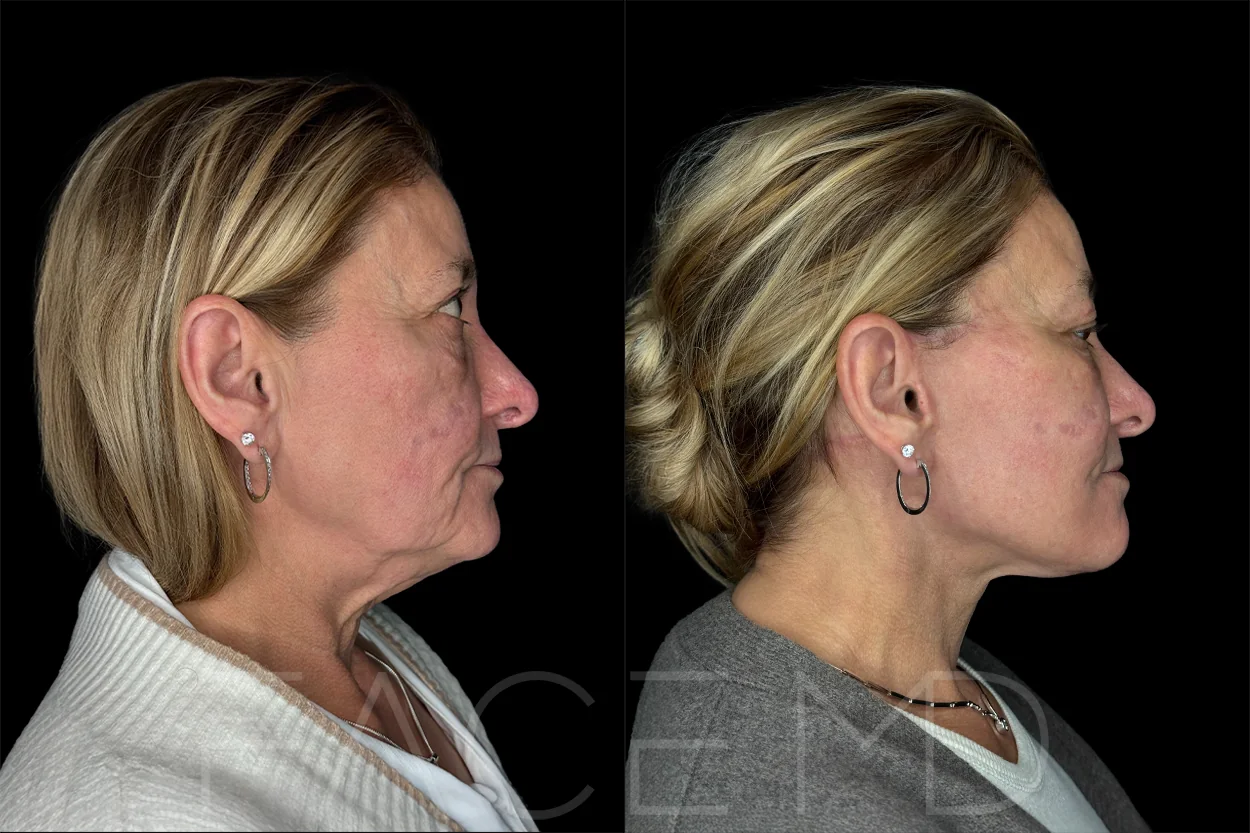
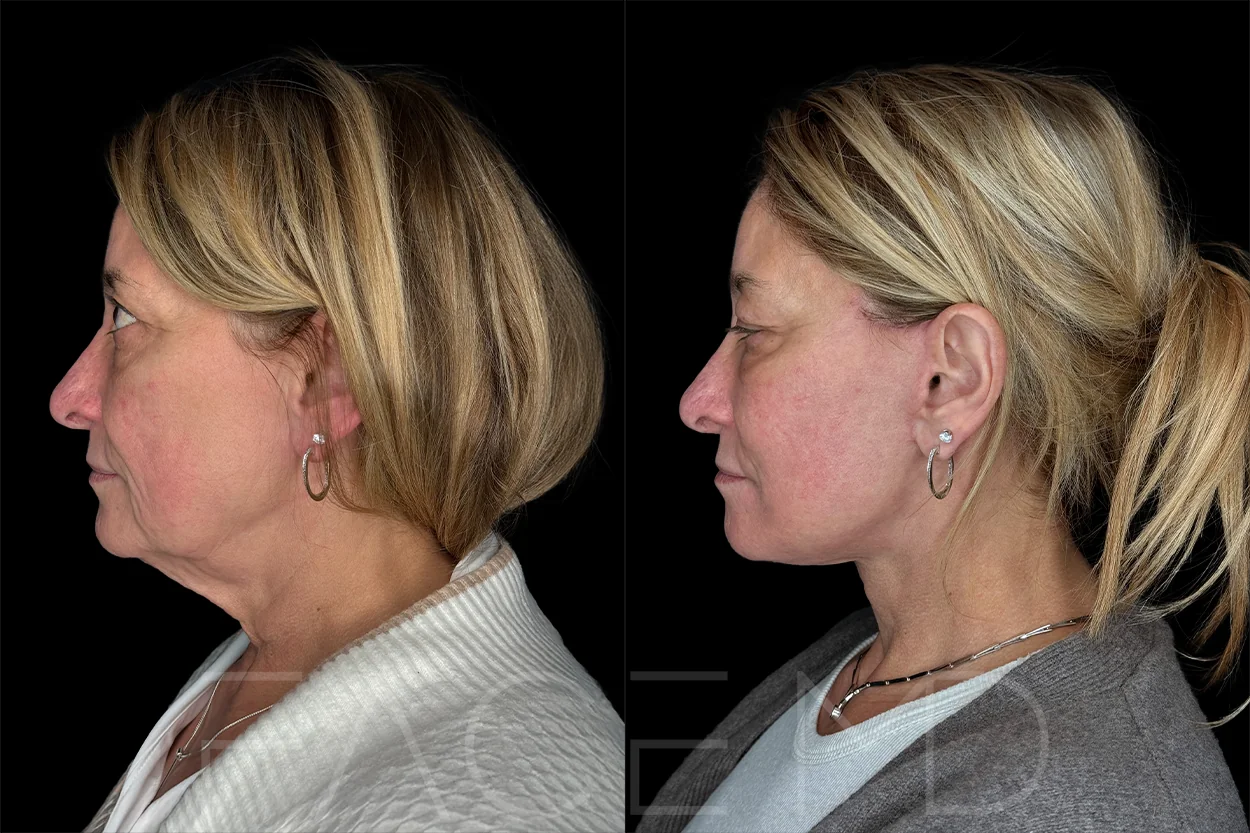
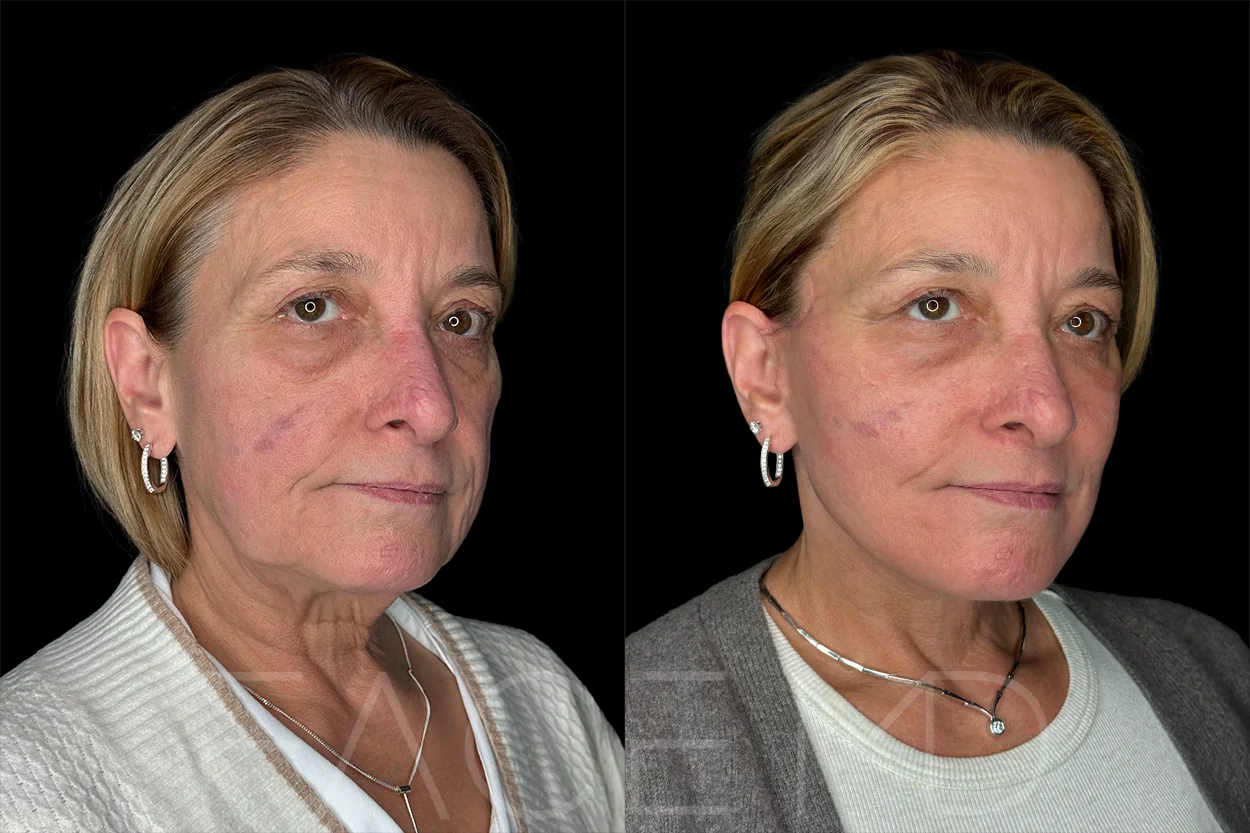
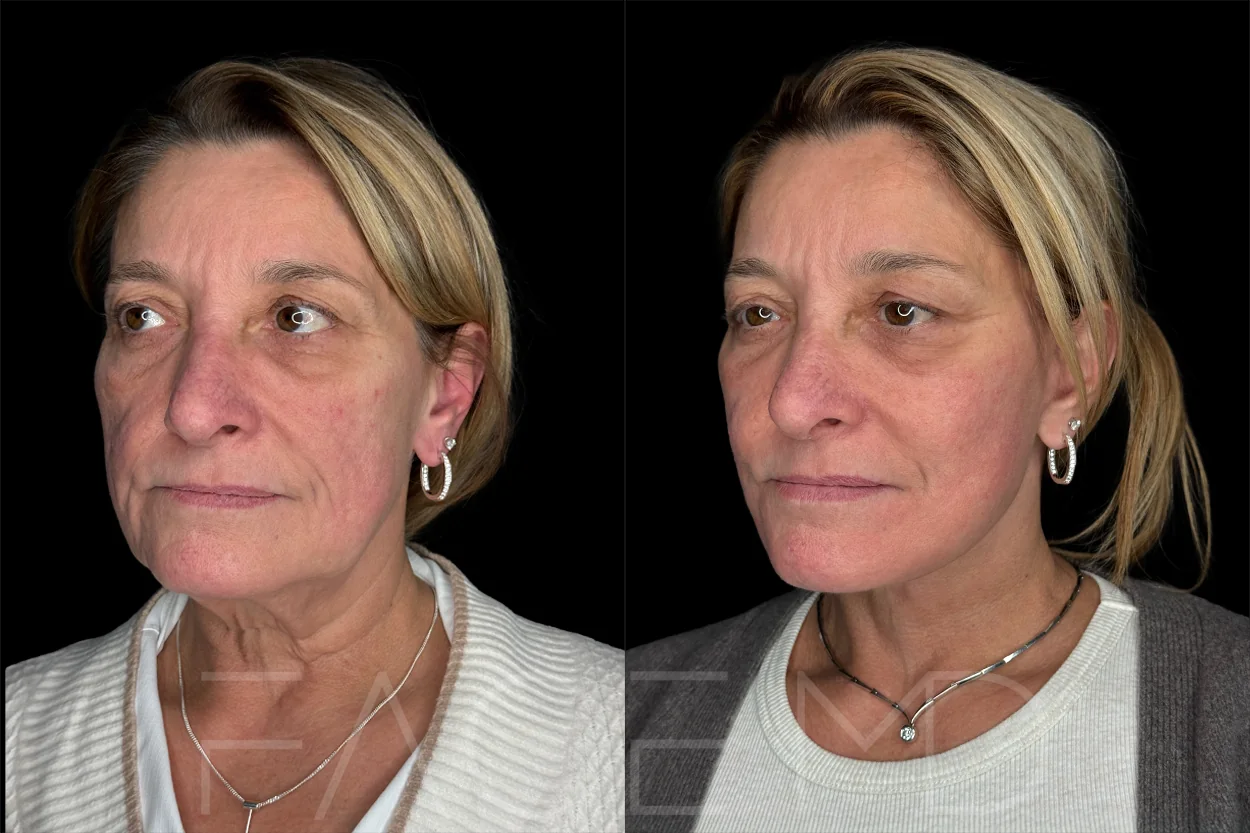
- 12 Months post-op Deep Plane Face & Neck Lift with Full Face CO2 Laser
- 22 Months post-op Deep Plane Face & Neck Lift with Full Face CO2 Laser
- 32 Months post-op Deep Plane Face & Neck Lift with Full Face CO2 Laser
- 52 Months post-op Deep Plane Face & Neck Lift with Full Face CO2 Laser
- 72 Months post-op Deep Plane Face & Neck Lift with Full Face CO2 Laser
- 82 Months post-op Deep Plane Face & Neck Lift with Full Face CO2 Laser
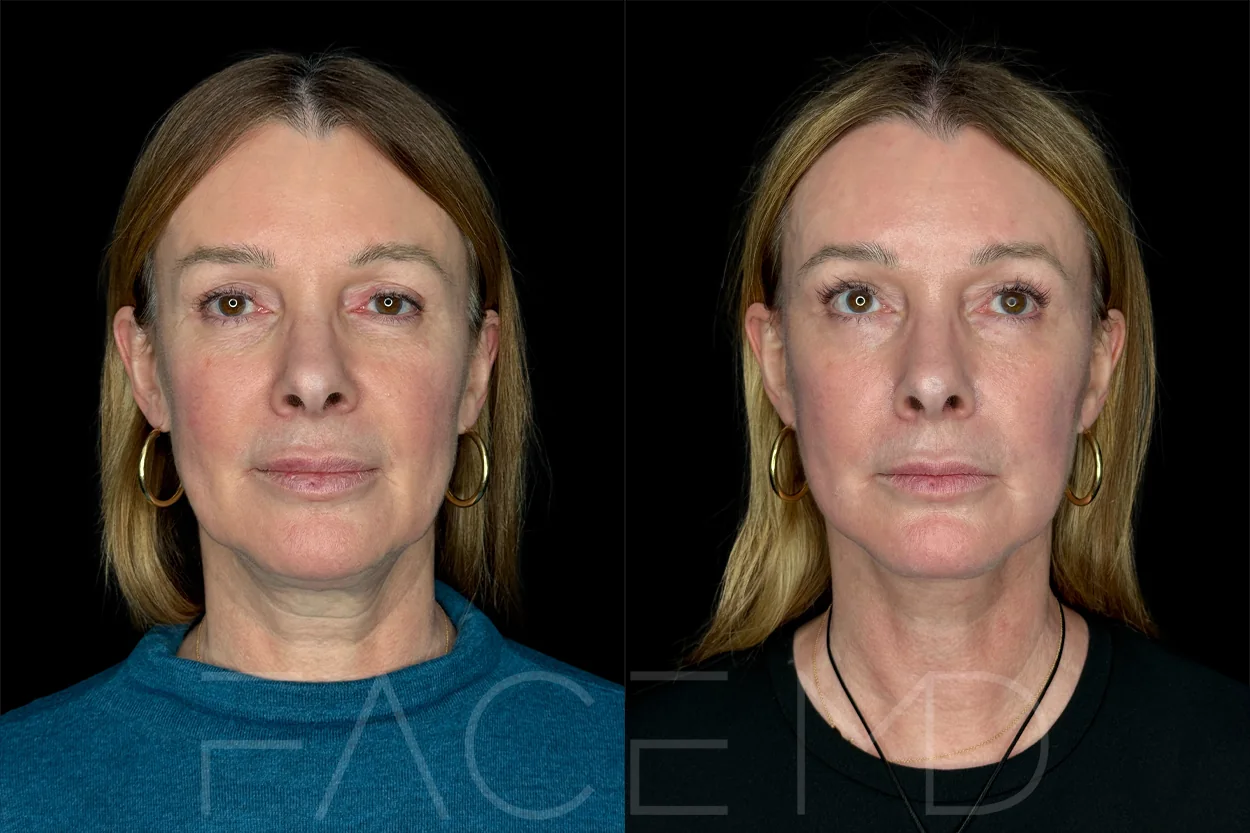
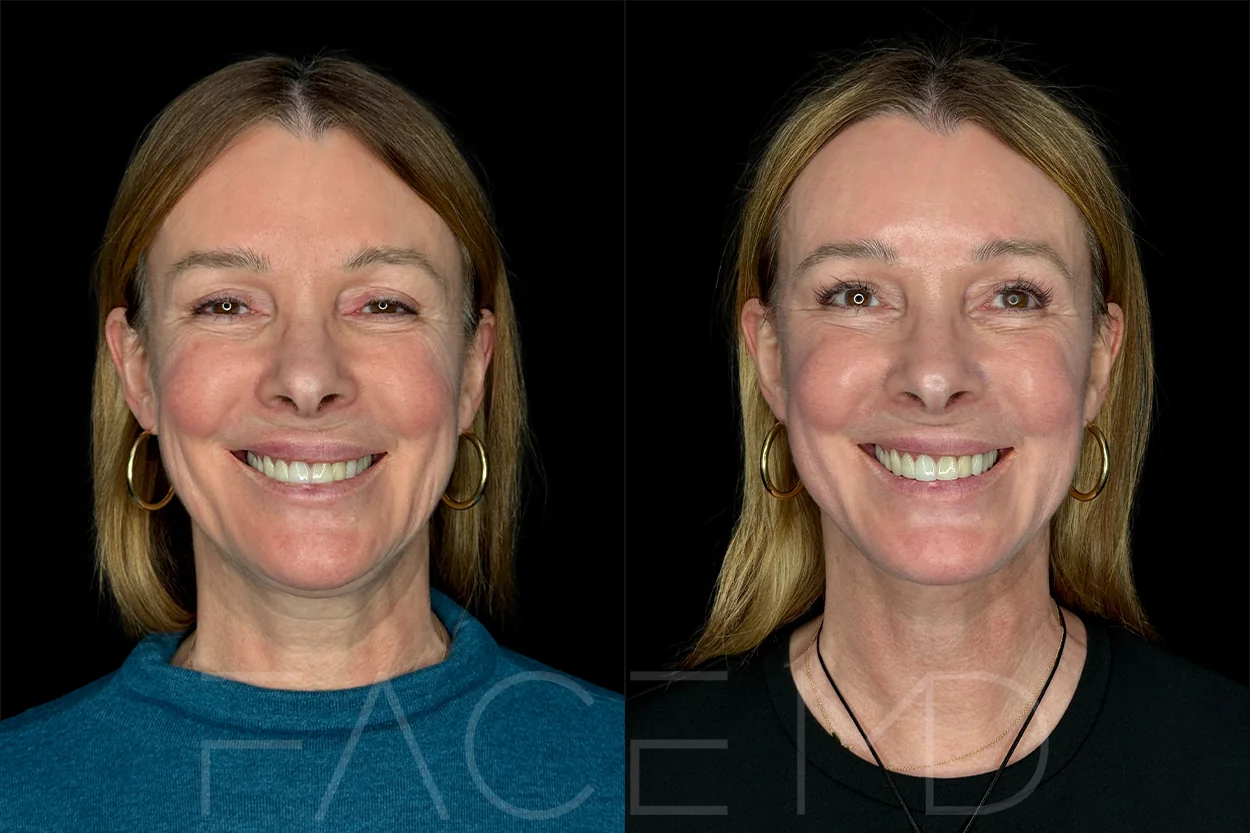
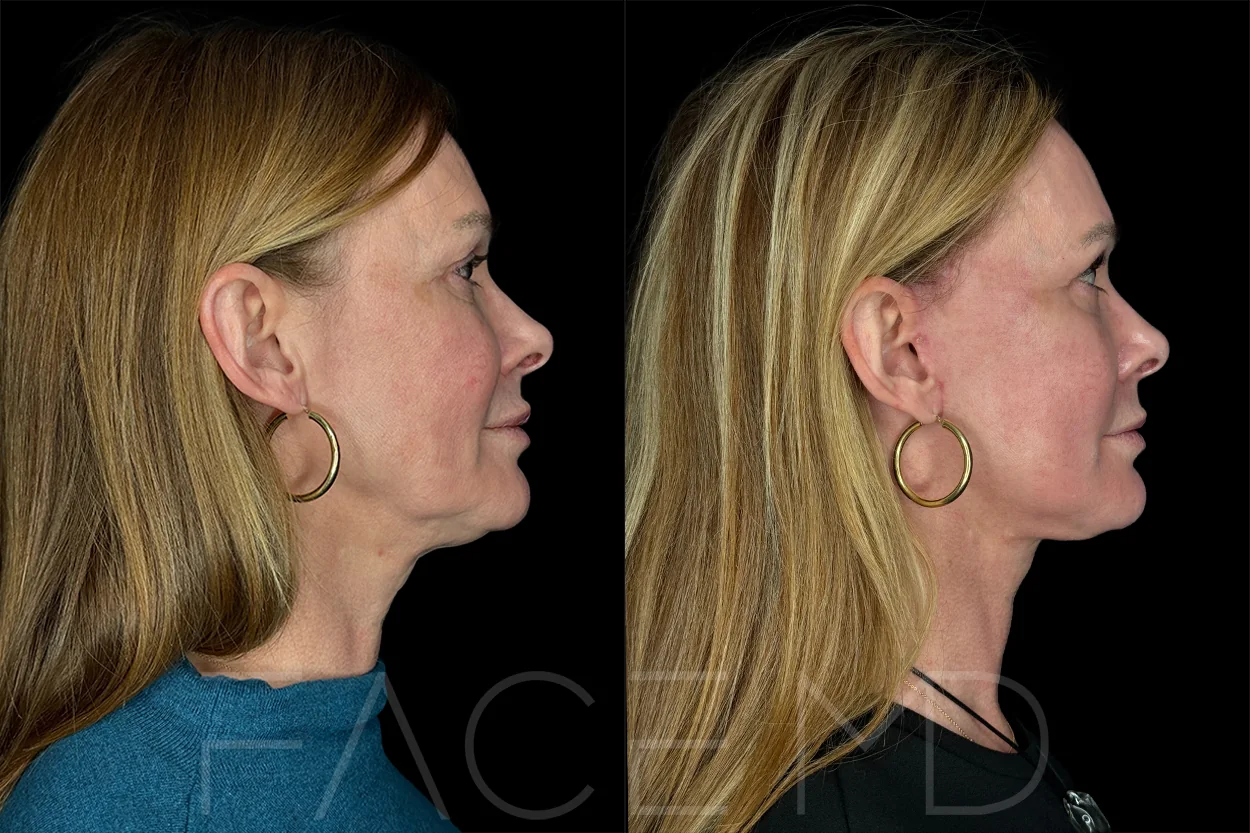
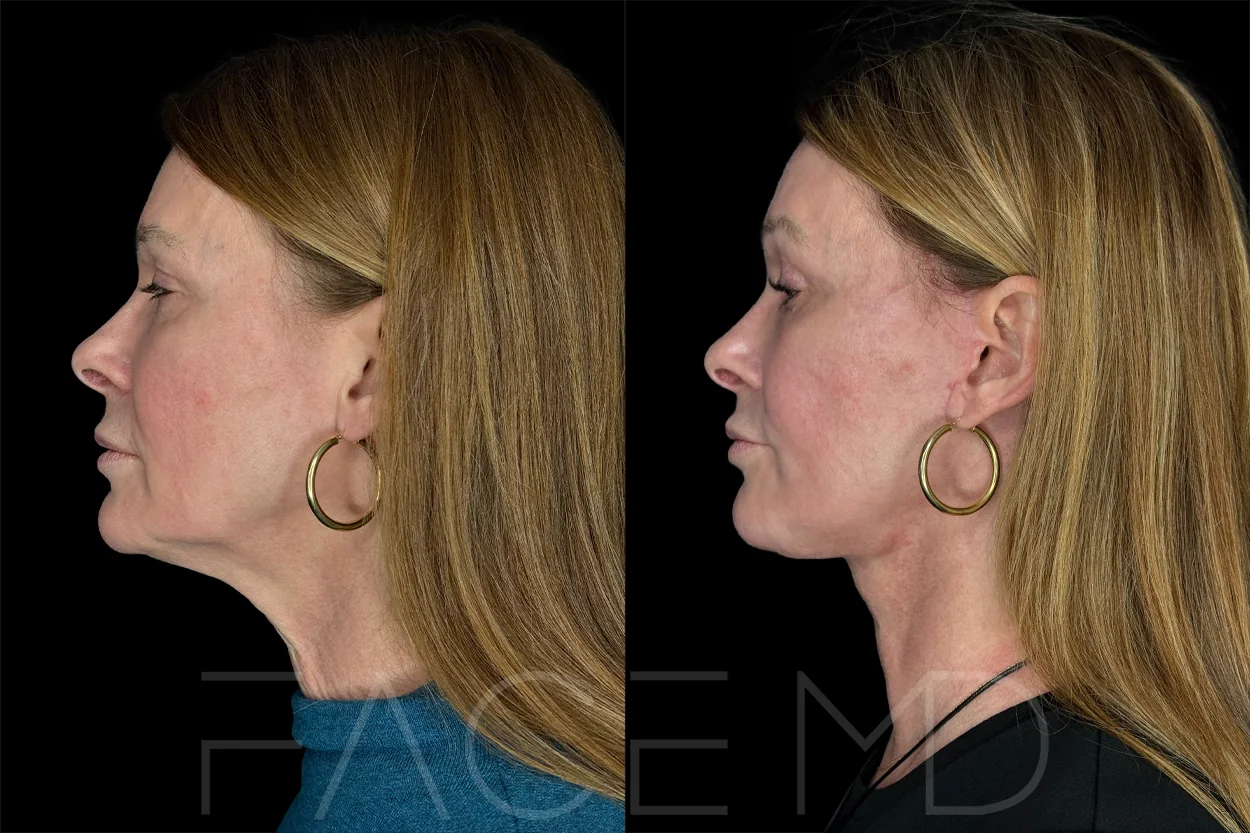
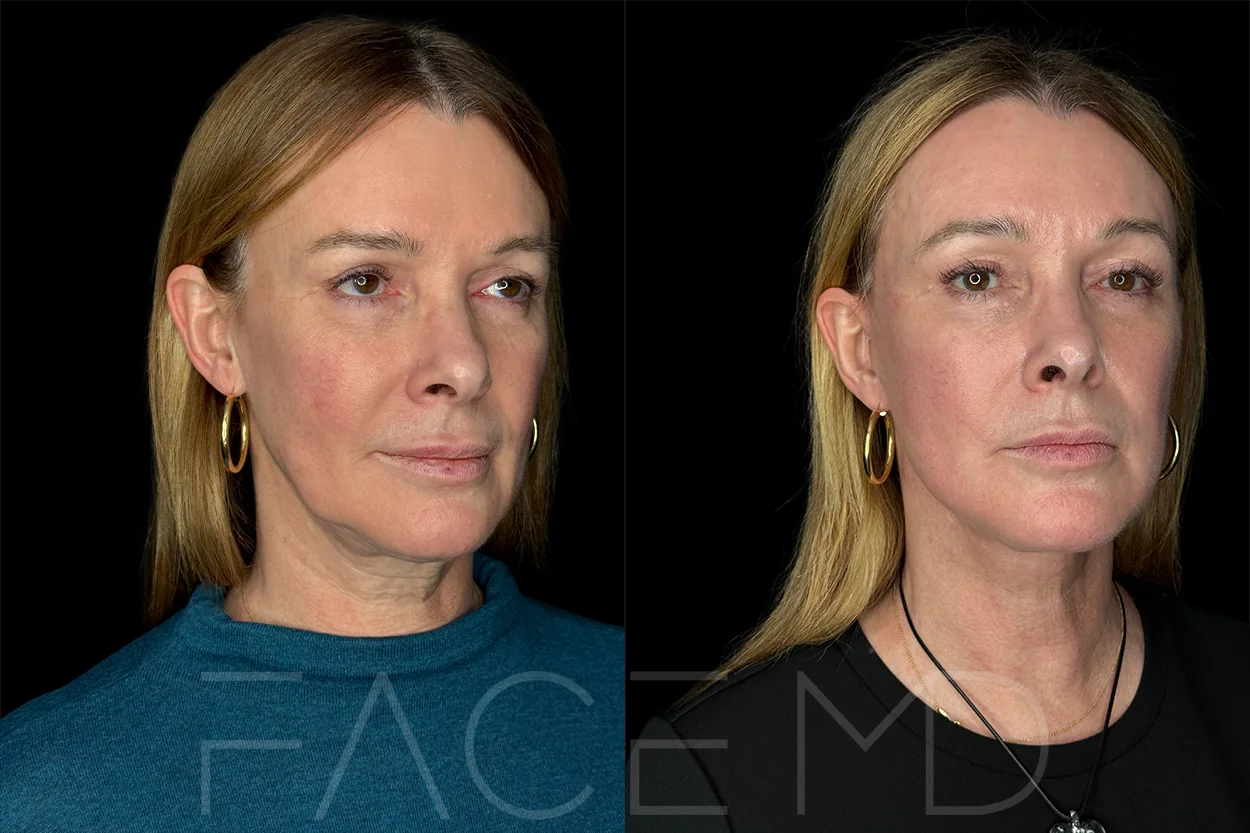
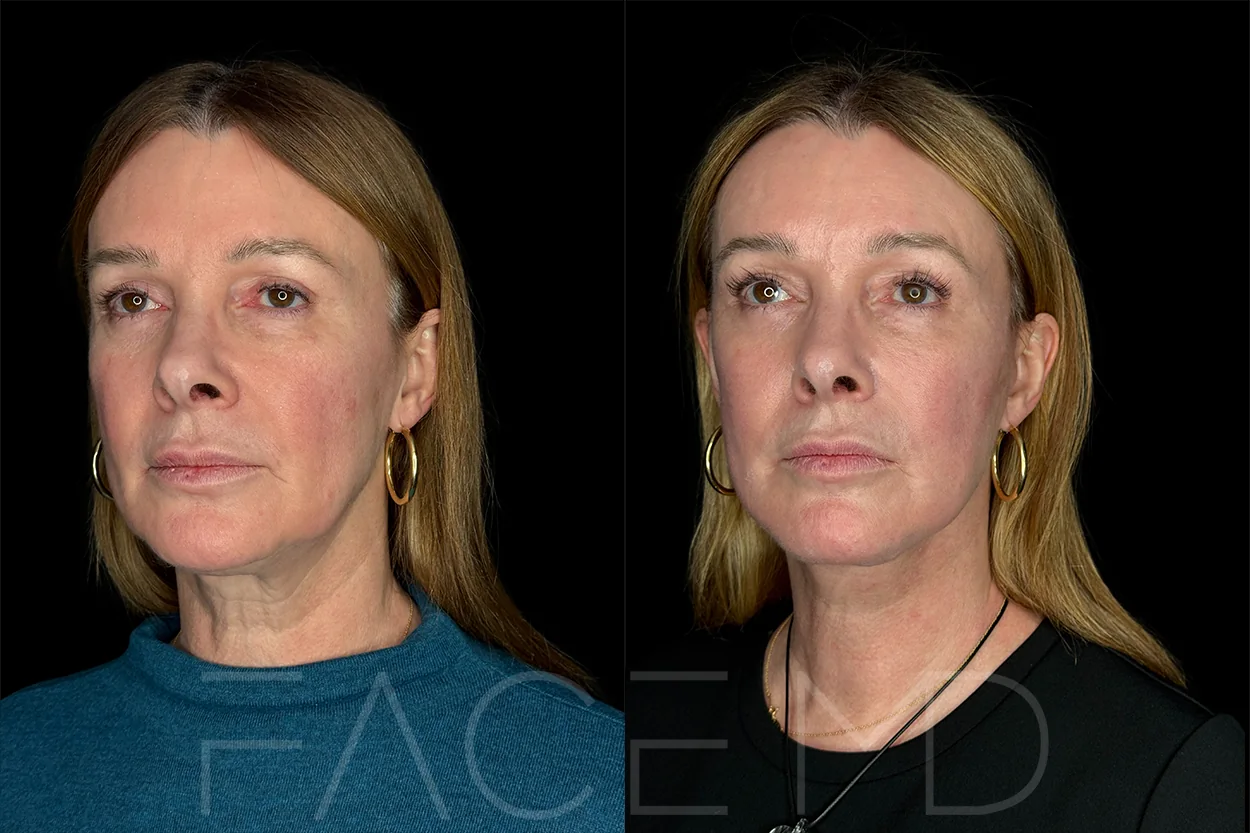
- 12 Months post-op Deep Plane Face & Neck Lift and Temporal Brow Lift
- 22 Months post-op Deep Plane Face & Neck Lift and Temporal Brow Lift
- 32 Months post-op Deep Plane Face & Neck Lift and Temporal Brow Lift
- 52 Months post-op Deep Plane Face & Neck Lift and Temporal Brow Lift
- 72 Months post-op Deep Plane Face & Neck Lift and Temporal Brow Lift
- 8
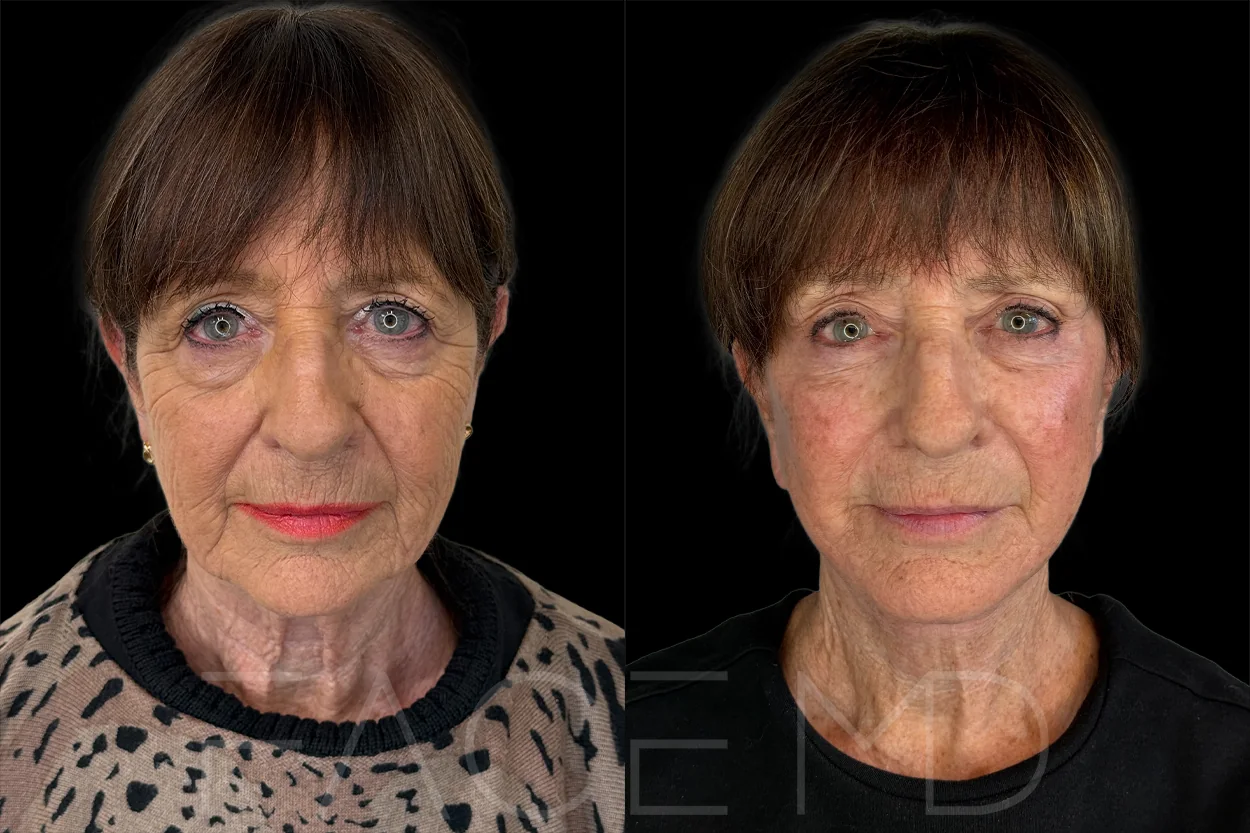
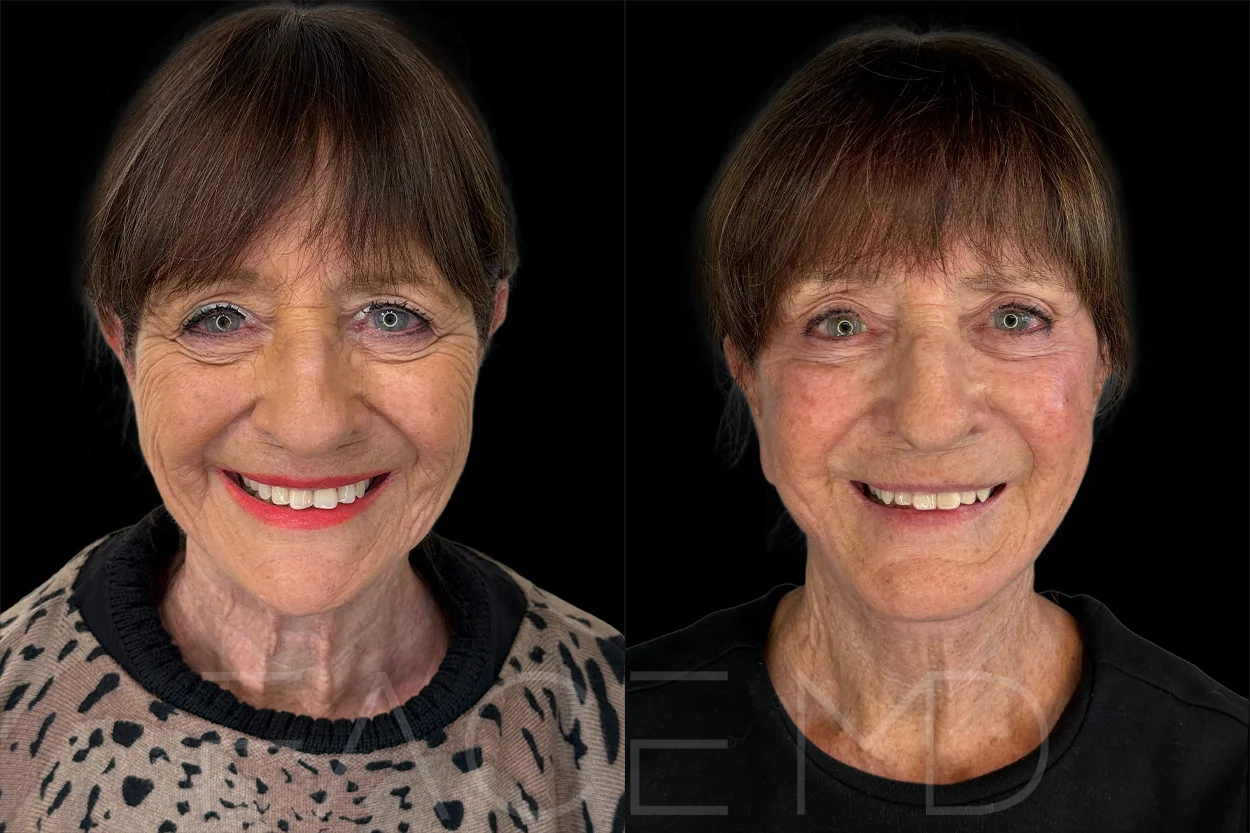
- 11 Month post-op Deep Plane Face & Neck Lift with Upper Lip Lift
- 21 Month post-op Deep Plane Face & Neck Lift with Upper Lip Lift
- 31 Month post-op Deep Plane Face & Neck Lift with Upper Lip Lift
- 41 Month post-op Deep Plane Face & Neck Lift with Upper Lip Lift
- 51 Month post-op Deep Plane Face & Neck Lift with Upper Lip Lift
- 61 Month post-op Deep Plane Face & Neck Lift with Upper Lip Lift
- 71 Month post-op Deep Plane Face & Neck Lift with Upper Lip Lift
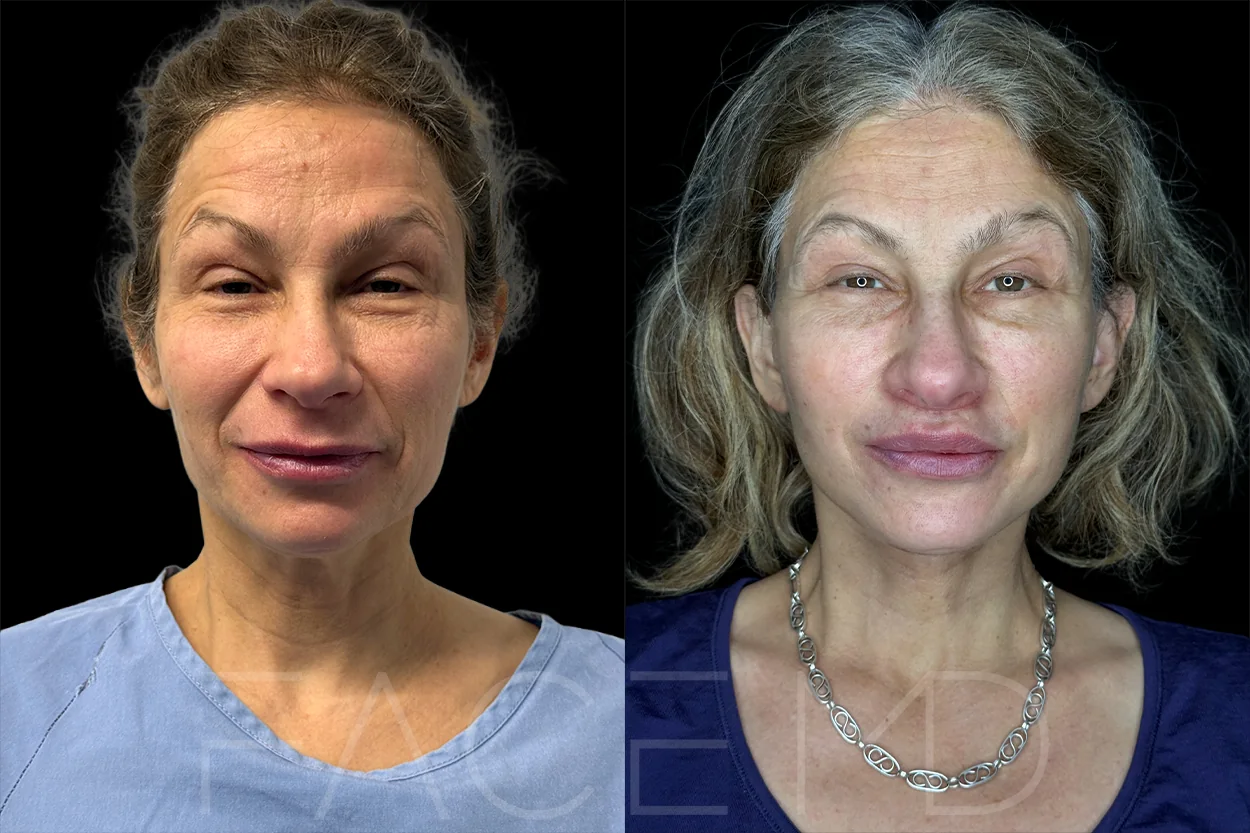
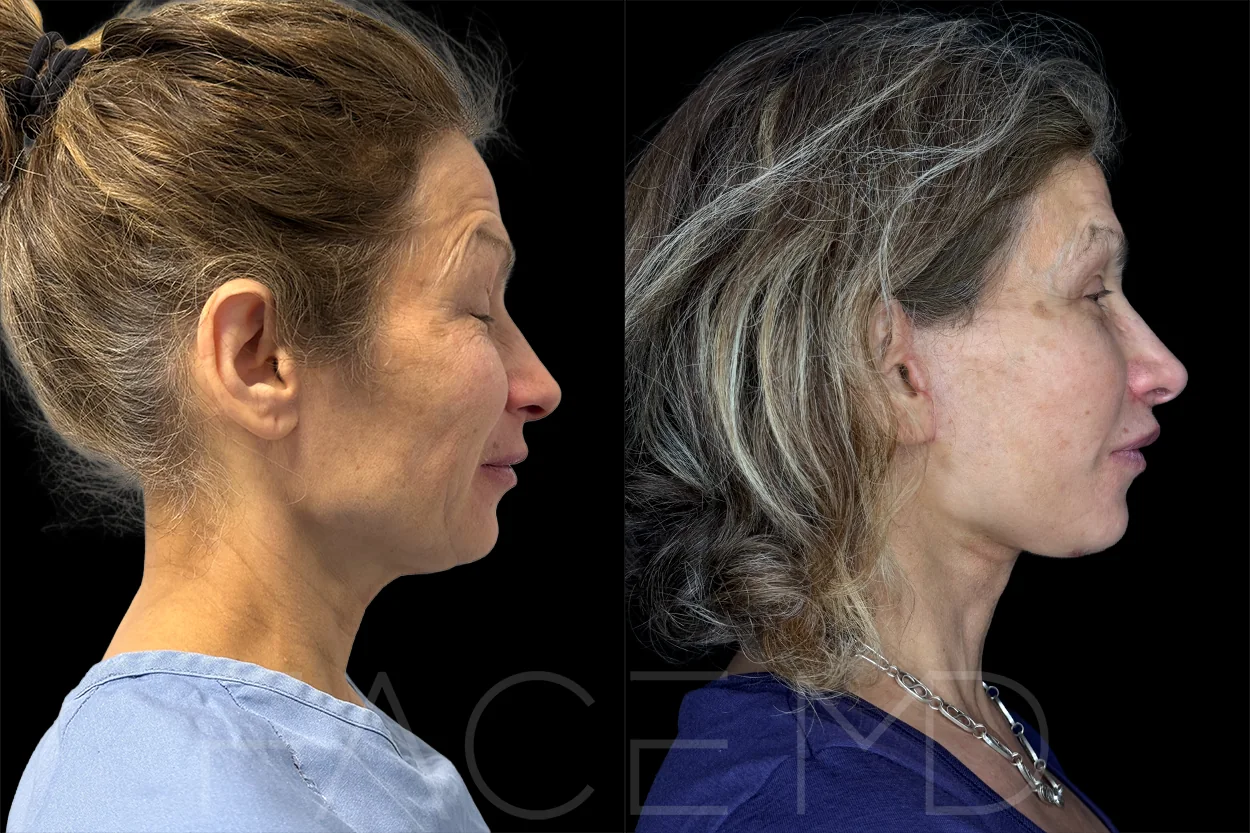
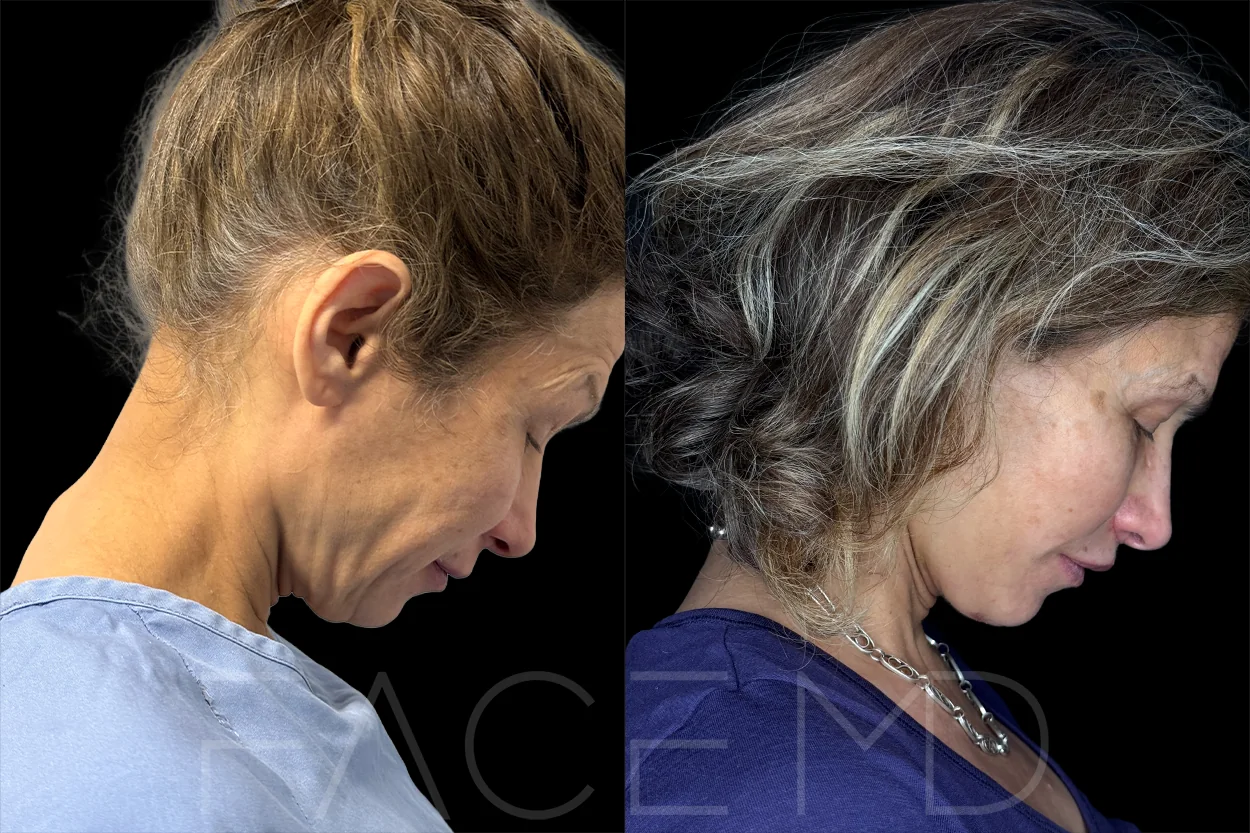
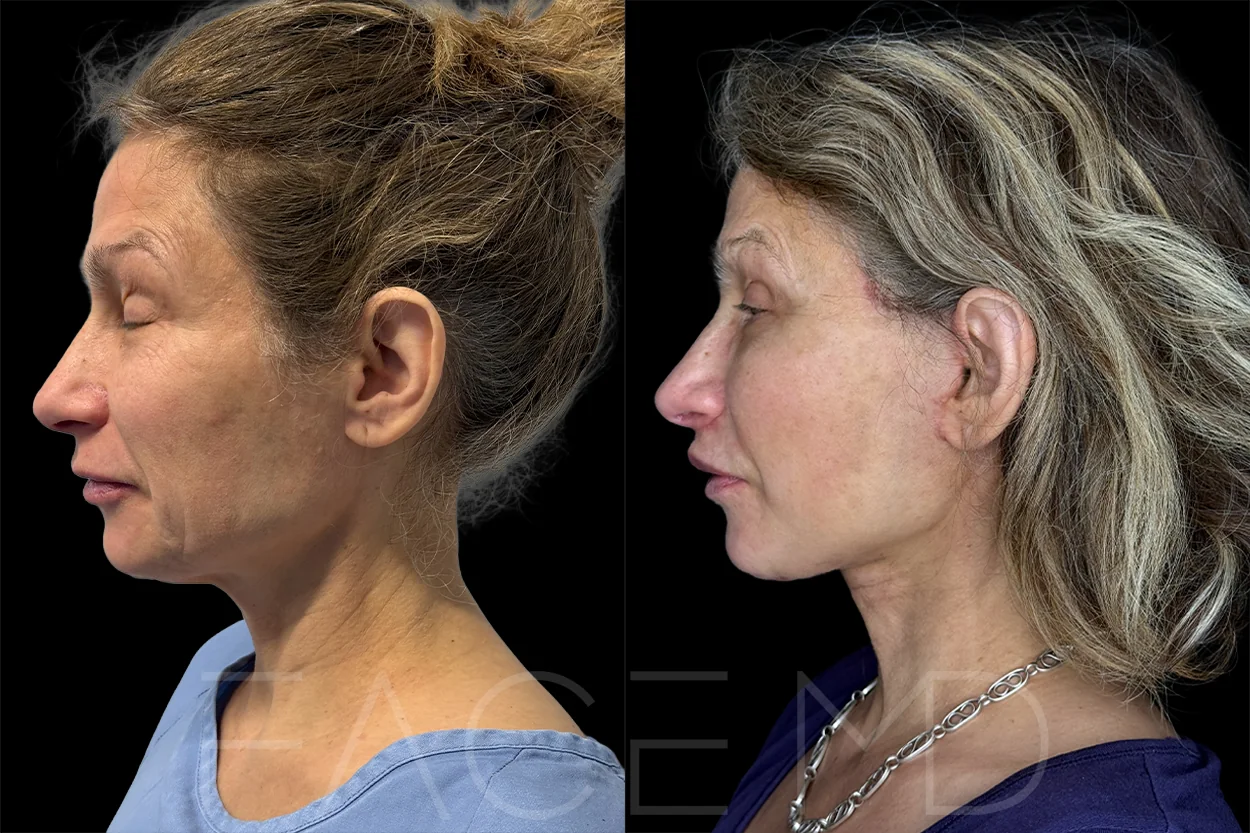
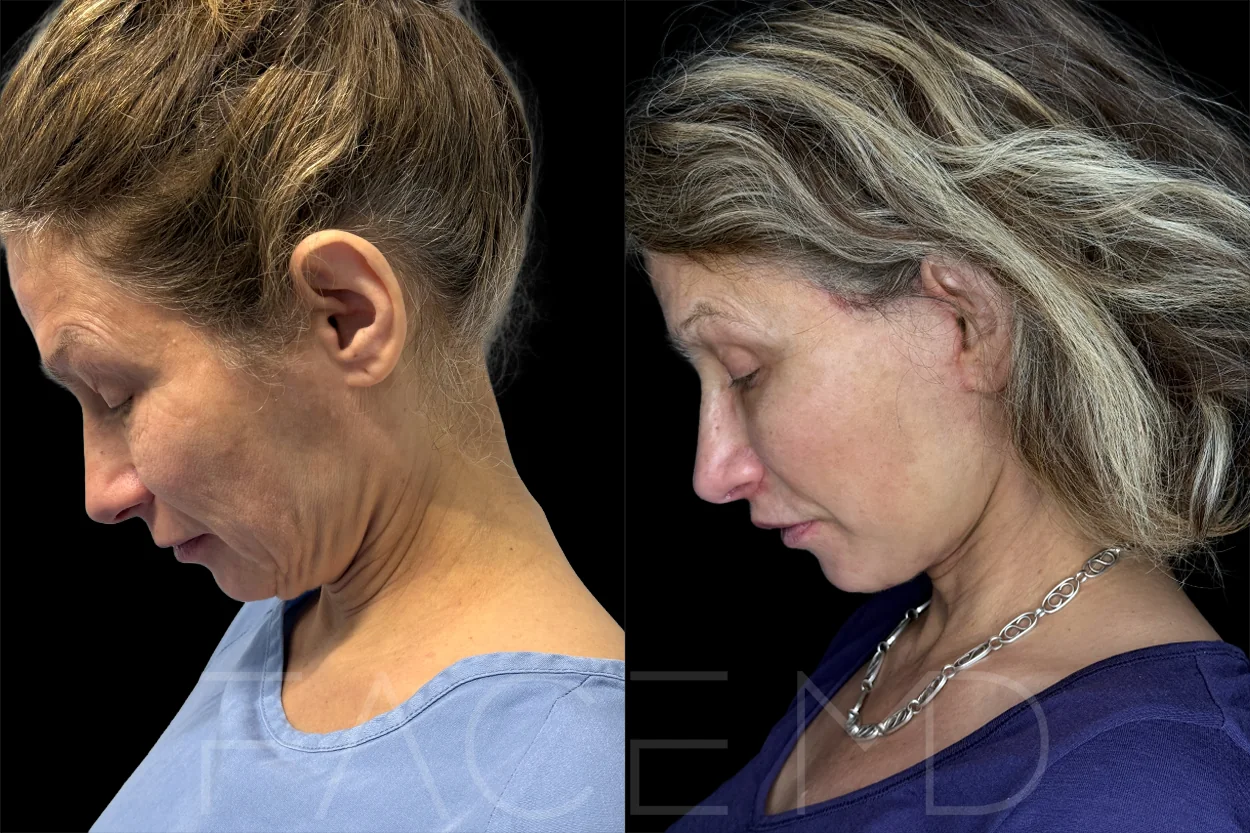
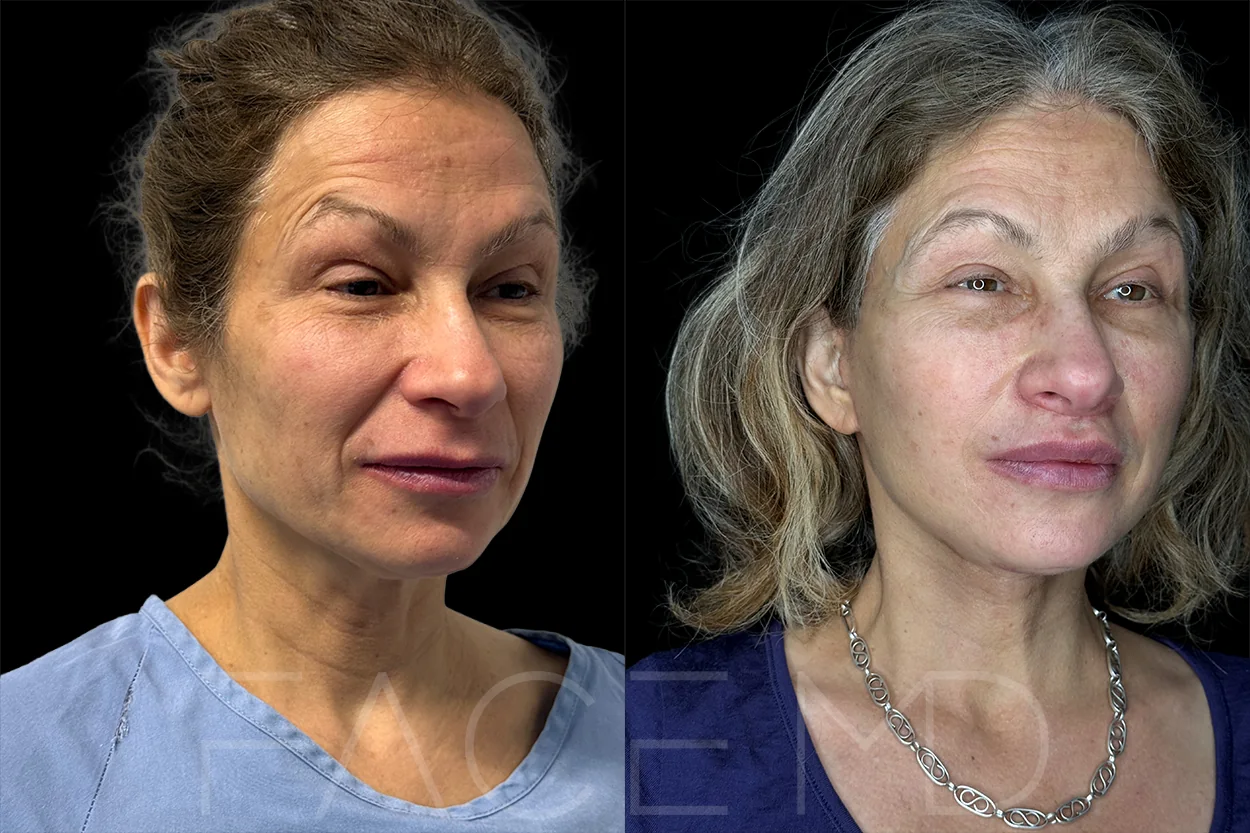
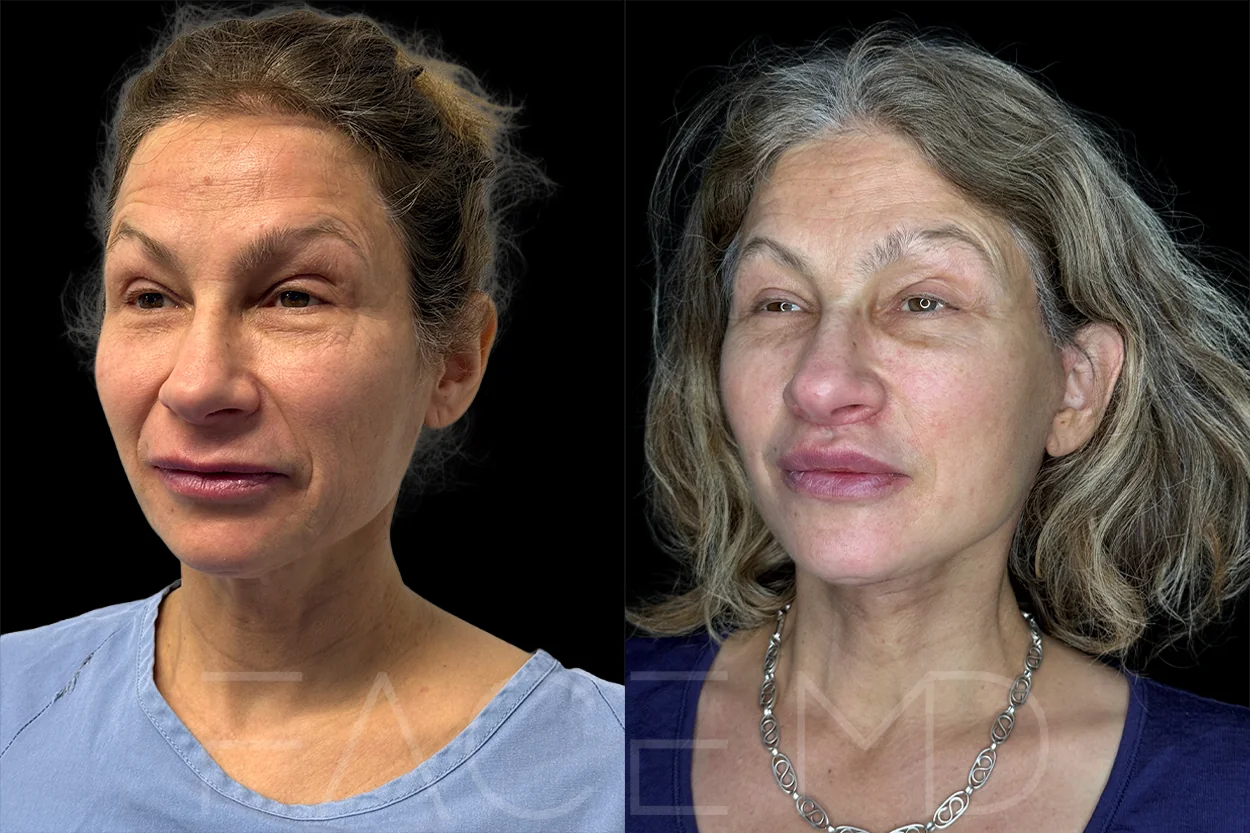
- 12 Months post-op Deep Plane Face & Neck Lift
- 22 Months post-op Deep Plane Face & Neck Lift
- 32 Months post-op Deep Plane Face & Neck Lift
- 42 Months post-op Deep Plane Face & Neck Lift
- 52 Months post-op Deep Plane Face & Neck Lift
- 62 Months post-op Deep Plane Face & Neck Lift
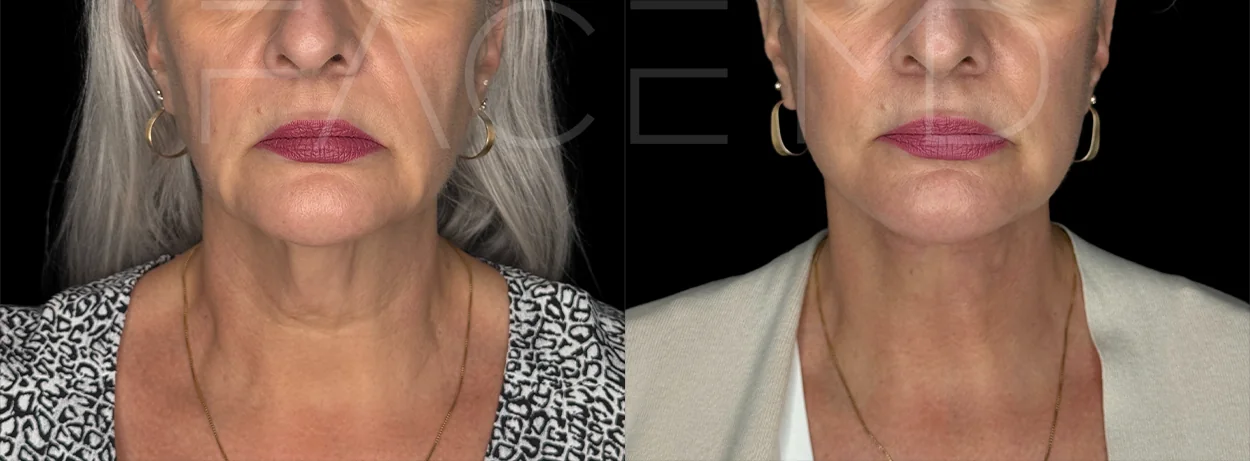
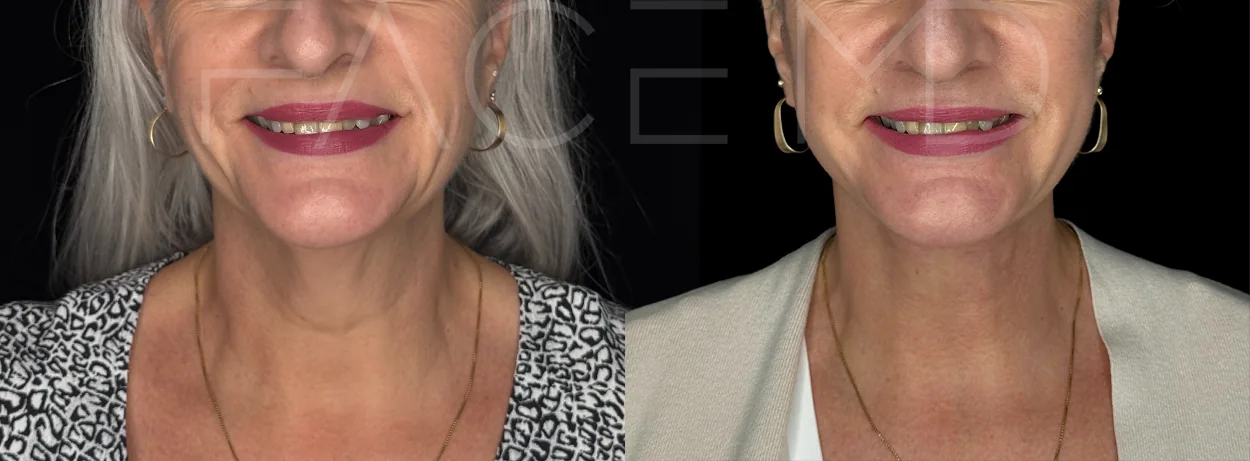
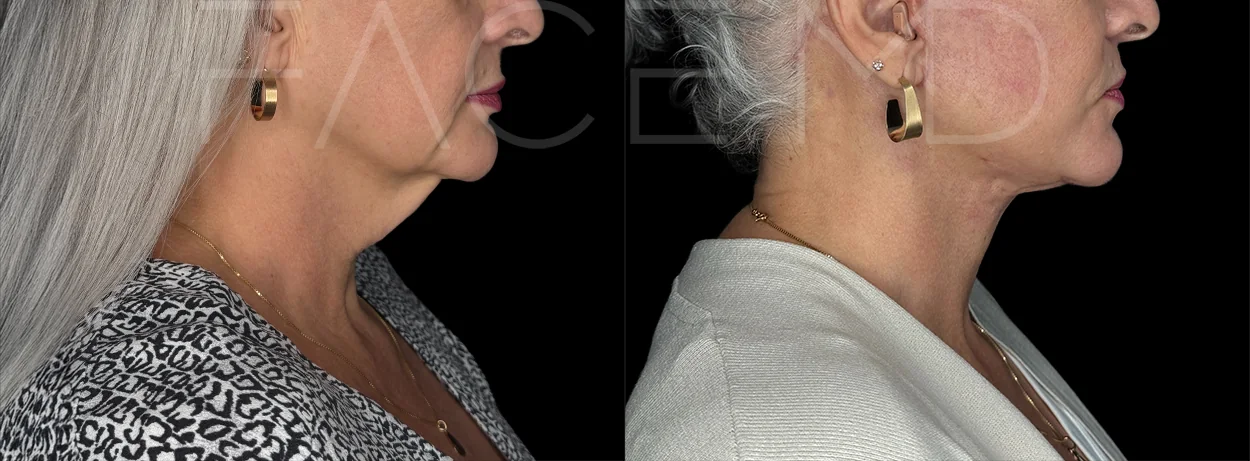
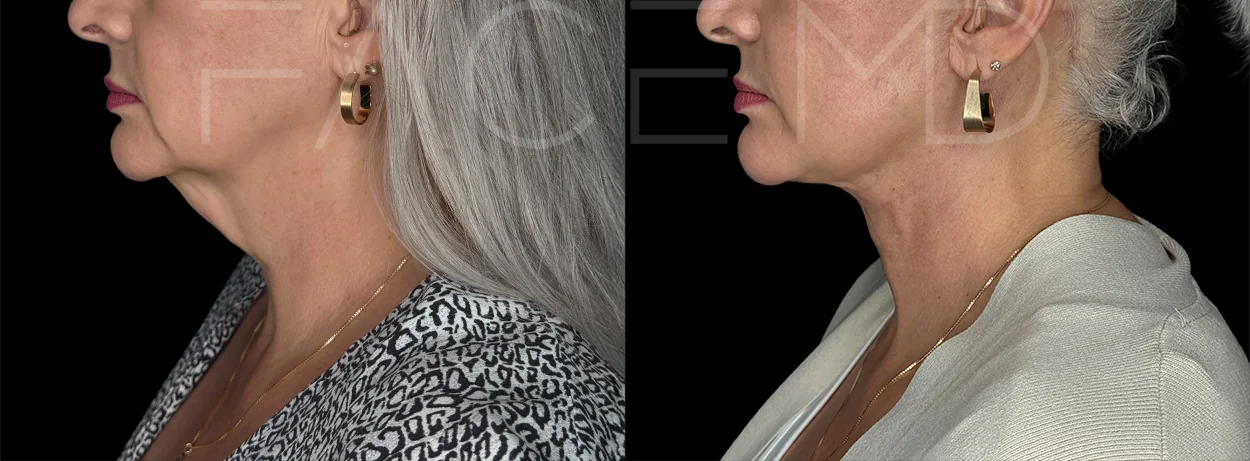
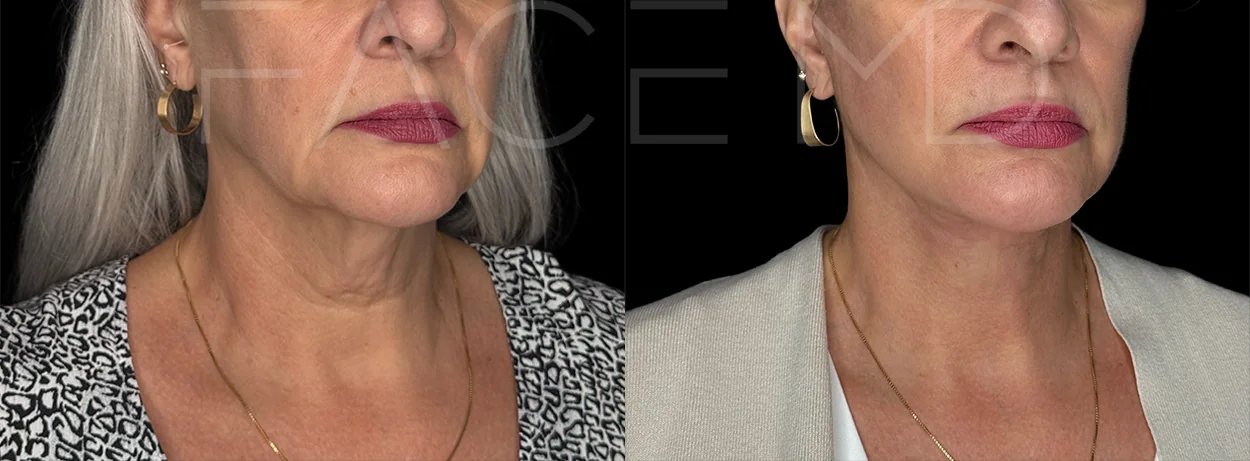
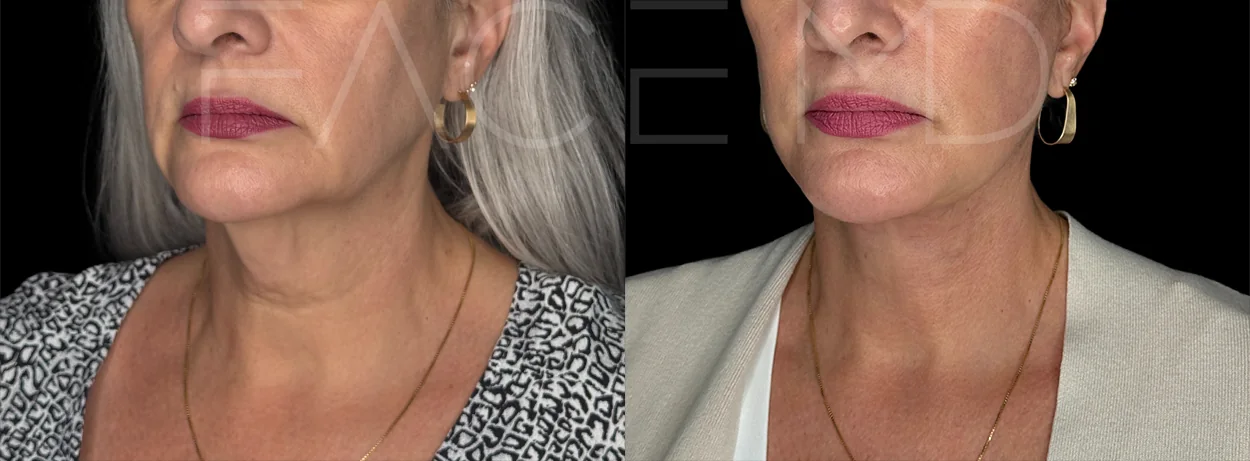
- 24 Months post-op Deep Plane Face & Neck Lift
- 14 Months post-op Deep Plane Face & Neck Lift
- 34 Months post-op Deep Plane Face & Neck Lift
- 44 Months post-op Deep Plane Face & Neck Lift
- 54 Months post-op Deep Plane Face & Neck Lift
- 74 Months post-op Deep Plane Face & Neck Lift
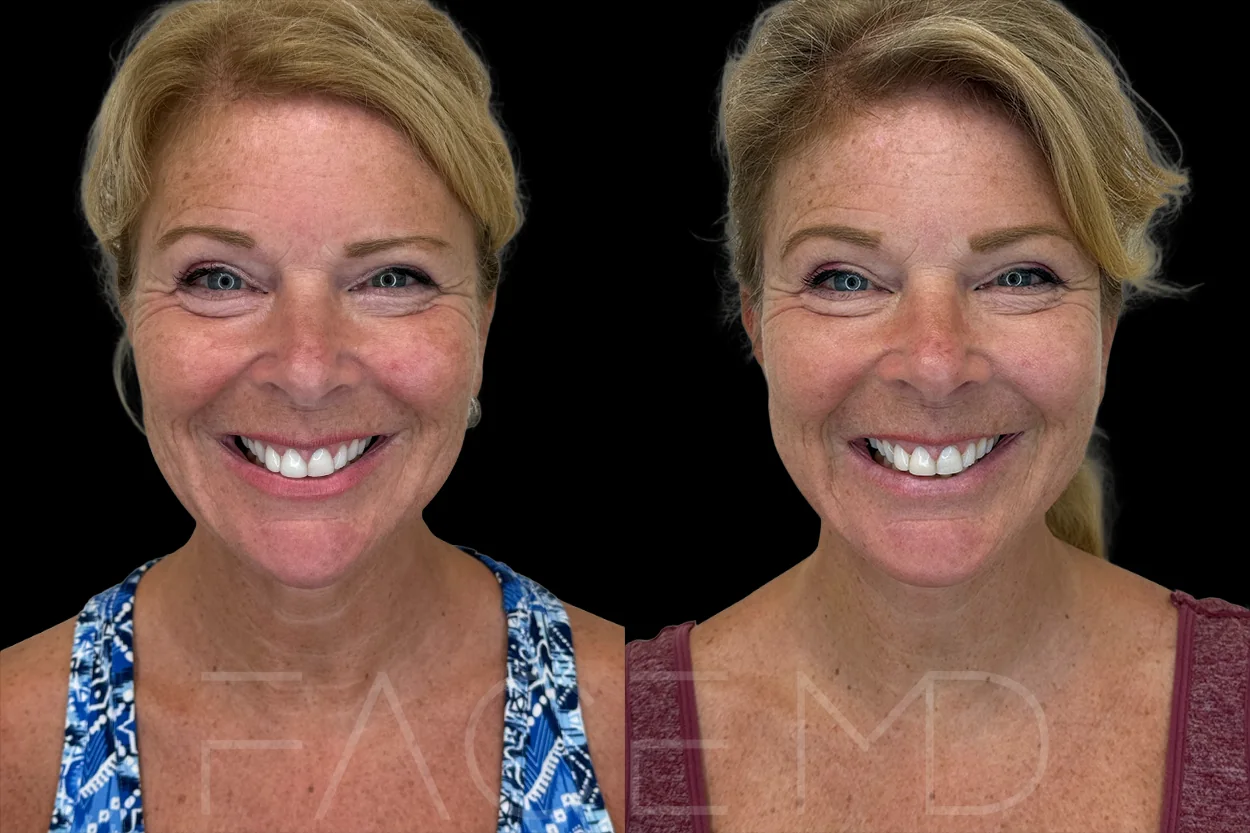
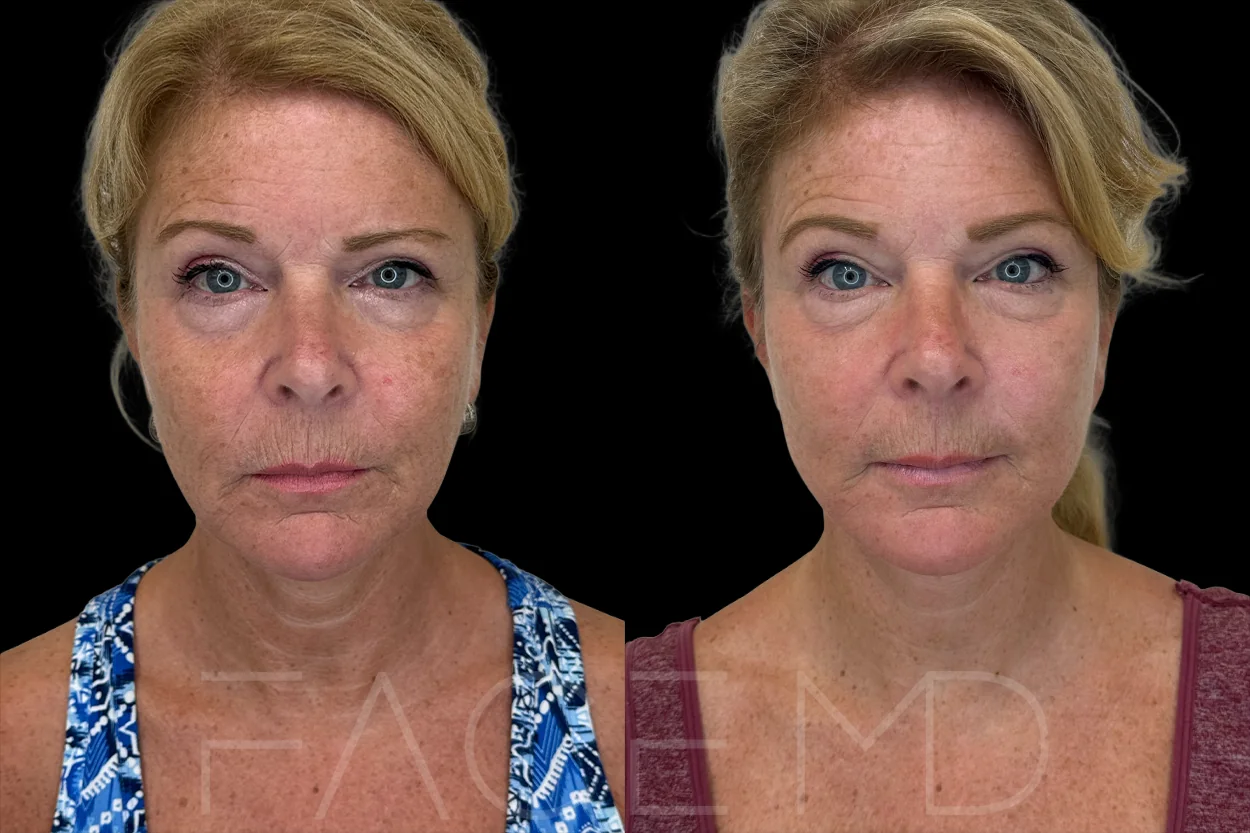
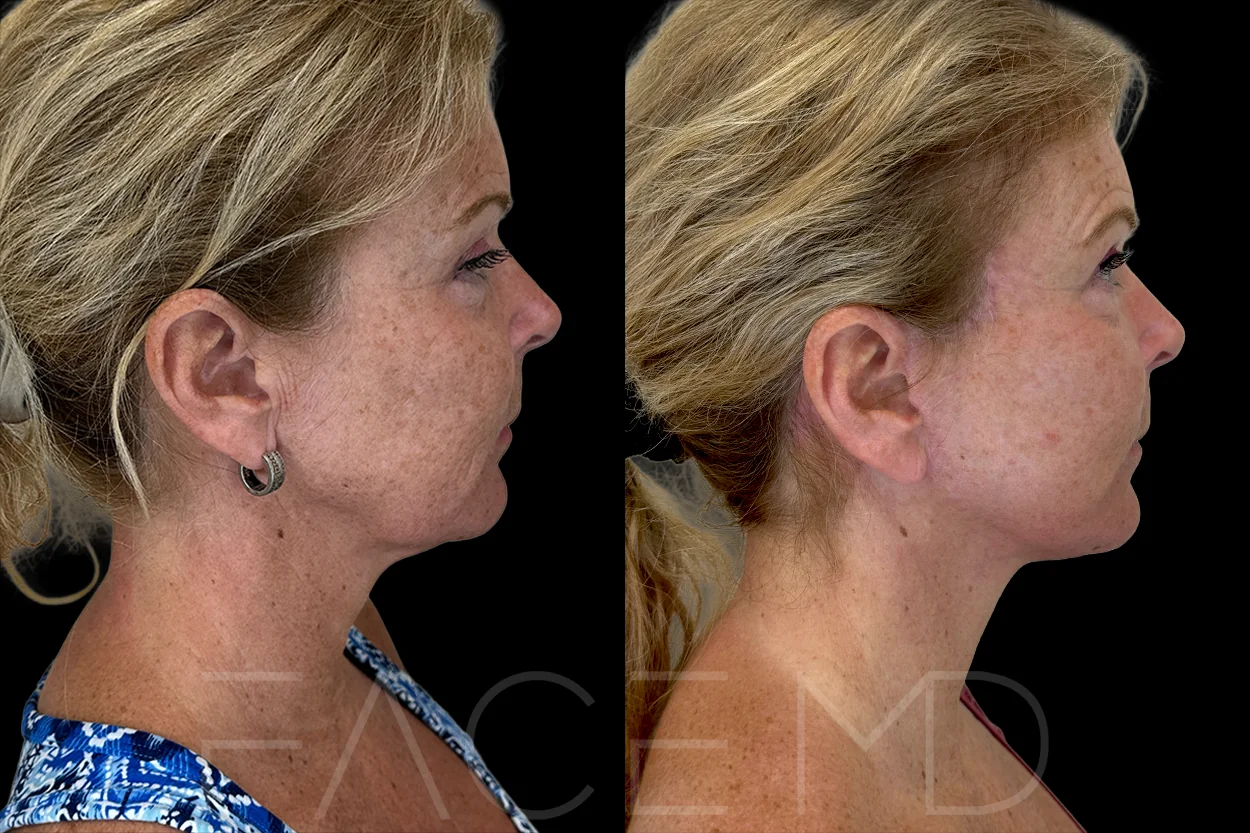
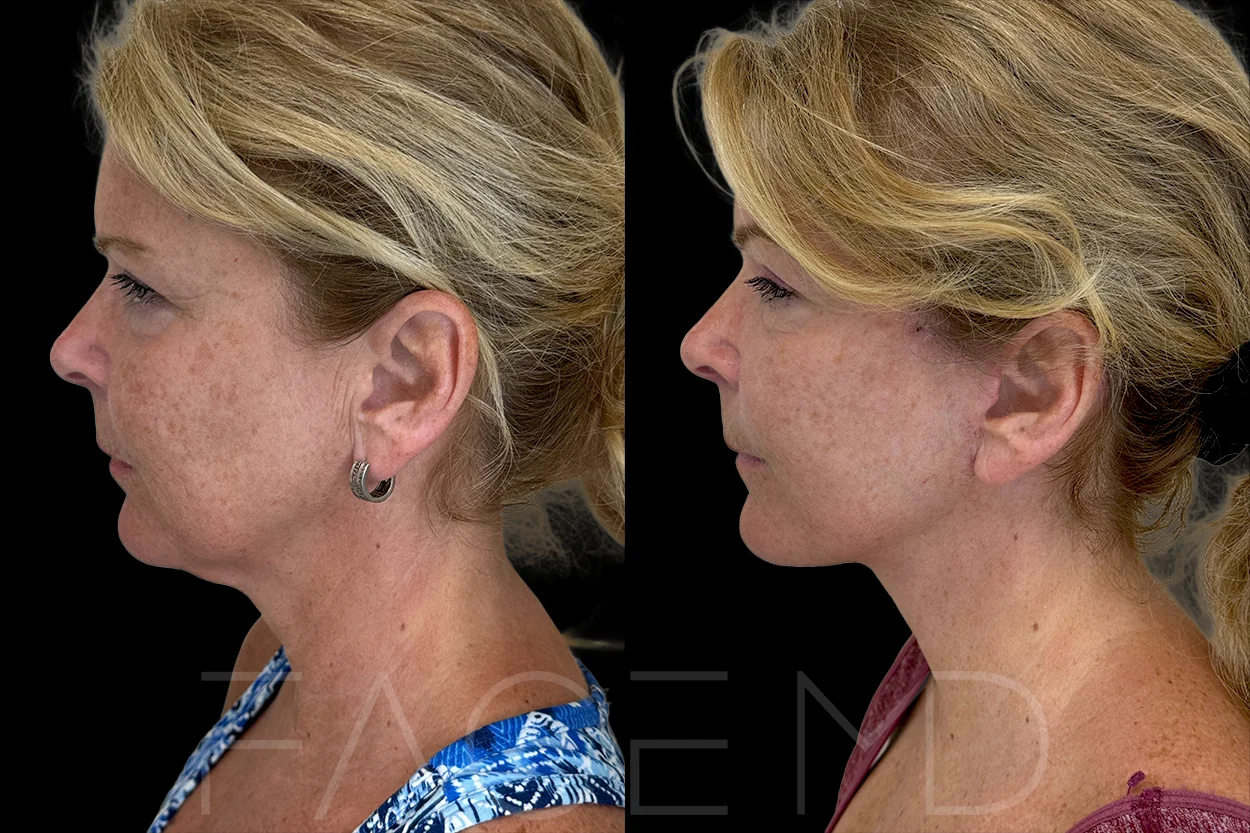
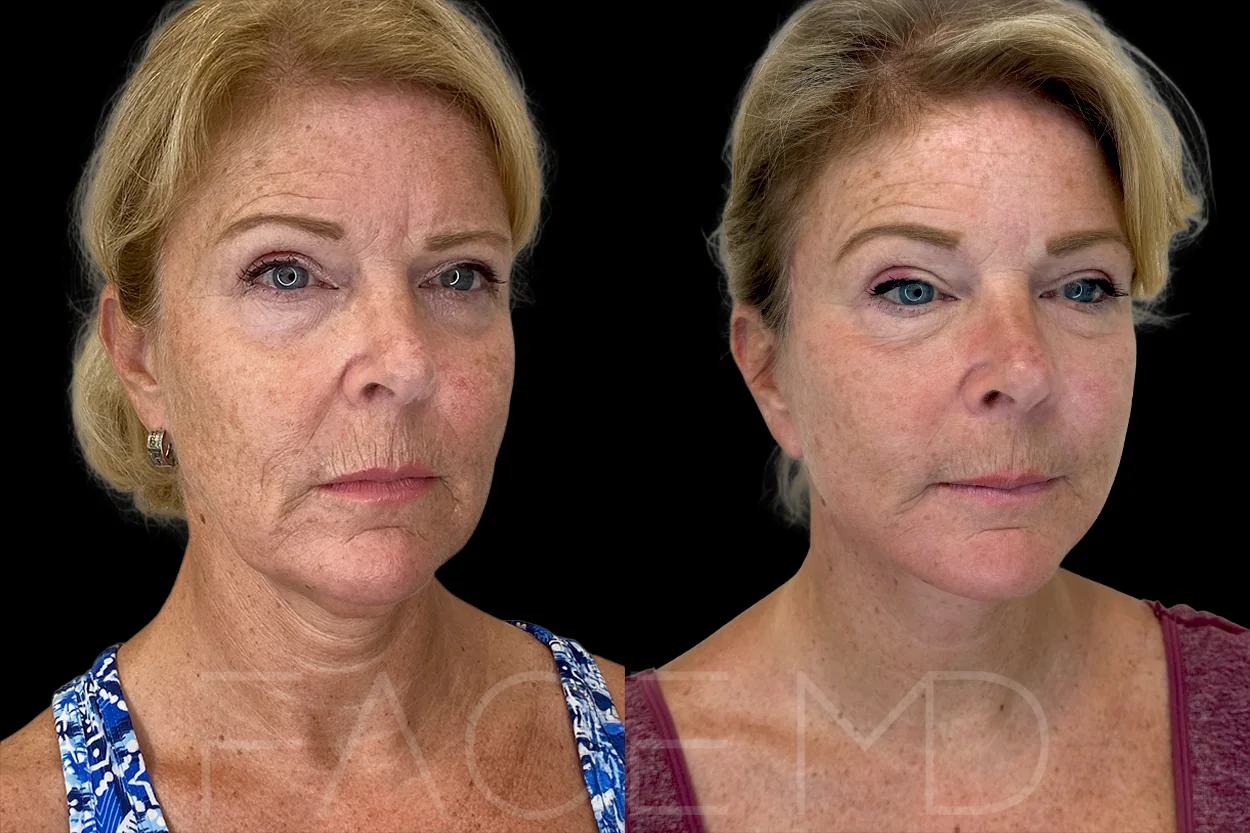
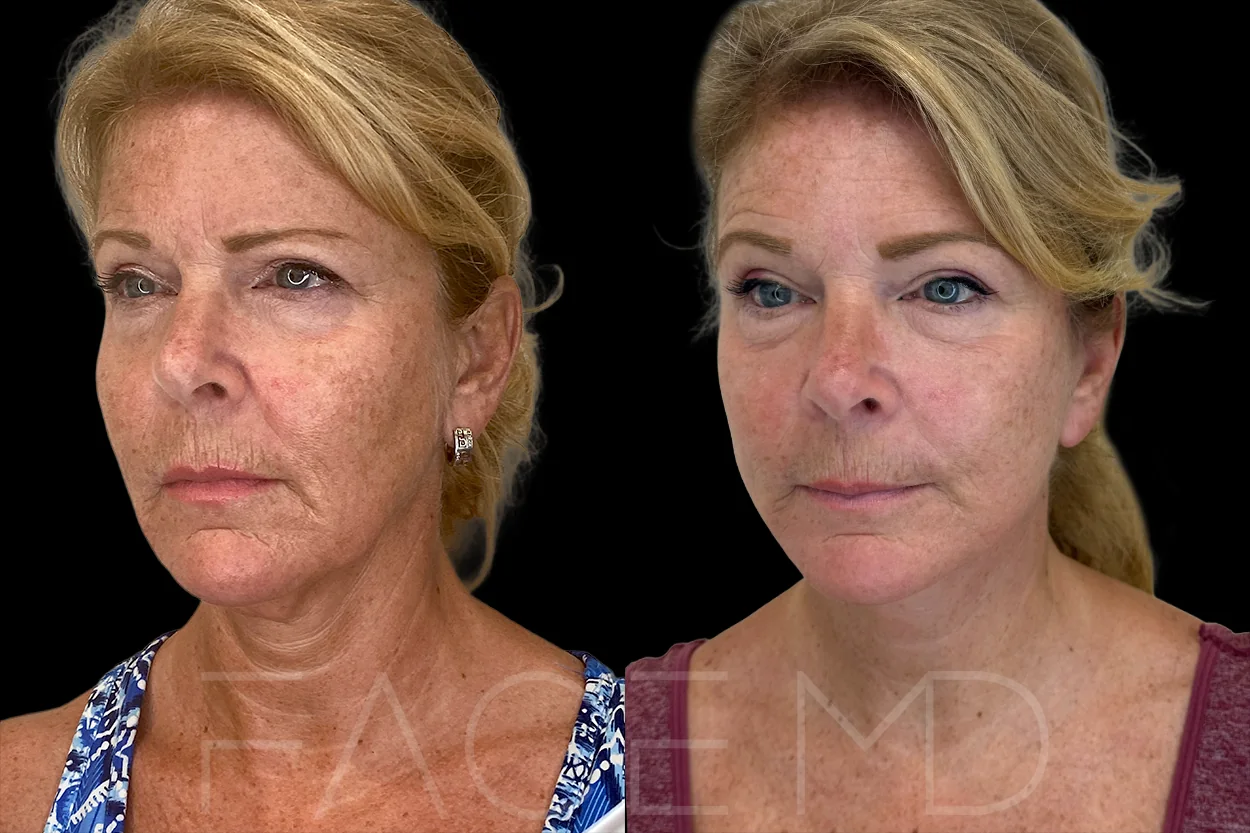
- 14.5 Months post-op Deep Plane Face & Neck Lift, Upper Blepharoplasty and Full Face CO2 Laser
- 24.5 Months post-op Deep Plane Face & Neck Lift, Upper Blepharoplasty and Full Face CO2 Laser
- 34.5 Months post-op Deep Plane Face & Neck Lift, Upper Blepharoplasty and Full Face CO2 Laser
- 54.5 Months post-op Deep Plane Face & Neck Lift, Upper Blepharoplasty and Full Face CO2 Laser
- 74.5 Months post-op Deep Plane Face & Neck Lift, Upper Blepharoplasty and Full Face CO2 Laser
- 84.5 Months post-op Deep Plane Face & Neck Lift, Upper Blepharoplasty and Full Face CO2 Laser
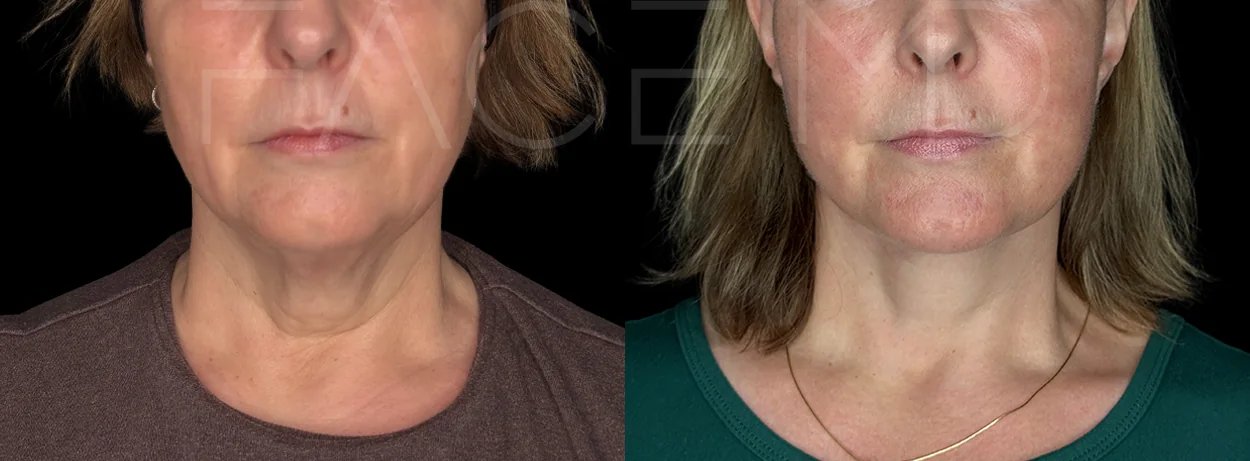
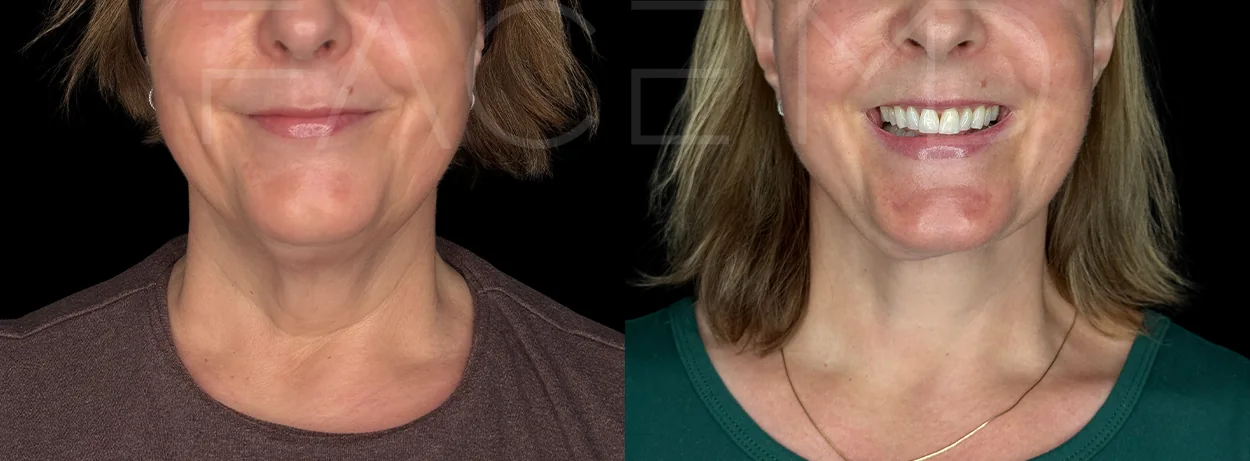
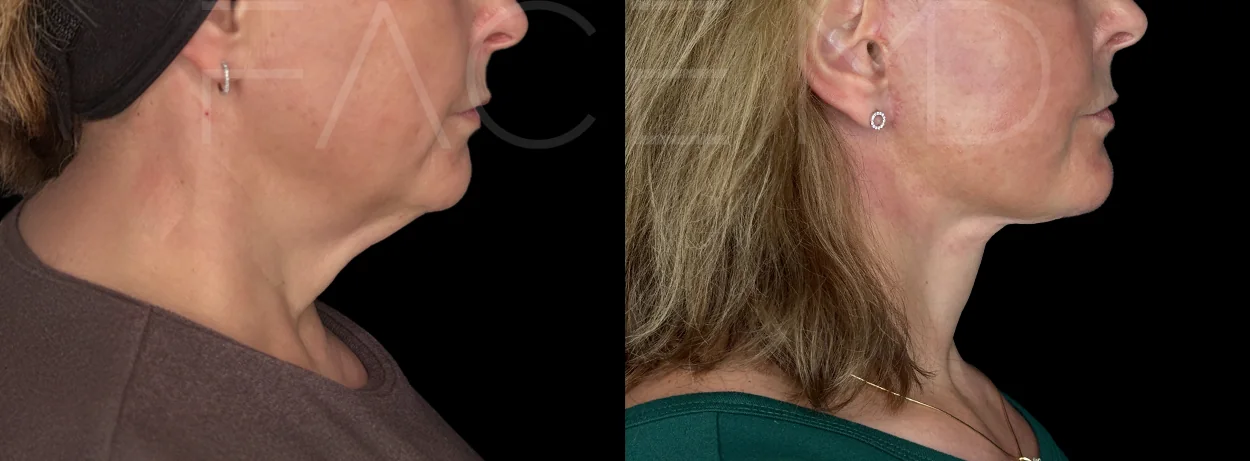
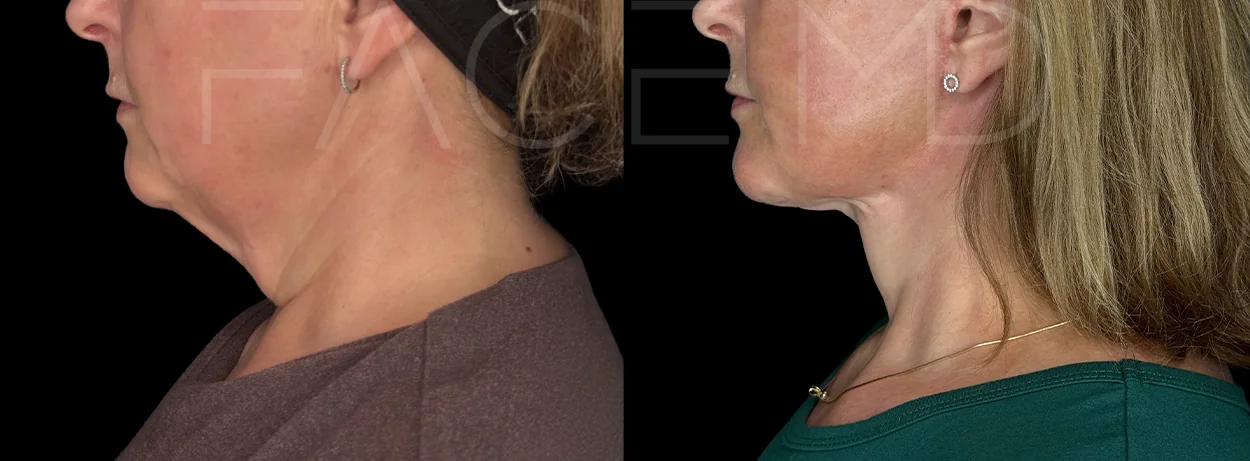
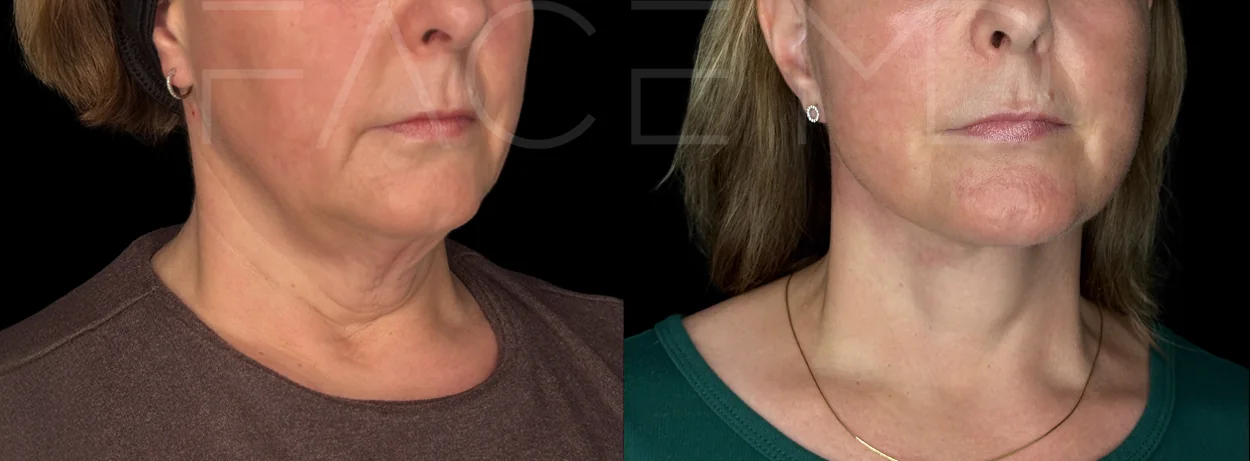
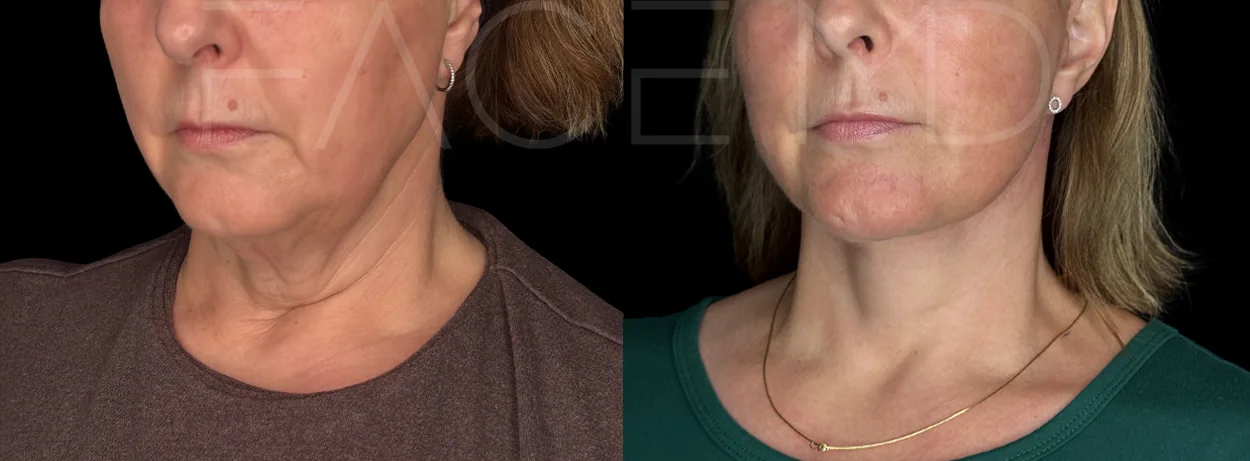
- 11.5 Months post-op Deep Plane Face & Neck Lift
- 21.5 Months post-op Deep Plane Face & Neck Lift
- 31.5 Months post-op Deep Plane Face & Neck Lift
- 41.5 Months post-op Deep Plane Face & Neck Lift
- 61.5 Months post-op Deep Plane Face & Neck Lift
- 51.5 Months post-op Deep Plane Face & Neck Lift
- 71.5 Months post-op Deep Plane Face & Neck Lift
- 8
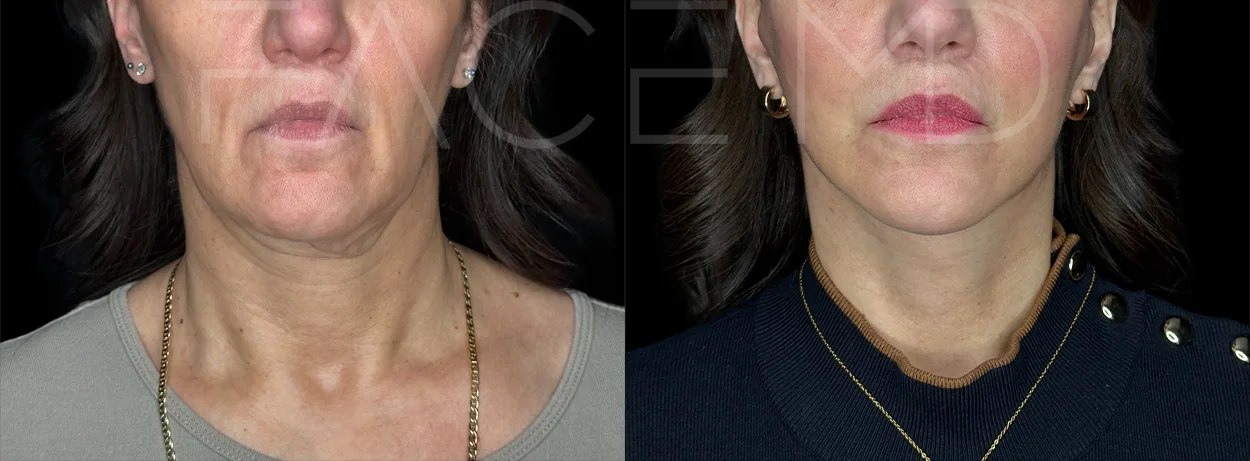
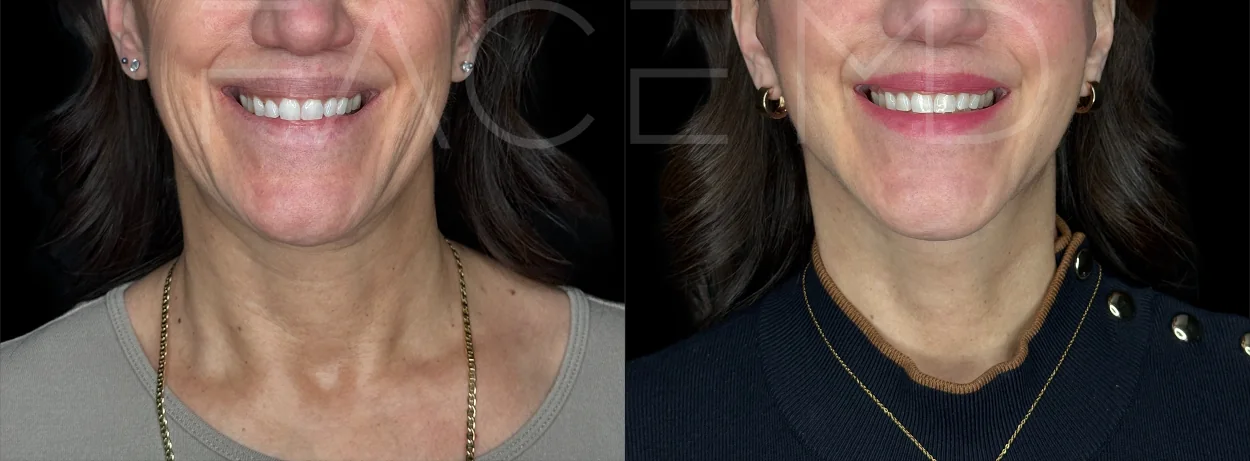
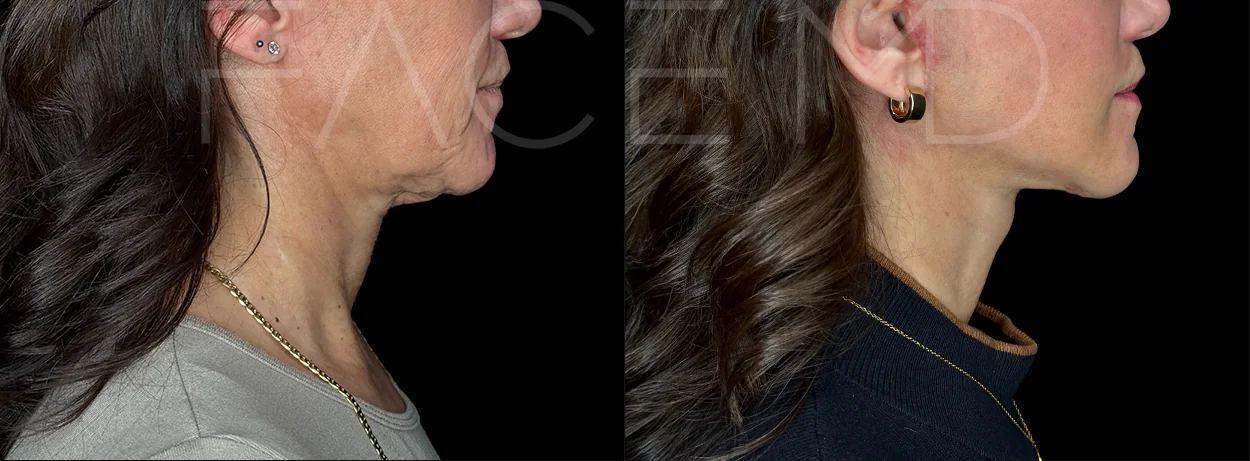
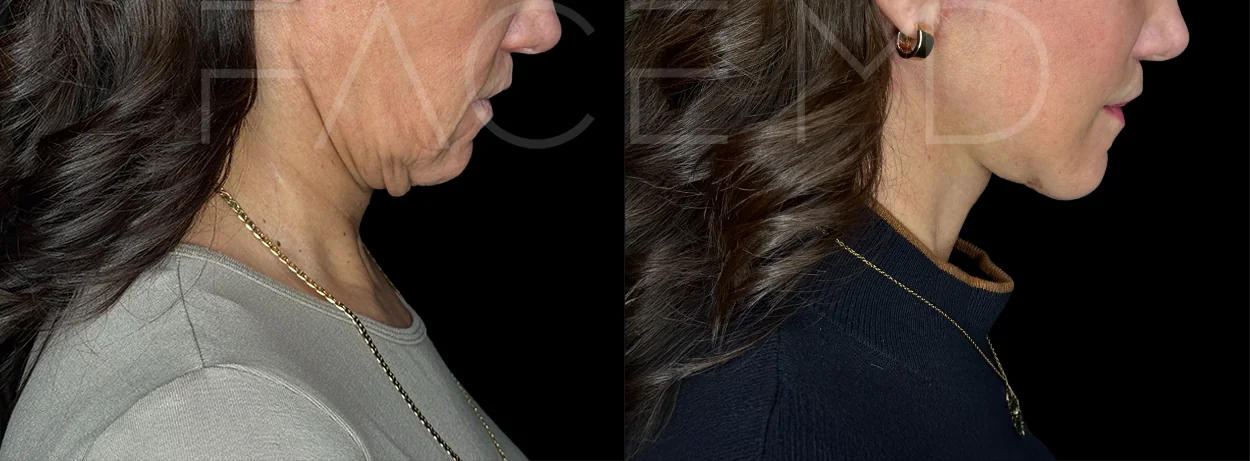
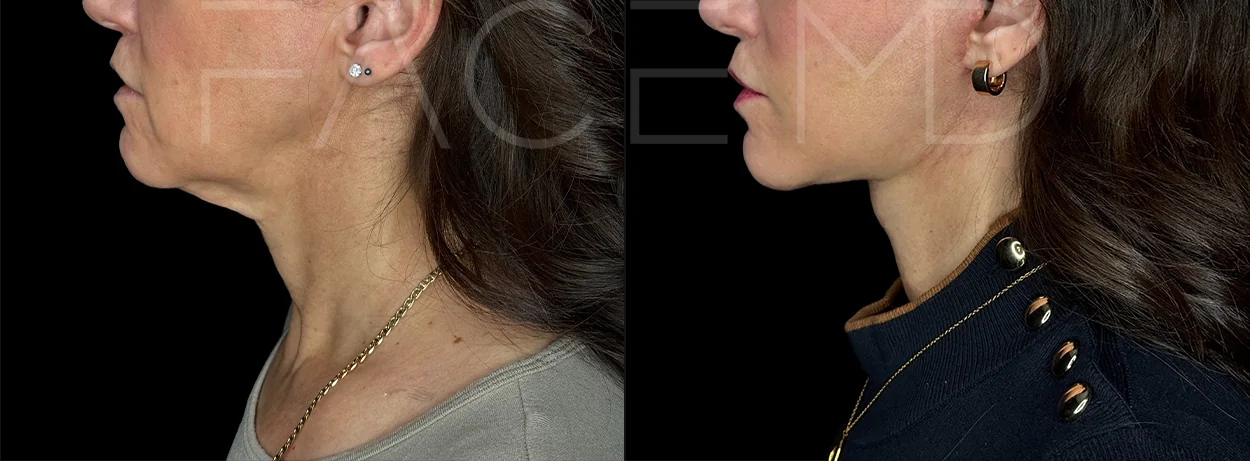
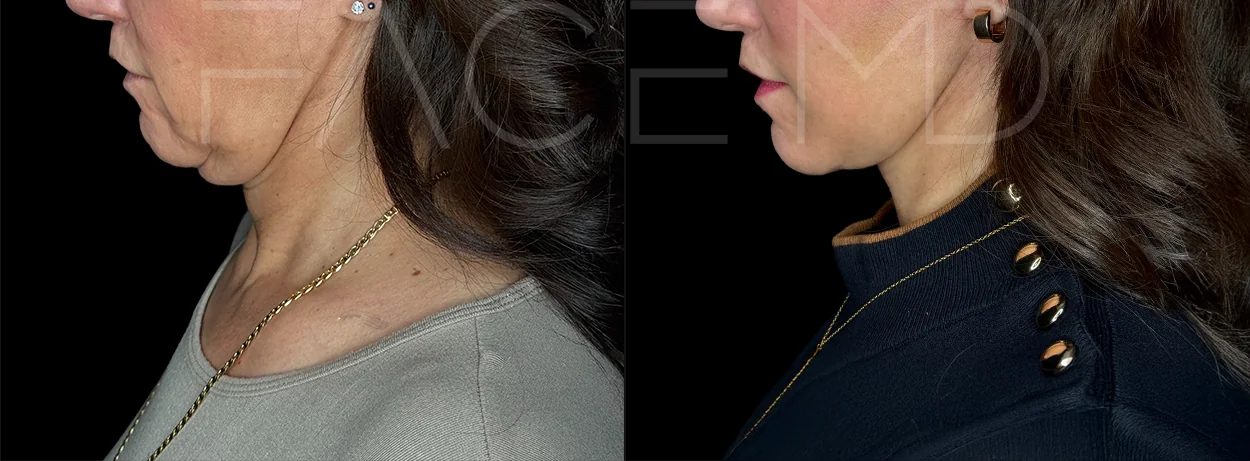
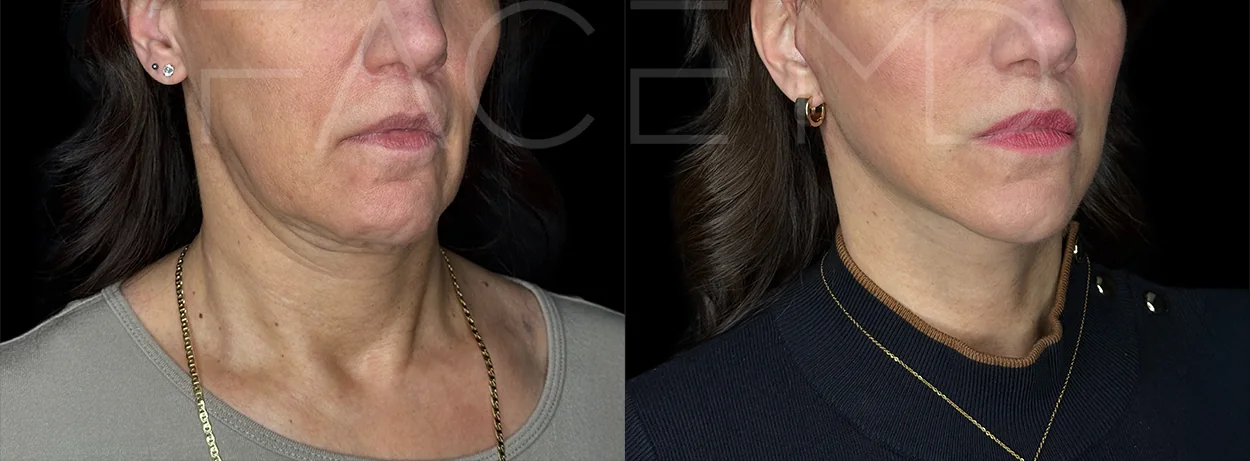
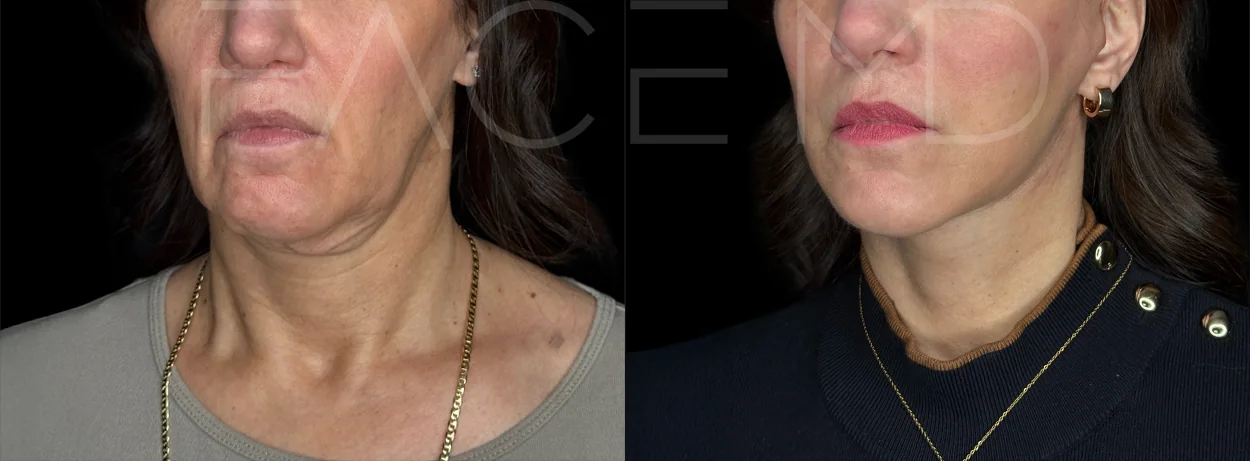
- 1B5 Months post-op Revision Deep Plane Face & Neck Lift and Perioral CO2 Laser
- 2B5 Months post-op Revision Deep Plane Face & Neck Lift and Perioral CO2 Laser
- 35 Months post-op Revision Deep Plane Face & Neck Lift and Perioral CO2 Laser
- 55 Months post-op Revision Deep Plane Face & Neck Lift and Perioral CO2 Laser
- 45 Months post-op Revision Deep Plane Face & Neck Lift and Perioral CO2 Laser
- 65 Months post-op Revision Deep Plane Face & Neck Lift and Perioral CO2 Laser
- 95 Months post-op Revision Deep Plane Face & Neck Lift and Perioral CO2 Laser
- 105 Months post-op Revision Deep Plane Face & Neck Lift and Perioral CO2 Laser
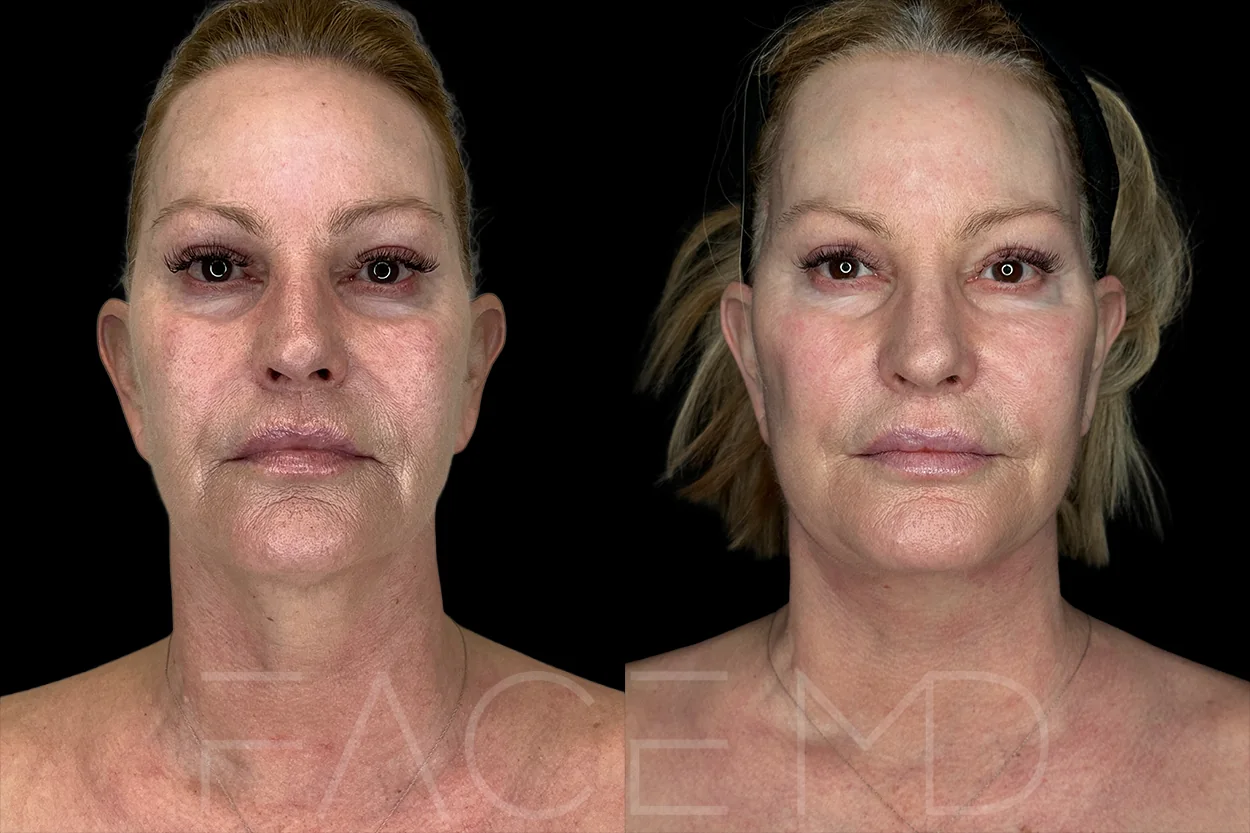
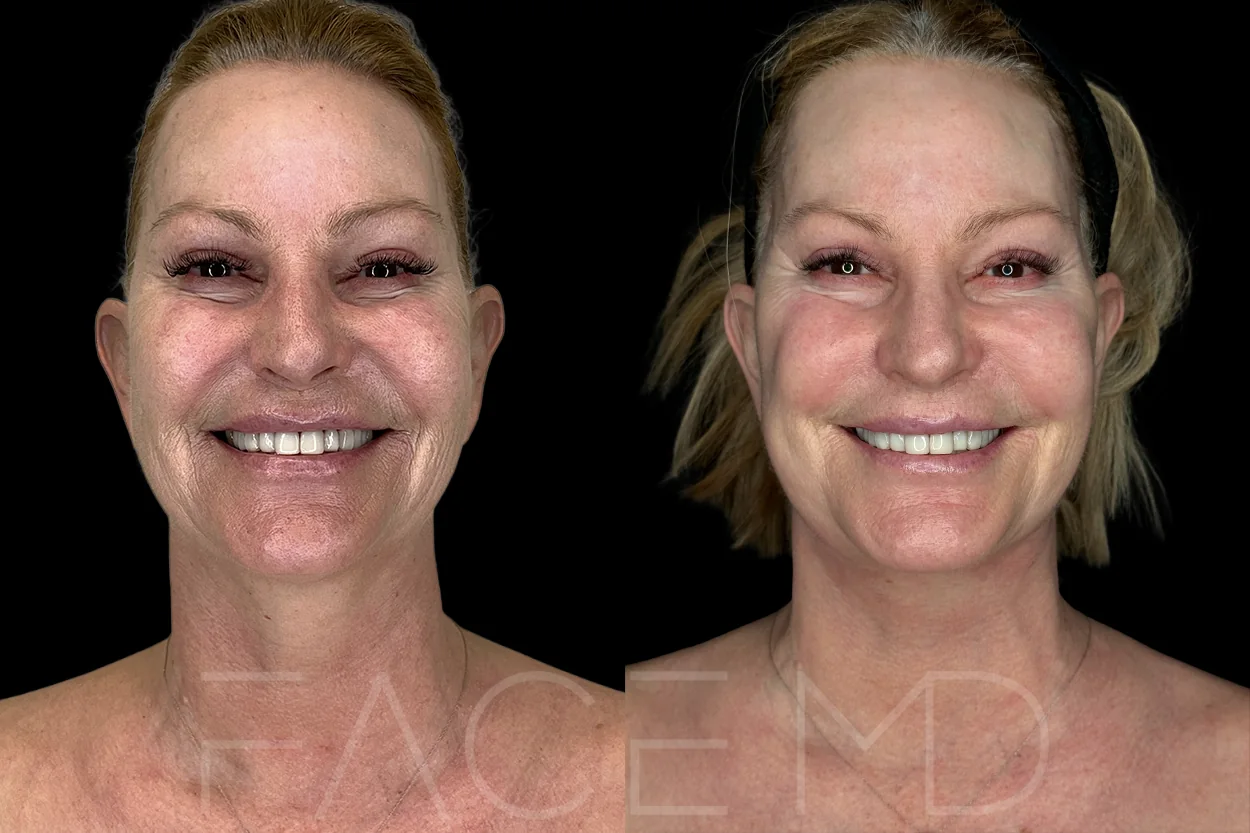
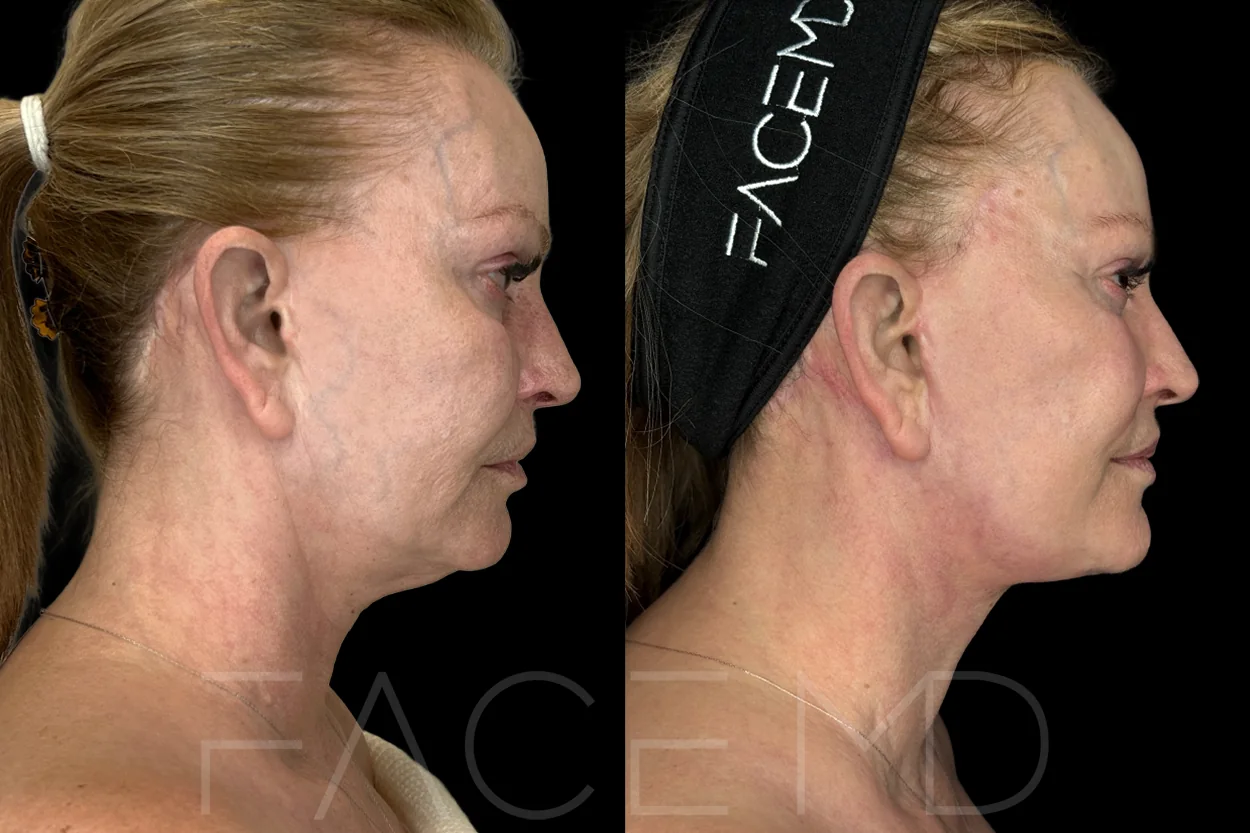
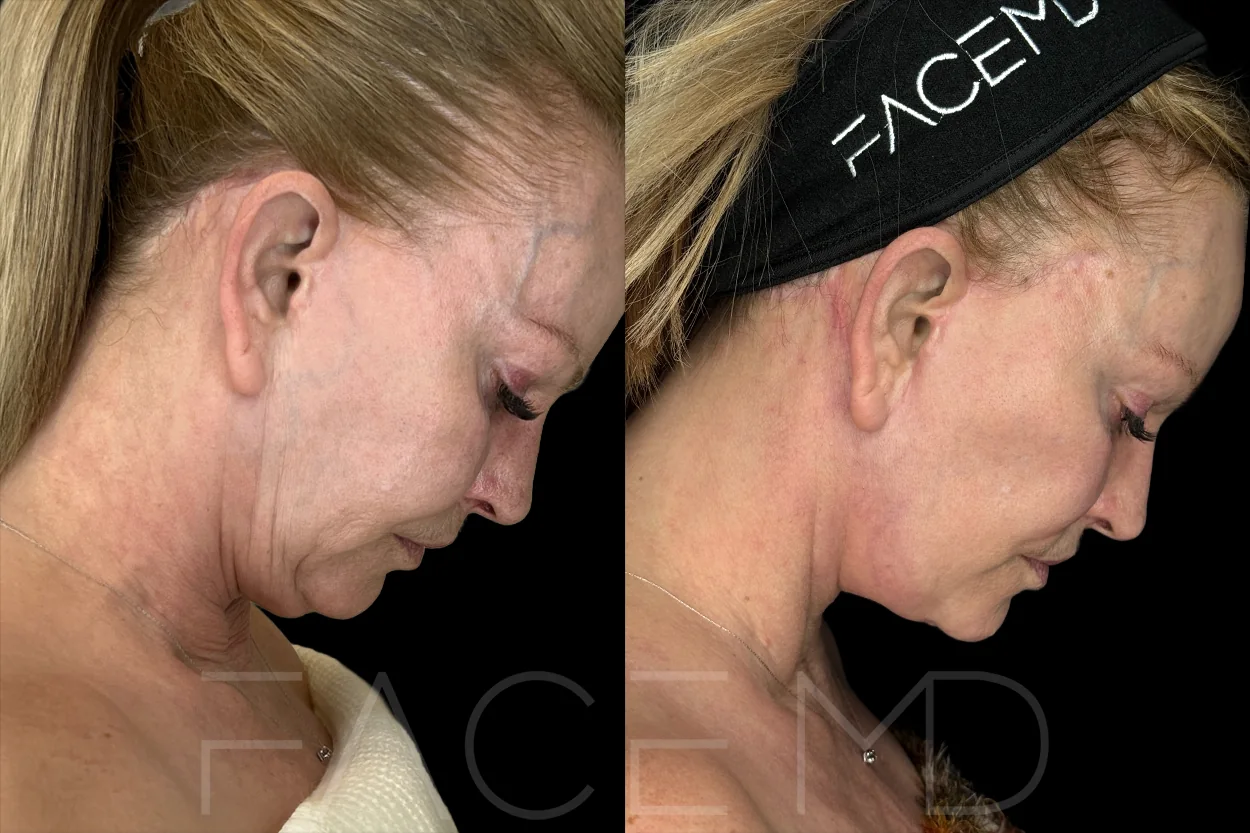
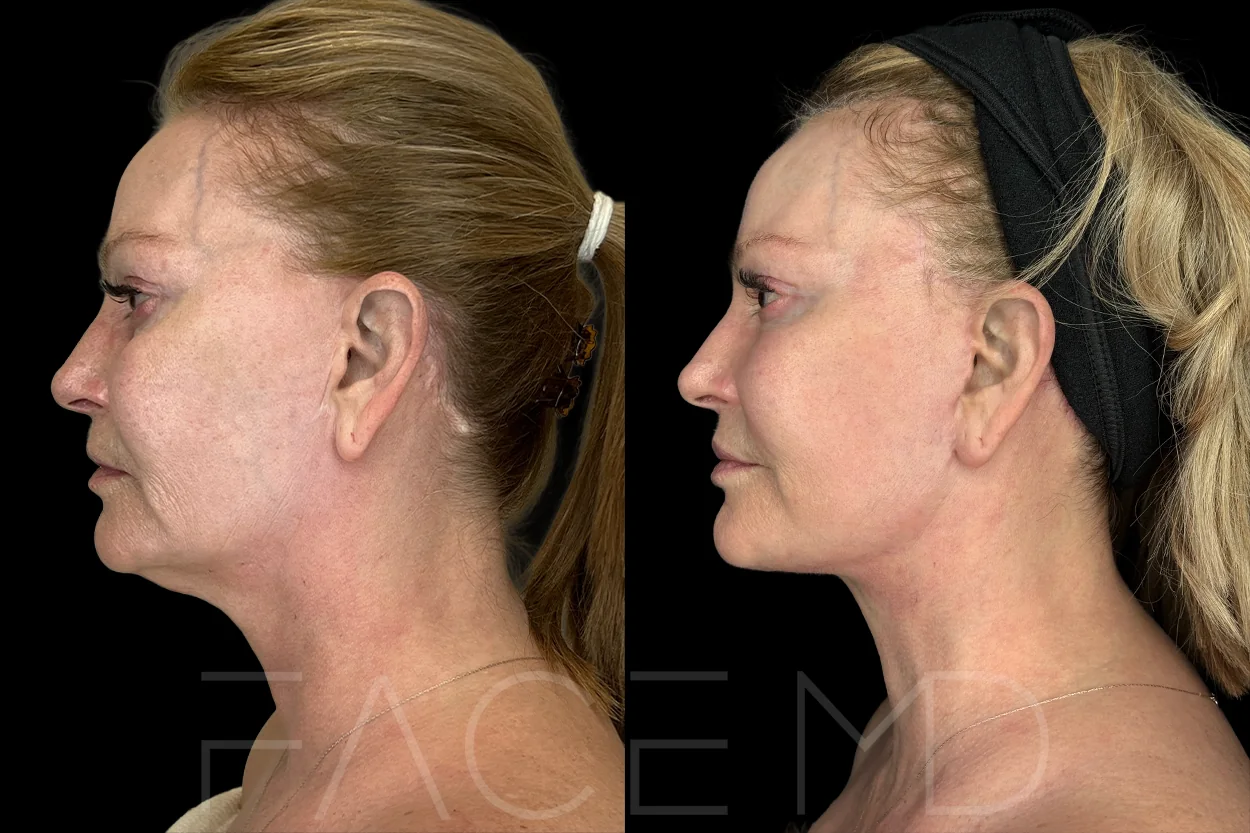
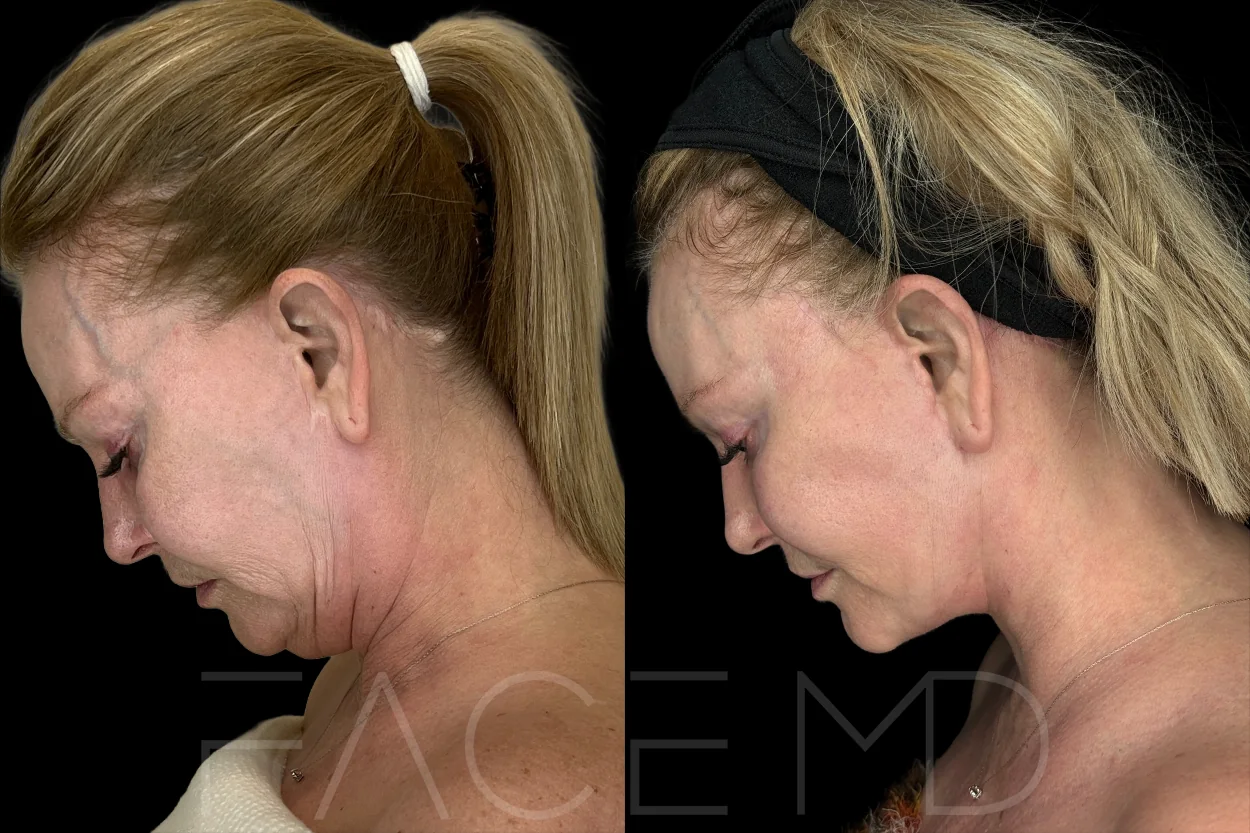
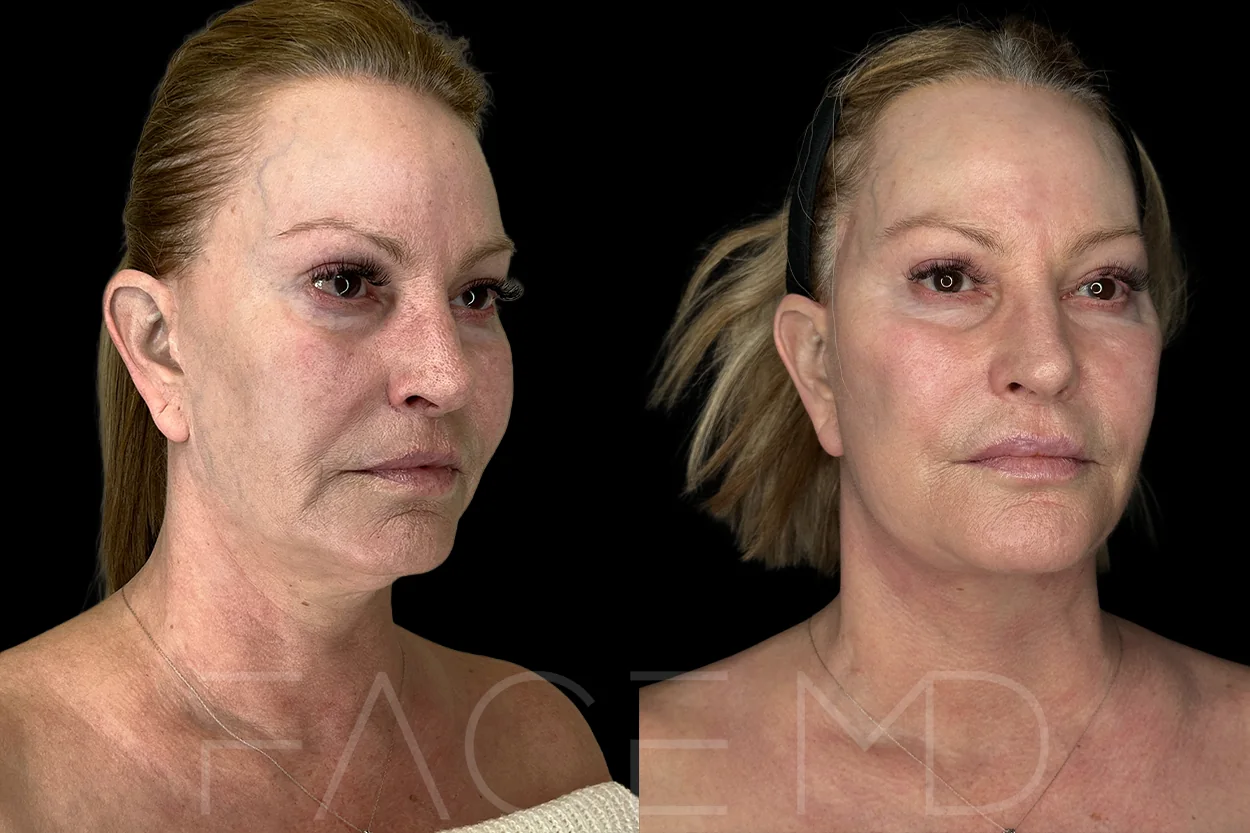
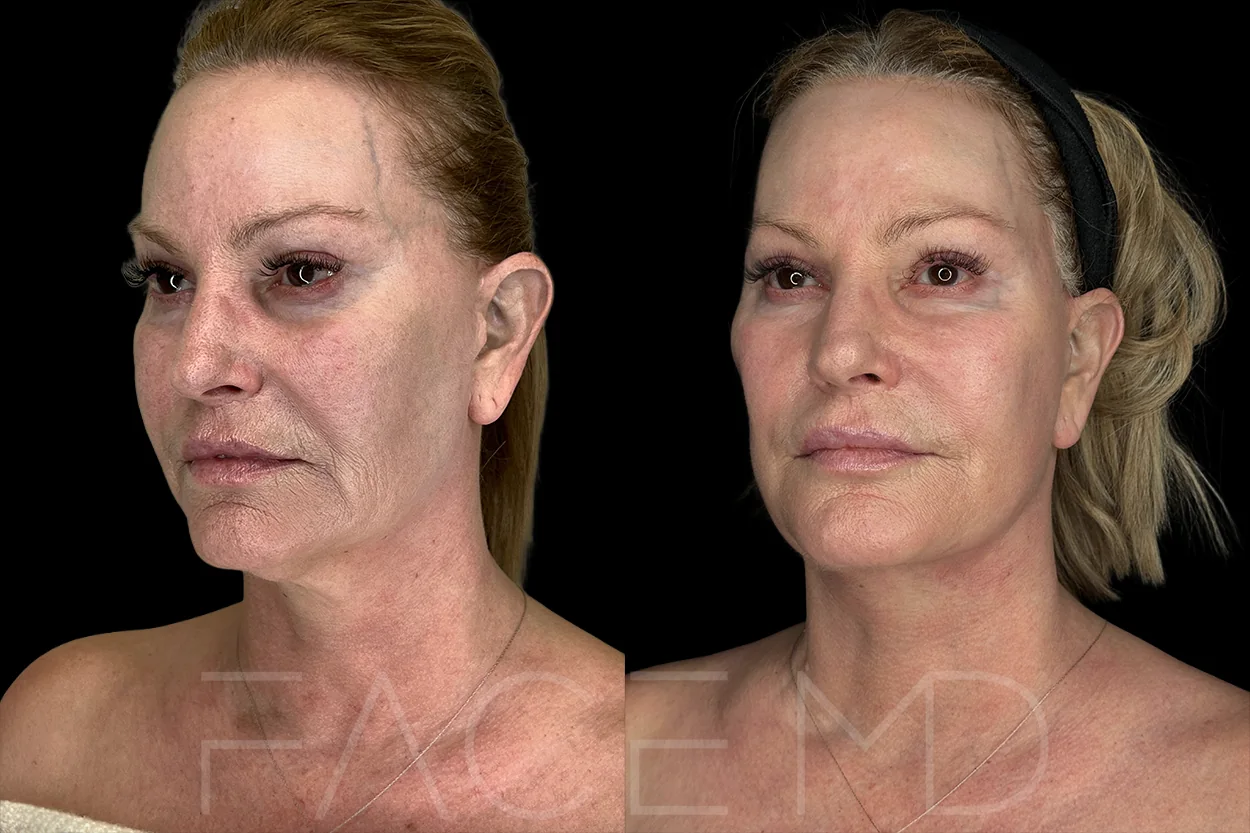
- 12 Months post-op Deep Plane Face & Neck Lift
- 22 Months post-op Deep Plane Face & Neck Lift
- 32 Months post-op Deep Plane Face & Neck Lift
- 42 Months post-op Deep Plane Face & Neck Lift
- 52 Months post-op Deep Plane Face & Neck Lift
- 62 Months post-op Deep Plane Face & Neck Lift
- 72 Months post-op Deep Plane Face & Neck Lift
- 82 Months post-op Deep Plane Face & Neck Lift
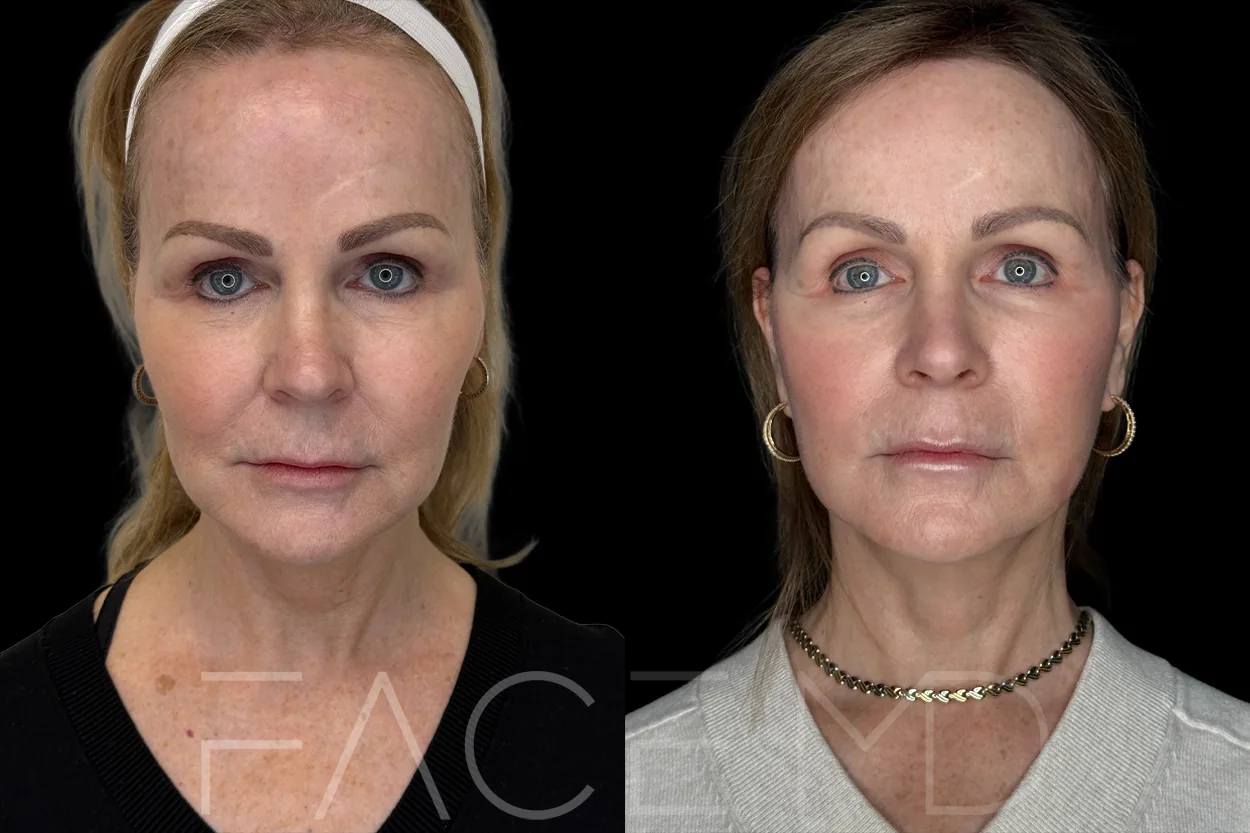
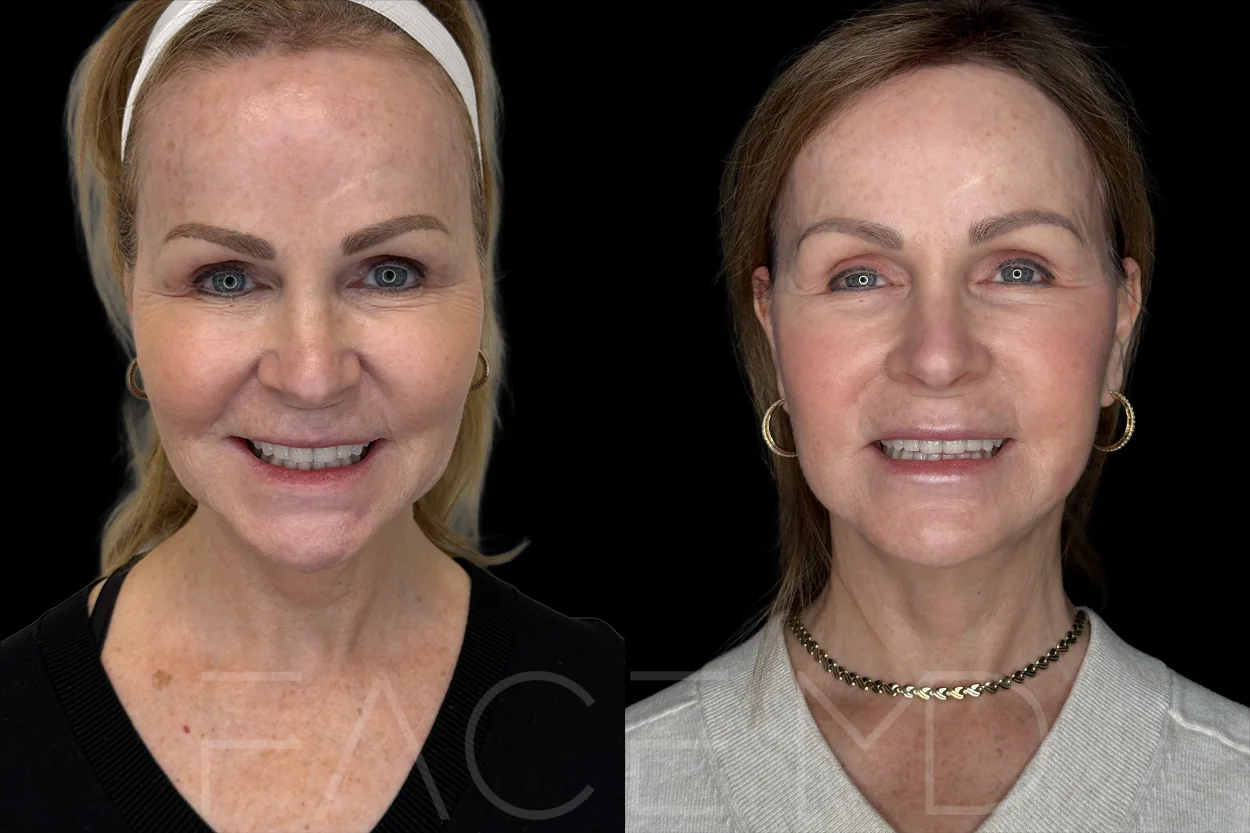
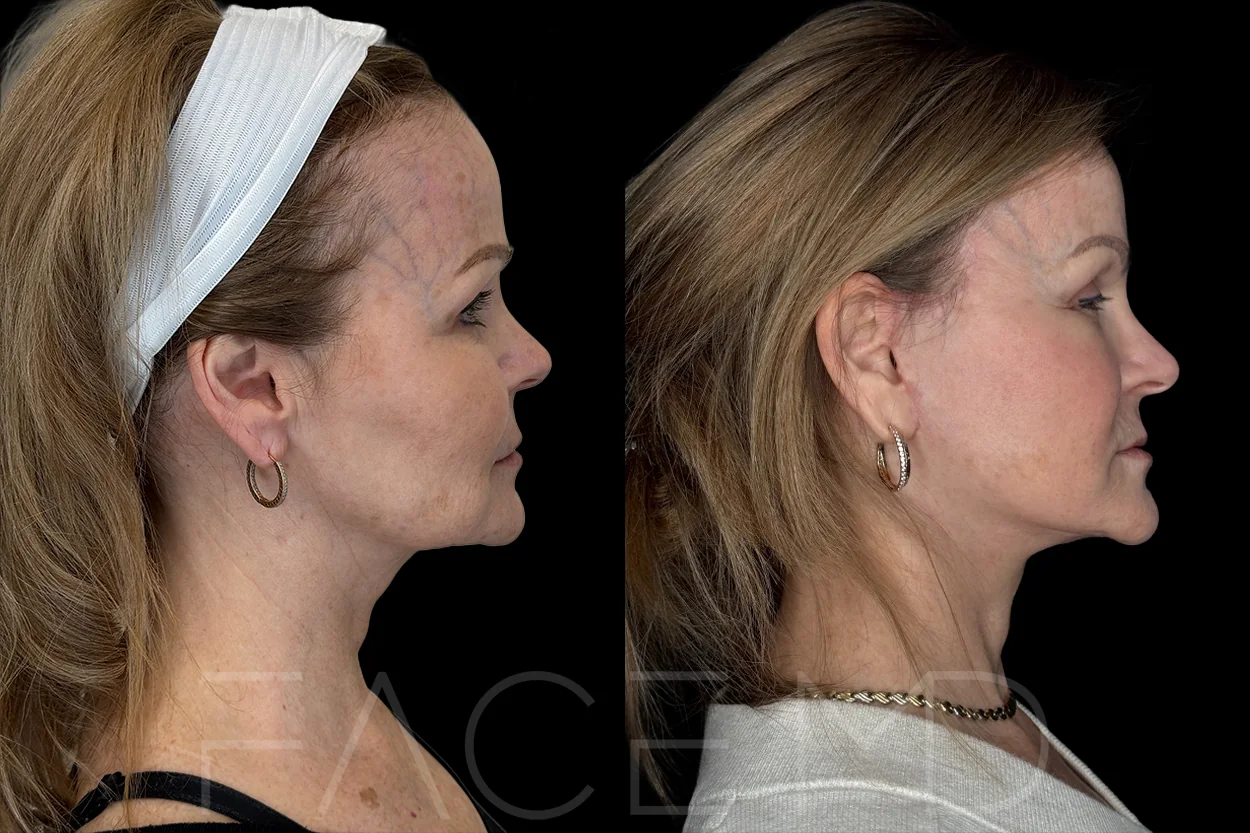
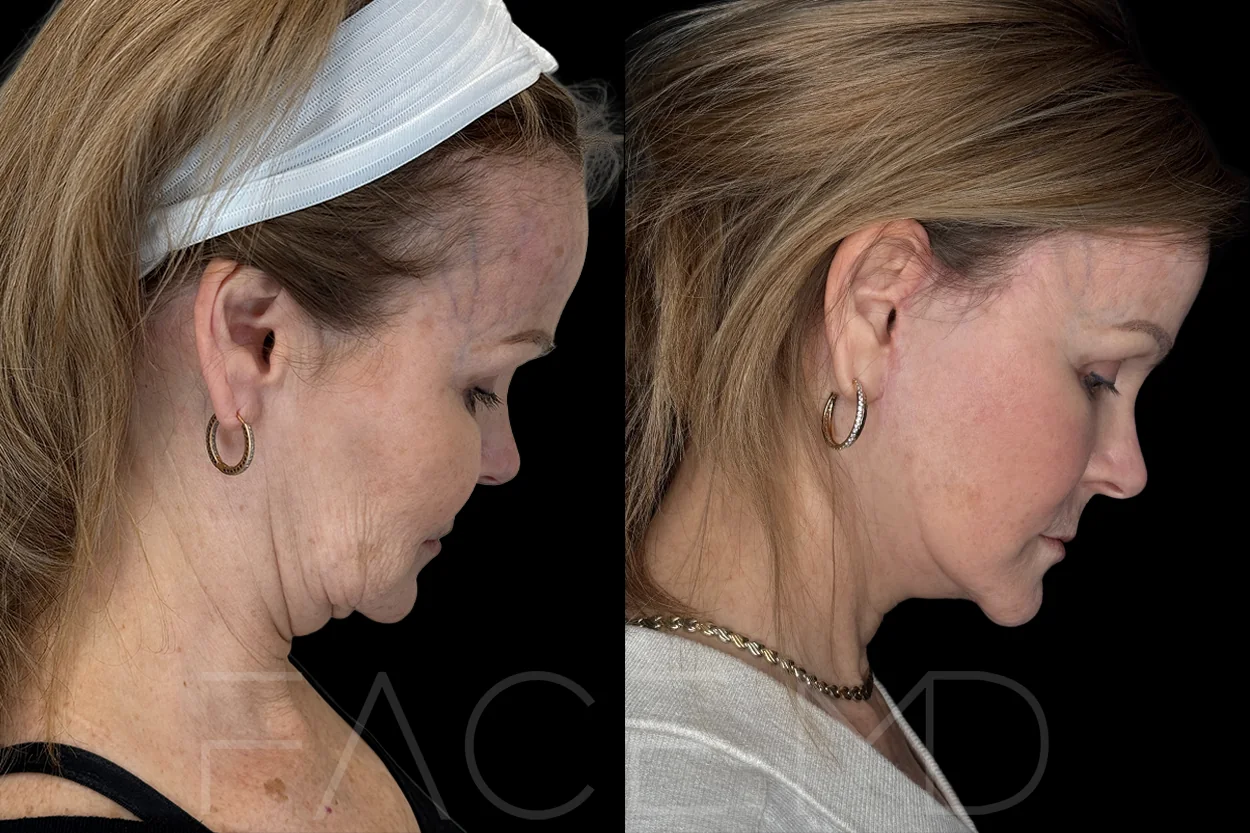
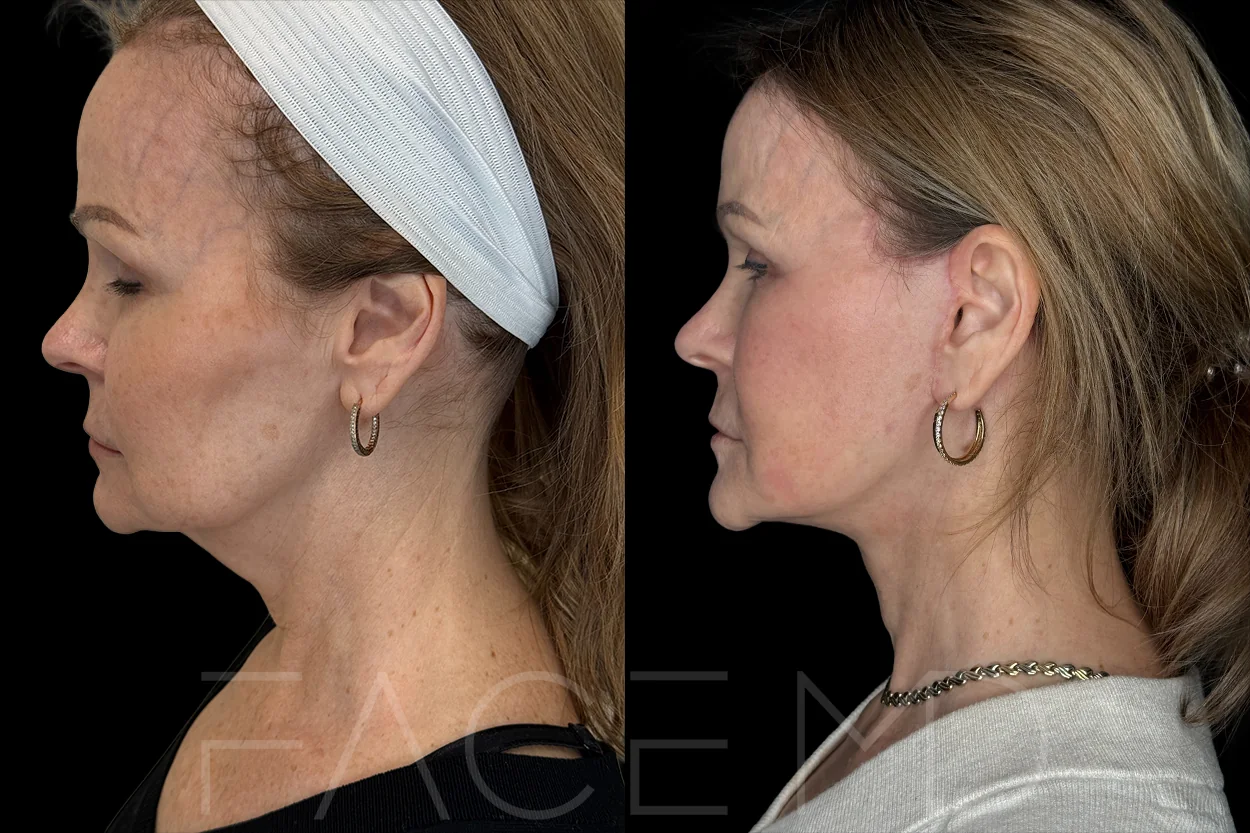
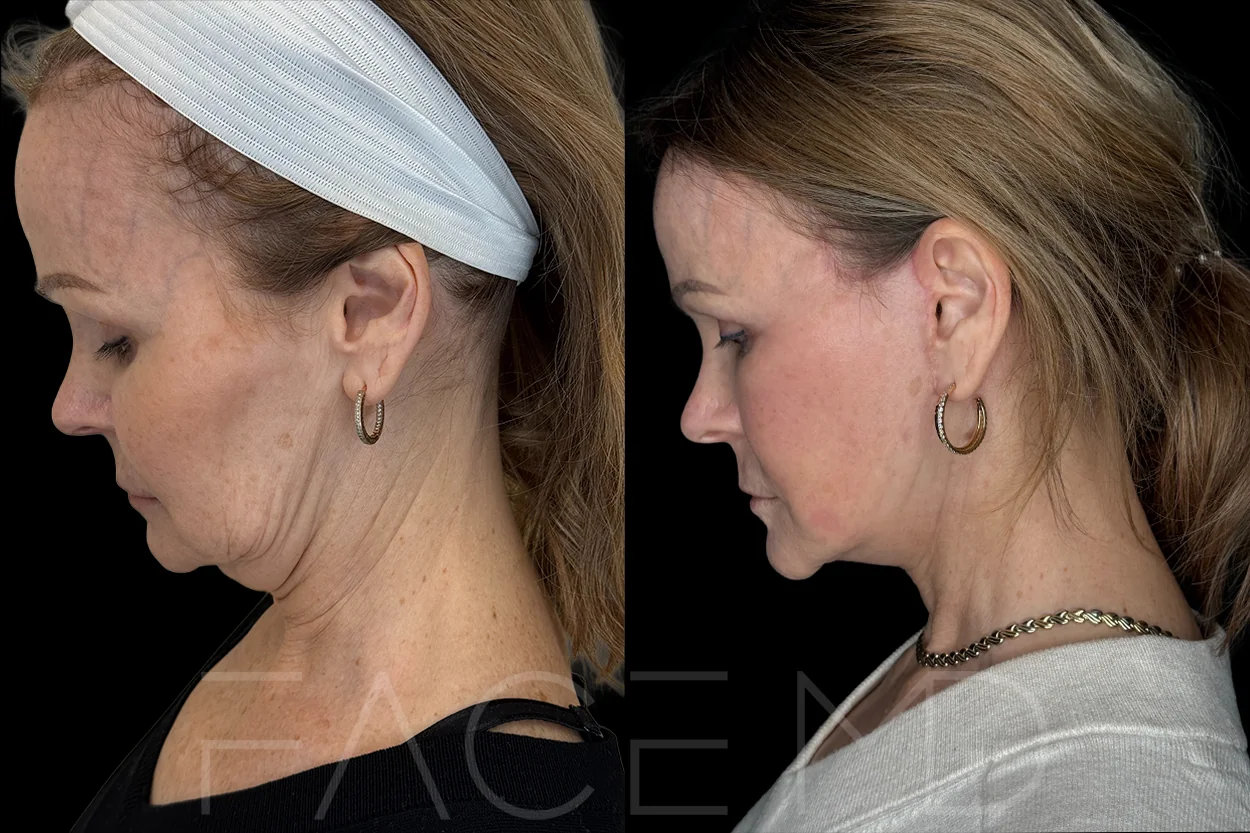
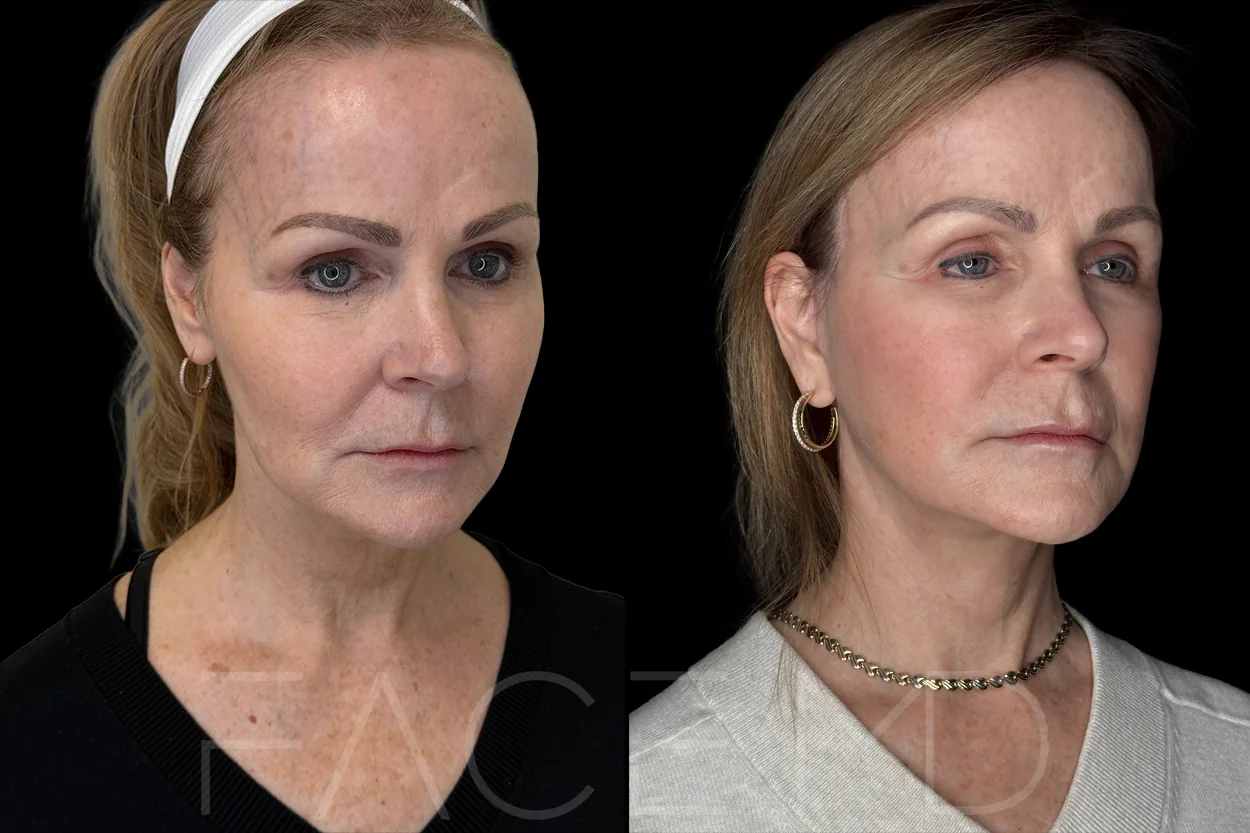
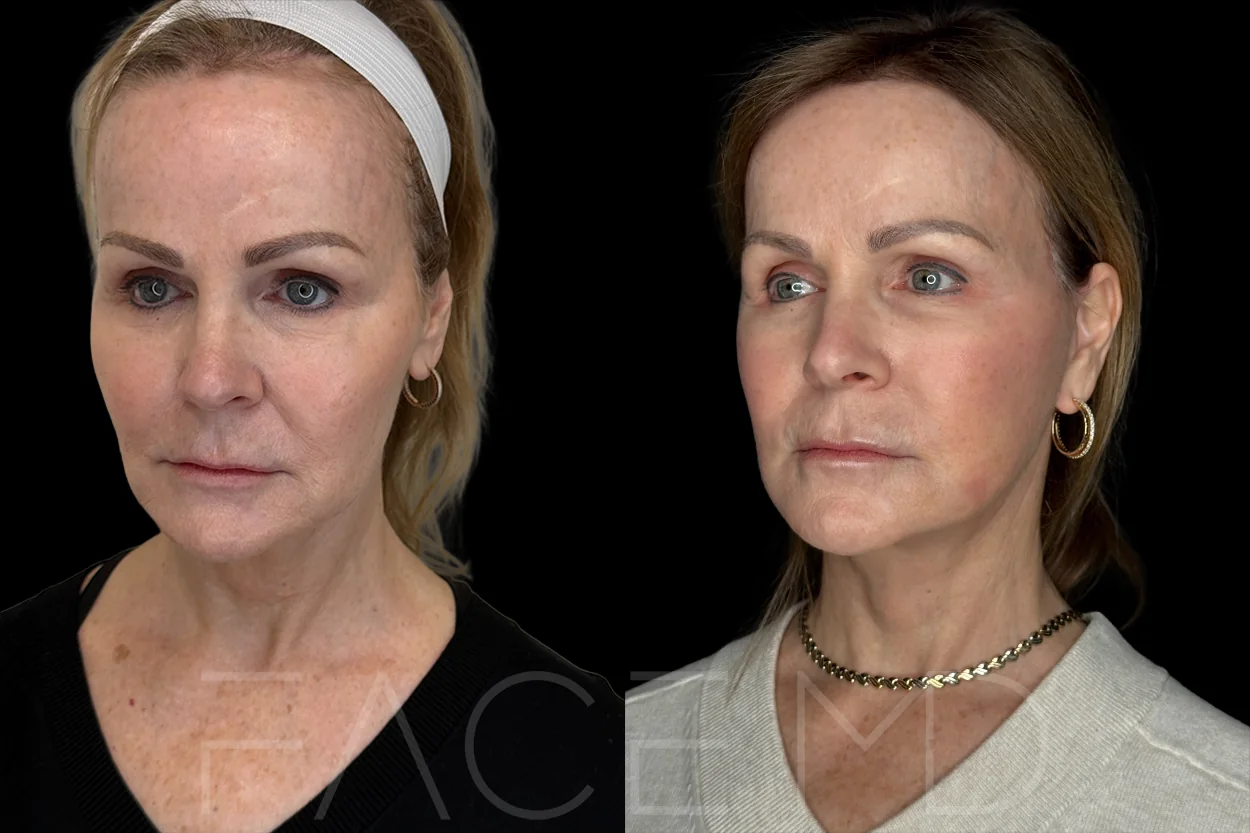
- 13 Months post-op Deep Plane Face & Neck Lift and Upper Blepharoplasty
- 23 Months post-op Deep Plane Face & Neck Lift and Upper Blepharoplasty
- 33 Months post-op Deep Plane Face & Neck Lift and Upper Blepharoplasty
- 43 Months post-op Deep Plane Face & Neck Lift and Upper Blepharoplasty
- 53 Months post-op Deep Plane Face & Neck Lift and Upper Blepharoplasty
- 63 Months post-op Deep Plane Face & Neck Lift and Upper Blepharoplasty
- 73 Months post-op Deep Plane Face & Neck Lift and Upper Blepharoplasty
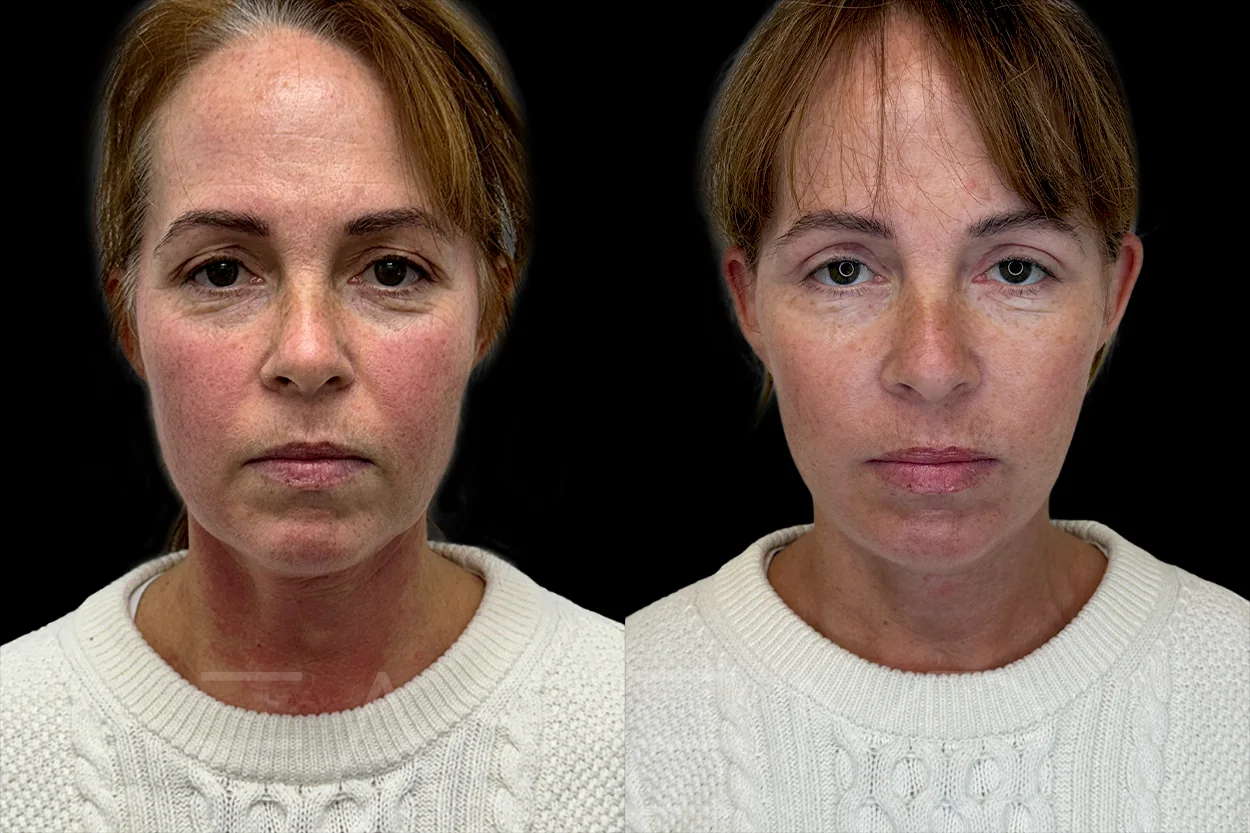
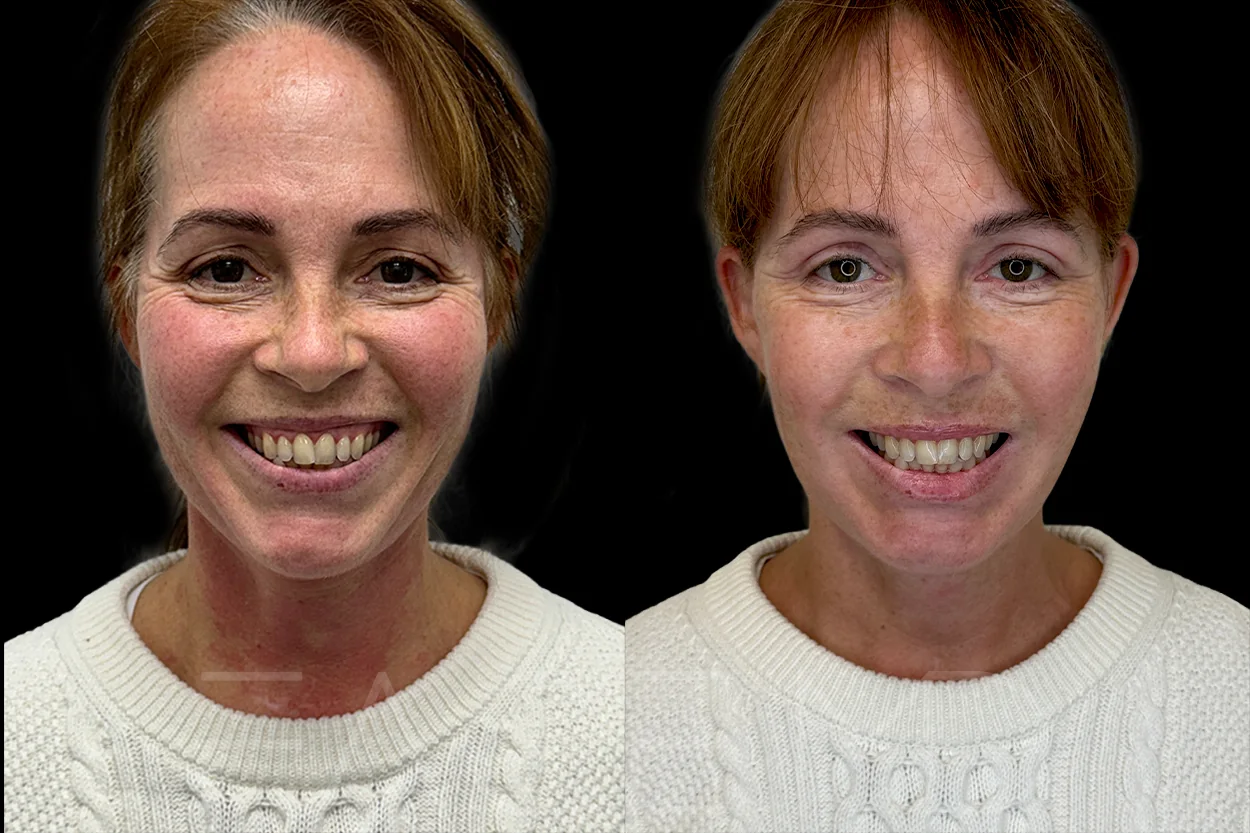
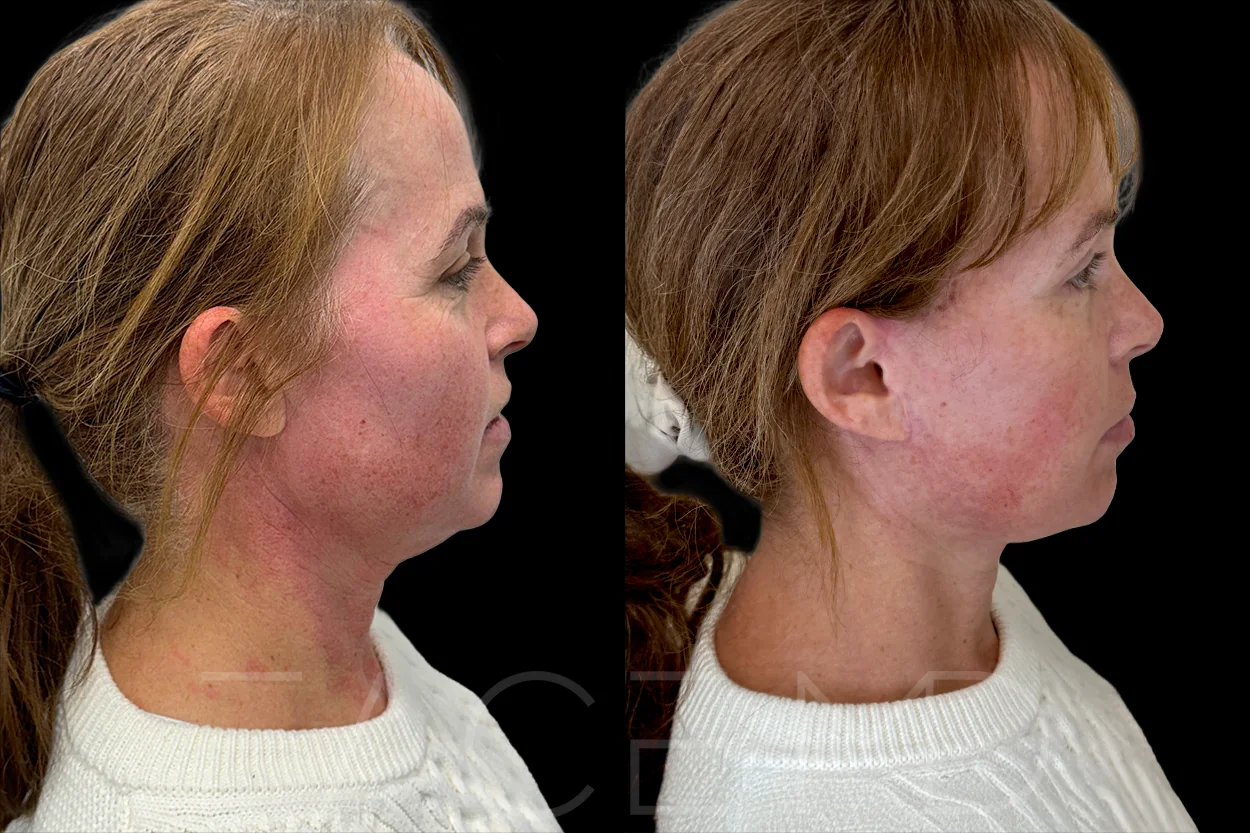
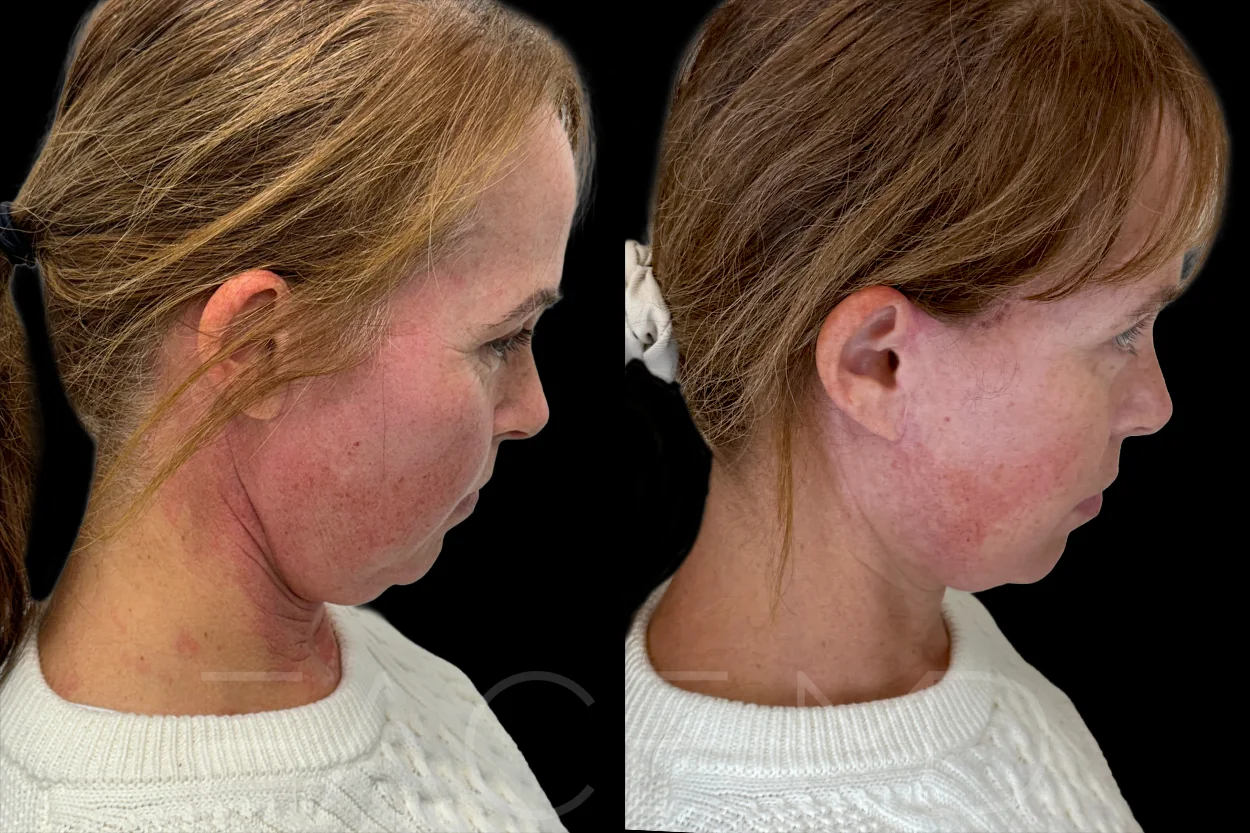
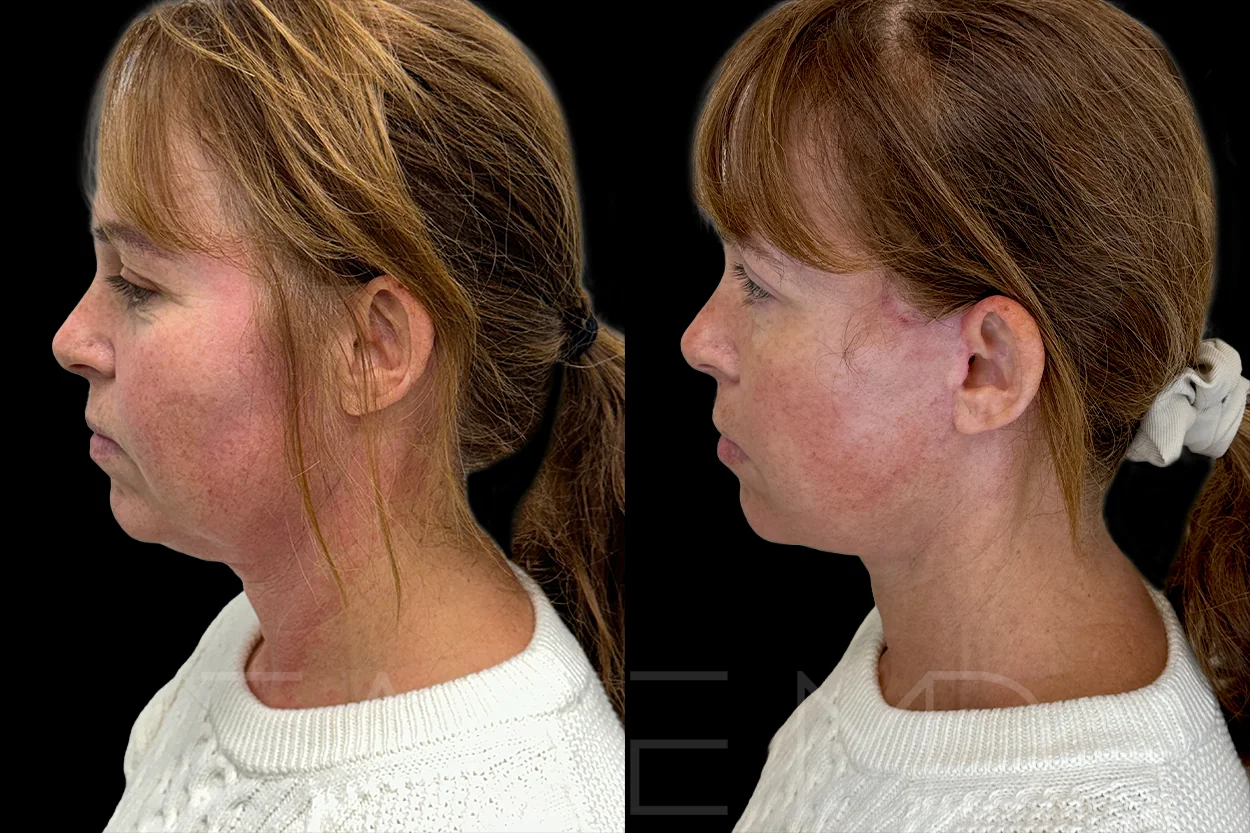
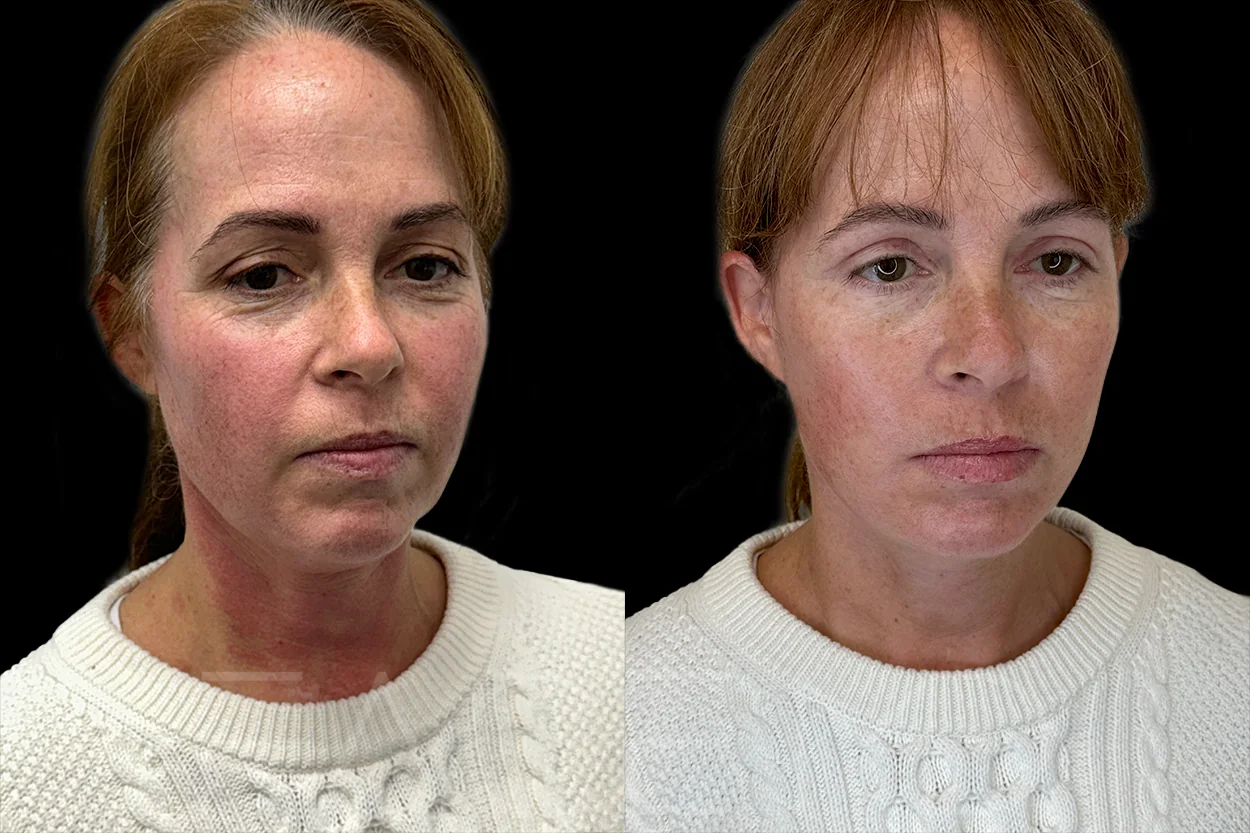
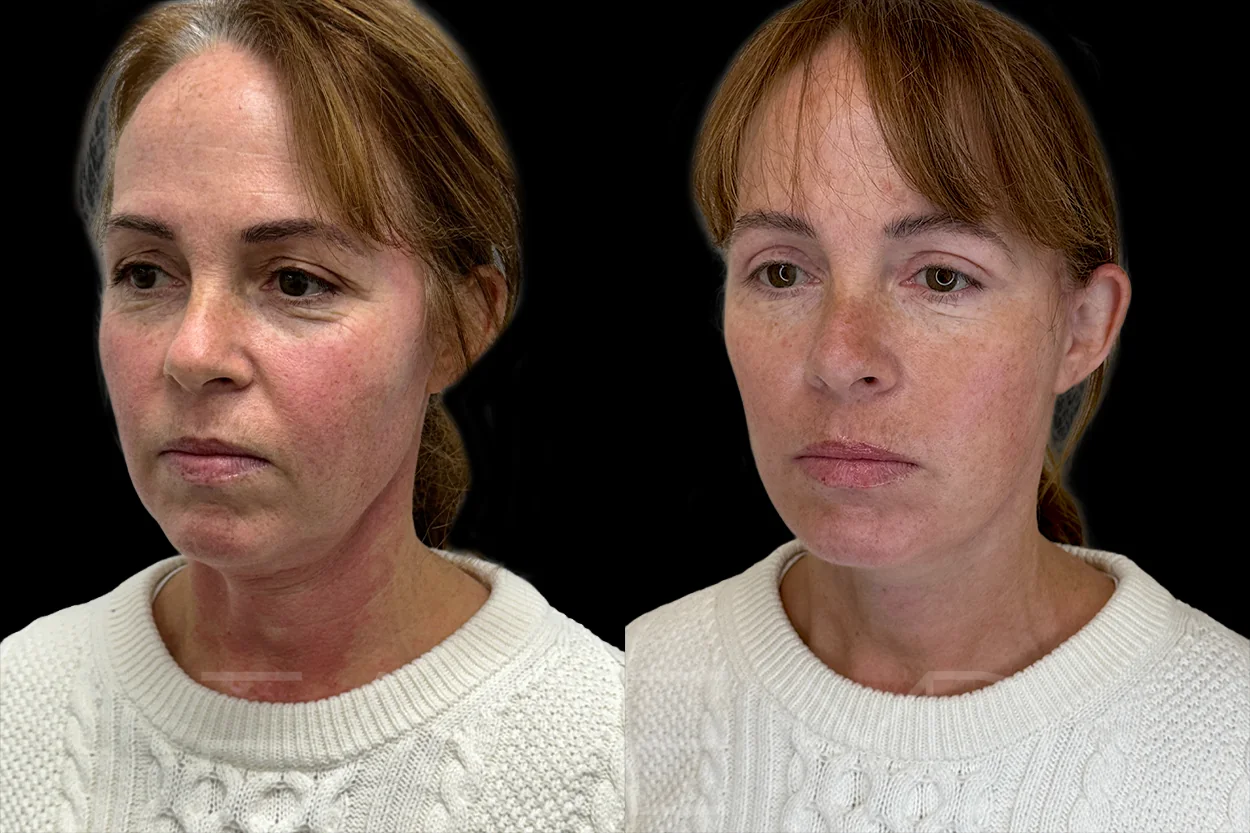
These examples are provided to help visualize the scope of possible results achievable through professional surgical treatment. Photos are published with the informed written consent of the patient. These are not a guarantee of results and are for educational purposes only.
The surgeons at Clinique Face MD
Surgical procedures are performed by head and neck surgeons (otolaryngology–head and neck surgery) practicing in facial plastic surgery at Clinique Face MD, members of the Collège des médecins du Québec and certified by the Royal College of Physicians and Surgeons of Canada.