
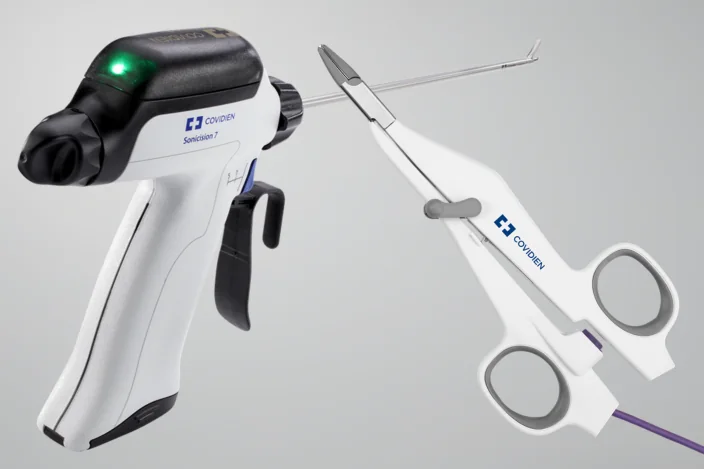
The deep plane facelift represents the pinnacle of facial rejuvenation, allowing for a structural restoration that looks natural and lasts for years. While the skill of the surgeon is the most important factor, the technology utilized during the procedure plays a vital role in the quality of the recovery and the precision of the final result. Traditionally, surgeons relied on standard electrocautery, which uses high-heat electrical current to cut and stop bleeding. However, modern surgery has evolved toward more refined options: high-frequency tissue fusion and ultrasonic technology. These advanced energy tools are designed to respect the delicate anatomy of the face, specifically the nerves and salivary glands. Understanding the nuances between these two technologies—and why they are superior to traditional electricity—is essential for any patient who prioritizes a safe, bloodless surgical field and a significantly faster return to social activities.
At our practice, we prioritize the use of advanced energy devices that minimize thermal trauma to the skin and deep tissues. We integrate both high-frequency and ultrasonic energy throughout the procedure to ensure that every anatomical layer is managed with the appropriate physical force. This guide explores the mechanical differences between these two energies and explains why using them together is a game changer for modern facelift and neck lift procedures.
Why Modern Energy Surpasses Traditional Electricity
To understand the value of modern energy tools, one must first understand the limitations of traditional electricity. Standard electrosurgery relies on high-voltage electrical current to create an arc of heat that effectively burns through tissue. While this method has been used for decades, it carries inherent biological limitations that modern technology has successfully overcome. The most significant drawback is lateral thermal spread. Because electricity follows the path of least resistance, the heat generated does not stay localized; it travels through the surrounding water and electrolytes in the tissue. In the delicate space of a deep plane facelift, even a few millimeters of heat spread can cause temporary nerve irritation or increased swelling.
High-frequency and ultrasonic technologies are engineered to contain their energy. High-frequency tissue fusion uses a closed-loop system that only passes energy between the jaws of the instrument, while ultrasonic technology uses mechanical friction rather than an electrical arc. Both methods produce significantly less heat and ensure that the surrounding nerves and delicate skin remain unaffected by the energy used to divide the deeper layers. Furthermore, traditional electricity seals blood vessels by charring the tissue, creating a brittle surface-level scab. If blood pressure rises during recovery, this can lead to bleeding. In contrast, modern fusion creates a permanent, translucent seal that is biologically fused and significantly stronger than a traditional electrical burn.
High-Frequency Tissue Fusion in Glandular Management
High-frequency technology works by applying a specific radiofrequency current combined with physical pressure. Instead of simply burning the end of a blood vessel, this technology utilizes the body’s own proteins—collagen and elastin—to create a permanent seal. The device monitors the tissue’s impedance hundreds of times per second, ensuring it delivers only the minimum amount of energy required to complete the seal before automatically stopping.
In our practice, high-frequency technology is a primary tool for the dissection and reduction of the submandibular glands. Because these glands are highly vascular, managing blood flow is critical for a safe recovery. By creating a high-strength fusion of the glandular tissue, the risk of post-operative bleeding is virtually eliminated. This results in a cleaner surgical environment, allowing for a more thorough sculpting of the neck profile without the inflammatory response associated with traditional electrical charring.
Ultrasonic Dissection: Precision for Glands and Ligaments
Ultrasonic technology operates on a completely different physical principle. Rather than using an electrical current, it utilizes mechanical vibrations that move at over fifty-thousand times per second. These rapid oscillations create a cold cut by denaturing proteins through friction. Because there is no electrical current passing through the patient, the risk of accidental nerve stimulation or arc-ing is eliminated.
We utilize ultrasonic energy not only to release the deep retaining ligaments of the face but also as a secondary, highly precise method for gland dissection. The mechanical nature of ultrasonic energy allows for a very delicate shaving or remodeling of the submandibular glands. This enables the surgeon to refine the neck contour with microscopic accuracy, ensuring that the transition between the jawline and the neck is as smooth as possible. Patients treated with ultrasonic tools often experience a more comfortable recovery because the vibrations cause far less cellular trauma than traditional cutting tools, allowing the body to bypass the heavy inflammation phase and move directly into repair.
Impact on Patient Recovery and Long-Term Results
The ultimate benefit of these high-tech tools is seen in the days following surgery. By reducing inflammation at the source through cooler energy and mechanical precision, the body can focus entirely on healing the surgical sites. This translates to a dramatic reduction in the deep bruising and edema often associated with older facelift techniques. For the modern patient who needs to return to their professional and social life quickly, this technological approach is essential.
Furthermore, because these tools allow for a more thorough dissection of the deep neck structures—including the glands—the final aesthetic result is more defined. A neck that has been meticulously sculpted with both high-frequency and ultrasonic tools will have a sharper mandibular border and a more youthful contour that remains stable for many years. It is the synthesis of advanced surgical skill and these innovative energy devices that creates the high-definition profile our patients desire.
Professional Standards and Clinical Integrity
Utilizing both high-frequency and ultrasonic technology requires a commitment to surgical excellence and a continuous investment in the latest medical advancements. At our practice, we believe that our patients deserve the most refined tools available. A facelift should not just be about a change in appearance; it should be an experience rooted in safety, anatomical respect, and clinical integrity. By moving beyond traditional electricity, we provide a higher standard of care that prioritizes your comfort and your long-term aesthetic outcome.
During your consultation, we will discuss the specific role these technologies will play in your procedure. We are proud to offer these innovative solutions as part of our comprehensive approach to facial rejuvenation, ensuring that your journey is as smooth and predictable as your results.
MEDICAL DISCLAIMER: The information provided in this article is for educational purposes only and is not a substitute for professional medical advice, diagnosis, or treatment from a qualified healthcare practitioner. Always seek the advice of a physician or other qualified health provider with any questions you may have regarding a medical condition or procedure.To schedule a consultation and learn more about how our advanced surgical technology can benefit your rejuvenation journey, book your visit today.