
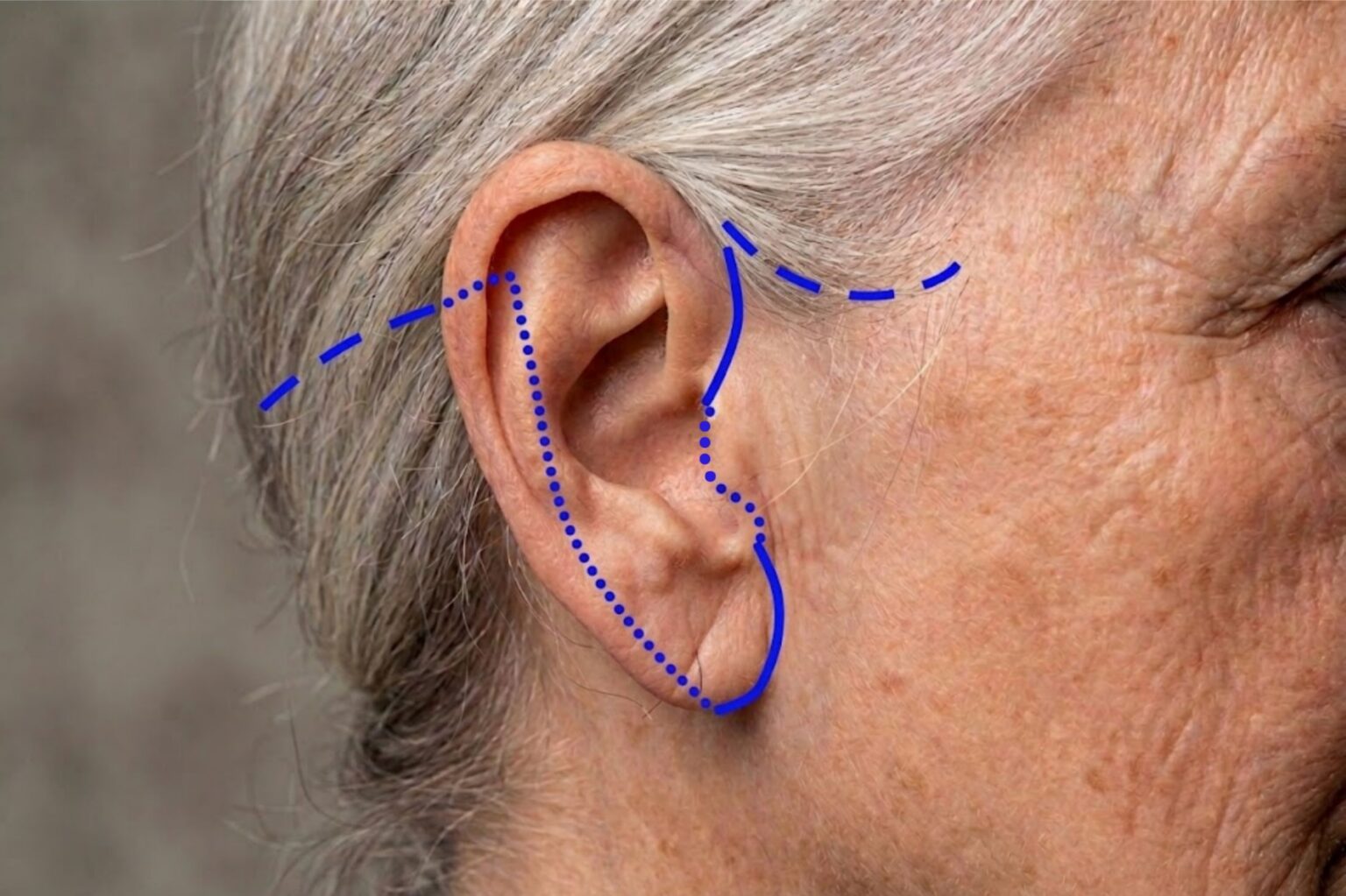
When patients begin researching surgical facial rejuvenation, their motivations often reflect a desire for a natural, refreshed appearance. They want to look like a younger version of themselves, rather than a noticeably altered version of their face. Alongside this desire, many patients express concern about visible surgical scarring. Publicly available images sometimes show outdated examples of thicker scars behind the ears or skin that appears pulled, which can make a surgical intervention more apparent.
In contemporary aesthetic surgery, scar visibility is not random; it is influenced by surgical technique, tension on the skin, and the placement of incisions. With a deep plane facelift, incisions are typically placed within the natural contours of the ear and hairline and are designed to be as discreet as possible. Understanding how incisions are designed and managed can help patients who value a subtle, natural outcome.
In our practice, we aim to minimize the visibility of surgical scars by respecting facial tissue layers and using precise suturing techniques. This article describes how facelift incisions are planned, how tension is managed, and how a deep plane approach may influence scar healing.
The Biology of Scarring and the Role of Tension
To understand how a facelift scar can be made as discreet as possible, it is helpful to consider how scars form. Human skin is an elastic tissue that responds to mechanical forces. When a wound is closed under tension—meaning the skin edges are pulled tightly to close a gap—the body may produce a wider or more noticeable scar. This is part of the body’s natural response to prevent the wound from pulling open during normal movement.
In some traditional facelift techniques, the skin is used as the main lifting element. The skin flap is pulled, and excess skin is trimmed. Because the deeper fat and muscle layers may still be sagging underneath, they can pull downward against the tightened skin. This can create tension along the incision line. Over time, this mechanical stress may contribute to stretching or flattening of the scar, which can make it more visible. From this perspective, reducing tension on the skin is an important aspect of achieving a discreet scar.
Deep Plane Approach: Reducing Skin Tension
The deep plane facelift focuses on the deeper layers of the face. By working beneath the Superficial Muscular Aponeurotic System (SMAS), the surgeon can release deep retaining ligaments that help keep facial tissues in a descended position. Once these ligaments are released, the deeper muscular and soft-tissue framework can be repositioned and anchored to a more stable area over the skull.
Because the primary lifting and support are performed in this deeper layer, the overlying skin can be relaxed rather than tightly pulled. The skin flap is draped gently over the repositioned underlying structures, and only the true excess skin is trimmed, allowing the edges to meet with minimal tension. When skin is closed with reduced tension, scarring may be finer and more subtle, often becoming less noticeable over time. However, individual healing varies and scars are never completely invisible.
Incision Placement: Following Natural Contours
Beyond managing tension, the path of the incision plays a key role in scar camouflage. A straight line is more conspicuous to the eye because it does not correspond to natural facial lines. To improve concealment, incisions are typically designed to follow the natural curves where the face meets the ear and the hairline.
- Pre-Auricular Hairline: The incision often begins high above the ear, within the temple hair. Rather than cutting straight across the hairline, the incision may follow a fine, irregular pattern around hair follicles, allowing hair to grow through the area and help mask the scar.
- Tragal Border: As the incision descends to the front of the ear, it may curve along the inner edge of the tragus (the small cartilage prominence over the ear canal). Positioning the incision behind this natural shadow can help avoid a visible line on the cheek.
- Earlobe Junction: The incision typically loops gently under the earlobe, following the natural crease where the lobe attaches to the cheek, preserving the natural separation between face and ear.
- Post-Auricular Hairline: Behind the ear, the incision may follow the back of the ear cartilage within the natural groove and then transition into the hair of the lower scalp. This placement aims to keep the scar hidden even with up-dos or shorter hairstyles.
These are general principles; the exact incision pattern is adapted to each patient’s anatomy and hairline.
Preventing Earlobe Distortion
One sign that a facelift may have placed excessive tension on the earlobe is a change in its shape, sometimes described as an elongated or “pulled” earlobe. This distortion can occur when tension at the skin level gradually pulls the earlobe downward over time.
In a deep plane approach, the main lifting forces are borne by the deeper SMAS layer, which may reduce the downward force transmitted to the earlobe. The earlobe is typically inset carefully as an independent structure, which can help it maintain a more natural shape and position. Individual results vary, and some patients may still experience subtle changes in earlobe appearance over time.
Suturing Technique and Healing Timeline
Achieving a discreet scar also involves a careful, multi-layered suturing approach. Deep sutures may be placed in the subcutaneous tissue to handle micro-forces, helping to align the skin edges precisely. The surface skin is then closed with fine sutures, often smaller than a strand of hair.
In the first few weeks after surgery, the incision may appear as a thin pink line, which reflects normal healing and blood flow. Over several months, as remodeling continues, the pinkness typically fades and the scar becomes softer and less noticeable. Because the deep plane technique aims to preserve local blood supply and tissue integrity, the skin around the incision generally heals well, allowing patients to style their hair with reasonable freedom. Individual healing varies, and complete scar maturation can take up to a year or more.
Commitment to Precision and Natural Results
A carefully performed deep plane facelift combines knowledge of facial anatomy with attention to technical detail. The goal is to produce results that appear natural and balanced, without obvious signs of surgical intervention. By addressing deeper facial structures and reducing tension on the skin, we aim to provide a discreet, durable improvement while respecting each patient’s privacy and aesthetic goals.
During a private consultation, we will evaluate your individual facial anatomy and discuss the planned incision design and overall approach. Our aim is to offer modern techniques that can help you feel confident and comfortable as you consider facial rejuvenation.
MEDICAL DISCLAIMER: The information provided in this article is for educational purposes only and is not a substitute for professional medical advice, diagnosis, or treatment from a qualified healthcare practitioner. Results vary and are not guaranteed. Always seek the advice of a physician or other qualified health provider with any questions you may have regarding a medical condition or procedure.To schedule a comprehensive anatomical evaluation and discuss advanced deep plane facelift options, book your consultation today.
Visualizing Results: Before and After Gallery
To demonstrate the transformative potential of deep-plane techniques, please refer to the gallery below showcasing patient outcomes:
←- 12 Months post-op Deep Plane Face & Neck Lift with Fat Transfer and Full Face CO2 Laser
- 22 Months post-op Deep Plane Face & Neck Lift with Fat Transfer and Full Face CO2 Laser
- 52 Months post-op Deep Plane Face & Neck Lift with Fat Transfer and Full Face CO2 Laser
- 72 Months post-op Deep Plane Face & Neck Lift with Fat Transfer and Full Face CO2 Laser
- 32 Months post-op Deep Plane Face & Neck Lift with Fat Transfer and Full Face CO2 Laser
- 42 Months post-op Deep Plane Face & Neck Lift with Fat Transfer and Full Face CO2 Laser
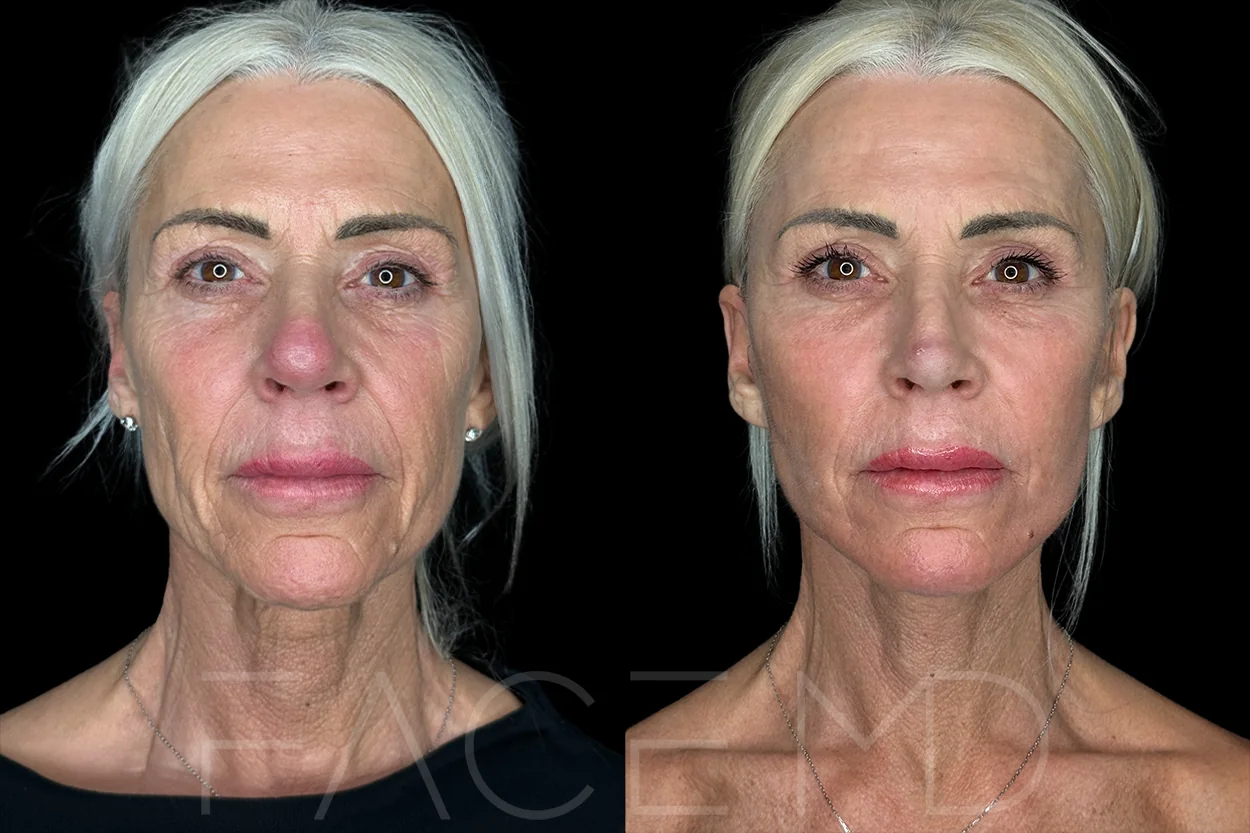
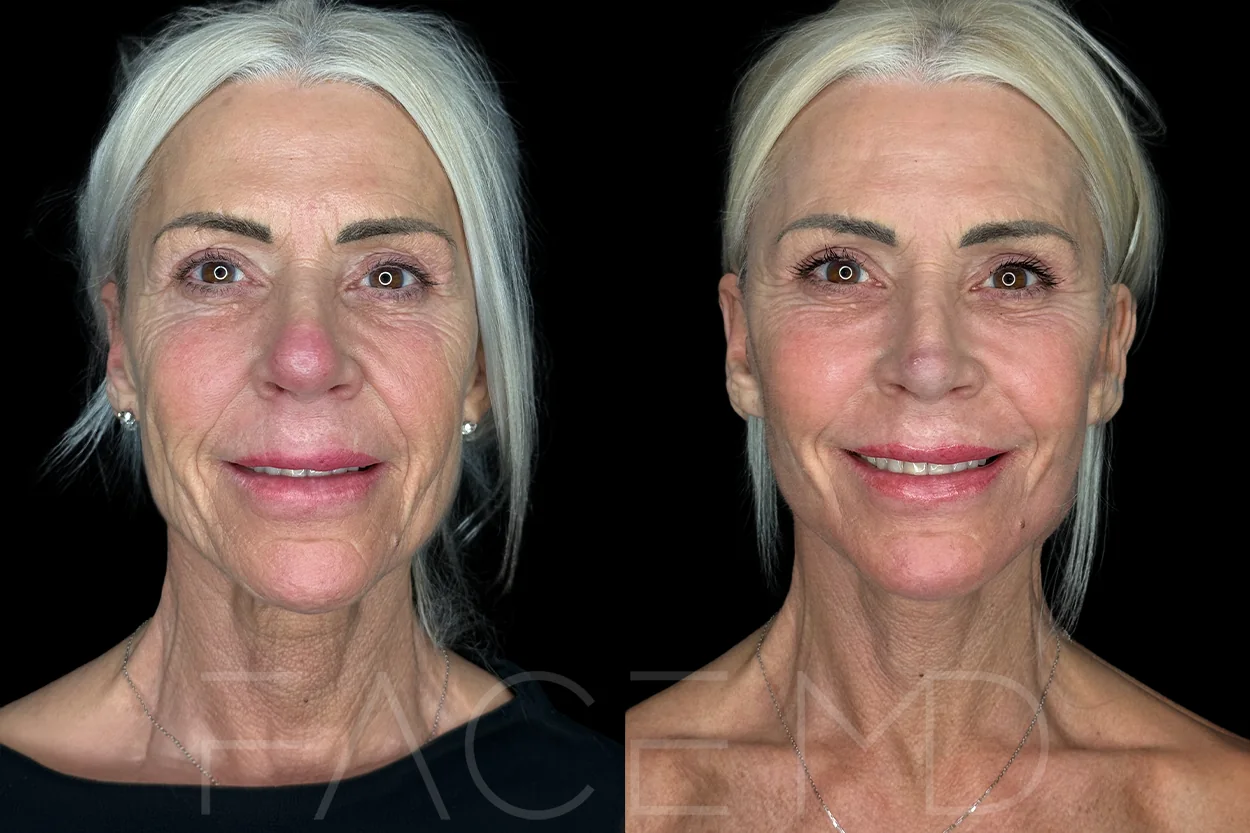
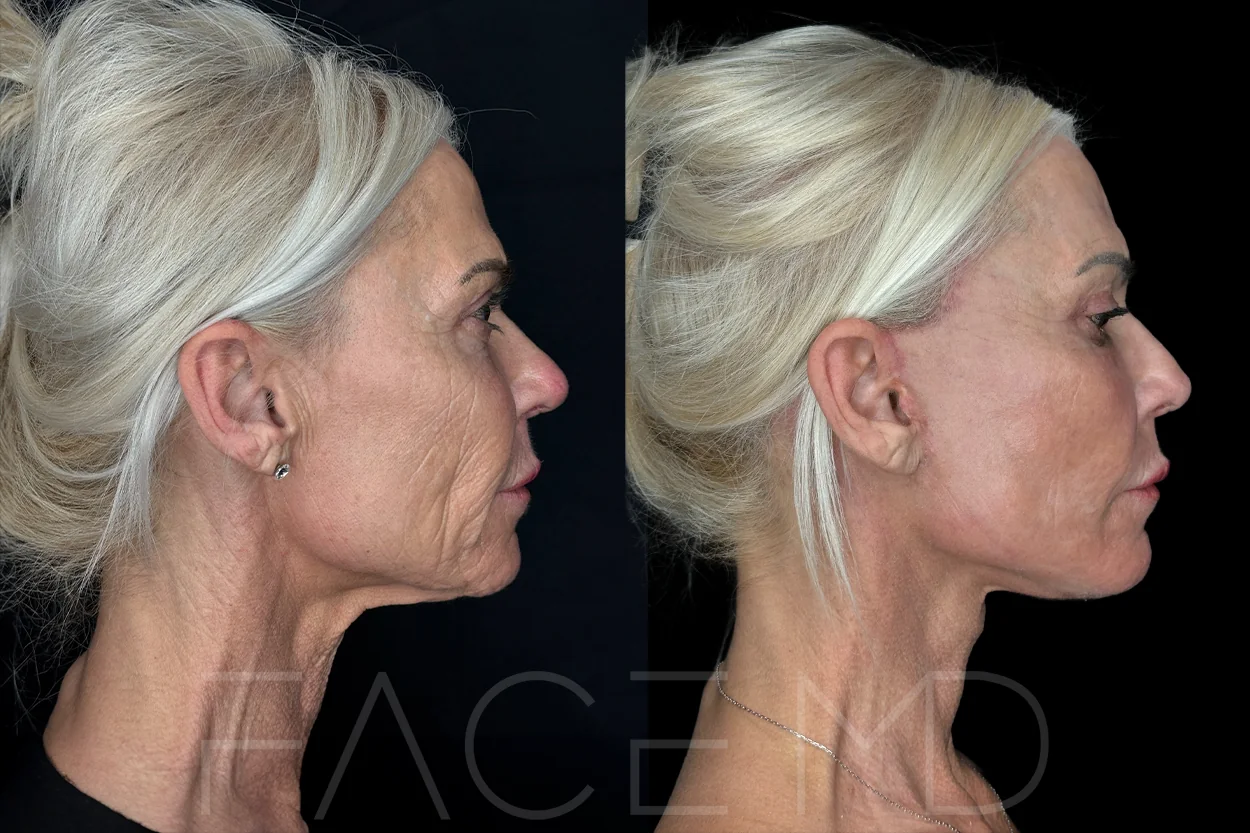
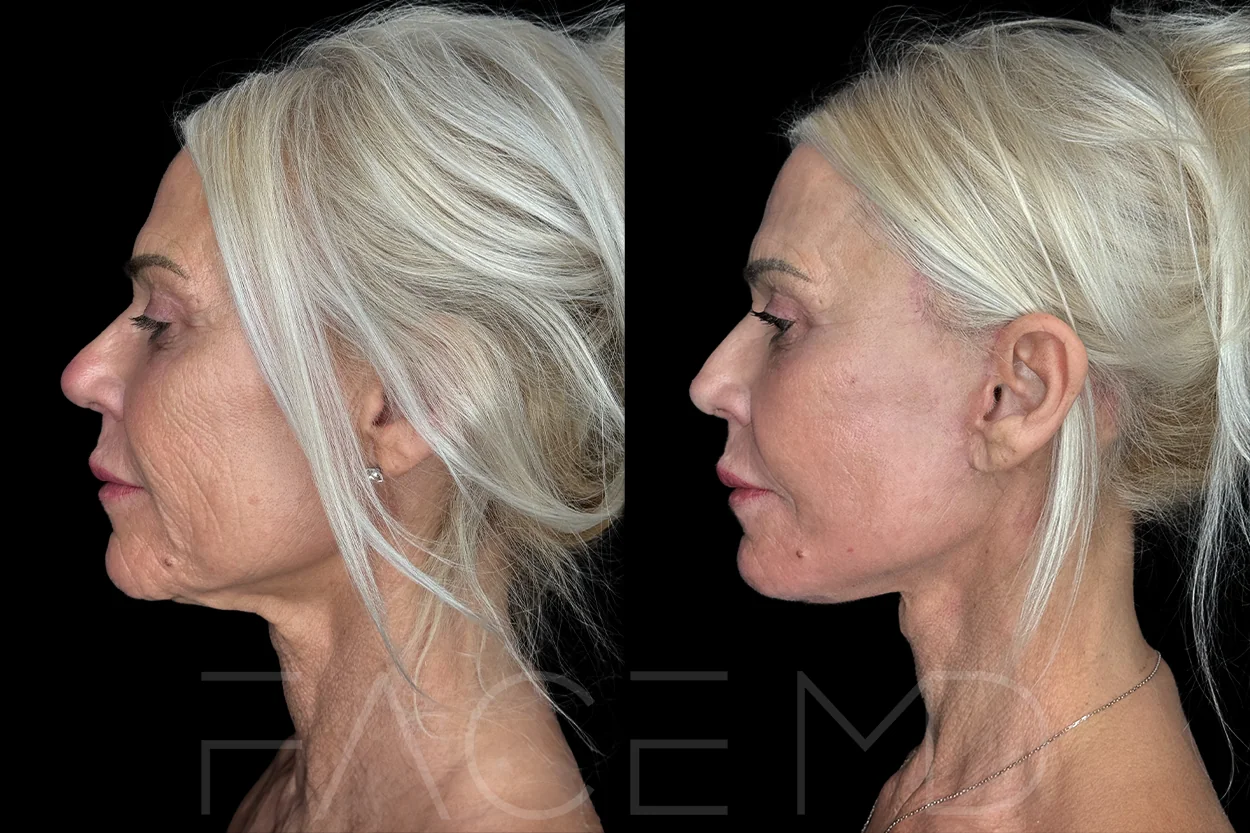
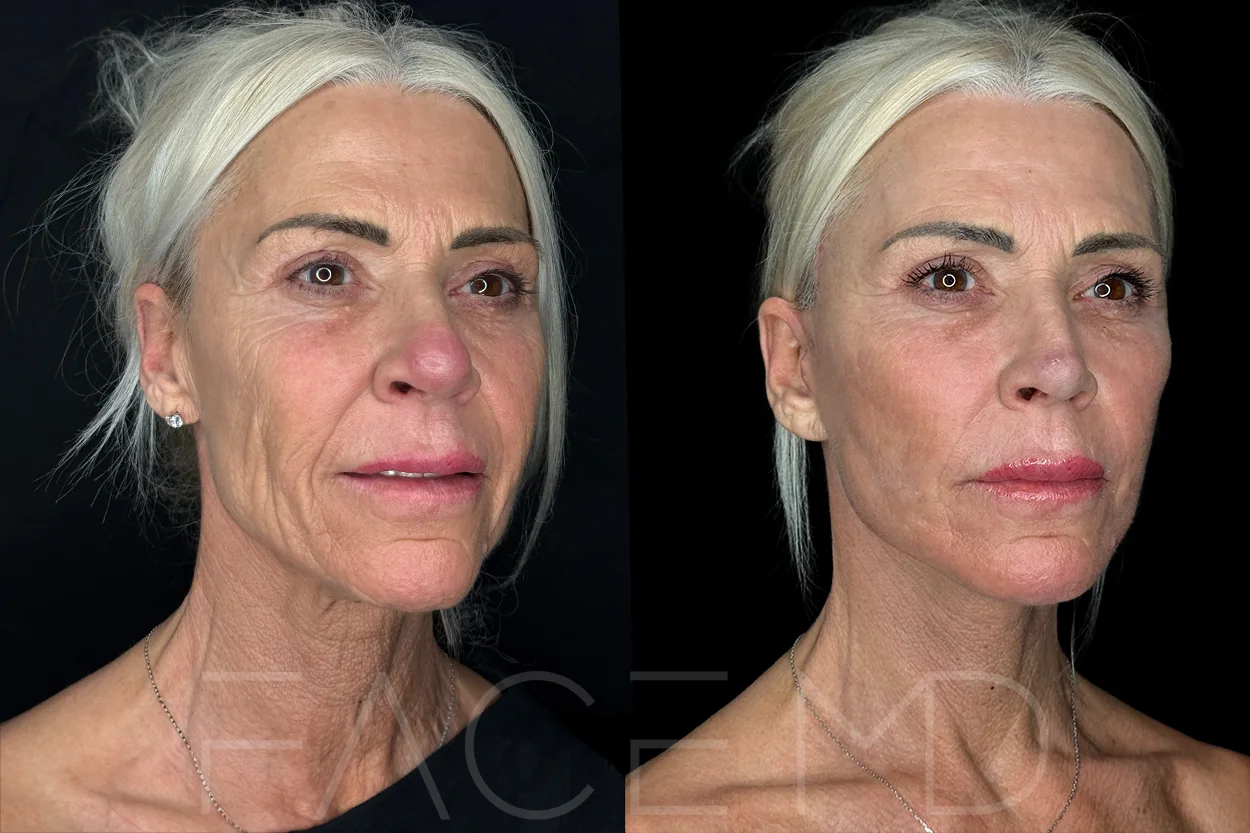
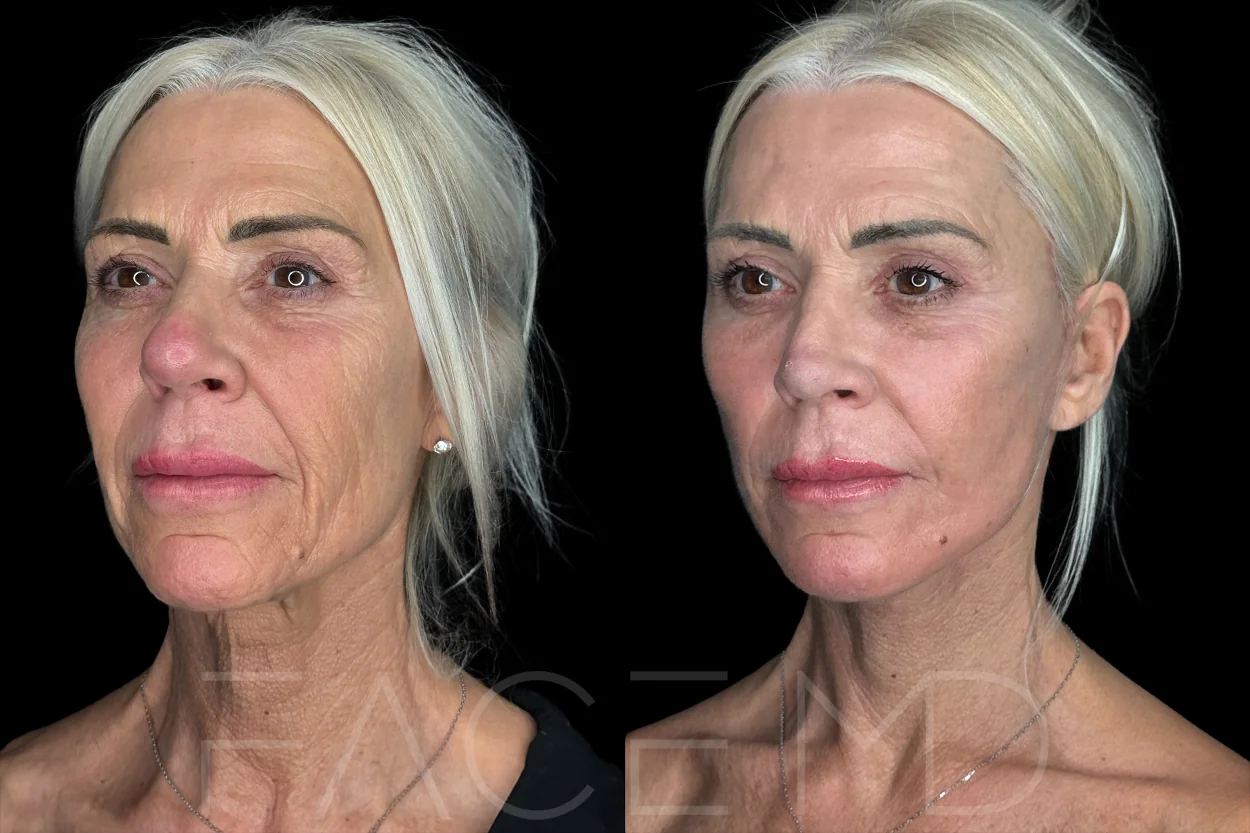
- 12 Months post-op Deep Plane Face & Neck Lift with Endoscopic Brow Lift
- 82 Months post-op Deep Plane Face & Neck Lift with Endoscopic Brow Lift
- 22 Months post-op Deep Plane Face & Neck Lift with Brow Lift
- 32 Months post-op Deep Plane Face & Neck Lift with Endoscopic Brow Lift
- 42 Months post-op Deep Plane Face & Neck Lift with Endoscopic Brow Lift
- 52 Months post-op Deep Plane Face & Neck Lift with Endoscopic Brow Lift
- 62 Months post-op Deep Plane Face & Neck Lift with Endoscopic Brow Lift
- 72 Months post-op Deep Plane Face & Neck Lift with Endoscopic Brow Lift
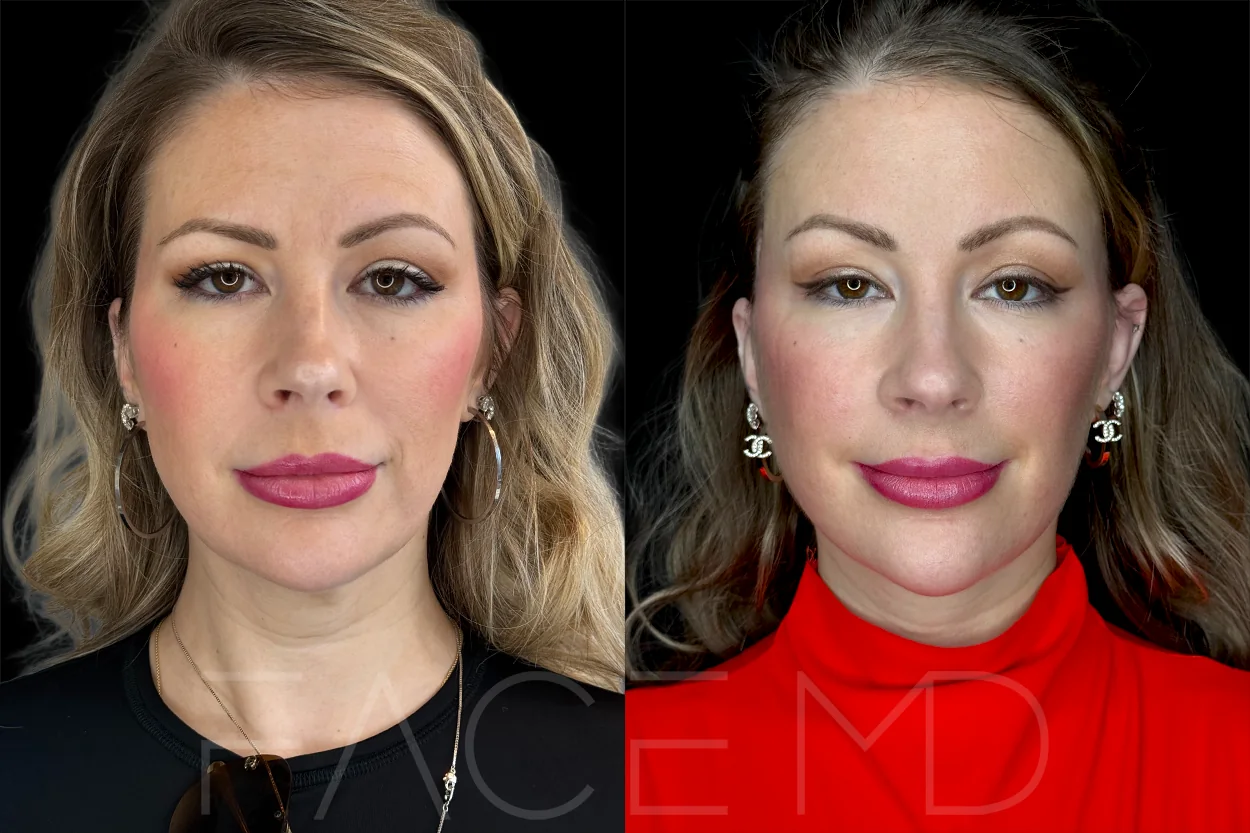
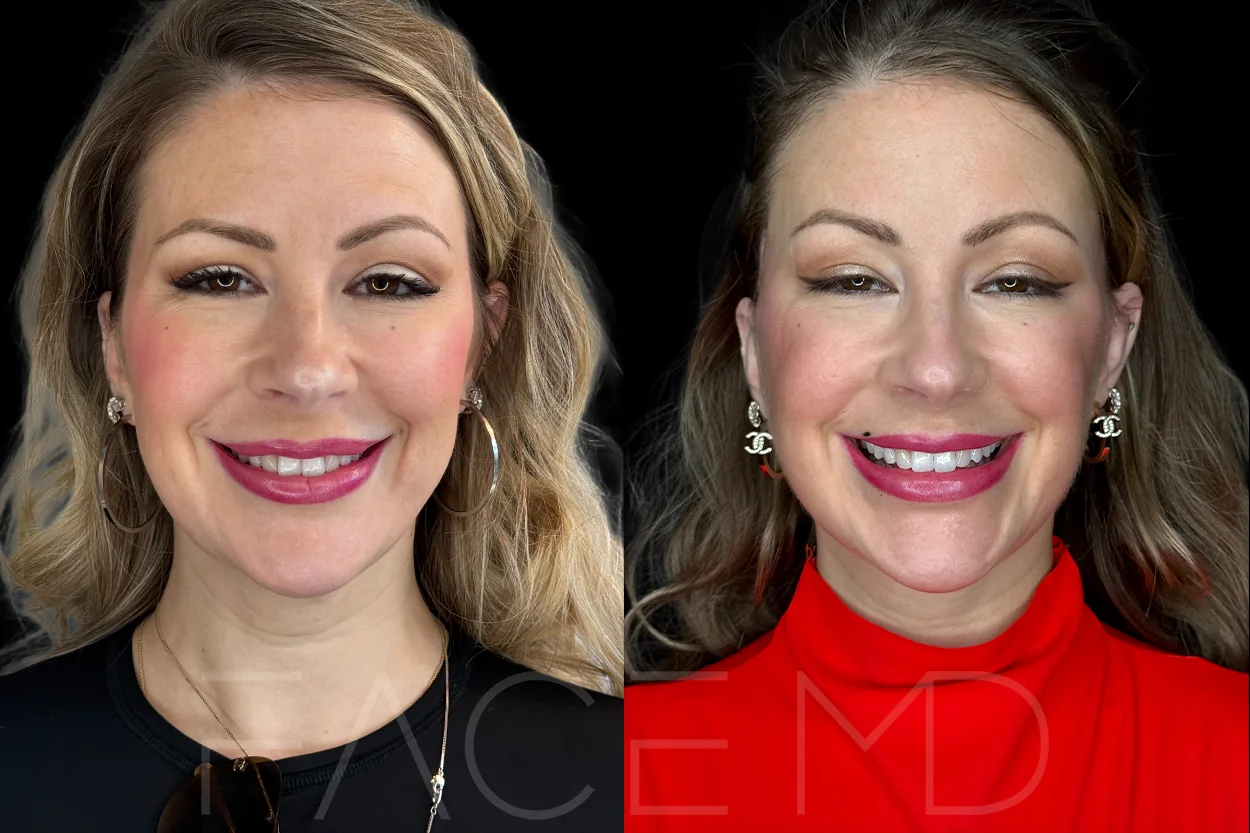
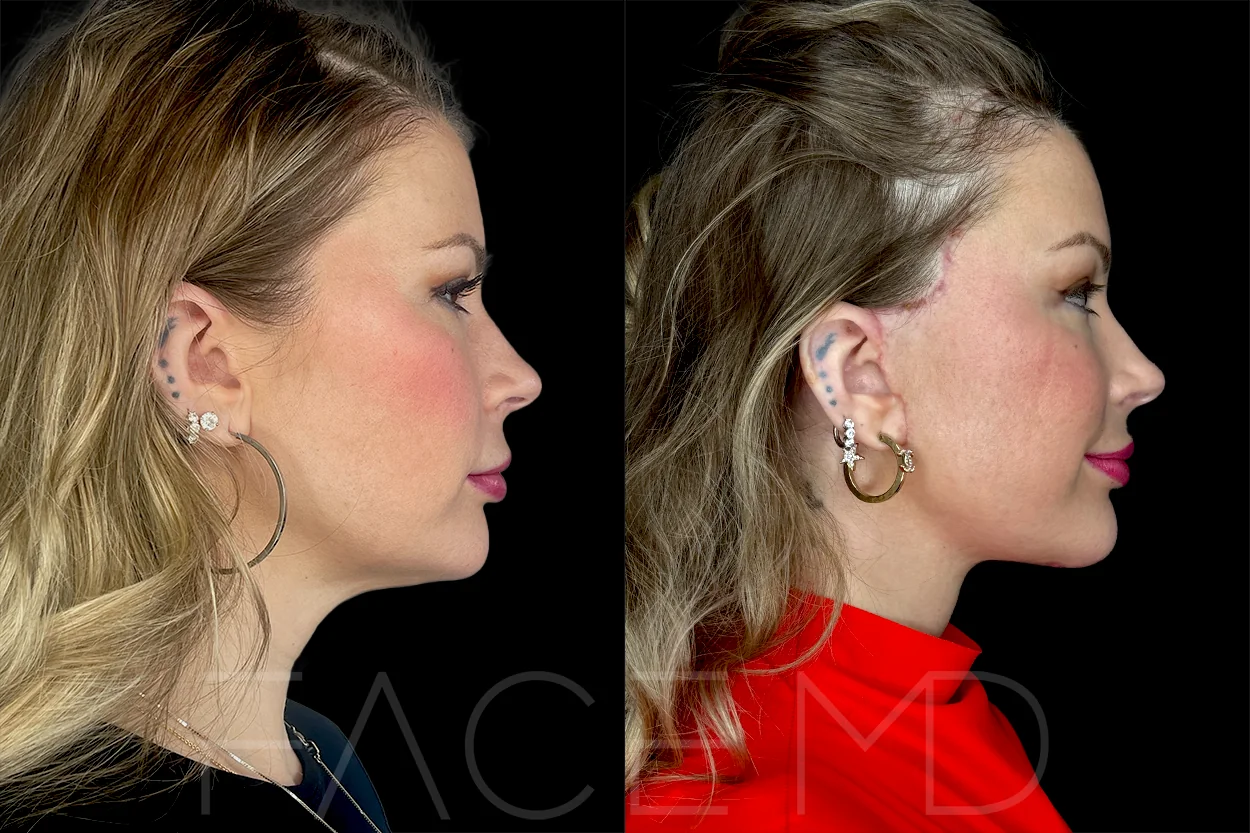
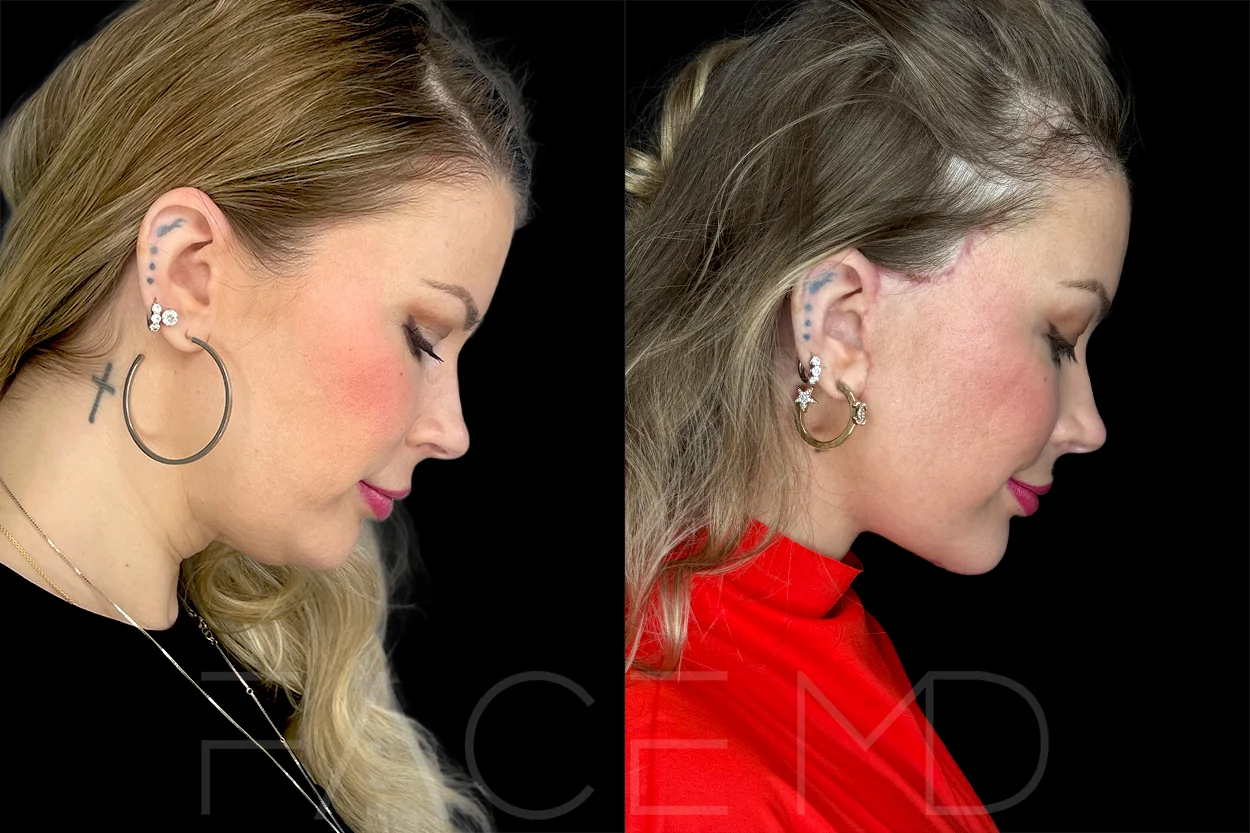
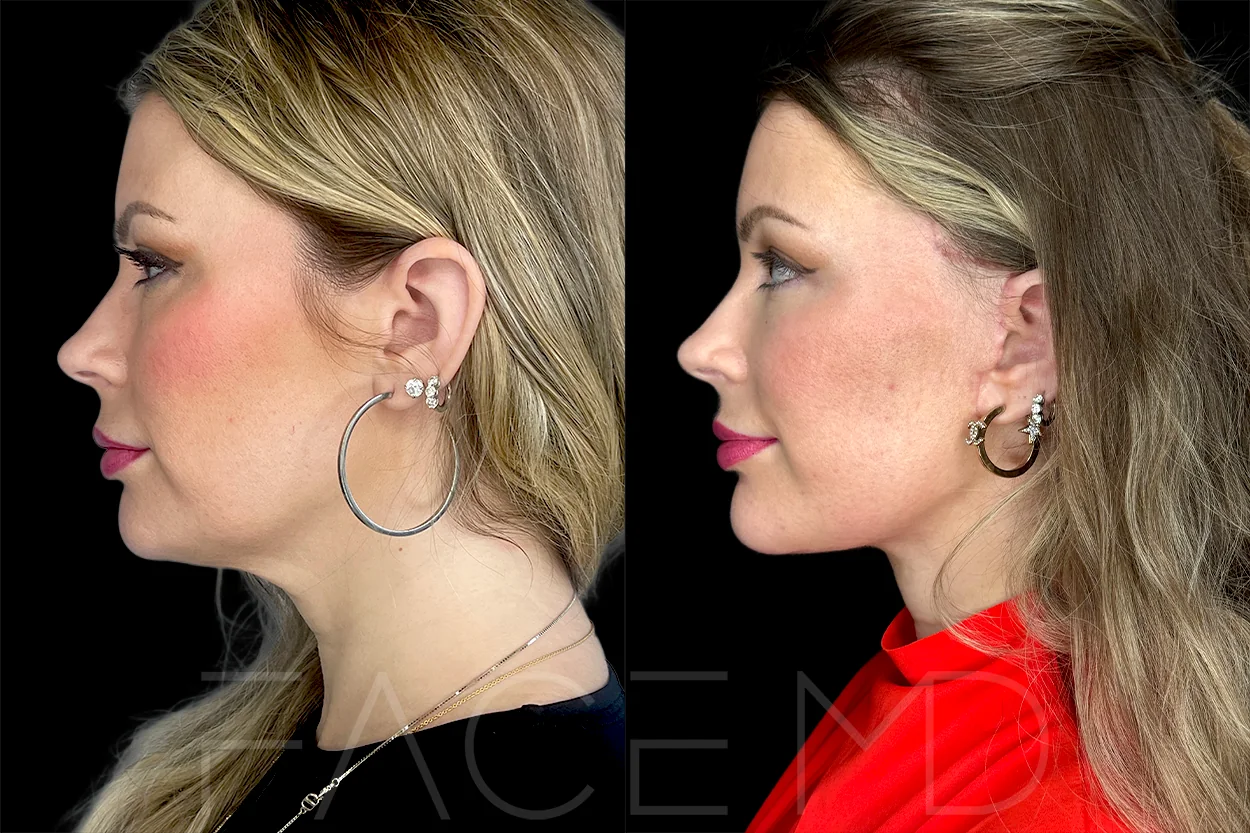
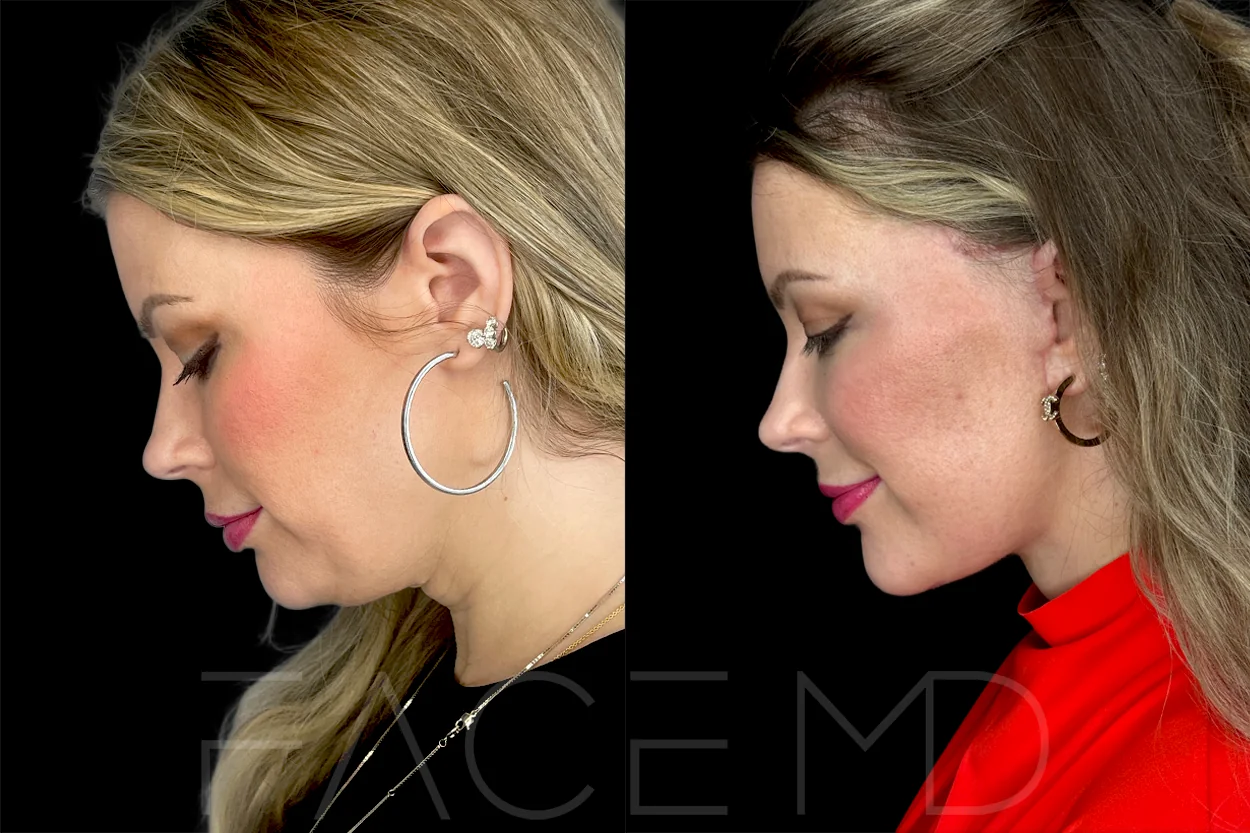
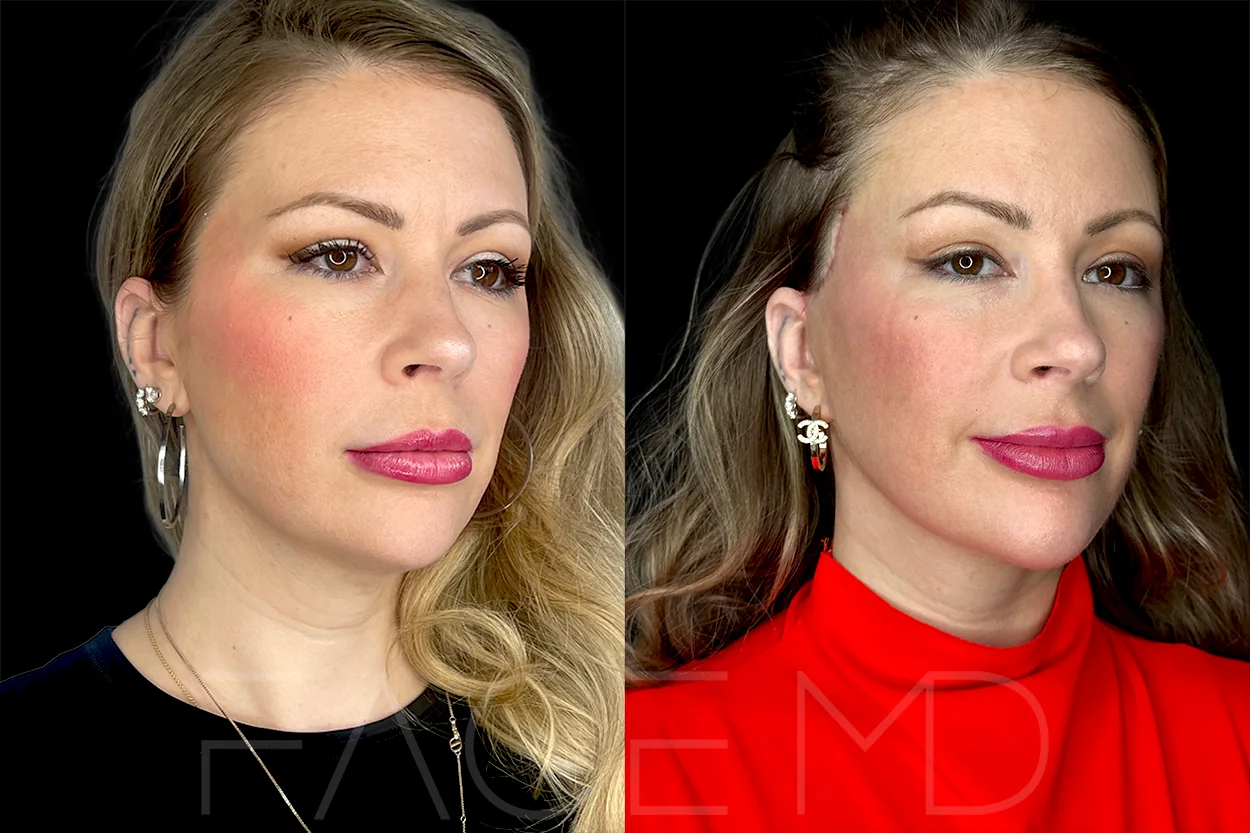
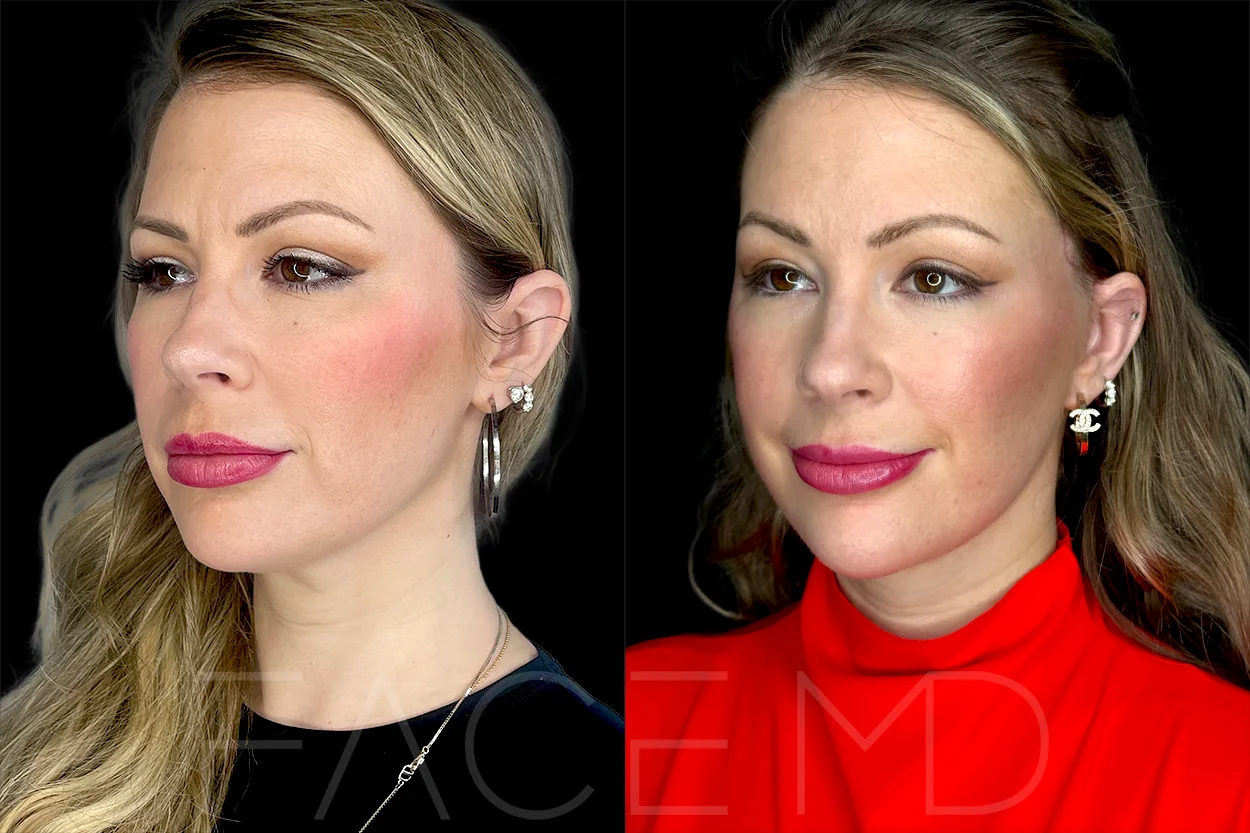
- 19.5 Months post-op Deep Plane Face & Neck Lift, Chin Implant and Forehead Reduction, and 6.5 Months post-op Upper Lip Lift and Upper Blepharoplasty
- 29.5 Months post-op Deep Plane Face & Neck Lift, Chin Implant and Forehead Reduction, and 6.5 Months post-op Upper Lip Lift and Upper Blepharoplasty
- 39.5 Months post-op Deep Plane Face & Neck Lift, Chin Implant and Forehead Reduction, and 6.5 Months post-op Upper Lip Lift and Upper Blepharoplasty
- 49.5 Months post-op Deep Plane Face & Neck Lift, Chin Implant and Forehead Reduction, and 6.5 Months post-op Upper Lip Lift and Upper Blepharoplasty
- 59.5 Months post-op Deep Plane Face & Neck Lift, Chin Implant and Forehead Reduction, and 6.5 Months post-op Upper Lip Lift and Upper Blepharoplasty
- 69.5 Months post-op Deep Plane Face & Neck Lift, Chin Implant and Forehead Reduction, and 6.5 Months post-op Upper Lip Lift and Upper Blepharoplasty
- 79.5 Months post-op Deep Plane Face & Neck Lift, Chin Implant and Forehead Reduction, and 6.5 Months post-op Upper Lip Lift and Upper Blepharoplasty
- 89.5 Months post-op Deep Plane Face & Neck Lift, Chin Implant and Forehead Reduction, and 6.5 Months post-op Upper Lip Lift and Upper Blepharoplasty
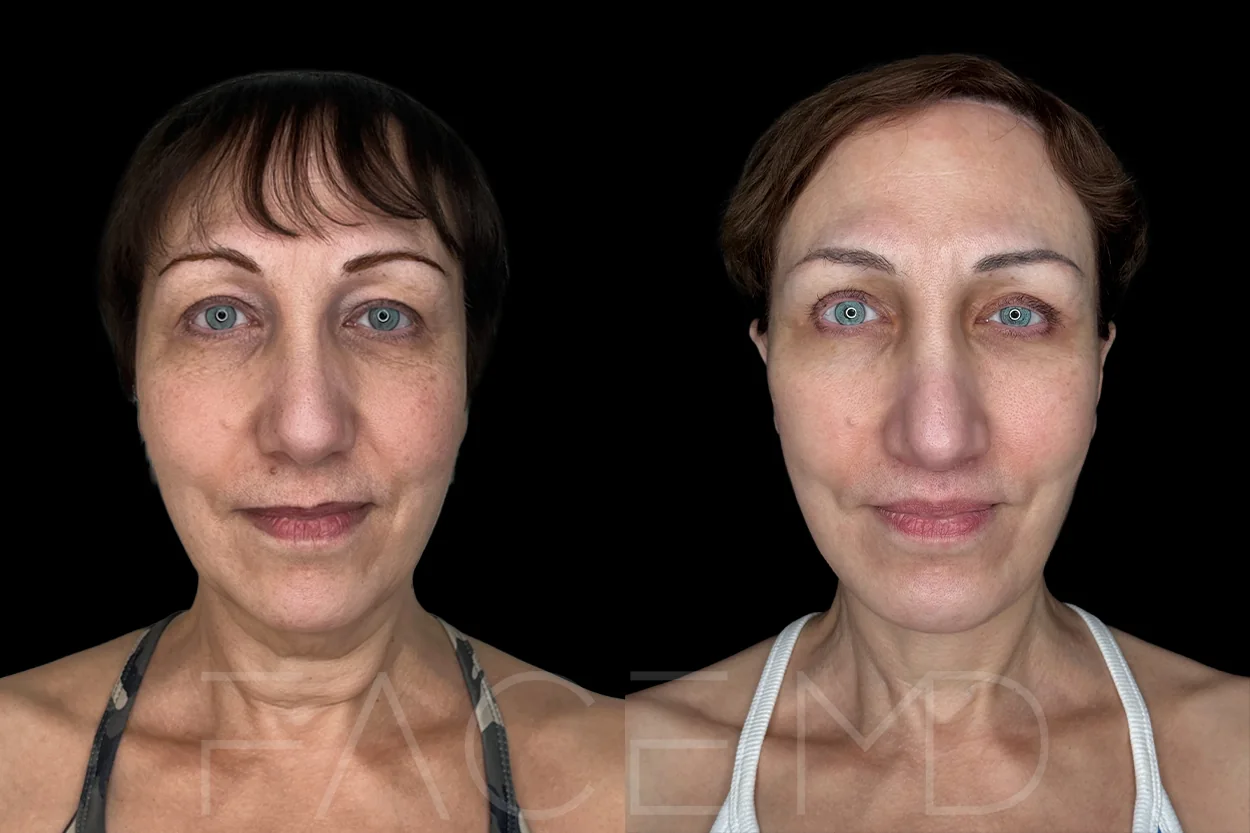
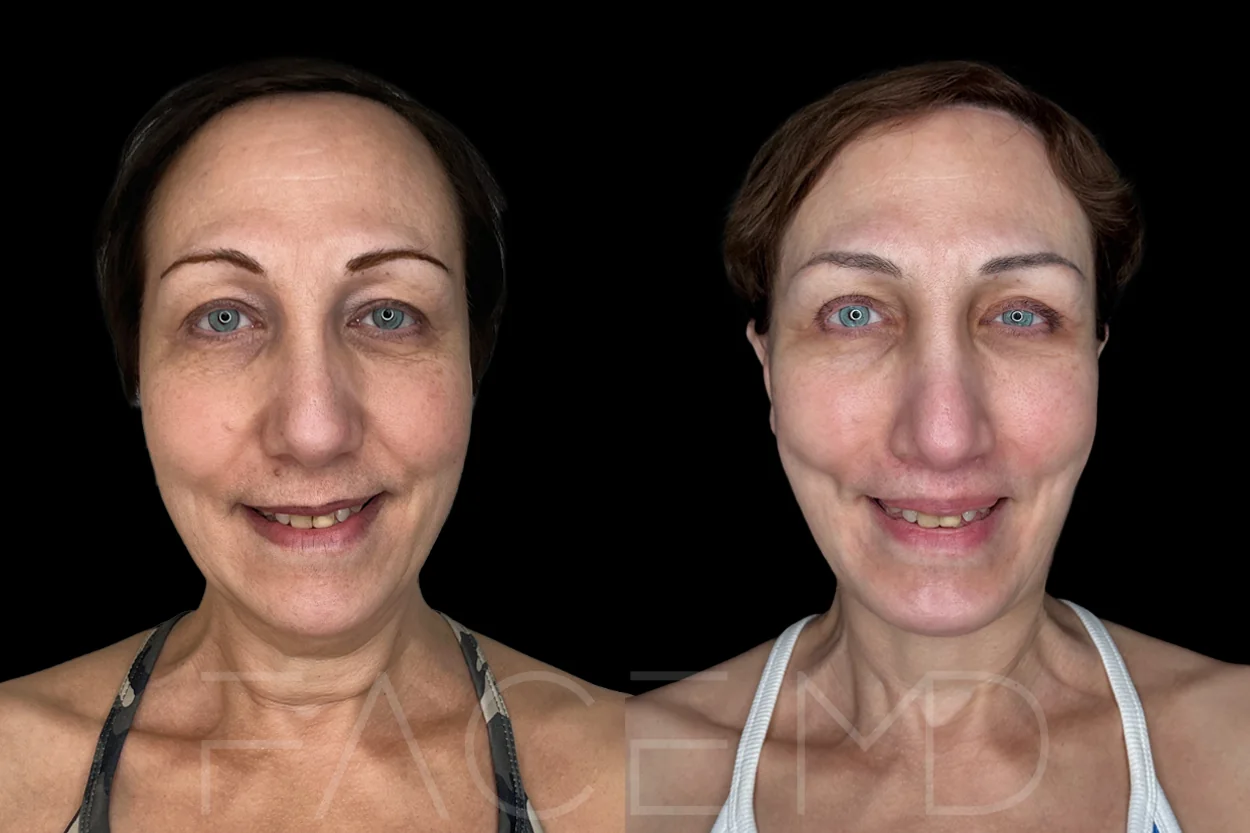
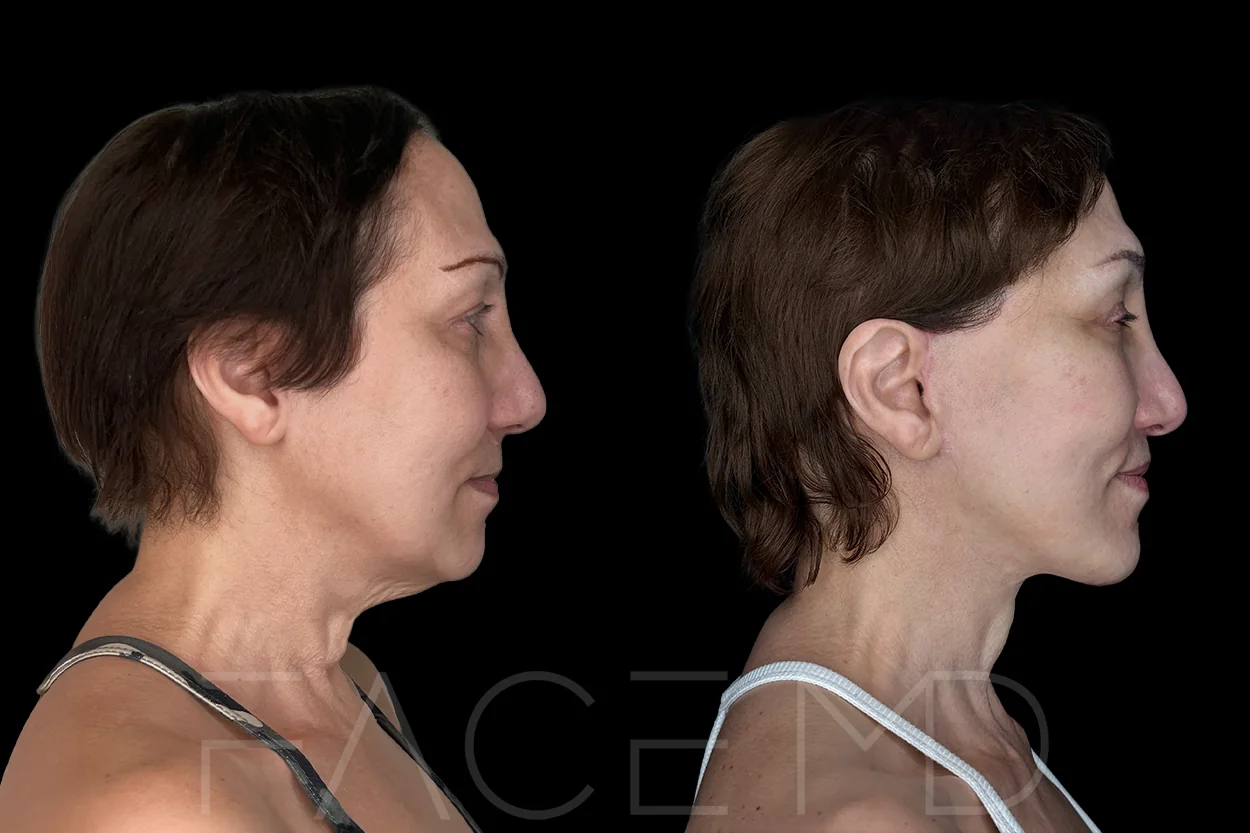
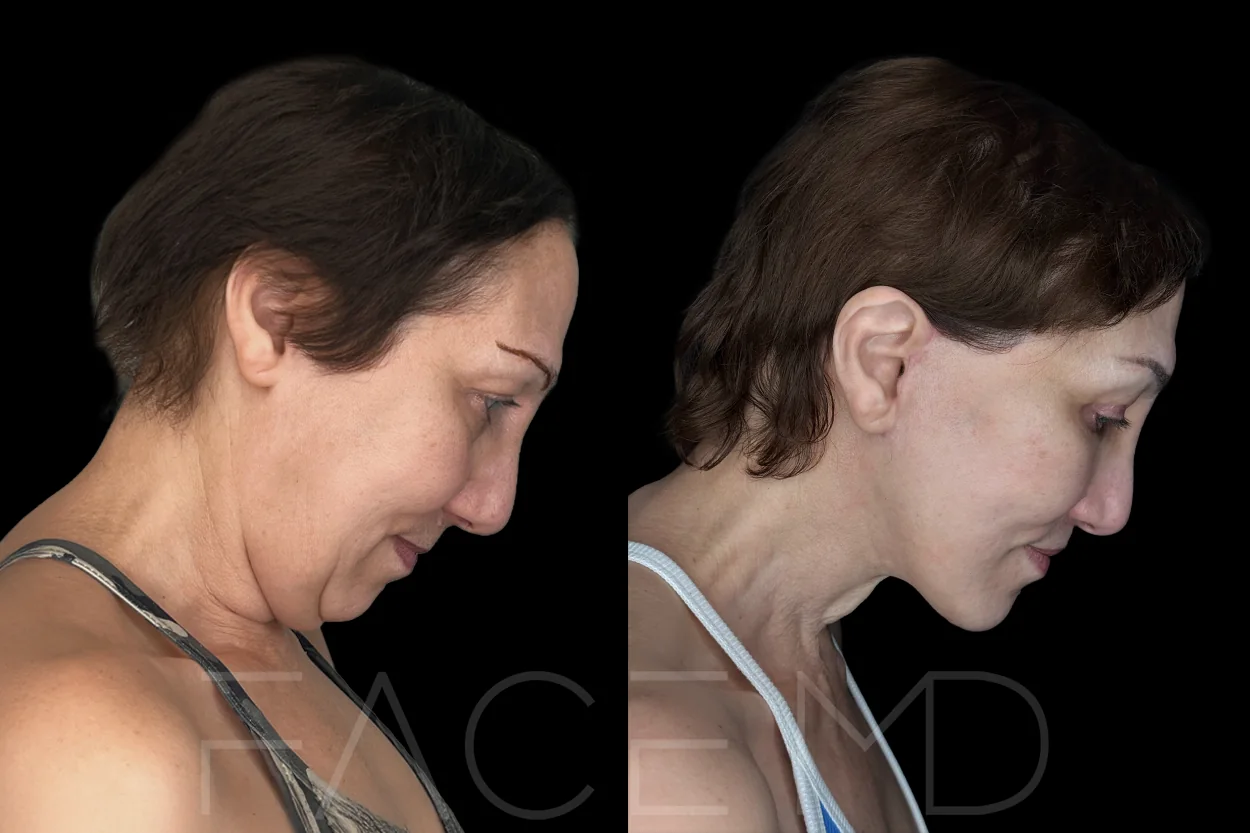
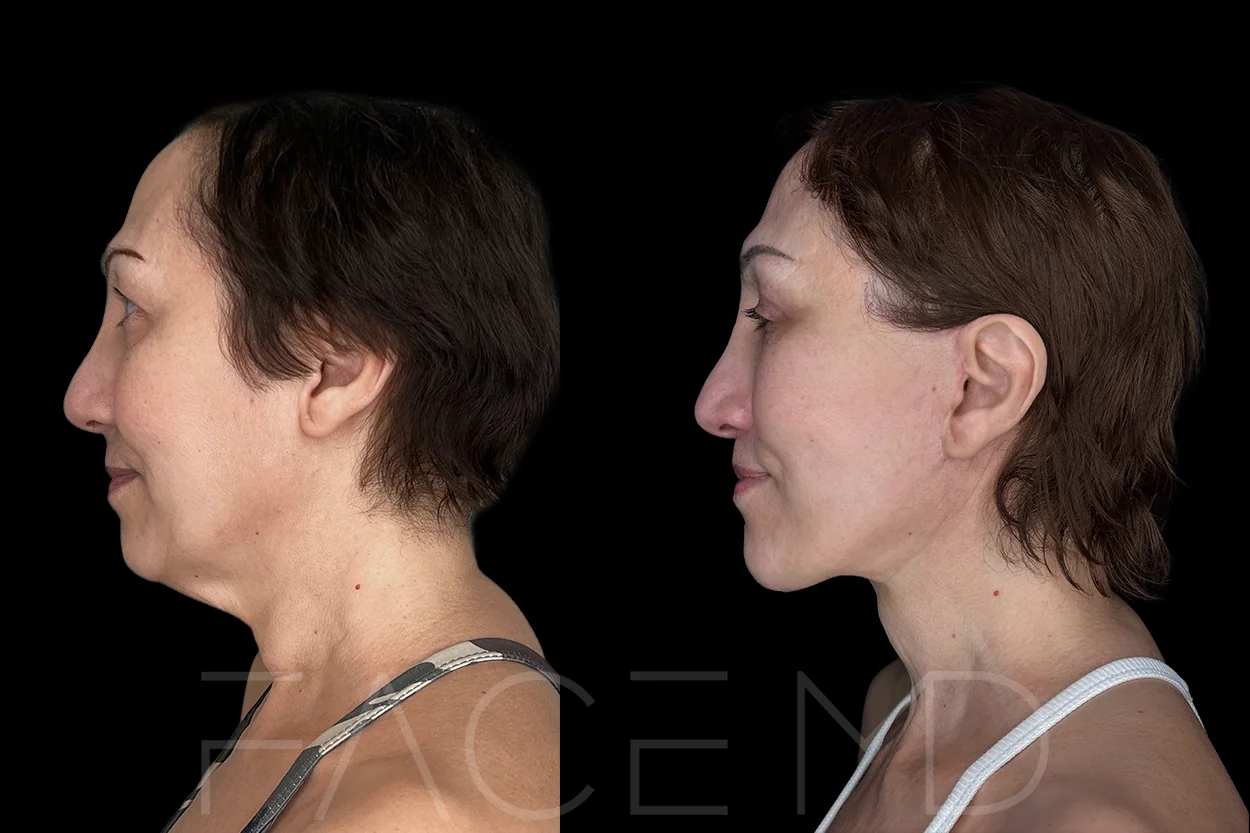
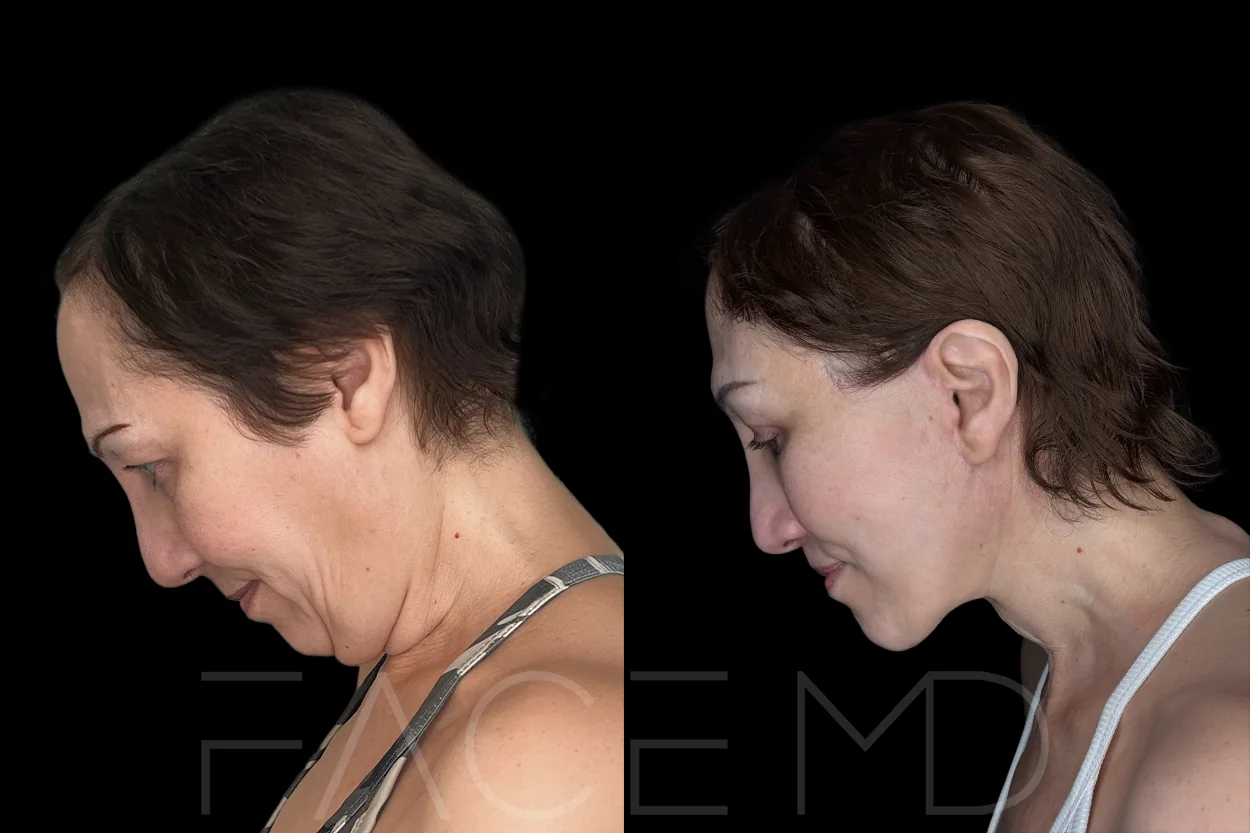
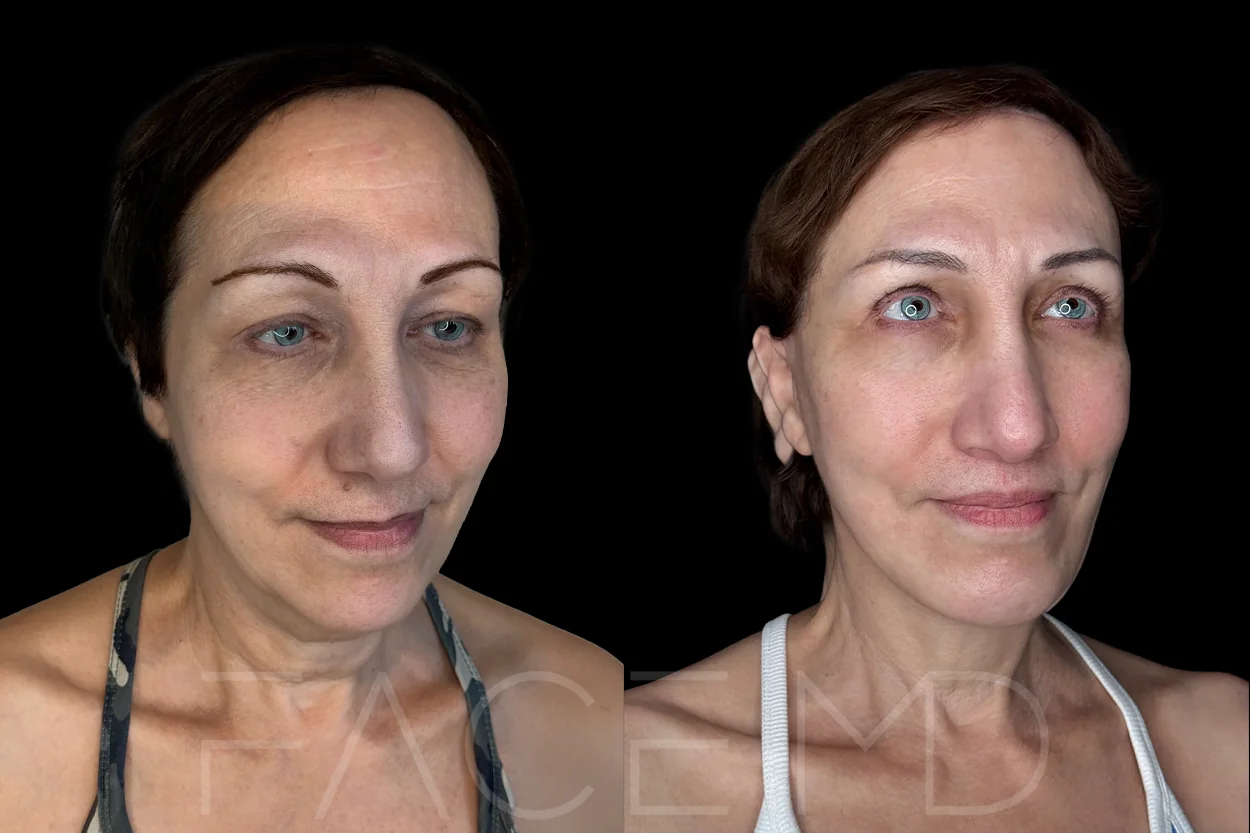
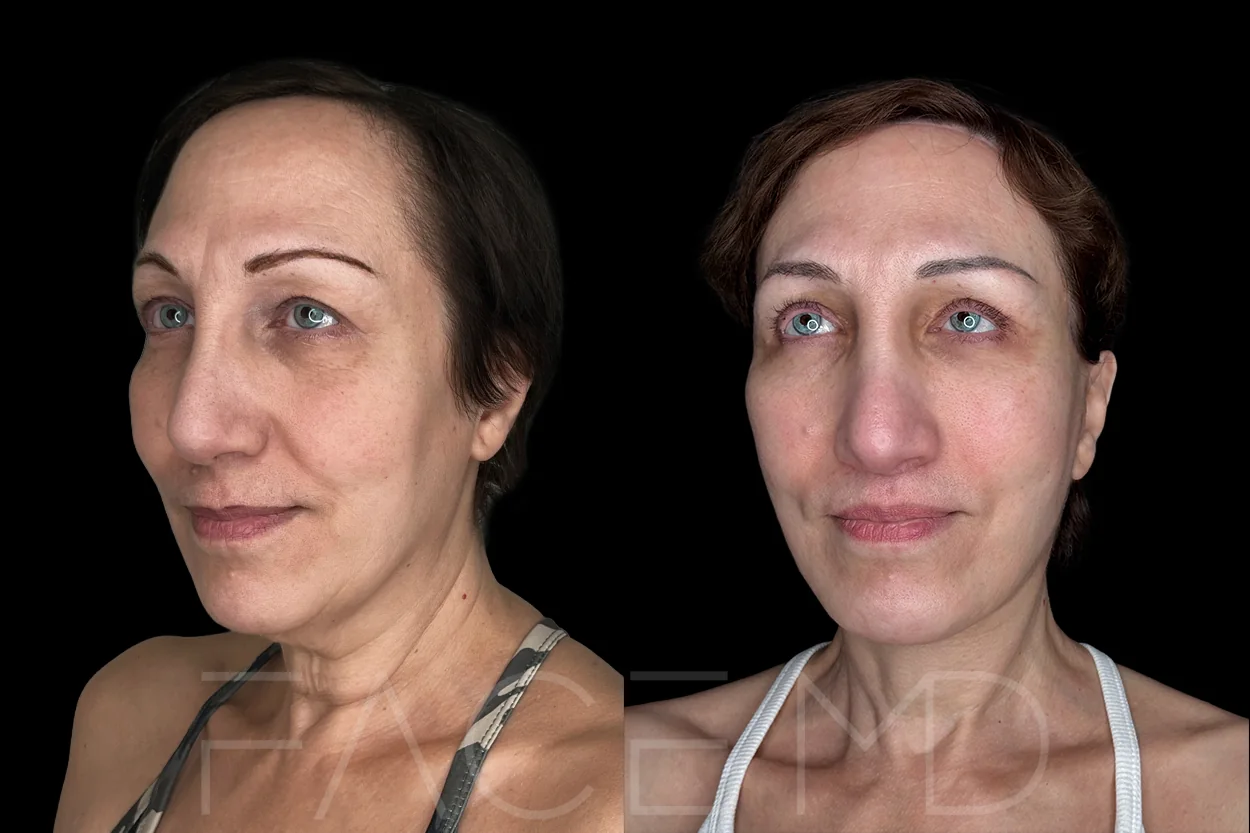
- 2 Months post-op Deep Plane Face & Neck Lift with Fat Transfer2 Months post-op Deep Plane Face & Neck Lift with Fat Transfer
- 2 Months post-op Deep Plane Face & Neck Lift with Fat Transfer
- 2 Months post-op Deep Plane Face & Neck Lift with Fat Transfer
- 2 Months post-op Deep Plane Face & Neck Lift with Fat Transfer
- 2 Months post-op Deep Plane Face & Neck Lift with Fat Transfer
- 2 Months post-op Deep Plane Face & Neck Lift with Fat Transfer
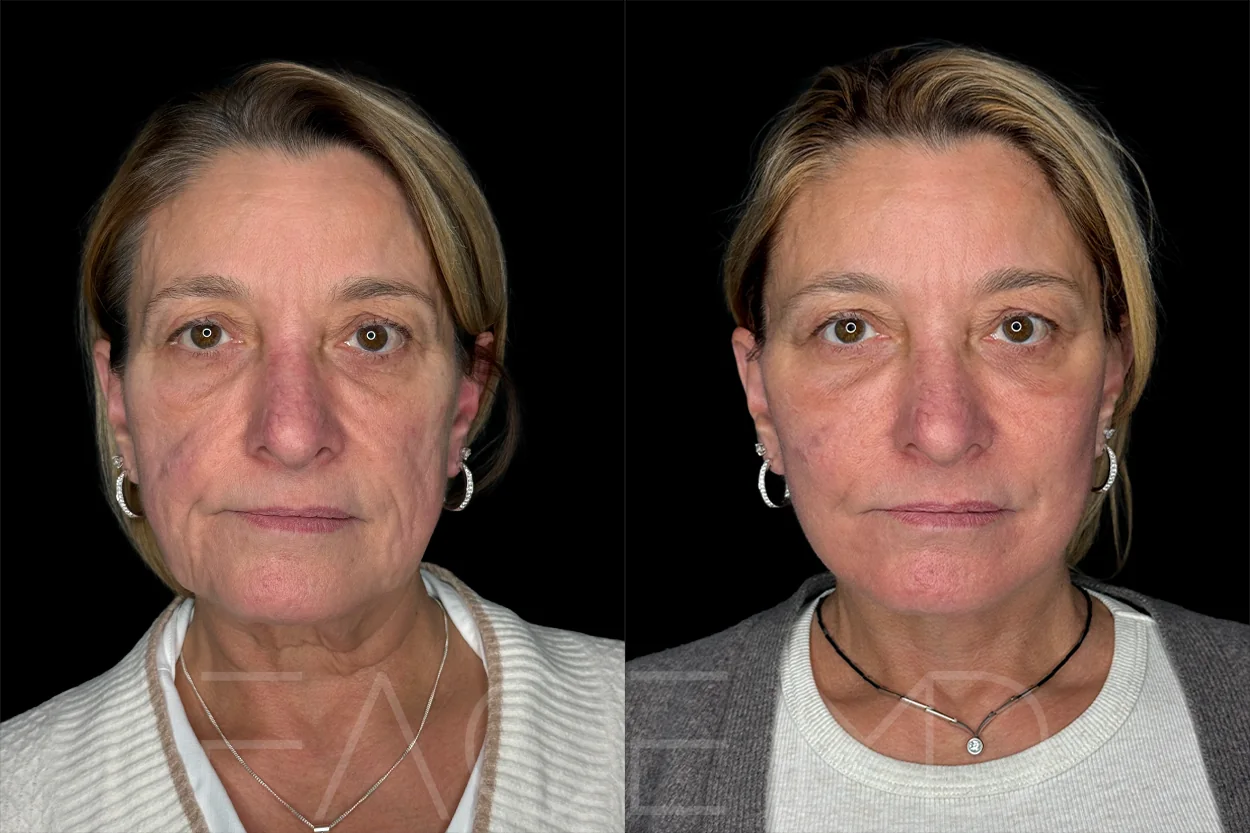
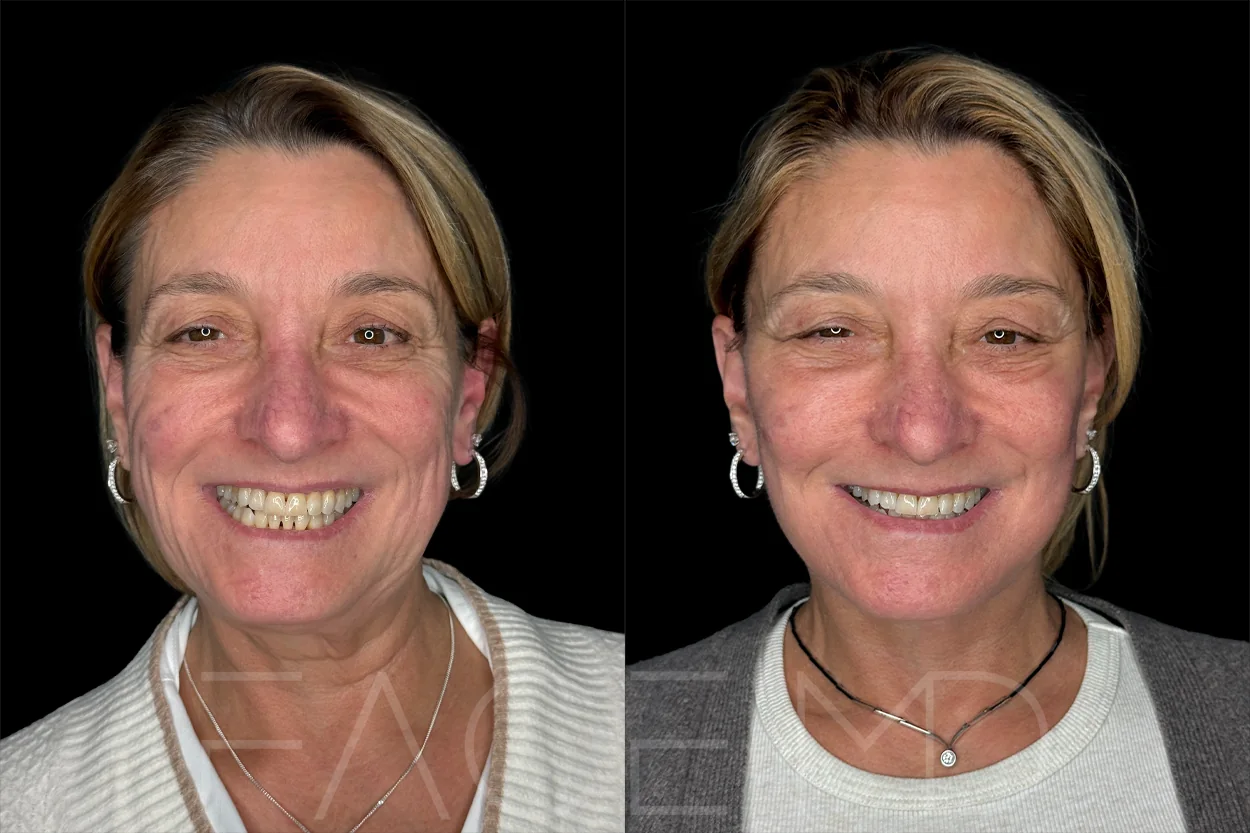
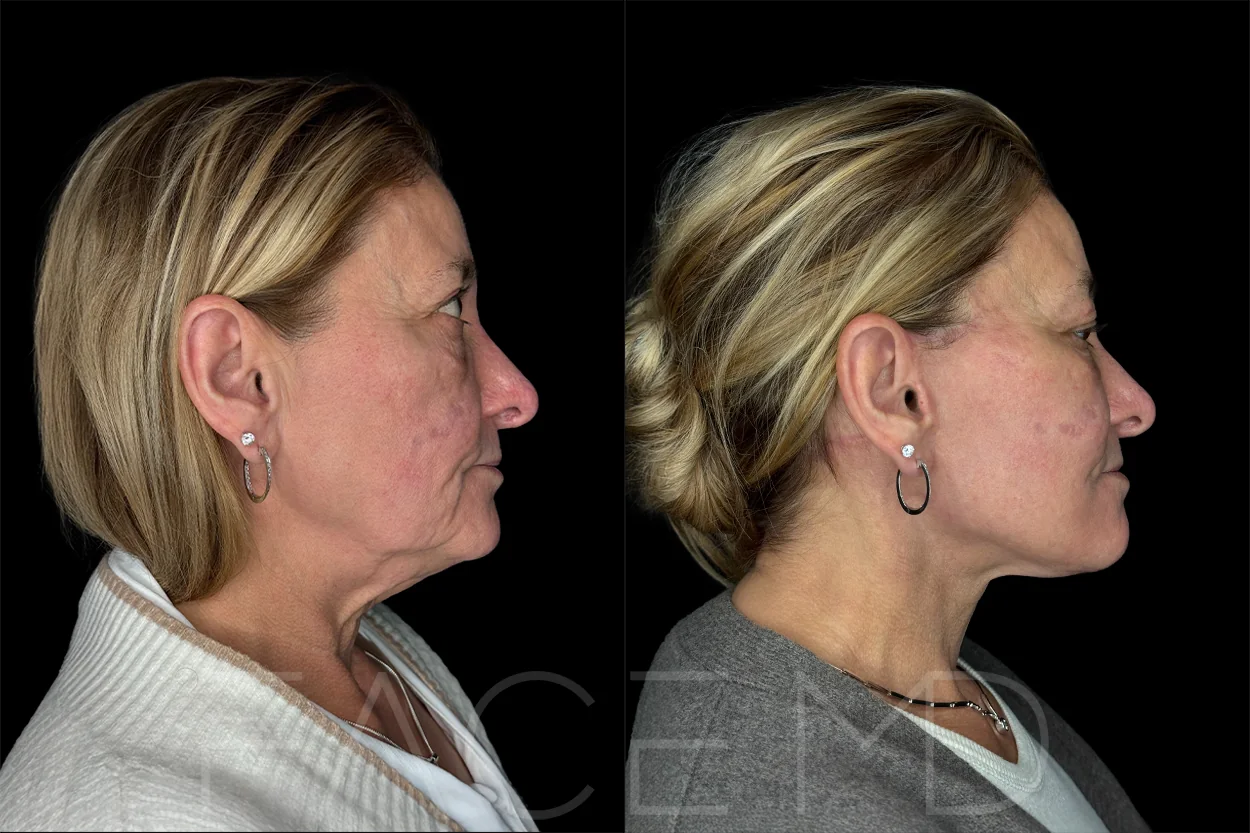
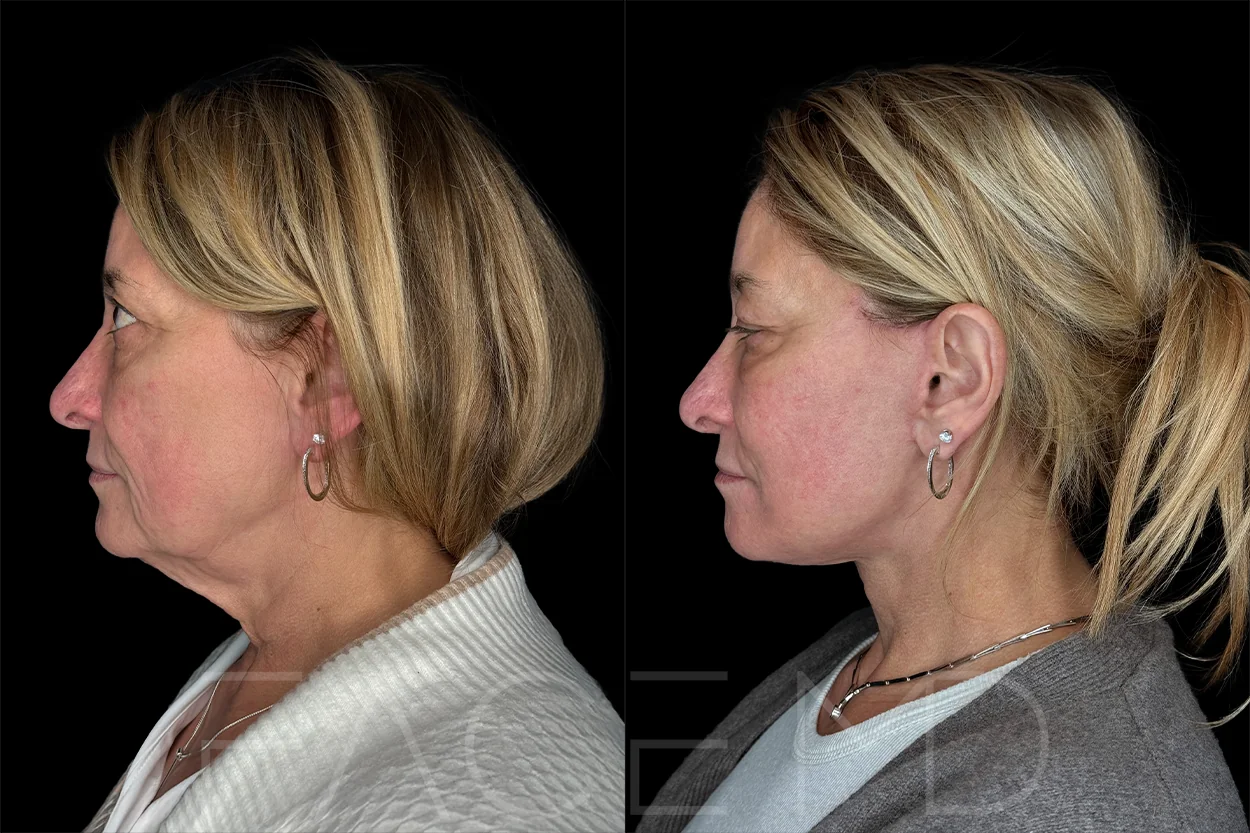
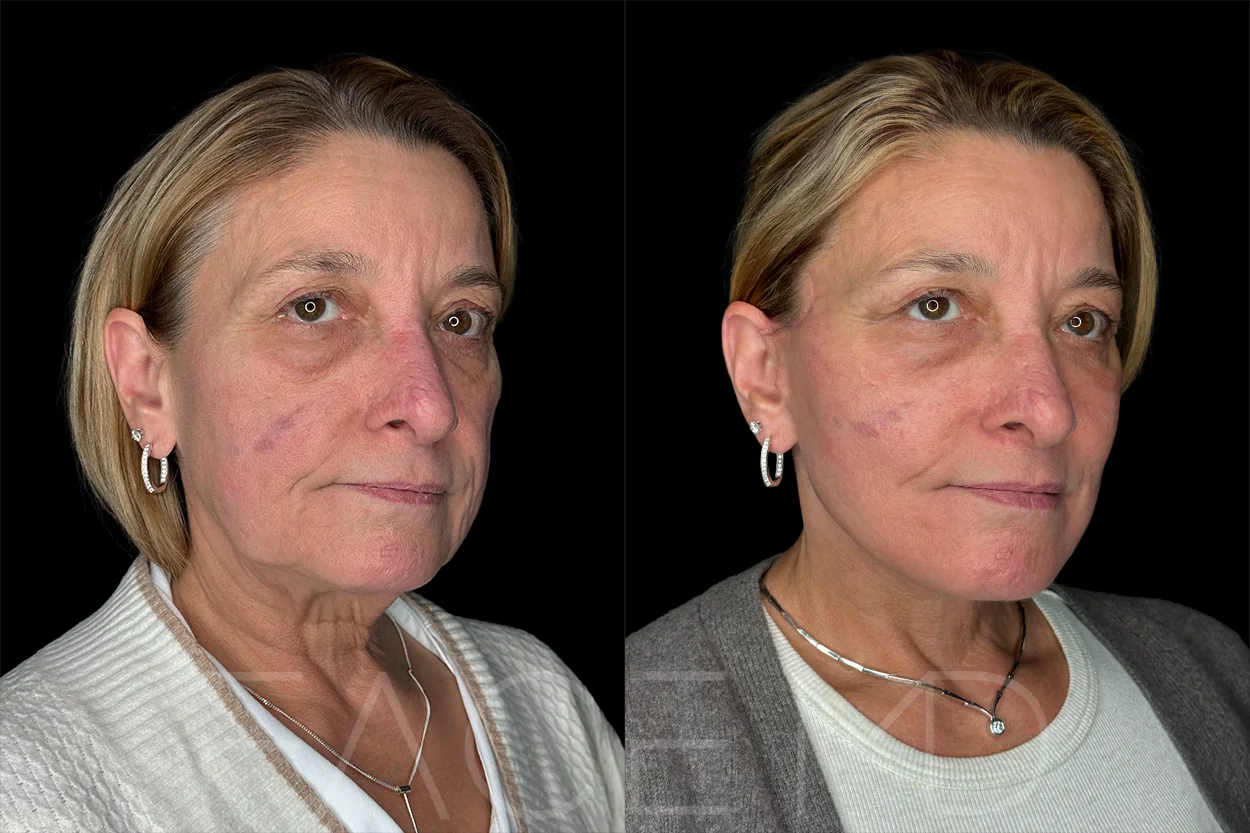
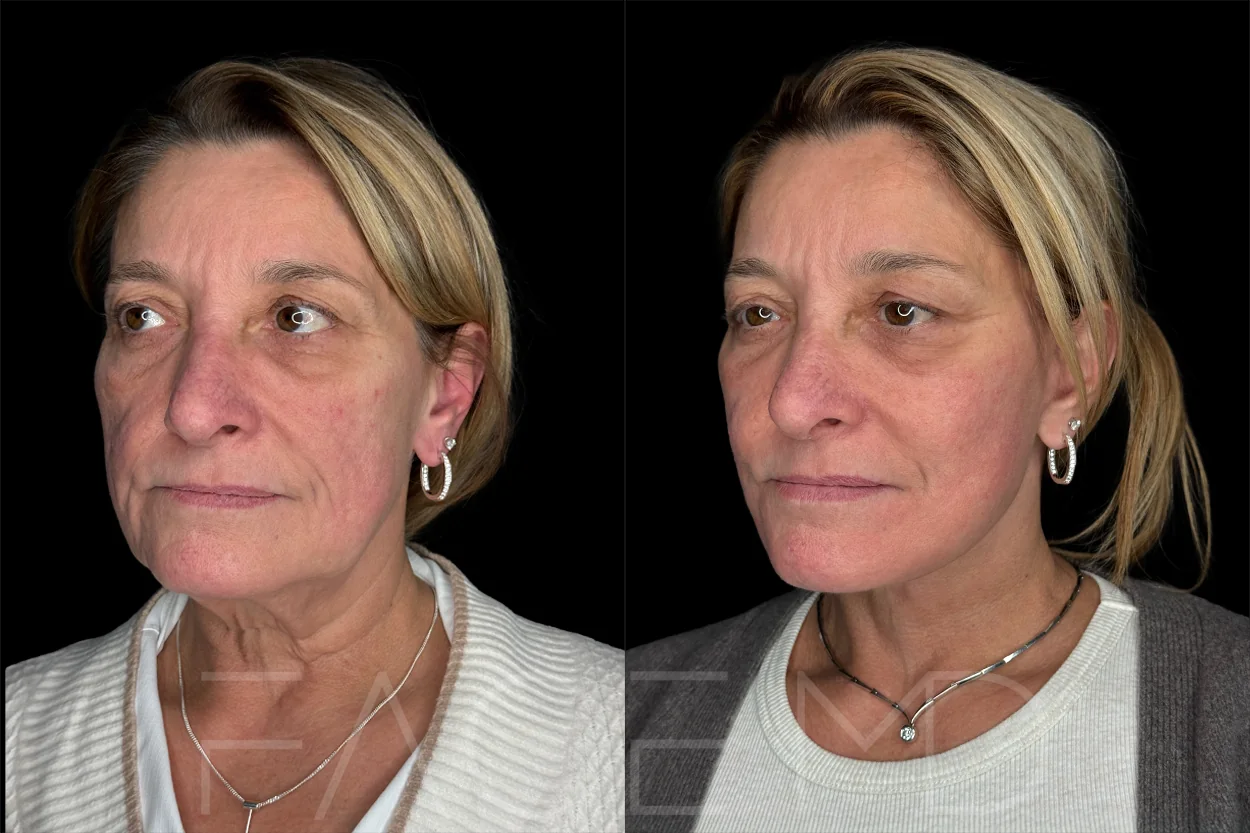
- 12 Months post-op Deep Plane Face & Neck Lift with Full Face CO2 Laser
- 22 Months post-op Deep Plane Face & Neck Lift with Full Face CO2 Laser
- 32 Months post-op Deep Plane Face & Neck Lift with Full Face CO2 Laser
- 52 Months post-op Deep Plane Face & Neck Lift with Full Face CO2 Laser
- 72 Months post-op Deep Plane Face & Neck Lift with Full Face CO2 Laser
- 82 Months post-op Deep Plane Face & Neck Lift with Full Face CO2 Laser
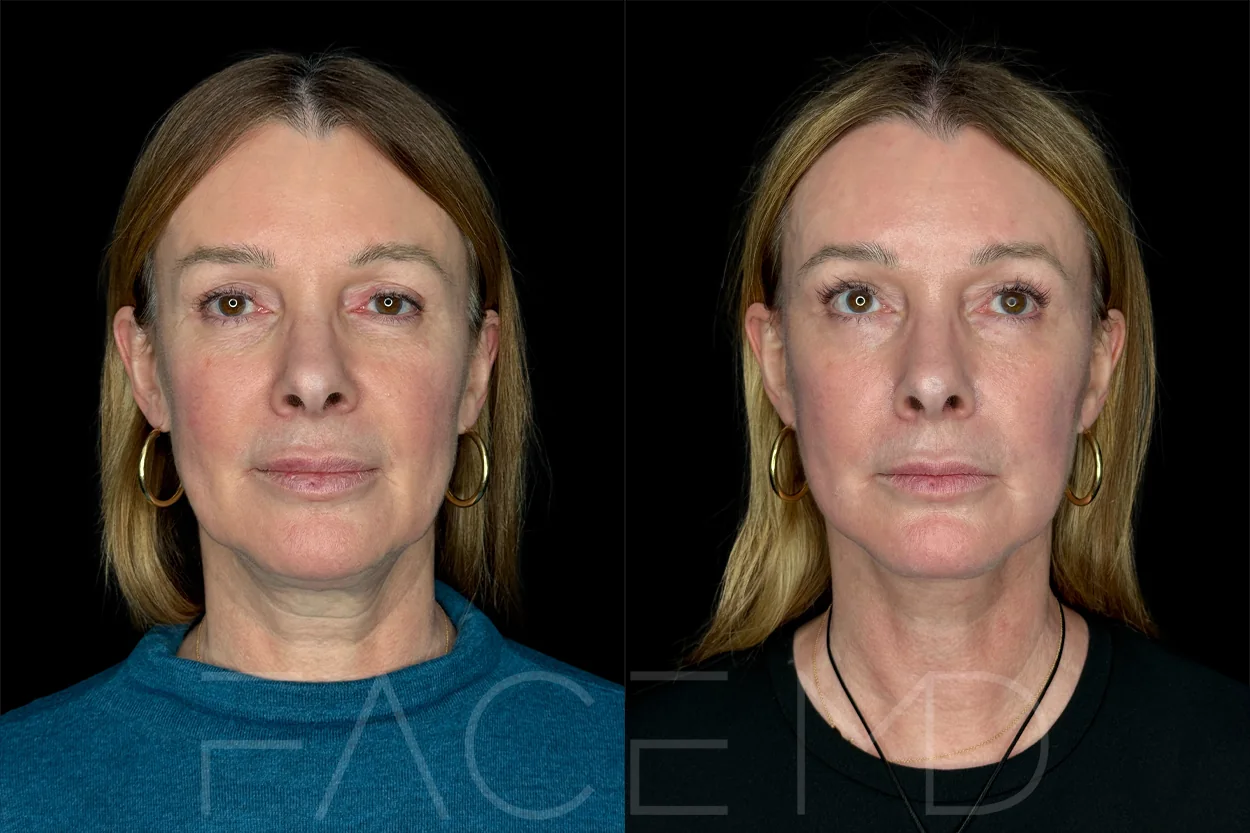
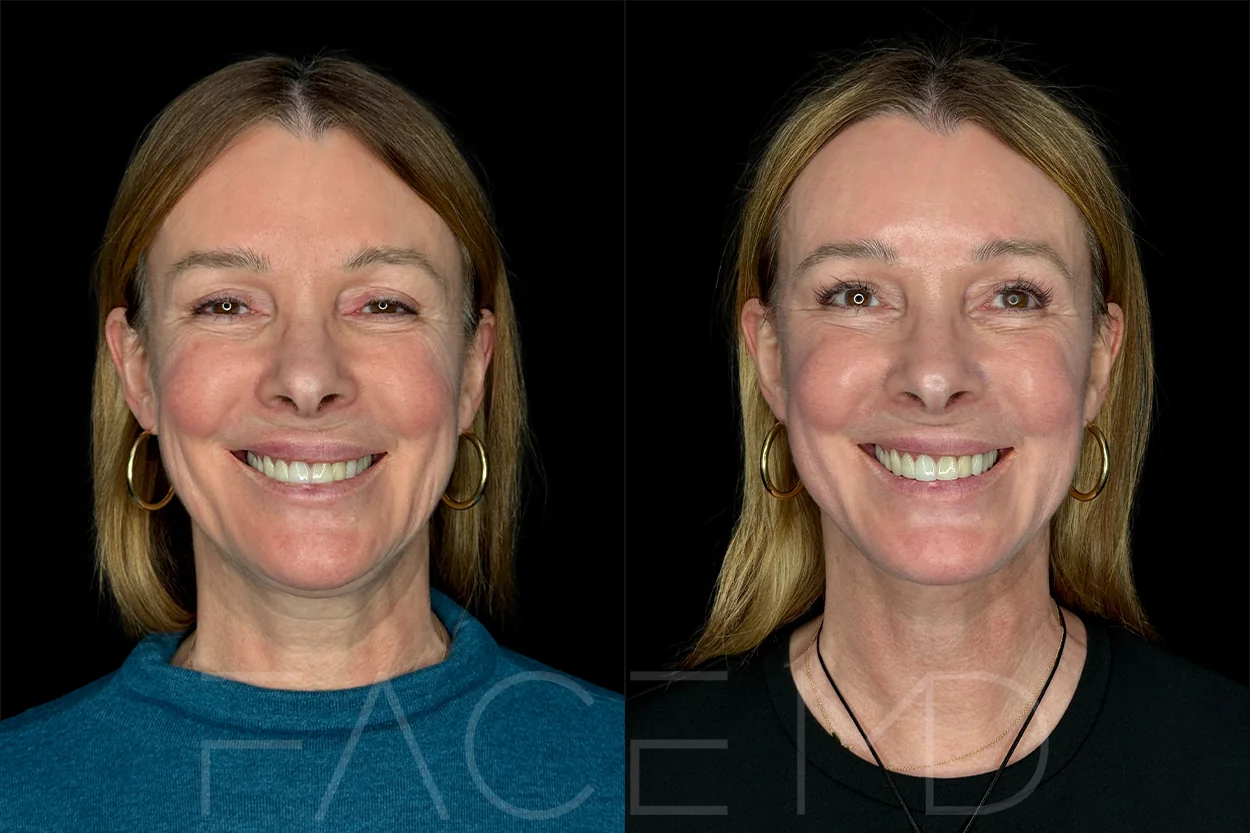
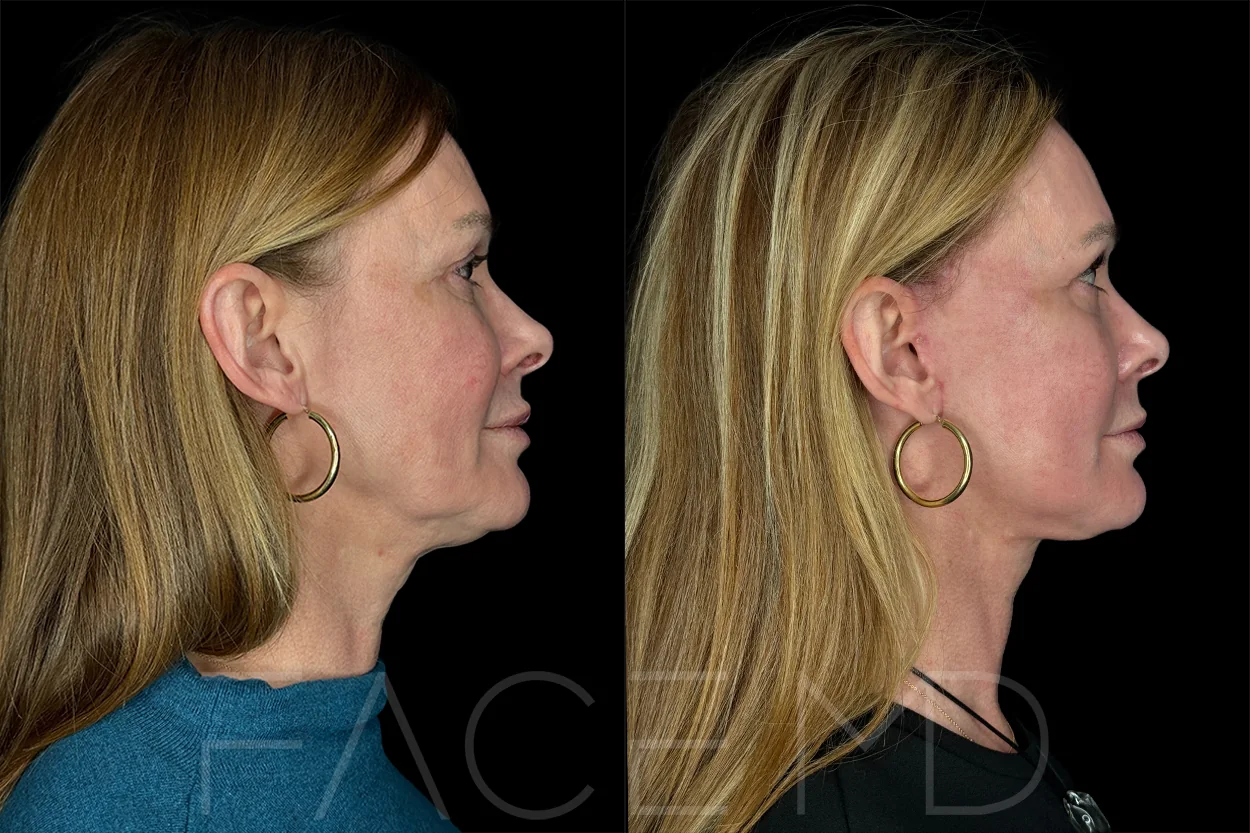
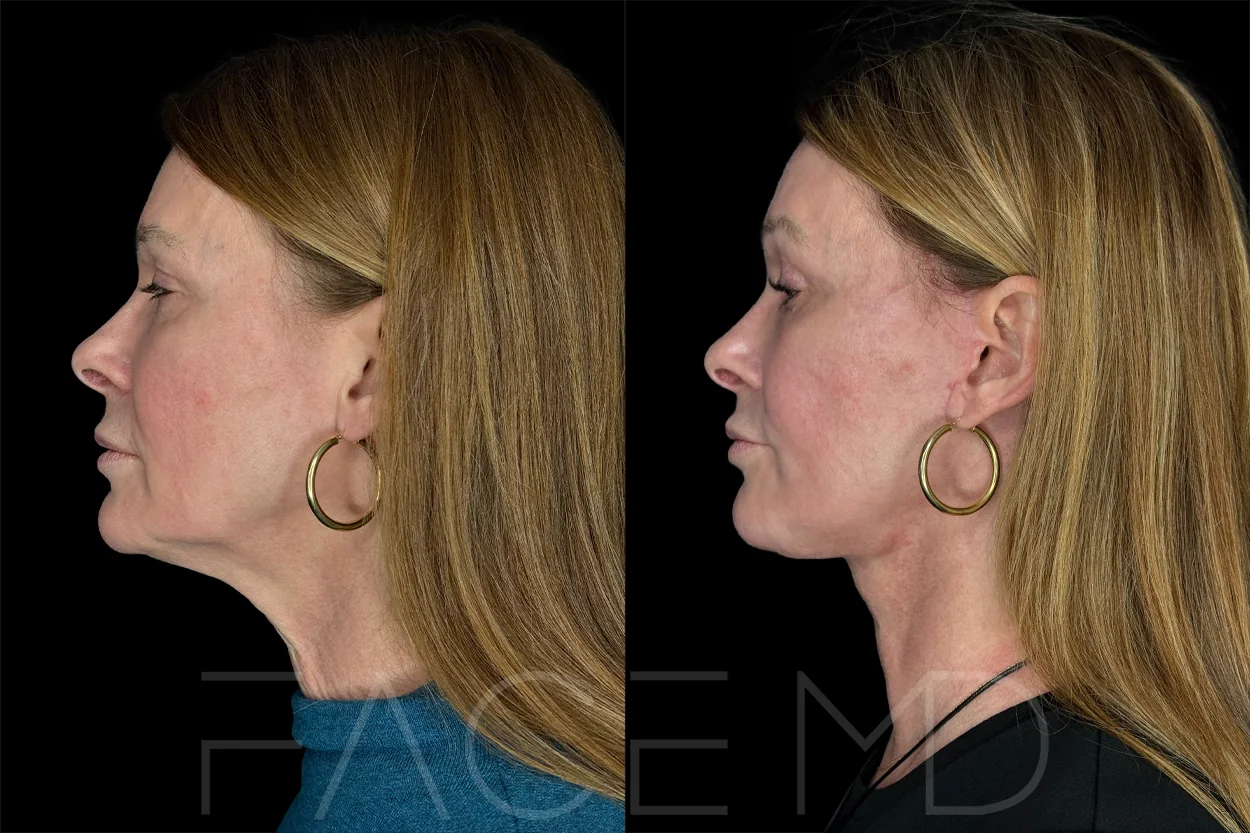
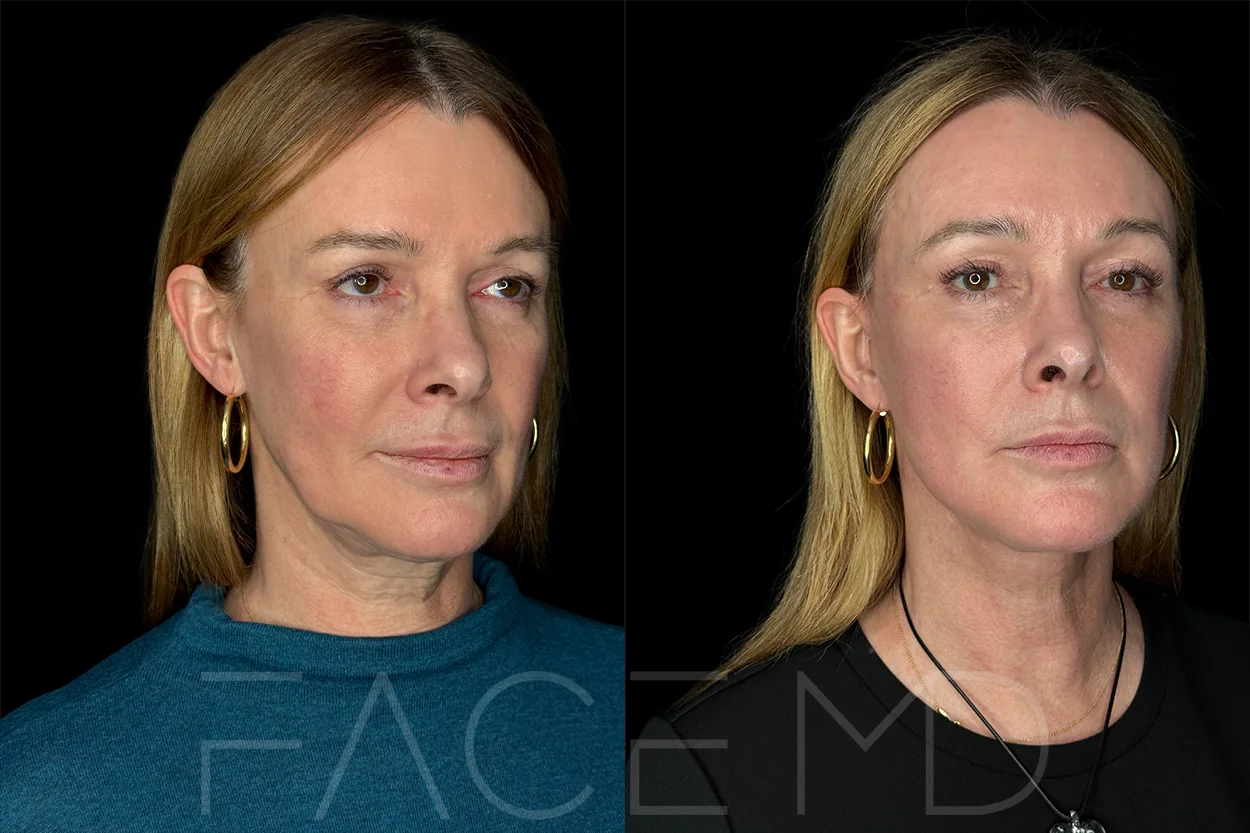
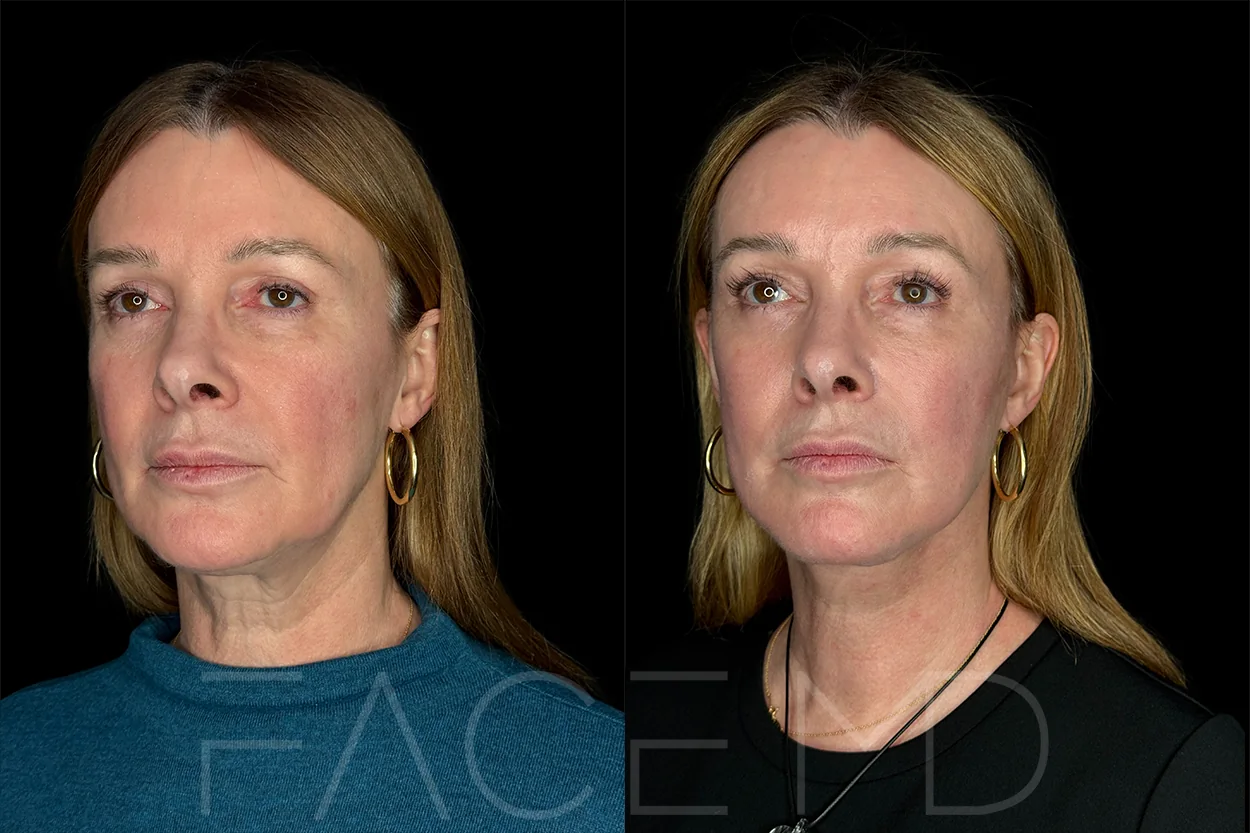
- 12 Months post-op Deep Plane Face & Neck Lift and Temporal Brow Lift
- 22 Months post-op Deep Plane Face & Neck Lift and Temporal Brow Lift
- 32 Months post-op Deep Plane Face & Neck Lift and Temporal Brow Lift
- 52 Months post-op Deep Plane Face & Neck Lift and Temporal Brow Lift
- 72 Months post-op Deep Plane Face & Neck Lift and Temporal Brow Lift
- 8
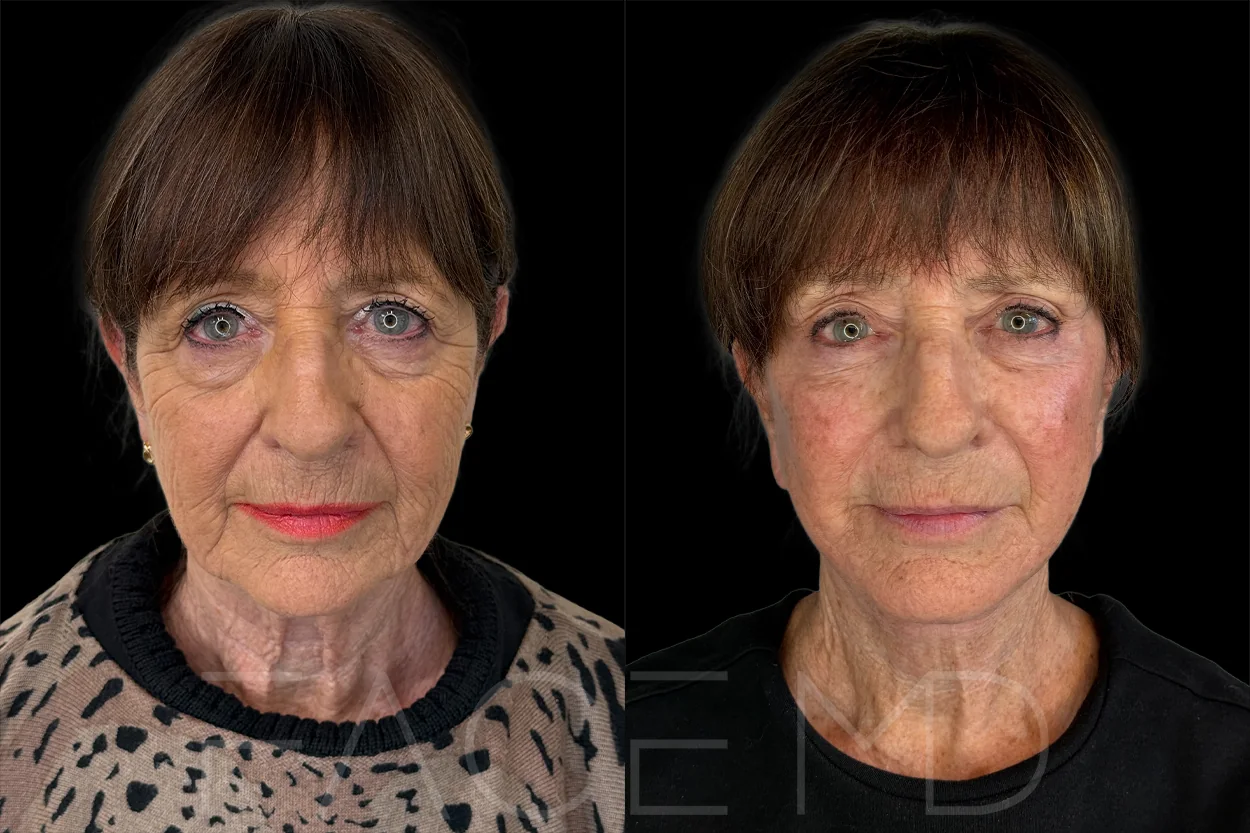
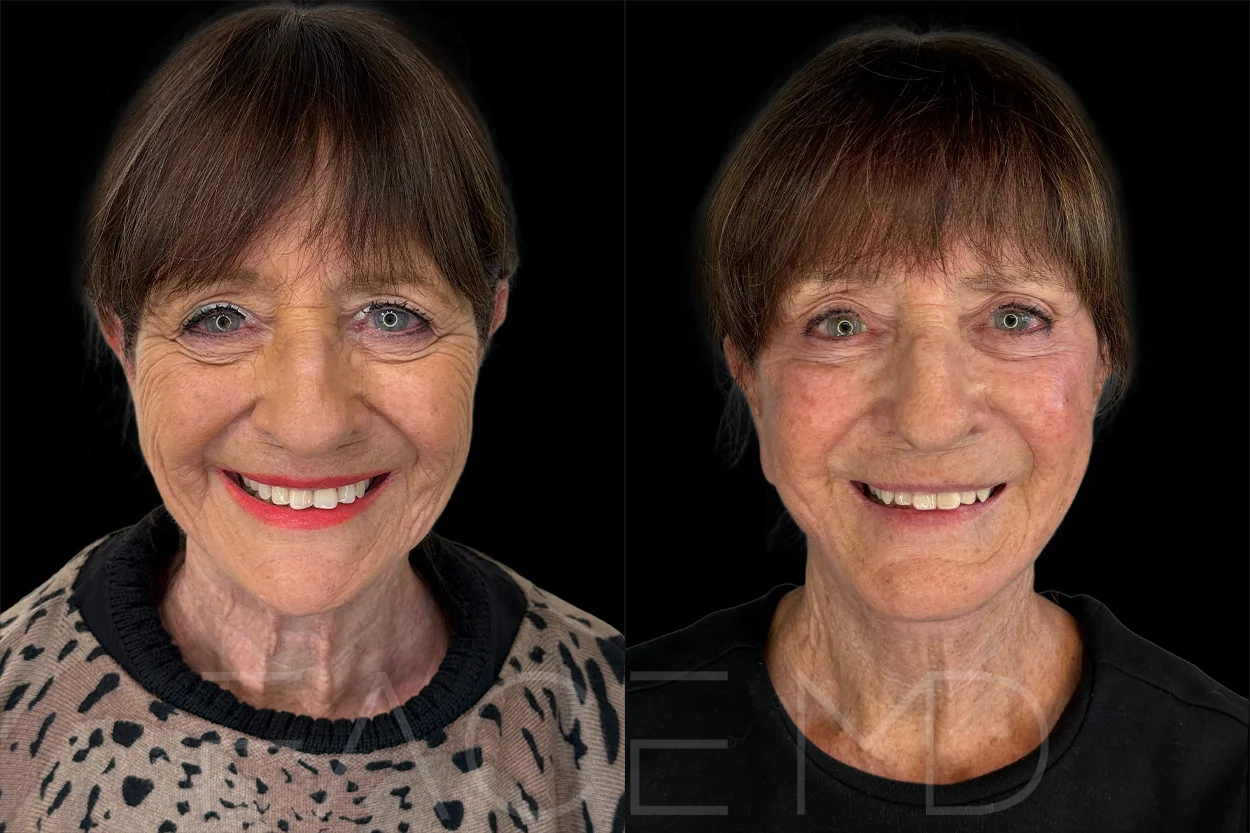
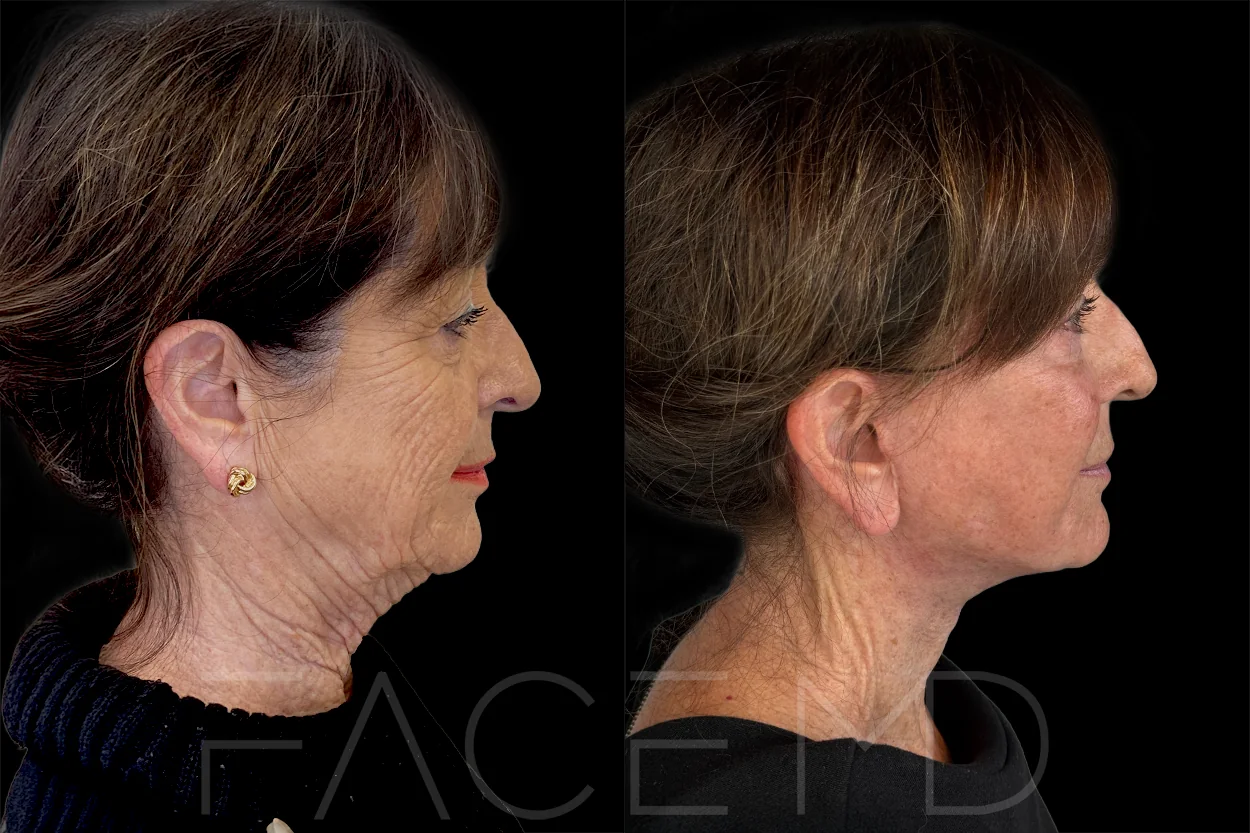
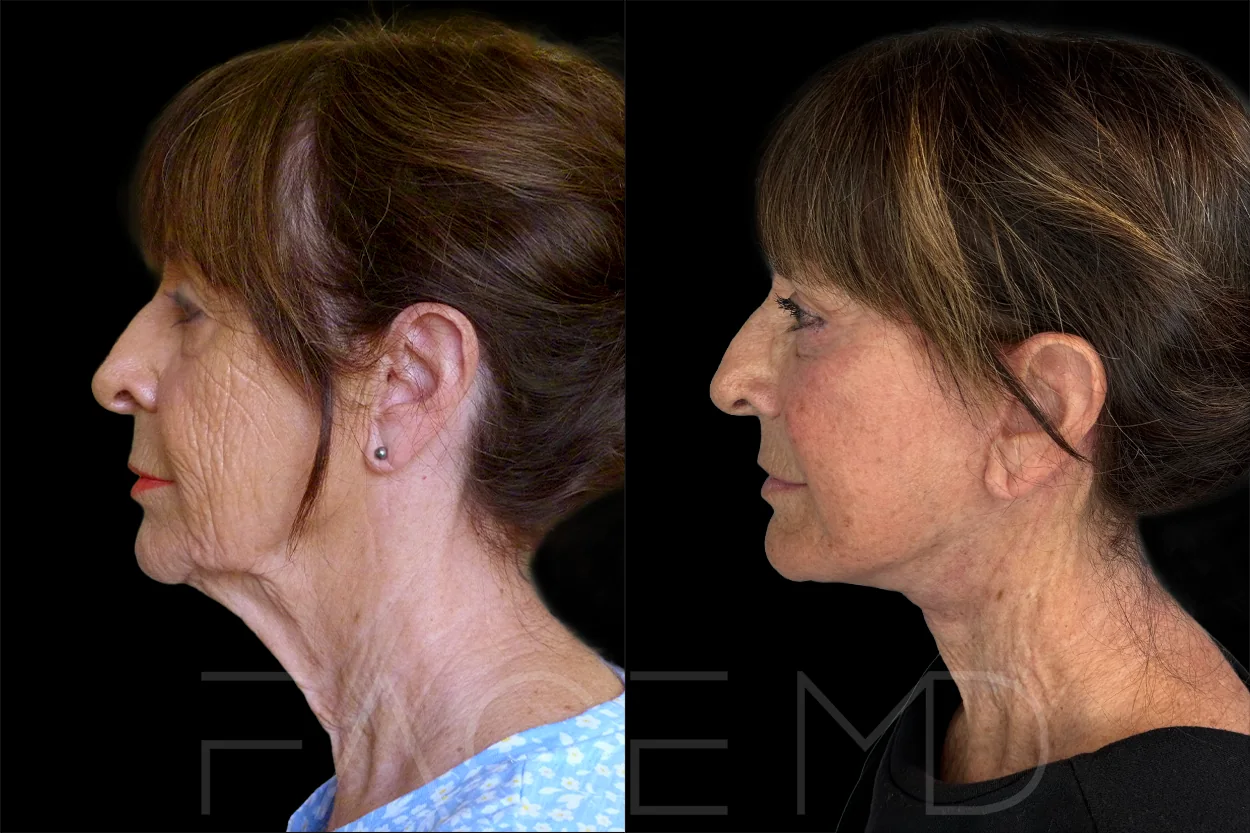
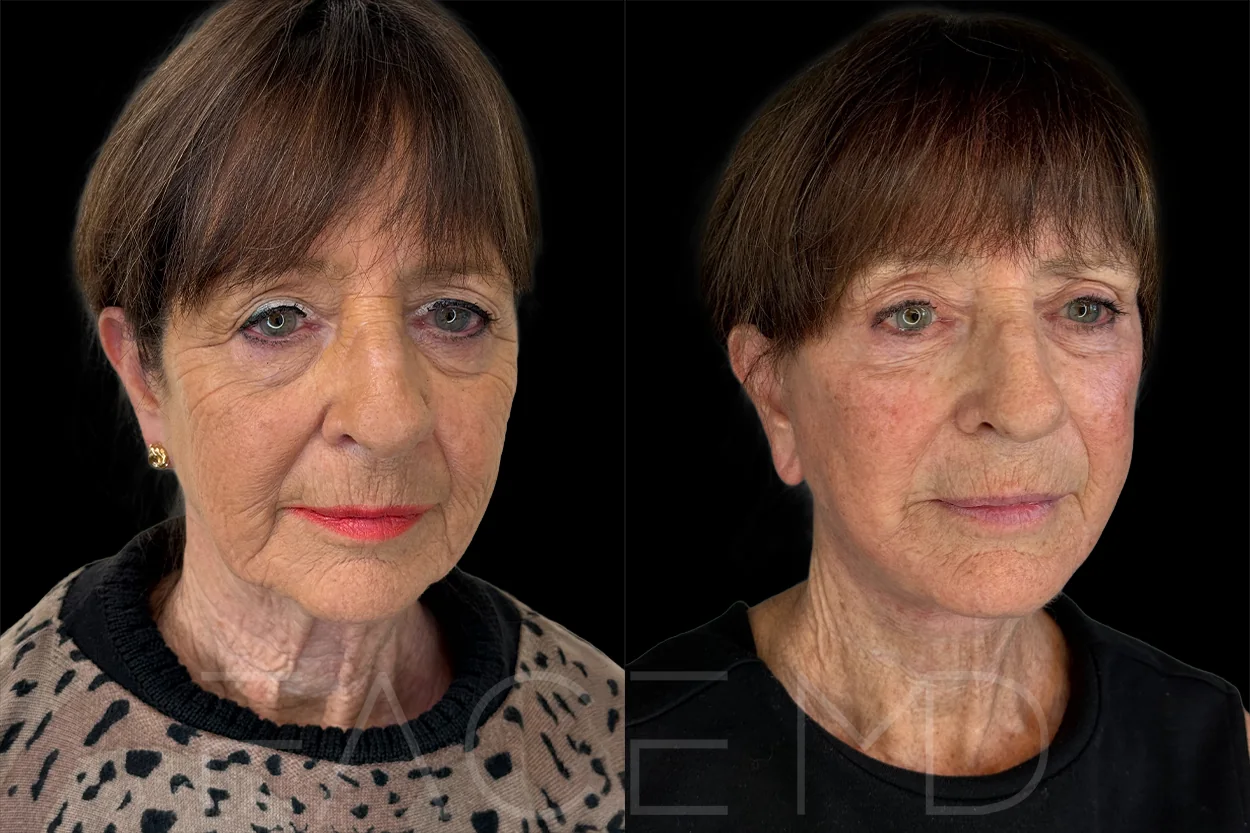
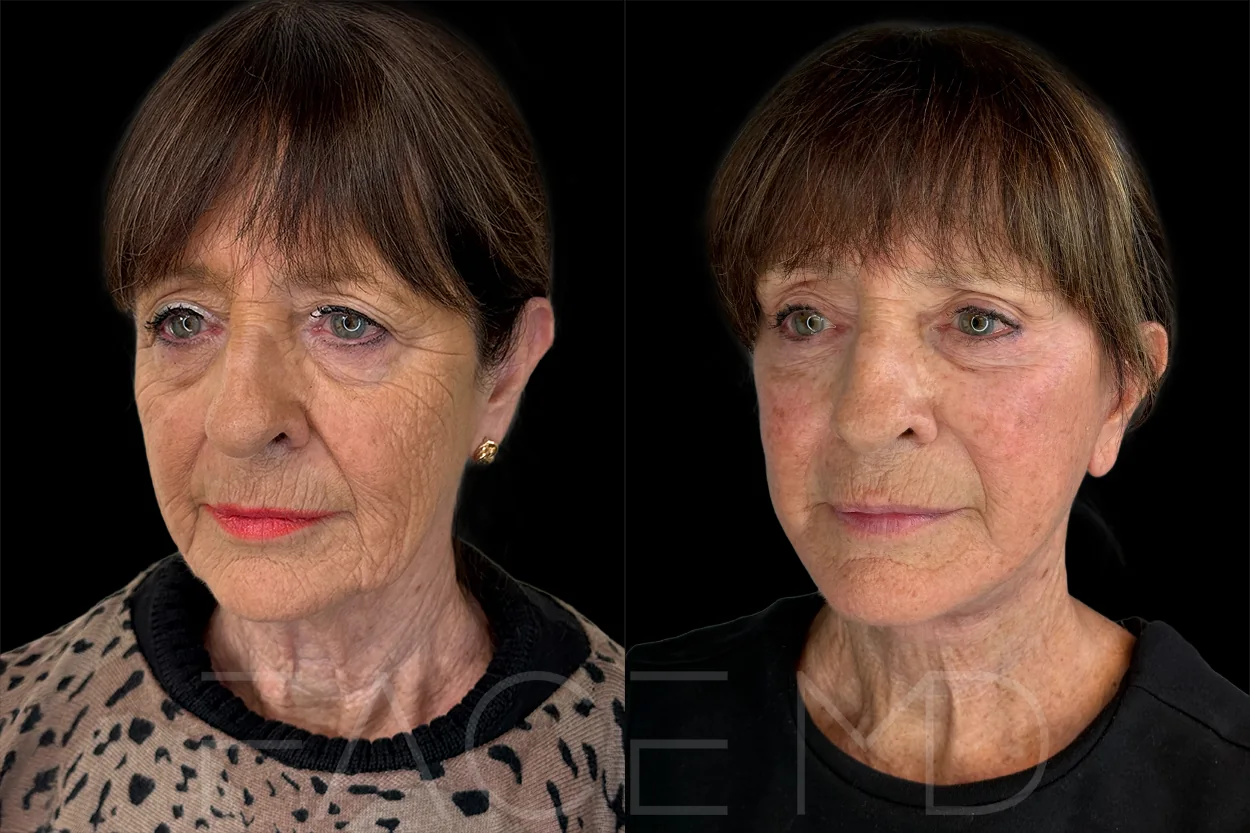
- 11 Month post-op Deep Plane Face & Neck Lift with Upper Lip Lift
- 21 Month post-op Deep Plane Face & Neck Lift with Upper Lip Lift
- 31 Month post-op Deep Plane Face & Neck Lift with Upper Lip Lift
- 41 Month post-op Deep Plane Face & Neck Lift with Upper Lip Lift
- 51 Month post-op Deep Plane Face & Neck Lift with Upper Lip Lift
- 61 Month post-op Deep Plane Face & Neck Lift with Upper Lip Lift
- 71 Month post-op Deep Plane Face & Neck Lift with Upper Lip Lift
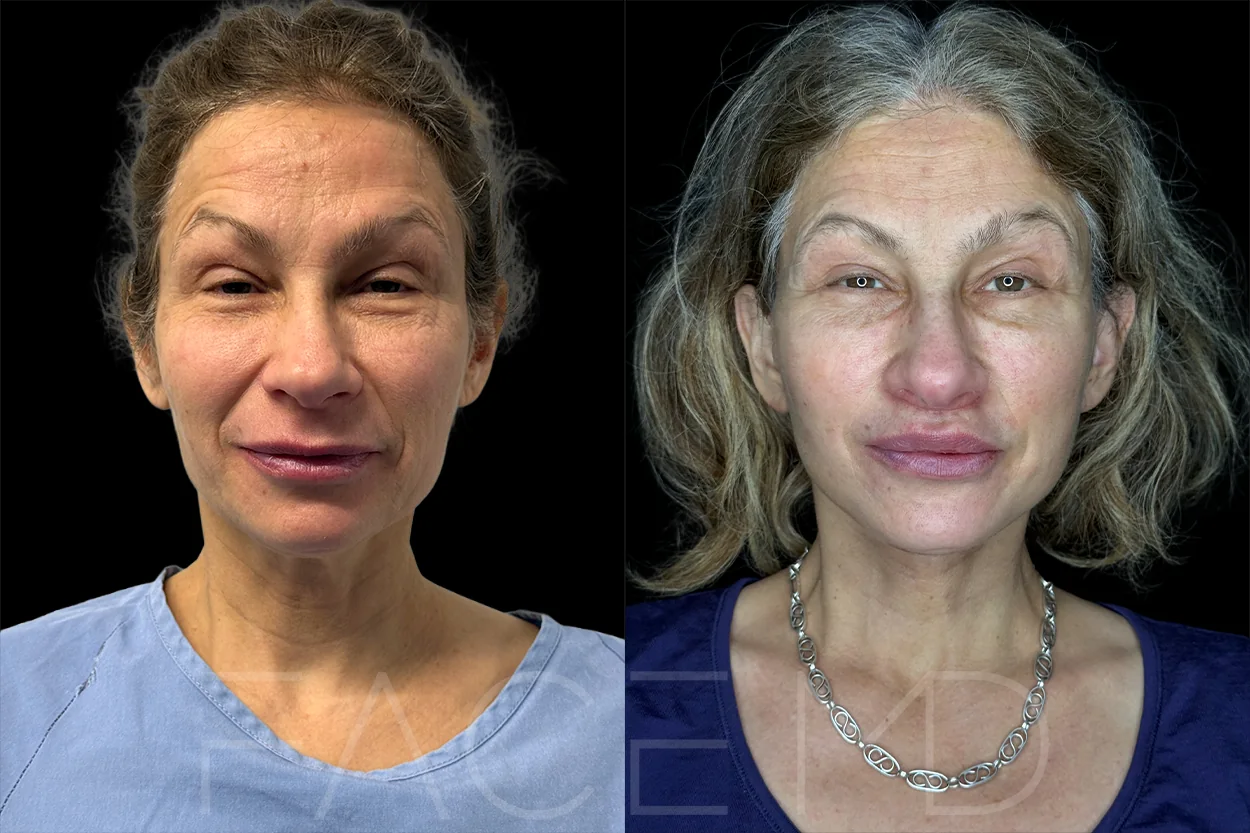
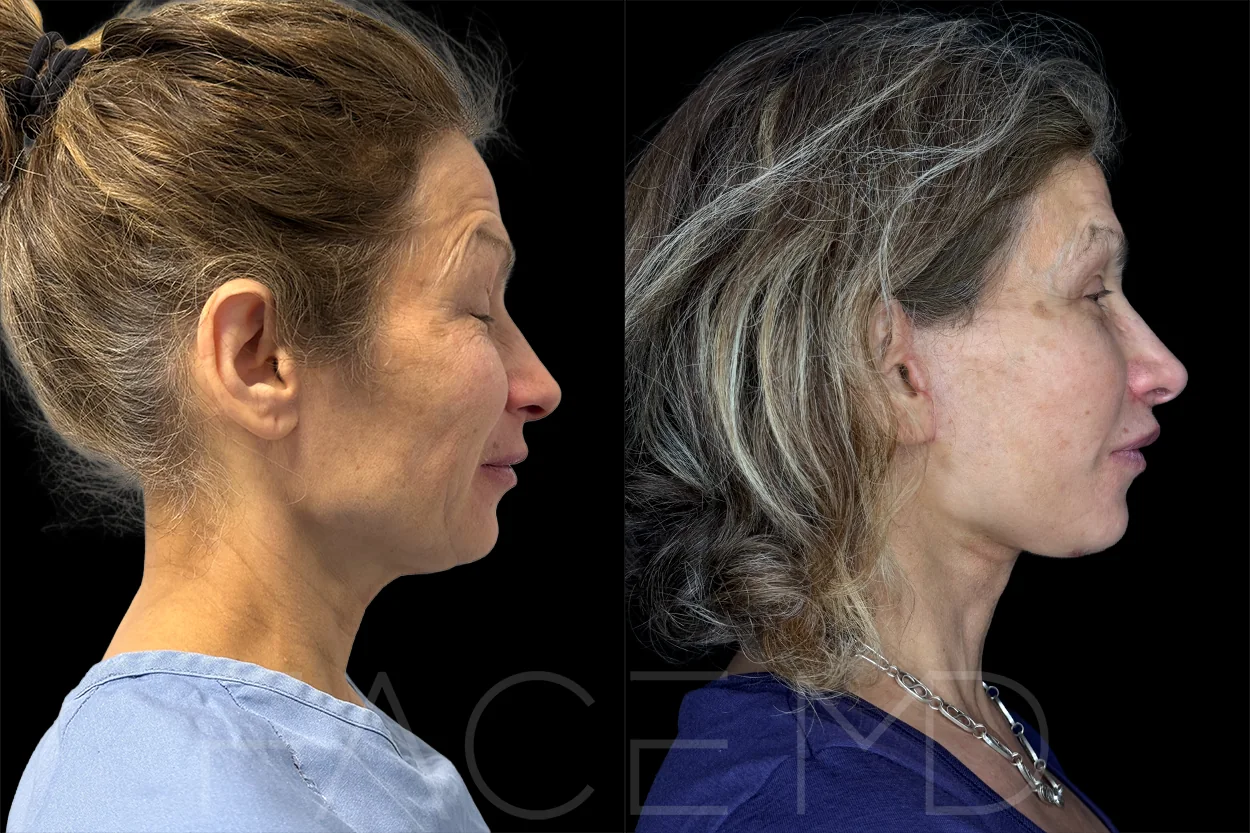
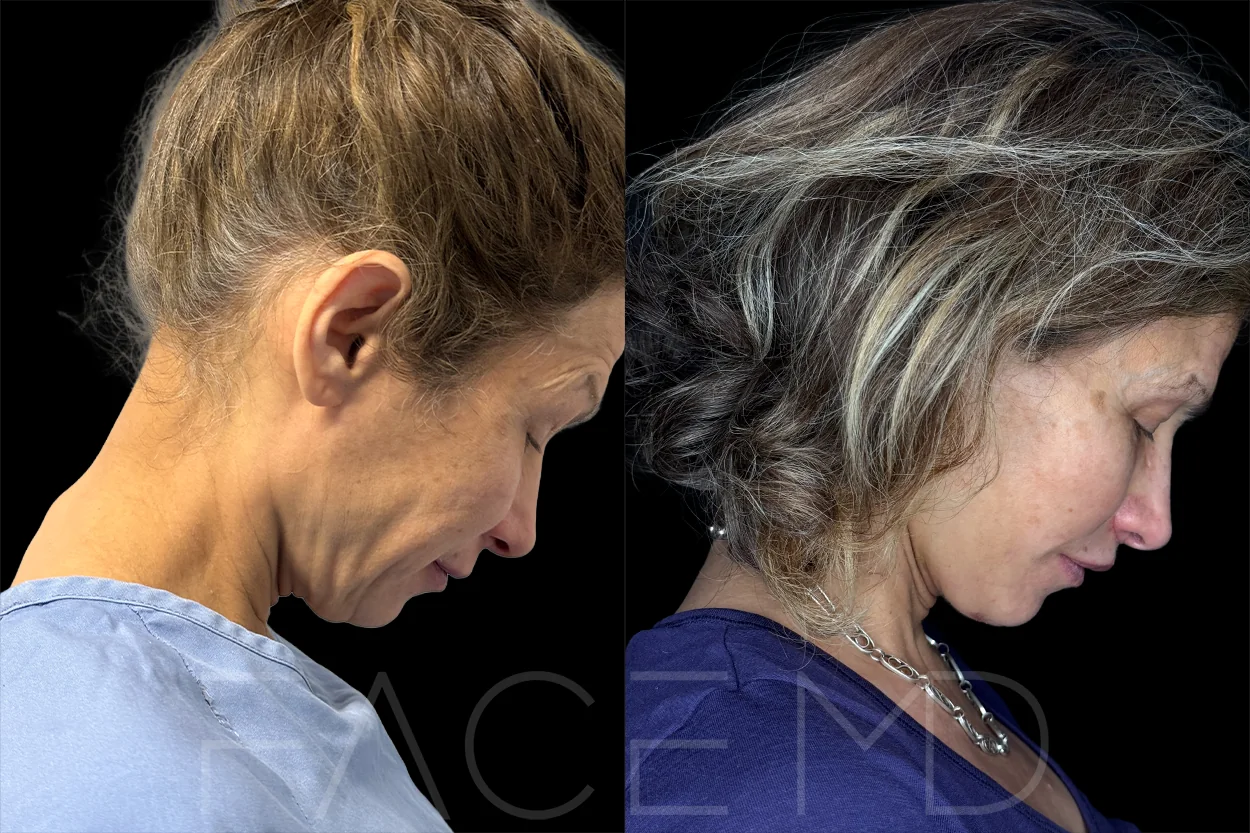
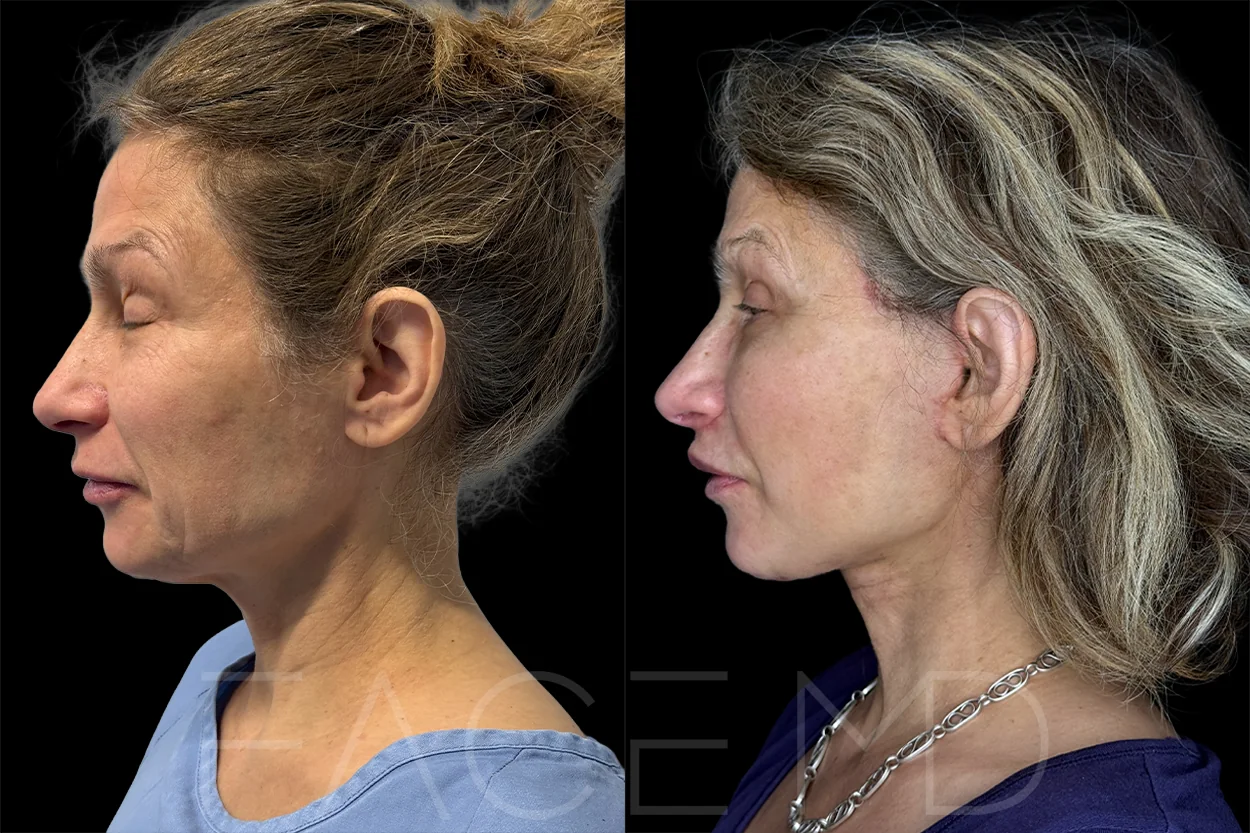
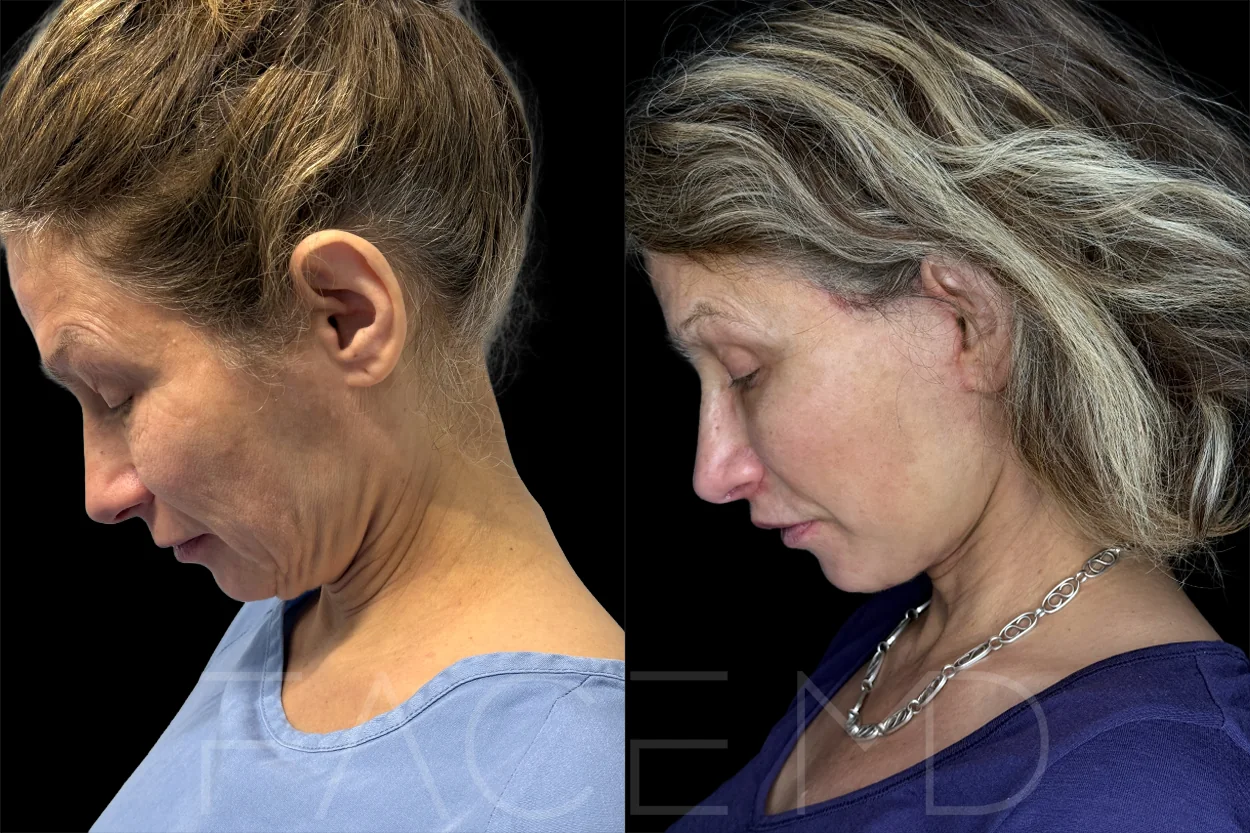
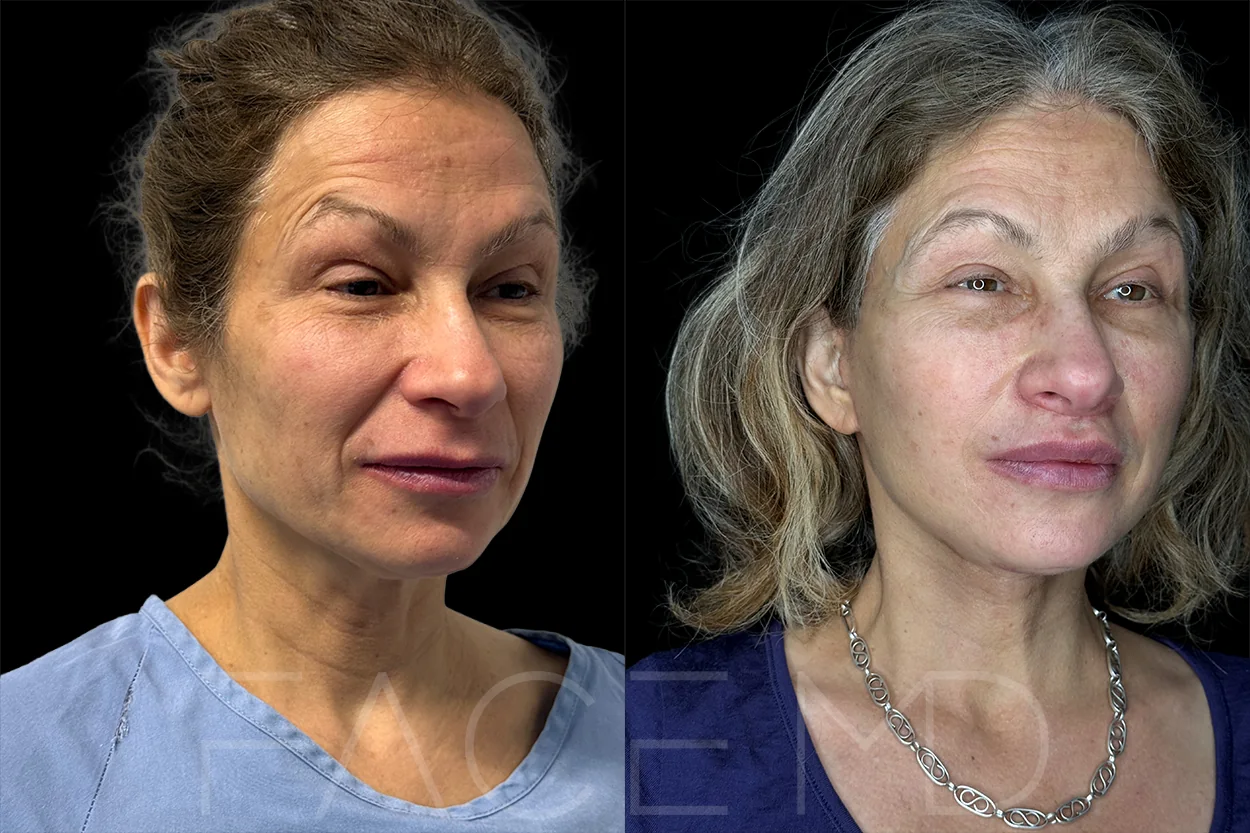
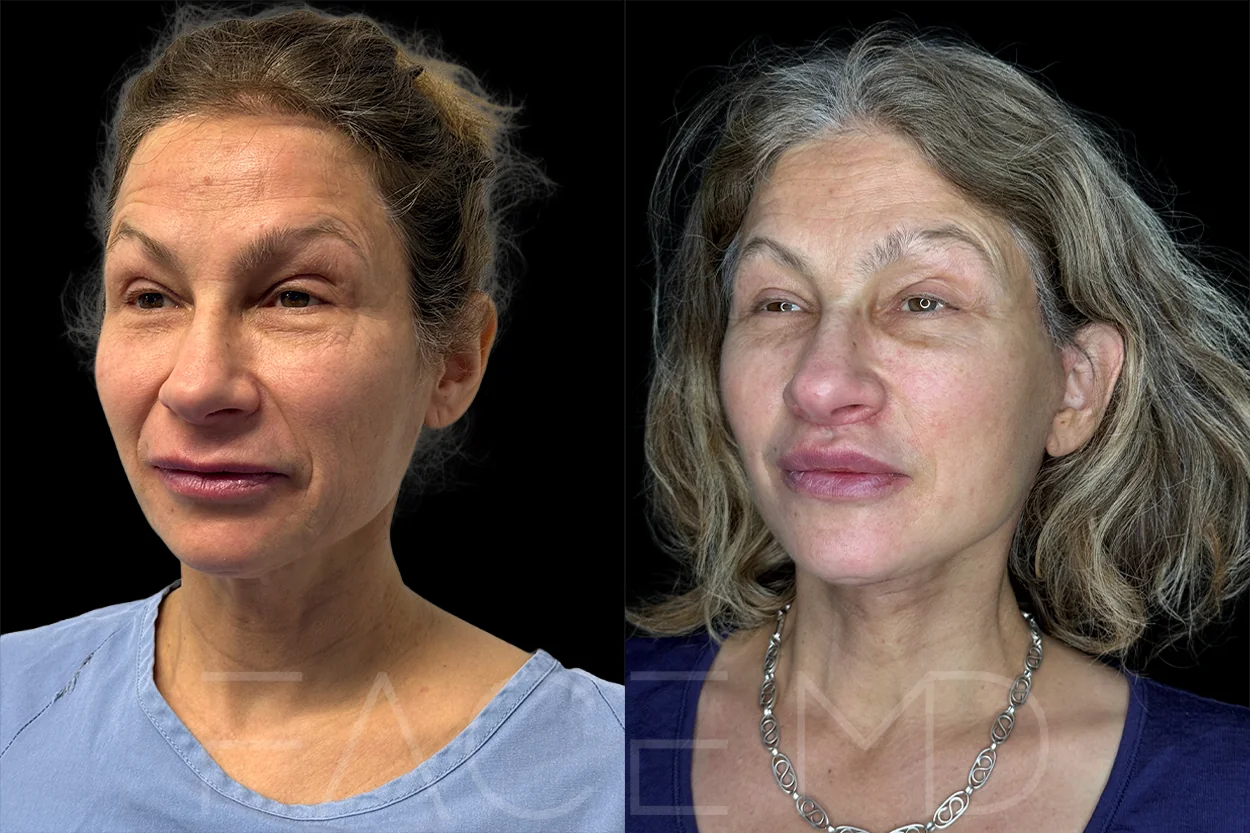
- 12 Months post-op Deep Plane Face & Neck Lift
- 22 Months post-op Deep Plane Face & Neck Lift
- 32 Months post-op Deep Plane Face & Neck Lift
- 42 Months post-op Deep Plane Face & Neck Lift
- 52 Months post-op Deep Plane Face & Neck Lift
- 62 Months post-op Deep Plane Face & Neck Lift
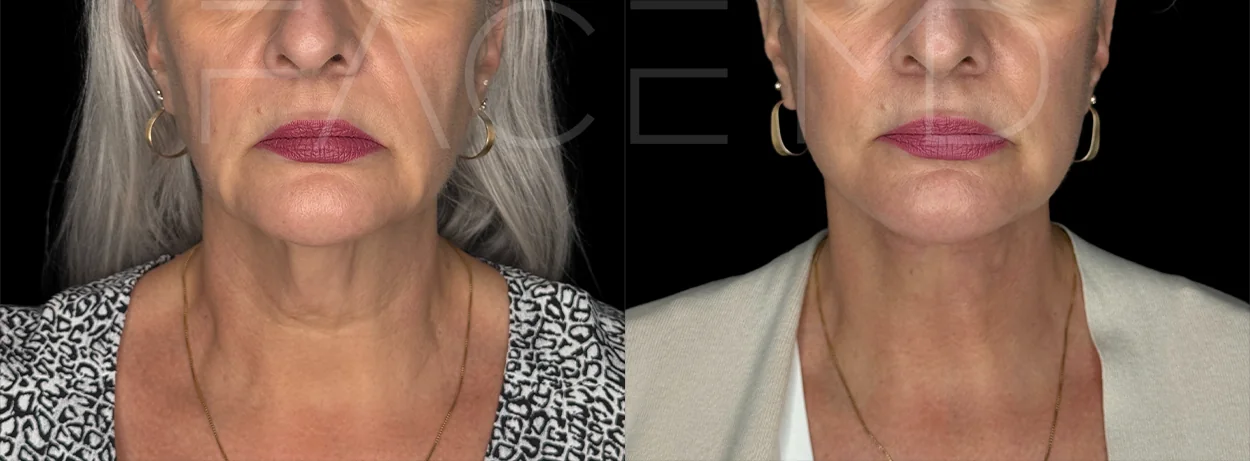
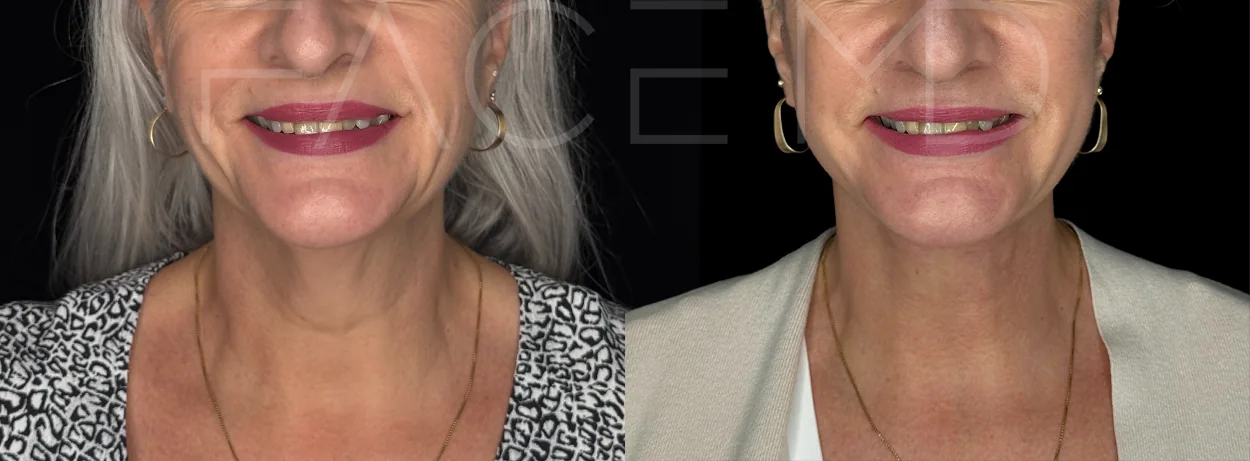
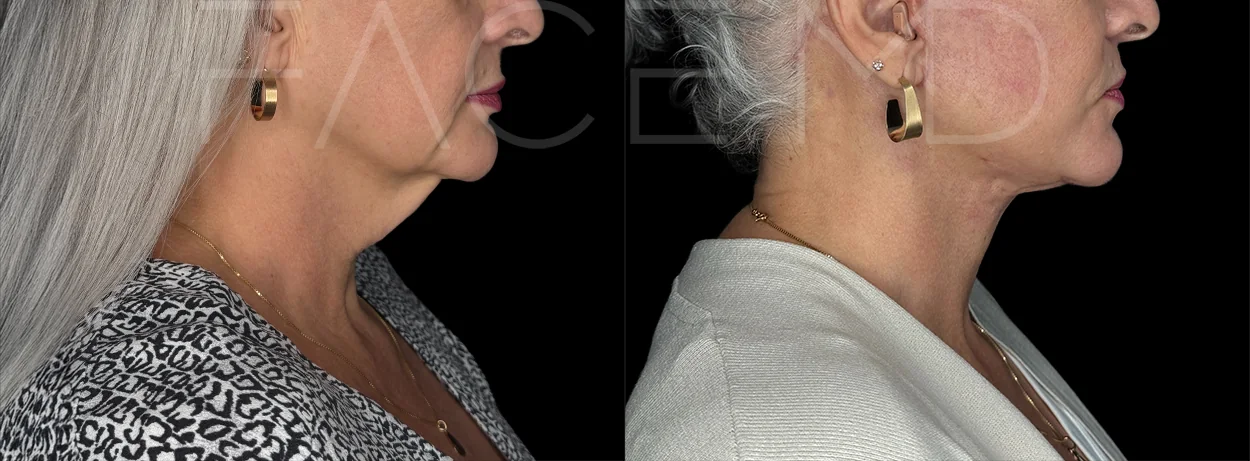
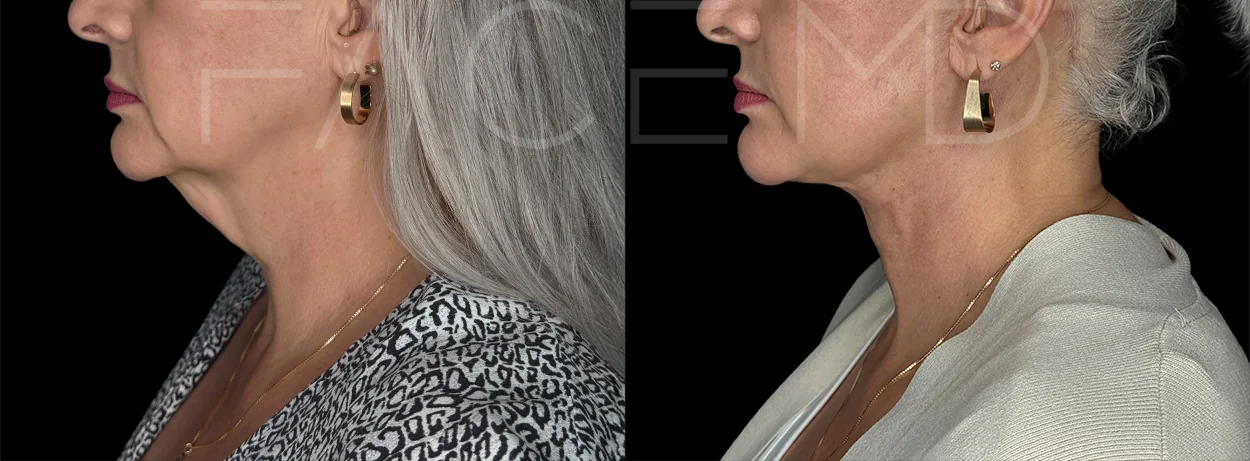
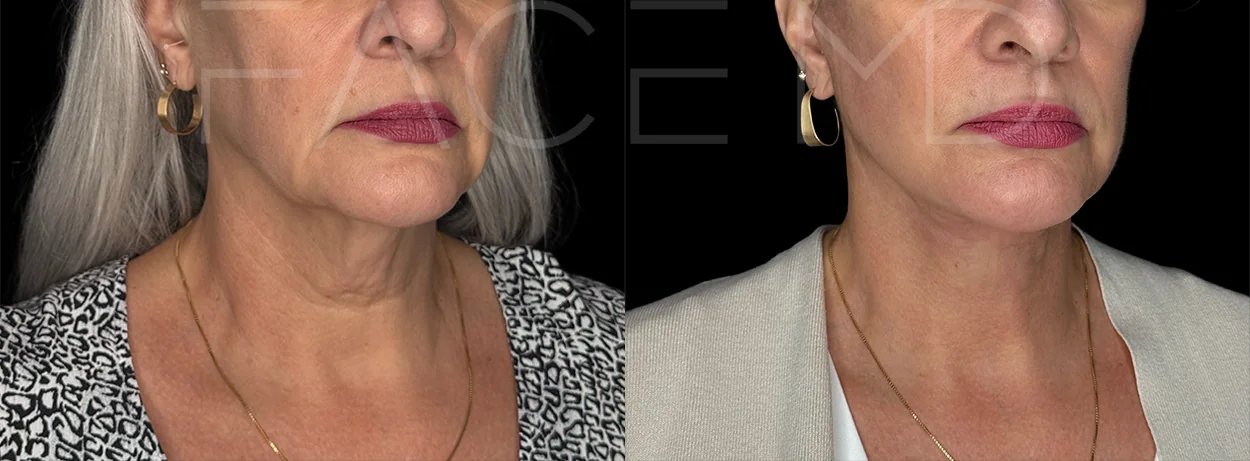
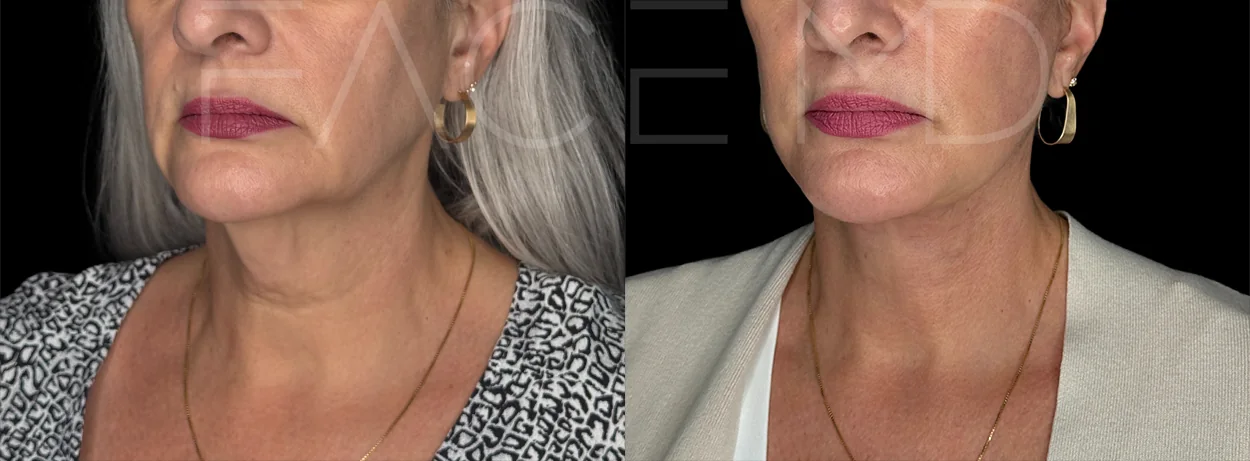
- 24 Months post-op Deep Plane Face & Neck Lift
- 14 Months post-op Deep Plane Face & Neck Lift
- 34 Months post-op Deep Plane Face & Neck Lift
- 44 Months post-op Deep Plane Face & Neck Lift
- 54 Months post-op Deep Plane Face & Neck Lift
- 74 Months post-op Deep Plane Face & Neck Lift
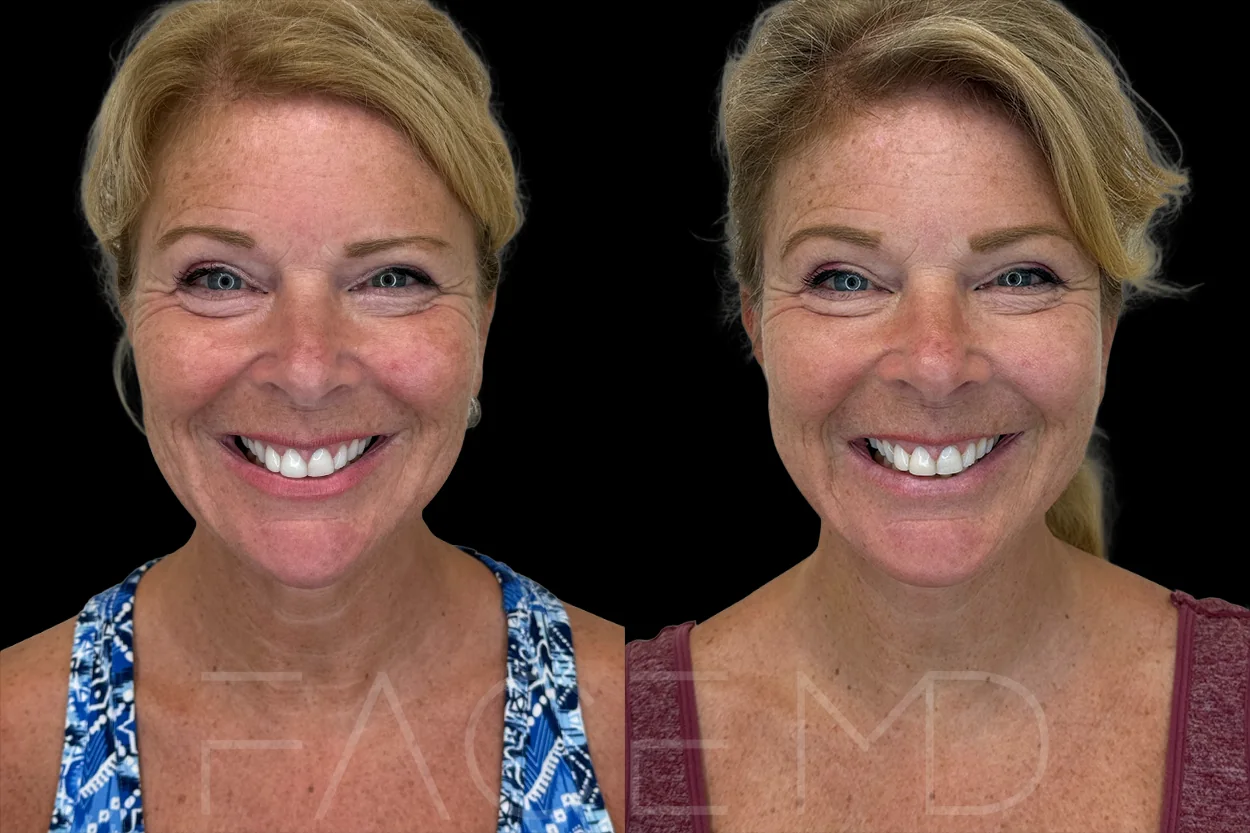
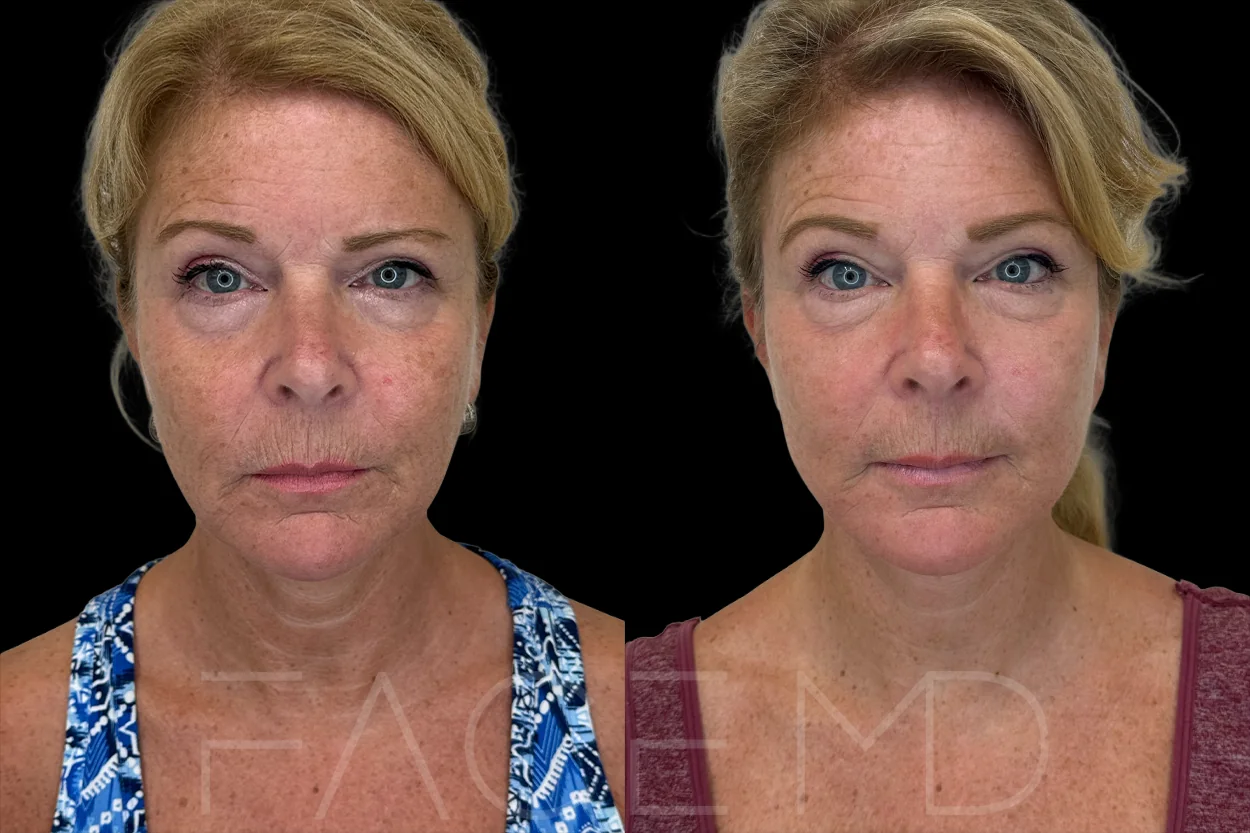
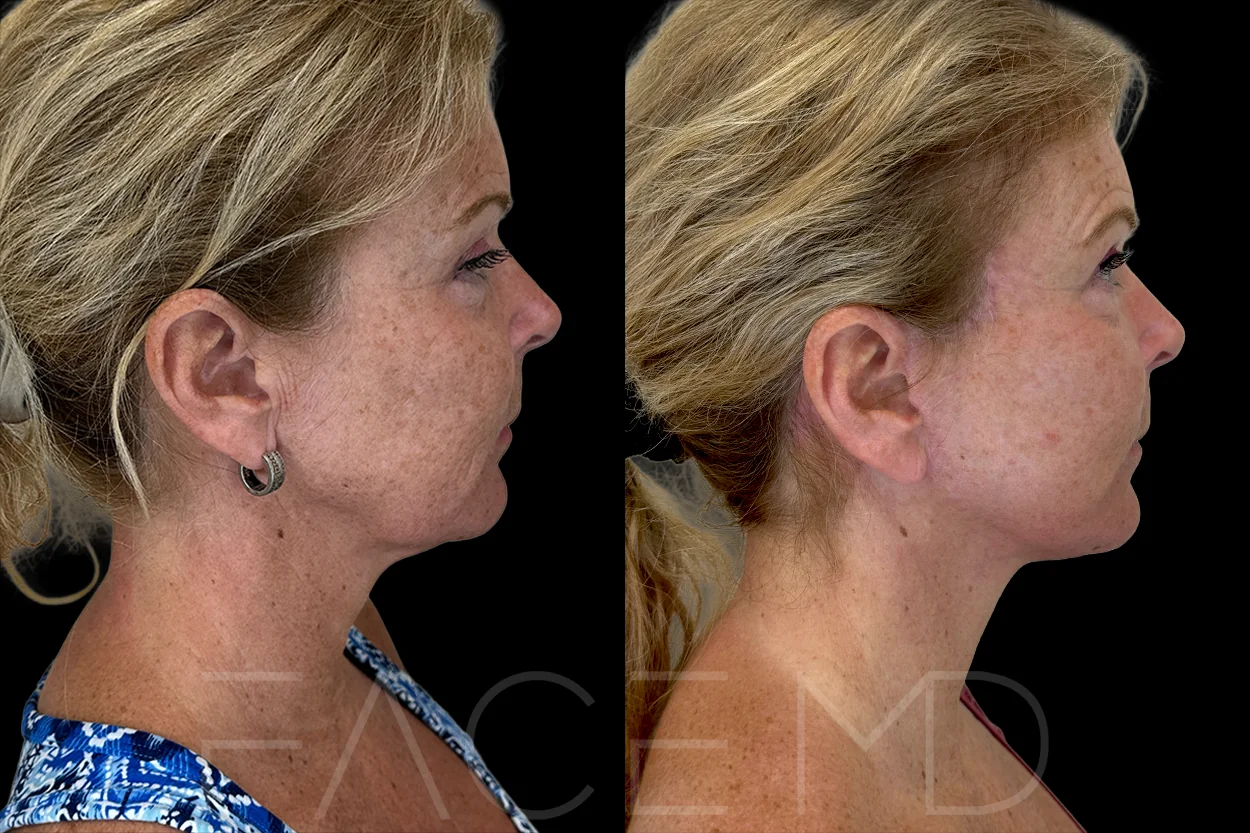
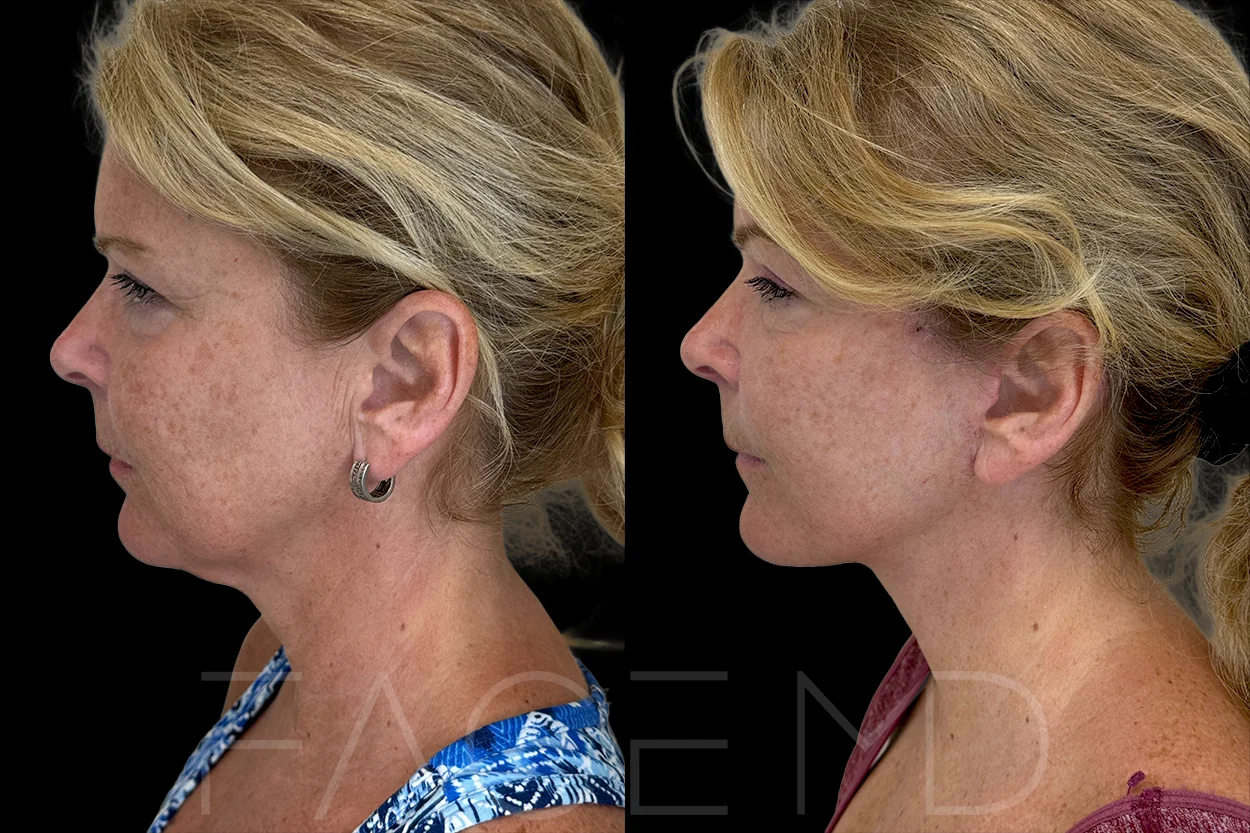
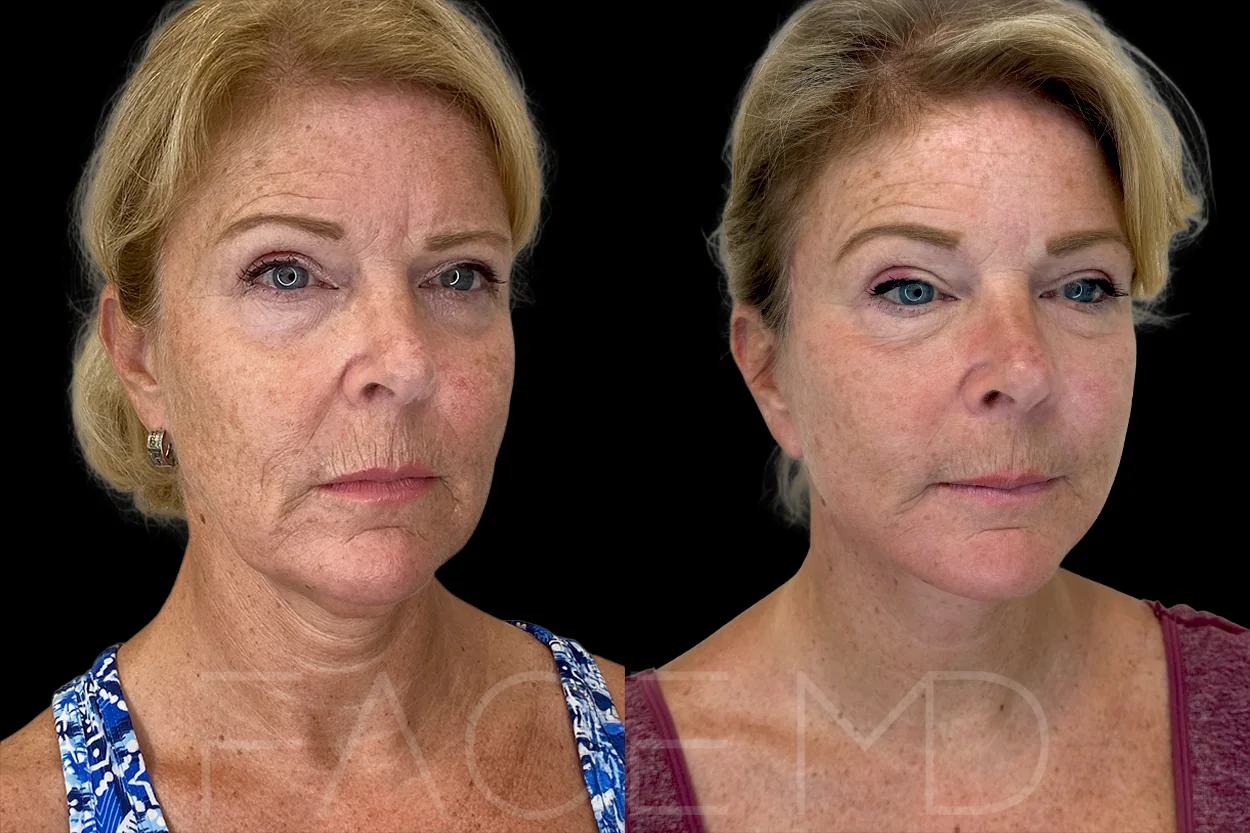
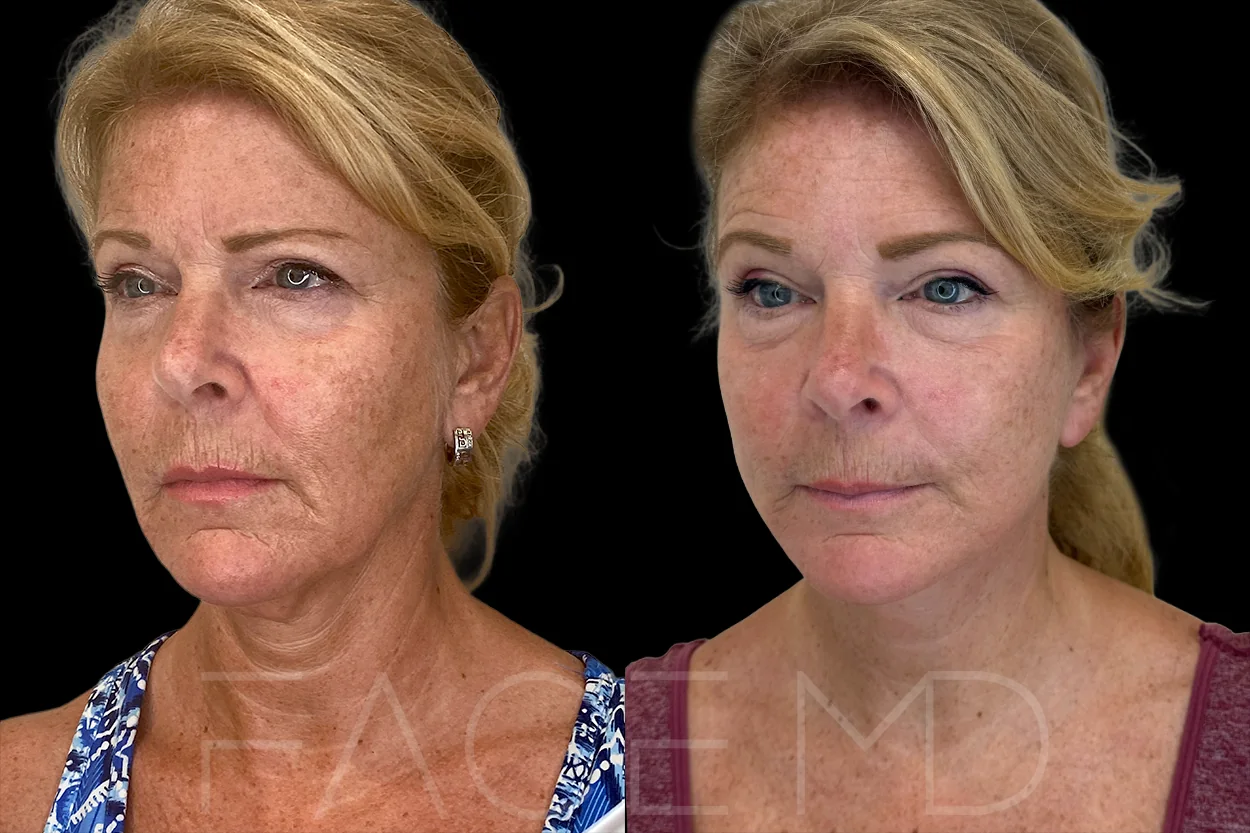
- 14.5 Months post-op Deep Plane Face & Neck Lift, Upper Blepharoplasty and Full Face CO2 Laser
- 24.5 Months post-op Deep Plane Face & Neck Lift, Upper Blepharoplasty and Full Face CO2 Laser
- 34.5 Months post-op Deep Plane Face & Neck Lift, Upper Blepharoplasty and Full Face CO2 Laser
- 54.5 Months post-op Deep Plane Face & Neck Lift, Upper Blepharoplasty and Full Face CO2 Laser
- 74.5 Months post-op Deep Plane Face & Neck Lift, Upper Blepharoplasty and Full Face CO2 Laser
- 84.5 Months post-op Deep Plane Face & Neck Lift, Upper Blepharoplasty and Full Face CO2 Laser
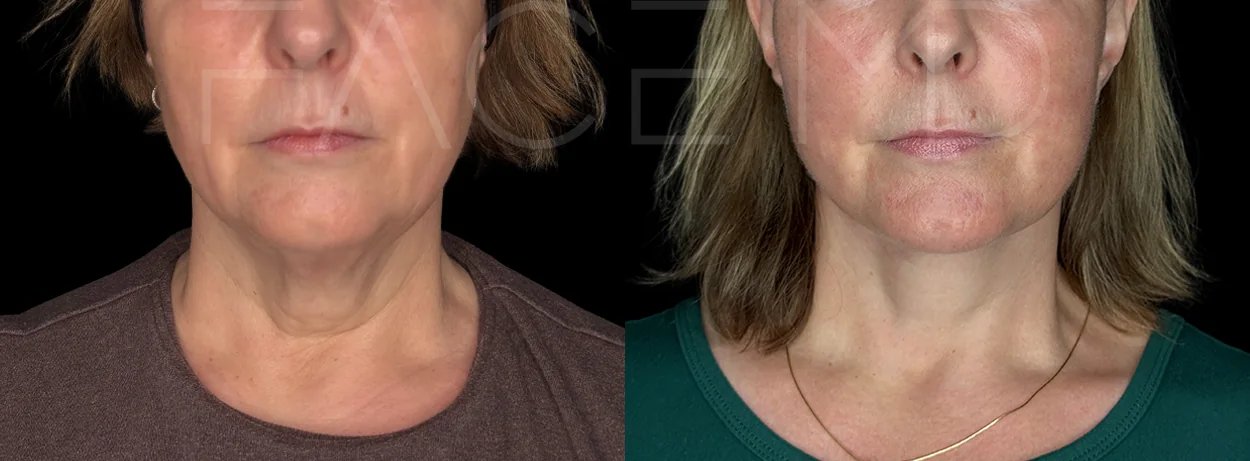
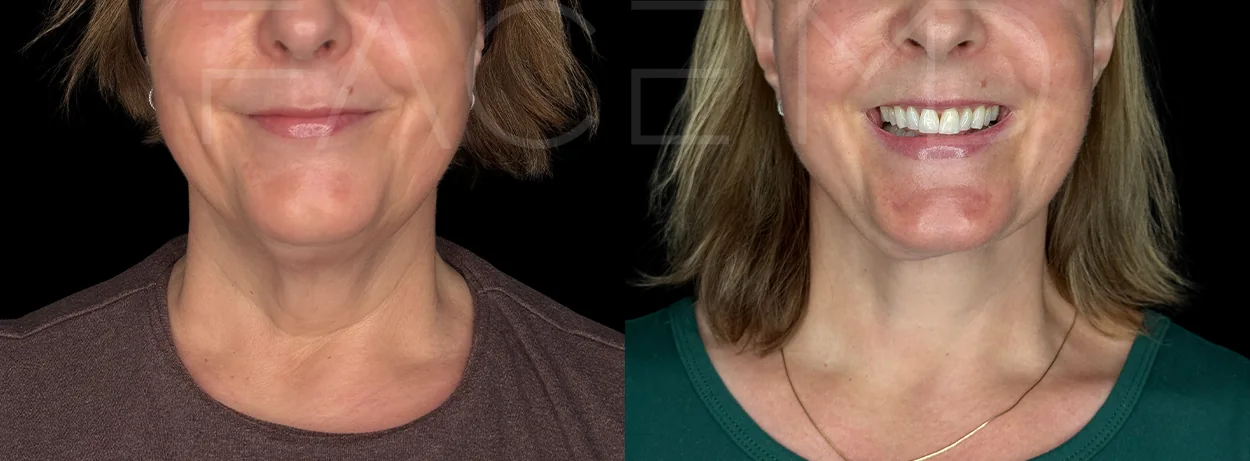
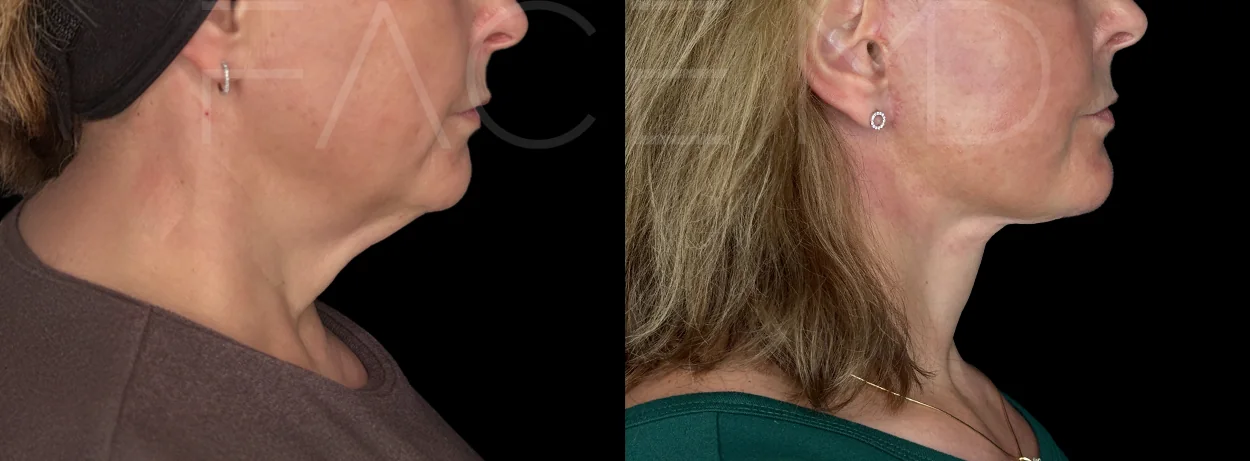
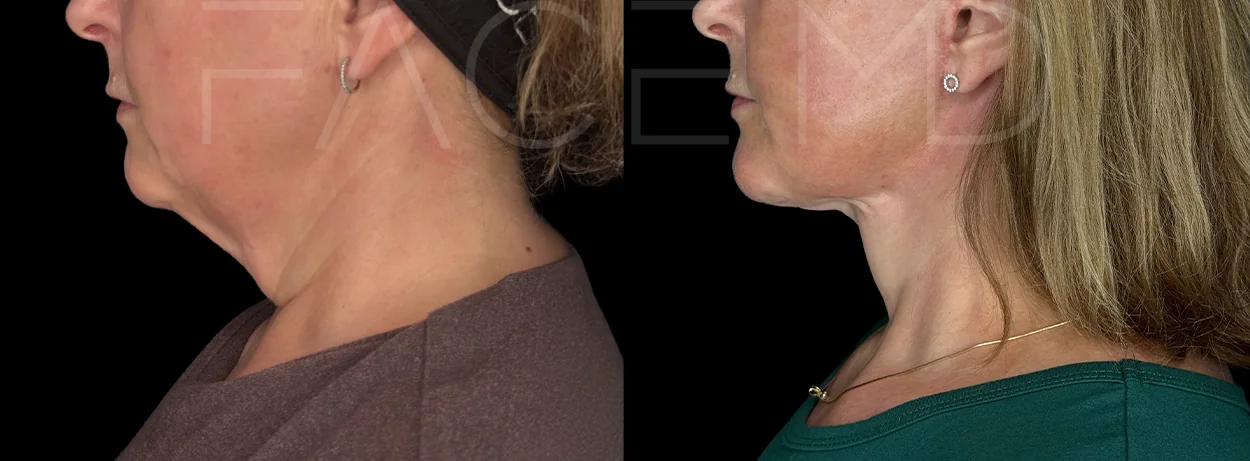
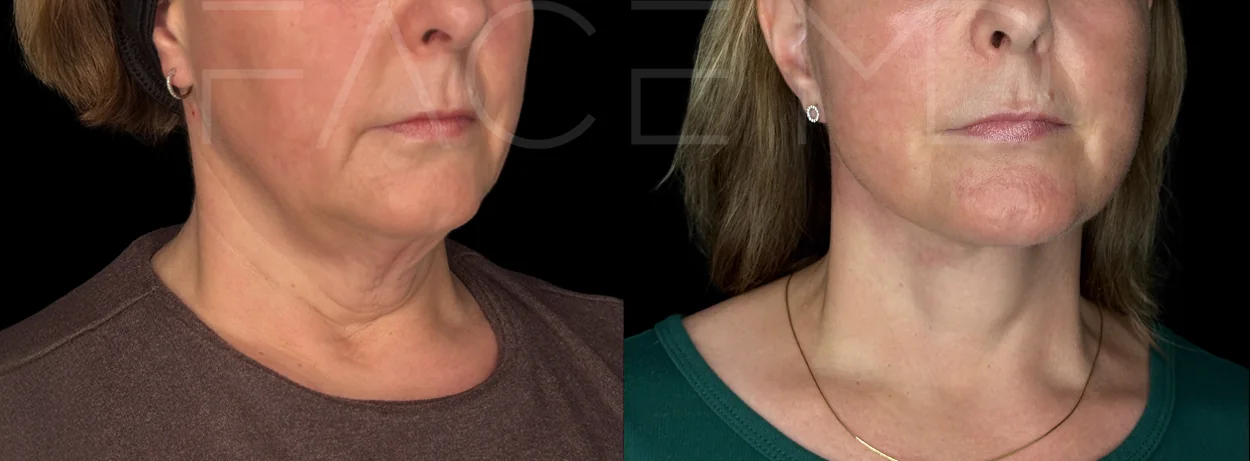
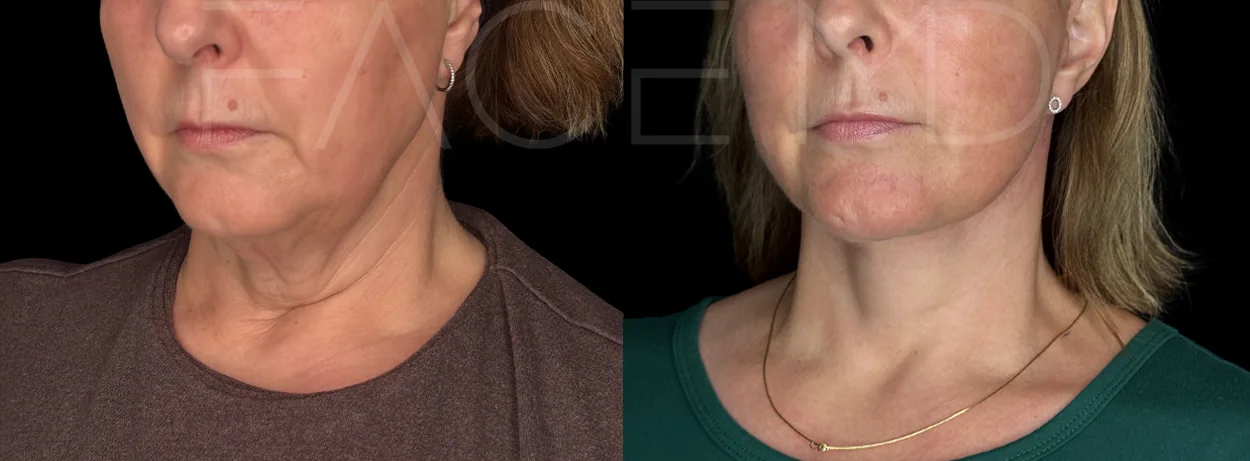
- 11.5 Months post-op Deep Plane Face & Neck Lift
- 21.5 Months post-op Deep Plane Face & Neck Lift
- 31.5 Months post-op Deep Plane Face & Neck Lift
- 41.5 Months post-op Deep Plane Face & Neck Lift
- 61.5 Months post-op Deep Plane Face & Neck Lift
- 51.5 Months post-op Deep Plane Face & Neck Lift
- 71.5 Months post-op Deep Plane Face & Neck Lift
- 8
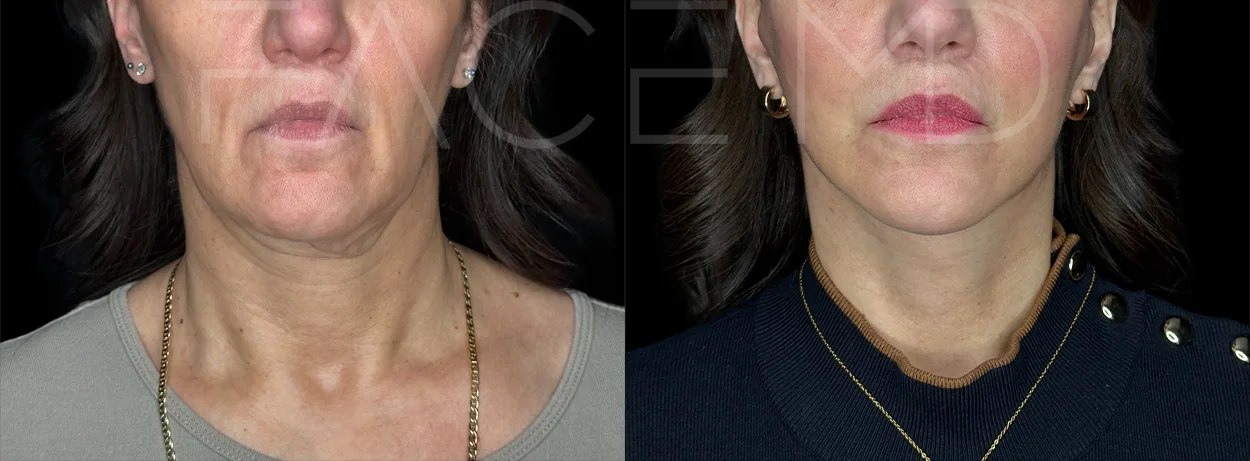
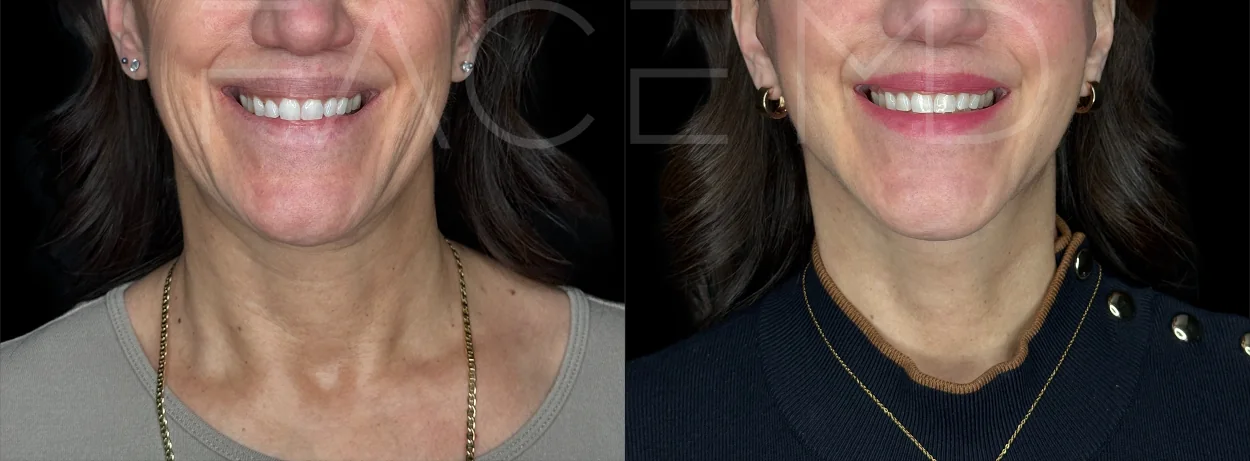
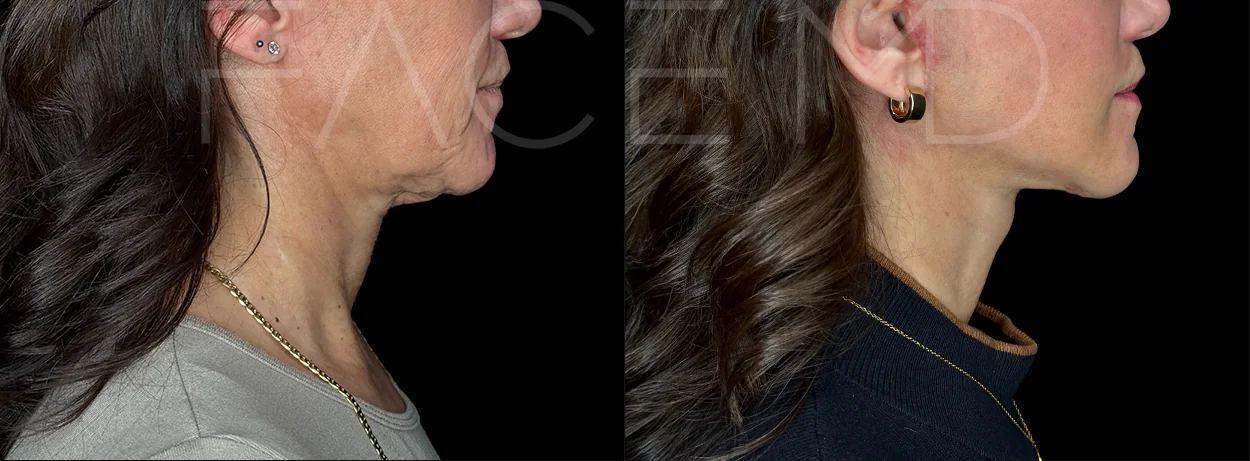
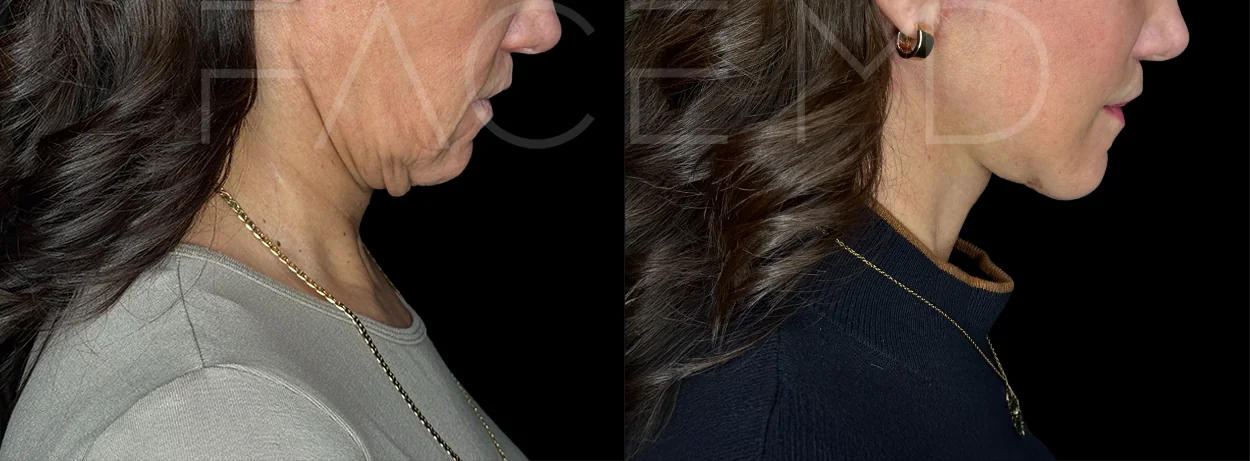
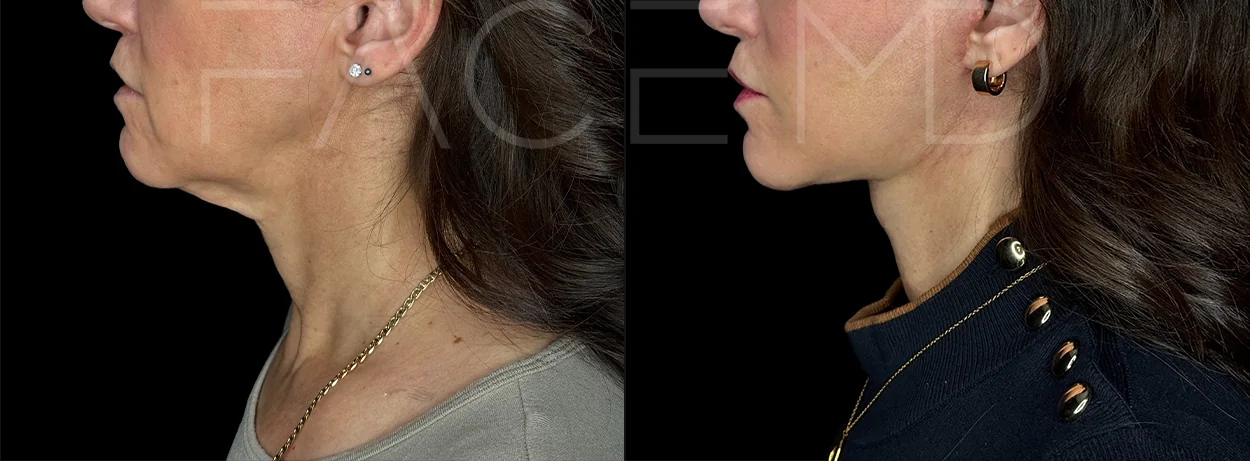
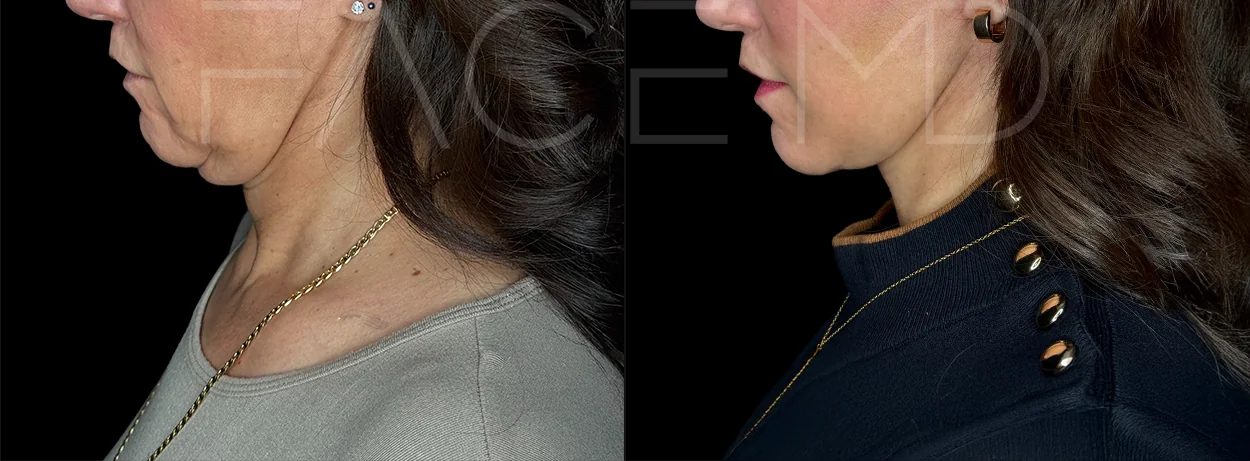
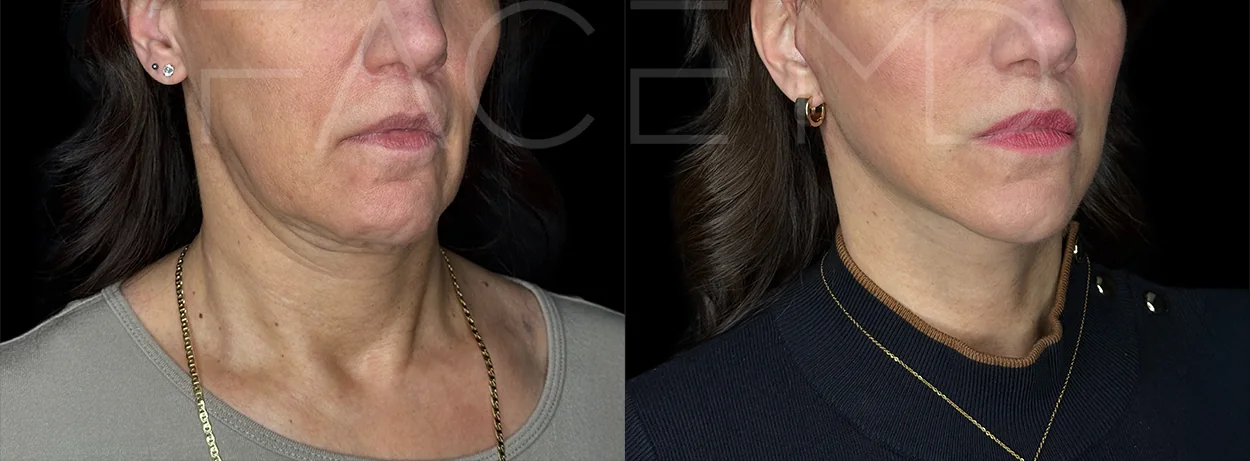
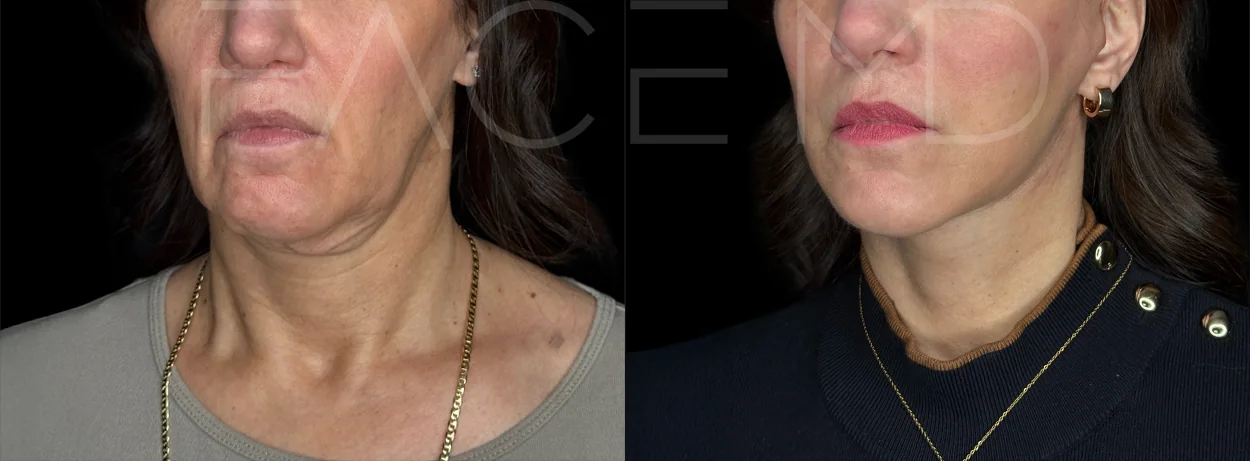
- 1B5 Months post-op Revision Deep Plane Face & Neck Lift and Perioral CO2 Laser
- 2B5 Months post-op Revision Deep Plane Face & Neck Lift and Perioral CO2 Laser
- 35 Months post-op Revision Deep Plane Face & Neck Lift and Perioral CO2 Laser
- 55 Months post-op Revision Deep Plane Face & Neck Lift and Perioral CO2 Laser
- 45 Months post-op Revision Deep Plane Face & Neck Lift and Perioral CO2 Laser
- 65 Months post-op Revision Deep Plane Face & Neck Lift and Perioral CO2 Laser
- 95 Months post-op Revision Deep Plane Face & Neck Lift and Perioral CO2 Laser
- 105 Months post-op Revision Deep Plane Face & Neck Lift and Perioral CO2 Laser
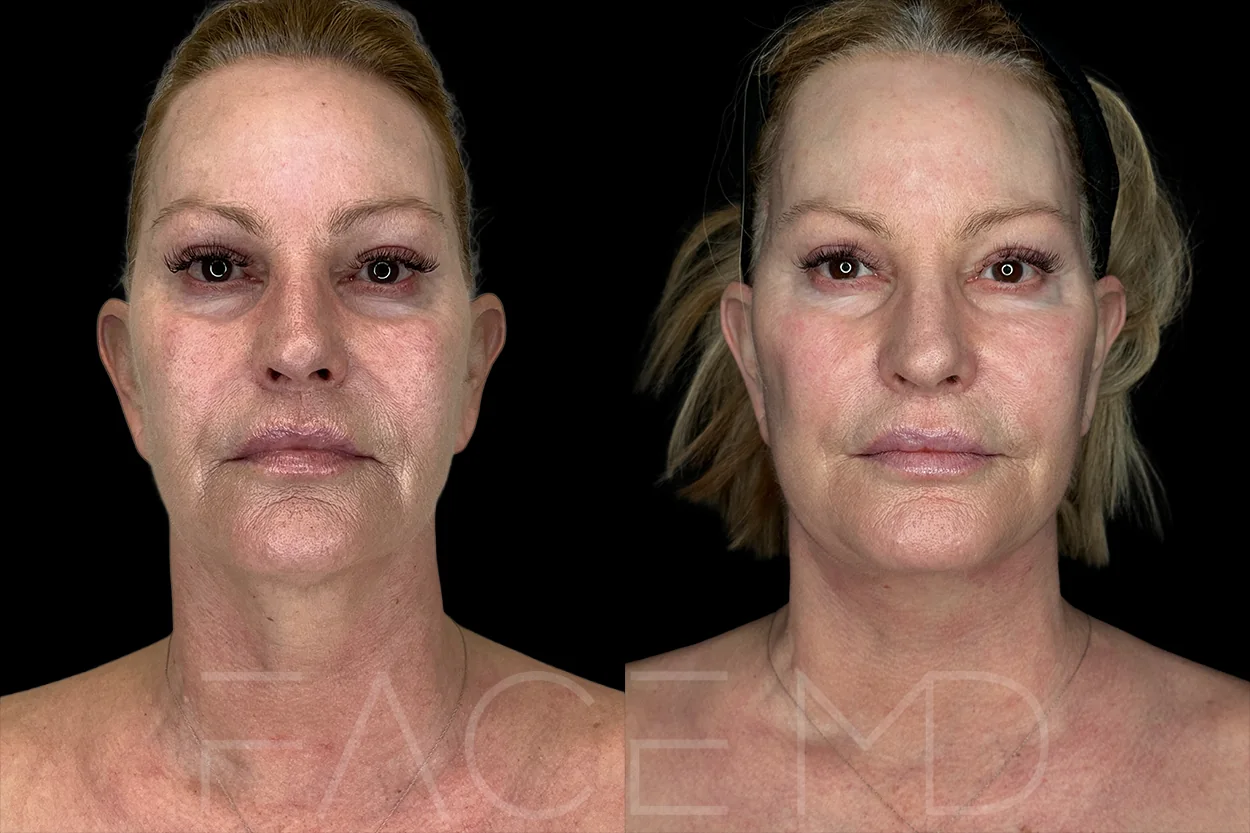
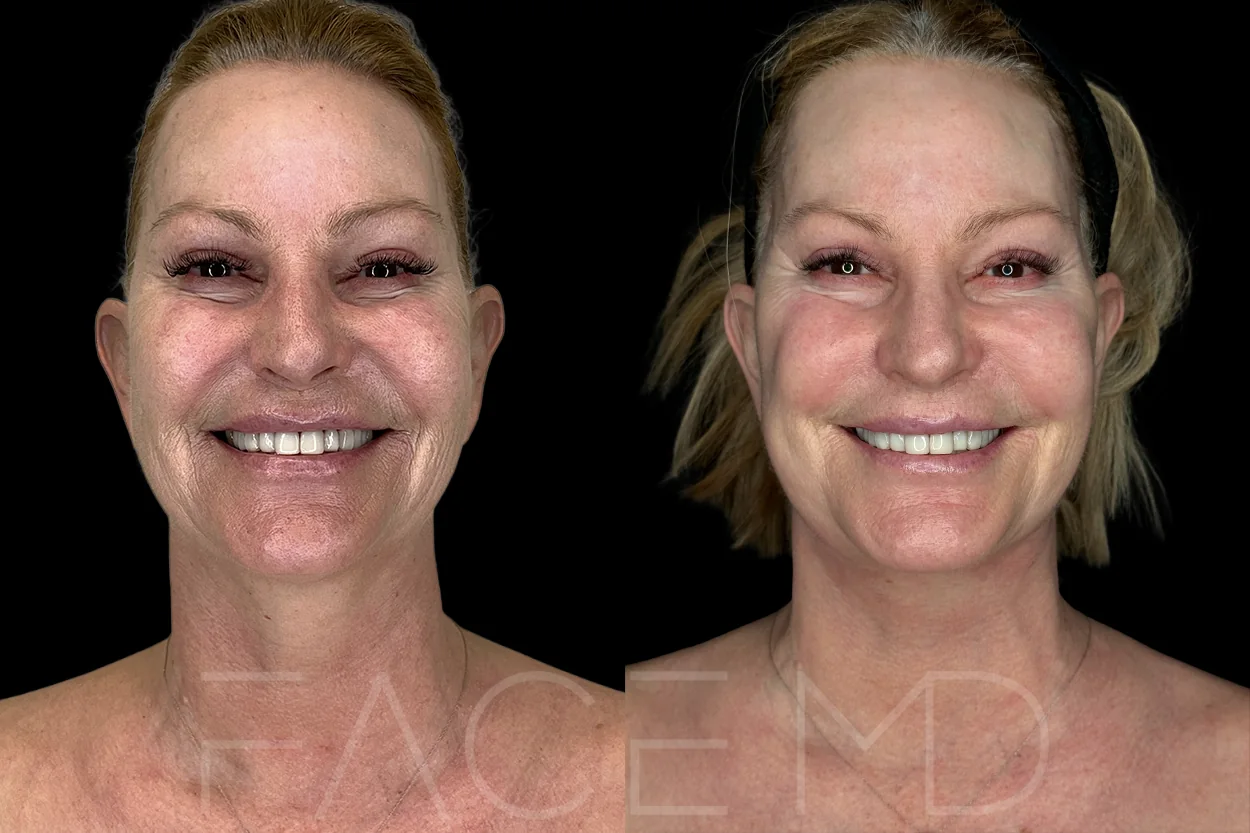
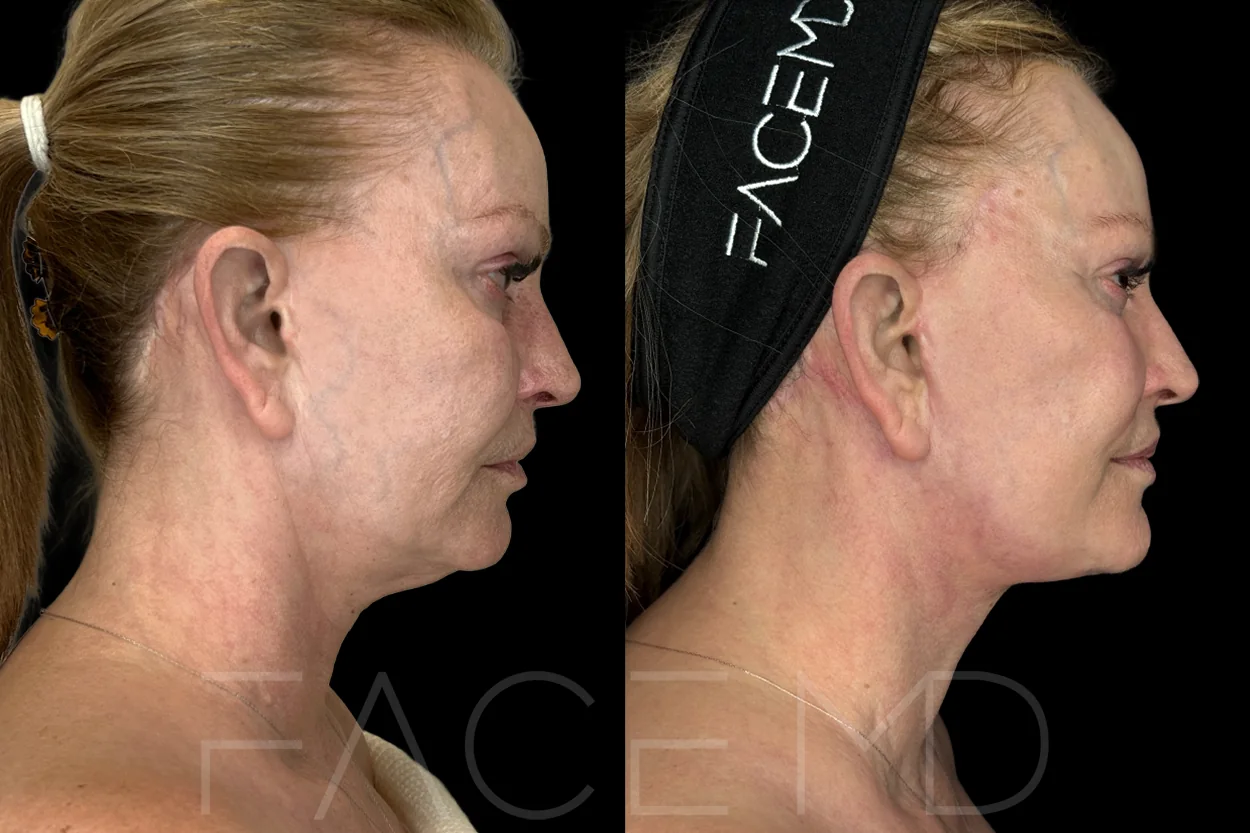
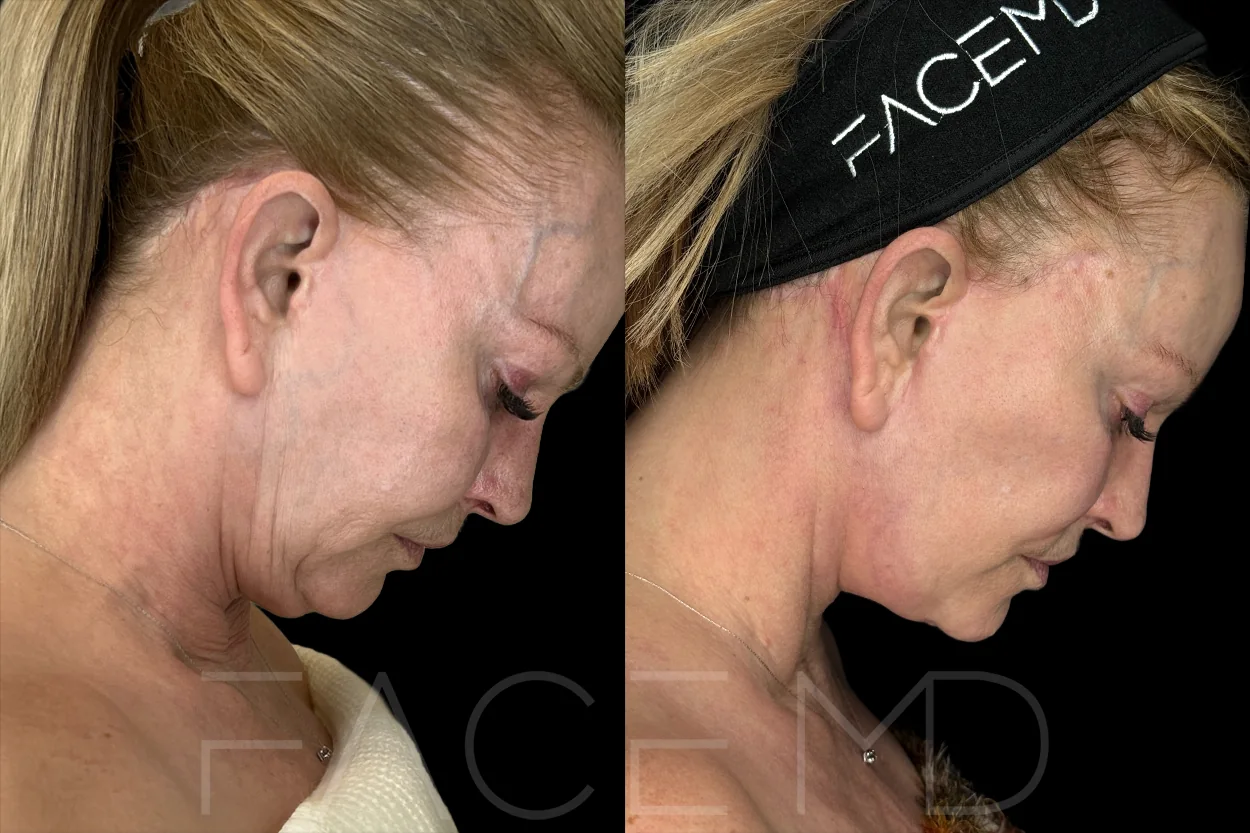
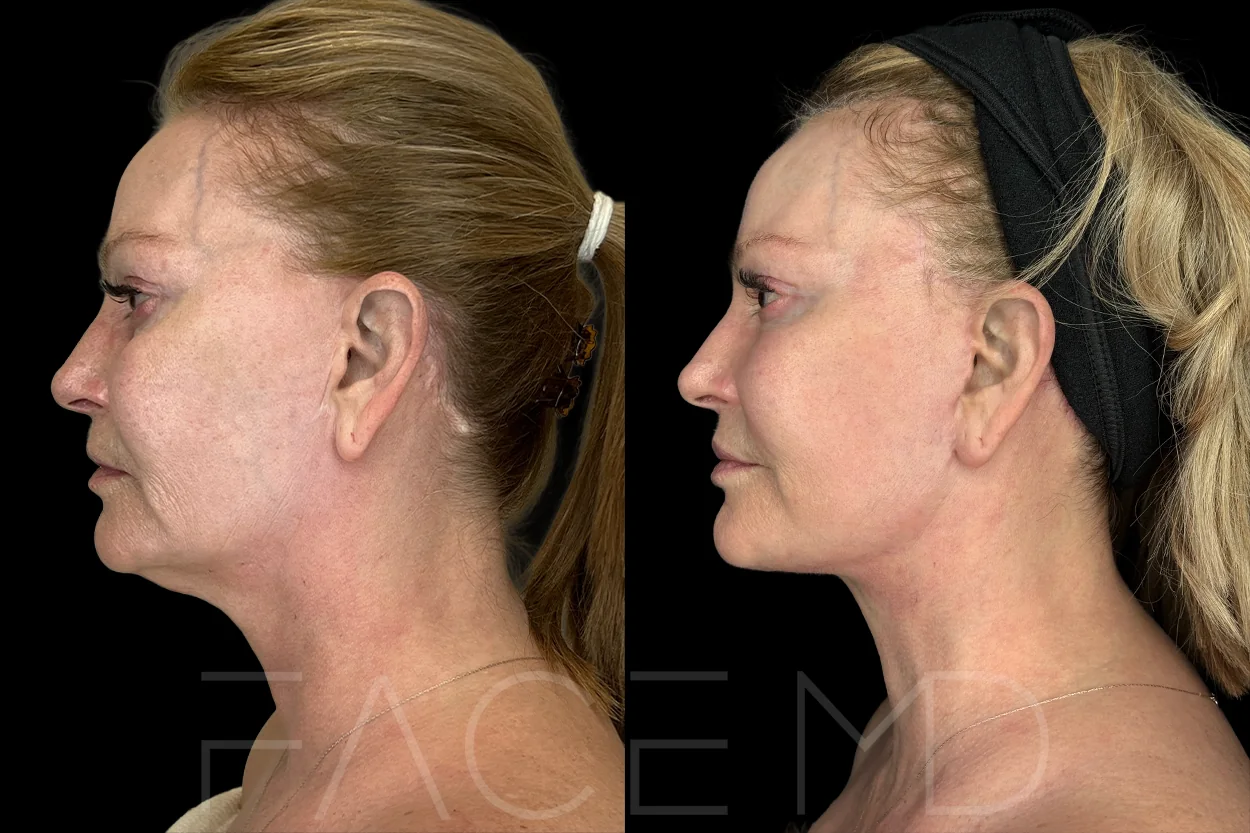
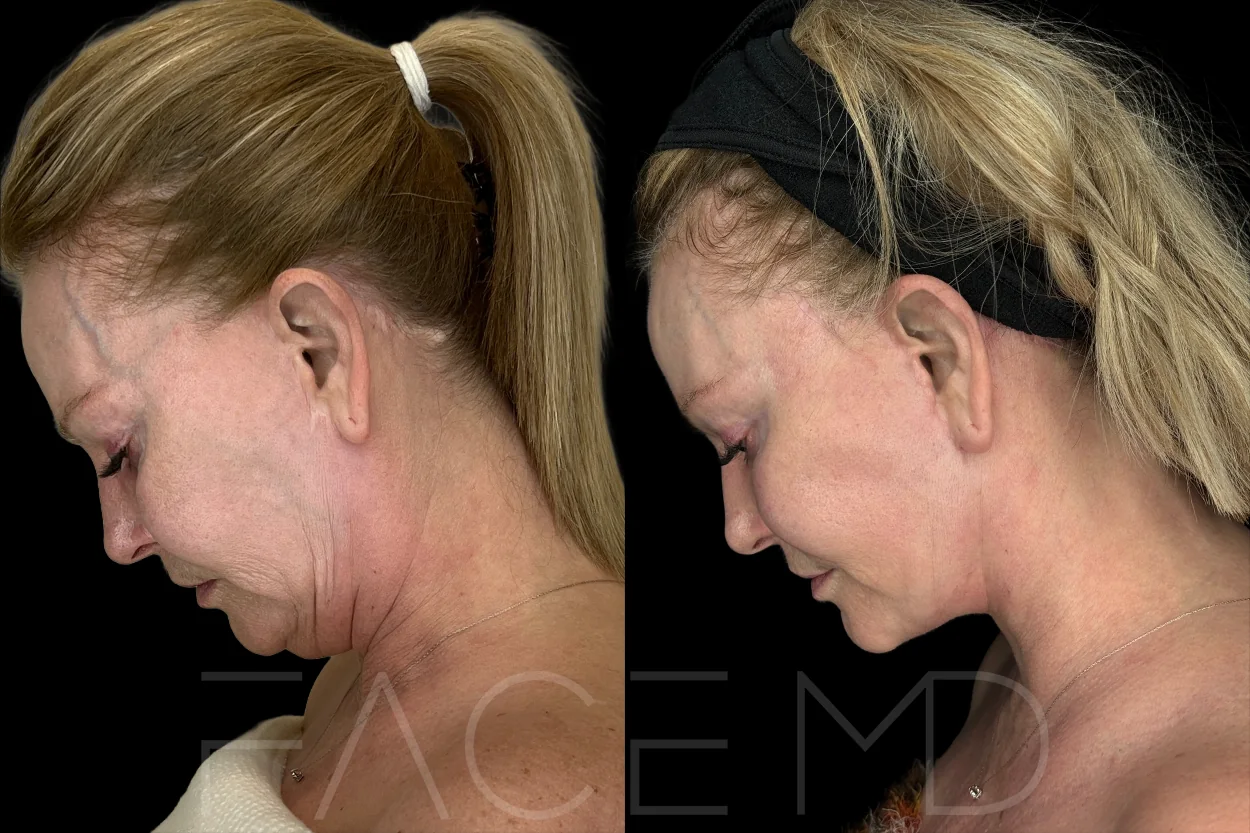
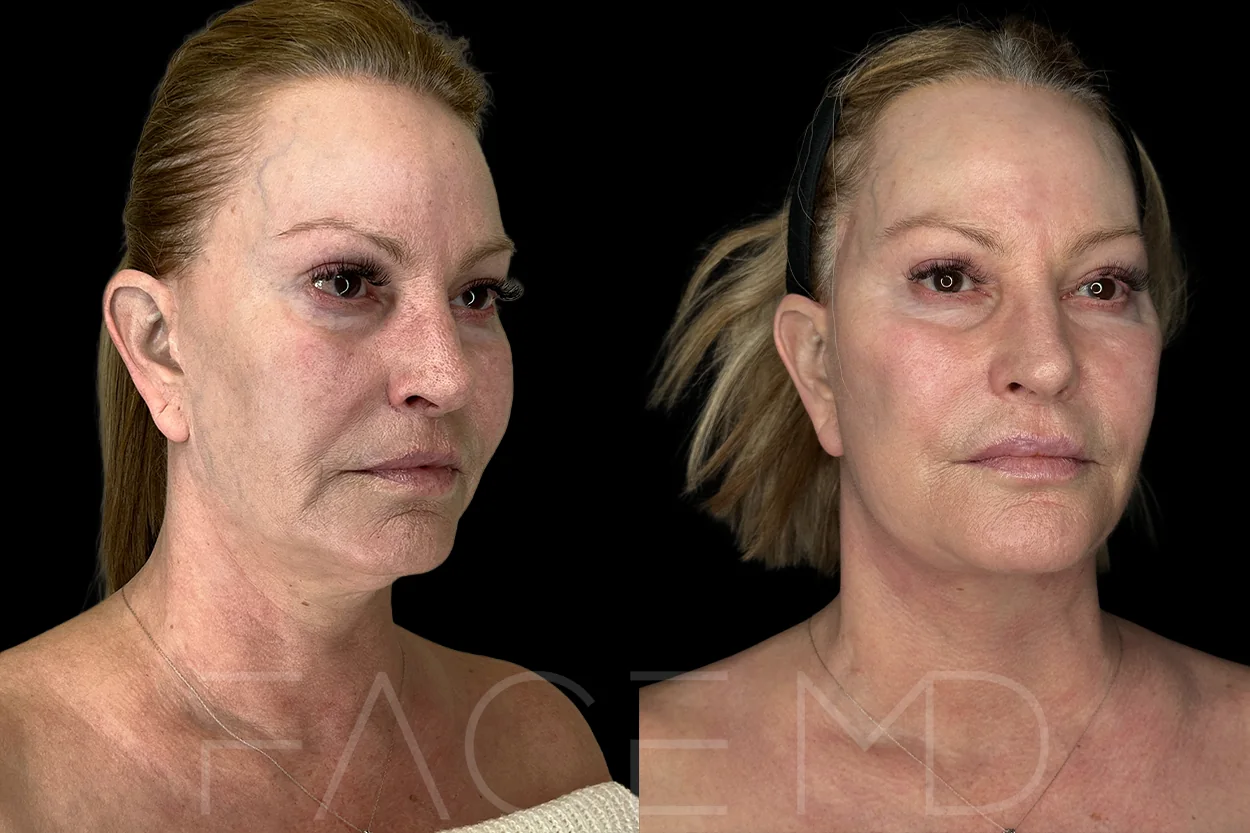
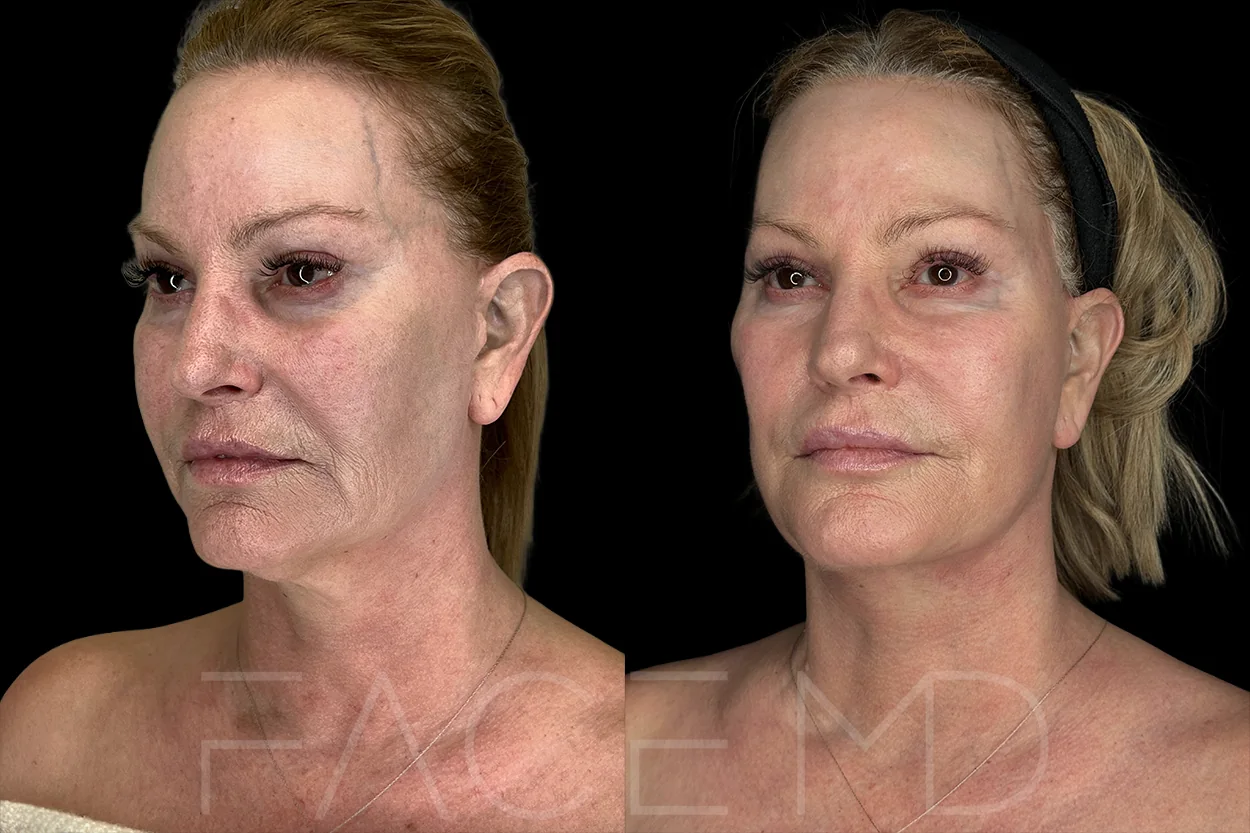
- 12 Months post-op Deep Plane Face & Neck Lift
- 22 Months post-op Deep Plane Face & Neck Lift
- 32 Months post-op Deep Plane Face & Neck Lift
- 42 Months post-op Deep Plane Face & Neck Lift
- 52 Months post-op Deep Plane Face & Neck Lift
- 62 Months post-op Deep Plane Face & Neck Lift
- 72 Months post-op Deep Plane Face & Neck Lift
- 82 Months post-op Deep Plane Face & Neck Lift
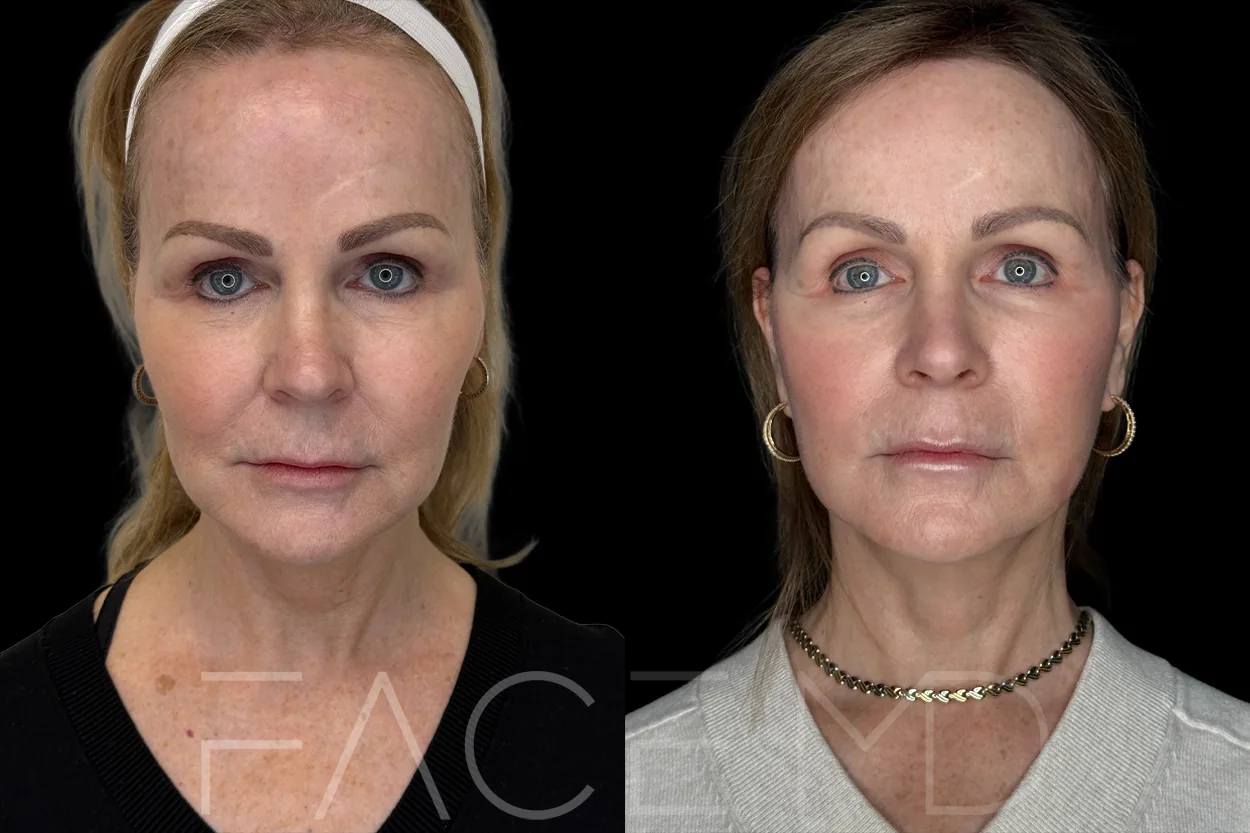
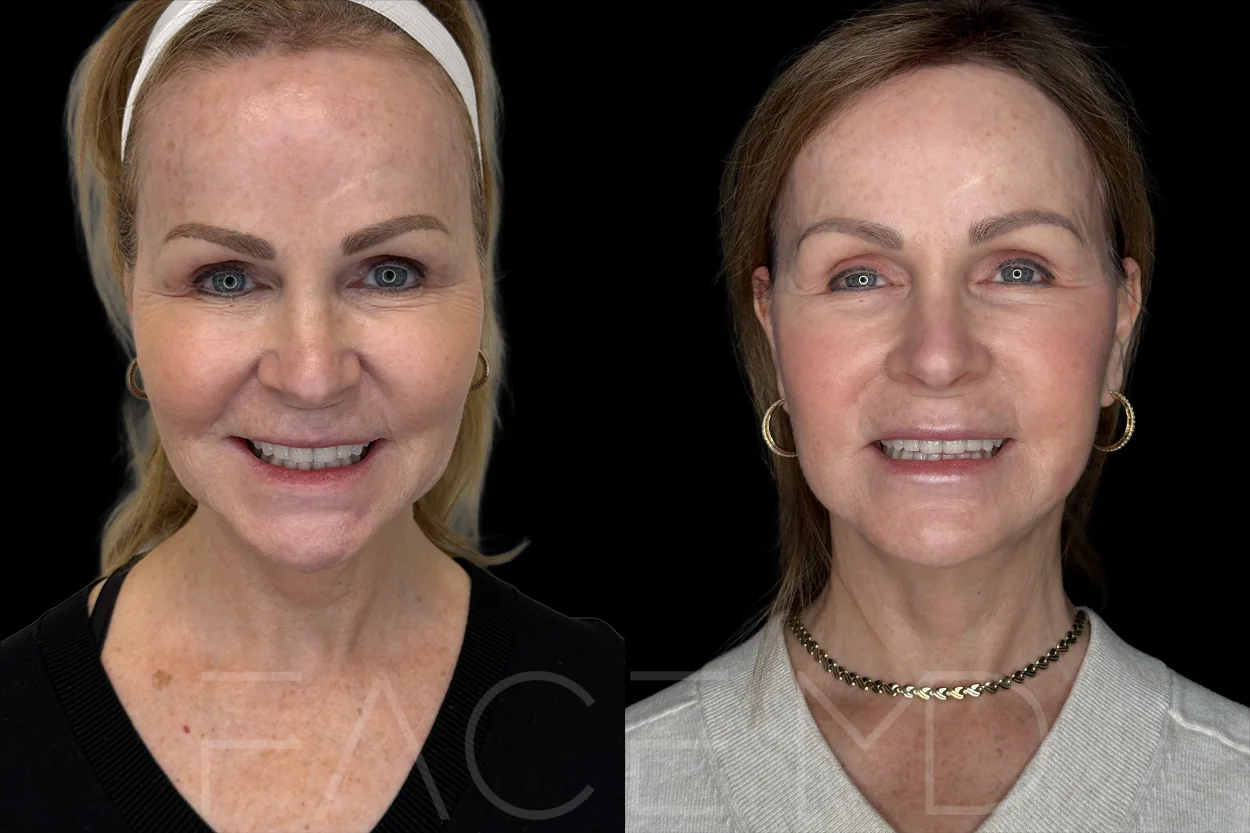
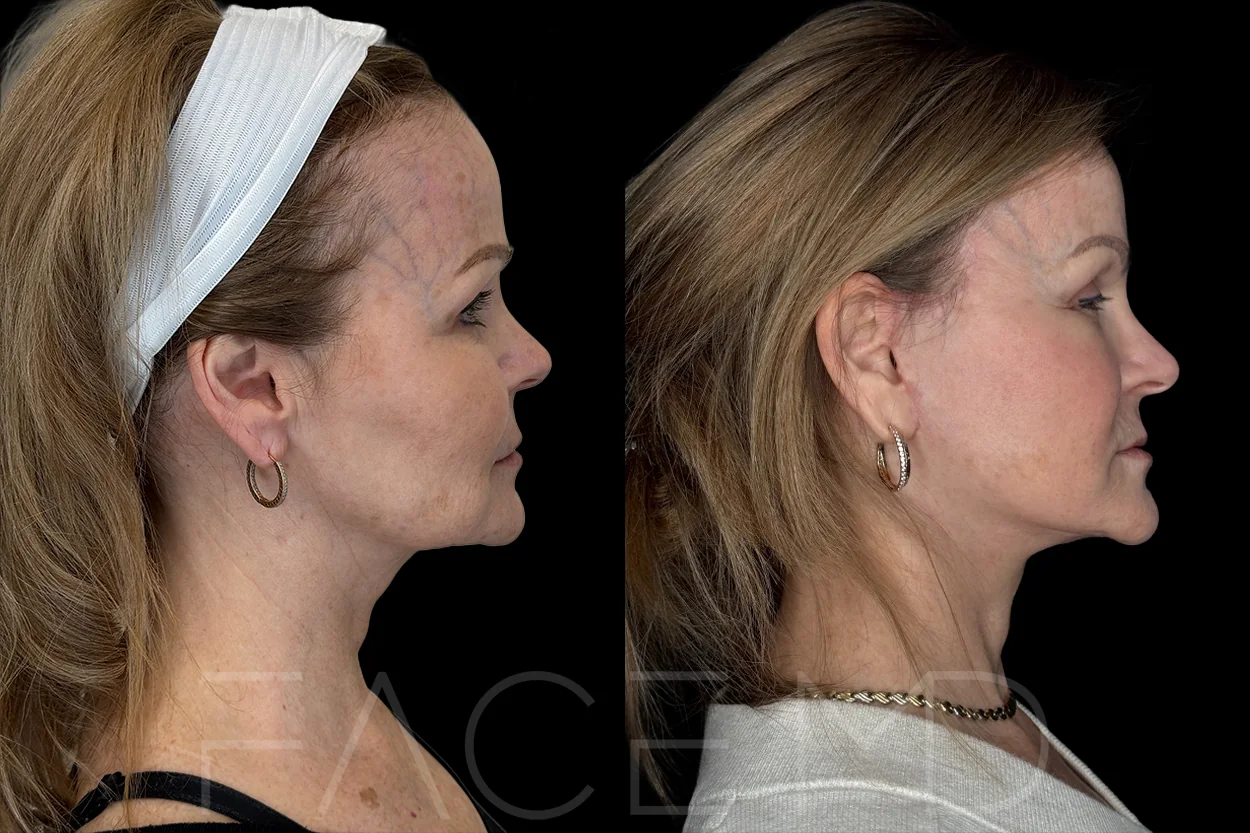
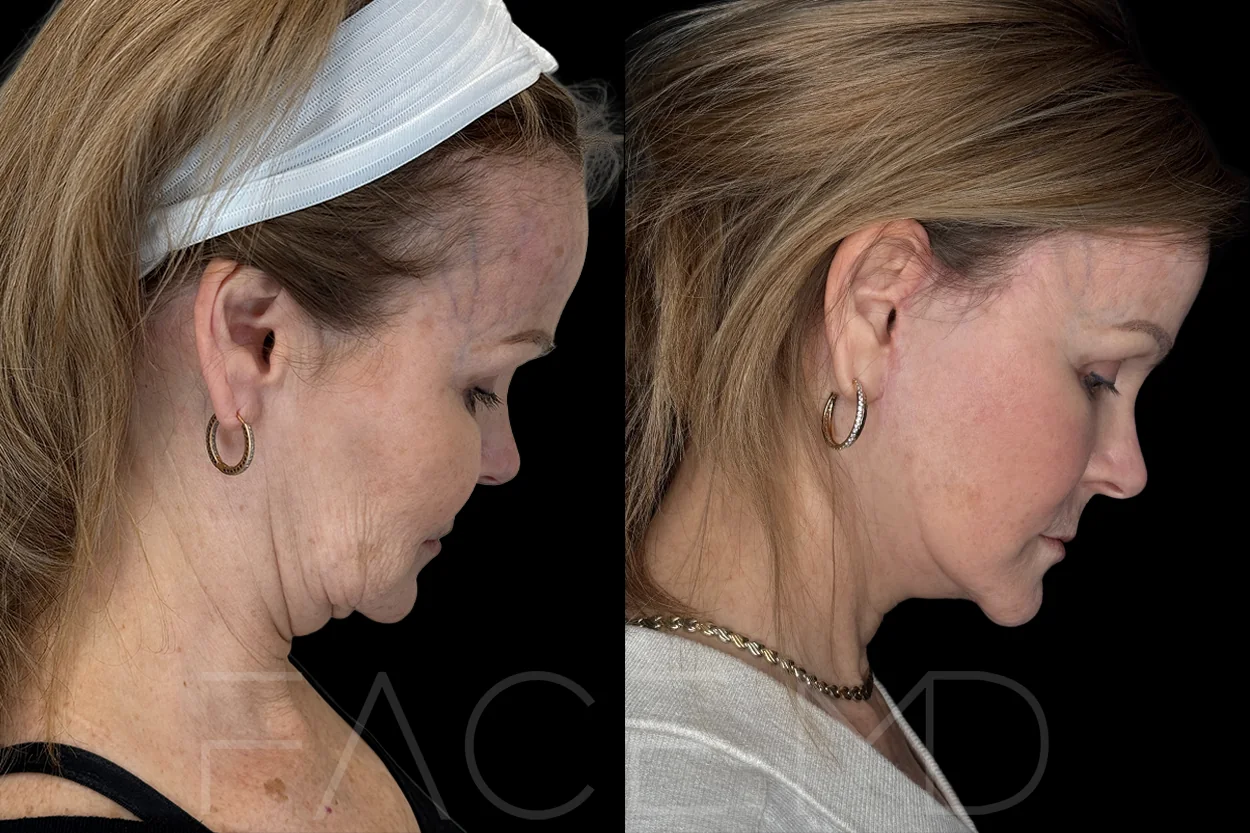
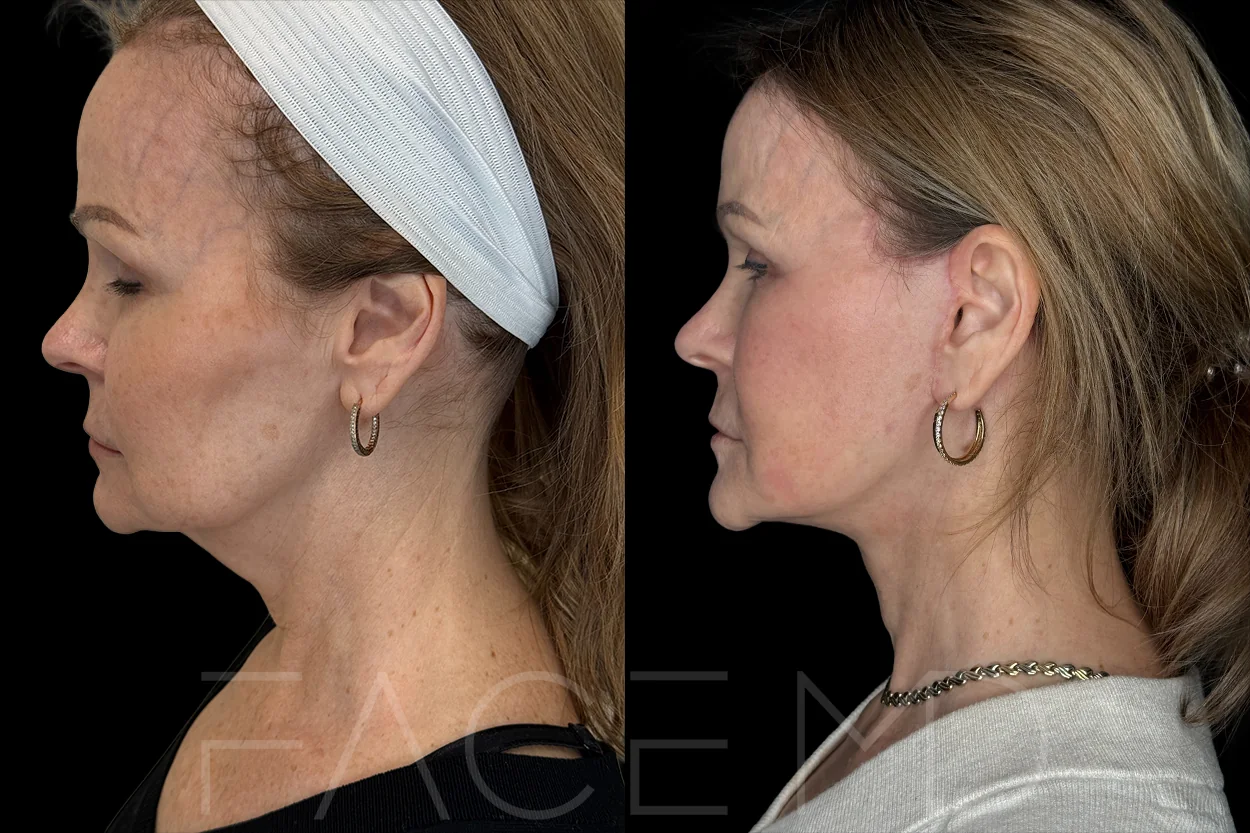
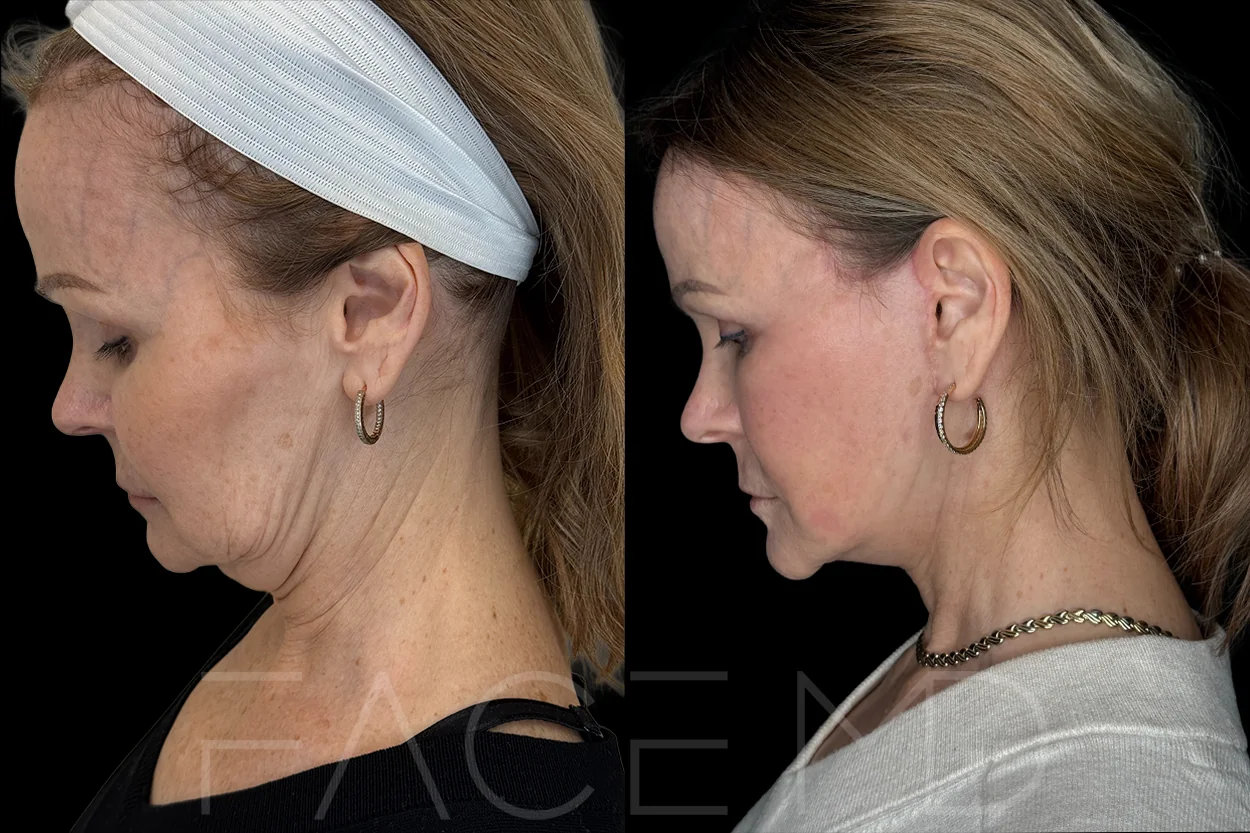
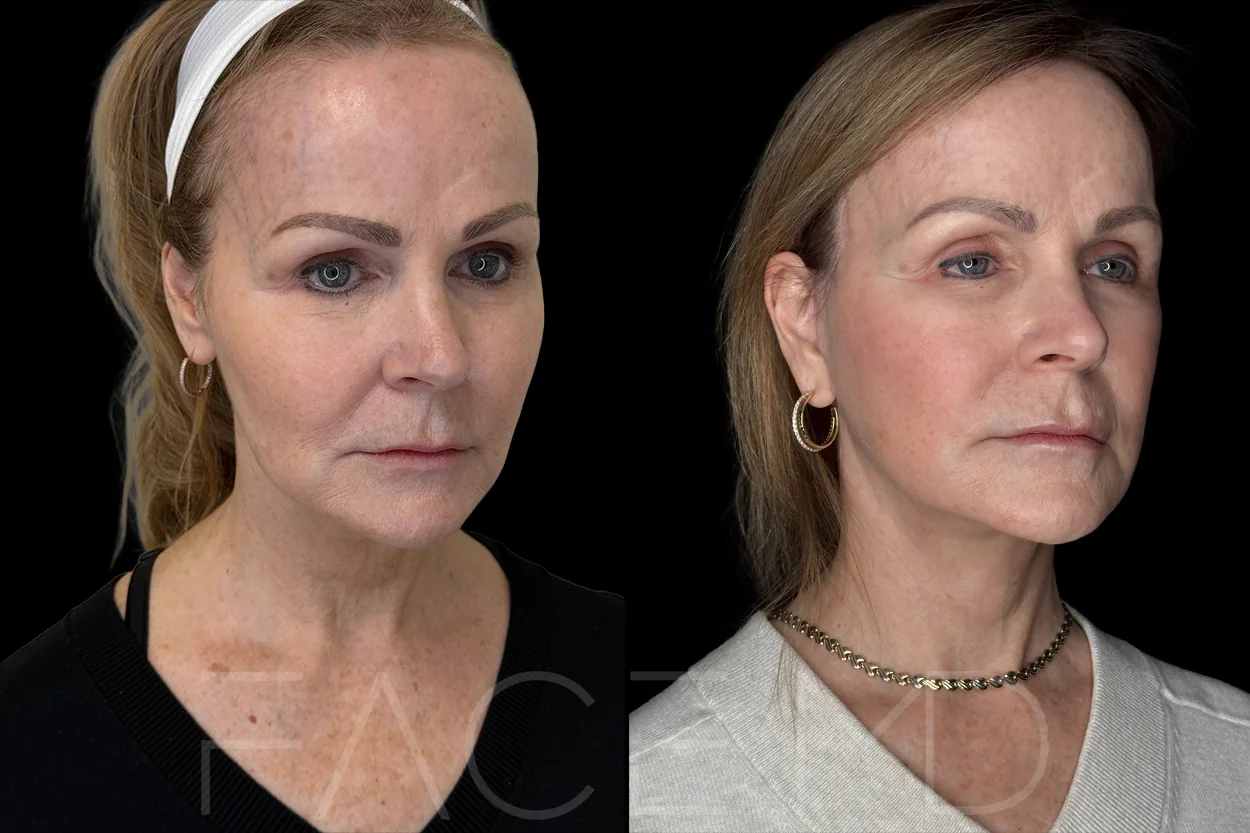
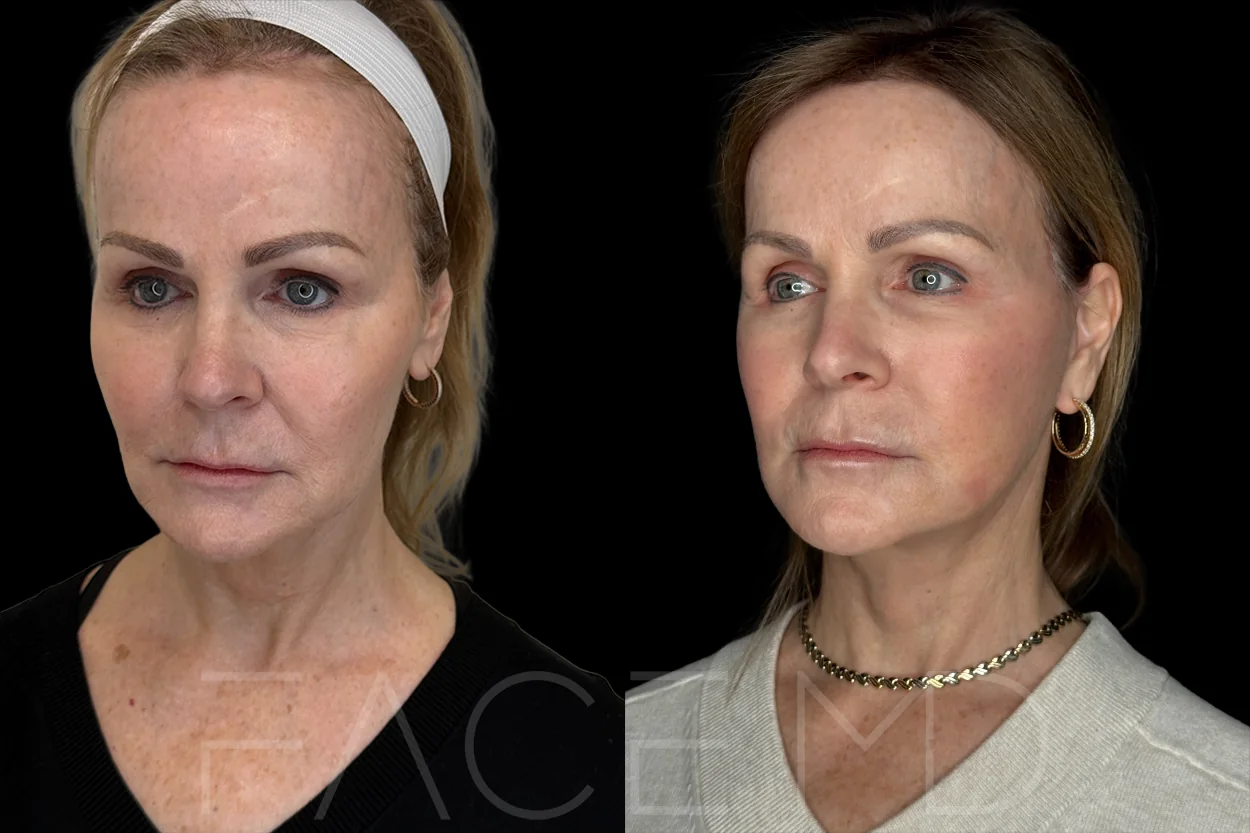
- 13 Months post-op Deep Plane Face & Neck Lift and Upper Blepharoplasty
- 23 Months post-op Deep Plane Face & Neck Lift and Upper Blepharoplasty
- 33 Months post-op Deep Plane Face & Neck Lift and Upper Blepharoplasty
- 43 Months post-op Deep Plane Face & Neck Lift and Upper Blepharoplasty
- 53 Months post-op Deep Plane Face & Neck Lift and Upper Blepharoplasty
- 63 Months post-op Deep Plane Face & Neck Lift and Upper Blepharoplasty
- 73 Months post-op Deep Plane Face & Neck Lift and Upper Blepharoplasty
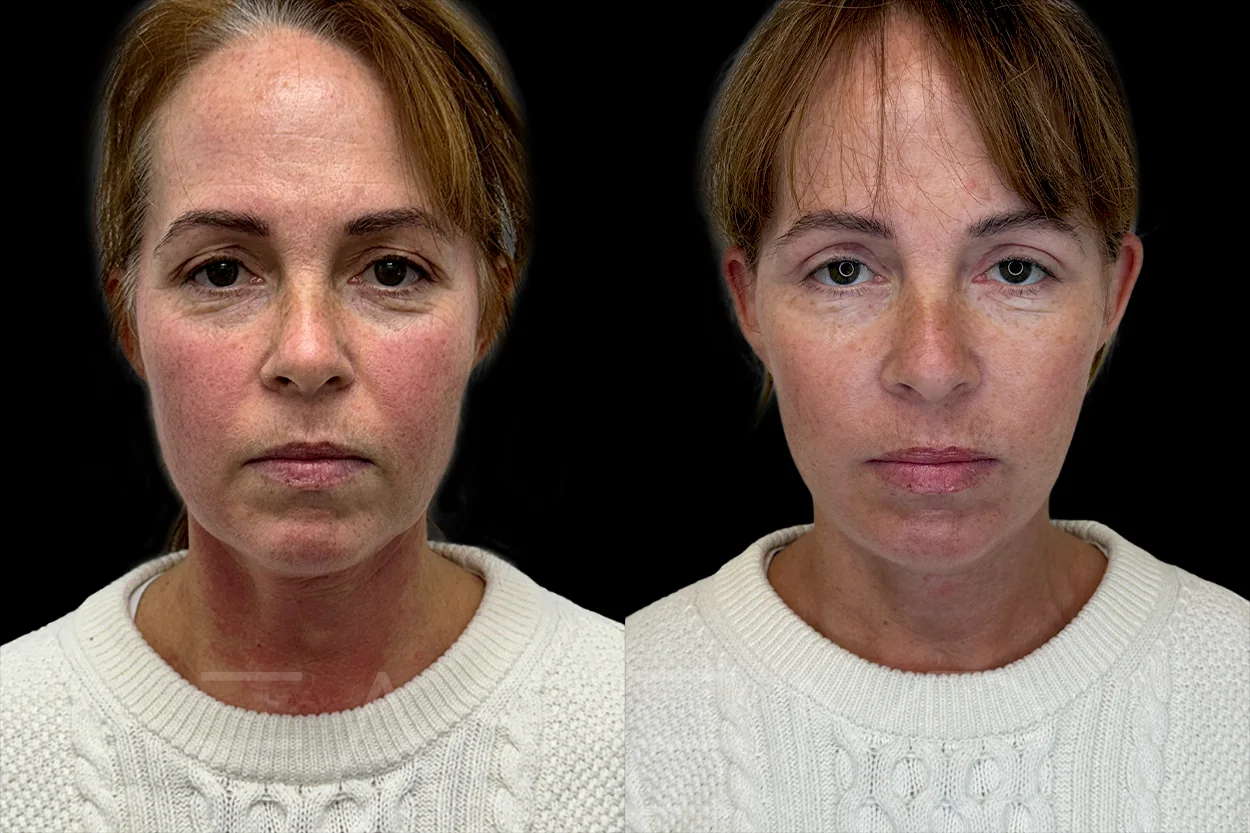
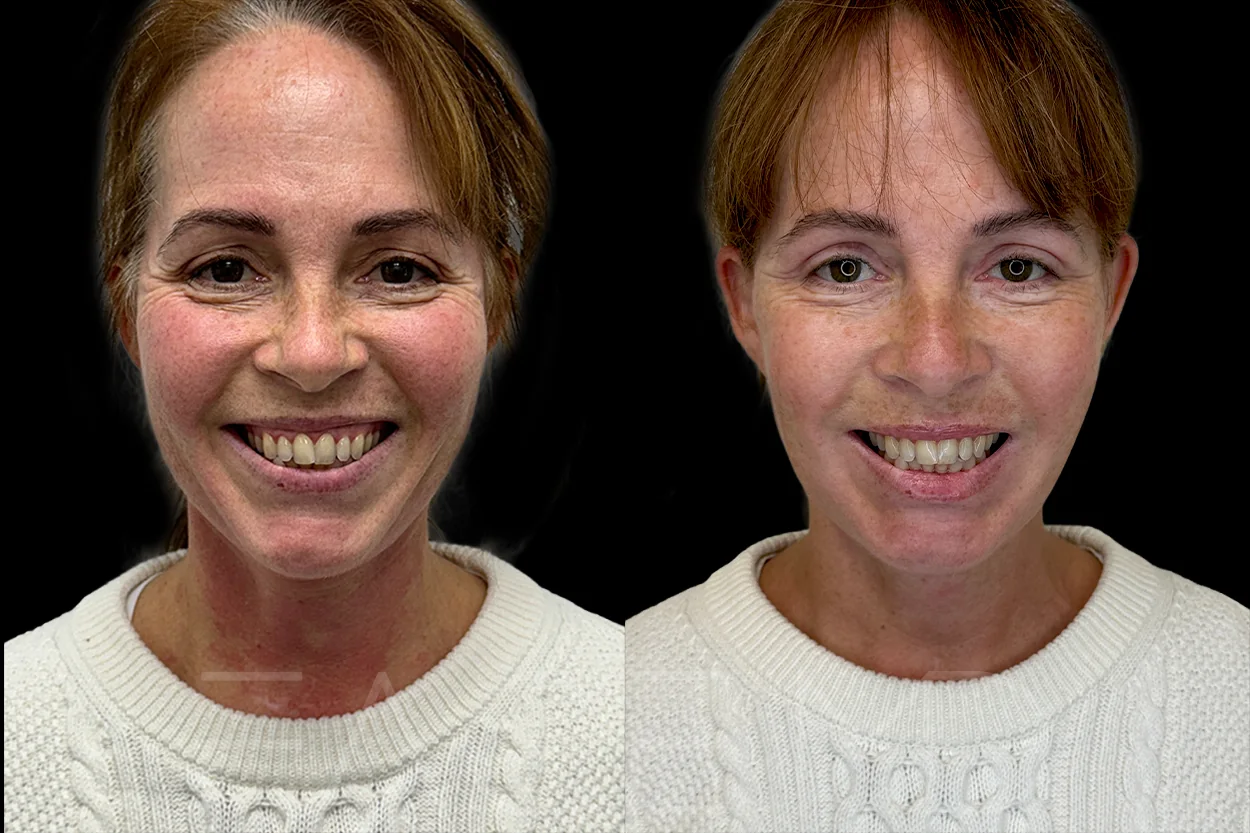
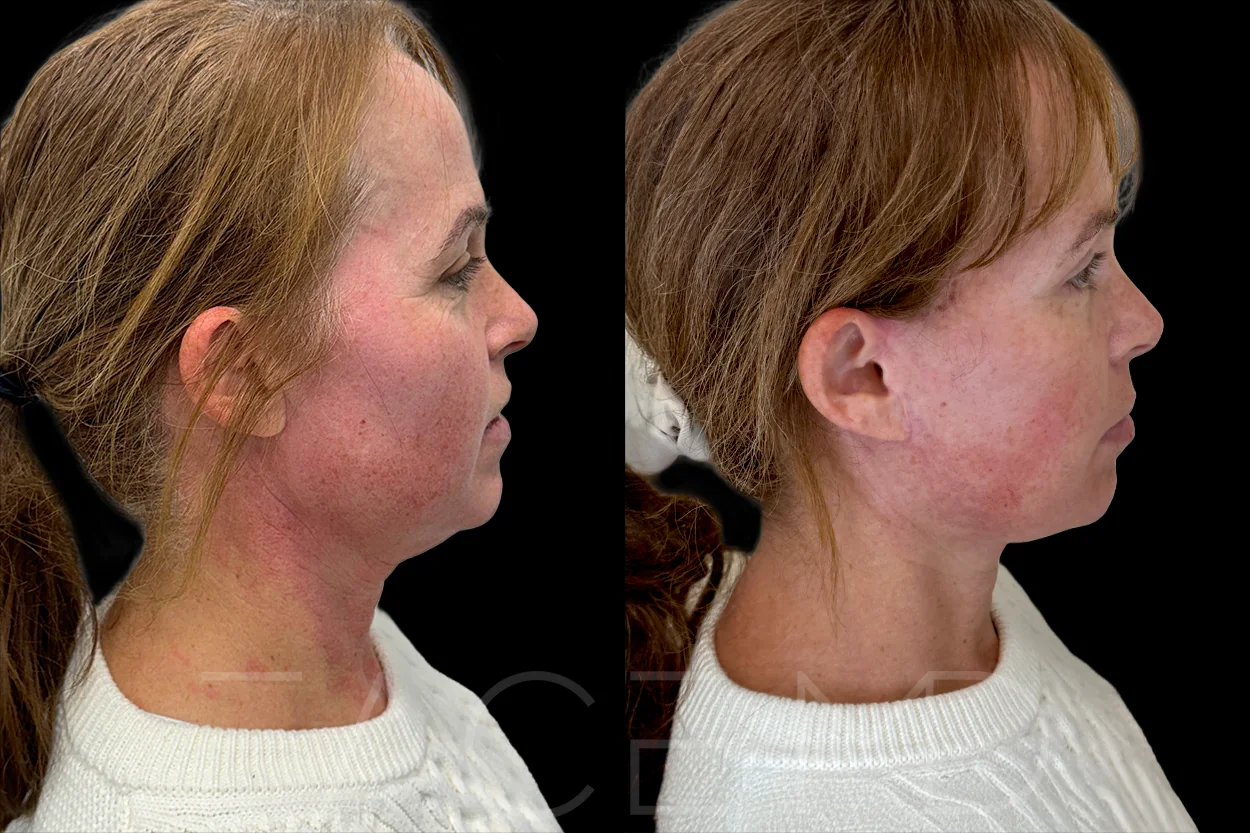
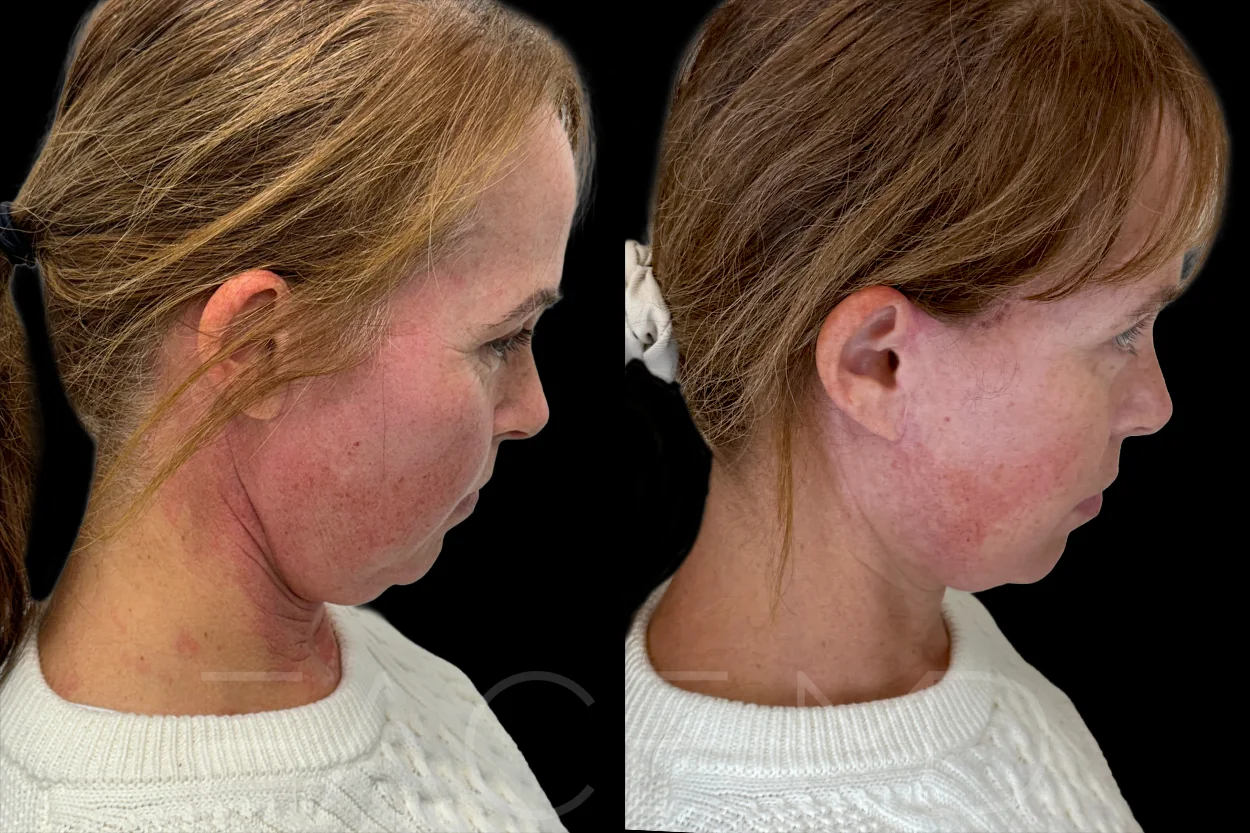
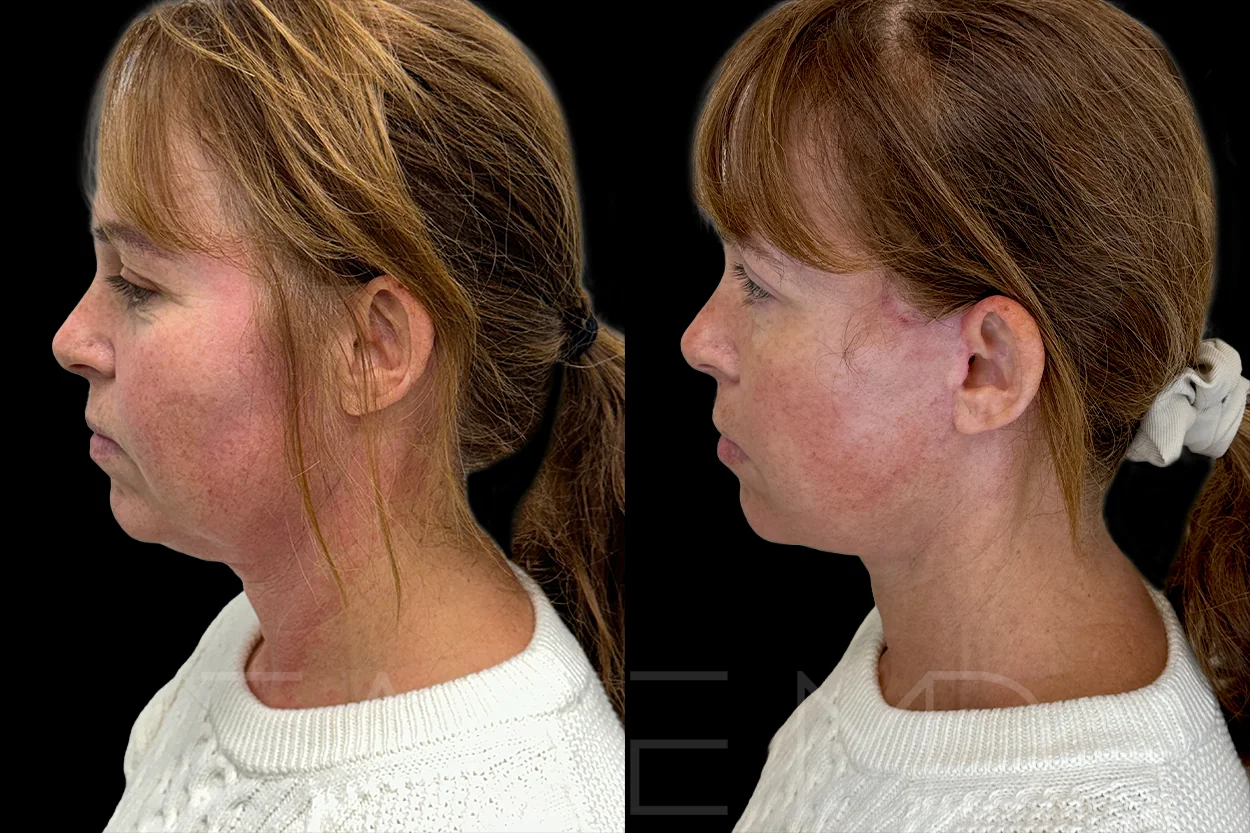
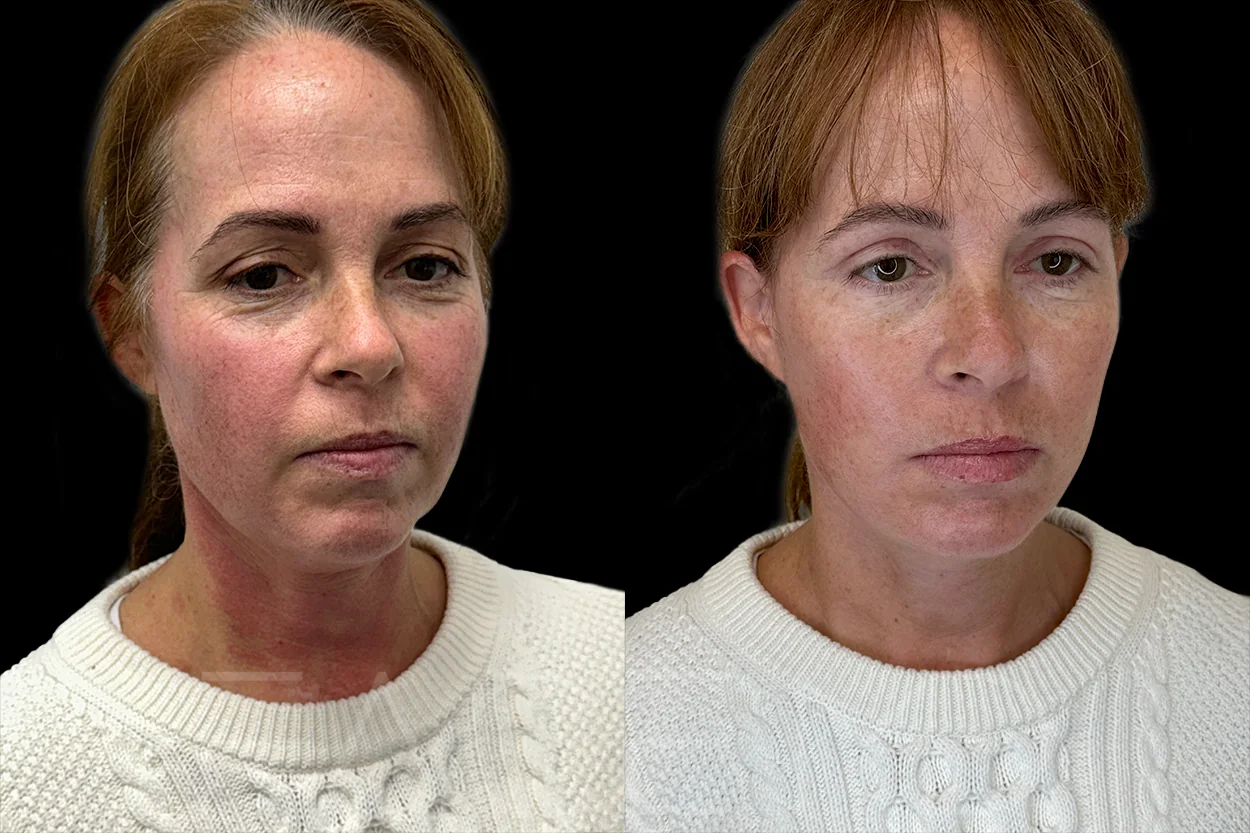
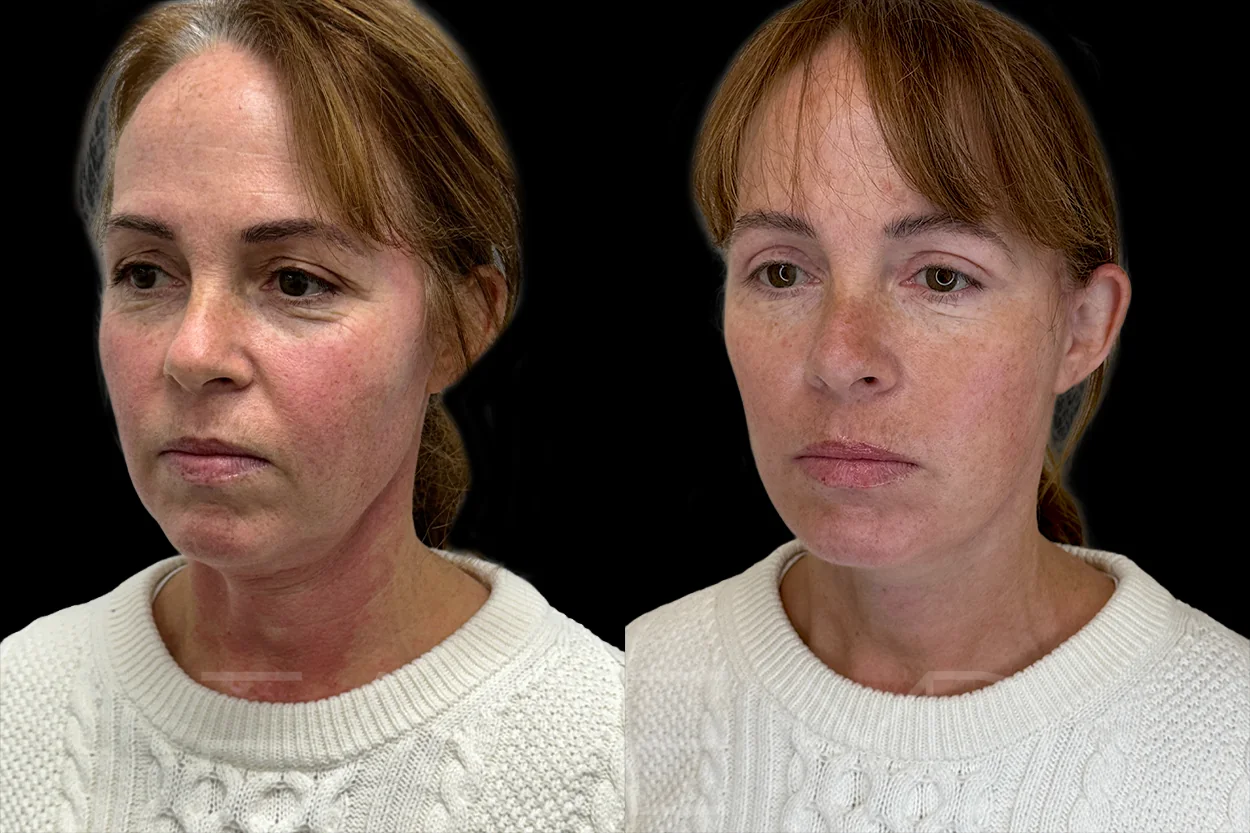
These examples are provided to help visualize the scope of possible results achievable through professional surgical treatment. Photos are published with the informed written consent of the patient. These are not a guarantee of results and are for educational purposes only.
The surgeons at Clinique Face MD
Surgical procedures are performed by head and neck surgeons (otolaryngology–head and neck surgery) practicing in facial plastic surgery at Clinique Face MD, members of the Collège des médecins du Québec and certified by the Royal College of Physicians and Surgeons of Canada.