
When patients consider surgical facial rejuvenation, such as a deep plane facelift, they are making a significant investment in their appearance, confidence, and long-term well-being. A key question during this decision is often: How long will the result last? Online content sometimes includes vague claims that a procedure can “turn back the clock” by a specific number of years. From a scientific and biological perspective, it is important to look beyond such statements. No surgical procedure can halt ongoing aging or freeze the human body in time. However, advanced structural surgery may change the baseline from which you continue to age. Understanding the tissue biology that influences long-term structural retention can help patients see why a deep plane facelift may represent a durable option that supports their facial architecture for many years.
In our practice, we aim to provide education grounded in honest science and anatomical reality. Long-term satisfaction generally depends on a procedure that ages gracefully with the patient, without necessarily requiring endless cycles of revision. This guide describes the cellular basis of deep plane longevity, expected changes over a ten-year period, and how surgery may reset the aesthetic baseline from which you continue to age.
Results vary and are not guaranteed; individual anatomy, lifestyle, and biology influence long-term outcomes.
Understanding a Baseline Reset
A common misconception is that a facelift “stops” aging or that the result simply “wears off” after a fixed number of years. In reality, surgery can act as a biological reset of the facial aging timeline, rather than a permanent halt to aging.
Consider a timeline where facial structures gradually descend over time. If a deep plane facelift is performed at age 50, the surgeon may release stretched retaining ligaments and elevate descended muscle and fat pads vertically, repositioning them closer to the coordinates they occupied at a younger age (for example, around 40). After healing is complete, normal aging continues, but it begins from this newly restored, more youthful baseline. Ten years later, at age 60, the face will still age naturally, but the patient may appear as a well-refreshed version of what they would have looked like at 60 without the procedure. The effect is not necessarily lost over time; it influences how the face ages in subsequent years. Individual trajectories vary.
Biology of Deep Plane Longevity: Fibrous Adhesion
The relatively strong long-term stability of a deep plane facelift, compared with some traditional skin-only or superficial SMAS plication techniques, is related to tissue biology and the way surgical healing occurs. Traditional approaches may rely more on pulling the skin envelope tight over a sagging deeper foundation, depending on skin elasticity to maintain the lift. Because skin naturally stretches over time, it may gradually lose tension under the weight of underlying fat and muscle, and signs such as jowls or neck laxity may reappear over several years.
The deep plane technique addresses this by working beneath the Superficial Muscular Aponeurotic System (SMAS). When the surgeon enters this deep plane, releases ligaments, and vertically repositions the muscle sheet, the tissues are secured with deep structural sutures. During post-operative healing, a process of fibrous adhesion occurs: the deep tissue planes heal together, forming a continuous internal matrix of scar tissue across the face. This internal adhesion can act as a long-lasting support system that anchors facial layers to the underlying bone. Because this internal adhesion is less prone to stretching than skin alone, lifted tissues may remain in their new position for an extended period and resist gravitational descent more effectively than some skin-tightening procedures. Individual healing and long-term stability vary.
The Ten-Year Trajectory: Aging After Surgery
Over the decade following a deep plane facelift, the face continues to undergo normal biological aging. While the structural positioning of muscles and deep fat pads may remain supported by the deep plane adhesion, changes still occur in the superficial layers.
The body continues its natural annual decline in dermal hyaluronic acid, collagen, and elastin production, which can lead to gradual thinning of the skin and the appearance of fine surface lines. Systemic changes such as bone resorption in the jaw and a slow loss of deep volume in the temples and around the mouth also proceed according to genetic and lifestyle factors. However, because the main structural architecture—jawline, cheek apex, and neck contour—may remain elevated and defined, these superficial changes often appear as a softer, more natural, age-appropriate evolution rather than pronounced sagging. This can help support an elegant, graceful aging process. Individual outcomes vary.
Supporting Long-Term Skin Quality
To support the longevity of the structural improvement and maintain skin quality over the years following surgery, many patients consider a targeted non-surgical maintenance plan. While surgery addresses underlying architecture, non-surgical therapies may help preserve the surface envelope:
- Dermal Densification: Periodic use of micro-injected skin boosters or autologous Platelet-Rich Plasma (PRP) treatments, typically every 6–12 months, may help stimulate fibroblasts and support skin thickness and elasticity.
- Dynamic Modulation: Preventive, low-dose neuromodulators may help relax hyperactive facial muscles, reducing the risk that repeated movements create deep static lines over time.
- Surface Refinement: Occasional medical-grade laser resurfacing or chemical peels may help remove damaged surface cells and irregular pigment, supporting a smoother, more luminous skin envelope.
These options are individualized and not required for every patient; recommendations depend on anatomy, goals, and overall health.
Commitment to Surgical Integrity and Realistic Expectations
Choosing a deep plane facelift is a significant decision that can influence the aesthetic foundation for many years. Surgical excellence aims to deliver results that do not fade prematurely or distort natural features over time. By working within the deep tissue layers and relying on the biology of fibrous adhesion, we aim to offer patients a high standard of aesthetic stability, with results that remain soft, natural, and balanced for a decade and beyond. Individual trajectories vary, and no specific outcome can be guaranteed.
During an initial consultation, we will perform a detailed, layer-by-layer analysis of your facial anatomy, discuss how your tissues may evolve over time, and help design a long-term strategy to support your structural investment. We are here to partner with you on a journey toward lasting, authentic confidence.
MEDICAL DISCLAIMER: The information provided in this article is for educational purposes only and is not a substitute for professional medical advice, diagnosis, or treatment from a qualified healthcare practitioner. Results vary and are not guaranteed. Always seek the advice of a physician or other qualified health provider with any questions you may have regarding a medical condition or procedure.To schedule a comprehensive anatomical consultation and discuss a long-term facial rejuvenation strategy,
book your consultation today.
Visualizing Results: Before and After Gallery
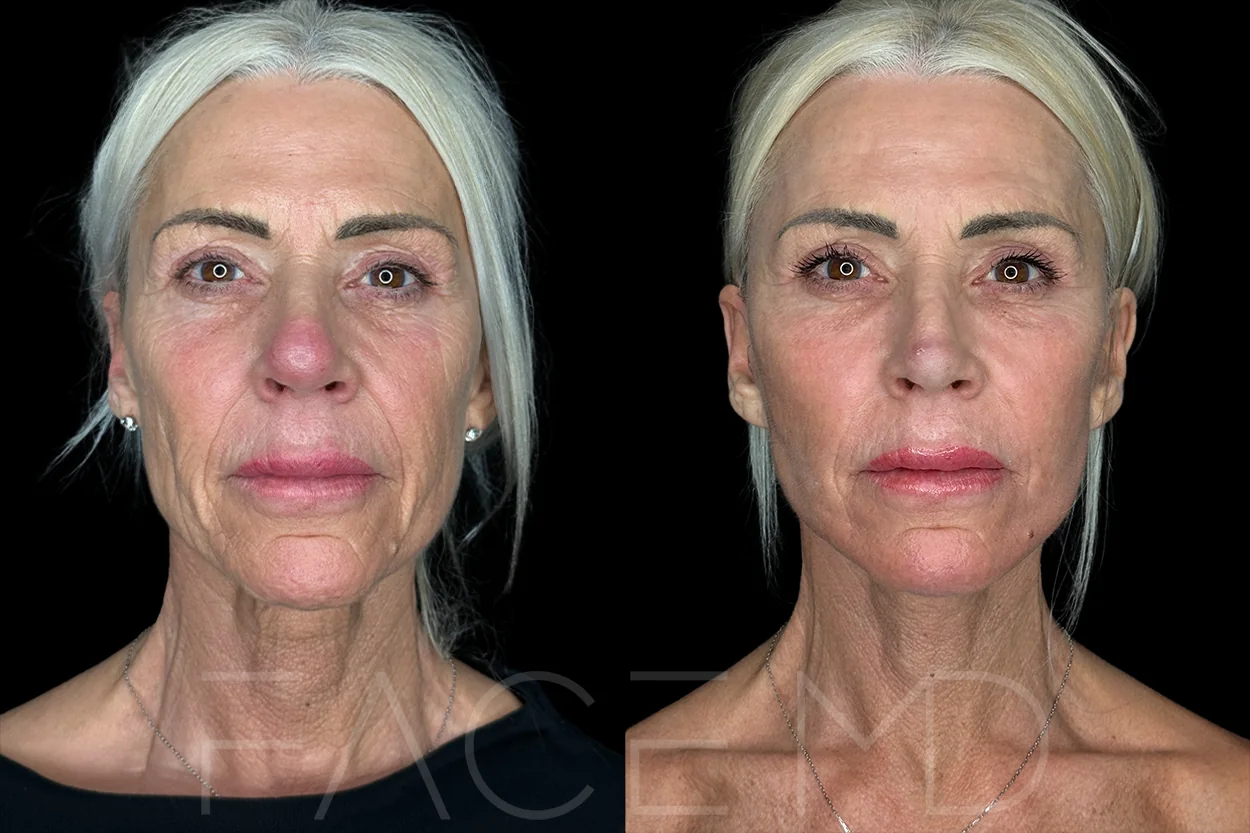
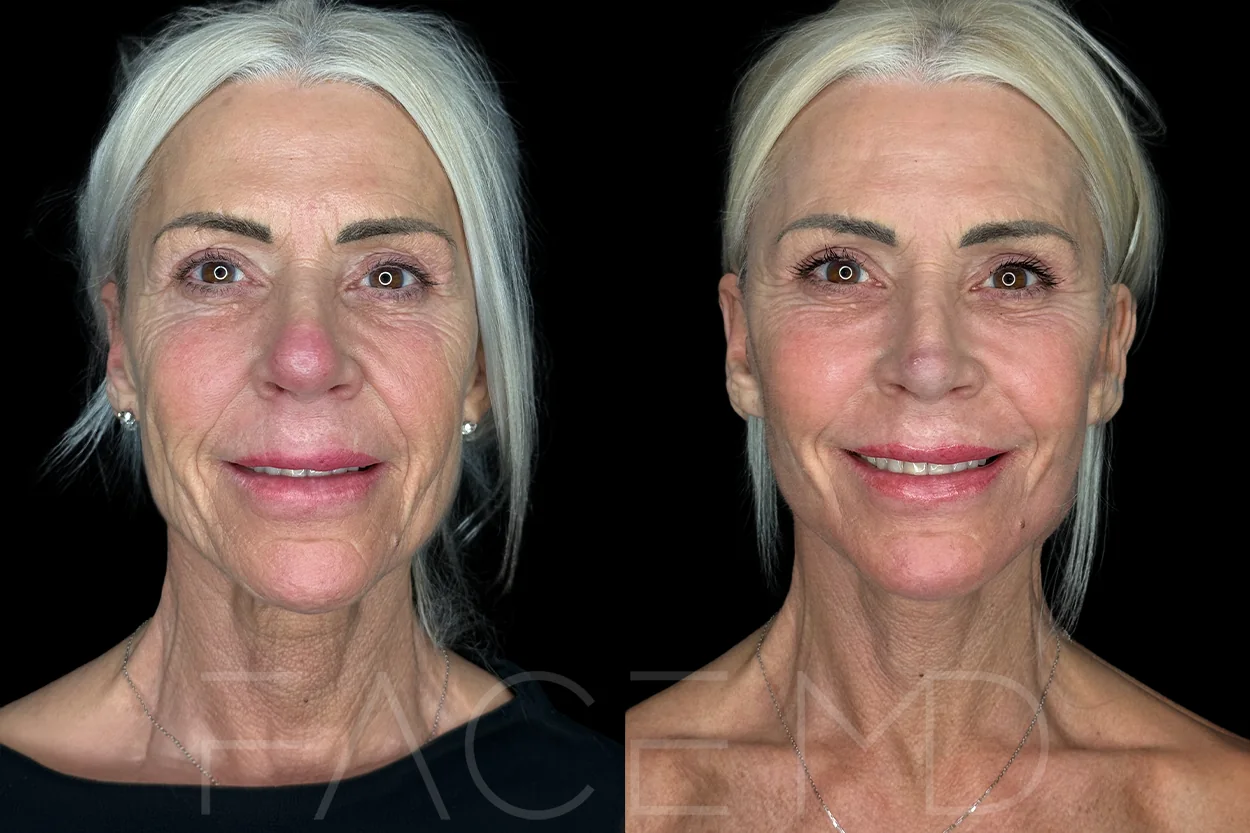
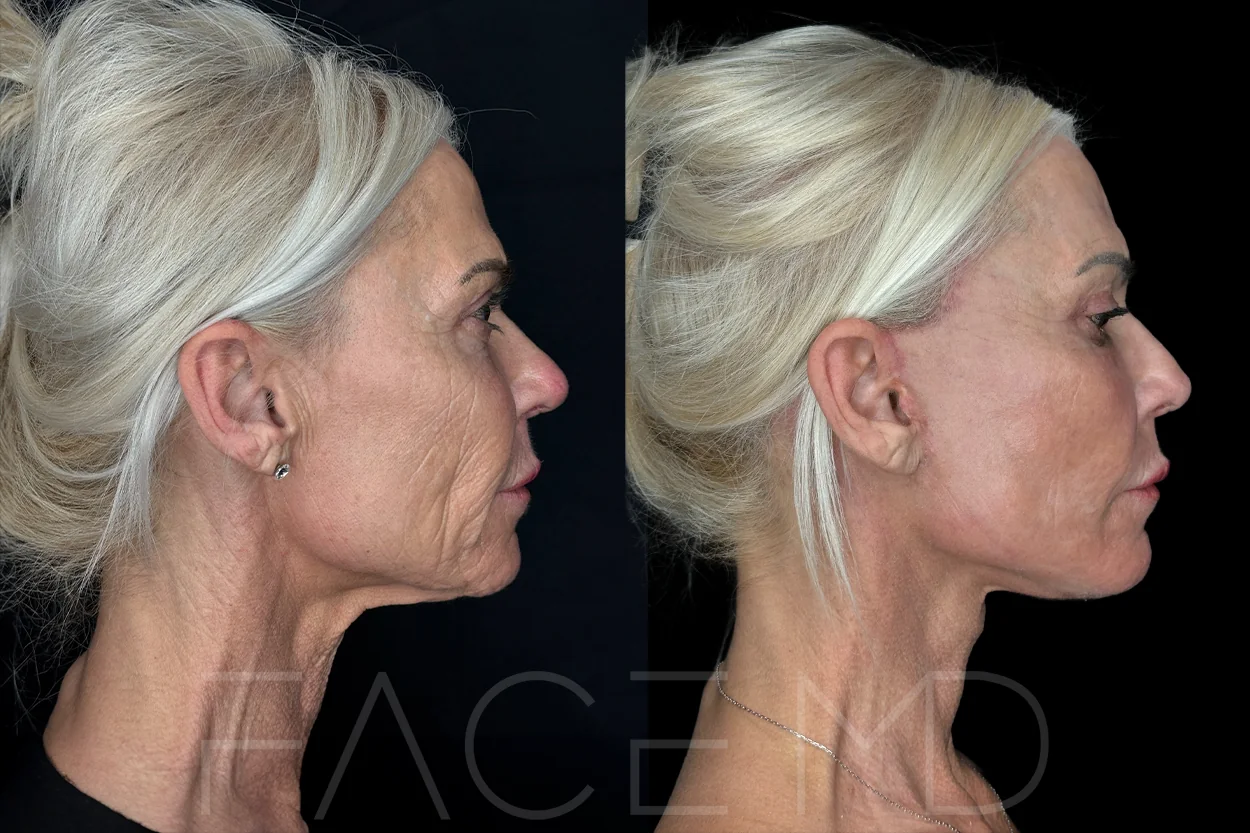
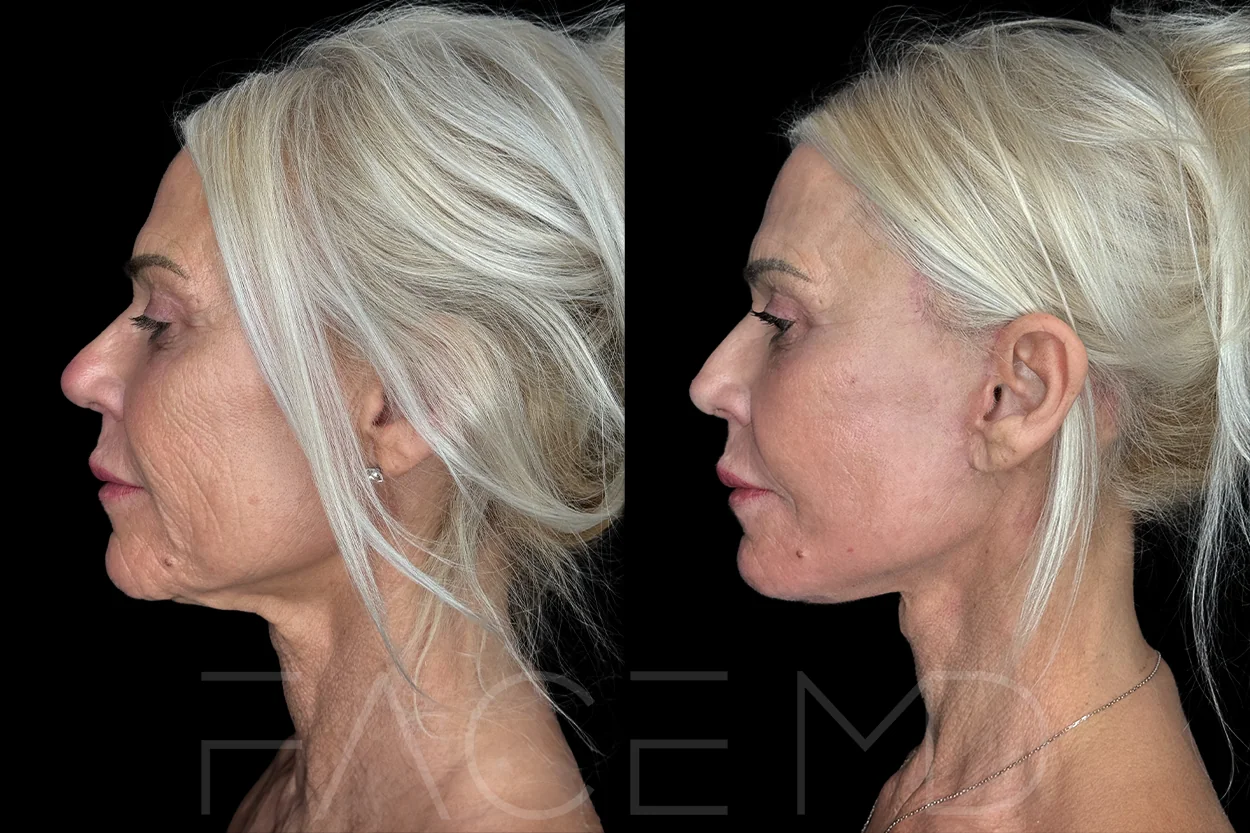
To demonstrate the transformative potential of deep-plane techniques, please refer to the gallery below showcasing patient outcomes:
←- 12 Months post-op Deep Plane Face & Neck Lift with Fat Transfer and Full Face CO2 Laser
- 22 Months post-op Deep Plane Face & Neck Lift with Fat Transfer and Full Face CO2 Laser
- 52 Months post-op Deep Plane Face & Neck Lift with Fat Transfer and Full Face CO2 Laser
- 72 Months post-op Deep Plane Face & Neck Lift with Fat Transfer and Full Face CO2 Laser
- 32 Months post-op Deep Plane Face & Neck Lift with Fat Transfer and Full Face CO2 Laser
- 42 Months post-op Deep Plane Face & Neck Lift with Fat Transfer and Full Face CO2 Laser
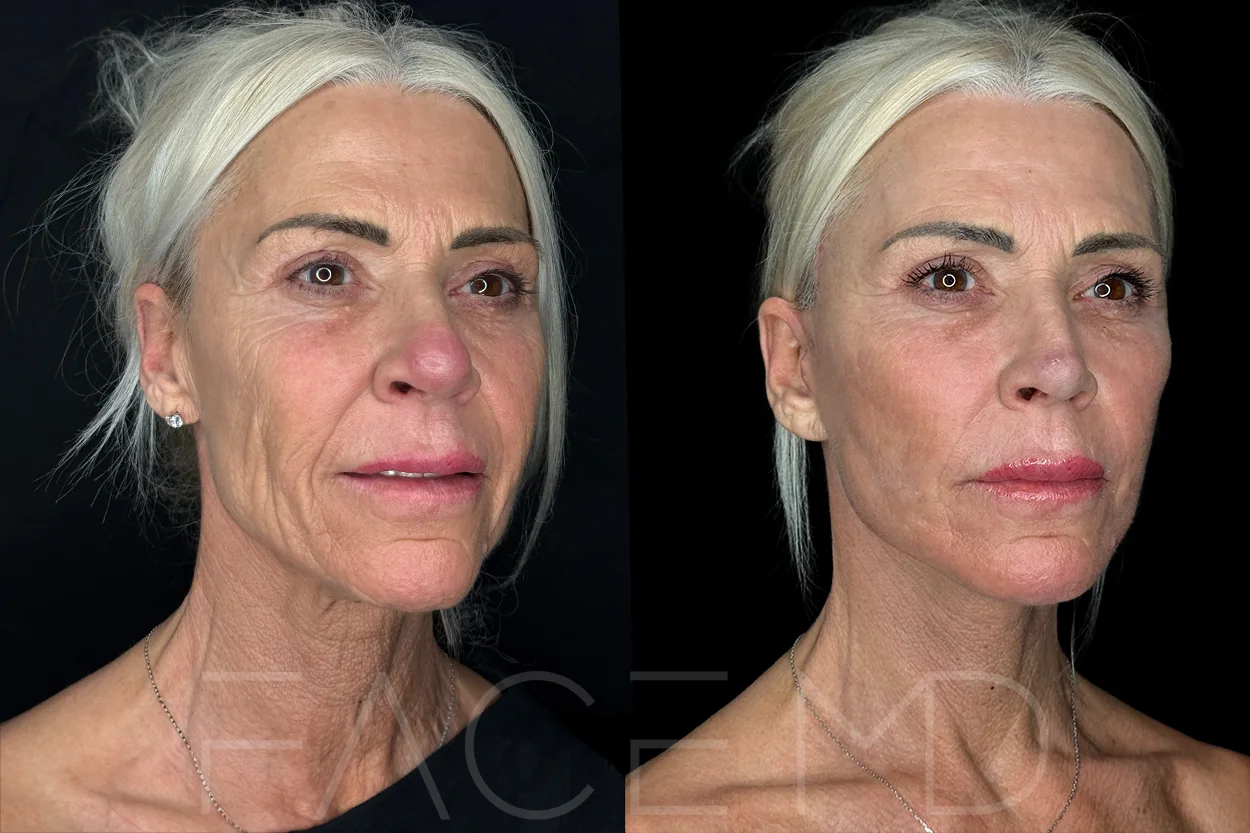
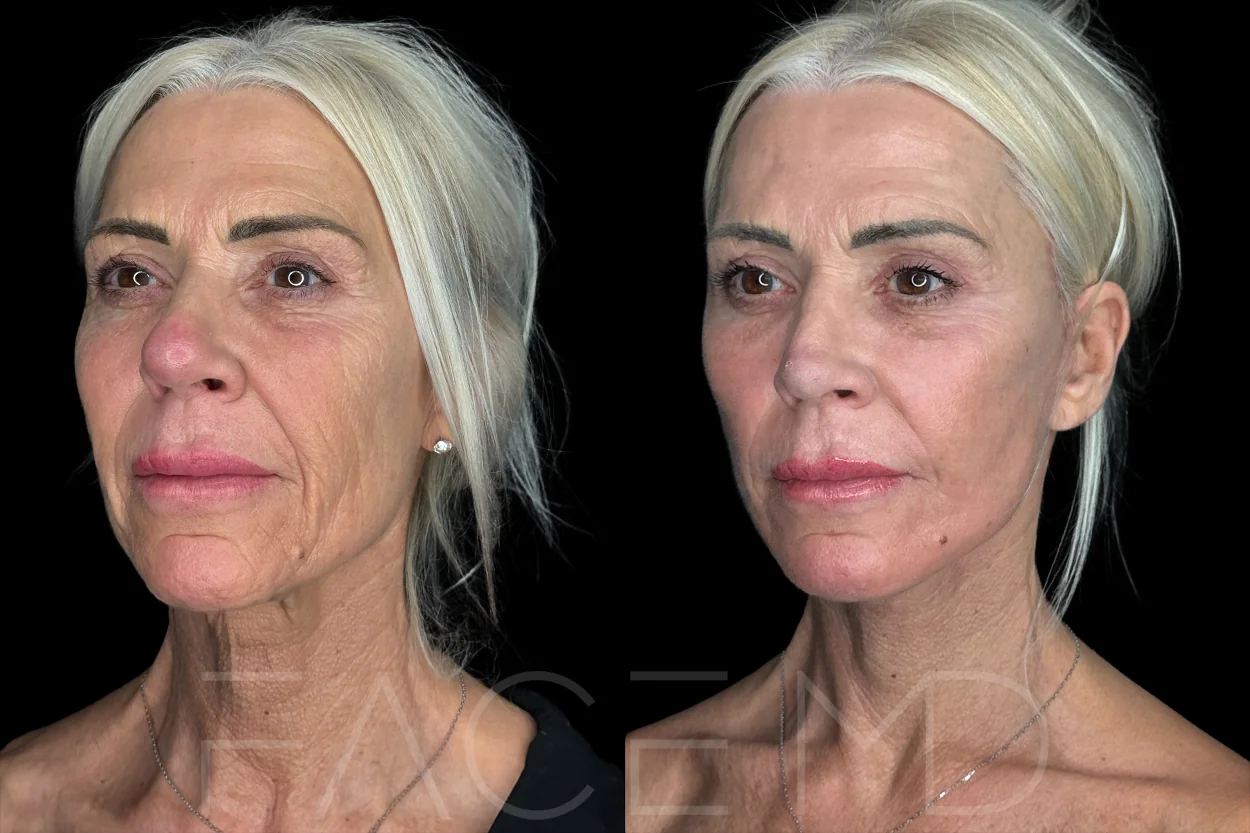
- 12 Months post-op Deep Plane Face & Neck Lift with Endoscopic Brow Lift
- 82 Months post-op Deep Plane Face & Neck Lift with Endoscopic Brow Lift
- 22 Months post-op Deep Plane Face & Neck Lift with Brow Lift
- 32 Months post-op Deep Plane Face & Neck Lift with Endoscopic Brow Lift
- 42 Months post-op Deep Plane Face & Neck Lift with Endoscopic Brow Lift
- 52 Months post-op Deep Plane Face & Neck Lift with Endoscopic Brow Lift
- 62 Months post-op Deep Plane Face & Neck Lift with Endoscopic Brow Lift
- 72 Months post-op Deep Plane Face & Neck Lift with Endoscopic Brow Lift
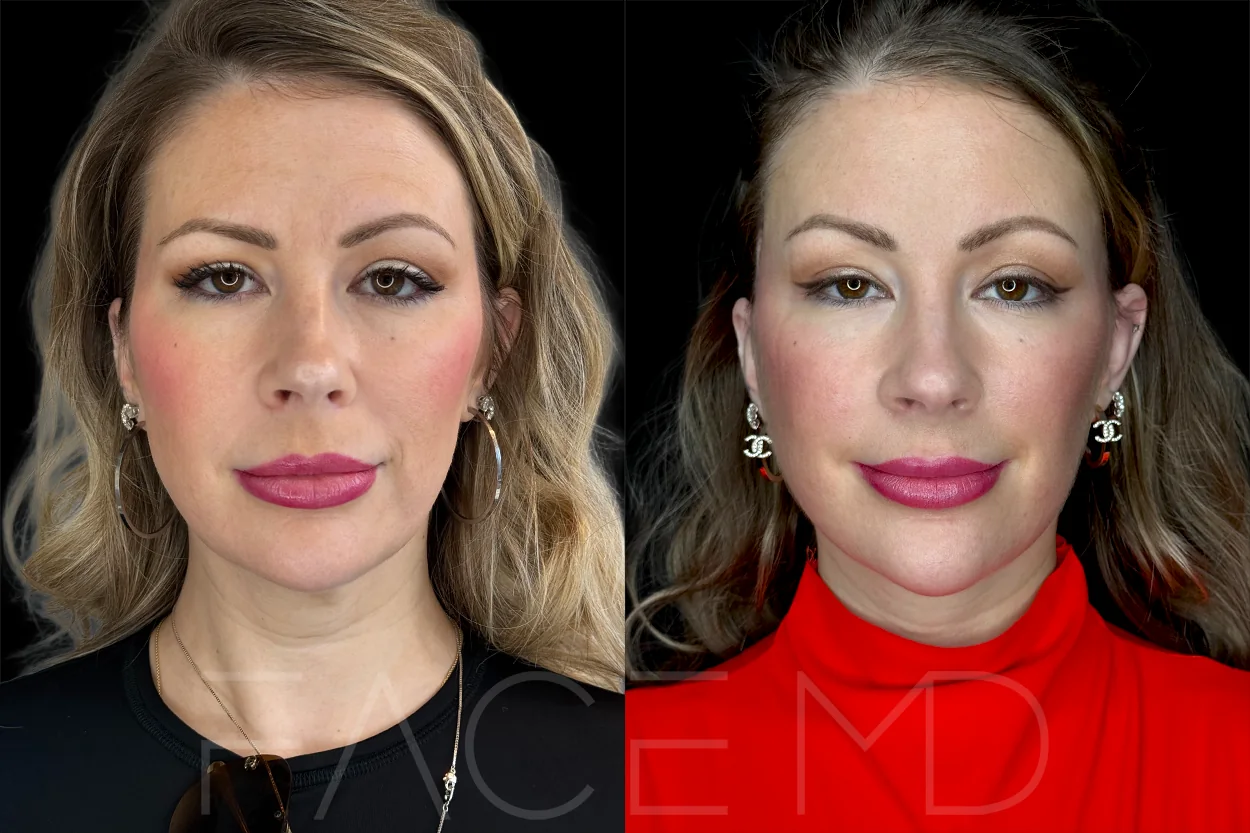
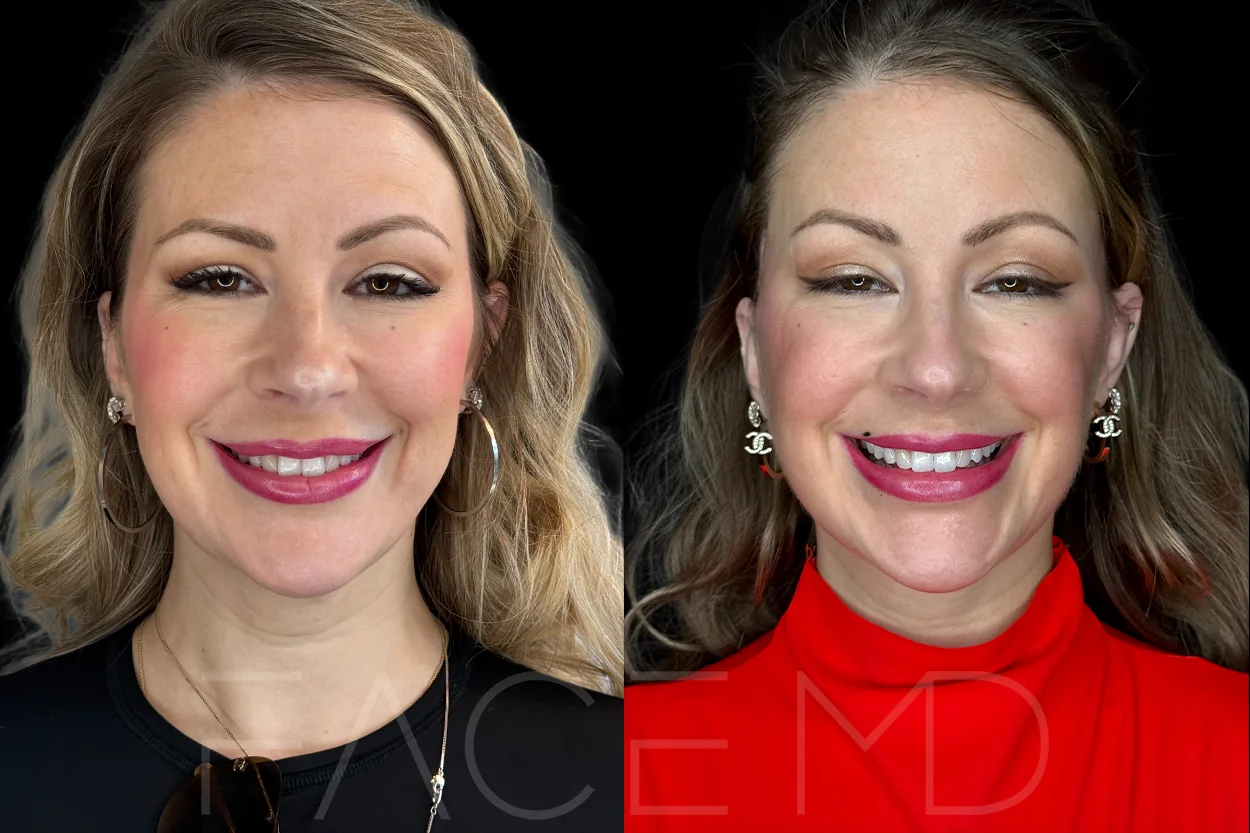
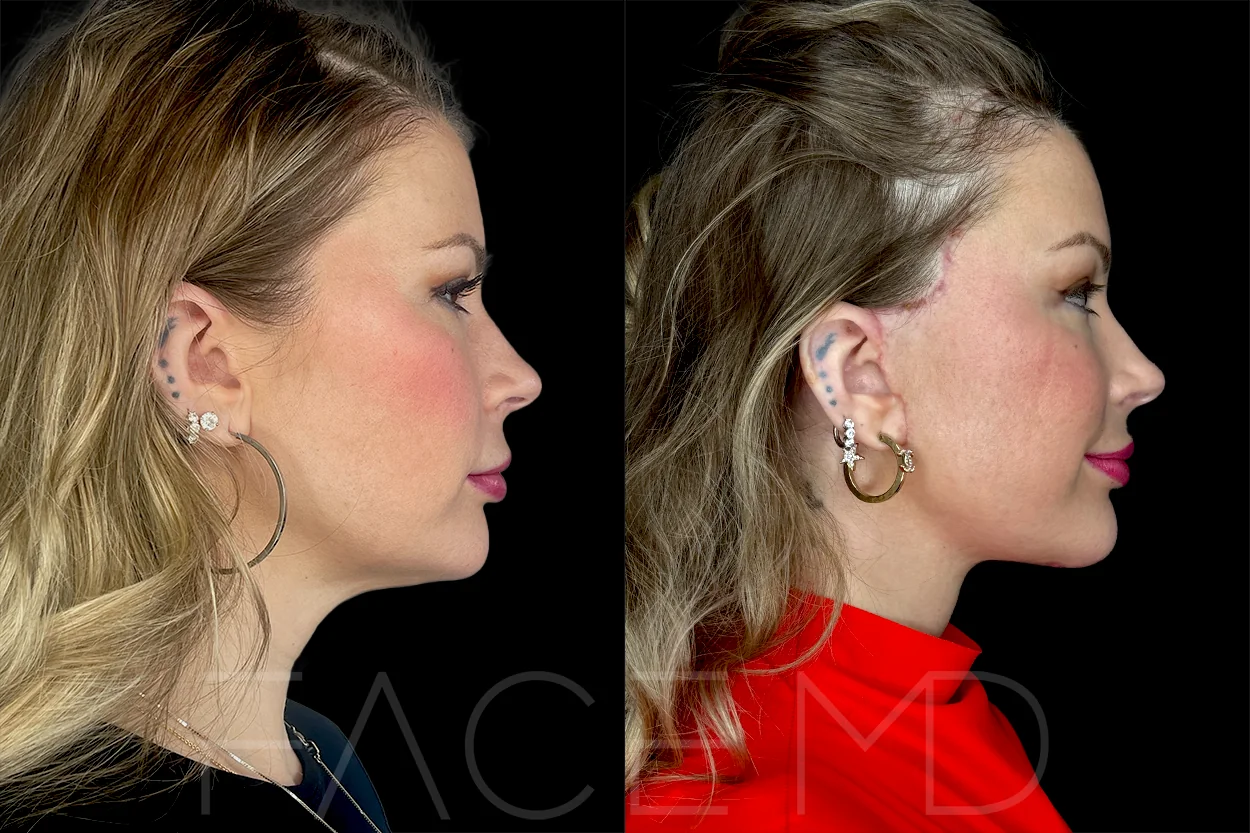
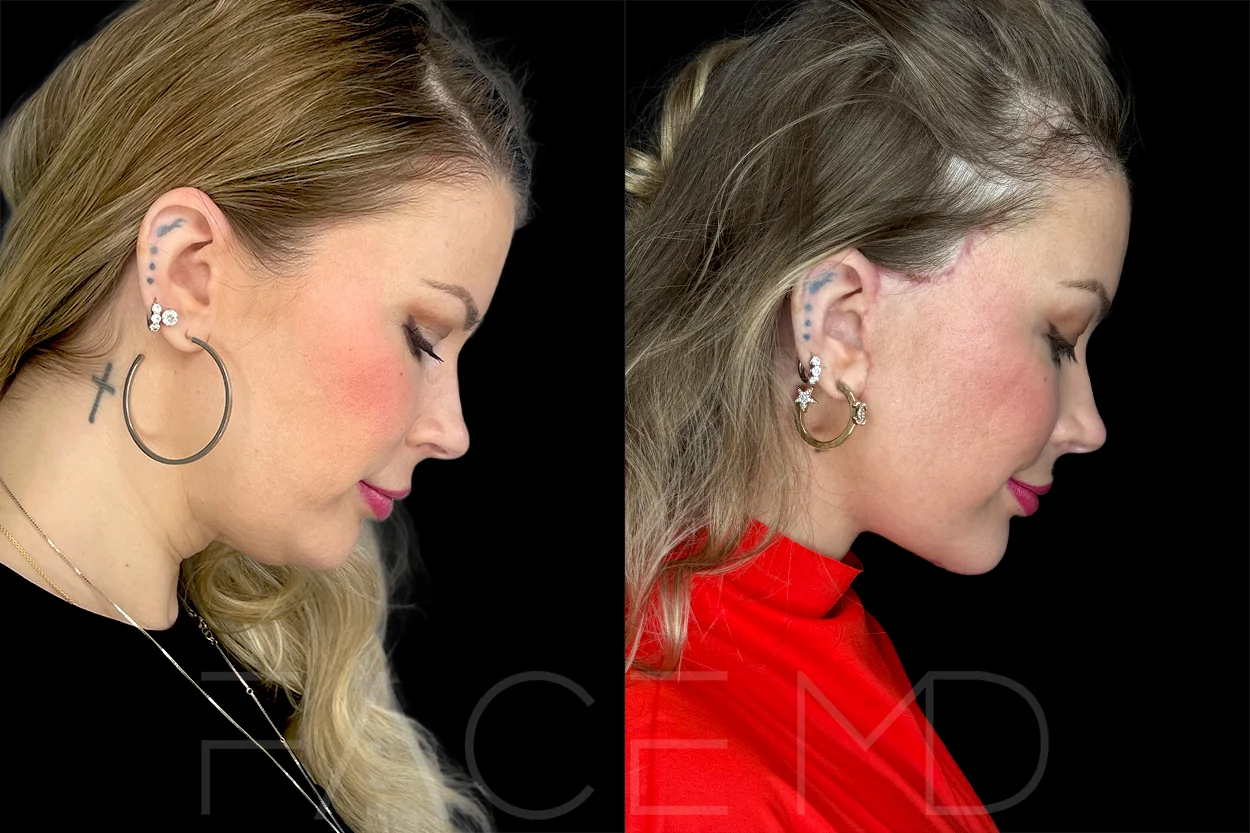
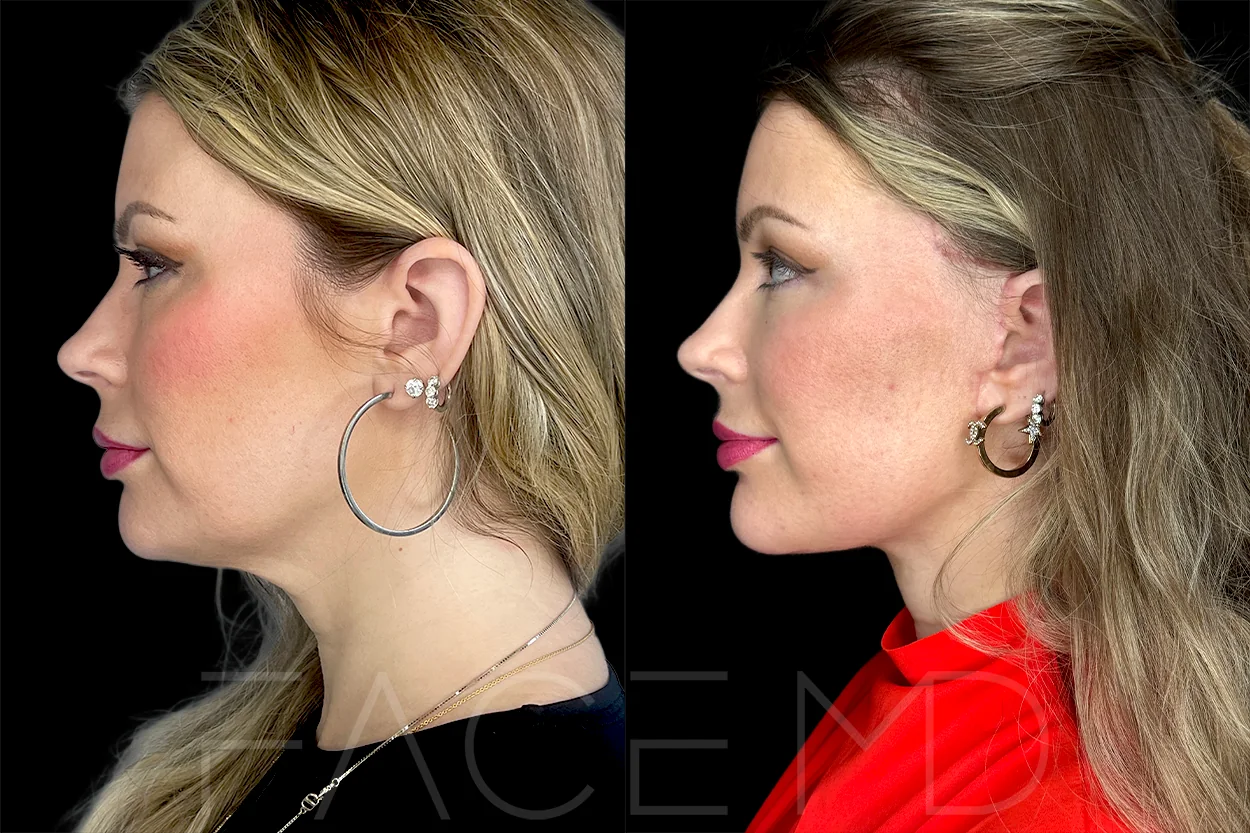
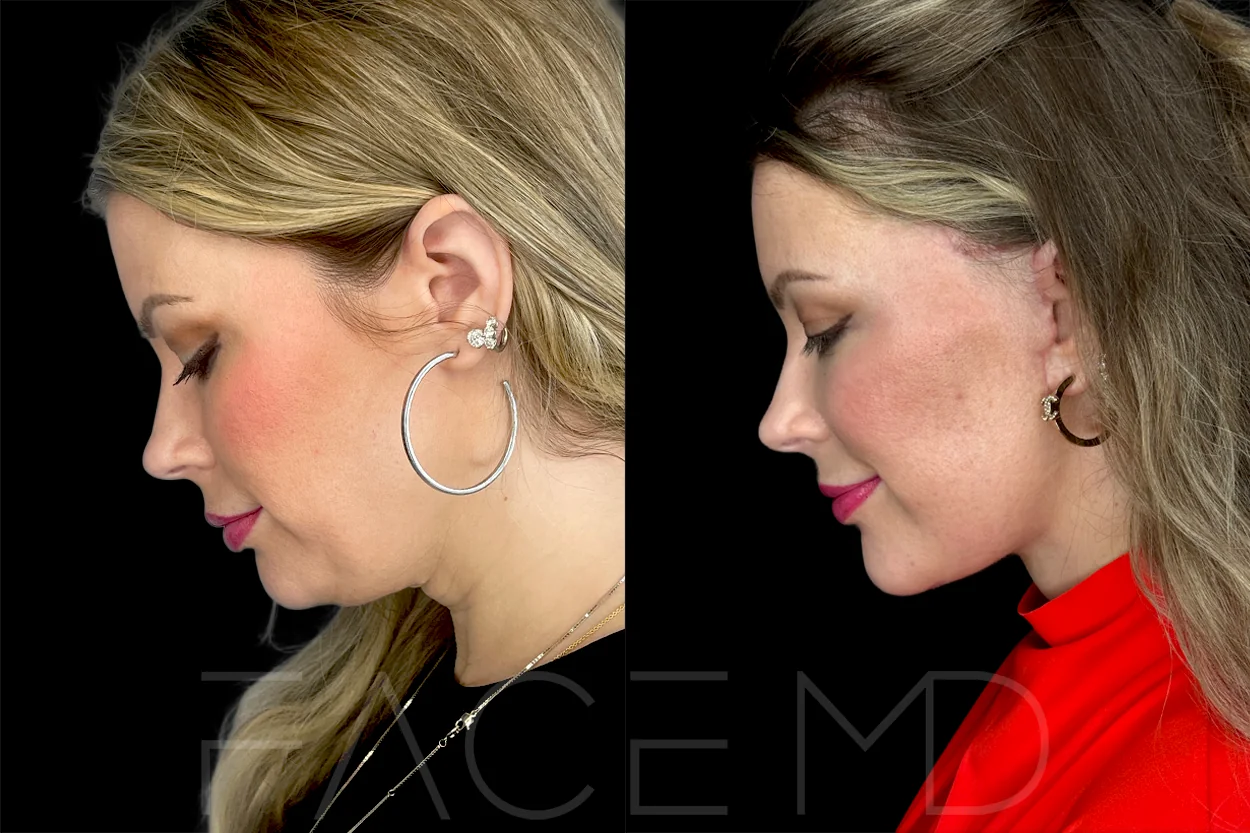
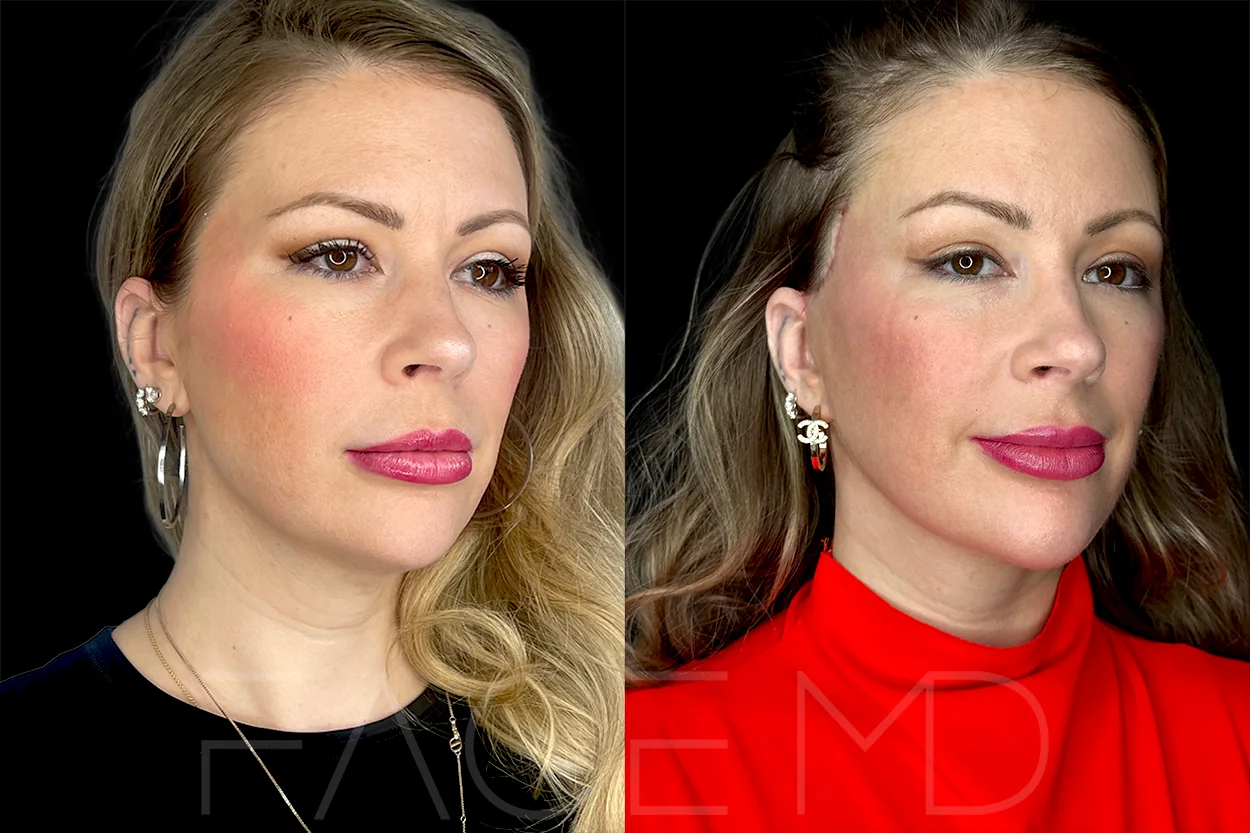
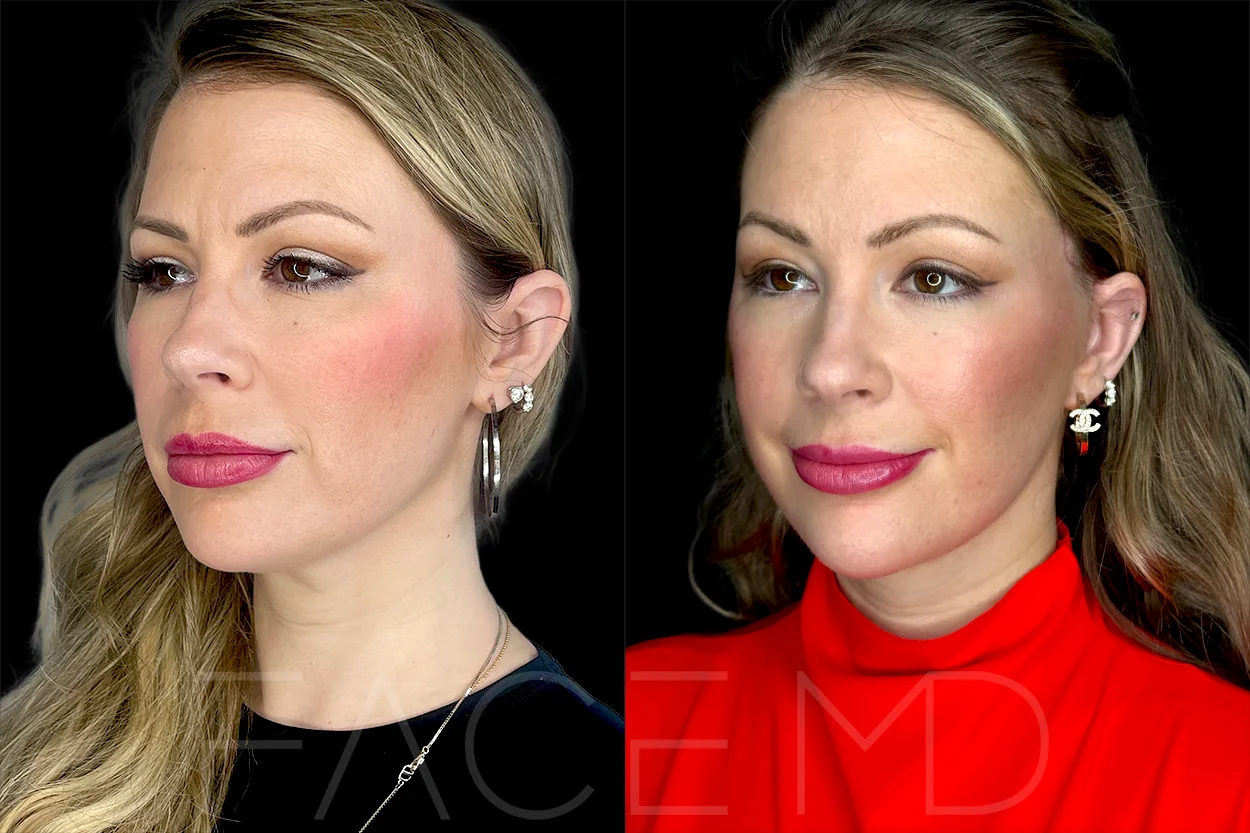
- 19.5 Months post-op Deep Plane Face & Neck Lift, Chin Implant and Forehead Reduction, and 6.5 Months post-op Upper Lip Lift and Upper Blepharoplasty
- 29.5 Months post-op Deep Plane Face & Neck Lift, Chin Implant and Forehead Reduction, and 6.5 Months post-op Upper Lip Lift and Upper Blepharoplasty
- 39.5 Months post-op Deep Plane Face & Neck Lift, Chin Implant and Forehead Reduction, and 6.5 Months post-op Upper Lip Lift and Upper Blepharoplasty
- 49.5 Months post-op Deep Plane Face & Neck Lift, Chin Implant and Forehead Reduction, and 6.5 Months post-op Upper Lip Lift and Upper Blepharoplasty
- 59.5 Months post-op Deep Plane Face & Neck Lift, Chin Implant and Forehead Reduction, and 6.5 Months post-op Upper Lip Lift and Upper Blepharoplasty
- 69.5 Months post-op Deep Plane Face & Neck Lift, Chin Implant and Forehead Reduction, and 6.5 Months post-op Upper Lip Lift and Upper Blepharoplasty
- 79.5 Months post-op Deep Plane Face & Neck Lift, Chin Implant and Forehead Reduction, and 6.5 Months post-op Upper Lip Lift and Upper Blepharoplasty
- 89.5 Months post-op Deep Plane Face & Neck Lift, Chin Implant and Forehead Reduction, and 6.5 Months post-op Upper Lip Lift and Upper Blepharoplasty
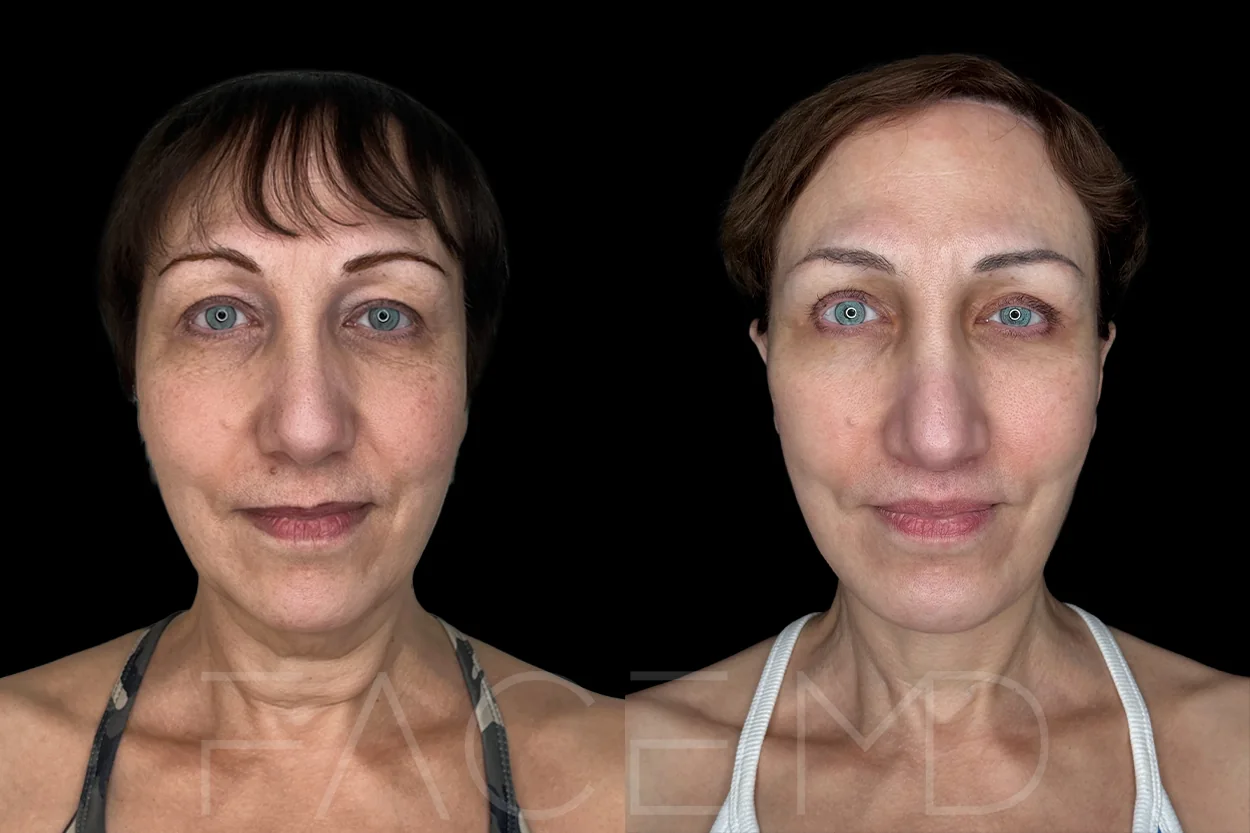
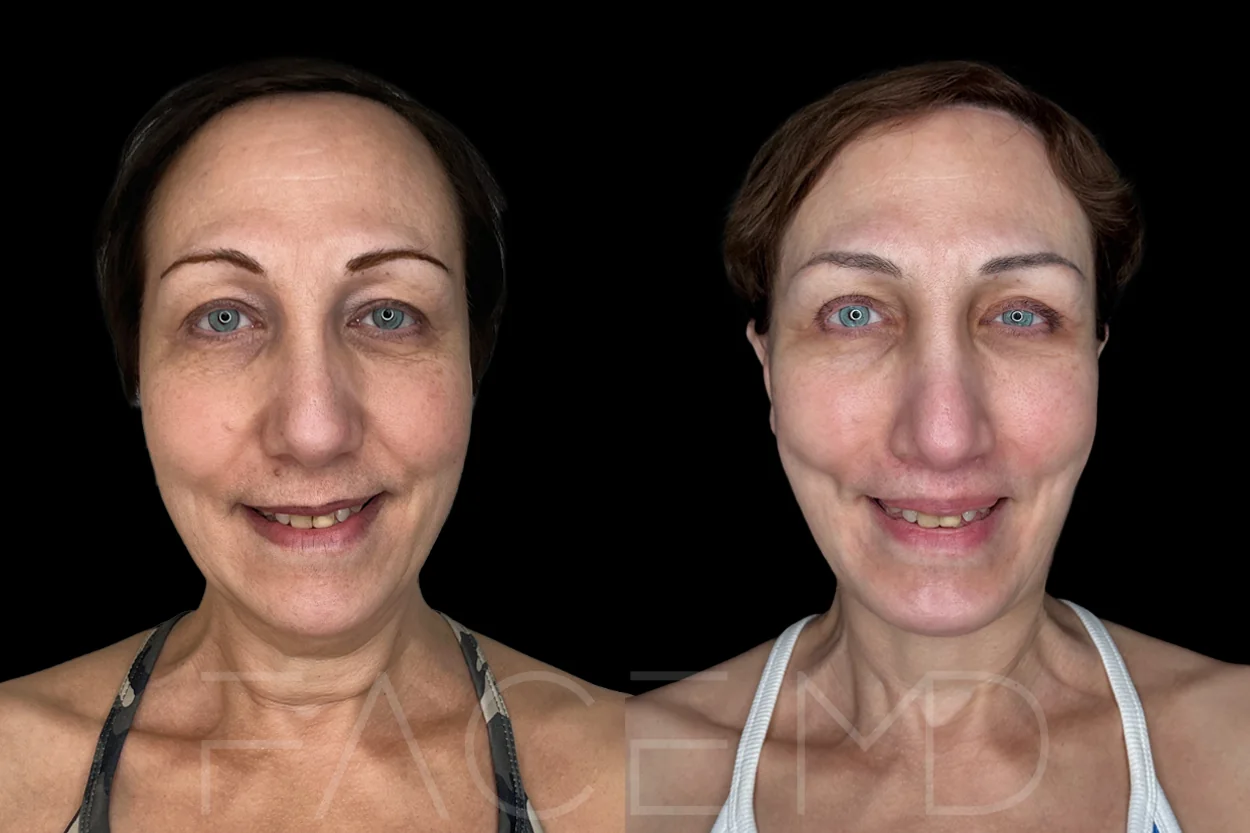
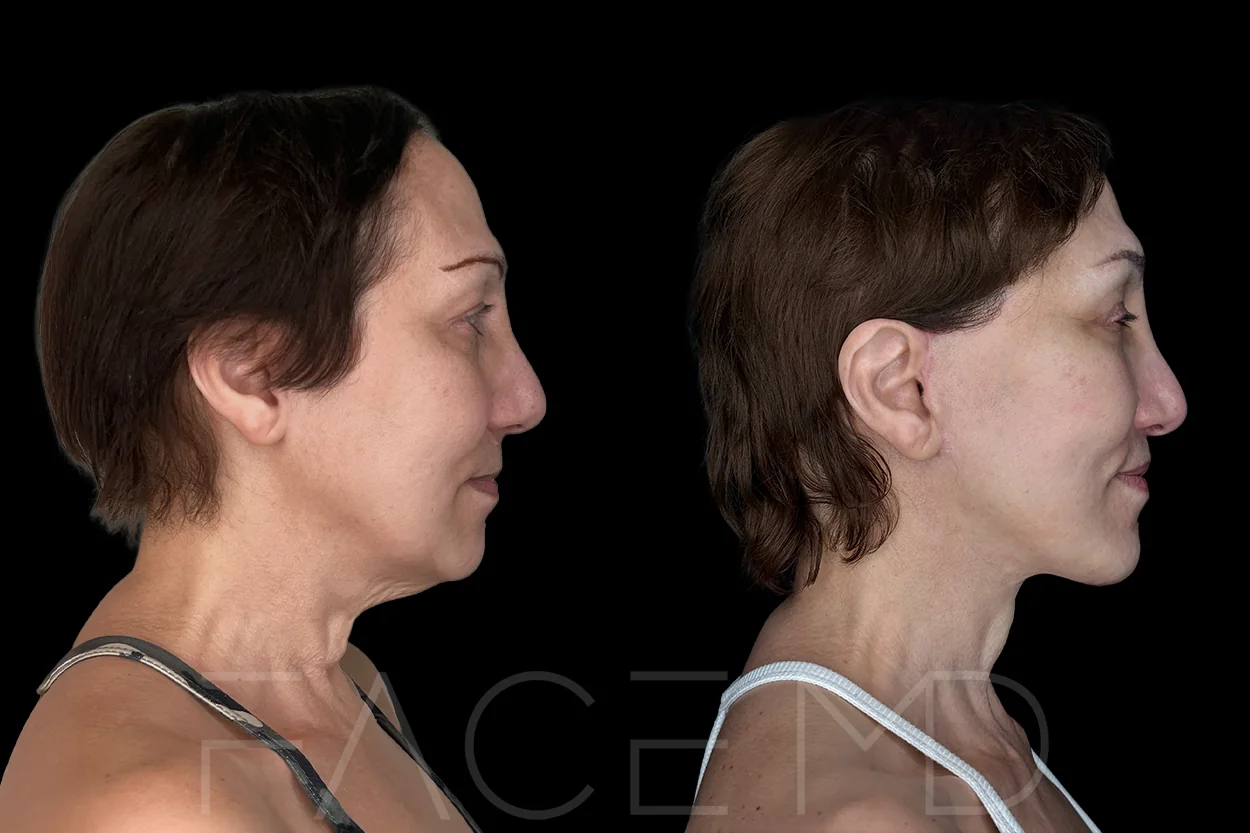
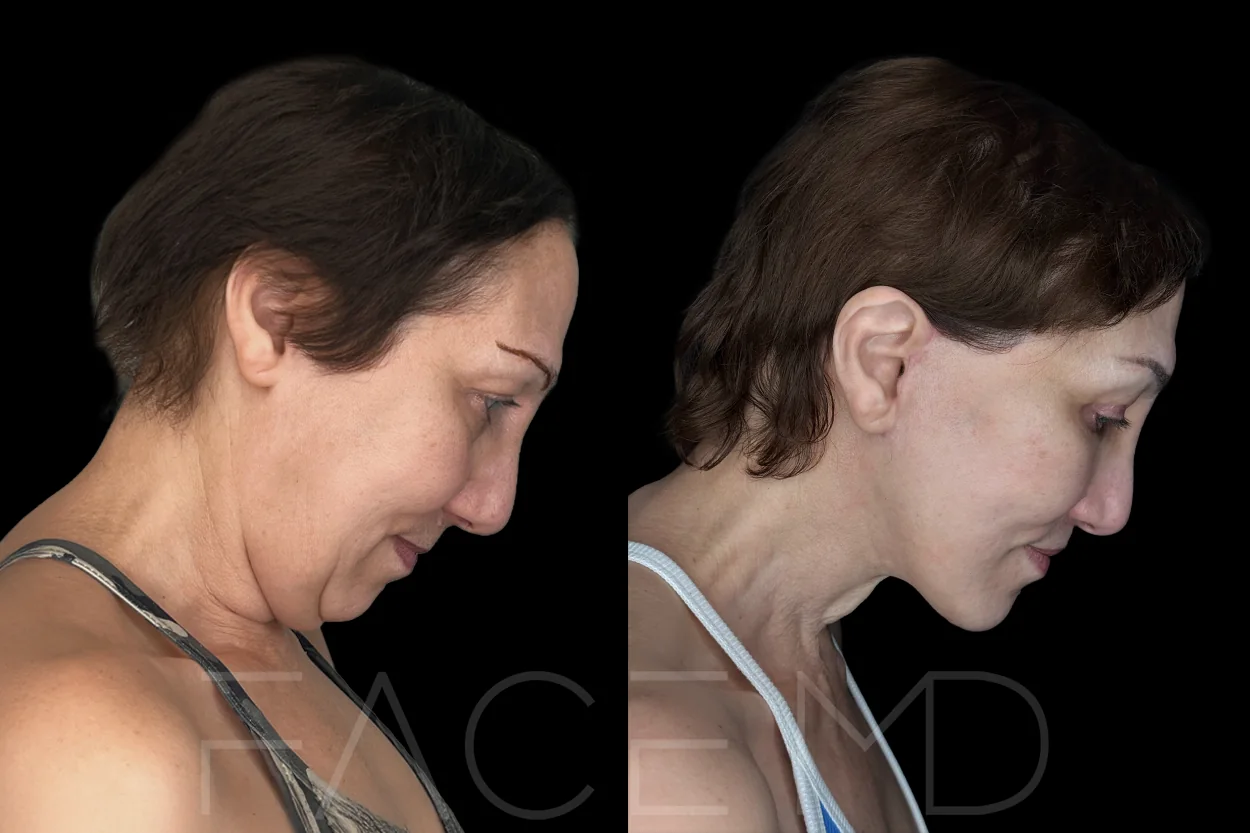
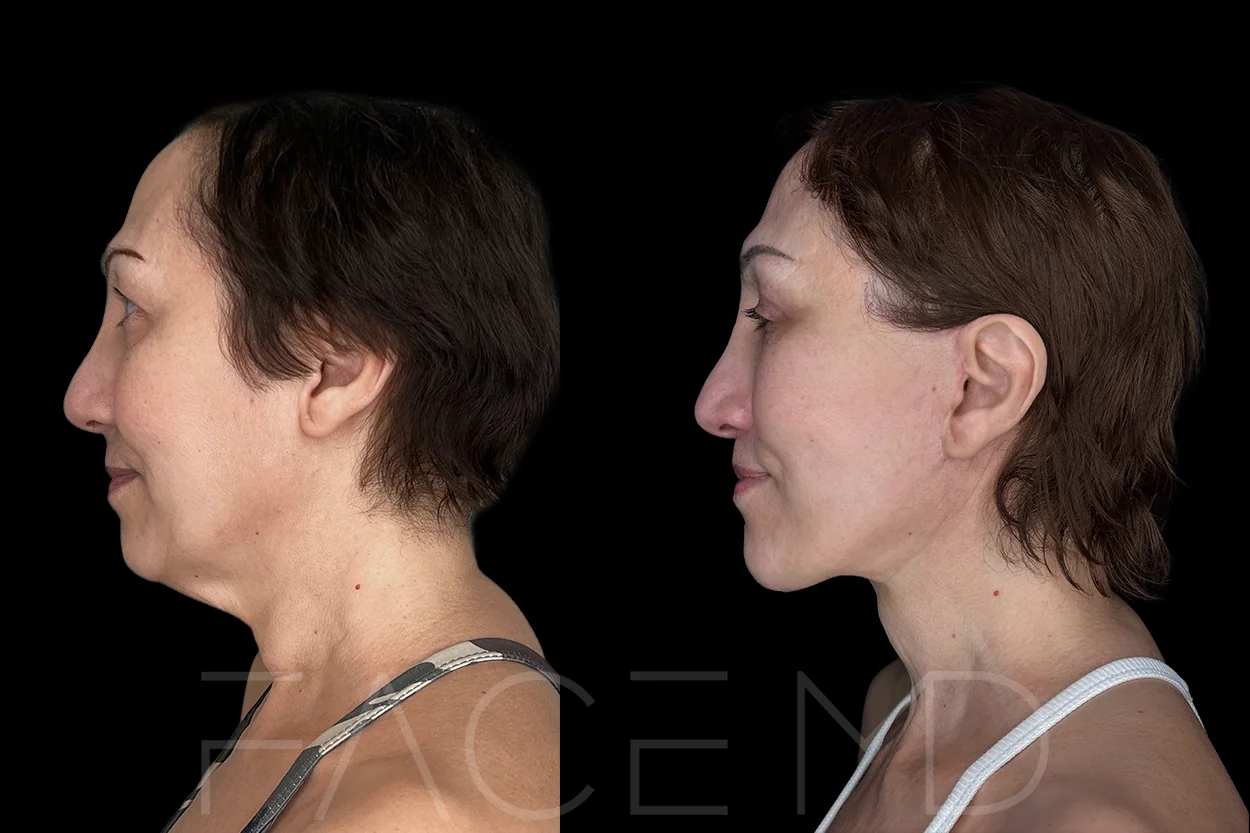
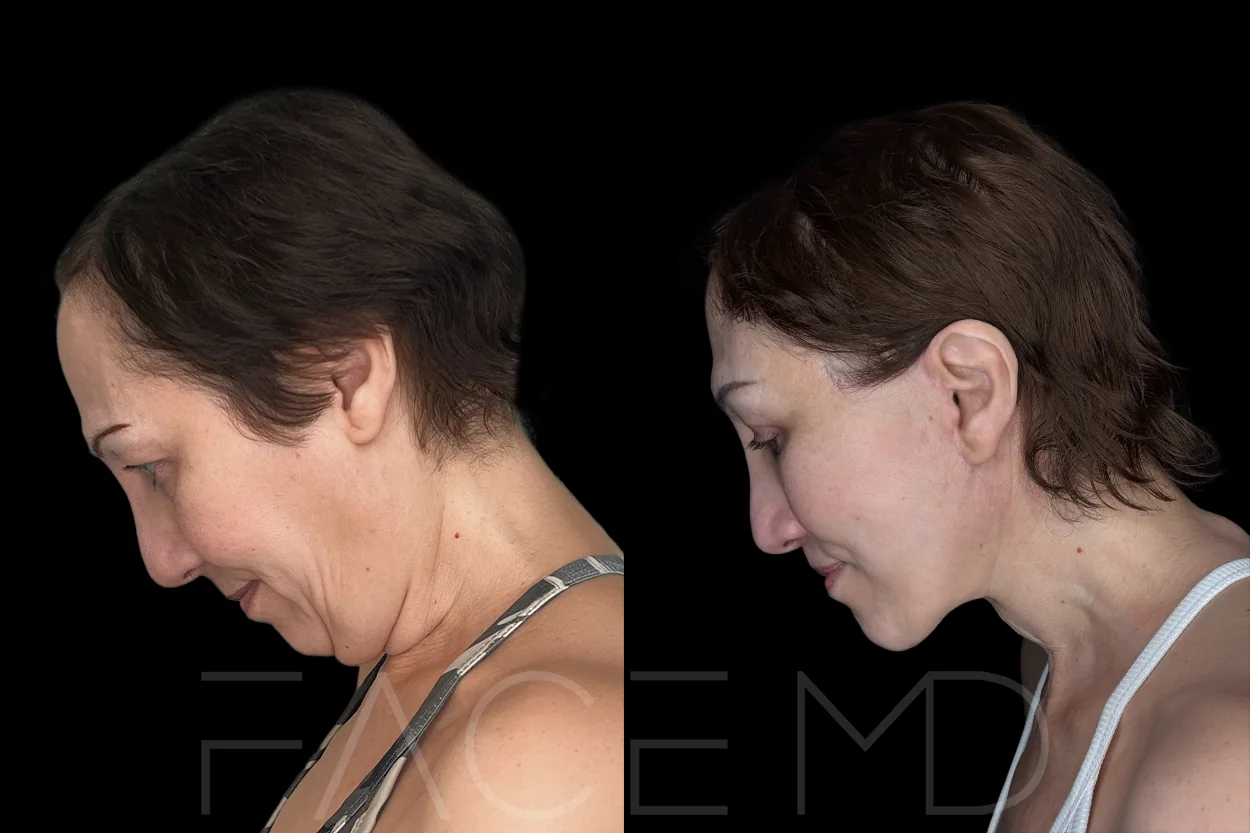
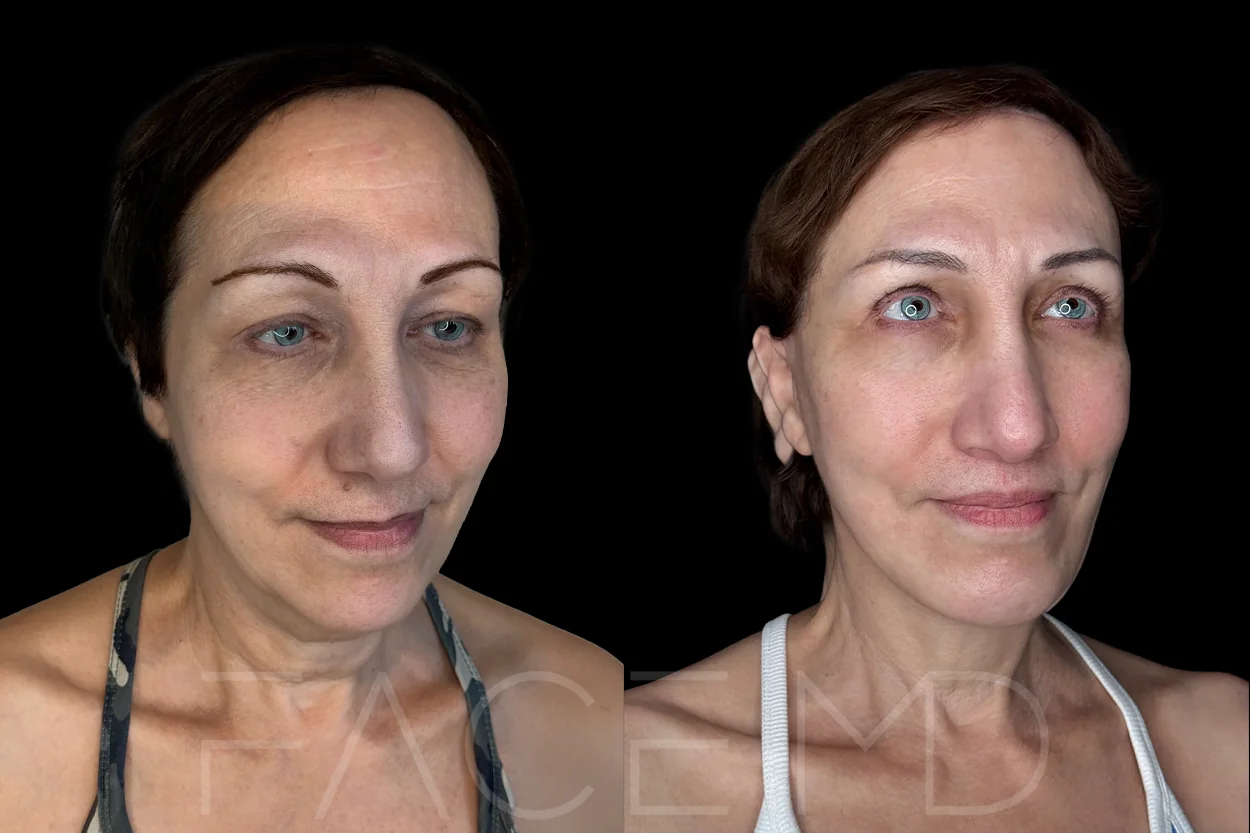
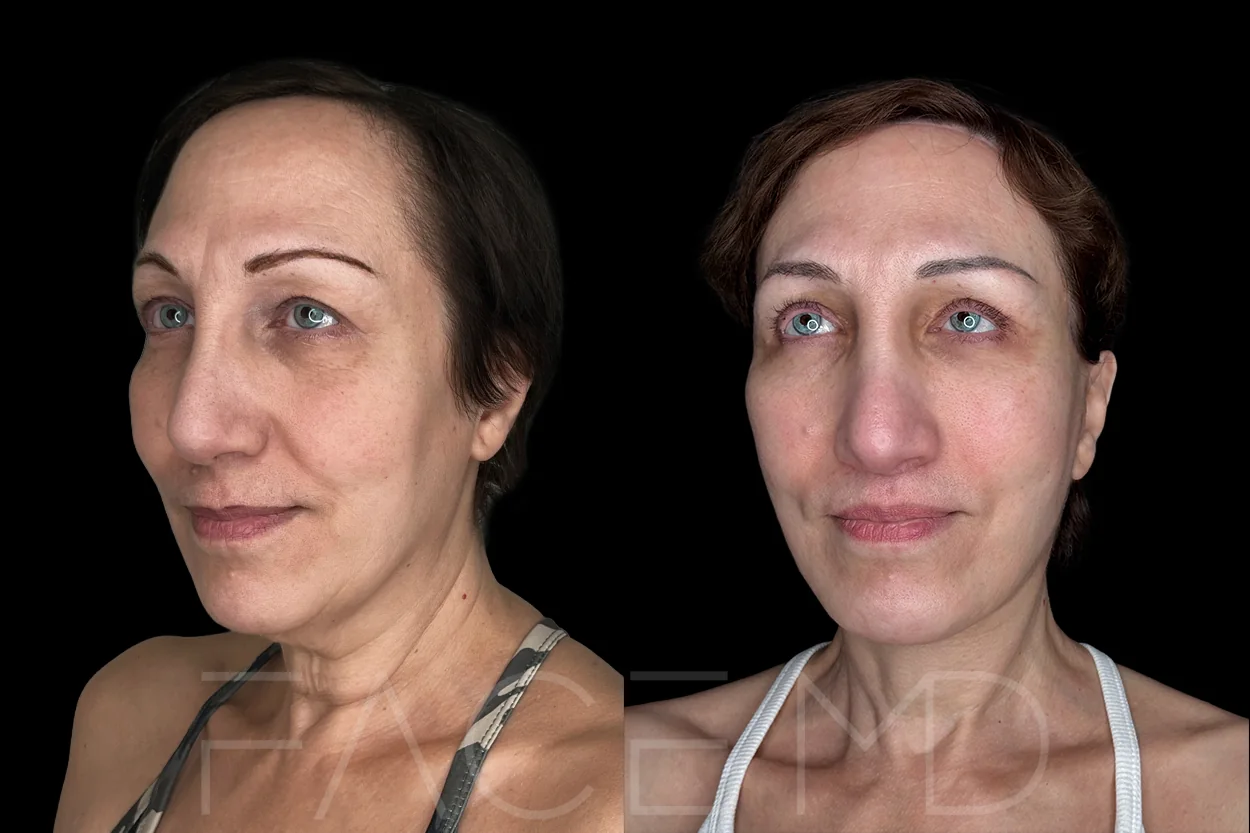
- 2 Months post-op Deep Plane Face & Neck Lift with Fat Transfer2 Months post-op Deep Plane Face & Neck Lift with Fat Transfer
- 2 Months post-op Deep Plane Face & Neck Lift with Fat Transfer
- 2 Months post-op Deep Plane Face & Neck Lift with Fat Transfer
- 2 Months post-op Deep Plane Face & Neck Lift with Fat Transfer
- 2 Months post-op Deep Plane Face & Neck Lift with Fat Transfer
- 2 Months post-op Deep Plane Face & Neck Lift with Fat Transfer
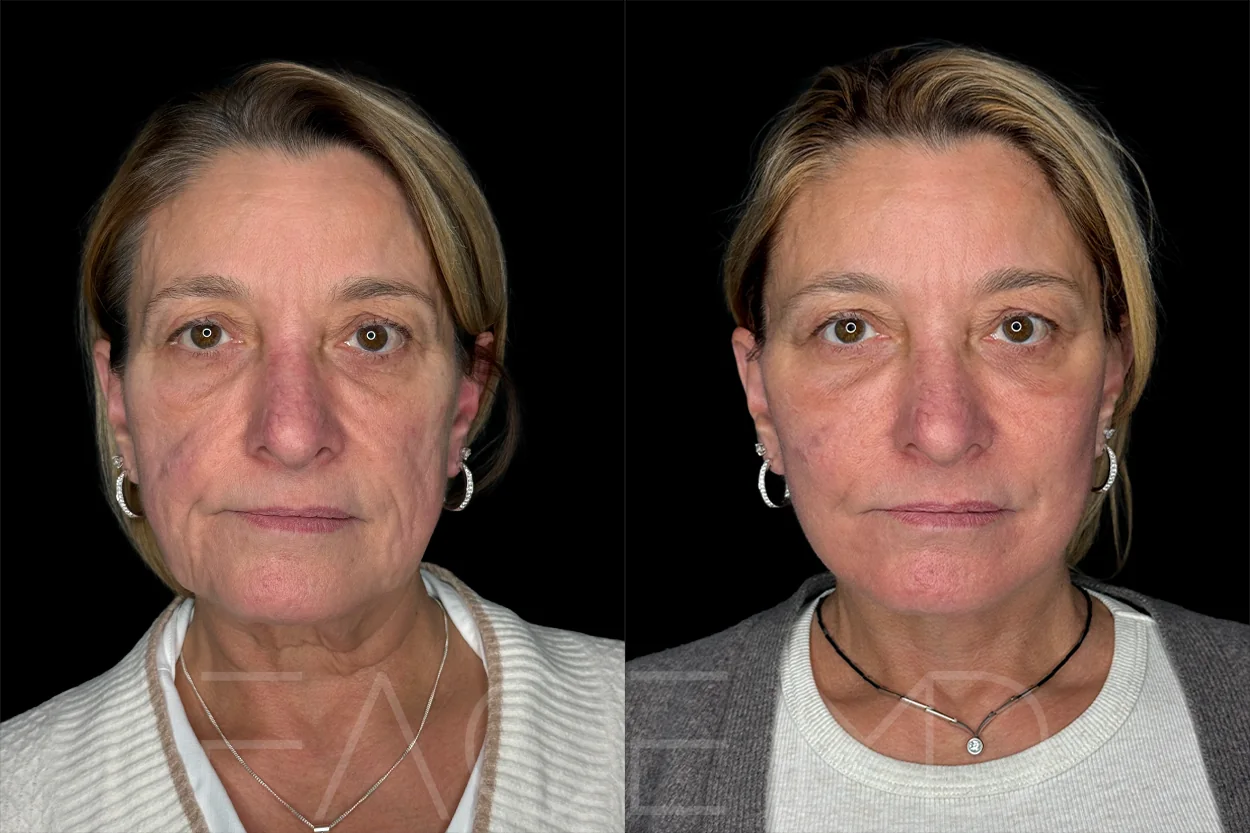
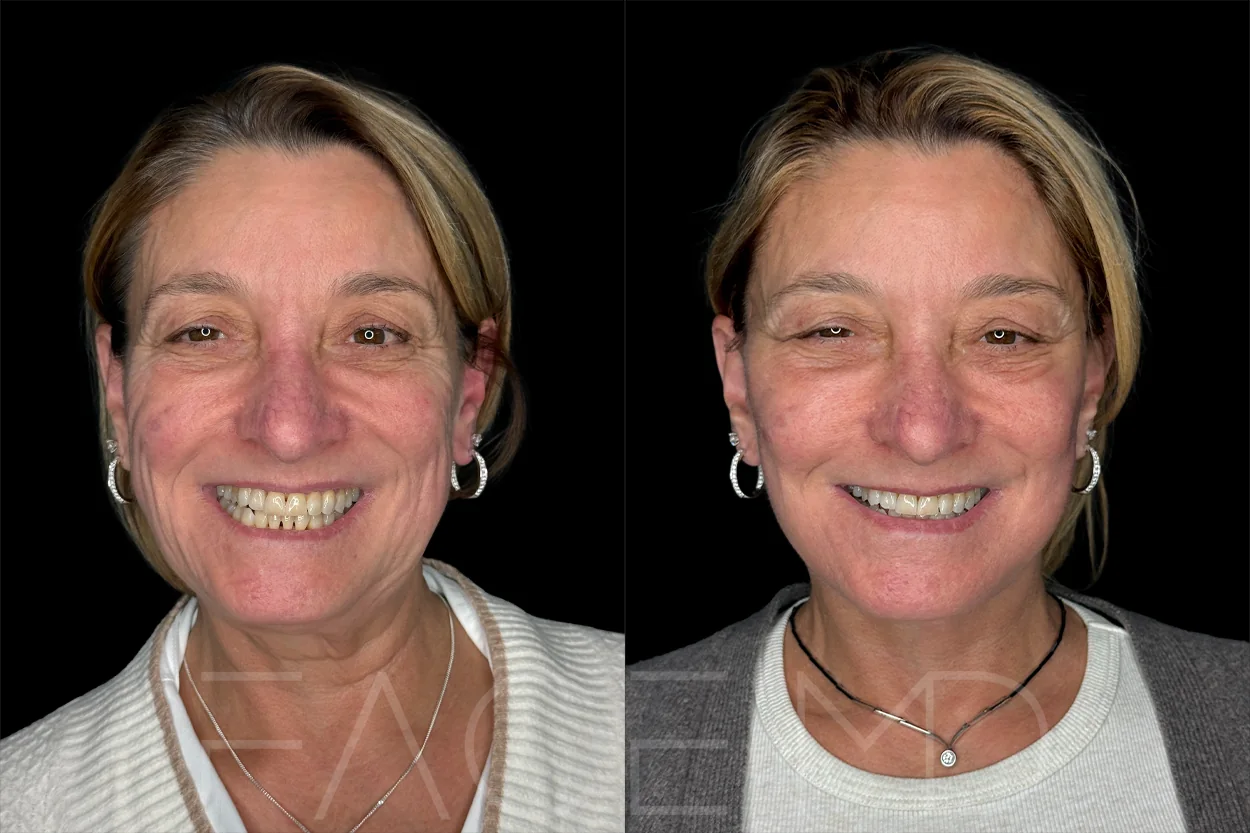
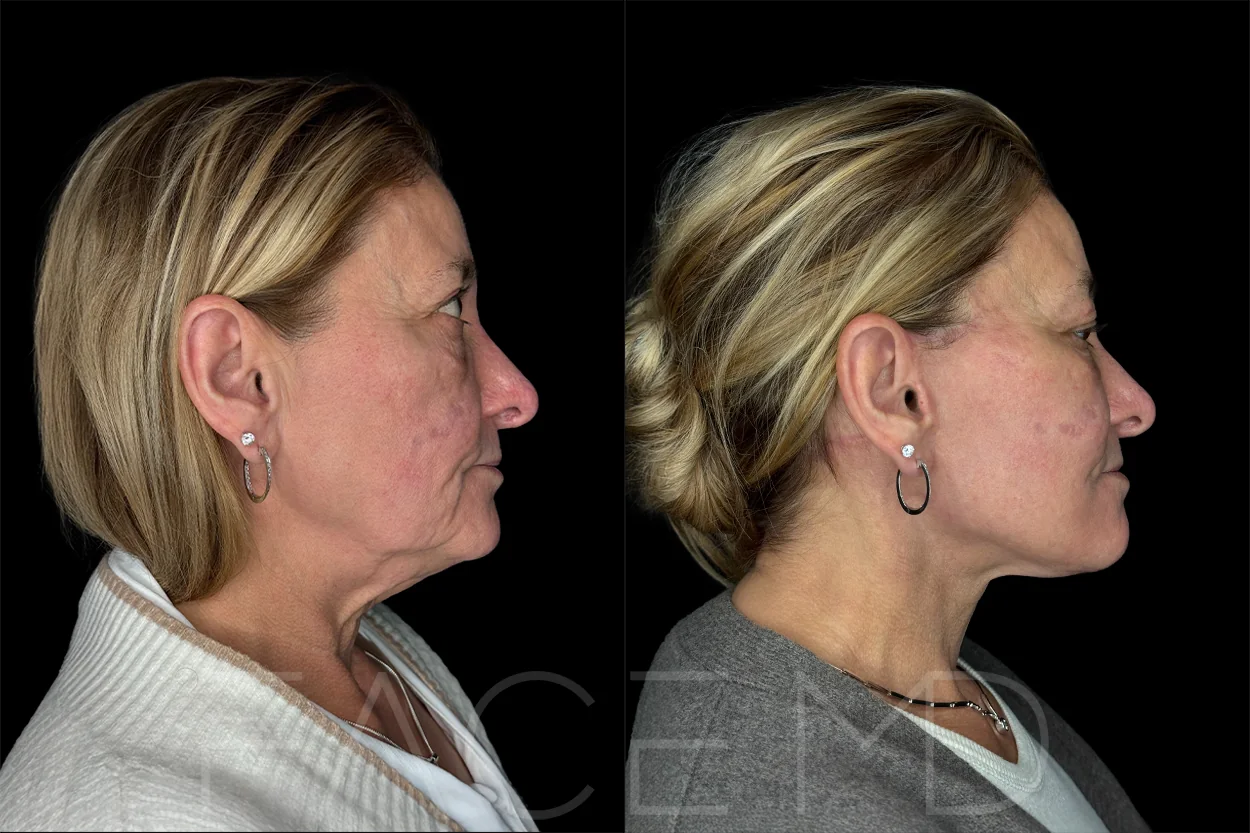
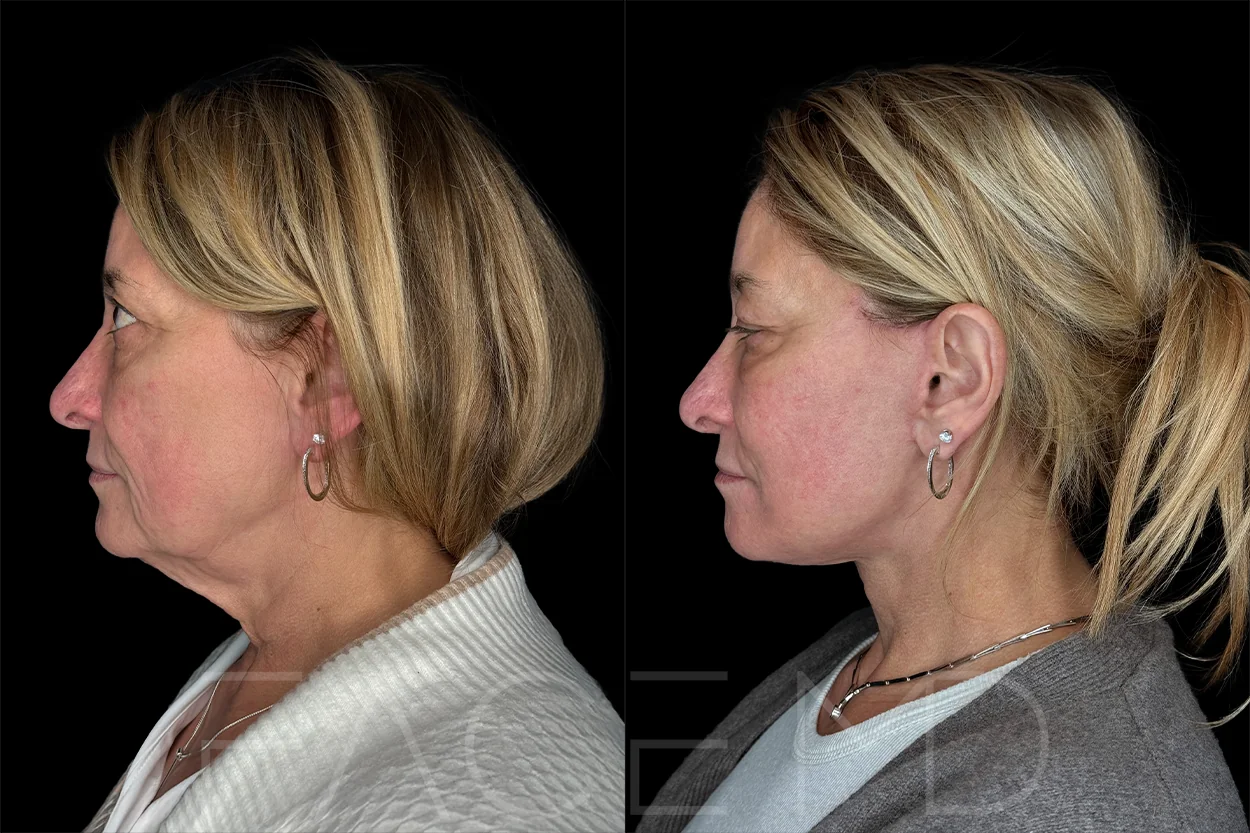
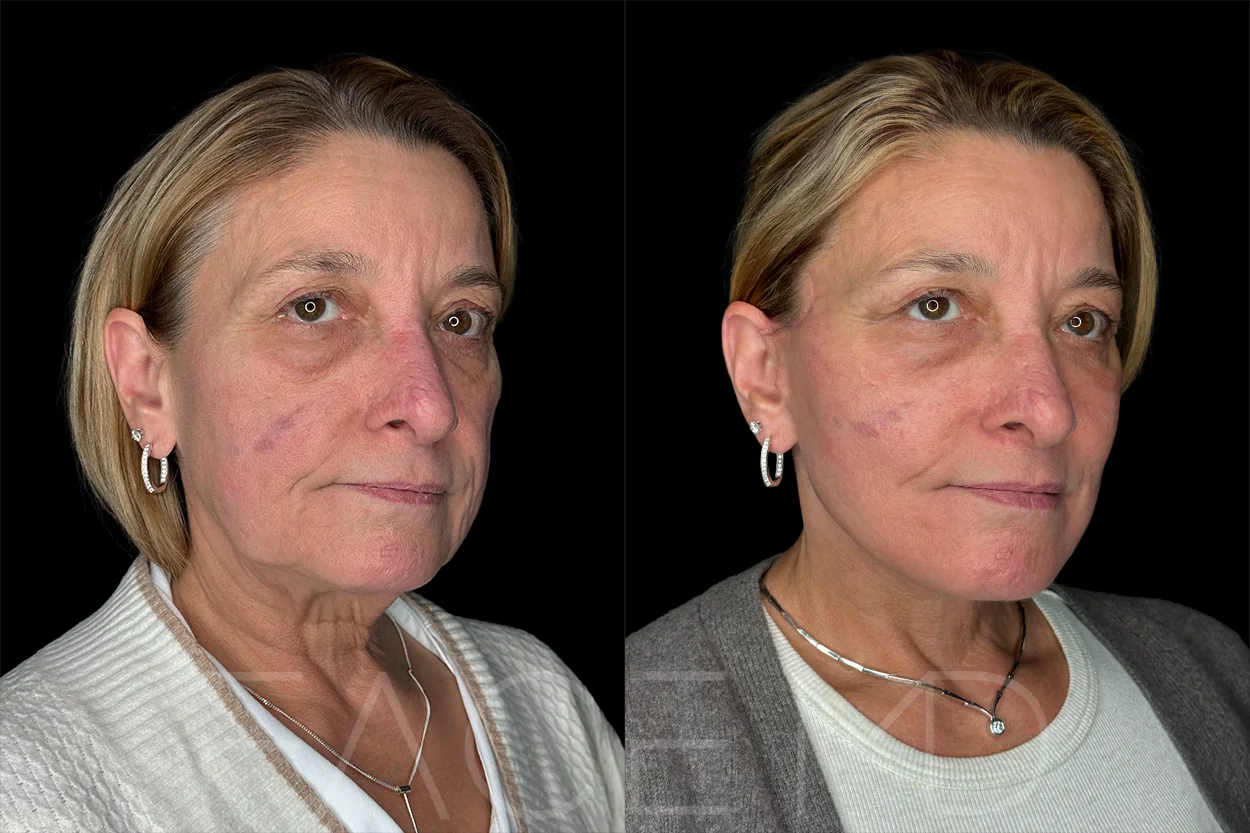
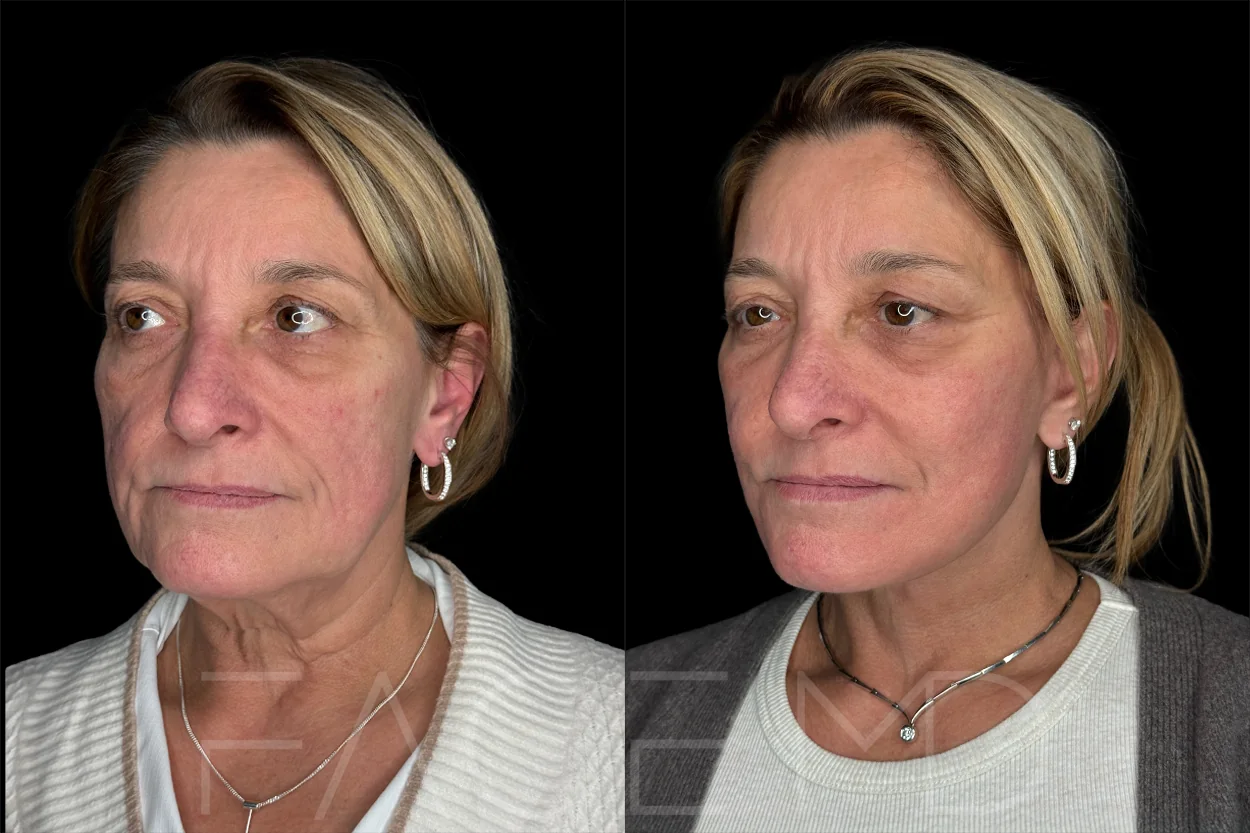
- 12 Months post-op Deep Plane Face & Neck Lift with Full Face CO2 Laser
- 22 Months post-op Deep Plane Face & Neck Lift with Full Face CO2 Laser
- 32 Months post-op Deep Plane Face & Neck Lift with Full Face CO2 Laser
- 52 Months post-op Deep Plane Face & Neck Lift with Full Face CO2 Laser
- 72 Months post-op Deep Plane Face & Neck Lift with Full Face CO2 Laser
- 82 Months post-op Deep Plane Face & Neck Lift with Full Face CO2 Laser
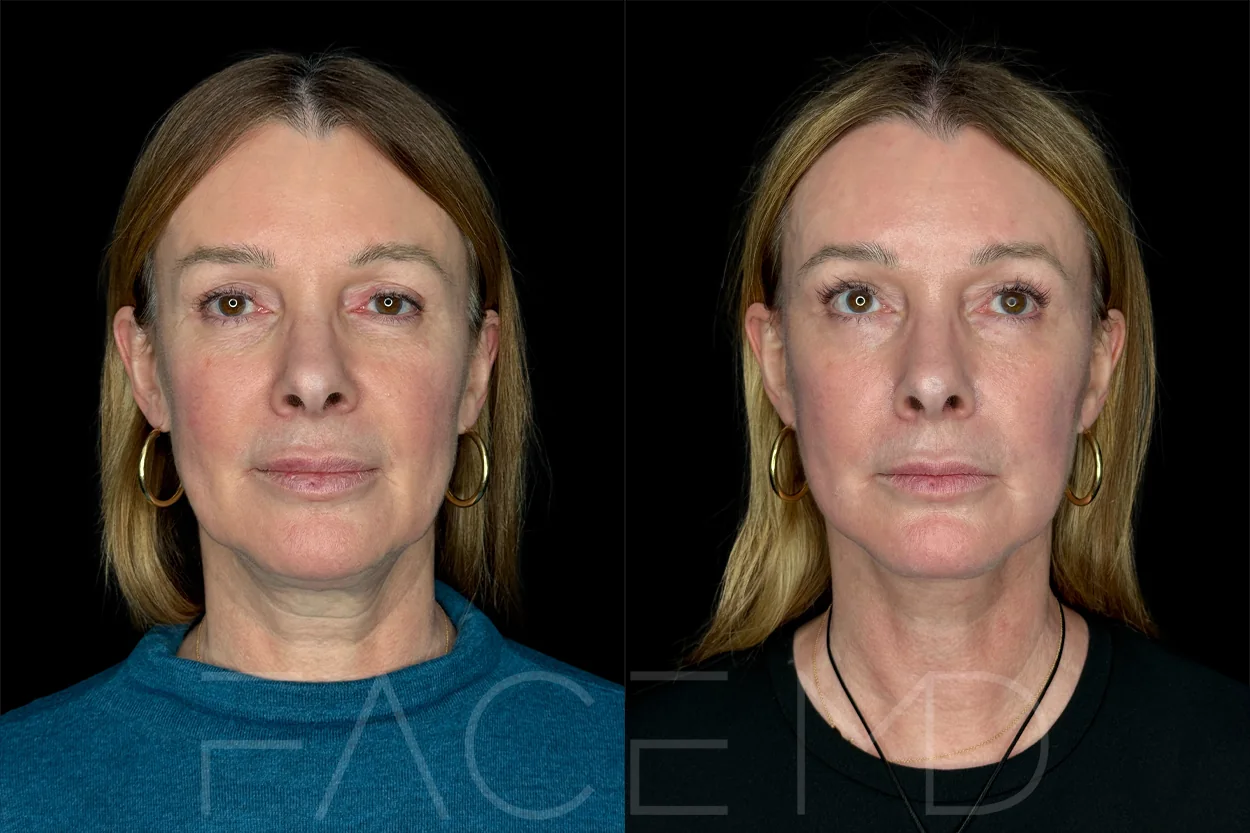
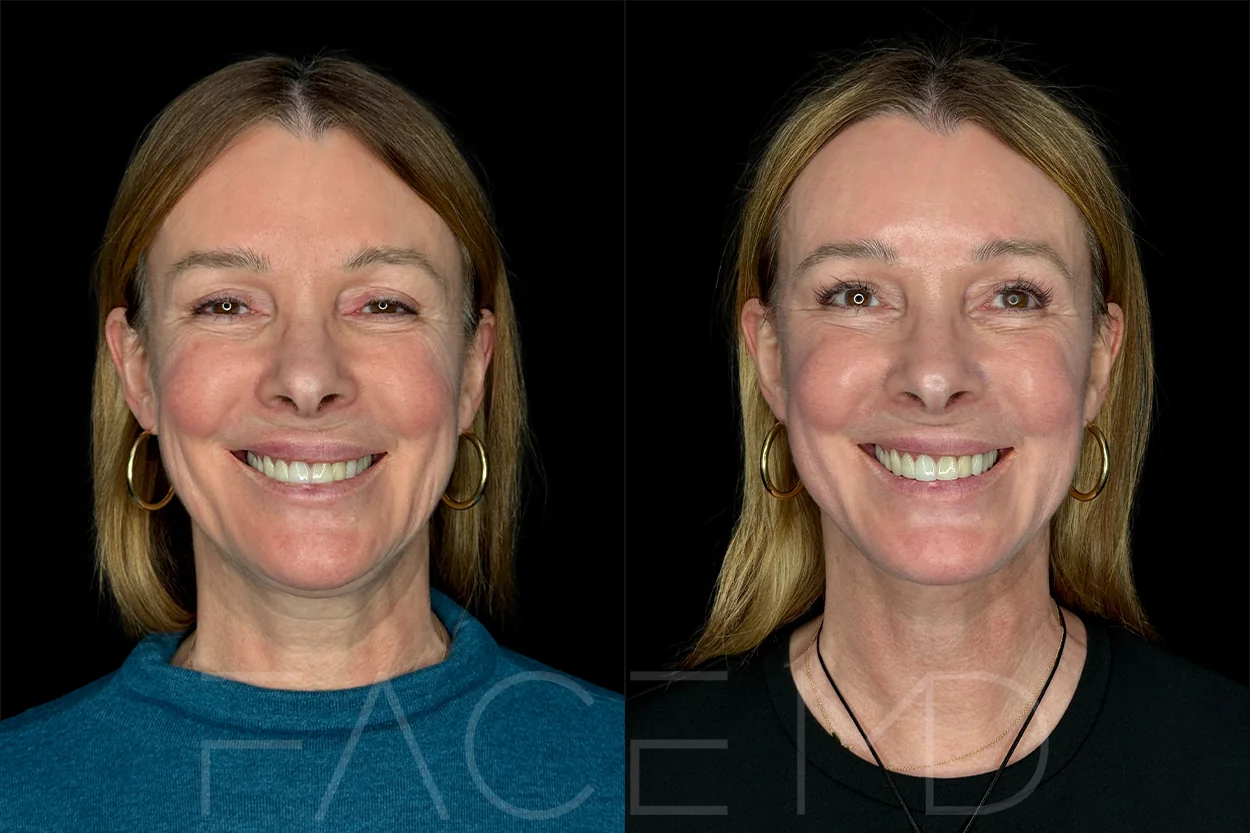
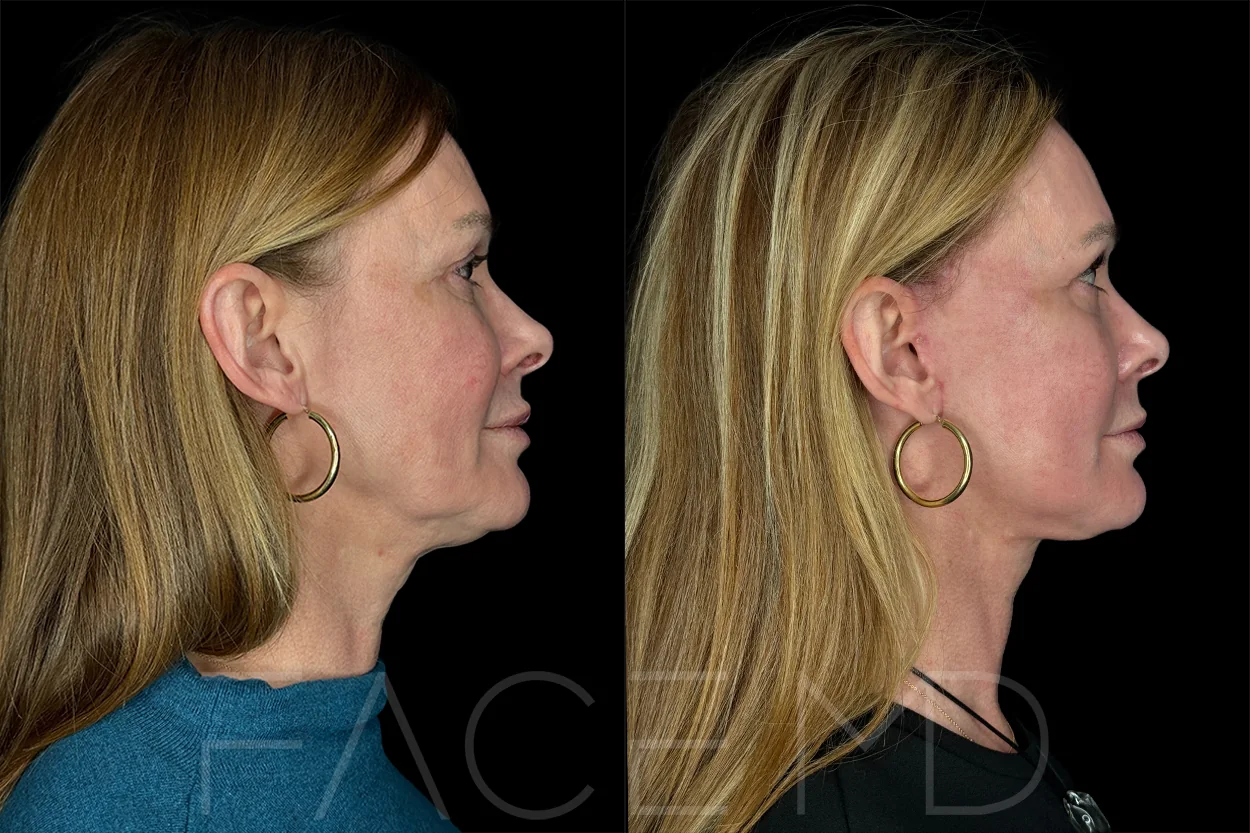
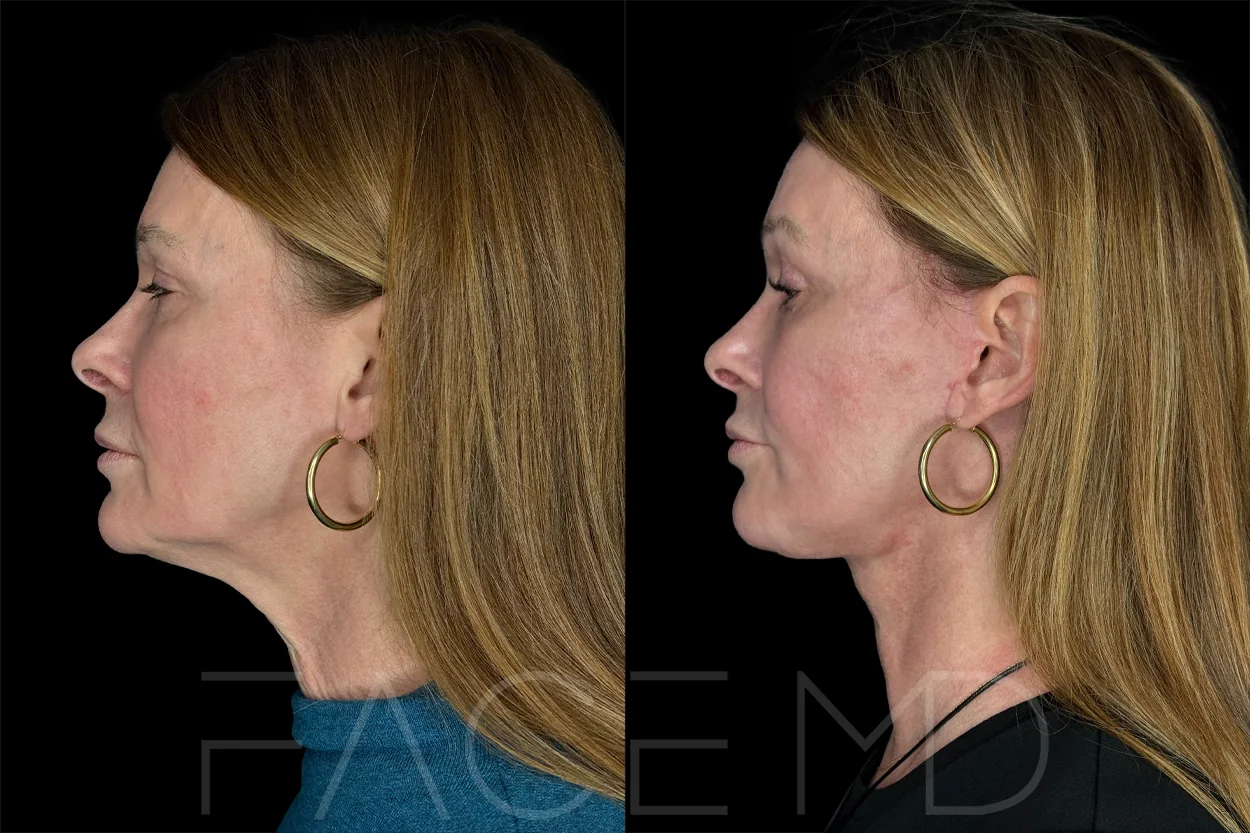
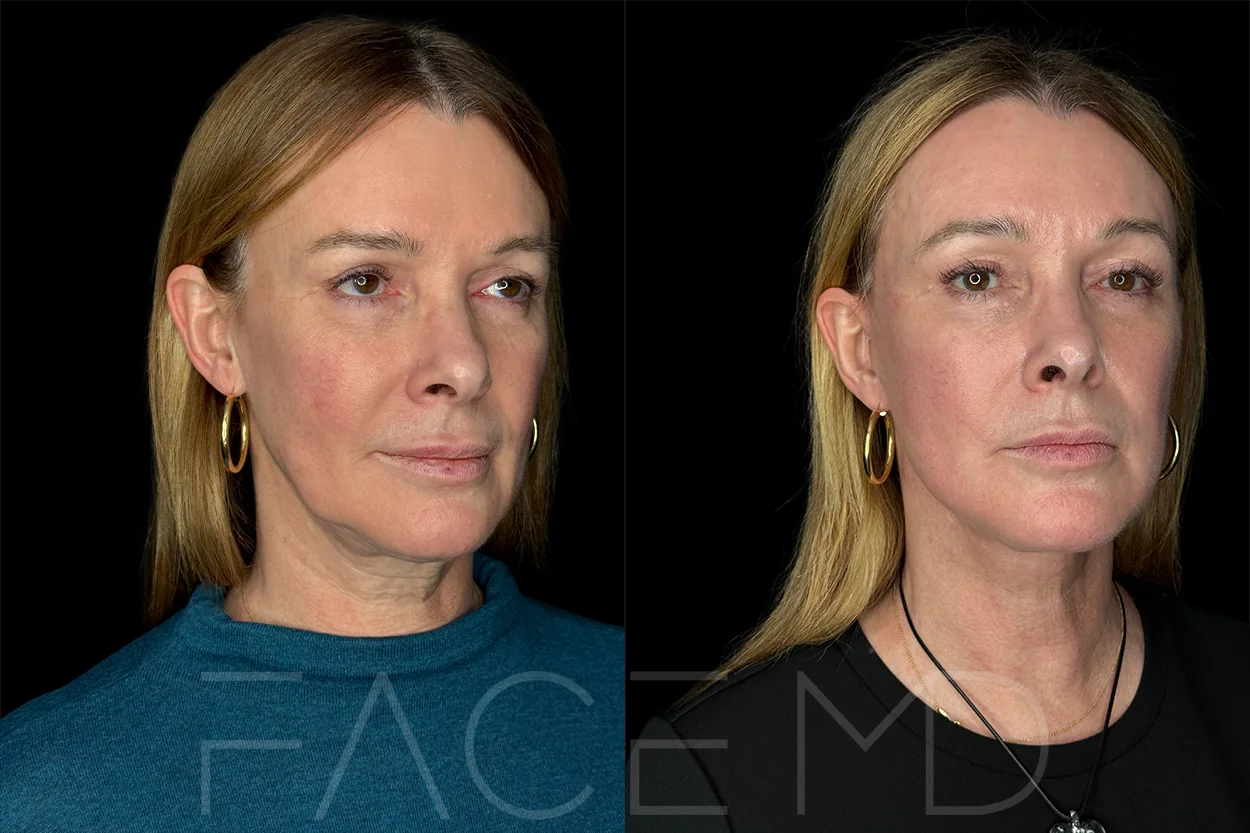
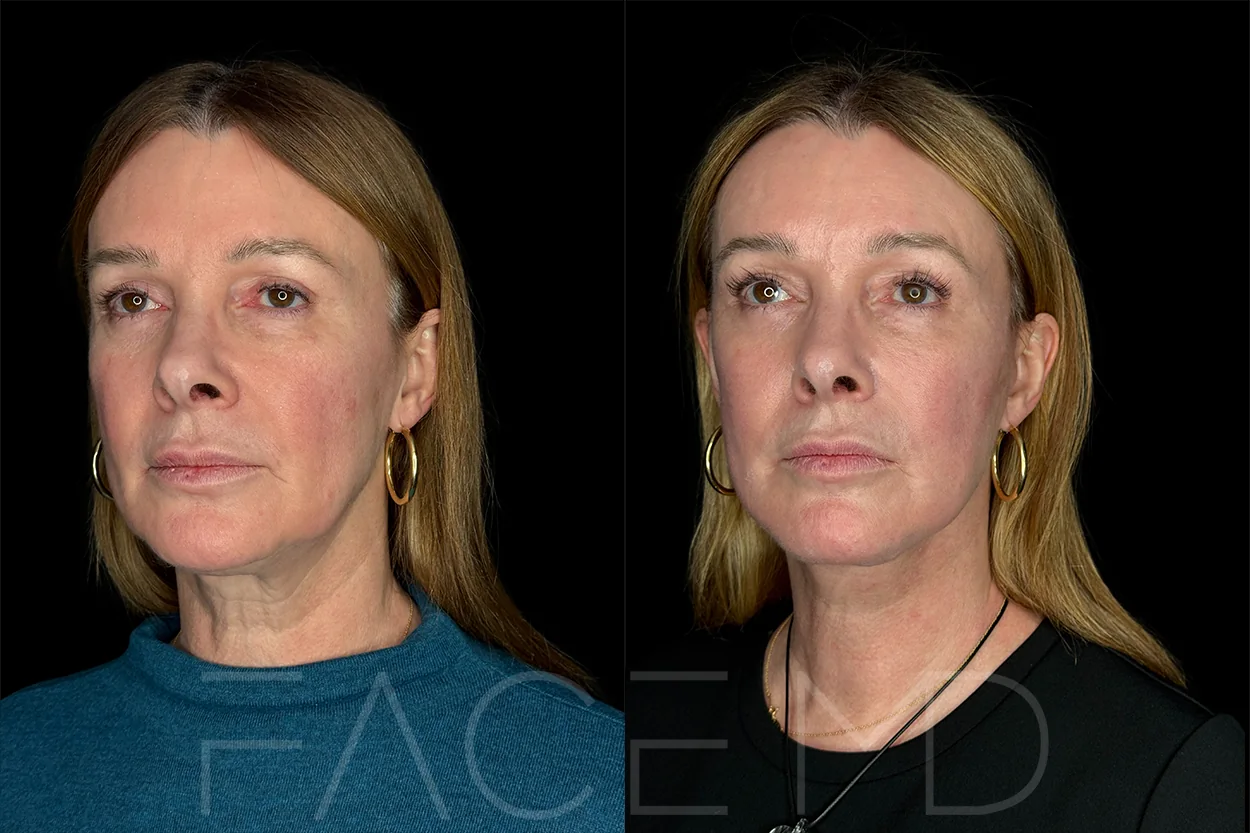
- 12 Months post-op Deep Plane Face & Neck Lift and Temporal Brow Lift
- 22 Months post-op Deep Plane Face & Neck Lift and Temporal Brow Lift
- 32 Months post-op Deep Plane Face & Neck Lift and Temporal Brow Lift
- 52 Months post-op Deep Plane Face & Neck Lift and Temporal Brow Lift
- 72 Months post-op Deep Plane Face & Neck Lift and Temporal Brow Lift
- 8
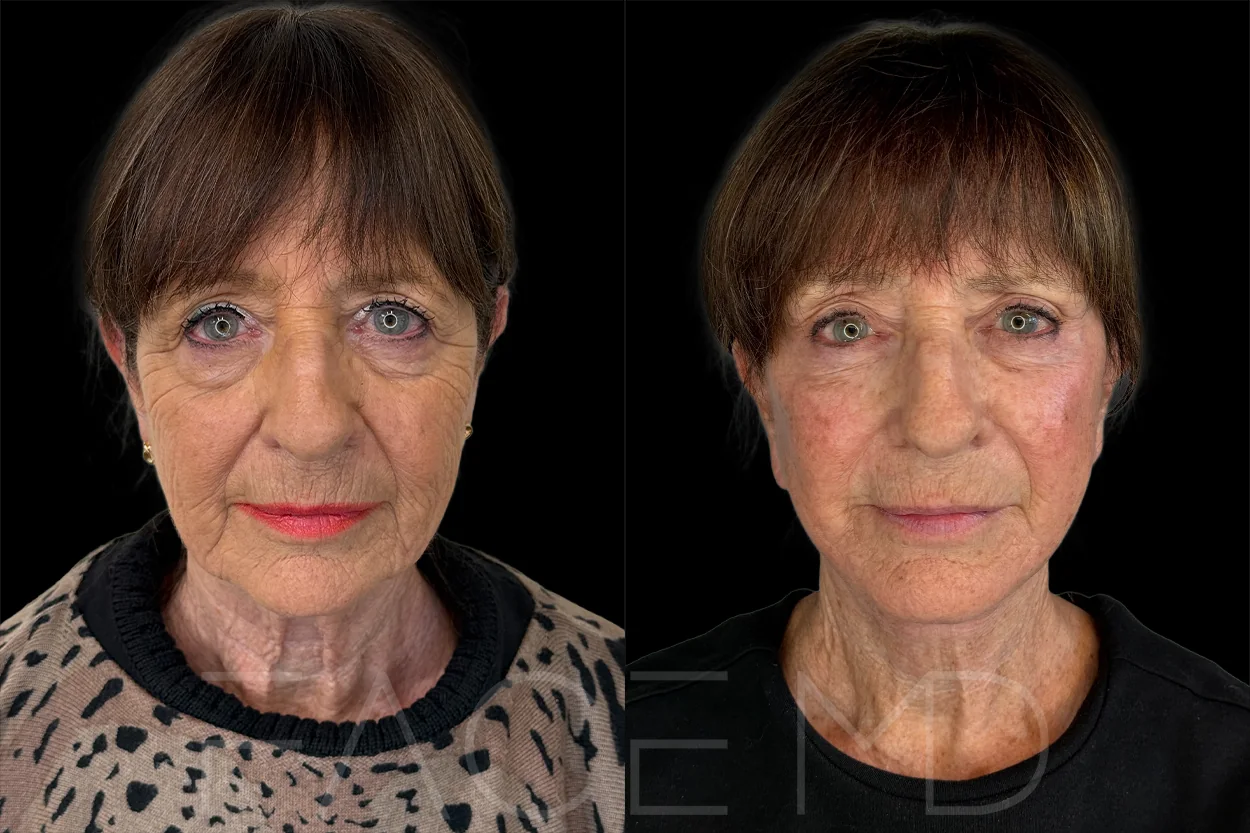
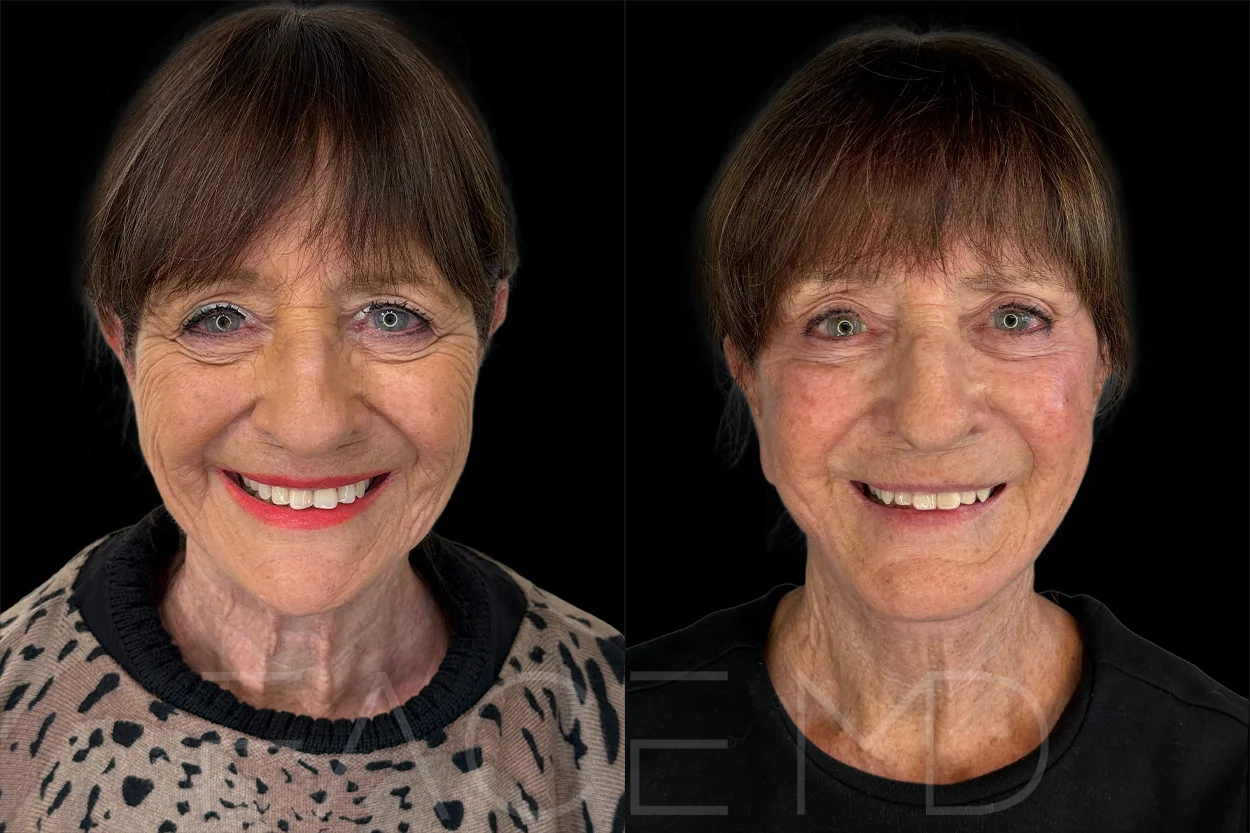
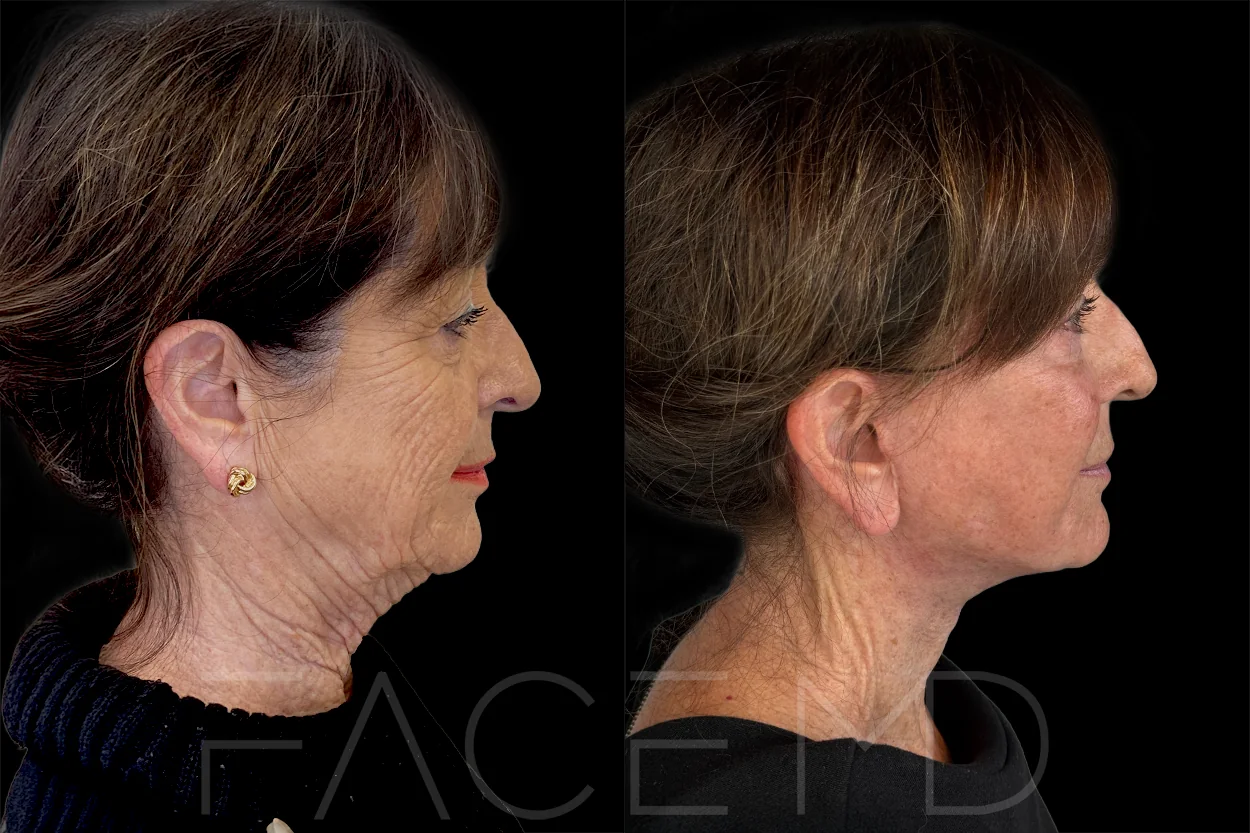
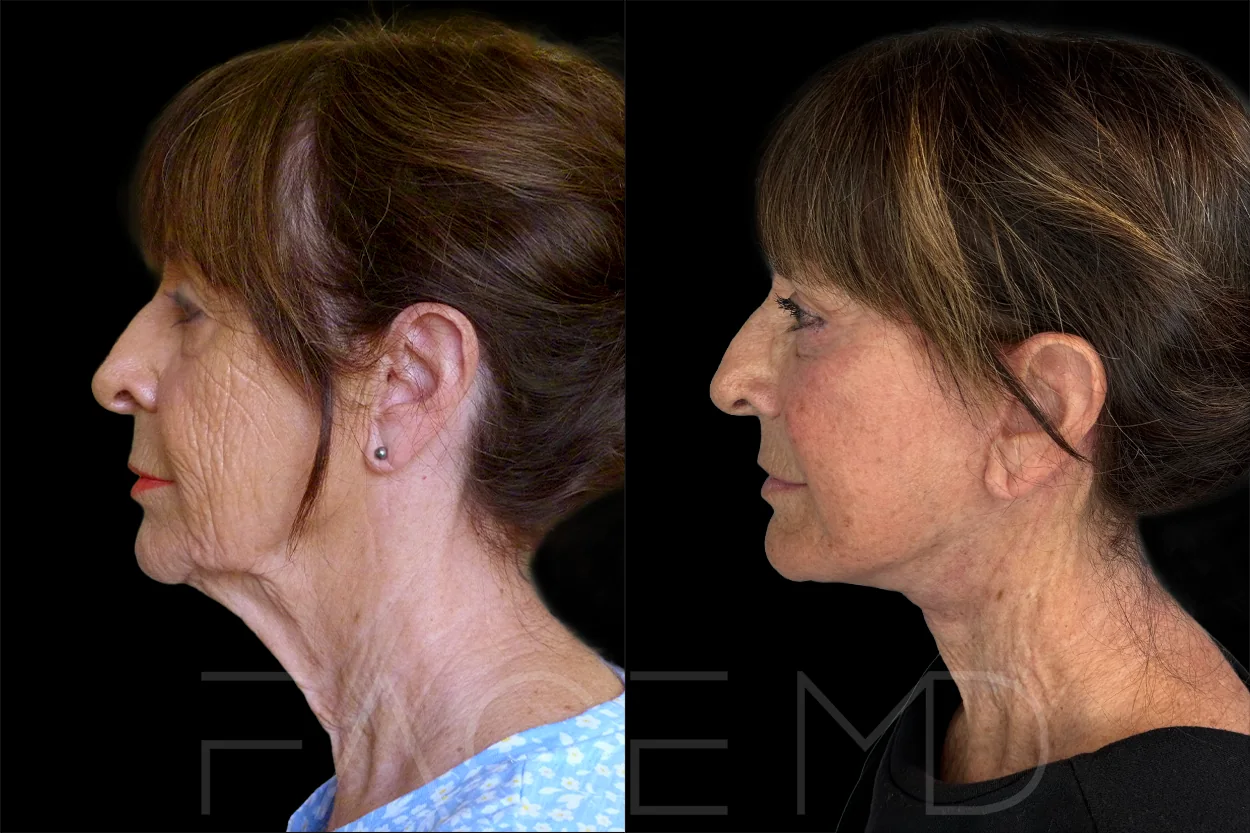
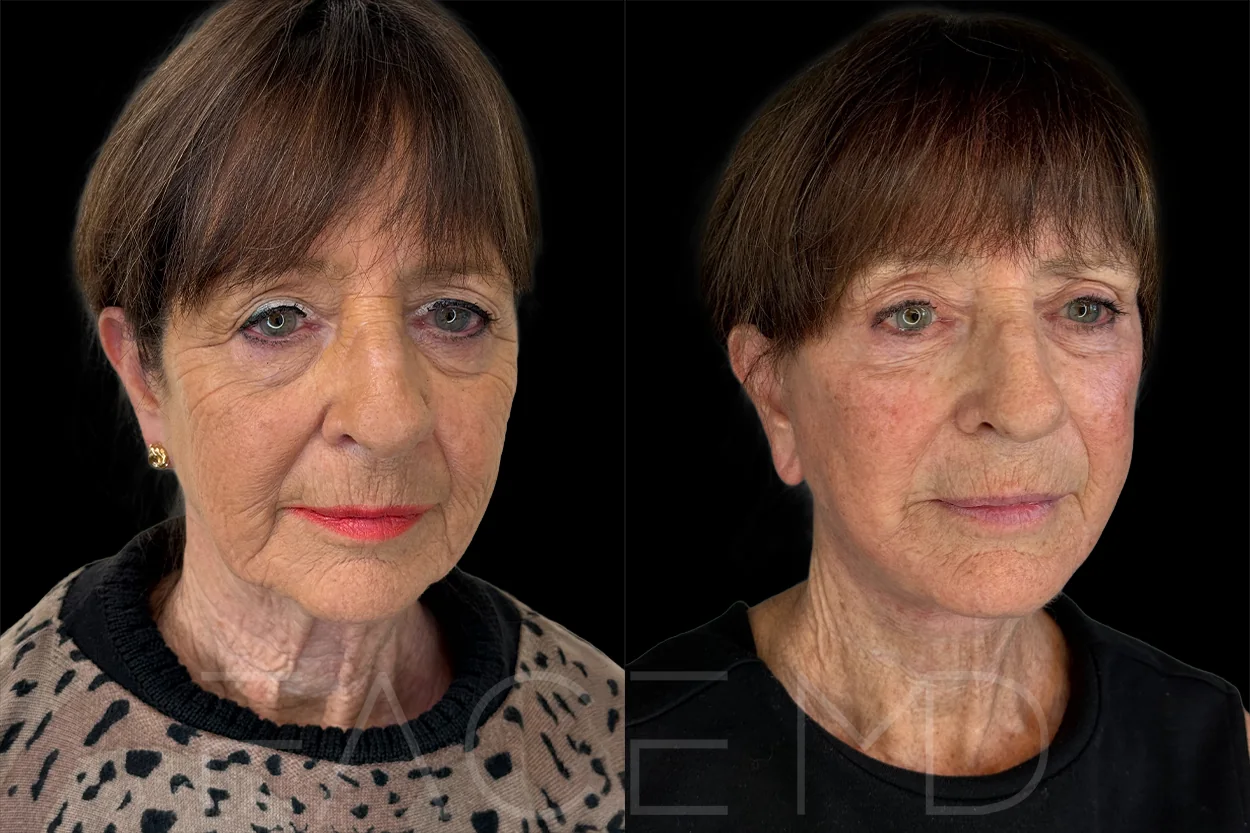
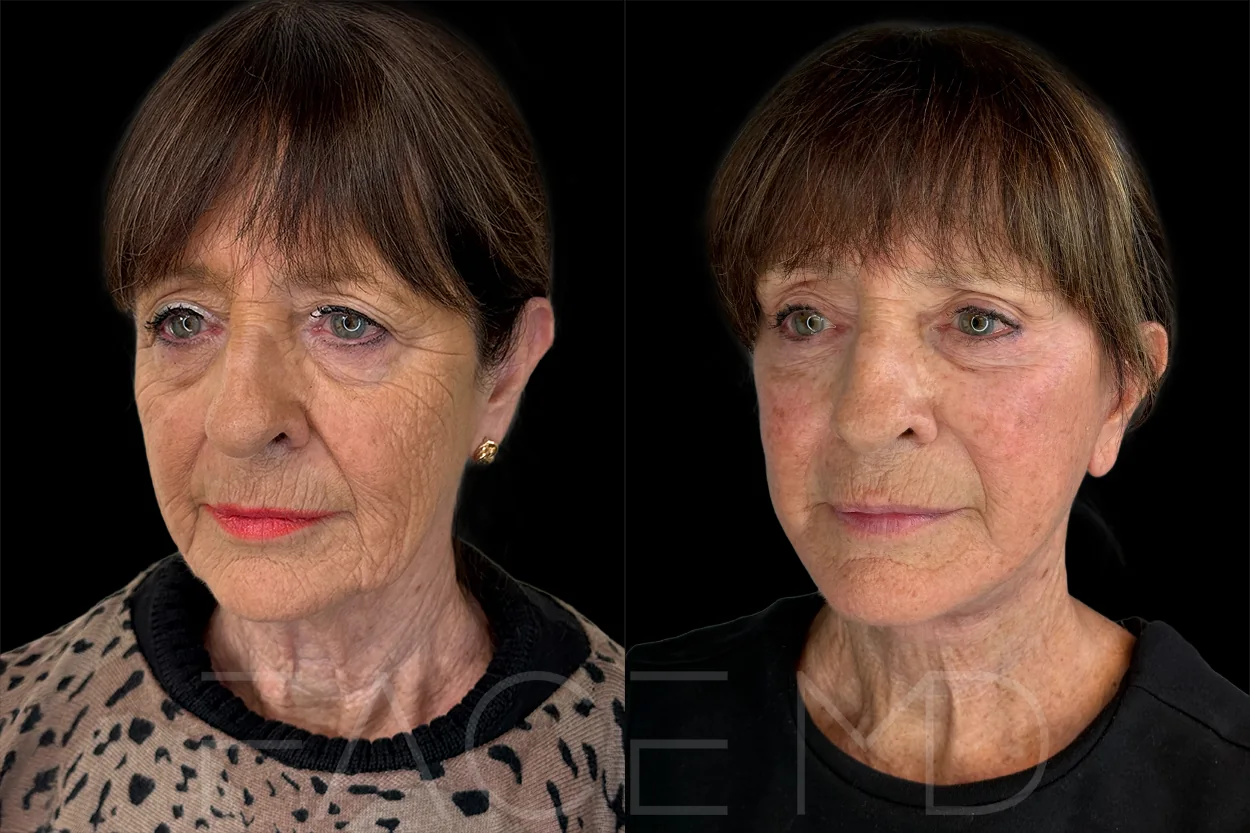
- 11 Month post-op Deep Plane Face & Neck Lift with Upper Lip Lift
- 21 Month post-op Deep Plane Face & Neck Lift with Upper Lip Lift
- 31 Month post-op Deep Plane Face & Neck Lift with Upper Lip Lift
- 41 Month post-op Deep Plane Face & Neck Lift with Upper Lip Lift
- 51 Month post-op Deep Plane Face & Neck Lift with Upper Lip Lift
- 61 Month post-op Deep Plane Face & Neck Lift with Upper Lip Lift
- 71 Month post-op Deep Plane Face & Neck Lift with Upper Lip Lift
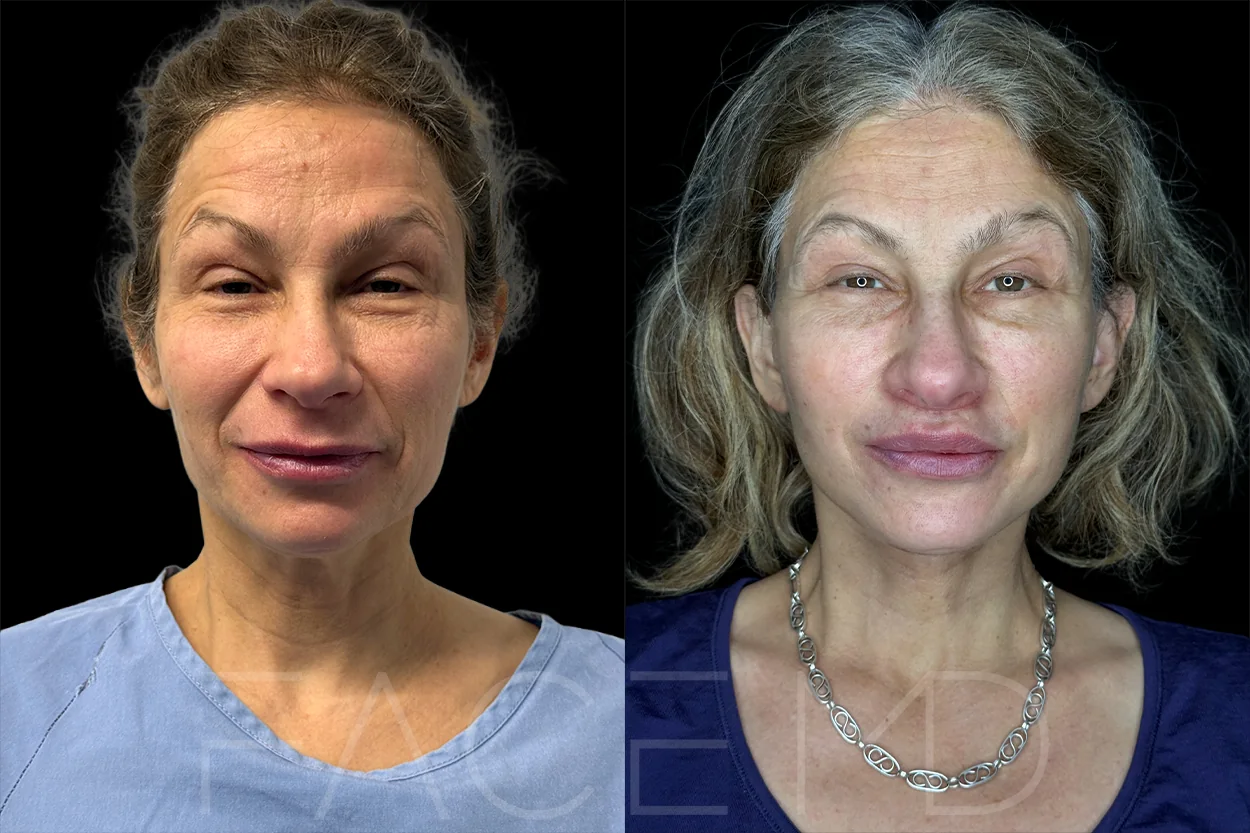
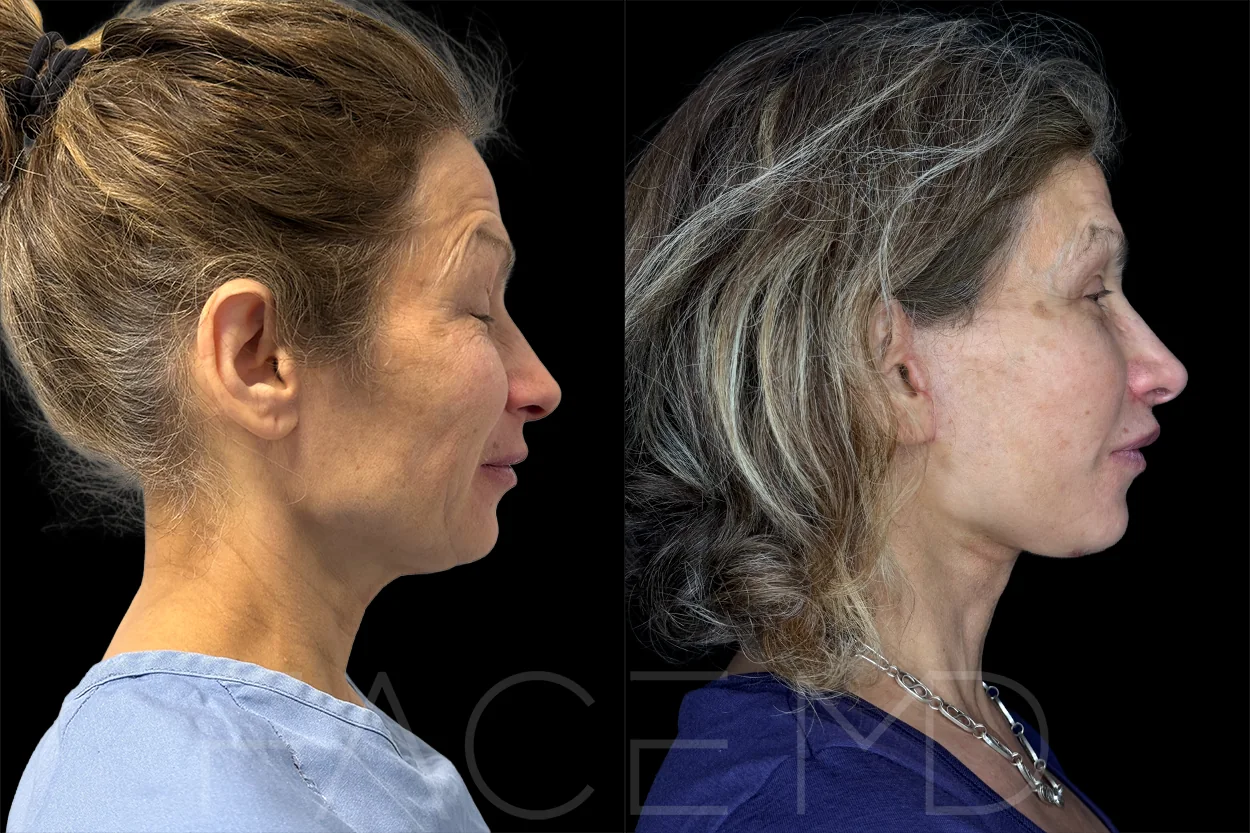
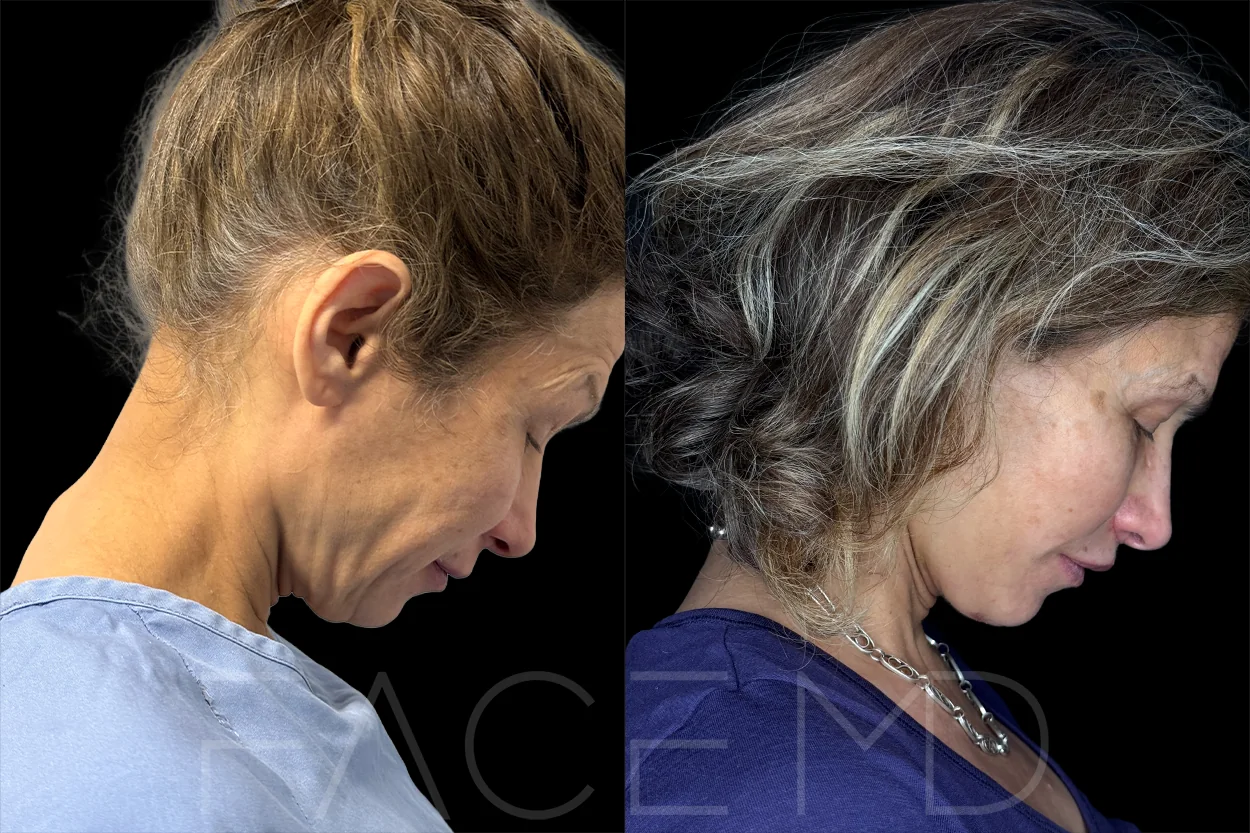
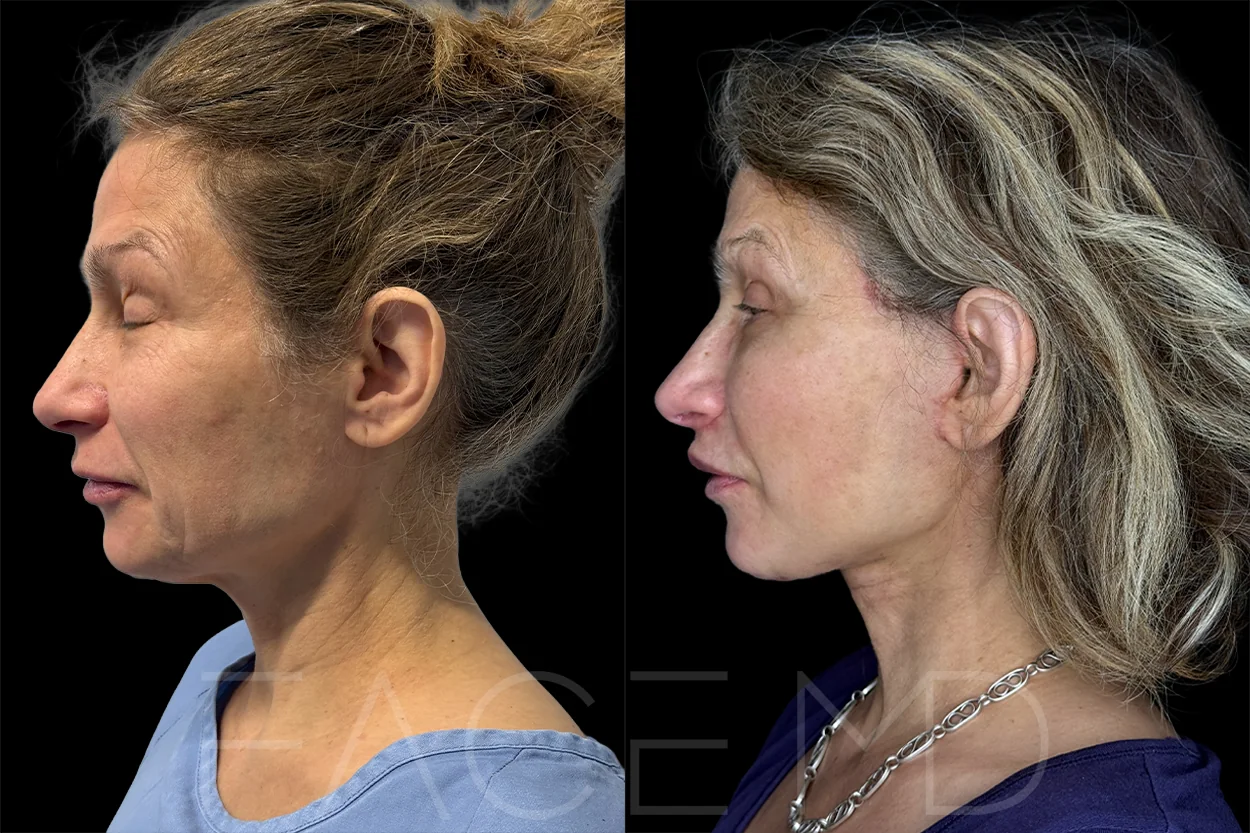
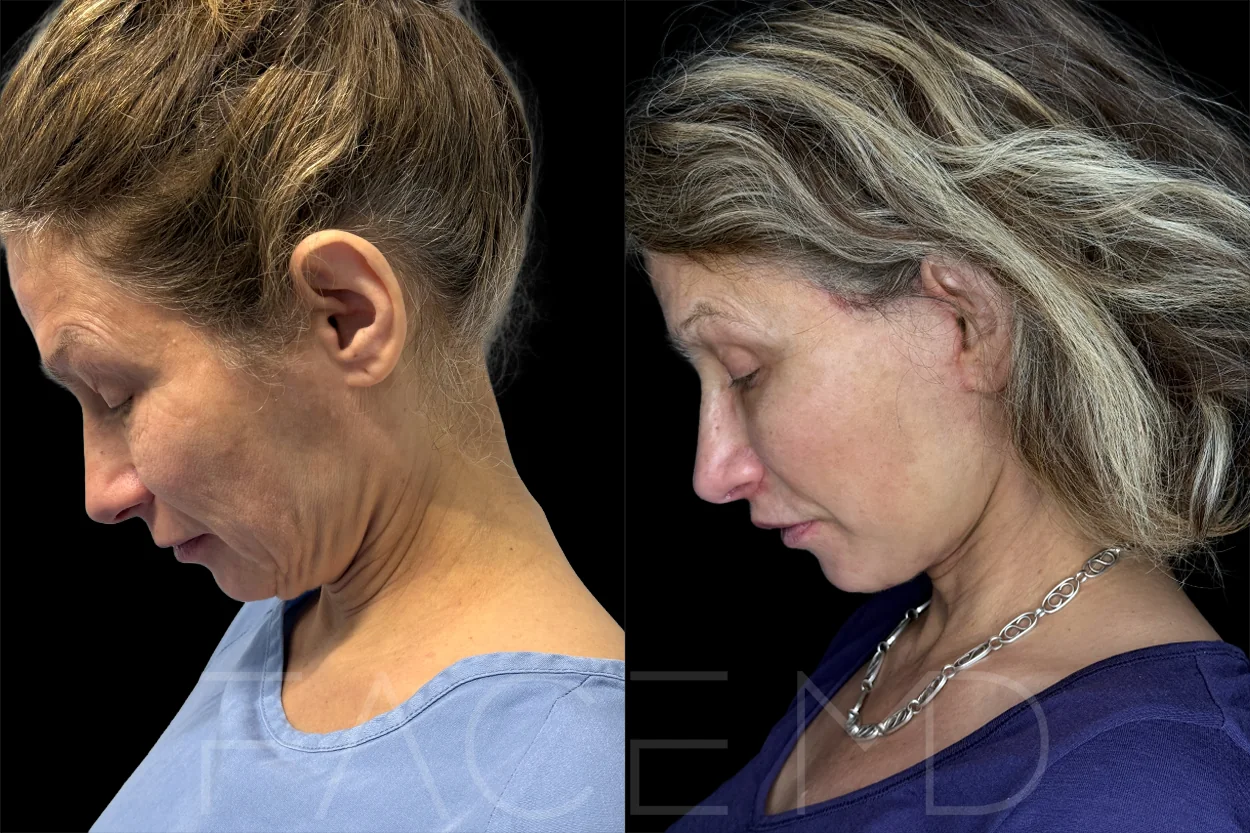
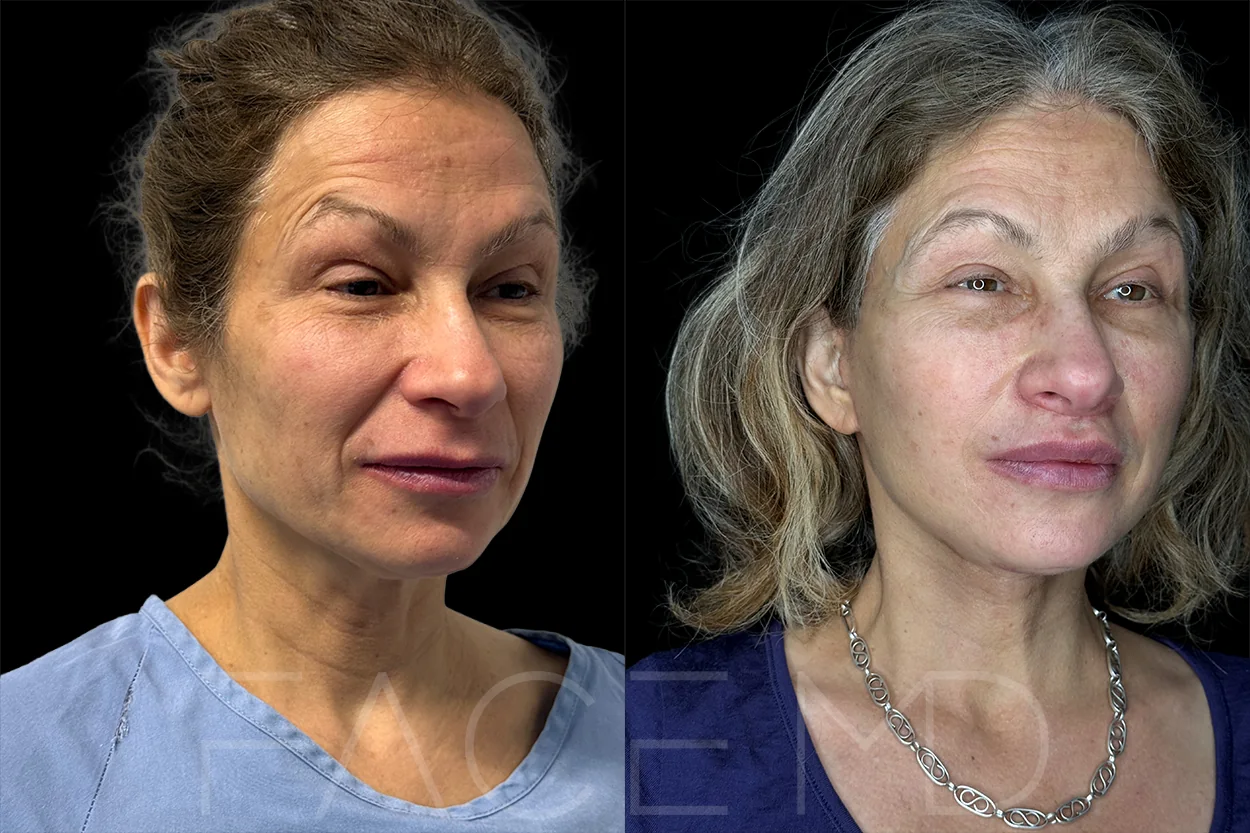
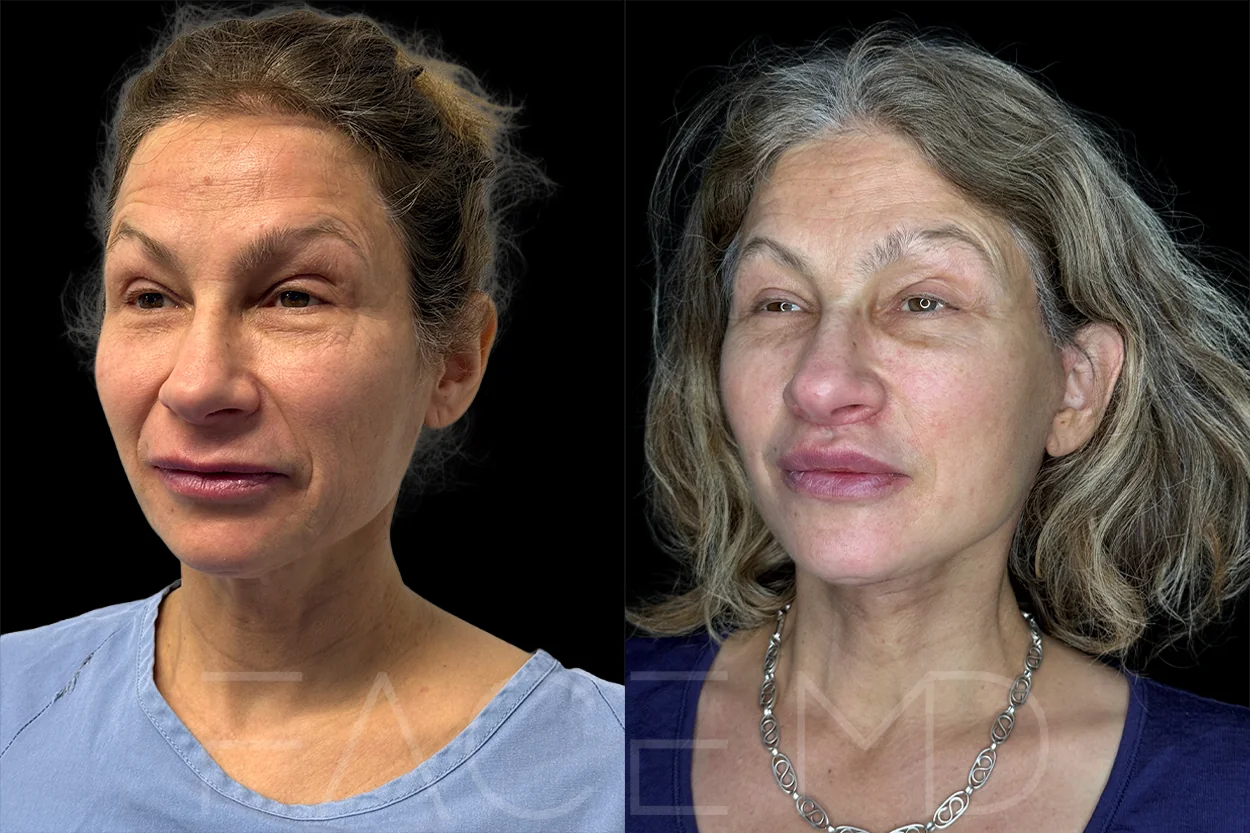
- 12 Months post-op Deep Plane Face & Neck Lift
- 22 Months post-op Deep Plane Face & Neck Lift
- 32 Months post-op Deep Plane Face & Neck Lift
- 42 Months post-op Deep Plane Face & Neck Lift
- 52 Months post-op Deep Plane Face & Neck Lift
- 62 Months post-op Deep Plane Face & Neck Lift
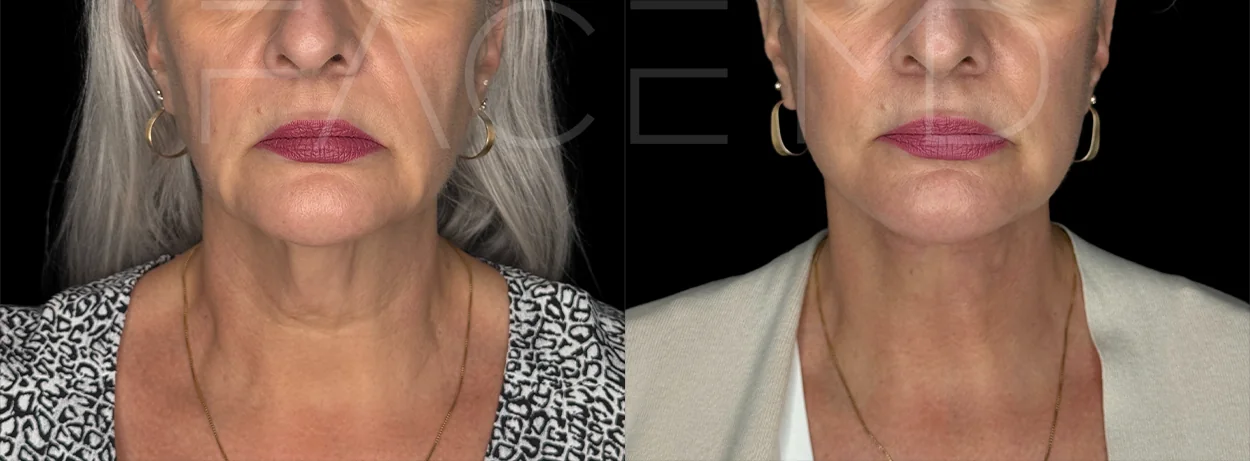
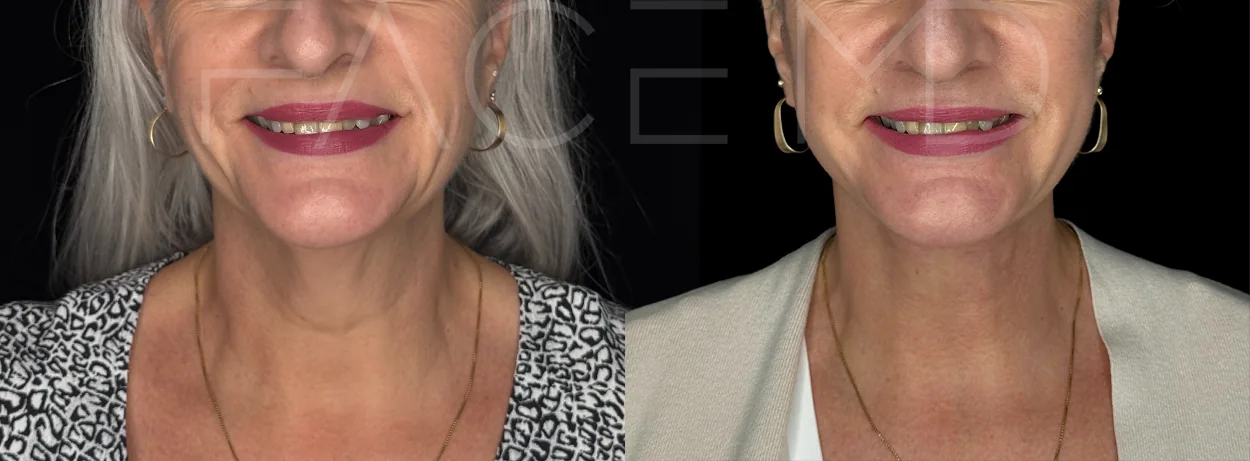
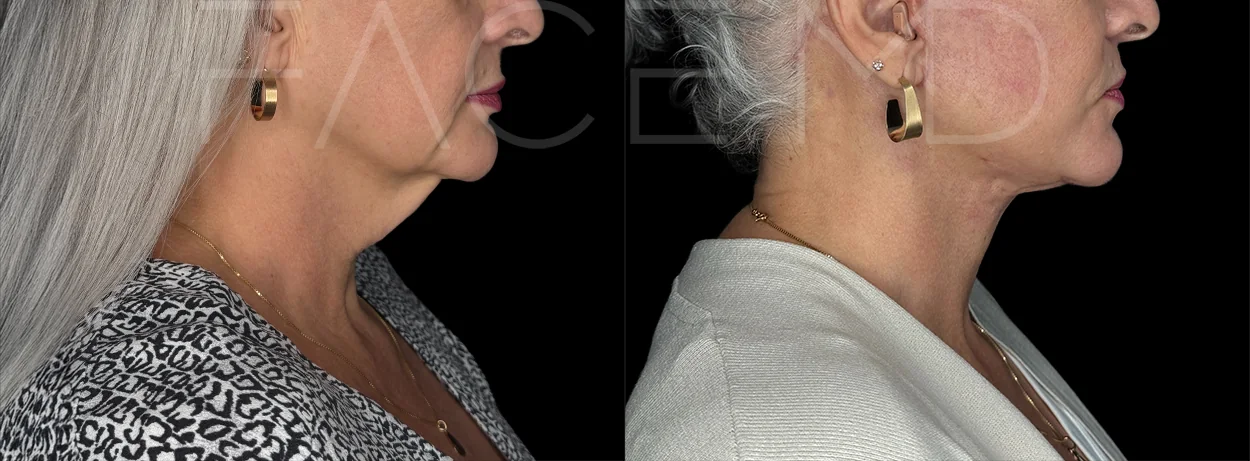
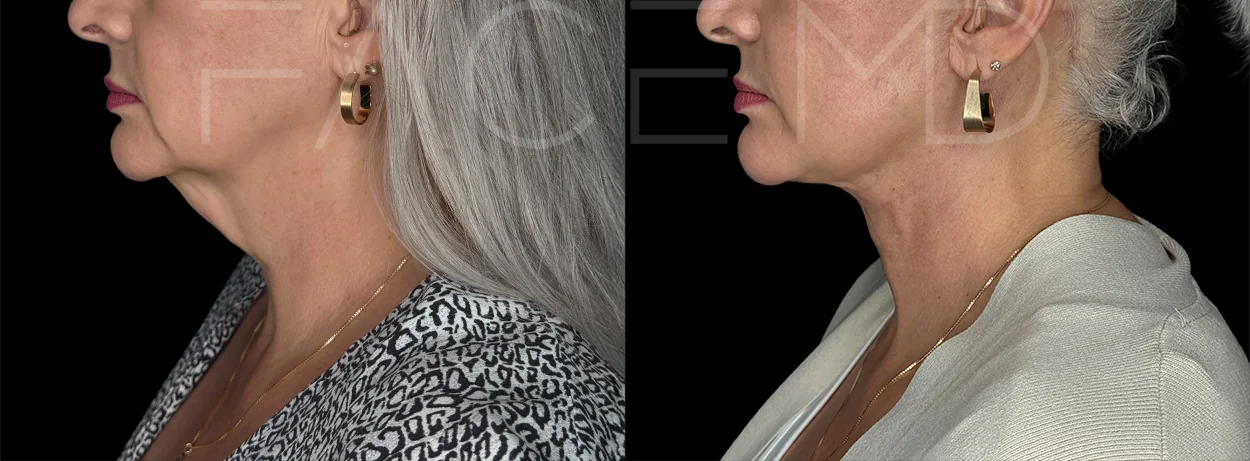
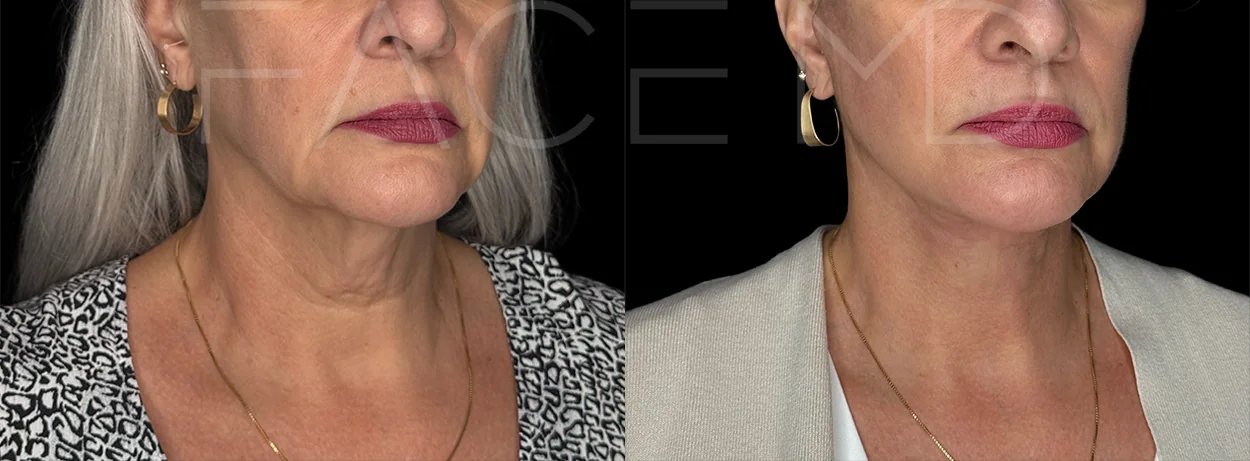
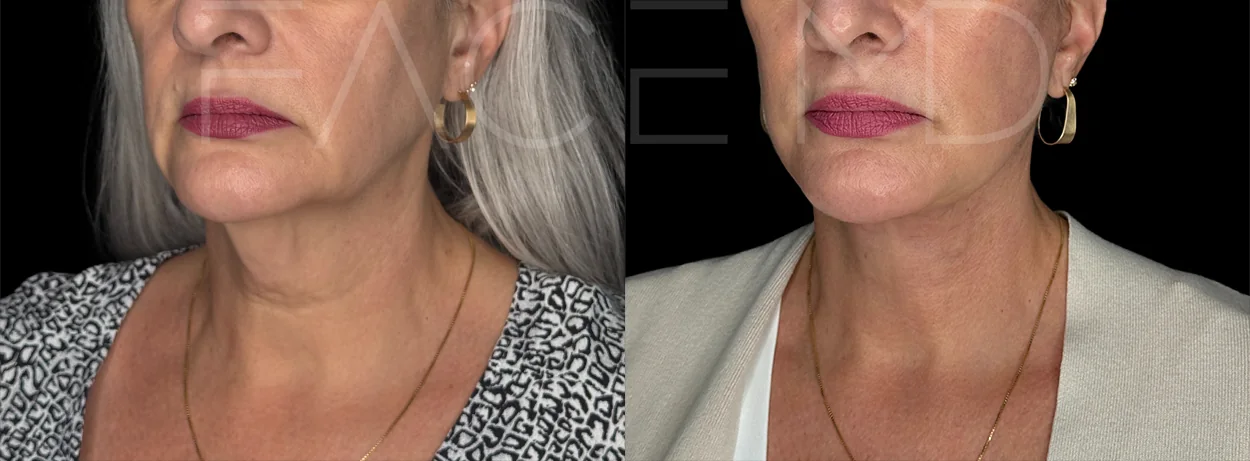
- 24 Months post-op Deep Plane Face & Neck Lift
- 14 Months post-op Deep Plane Face & Neck Lift
- 34 Months post-op Deep Plane Face & Neck Lift
- 44 Months post-op Deep Plane Face & Neck Lift
- 54 Months post-op Deep Plane Face & Neck Lift
- 74 Months post-op Deep Plane Face & Neck Lift
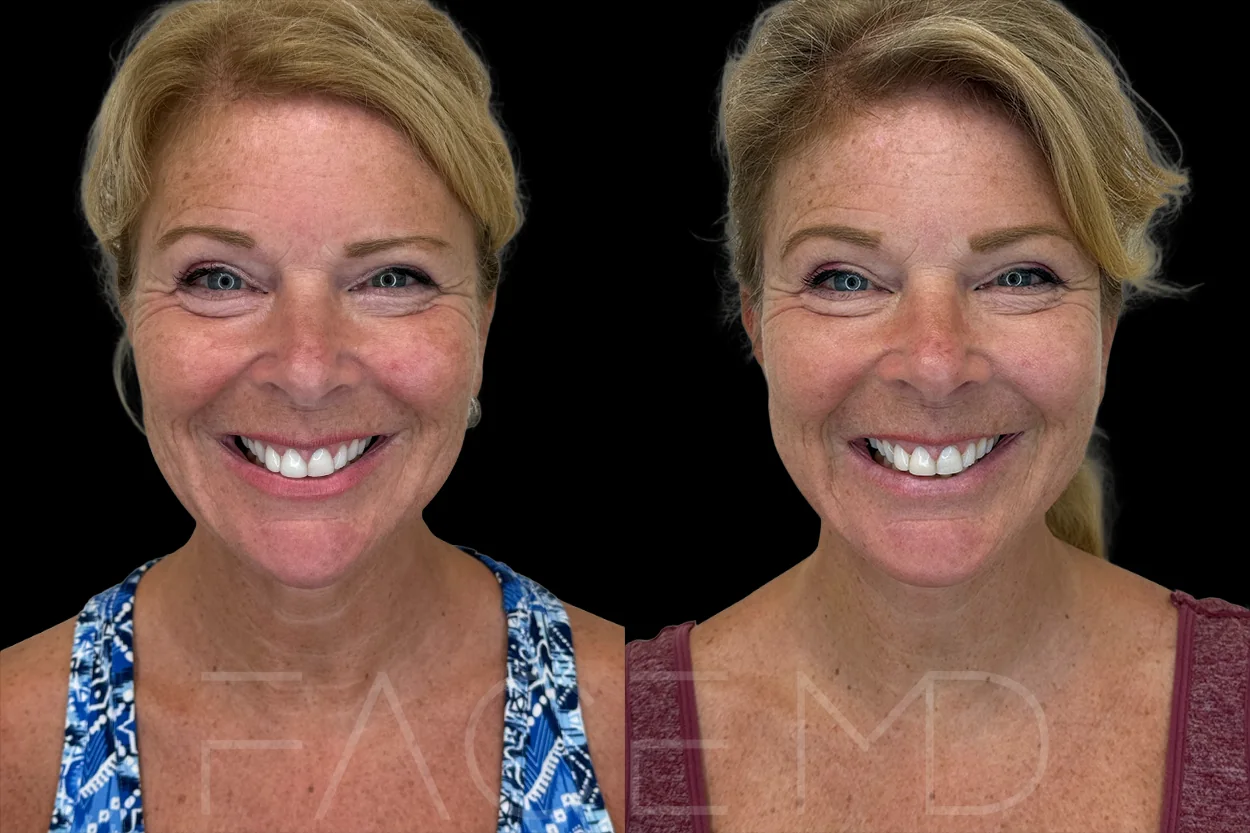
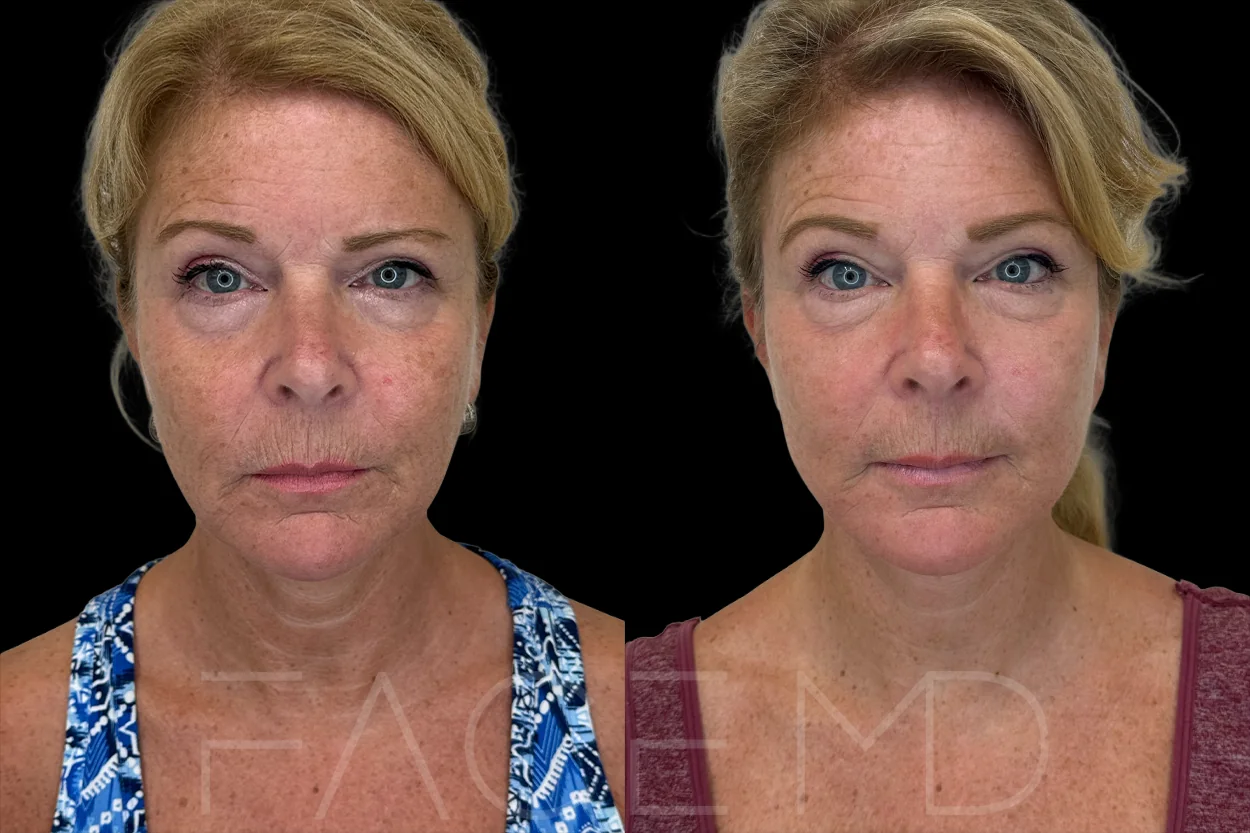
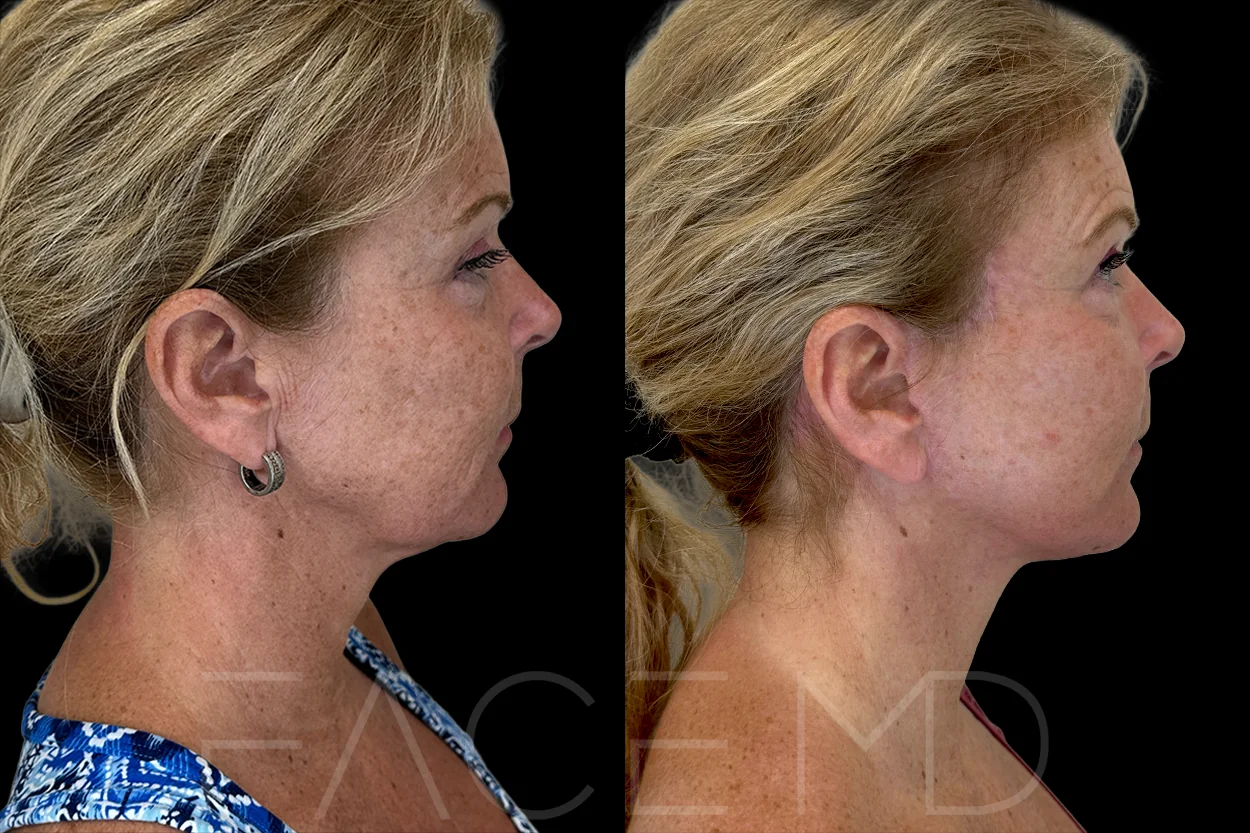
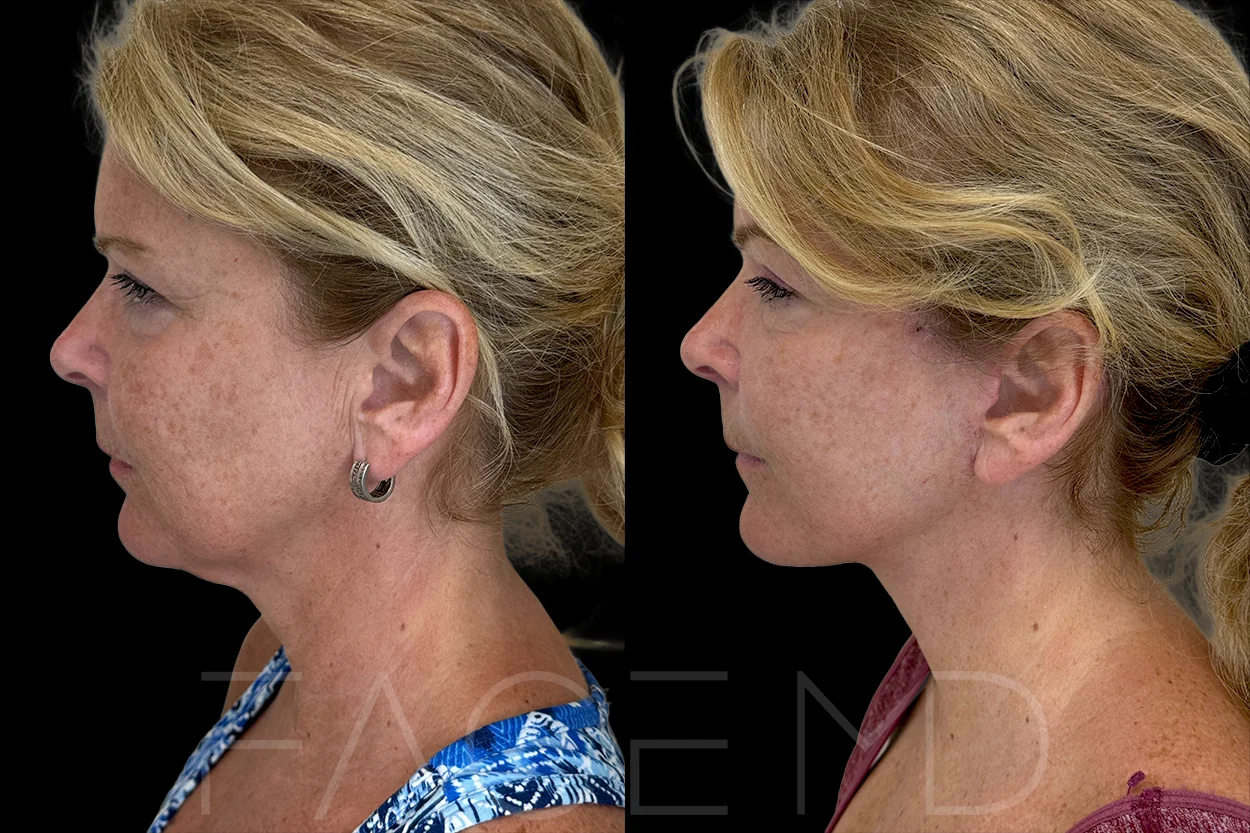
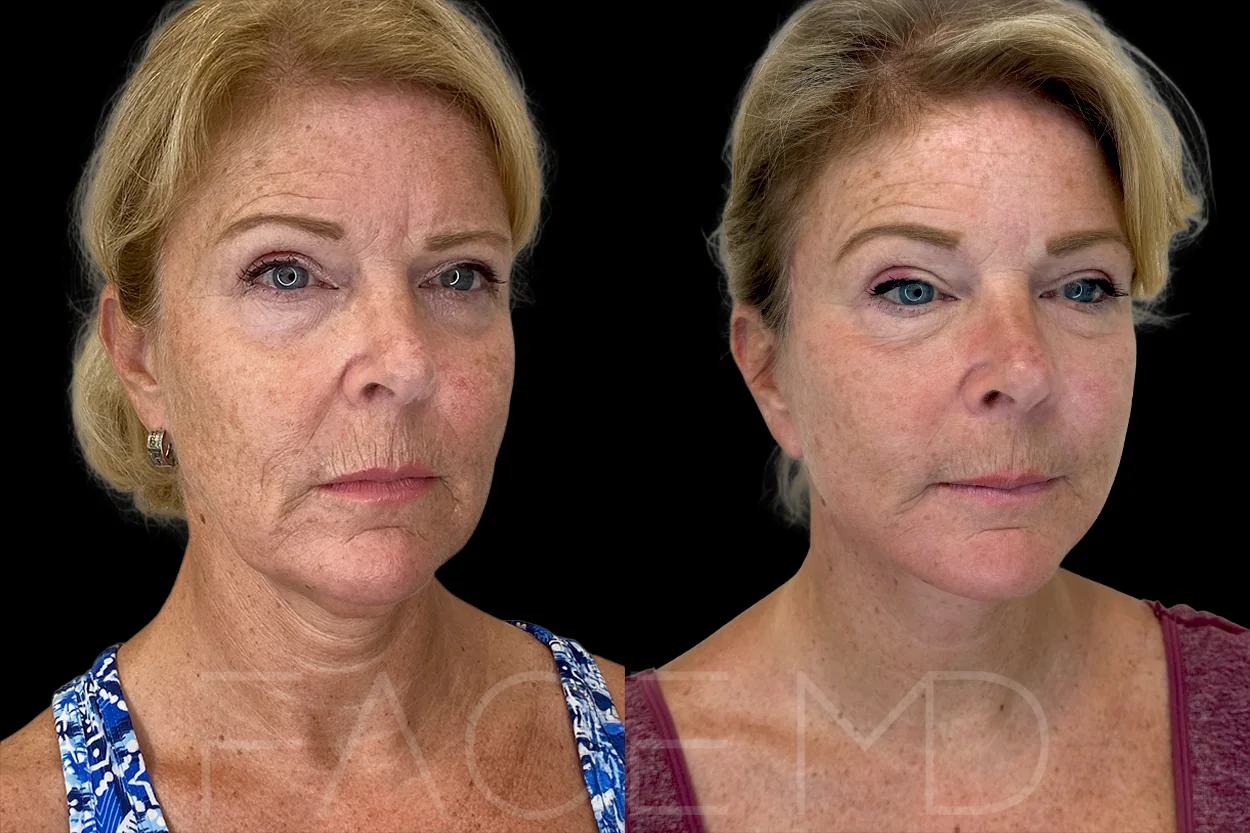
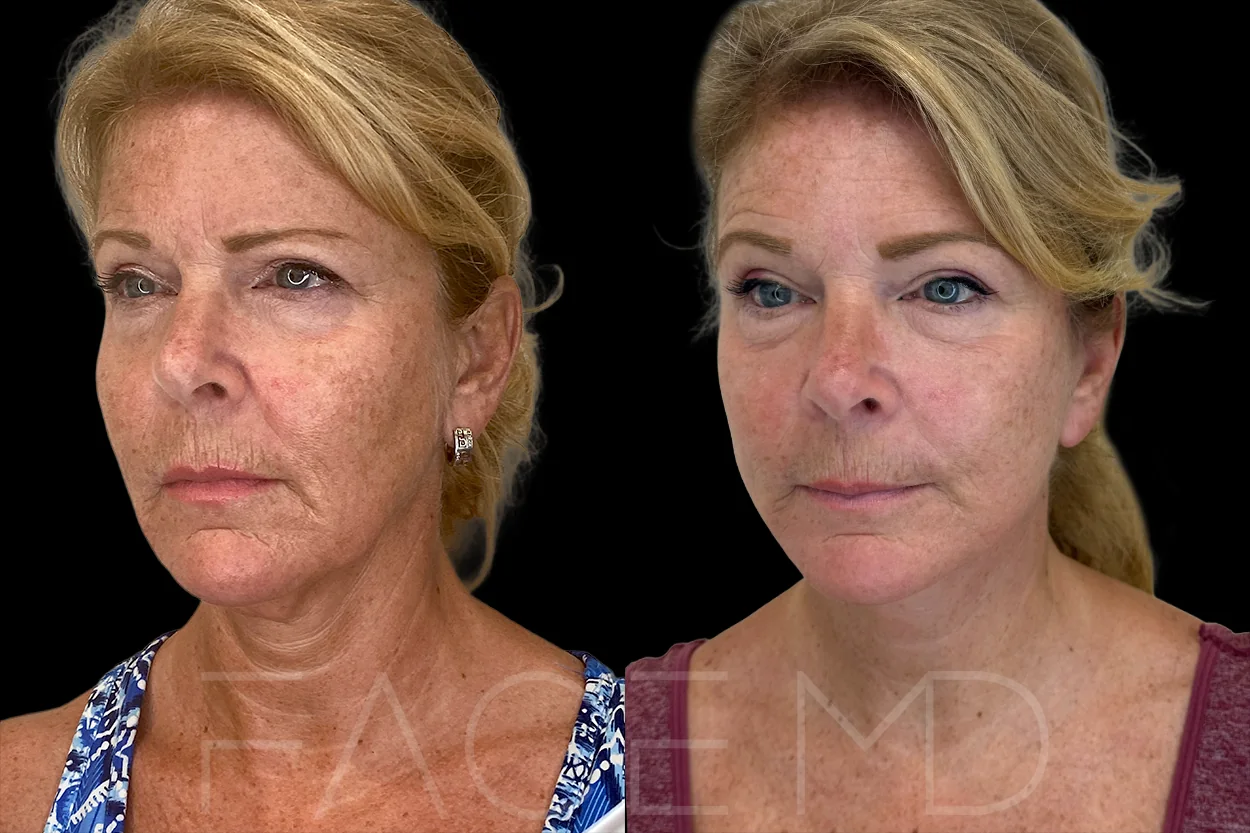
- 14.5 Months post-op Deep Plane Face & Neck Lift, Upper Blepharoplasty and Full Face CO2 Laser
- 24.5 Months post-op Deep Plane Face & Neck Lift, Upper Blepharoplasty and Full Face CO2 Laser
- 34.5 Months post-op Deep Plane Face & Neck Lift, Upper Blepharoplasty and Full Face CO2 Laser
- 54.5 Months post-op Deep Plane Face & Neck Lift, Upper Blepharoplasty and Full Face CO2 Laser
- 74.5 Months post-op Deep Plane Face & Neck Lift, Upper Blepharoplasty and Full Face CO2 Laser
- 84.5 Months post-op Deep Plane Face & Neck Lift, Upper Blepharoplasty and Full Face CO2 Laser
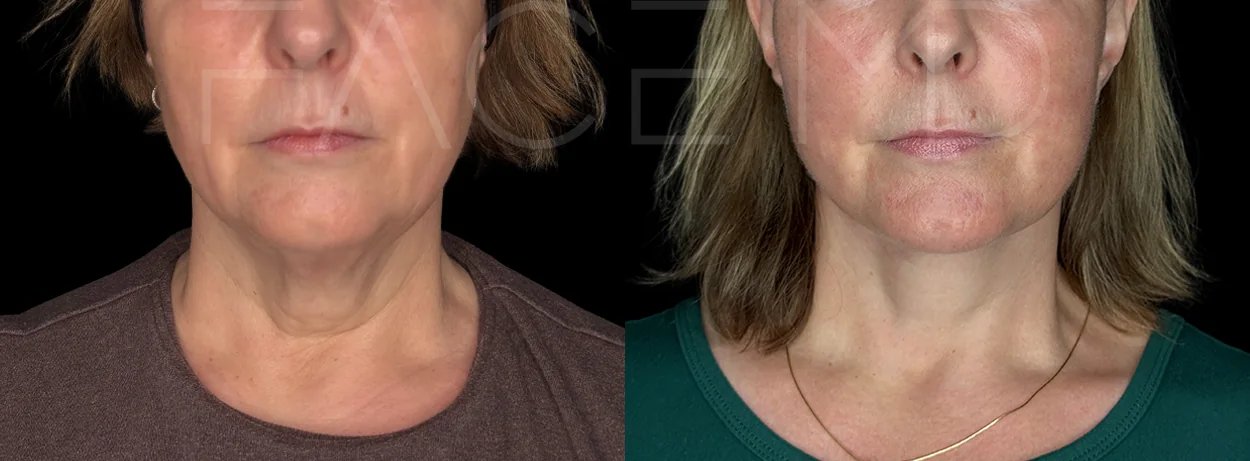
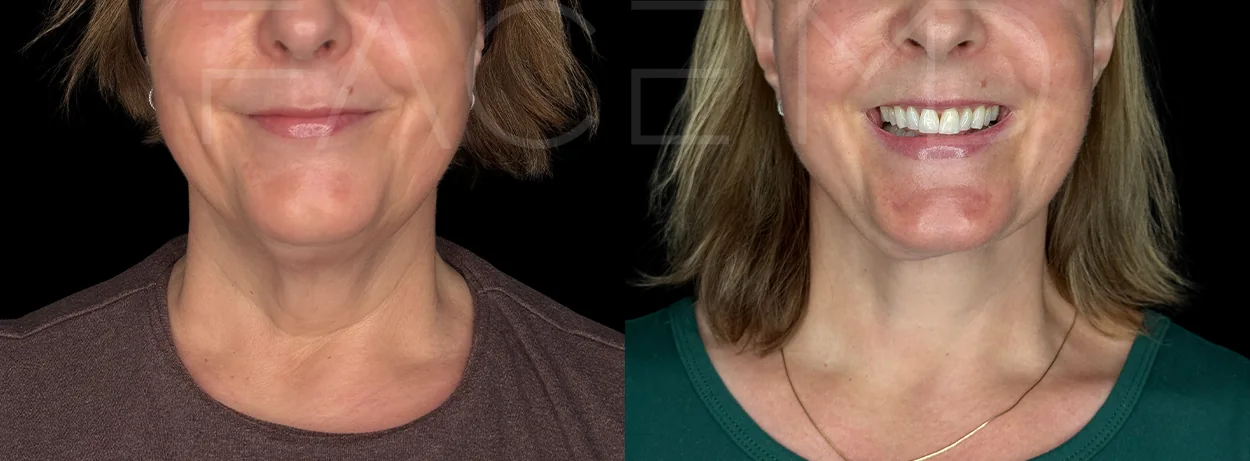
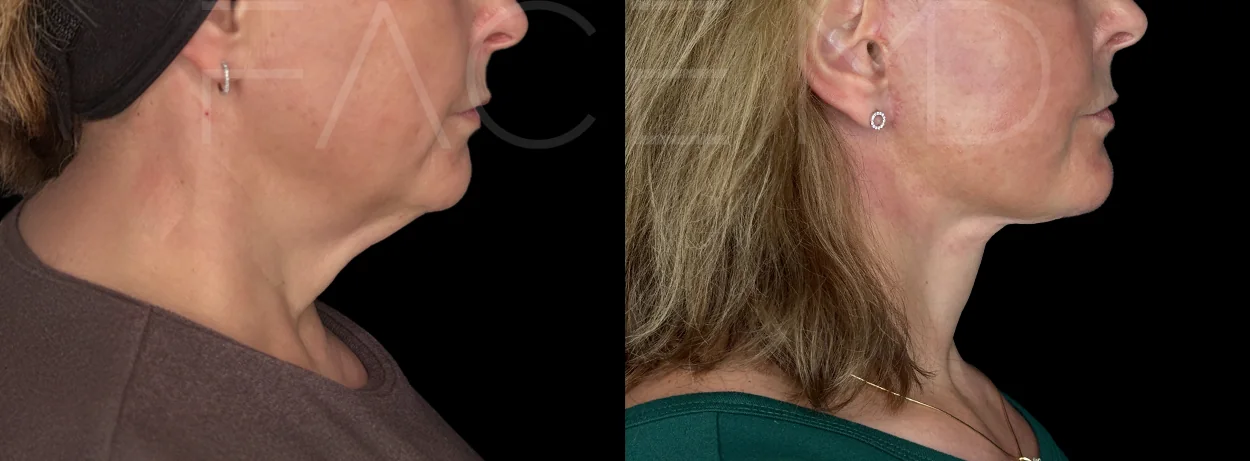
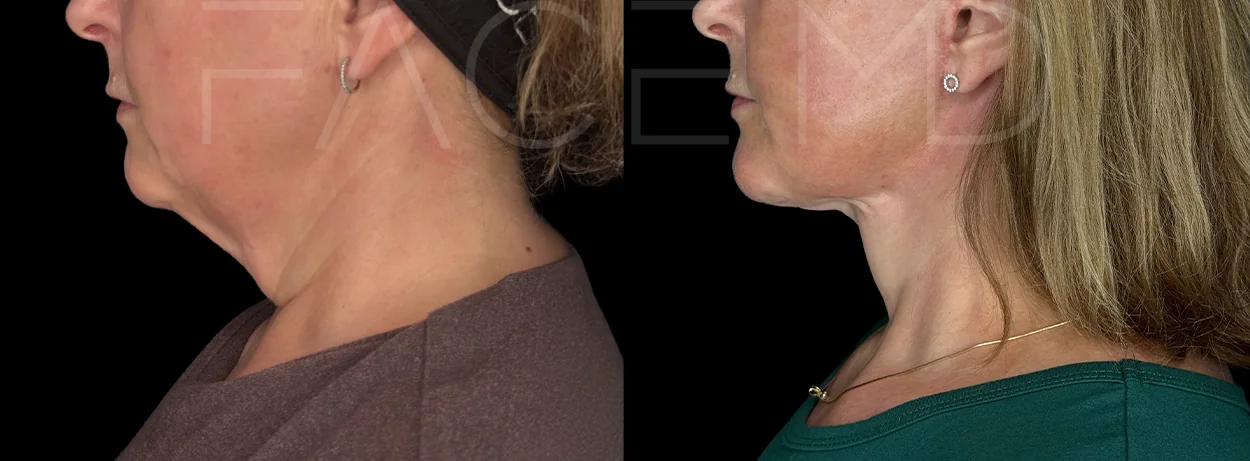
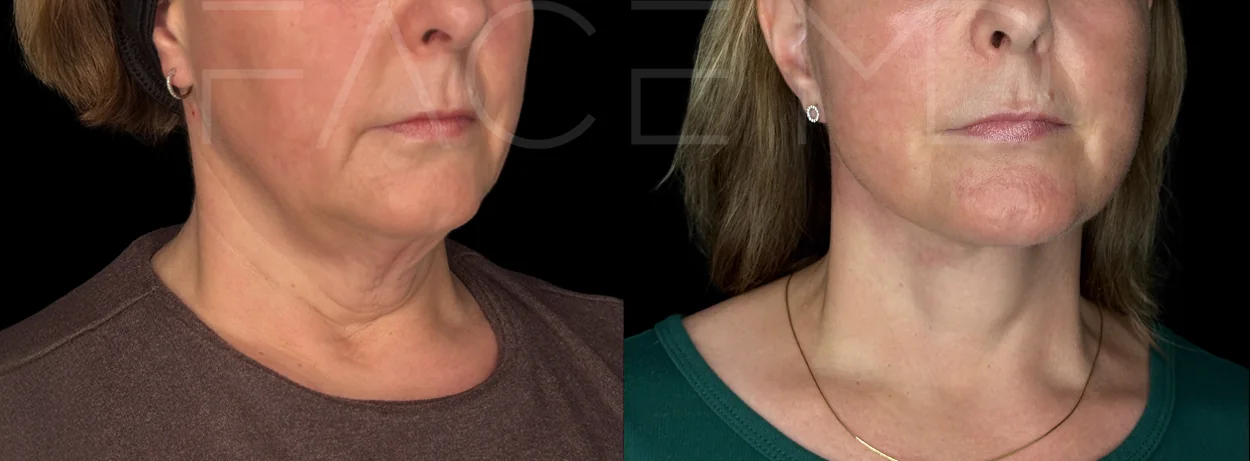
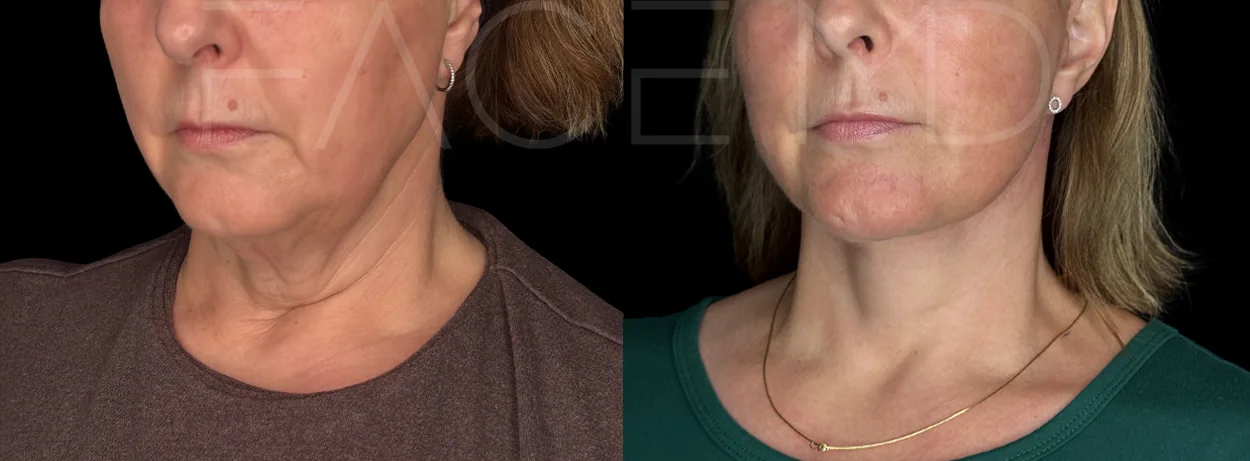
- 11.5 Months post-op Deep Plane Face & Neck Lift
- 21.5 Months post-op Deep Plane Face & Neck Lift
- 31.5 Months post-op Deep Plane Face & Neck Lift
- 41.5 Months post-op Deep Plane Face & Neck Lift
- 61.5 Months post-op Deep Plane Face & Neck Lift
- 51.5 Months post-op Deep Plane Face & Neck Lift
- 71.5 Months post-op Deep Plane Face & Neck Lift
- 8
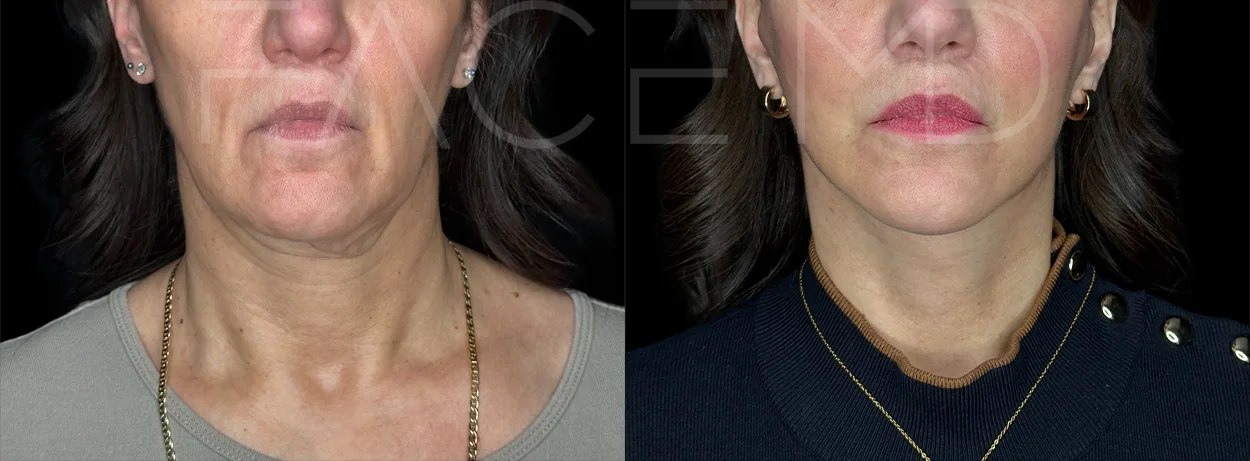
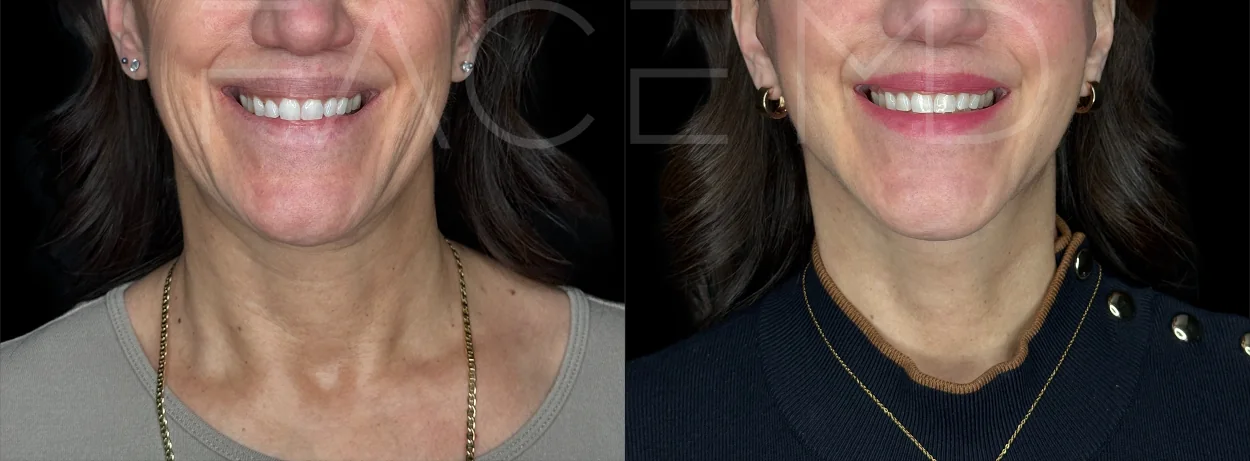
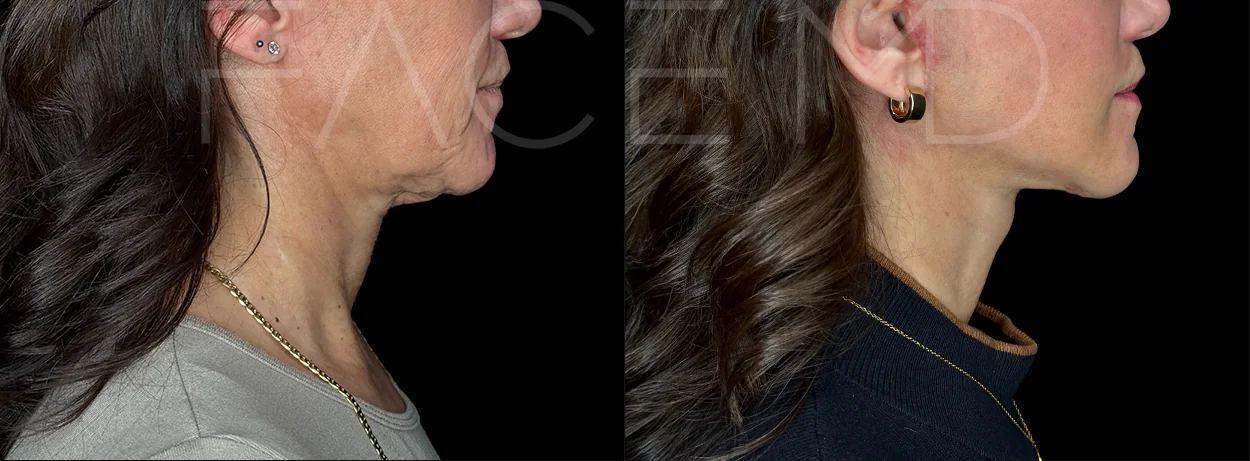
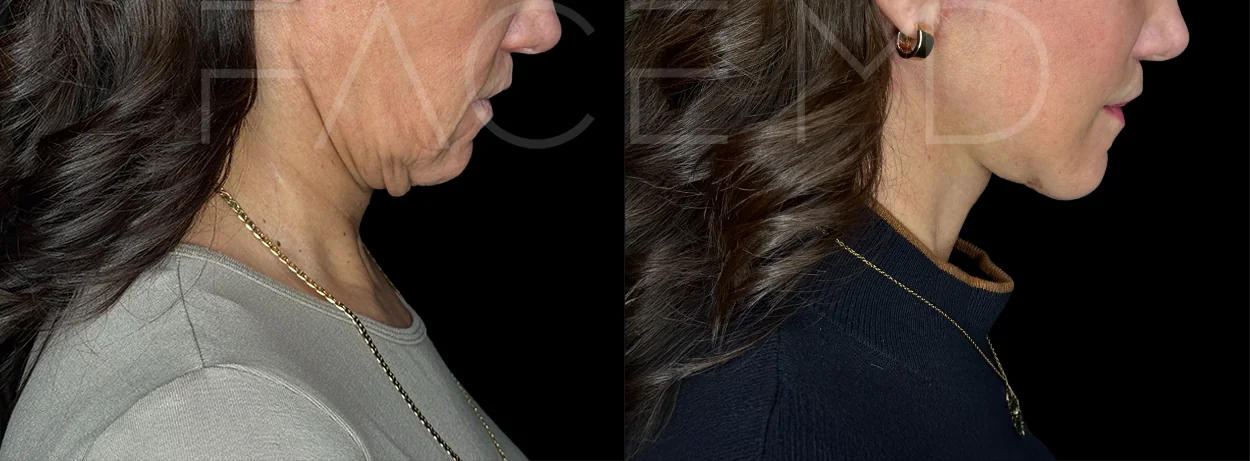
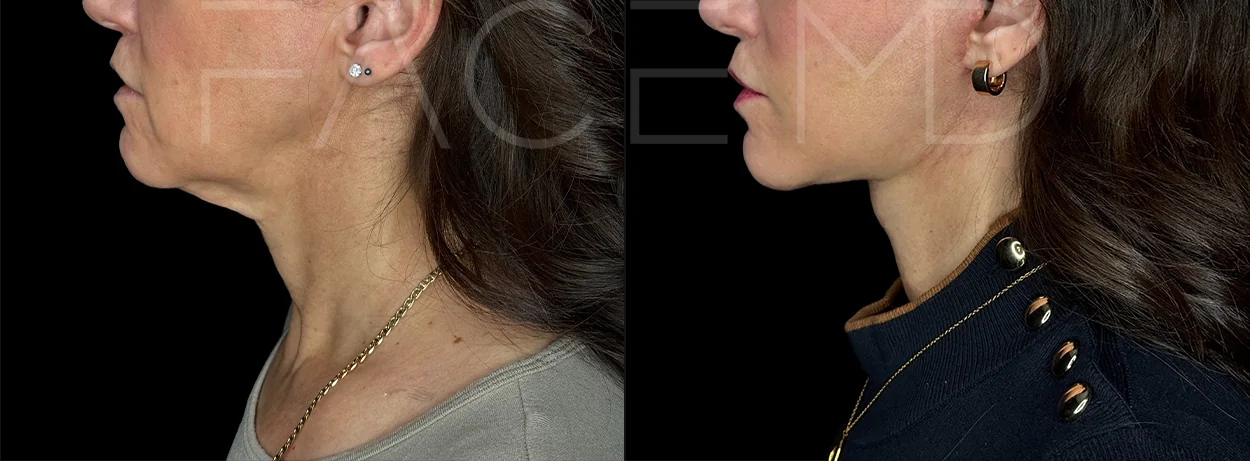
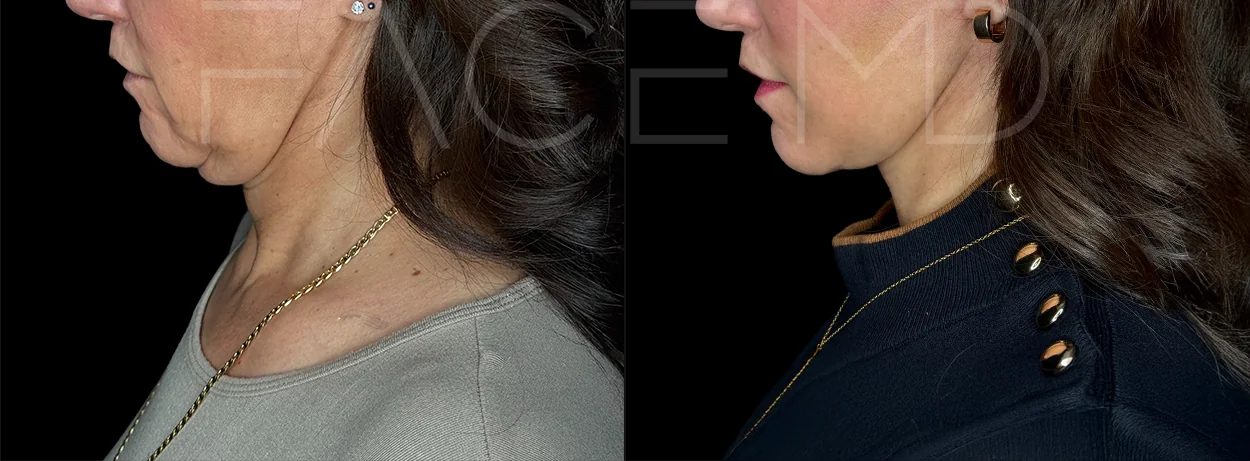
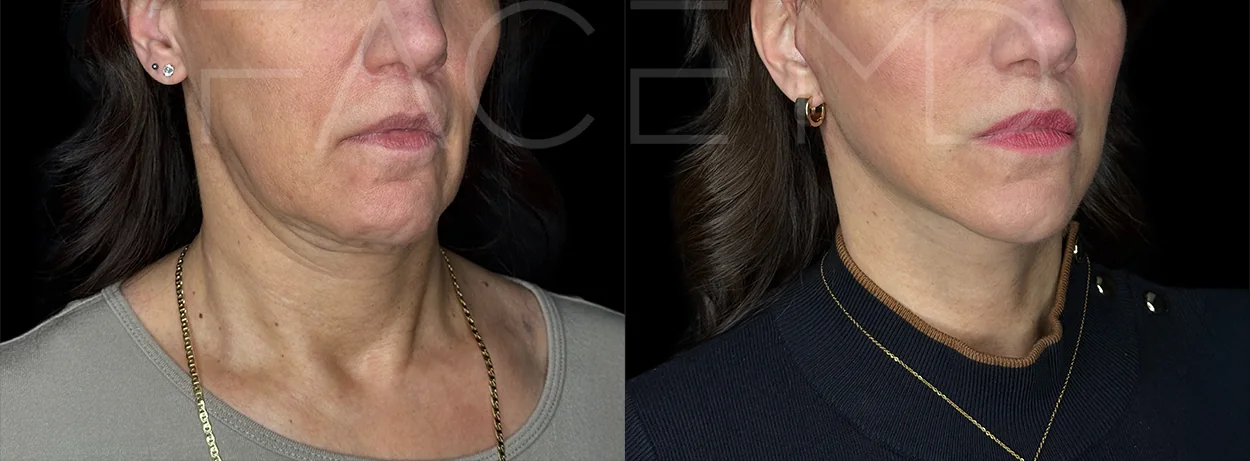
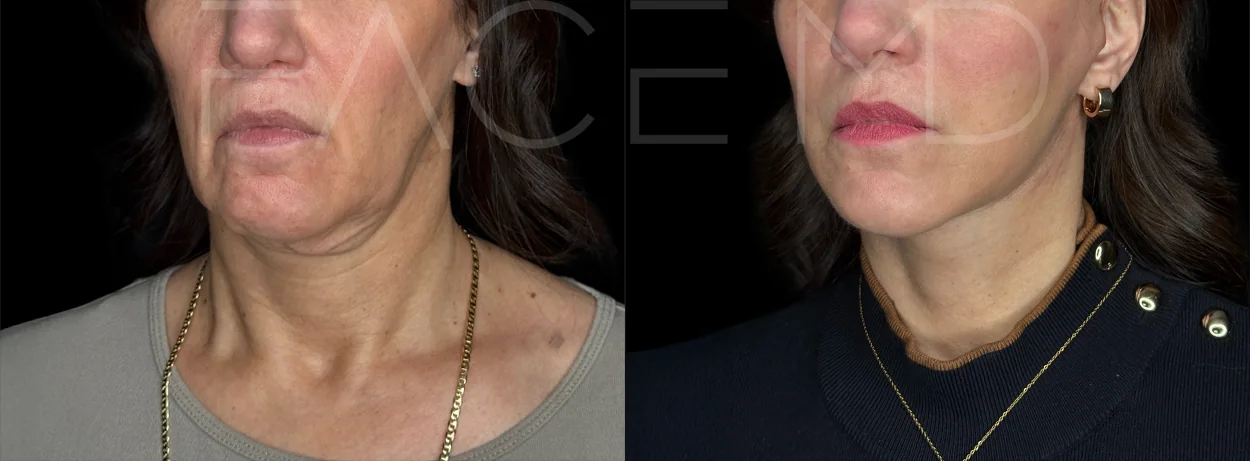
- 1B5 Months post-op Revision Deep Plane Face & Neck Lift and Perioral CO2 Laser
- 2B5 Months post-op Revision Deep Plane Face & Neck Lift and Perioral CO2 Laser
- 35 Months post-op Revision Deep Plane Face & Neck Lift and Perioral CO2 Laser
- 55 Months post-op Revision Deep Plane Face & Neck Lift and Perioral CO2 Laser
- 45 Months post-op Revision Deep Plane Face & Neck Lift and Perioral CO2 Laser
- 65 Months post-op Revision Deep Plane Face & Neck Lift and Perioral CO2 Laser
- 95 Months post-op Revision Deep Plane Face & Neck Lift and Perioral CO2 Laser
- 105 Months post-op Revision Deep Plane Face & Neck Lift and Perioral CO2 Laser
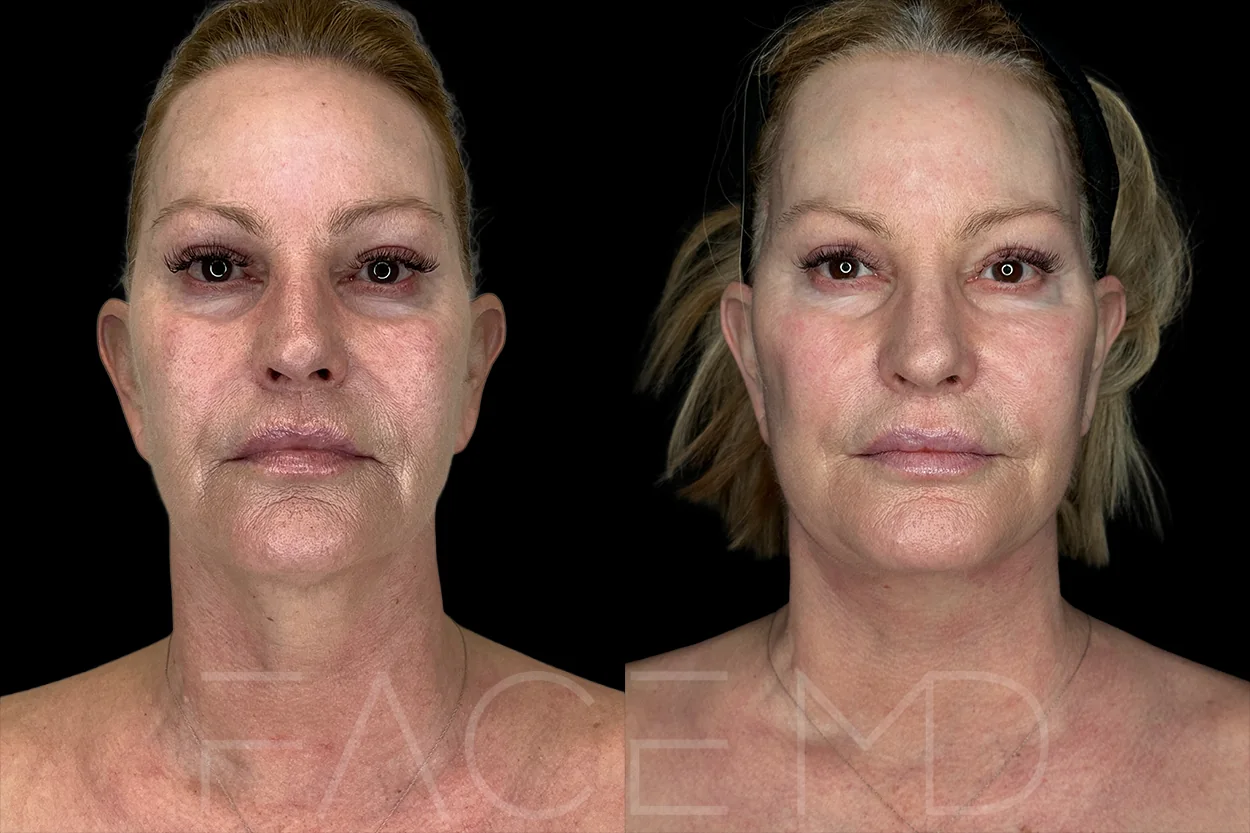
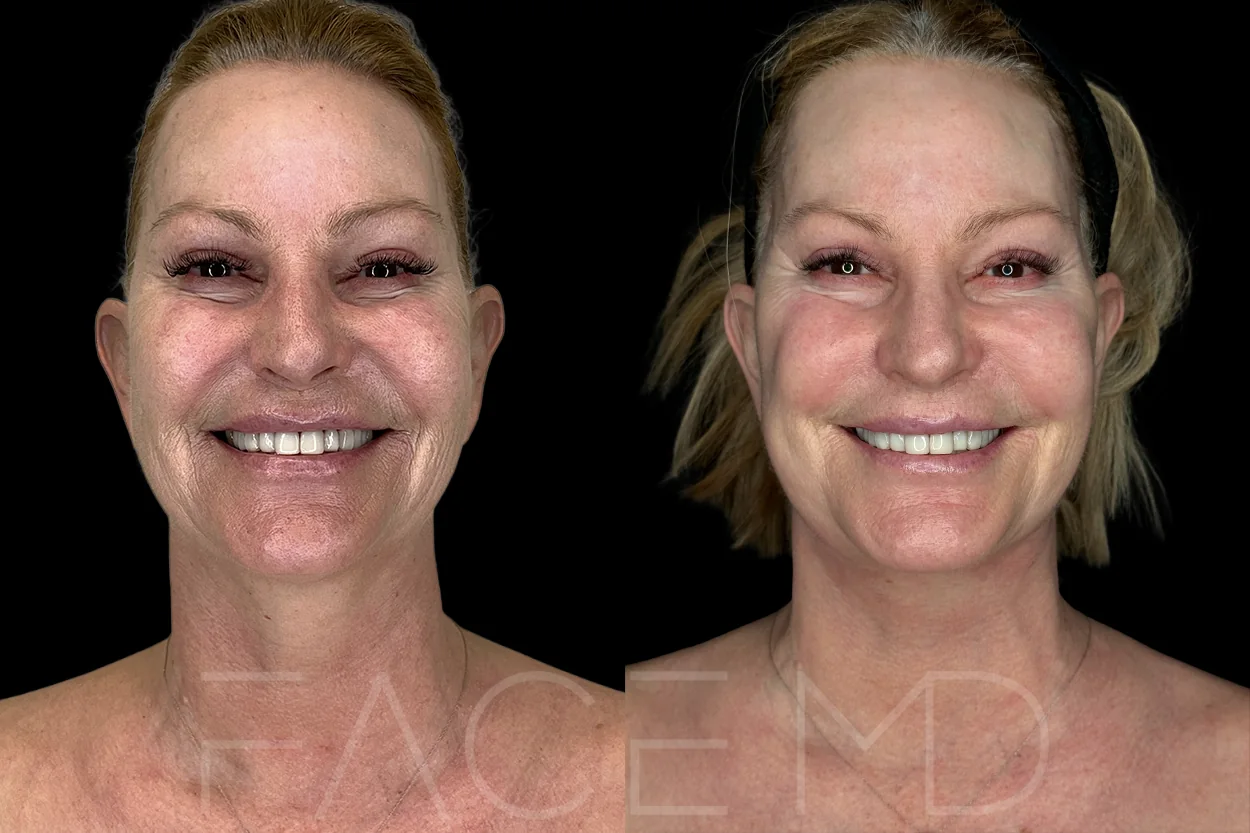
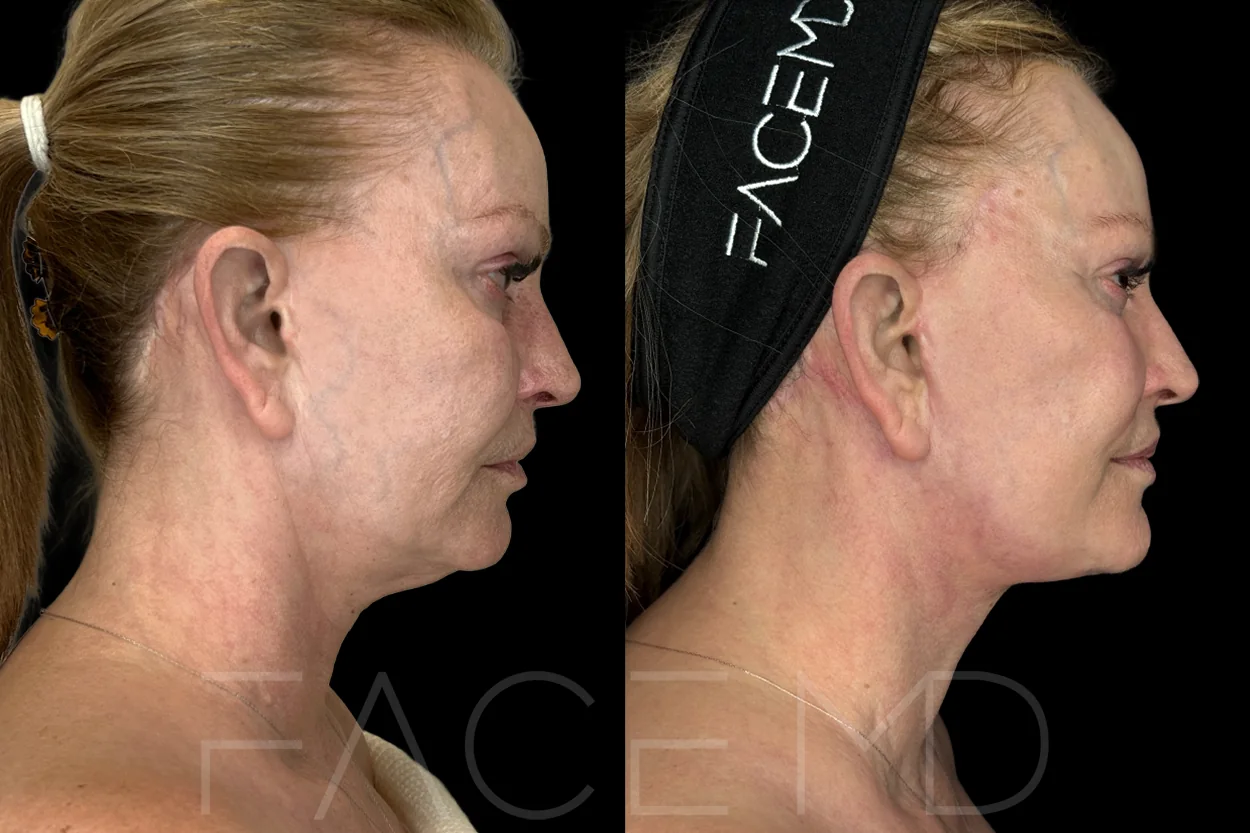
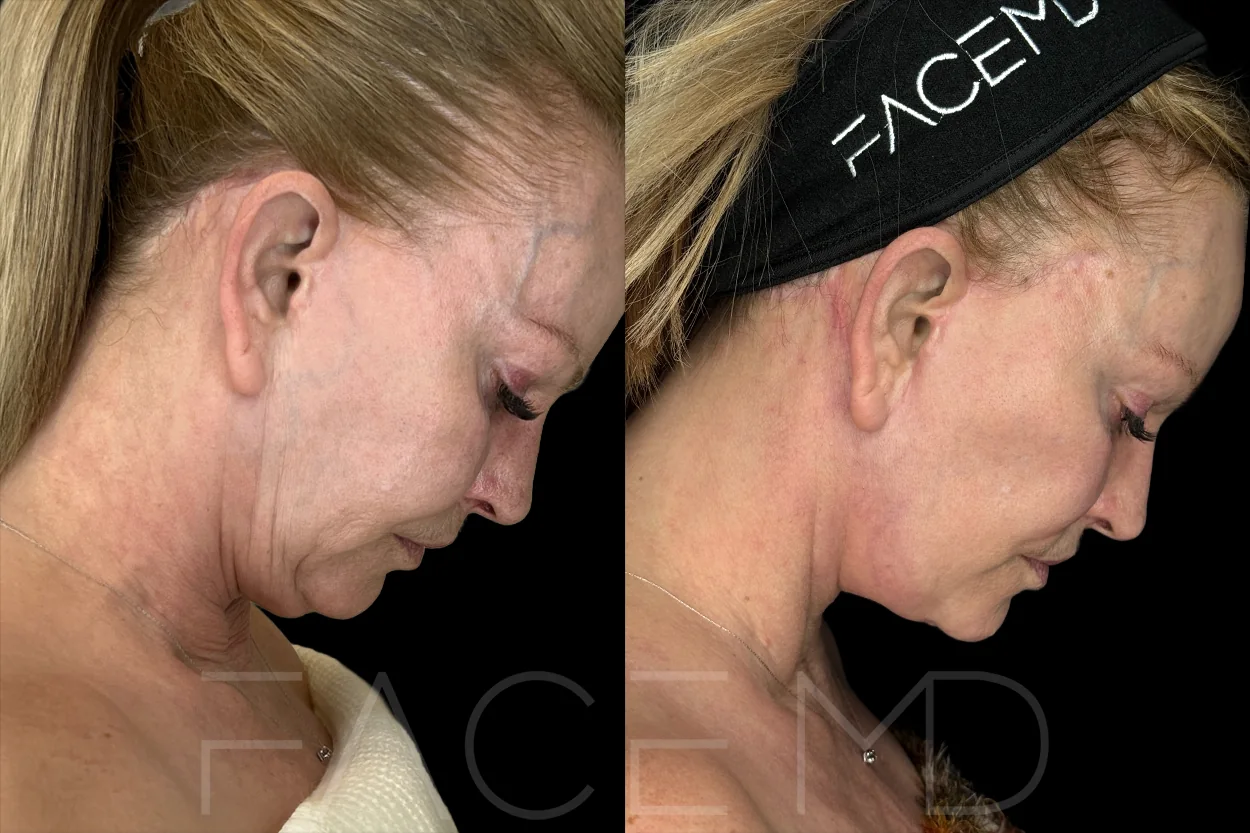
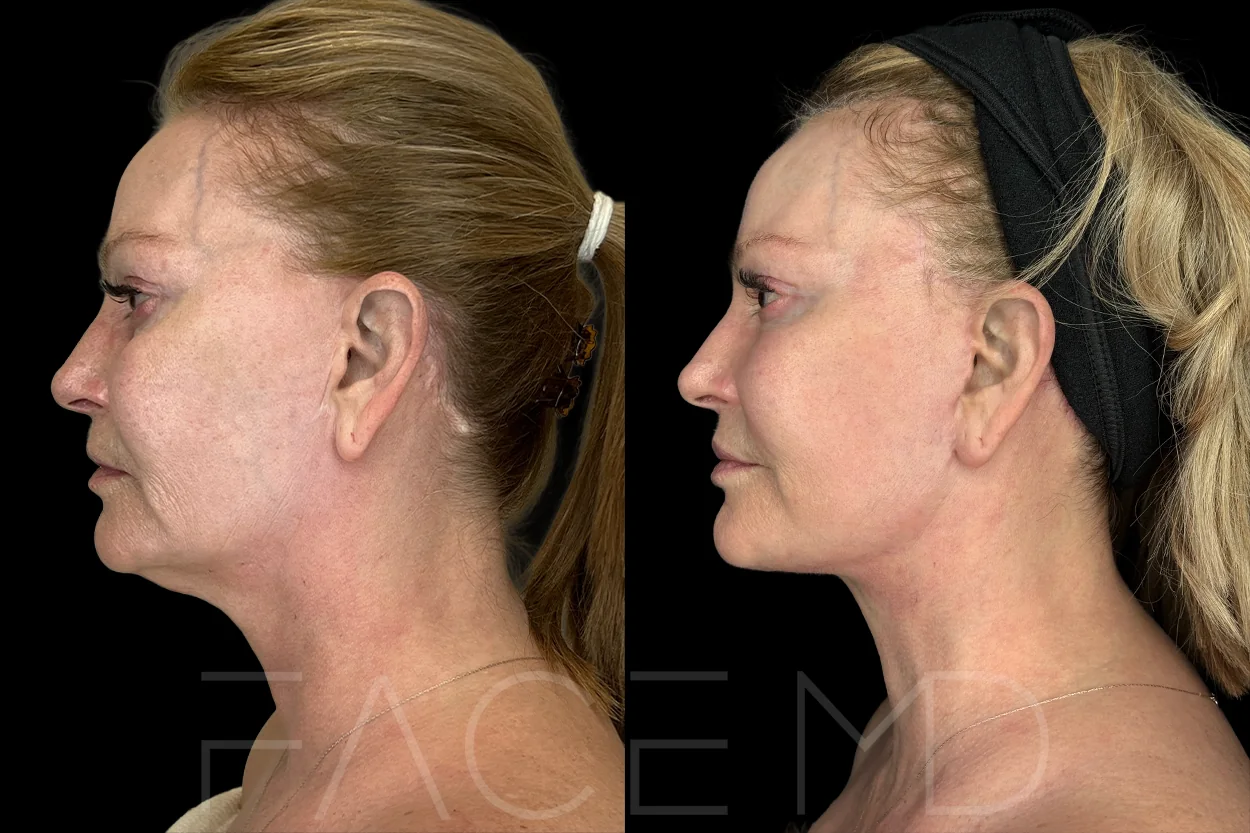
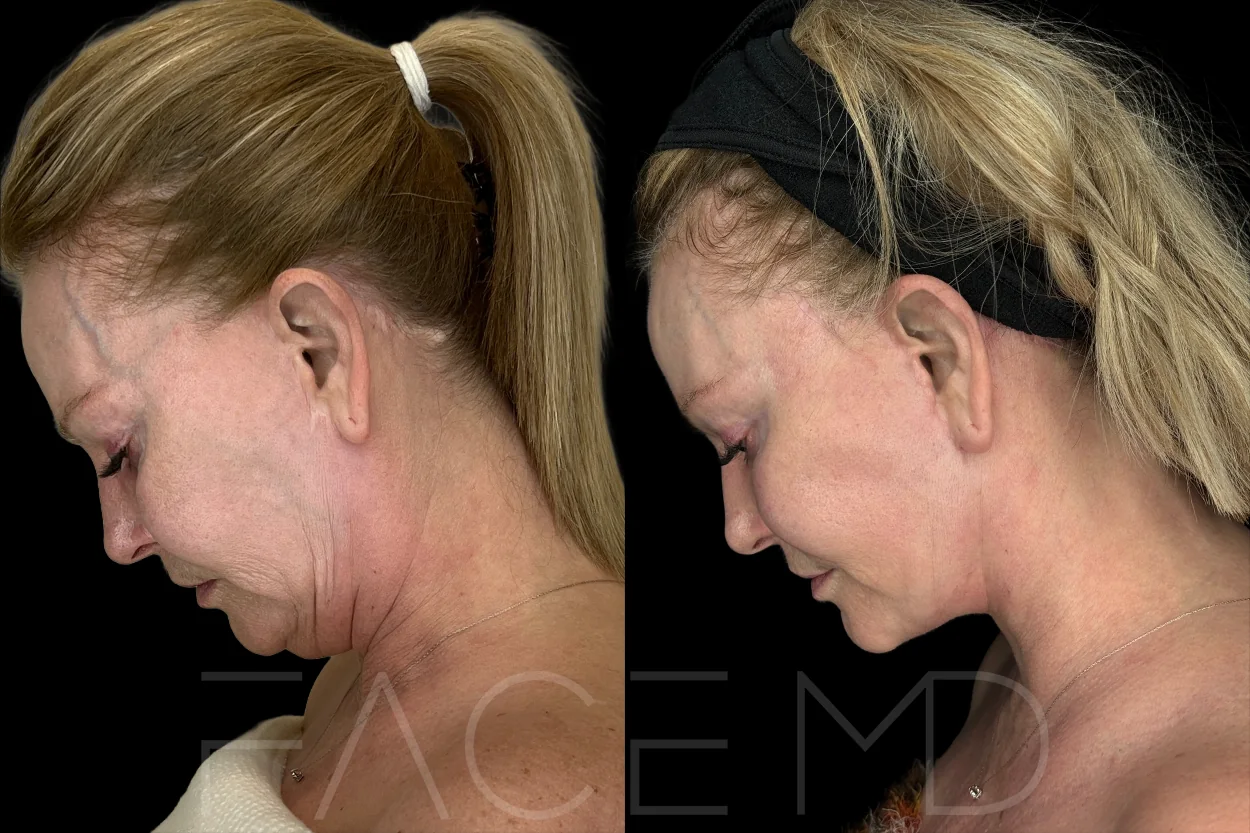
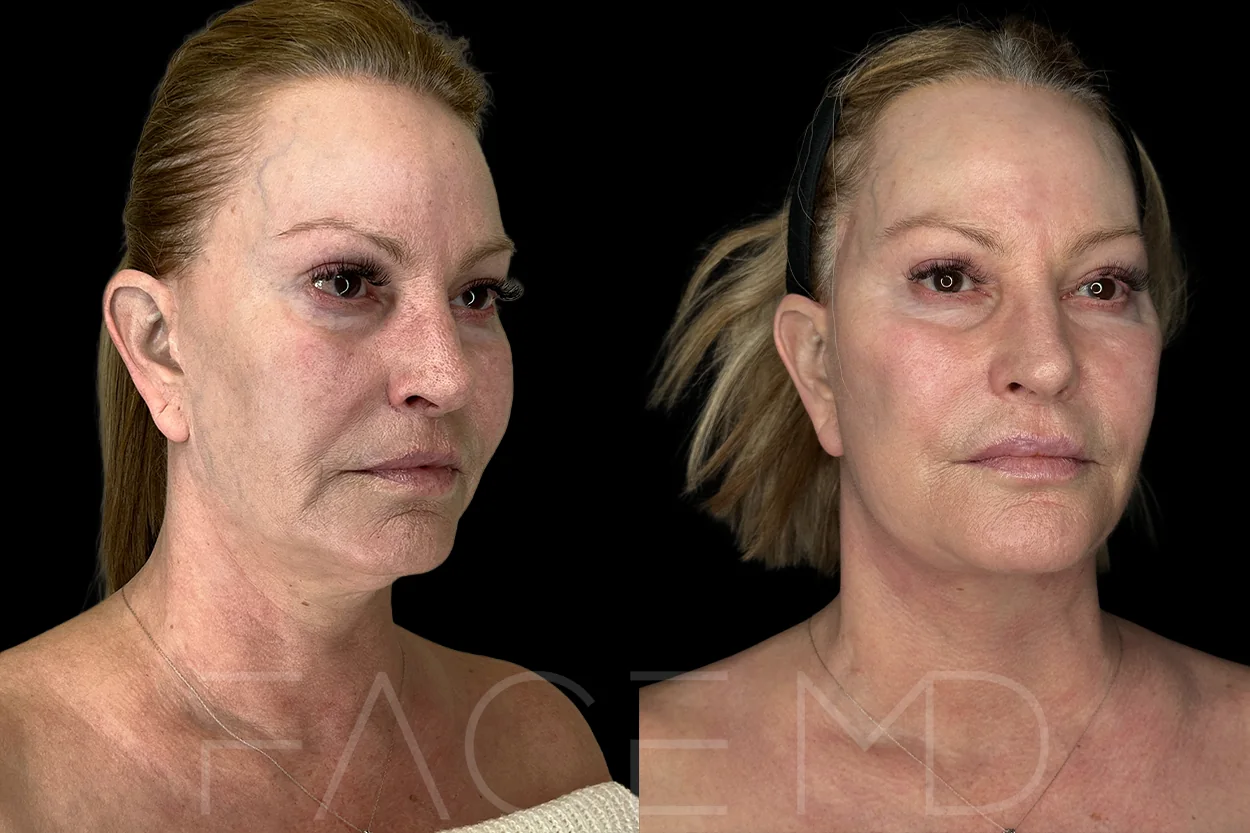
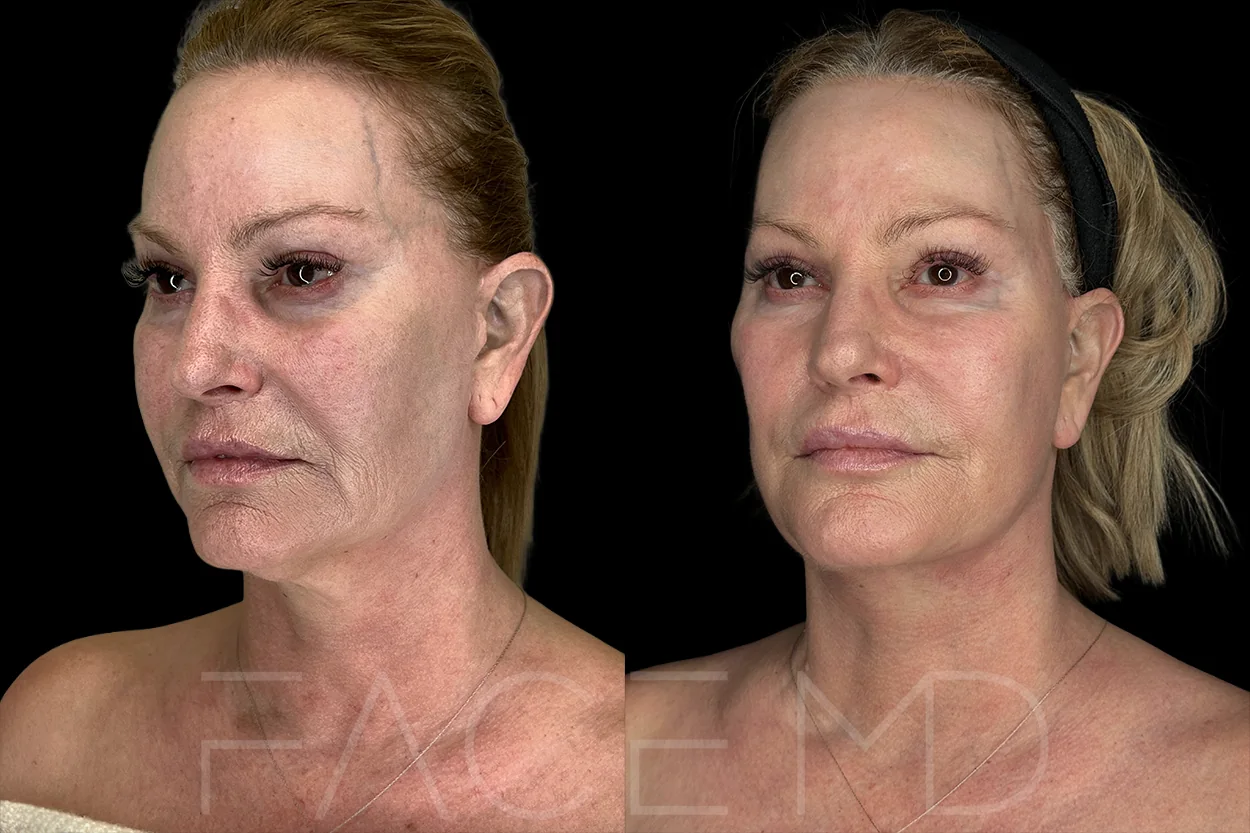
- 12 Months post-op Deep Plane Face & Neck Lift
- 22 Months post-op Deep Plane Face & Neck Lift
- 32 Months post-op Deep Plane Face & Neck Lift
- 42 Months post-op Deep Plane Face & Neck Lift
- 52 Months post-op Deep Plane Face & Neck Lift
- 62 Months post-op Deep Plane Face & Neck Lift
- 72 Months post-op Deep Plane Face & Neck Lift
- 82 Months post-op Deep Plane Face & Neck Lift
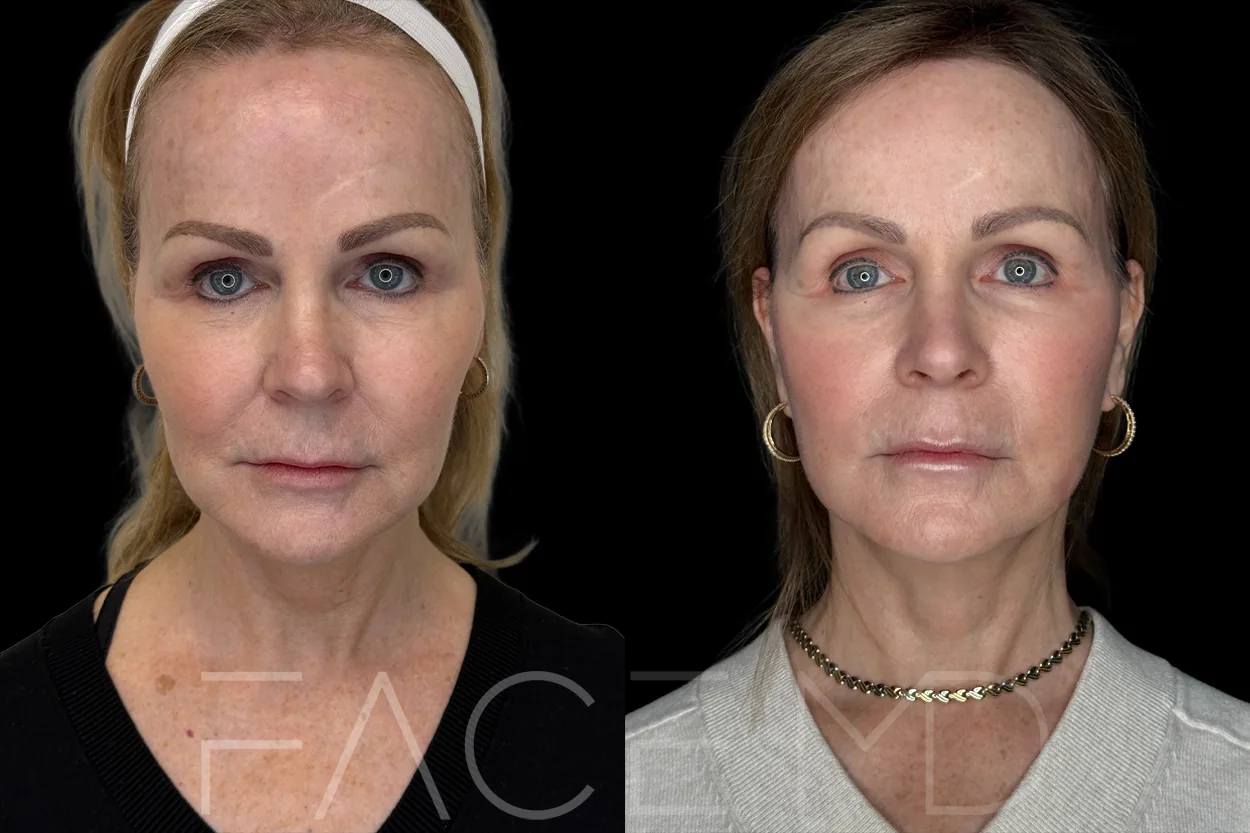
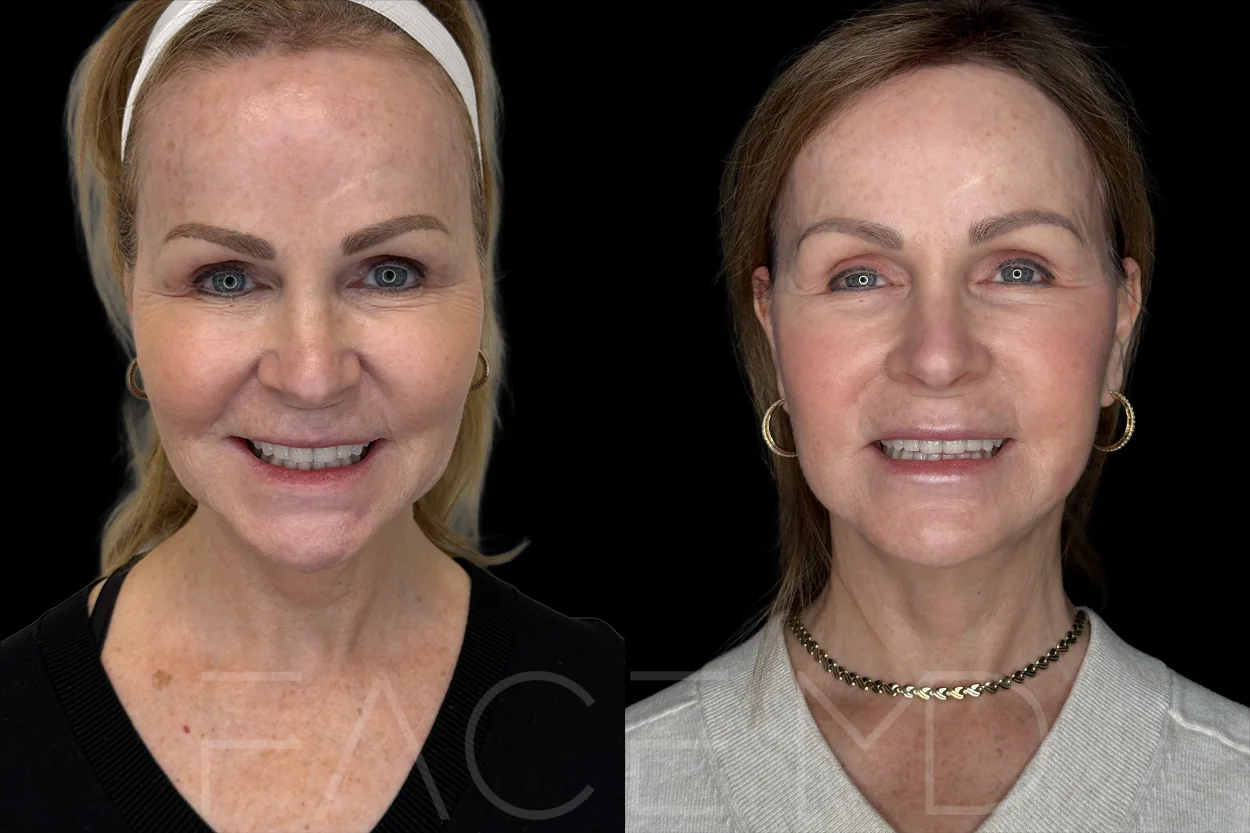
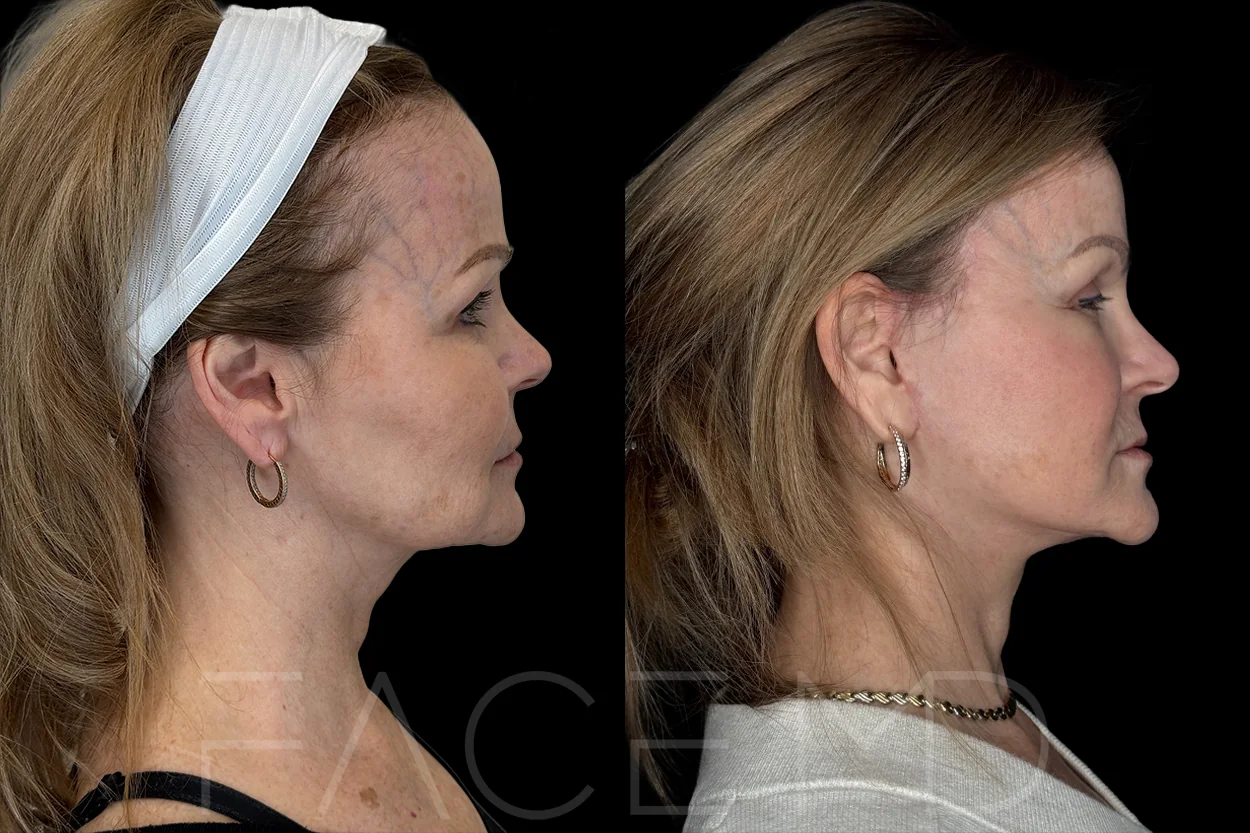
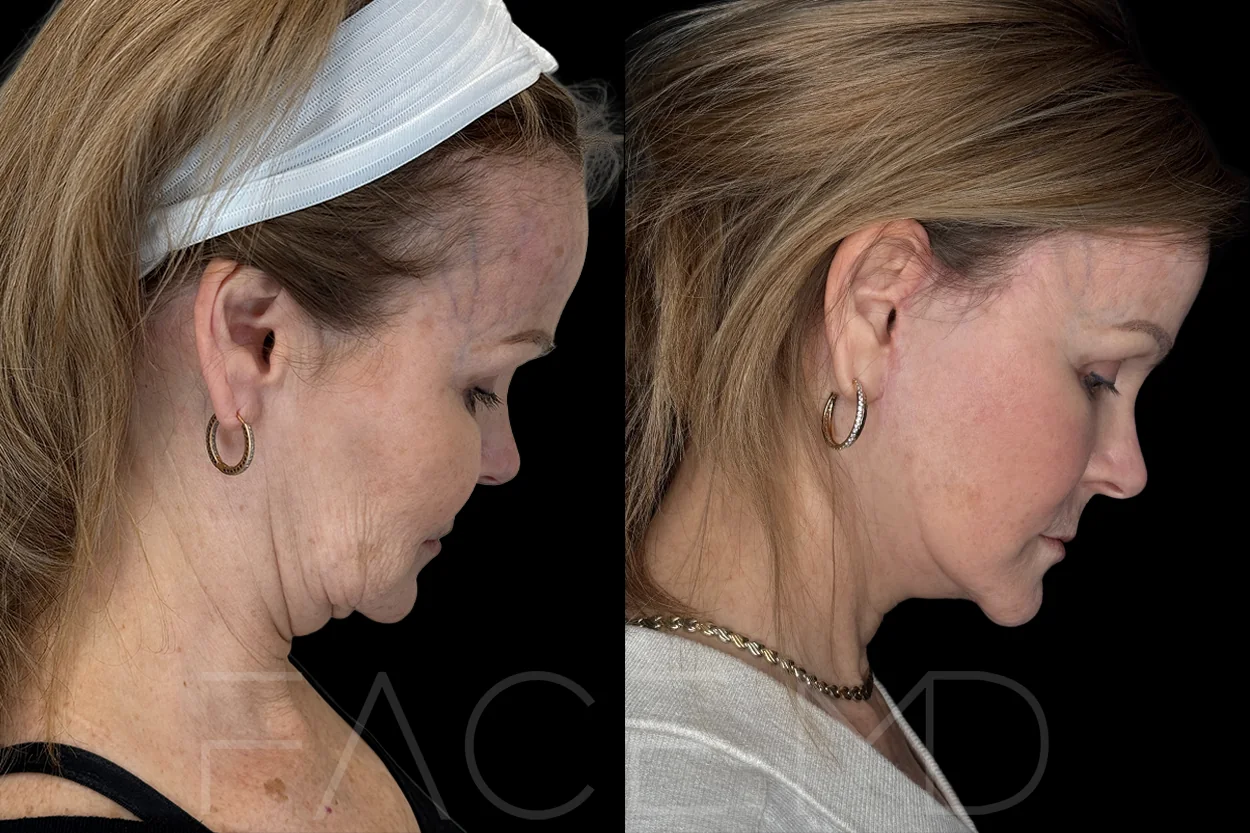
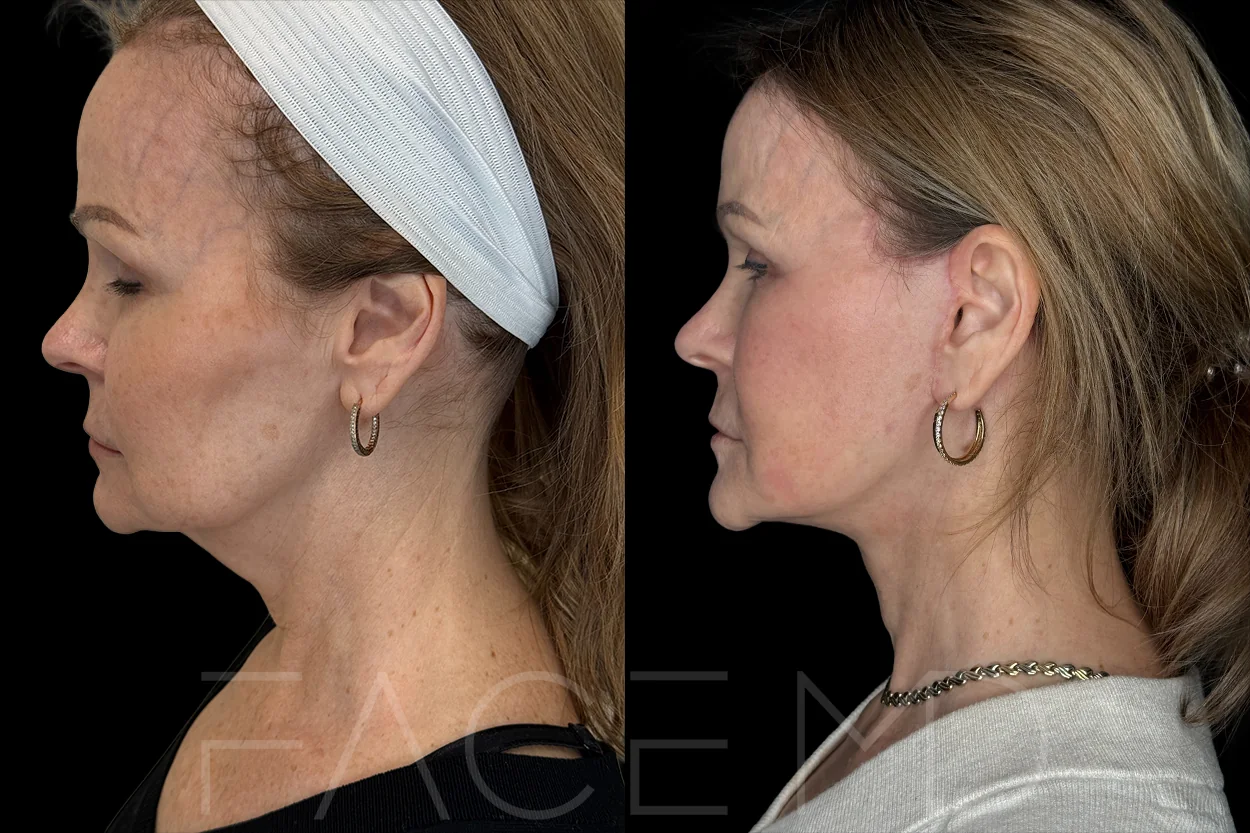
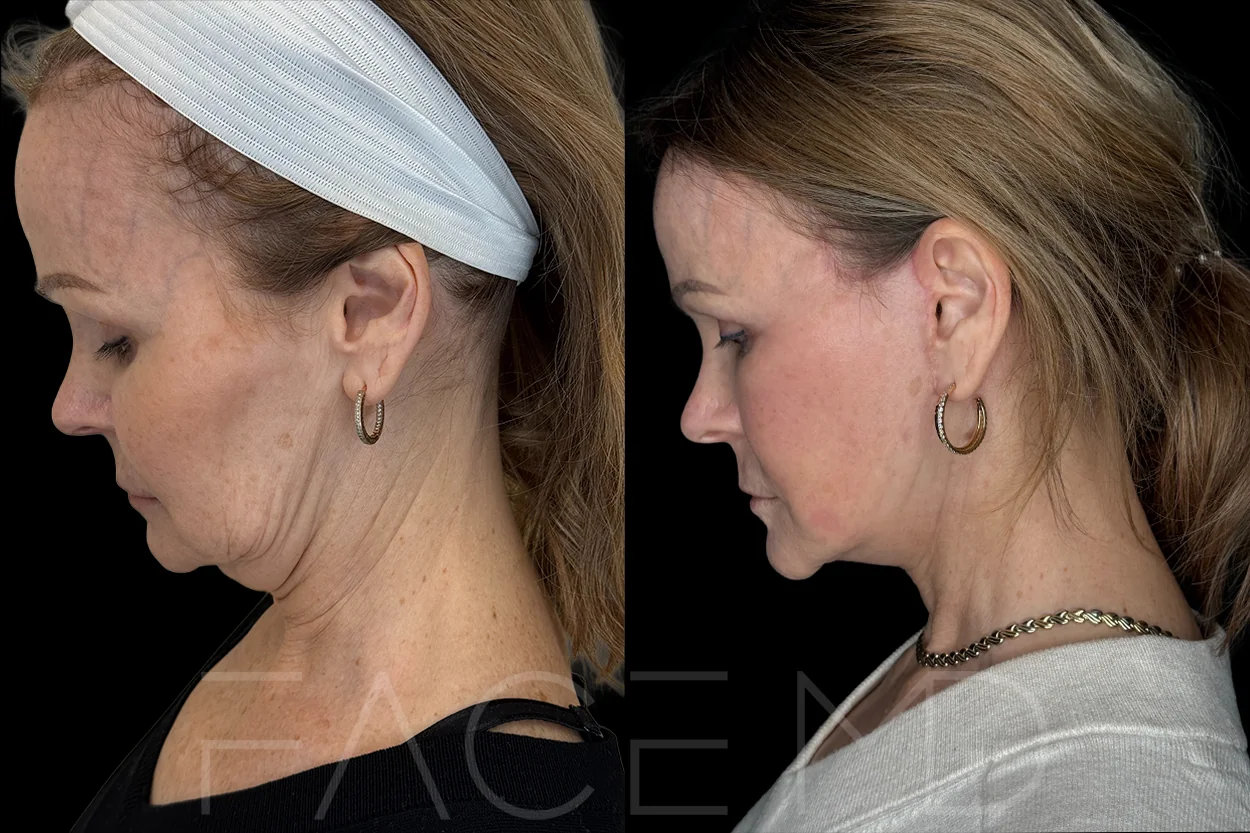
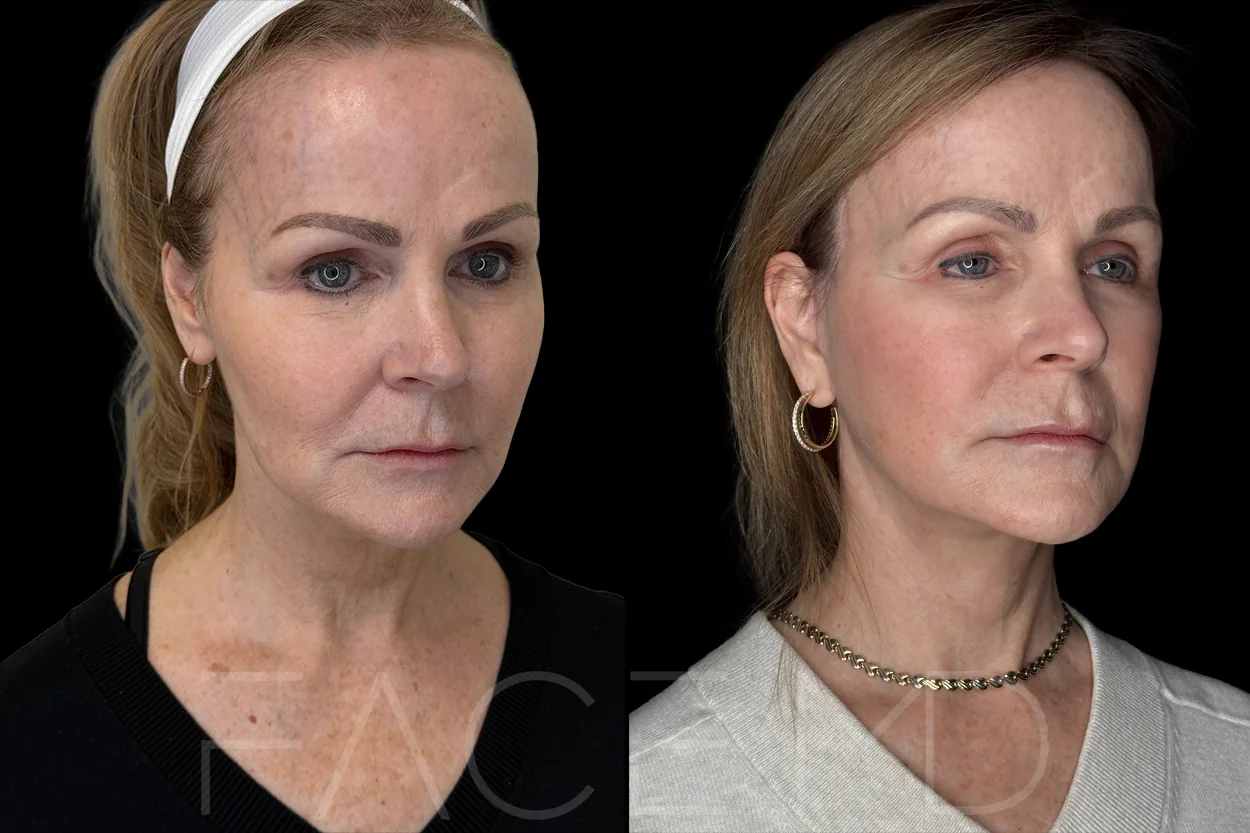
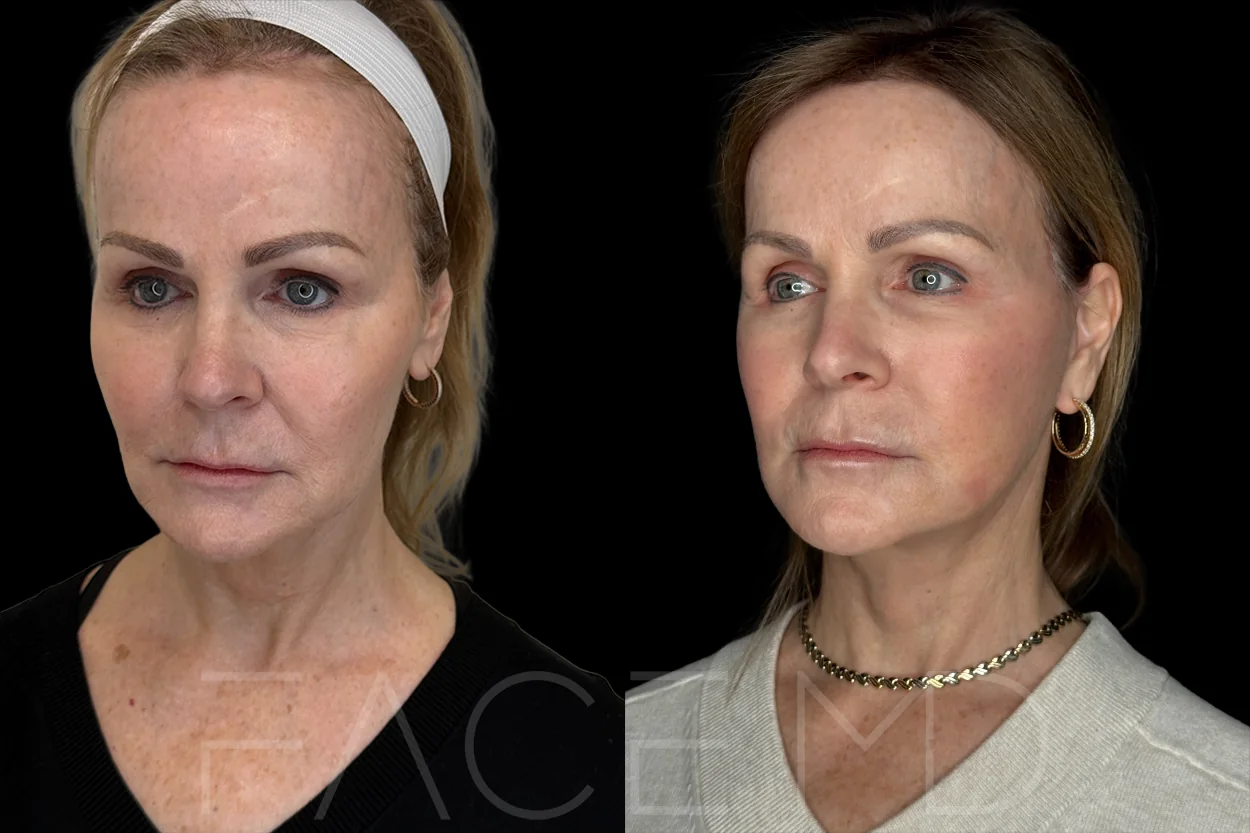
- 13 Months post-op Deep Plane Face & Neck Lift and Upper Blepharoplasty
- 23 Months post-op Deep Plane Face & Neck Lift and Upper Blepharoplasty
- 33 Months post-op Deep Plane Face & Neck Lift and Upper Blepharoplasty
- 43 Months post-op Deep Plane Face & Neck Lift and Upper Blepharoplasty
- 53 Months post-op Deep Plane Face & Neck Lift and Upper Blepharoplasty
- 63 Months post-op Deep Plane Face & Neck Lift and Upper Blepharoplasty
- 73 Months post-op Deep Plane Face & Neck Lift and Upper Blepharoplasty
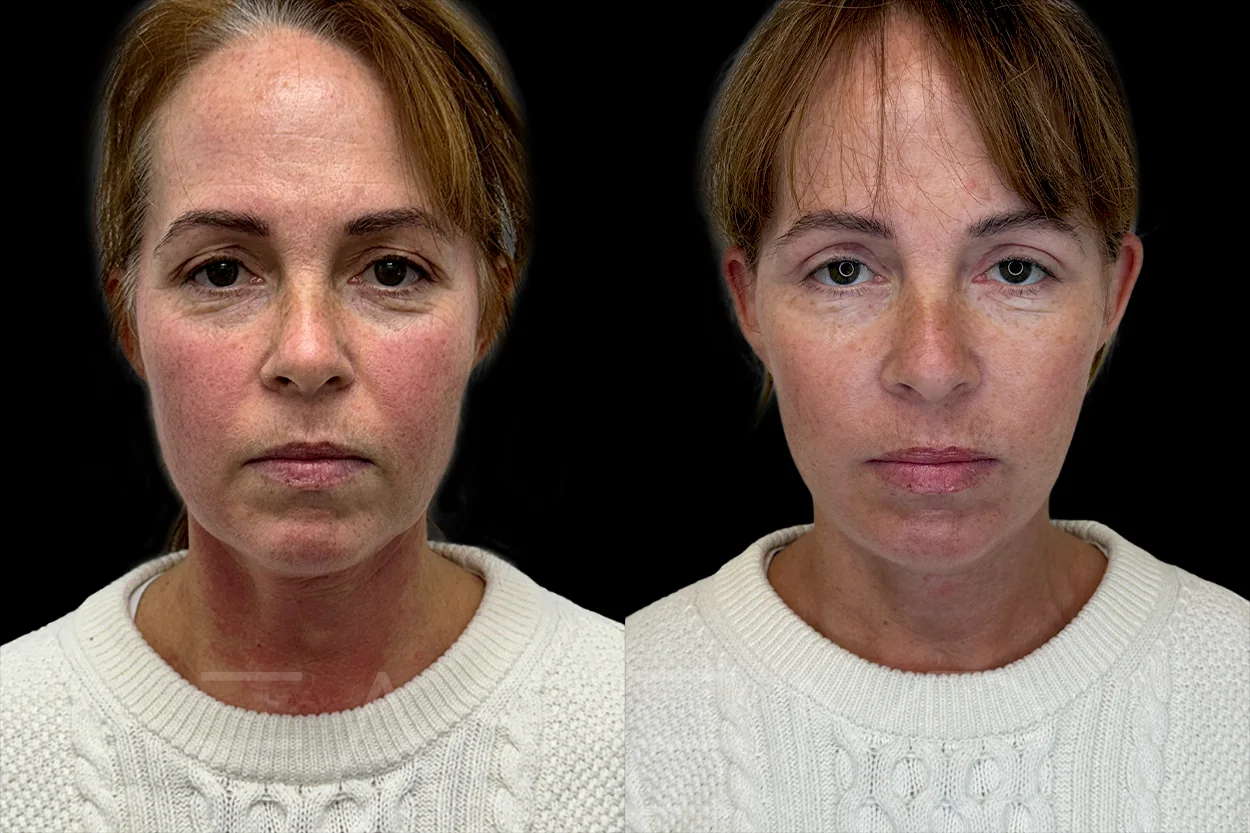
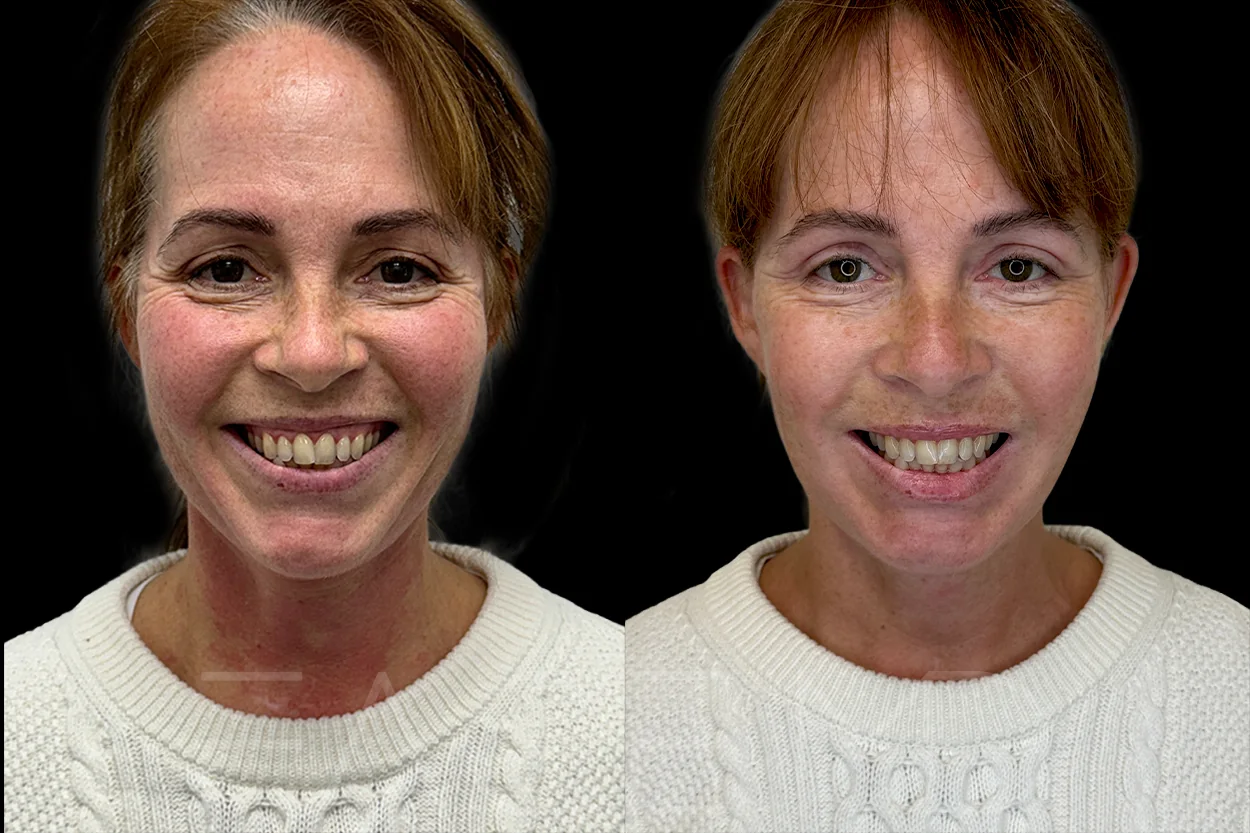
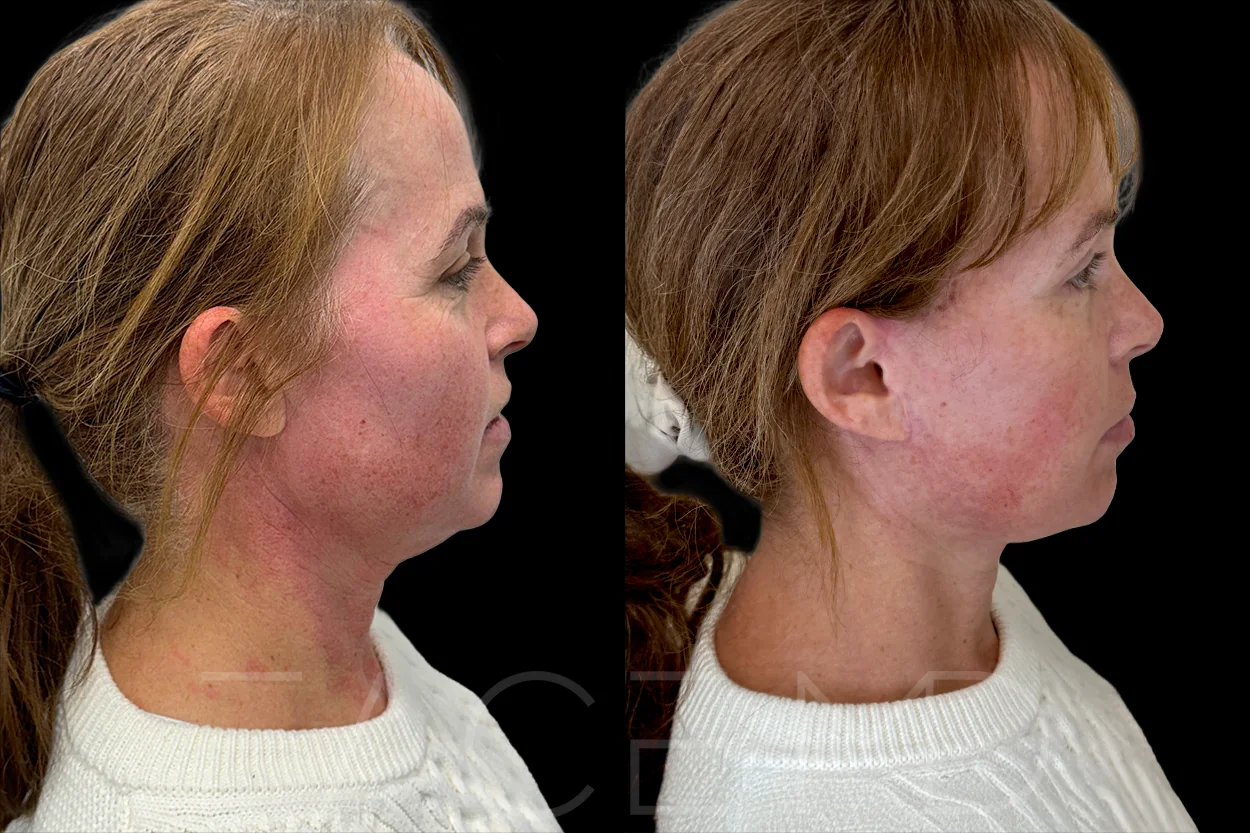
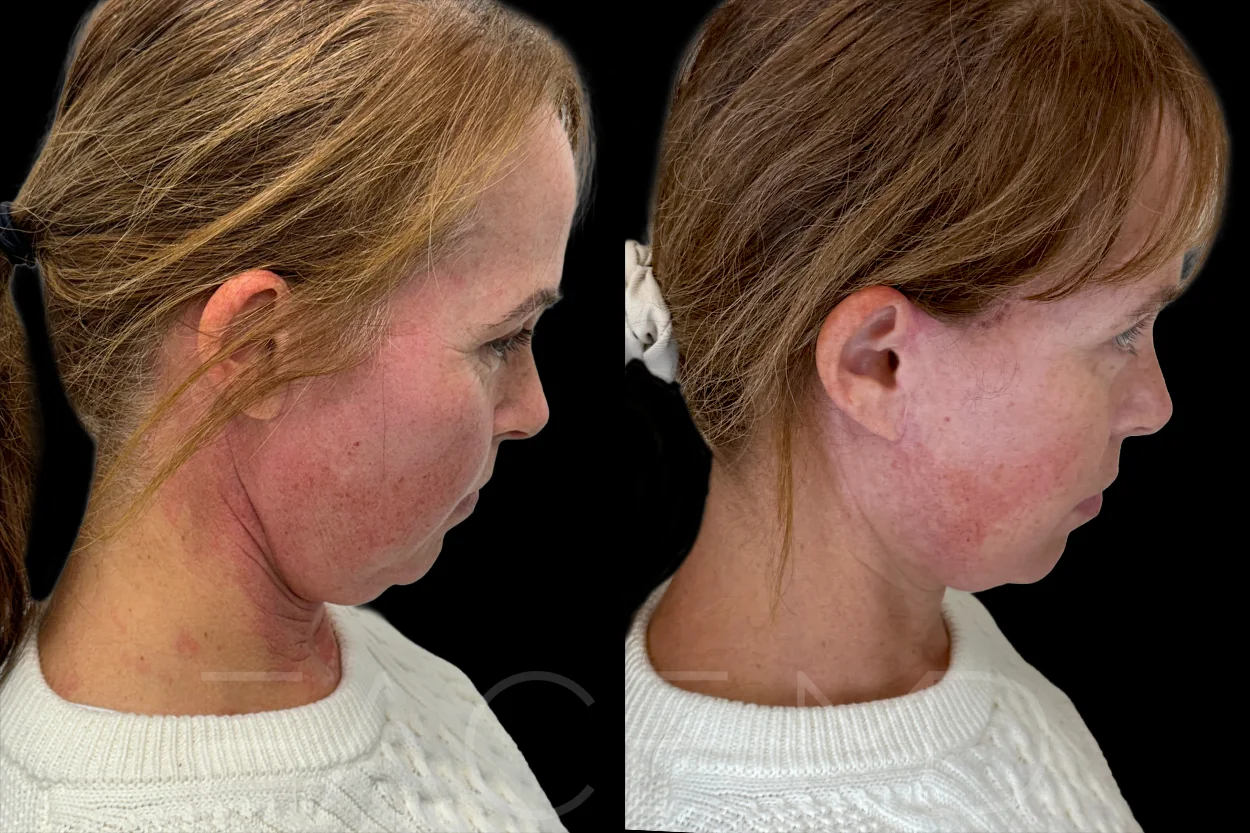
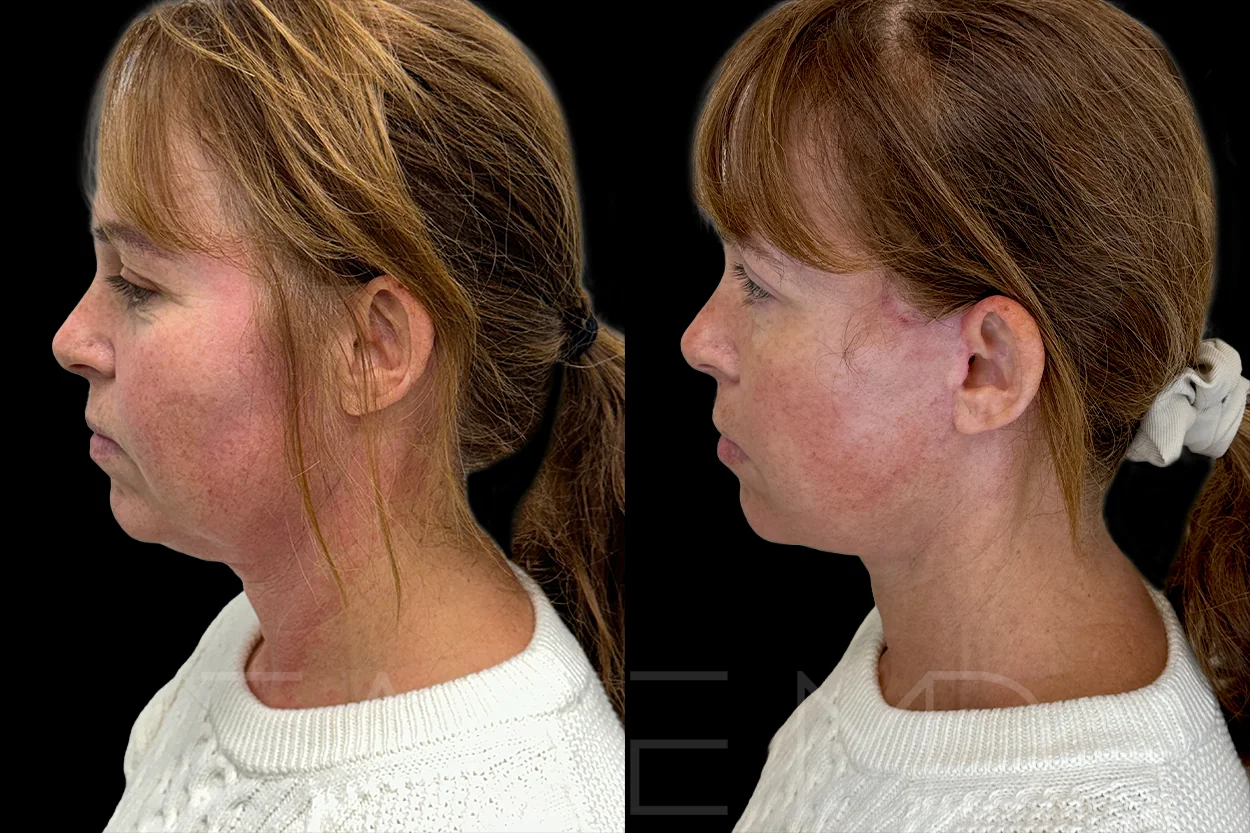
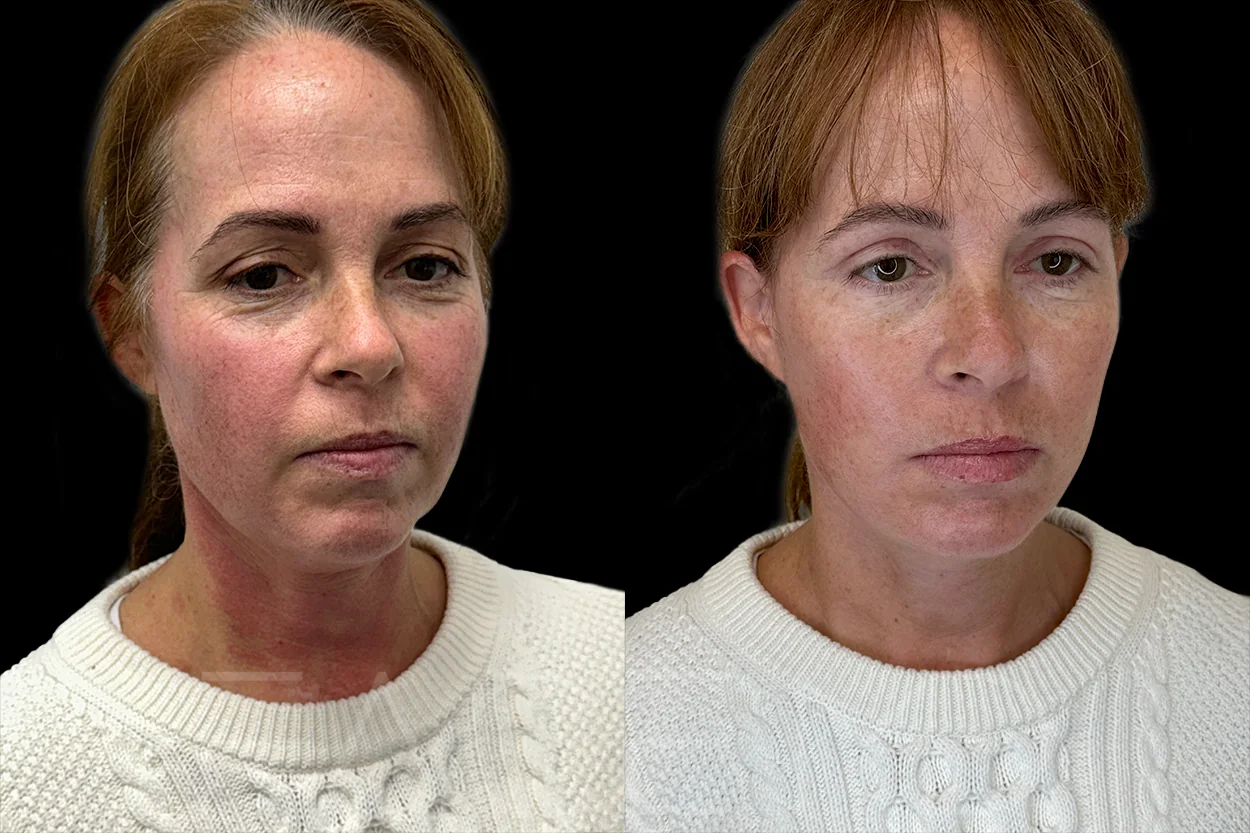
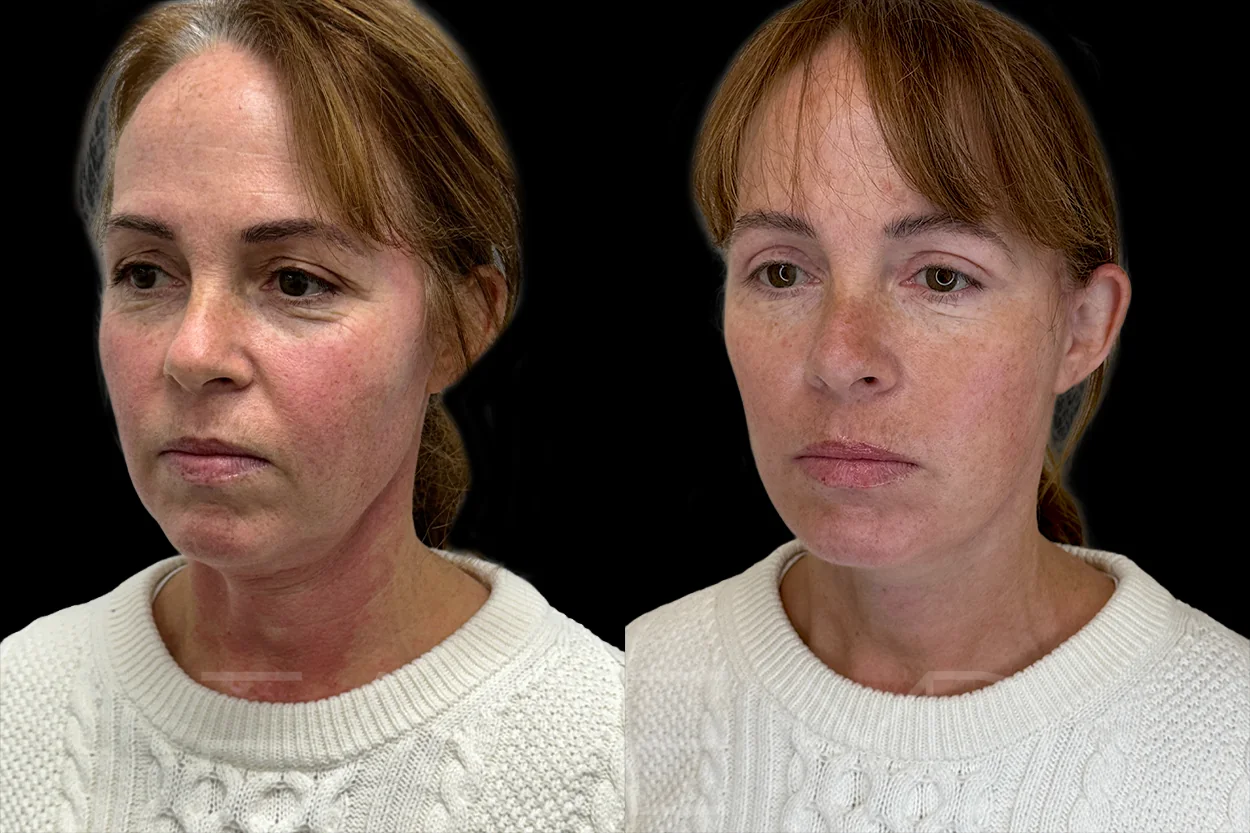
These examples are provided to help visualize the scope of possible results achievable through professional surgical treatment. Photos are published with the informed written consent of the patient. These are not a guarantee of results and are for educational purposes only.
The surgeons at Clinique Face MD
Surgical procedures are performed by head and neck surgeons (otolaryngology–head and neck surgery) practicing in facial plastic surgery at Clinique Face MD, members of the Collège des médecins du Québec and certified by the Royal College of Physicians and Surgeons of Canada.